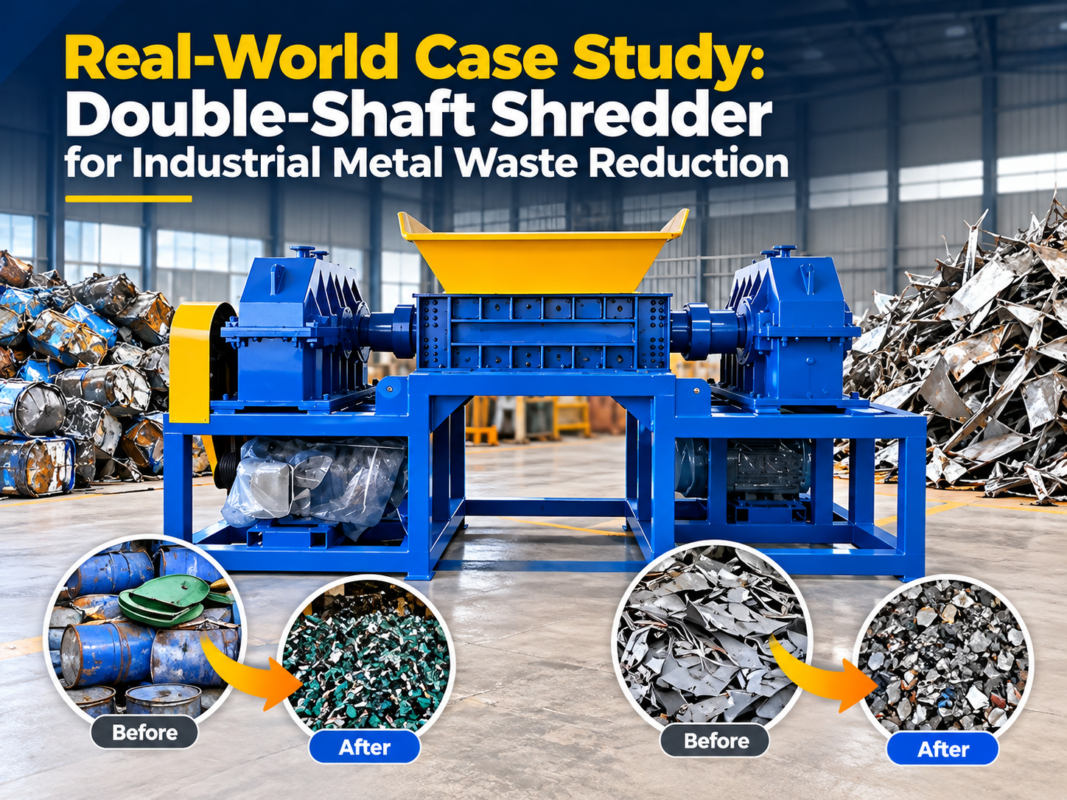
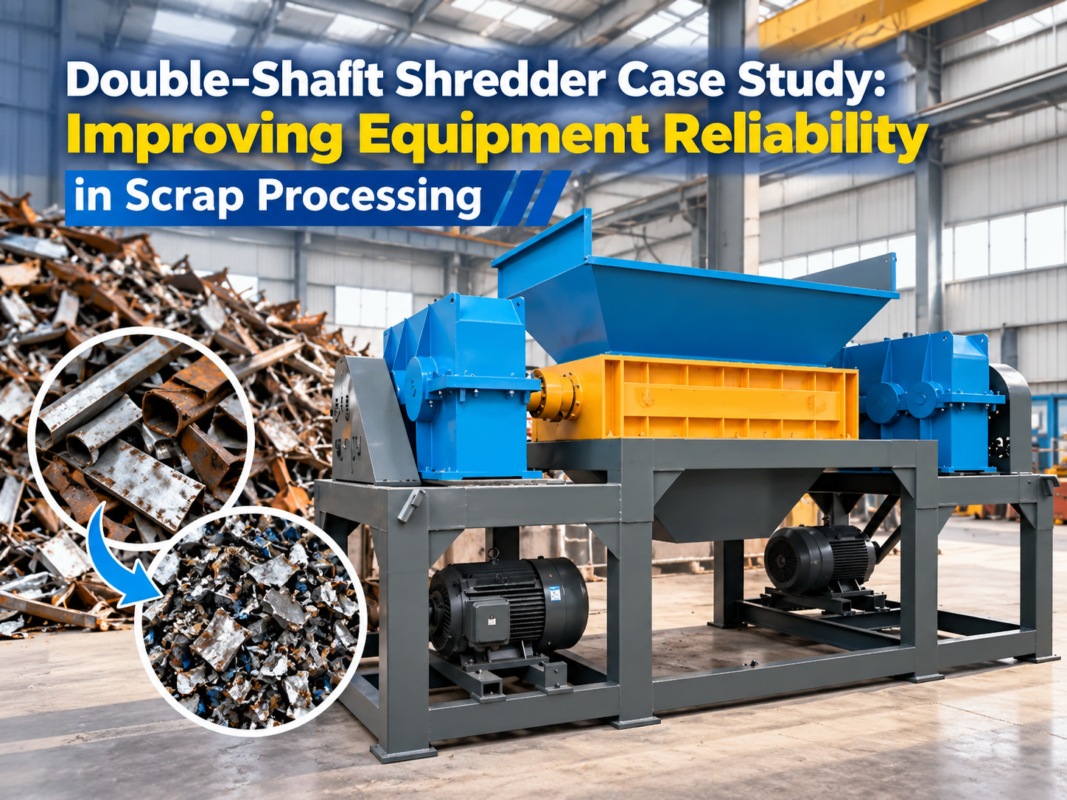
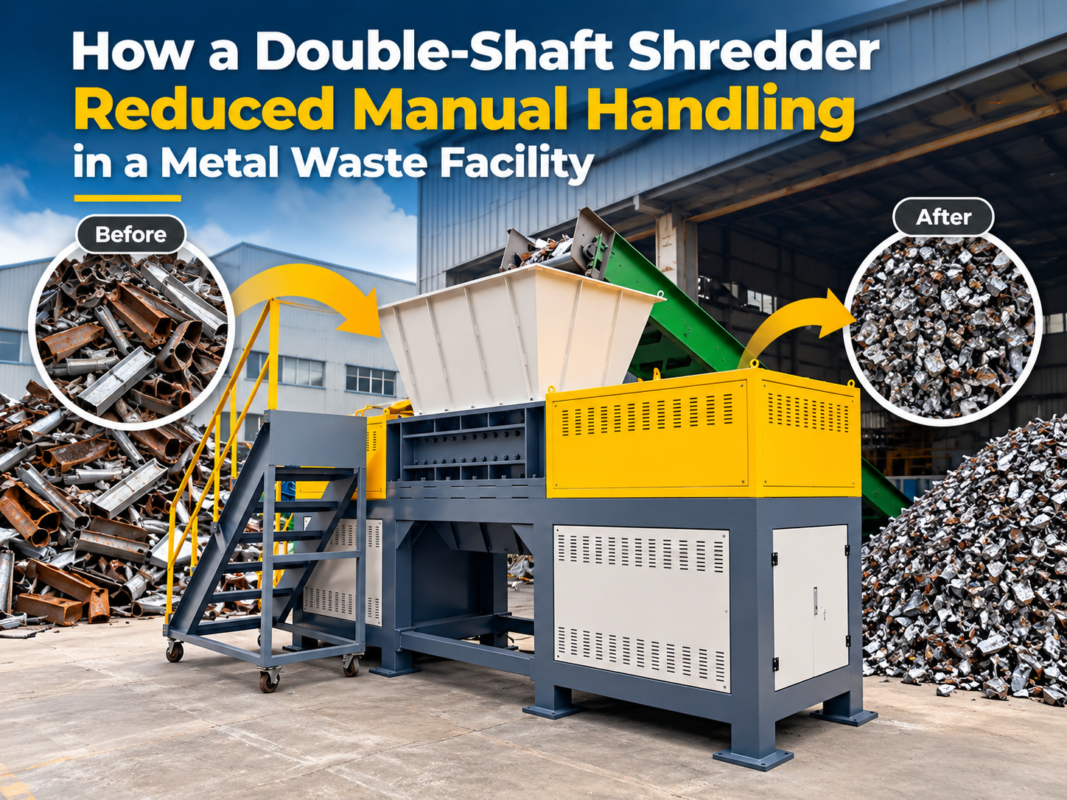
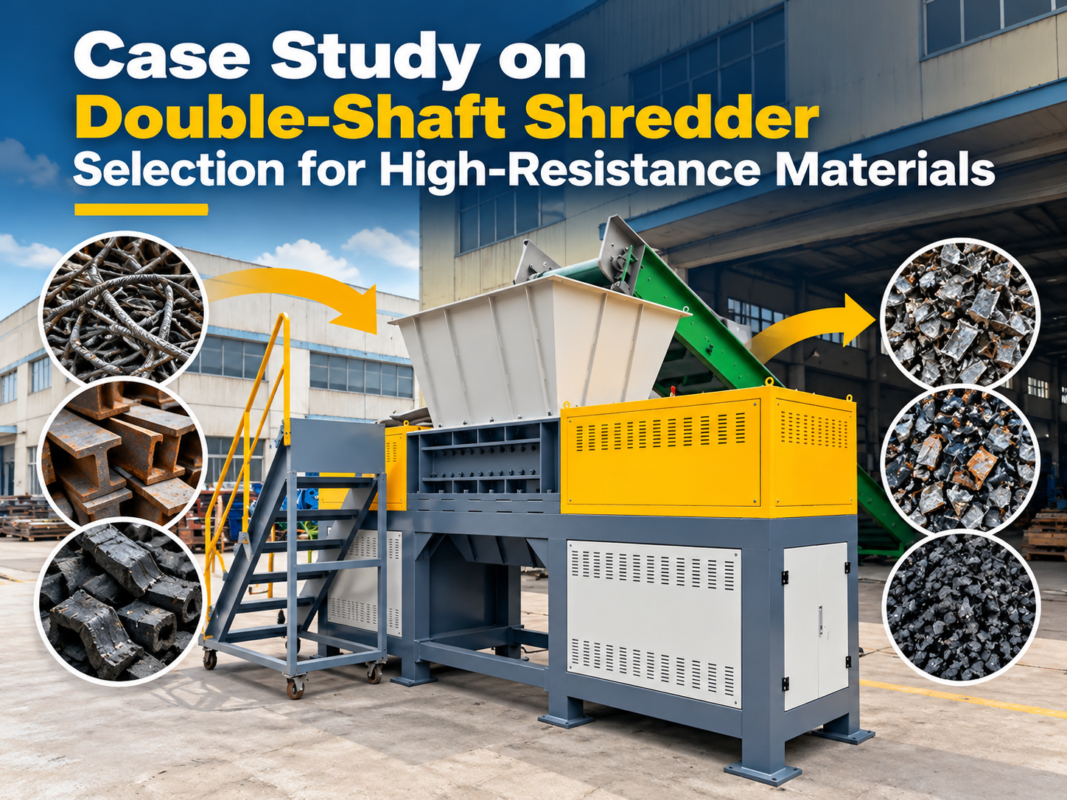
Comprehensive Guide to Double-Shaft Shredder Performance Factors: Hardness, Thickness, and Material Shape

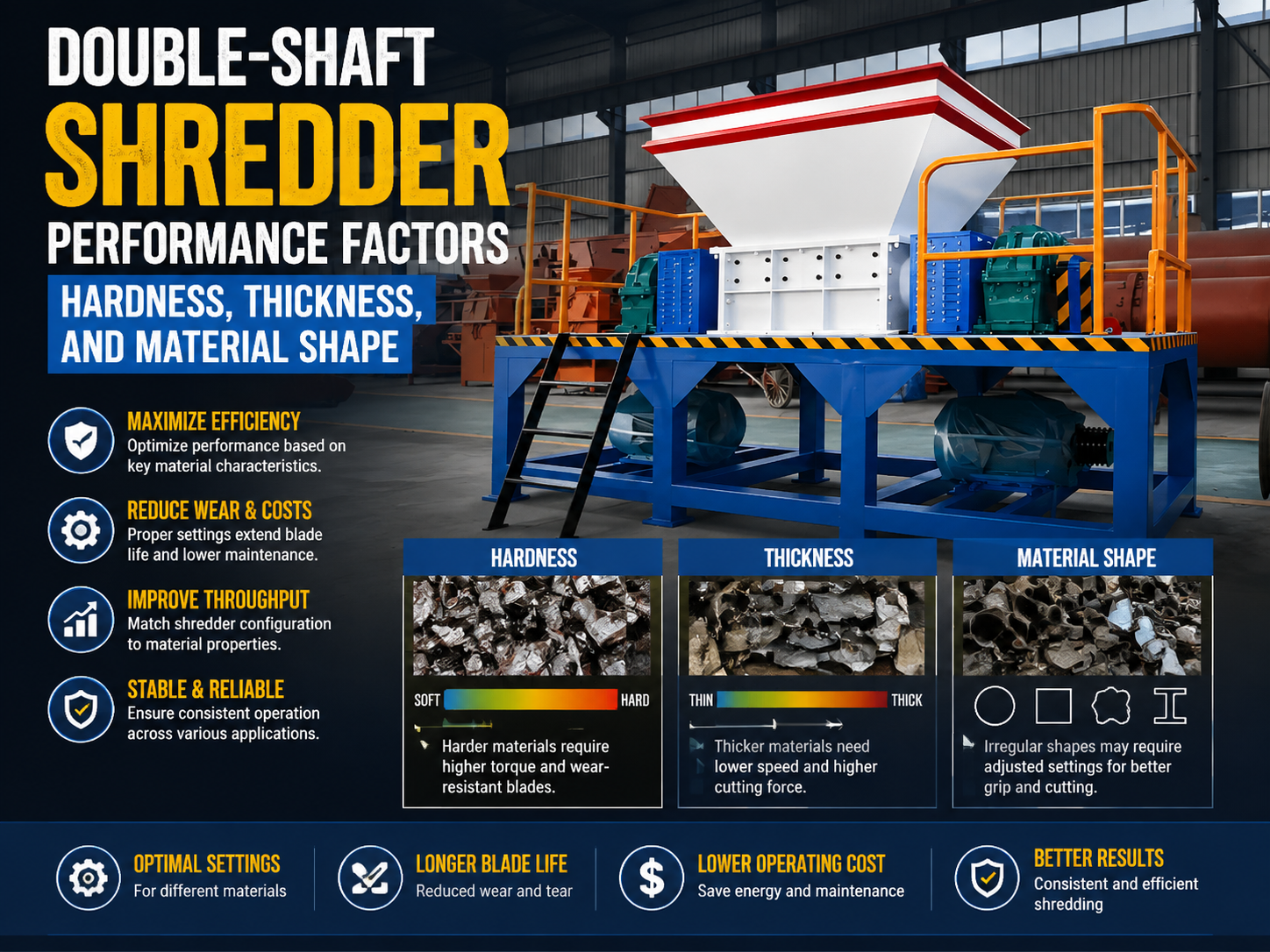
Technical Overview of Double-Shaft Shredding Mechanics
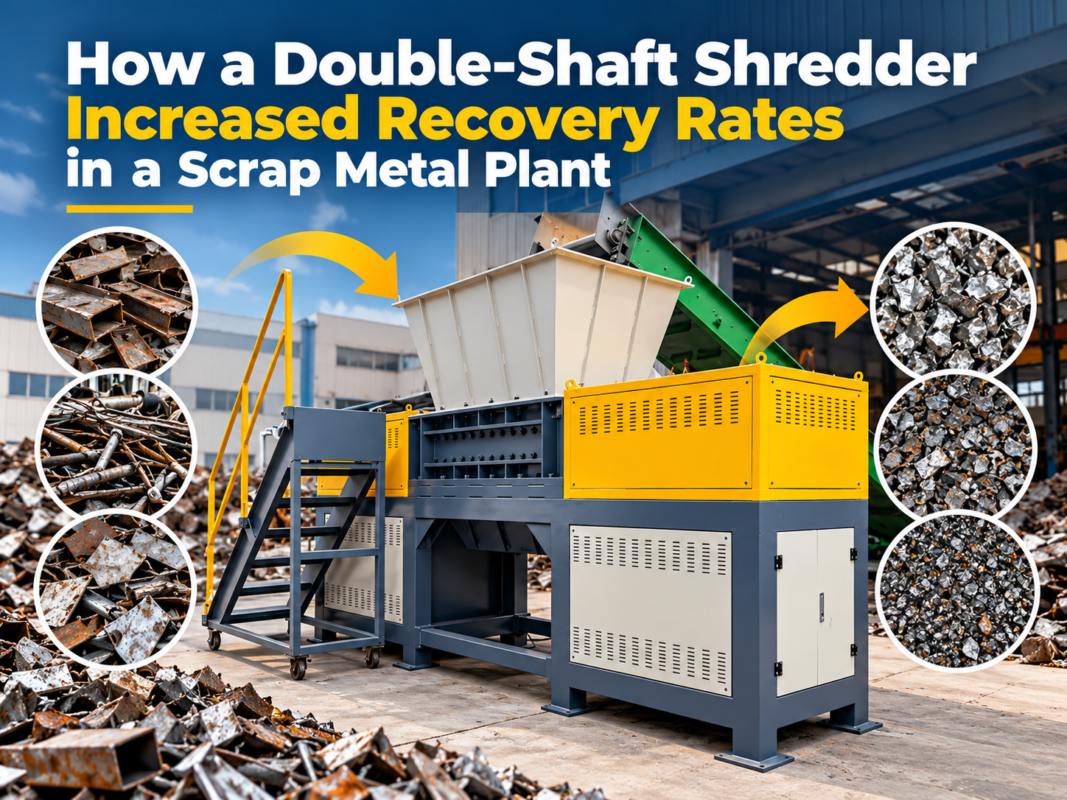
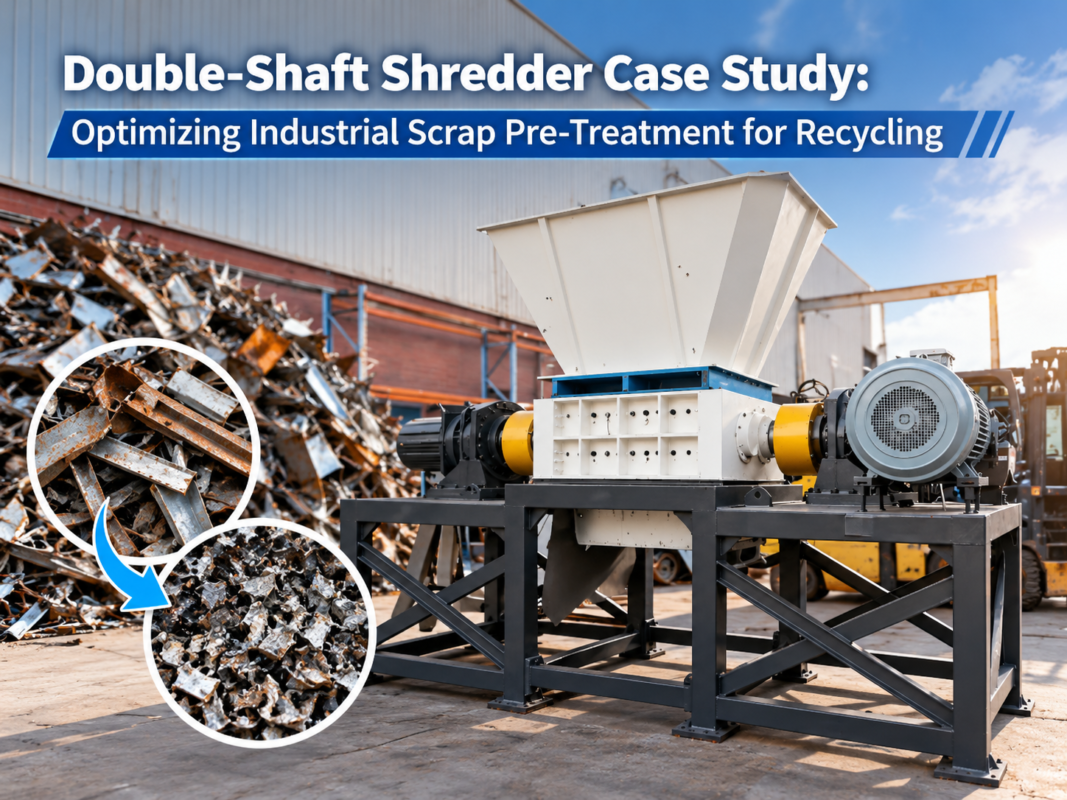
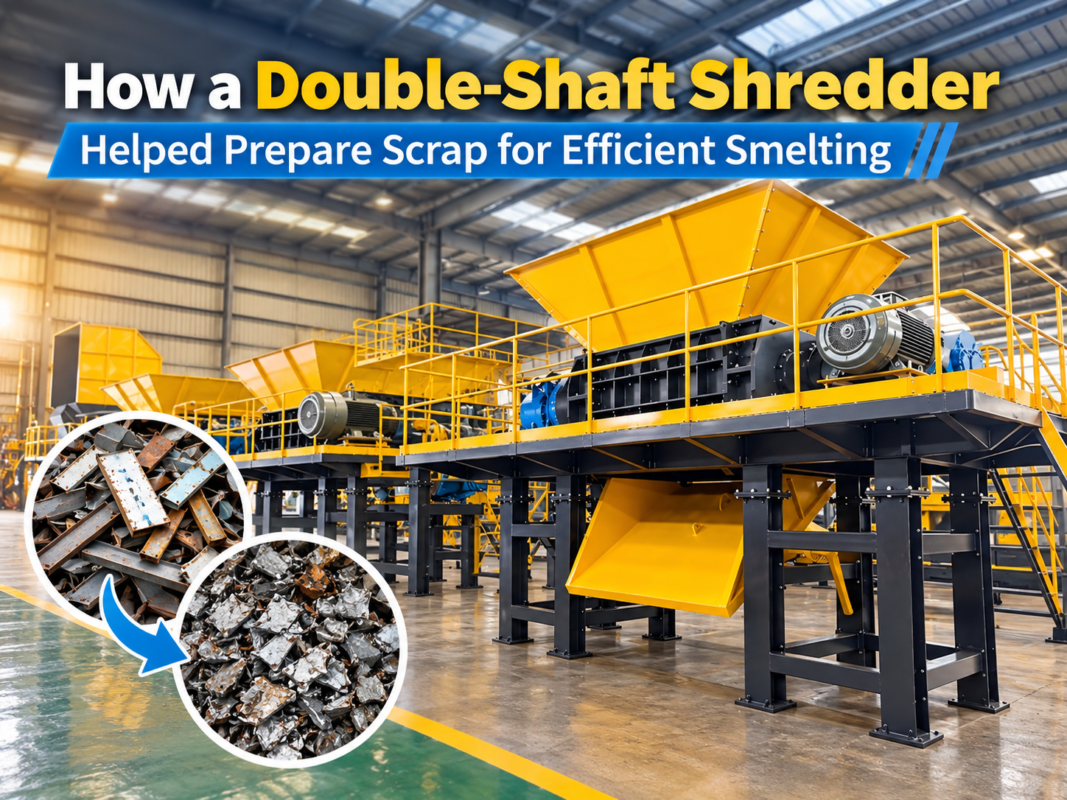
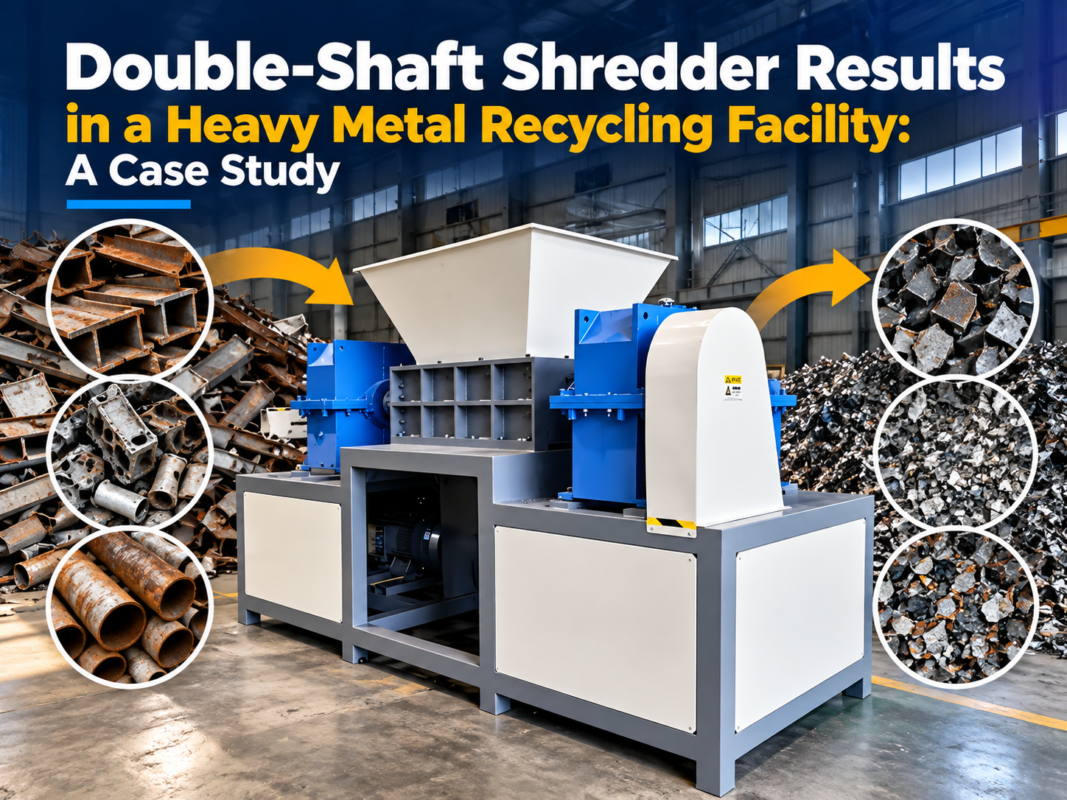
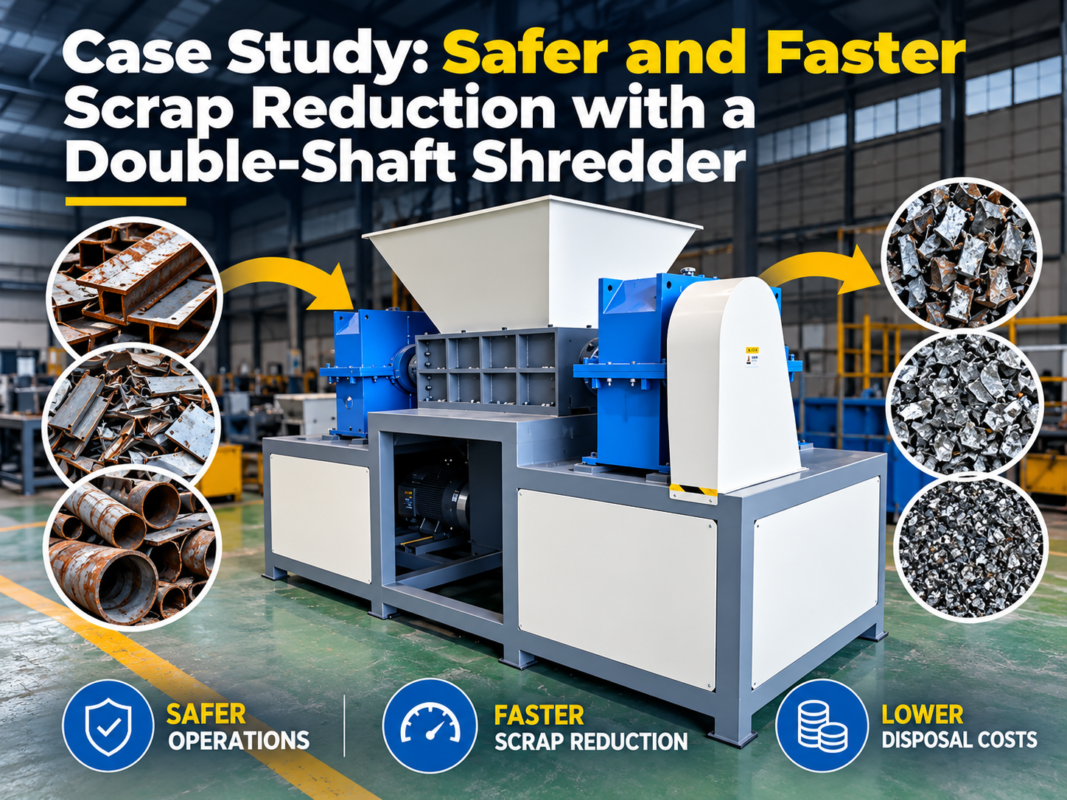
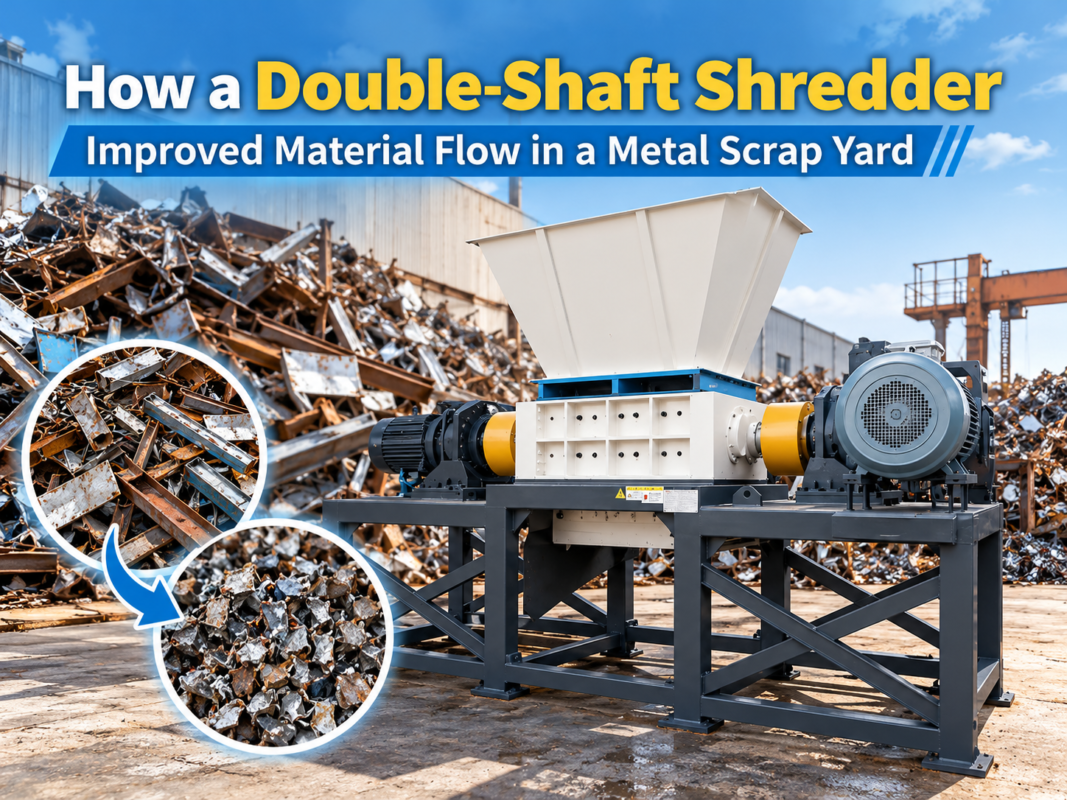
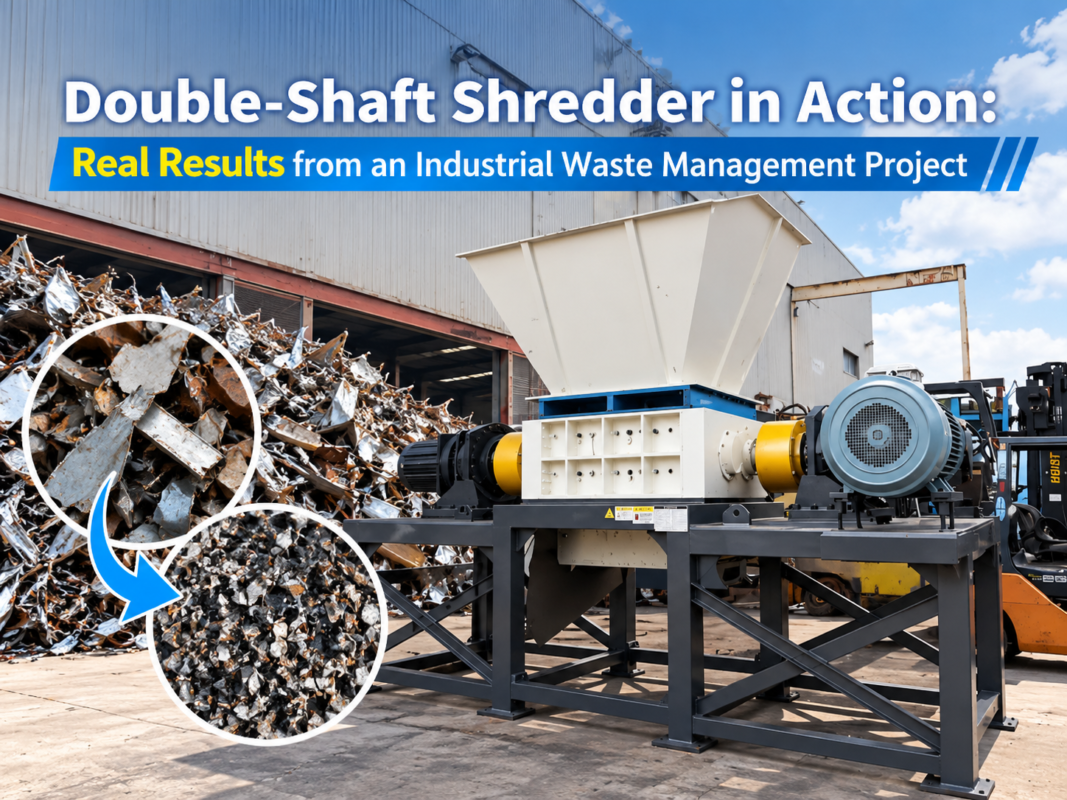
Double-shaft shredders, often referred to as shear shredders, represent the backbone of modern industrial recycling and volume reduction. Unlike high-speed granulators that rely on centrifugal force and impact, double-shaft shredders operate at low speeds with exceptionally high torque. This mechanical advantage allows them to process a vast array of materials, from resilient polymers to heavy-gauge metals. The fundamental principle involves two counter-rotating shafts equipped with hooked blades that pull material into the cutting chamber, subjecting it to intense shearing forces.
The efficiency of this process is not universal; it is highly dependent on the interaction between the machine’s mechanical specifications and the physical properties of the feedstock. When we discuss Double-Shaft Shredder Performance Factors: Hardness, Thickness, and Material Shape, we are looking at the three pillars that dictate throughput, energy consumption, and the lifespan of wear parts. HARSLE engineering focuses on optimizing these interactions to ensure that the shredder does not just ‘work,’ but operates at peak economic efficiency.
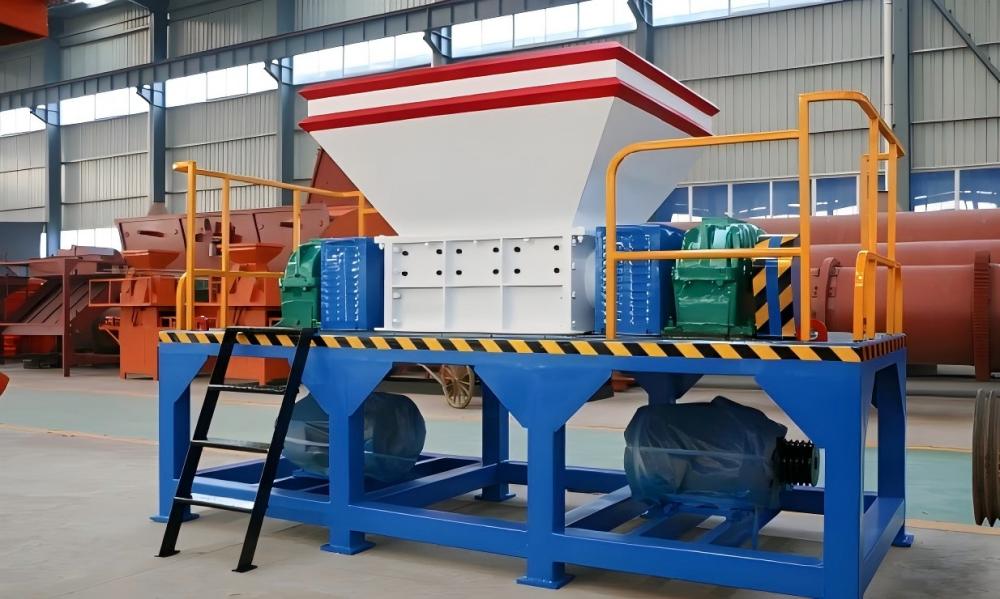
In a technical sense, the performance is measured by the ‘shear rate’ and the ‘volumetric displacement’ of the blades. Hardness affects the resistance to the blade’s penetration, thickness determines the required torque to complete a shear cycle, and shape influences how effectively the blades can ‘grab’ the material. Understanding these factors is critical for any facility manager or engineer looking to integrate shredding technology into their production line.
Core Parameters: The Impact of Material Hardness
Hardness is perhaps the most significant variable in determining the wear rate of the shredder blades. In the context of double-shaft shredders, hardness refers to the material’s resistance to localized plastic deformation. When processing high-hardness materials like alloy steels or reinforced composites, the blades must be manufactured from specialized tool steels (such as D2, SKD-11, or H13) and subjected to rigorous vacuum heat treatment to reach a hardness level significantly higher than the feedstock.
If the material hardness approaches the blade hardness, the shearing action fails, leading to ‘skating’—where the blades rub against the material without cutting. This generates immense frictional heat, which can temper the blades, causing them to lose their edge and eventually crack. For softer materials like HDPE or rubber, hardness is less of a concern for wear but becomes a factor in ‘elastic recovery,’ where the material compresses rather than shears, requiring specific blade hook geometries to ensure a clean cut.
Furthermore, hardness dictates the motor’s power curve. Harder materials require a sharper ‘torque spike’ to initiate the fracture. HARSLE machines utilize advanced PLC controllers that monitor these spikes; if the hardness exceeds the machine’s rated capacity, the shafts will automatically reverse to prevent catastrophic failure. This protective logic is essential when dealing with heterogeneous waste streams where unexpected hardened steel components might be present.
Core Parameters: The Role of Material Thickness
Material thickness is the primary driver of torque requirements. In a double-shaft shredder, the ‘cutting gap’—the clearance between the two sets of blades—must be precisely calibrated. When a thick piece of material, such as a 10mm steel plate or a heavy-walled plastic pipe, enters the chamber, the blades must exert enough force to overcome the material’s ultimate tensile strength across its entire cross-section.
The relationship between thickness and torque is not linear. As thickness increases, the volume of material being displaced by the blade hook increases cubically. This means that doubling the thickness of the input material can require significantly more than double the torque. This is why HARSLE offers various gearbox ratios; for thin, high-volume materials like electronic scrap, a higher speed/lower torque configuration is preferred, whereas for thick structural components, a low speed/high torque setup is mandatory.
Thickness also influences blade width selection. Thicker materials generally require wider blades to prevent the material from twisting or jamming between the shafts. If the blades are too thin relative to the material thickness, the lateral forces exerted during the shear can cause the shafts to deflect, leading to premature bearing failure and uneven wear on the spacers. Proper engineering involves matching the blade thickness to the maximum expected material gauge to maintain structural equilibrium within the cutting chamber.
Core Parameters: Material Shape and Bulk Density
While hardness and thickness are intrinsic physical properties, shape is a geometric property that affects the ‘feedability’ and ‘throughput’ of the shredder. Material shape determines the bulk density—the weight of the material per unit of volume. For example, a tangled mass of wire scrap has a very low bulk density compared to a solid block of plastic, even if they weigh the same. The double-shaft shredder’s performance is limited by the volume of the cutting chamber and the ability of the hooks to grab the material.
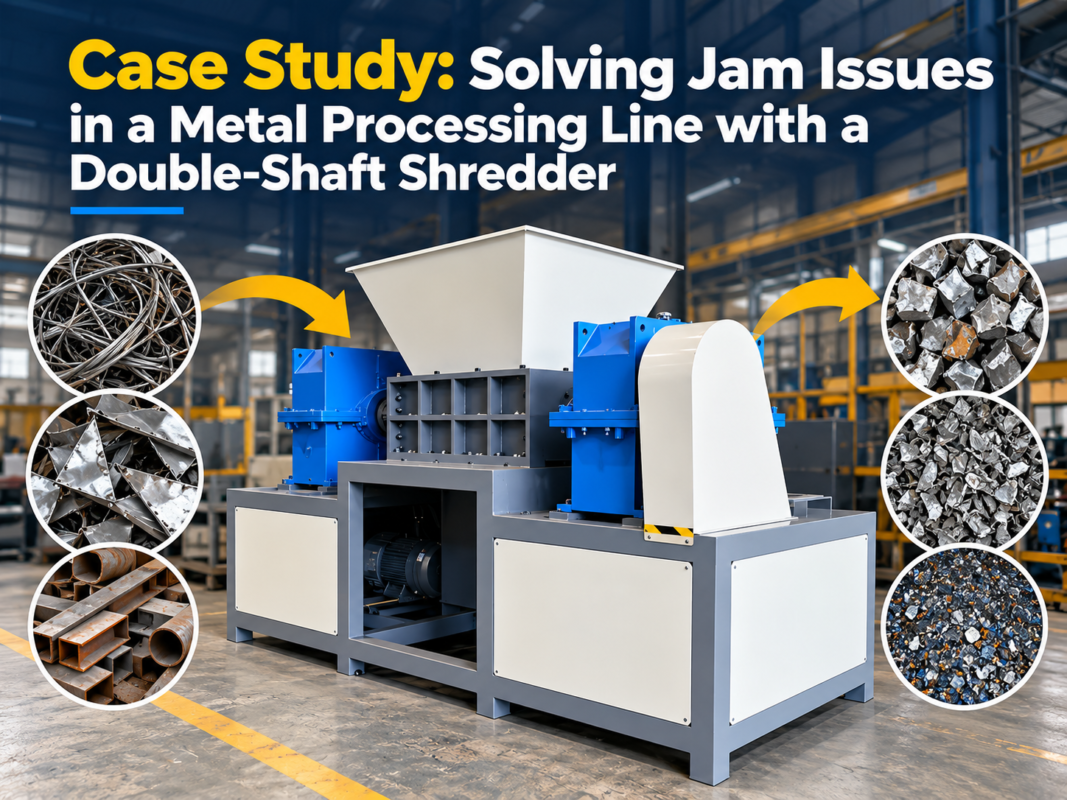
Irregularly shaped objects, such as large hollow drums or automotive bumpers, can lead to ‘bridging.’ Bridging occurs when the material rests on top of the shafts without being pulled in, effectively idling the machine despite the hopper being full. To combat this, HARSLE designs custom hopper configurations and utilizes ‘aggressive’ hook designs—blades with multiple points or deeper recesses—to ensure that even awkward shapes are snagged and pulled into the shear zone.
Shape also affects the final output size. Because a double-shaft shredder does not typically use a screen (unlike a single-shaft shredder), the width of the blades and the number of hooks determine the size of the shredded strips. If the input material is long and thin (like extrusions), it may pass through the shredder in long pieces if the blade configuration isn’t optimized with transverse cutters or specialized spacers to break the material’s length.
Calculation Method for Shredder Performance
To accurately predict the performance of a double-shaft shredder, engineers use a combination of theoretical formulas and empirical data. The most critical calculation is the Required Torque (T). The formula is generally expressed as:
T = (σ × A × r) / η
Where:
σ = Ultimate Shear Strength of the material (N/mm²)
A = Cross-sectional area of the cut (Thickness × Blade Width)
r = Radius of the blade (distance from the center of the shaft to the tip of the hook)
η = Mechanical efficiency of the drive system
Once the torque is established, the throughput (Q) can be estimated. Throughput is a function of the shaft speed (RPM), the number of blades (n), and the average weight of the material captured by each hook (w). The formula is:
Q = RPM × n × w × 60
It is important to note that ‘w’ is highly variable based on the material shape and bulk density. For high-density materials, ‘w’ is high, leading to high mass throughput. For low-density materials, the machine may be ‘volume-limited,’ meaning the shafts are spinning and grabbing material, but the total weight processed per hour is low because the material is mostly air.
Technical Parameter Table for Material Processing
| Material Type | Typical Hardness (HB) | Max Thickness (mm) | Recommended Blade Type | Torque Requirement | Throughput Factor |
|---|---|---|---|---|---|
| LDPE/HDPE Plastics | Low (40-60) | 50-100 | Multi-hook (3-5) | Medium | High |
| Aluminum Extrusions | Medium (60-95) | 10-20 | Single/Double Hook | High | Medium |
| Car Tires (Steel Belted) | High (Rubber + Steel) | N/A (Complex) | High-Alloy Serrated | Very High | Medium |
| Electronic Waste (WEEE) | Variable | 5-15 | Multi-hook Fine | Medium | High |
| Structural Steel Scrap | High (120-180) | 6-12 | Heavy Duty Single Hook | Extreme | Low |
| Wood Pallets | Low | 100-150 | Large Gap Hook | Low | Very High |
Common Engineering Mistakes in Shredder Selection
One of the most frequent mistakes in industrial shredding is undersizing the motor and gearbox. Buyers often look at the average thickness of their waste stream rather than the maximum thickness. If a shredder is rated for 5mm steel but occasionally encounters 10mm pieces, the frequent reversing cycles will not only reduce throughput but also cause excessive heat buildup in the motor windings and wear out the contactors in the control panel.
Another common error is ignoring the ‘Grab Factor’ of the blades. For materials like large plastic drums or bulky containers, a standard blade might just bounce the material around. Engineers must specify the number of hooks and the hook height based on the material shape. A blade with too many hooks might not have a deep enough ‘gullet’ to grab large items, while a blade with too few hooks might result in a very coarse output that requires secondary processing.
Finally, neglecting blade metallurgy is a costly mistake. Using standard carbon steel blades for abrasive materials like glass-filled plastics or sandy agricultural film will result in the blades dulling within weeks. The cost of downtime and blade replacement far outweighs the initial investment in high-grade D2 or specialized coating treatments. HARSLE emphasizes matching the blade alloy to the specific chemical and physical profile of the feedstock.
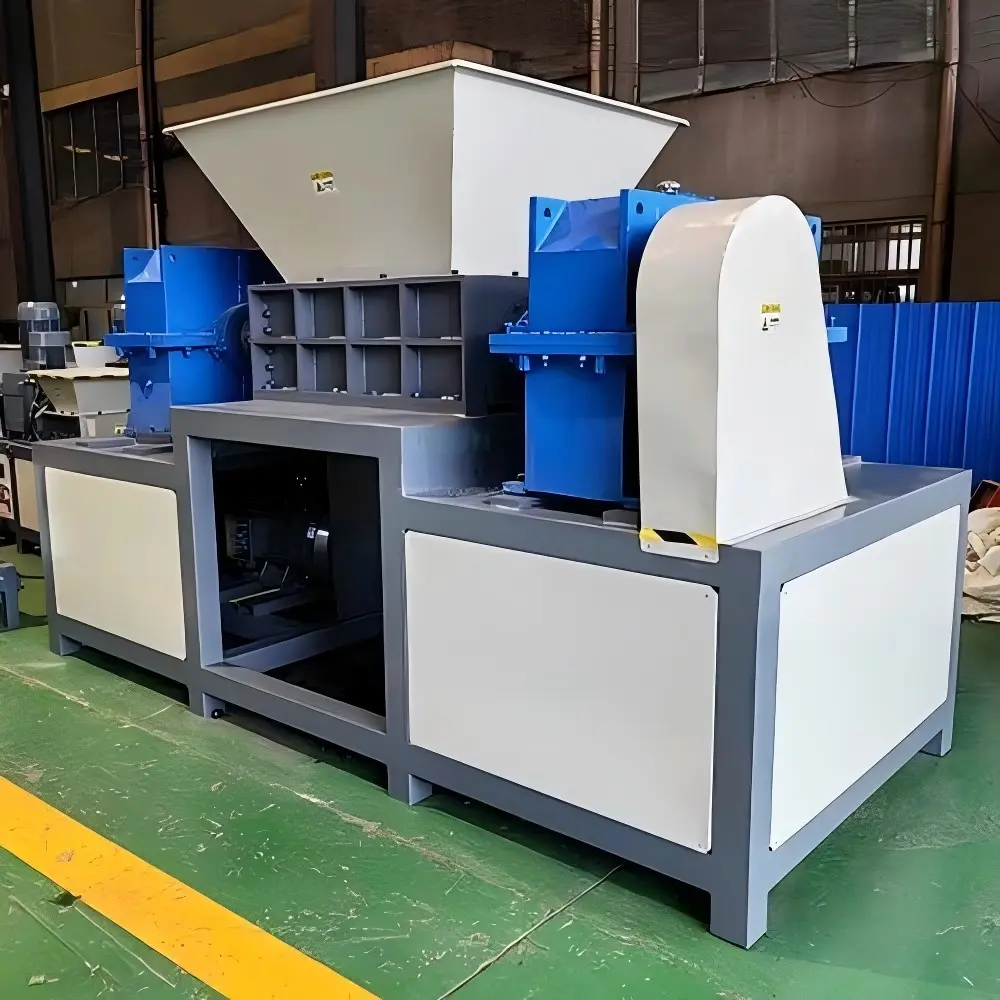
Selection Checklist for Double-Shaft Shredders
When selecting a double-shaft shredder, follow this technical checklist to ensure the machine matches your performance factors:
- Material Analysis: Define the maximum hardness (Brinell or Rockwell) and the maximum thickness of the feedstock.
- Throughput Goals: Determine the required tons per hour (TPH) and calculate if the volumetric capacity of the chamber supports this at the given bulk density.
- Blade Configuration: Choose the blade thickness and hook count based on the desired output size and the material’s ‘grab’ characteristics.
- Drive System: Decide between electric motor drives (best for consistent materials) or hydraulic drives (best for high-shock, variable loads).
- Maintenance Access: Ensure the machine design allows for easy blade removal and shaft tightening without dismantling the entire frame.
- Safety Systems: Verify the presence of auto-reverse logic, over-current protection, and emergency stop integration.
- Future Proofing: Consider if the machine can handle a 20% increase in material thickness or a change in material type if your production line evolves.
Frequently Asked Questions (FAQ)
How does material hardness affect the sharpening frequency of the blades?
Harder materials increase the rate of abrasive wear on the blade edges. For example, shredding clean plastic might allow for 2,000 hours of operation before sharpening, whereas shredding contaminated construction waste might require sharpening every 500 hours. Monitoring the ‘gap’ between blades is the best way to determine when sharpening is needed.
Can a double-shaft shredder handle both thin plastic and thick metal?
Yes, but it requires a compromise. A machine geared for thick metal will be slower, reducing the throughput for thin plastic. Conversely, a high-speed plastic shredder may stall or break a shaft if fed thick metal. HARSLE recommends a variable frequency drive (VFD) to adjust speeds for different materials, though the physical blade design must still be compatible with the toughest material in the mix.
What is the impact of material shape on energy consumption?
Irregularly shaped materials that cause ‘bridging’ or require multiple ‘bites’ from the hooks increase the total energy consumed per ton of material. Smooth, consistent feeding of materials that fit easily into the cutting chamber optimizes the kilowatt-hour per ton ratio. Automated feeding systems like conveyors or vibrating hoppers can significantly improve energy efficiency by maintaining a steady load on the motors.
Why is torque more important than horsepower in double-shaft shredders?
Horsepower is a measure of work over time (speed), while torque is the rotational force. In shredding, the ability to shear through a thick object depends on the force (torque) applied at the blade tip. A high-horsepower, high-speed machine might lack the ‘punch’ to break through a thick steel plate, whereas a lower-horsepower machine with a high-reduction gearbox (producing massive torque) will easily shear it, albeit more slowly.
How do I prevent material from wrapping around the shafts?
Wrapping is common with long, fibrous materials like rope, wire, or certain plastics. This is prevented by using ‘cleaning fingers’ or ‘stripper plates’ that fit between the blades and scrape the material out of the gullets, forcing it to drop through the bottom of the machine. HARSLE shredders include adjustable stripper plates to maintain peak performance even with difficult, ‘stringy’ feedstock.