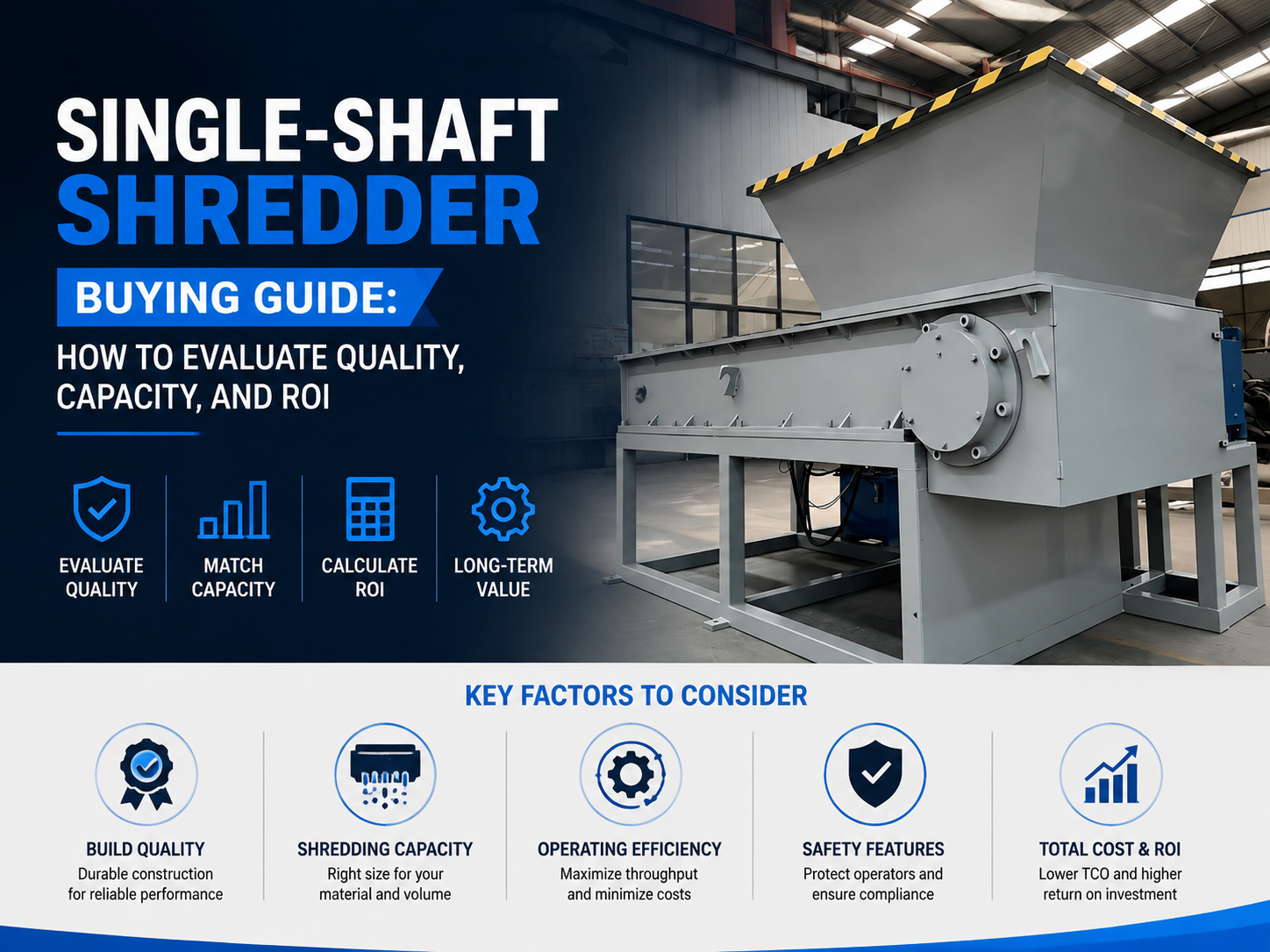
Single-Shaft Shredder Buying Guide: How to Evaluate Quality, Capacity, and ROI

Technical Overview: Understanding the Single-Shaft Shredder Mechanism
The single-shaft shredder is a cornerstone of modern industrial recycling and waste reduction. Unlike its multi-shaft counterparts, the single-shaft design utilizes a high-torque, low-speed rotor equipped with specialized cutting blades that interact with a fixed counter-knife. This configuration is particularly effective for processing bulky, solid materials such as plastic purgings, timber, rubber, and light metal scraps. At HARSLE, we emphasize the engineering precision required to balance rotational force with material resistance, ensuring that the machine operates efficiently without frequent jamming or mechanical fatigue.
The core operation begins when material is fed into the hopper. A hydraulic pusher, or ram, forces the material against the rotating shaft. The blades on the rotor shear the material against the stationary knives. The size of the final output is determined by a screen located beneath the rotor; material that is small enough passes through, while larger pieces are recirculated for further shredding. This controlled output size is one of the primary advantages of the single-shaft design, making it ideal for downstream processes like granulation or extrusion.
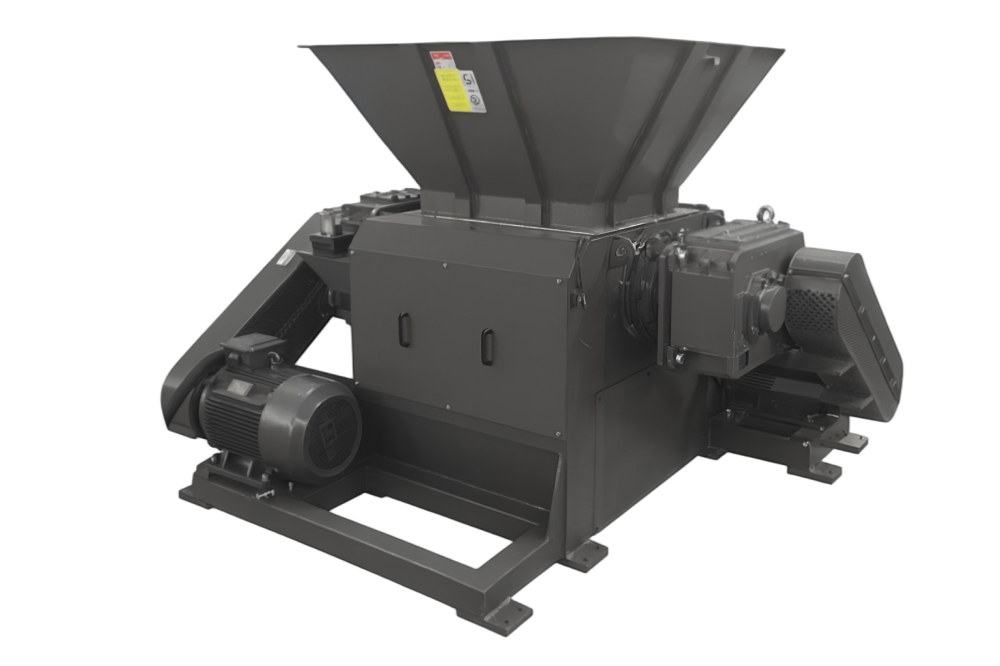
From a technical standpoint, the efficiency of a single-shaft shredder is dictated by the geometry of the rotor and the configuration of the knives. HARSLE utilizes a ‘V’ shaped rotor design in many models, which directs material toward the center of the shaft, reducing wear on the side walls and improving the cutting efficiency. Furthermore, the integration of advanced PLC (Programmable Logic Controller) systems allows the machine to automatically reverse the rotor if an overload is detected, protecting the motor and drive train from damage.
Core Parameters: What Defines a High-Quality Shredder?
When engaging in a Single-Shaft Shredder Buying : Evaluate Quality, Capacity, ROI process, understanding the core parameters is essential. The first parameter to consider is the motor power and drive system. Industrial shredders typically range from 15kW to over 150kW. The choice depends entirely on the toughness of the material. For instance, shredding high-density polyethylene (HDPE) requires significantly more torque than shredding corrugated cardboard. A high-quality machine will feature a robust gearbox that can handle the shock loads inherent in shredding operations.
The second critical parameter is the rotor diameter and length. The rotor is the heart of the machine; a larger diameter provides more surface area for blades and greater inertia, which helps in processing tougher materials. The length of the rotor determines the width of the feeding throat, directly impacting the volume of material that can be processed at once. HARSLE machines are designed with heat-treated, alloy steel rotors to prevent warping under high-stress conditions.
Blade metallurgy is perhaps the most overlooked yet vital parameter. Standard blades are often made of D2 or SKD-11 steel, but for highly abrasive materials, DC53 or specialized tungsten carbide coatings may be necessary. The ability to rotate the blades (using four-sided cutting edges) significantly extends the life of the consumables and reduces the total cost of ownership. Quality shredders also feature adjustable counter-knives, allowing the operator to maintain the optimal gap between the rotor and the stationary blade as wear occurs.
Finally, the hydraulic system’s performance is paramount. The pusher ram must be responsive and powerful. A variable-speed hydraulic system is preferred, as it allows the machine to adjust the feeding pressure based on the motor’s current load. This prevents the motor from stalling and ensures a consistent throughput. HARSLE integrates high-pressure hydraulic stations with air-cooling systems to ensure the oil remains at an optimal temperature during continuous 24/7 operations.
Calculation Method: Estimating Capacity and ROI
To accurately perform a Single-Shaft Shredder Buying : Evaluate Quality, Capacity, ROI analysis, you must be able to calculate the expected throughput and the subsequent return on investment. Capacity is not just a number provided by the manufacturer; it is a variable based on material density, screen size, and feeding consistency. A basic formula for theoretical capacity (C) is: C = (V × ρ × η) / T, where V is the volume of the shredding chamber, ρ is the bulk density of the material, η is the efficiency factor (usually 0.6 to 0.8), and T is the cycle time of the hydraulic pusher.
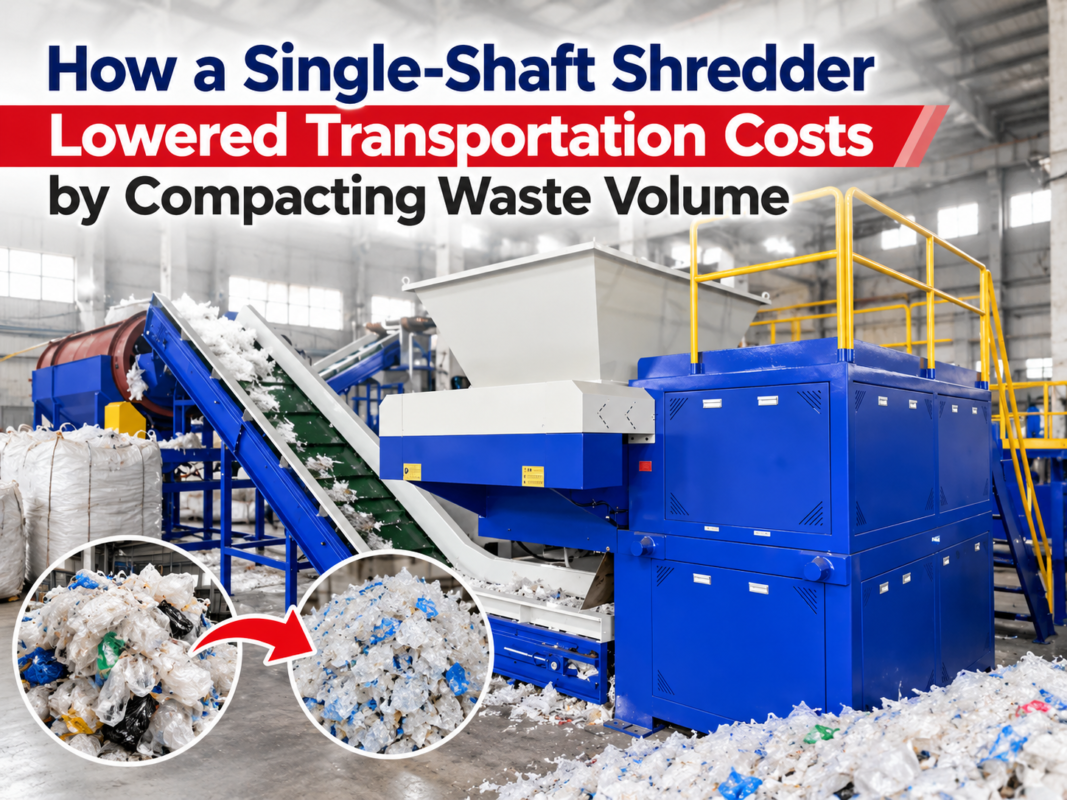
For a more practical approach, consider the screen size. A 20mm screen will result in a significantly lower throughput than an 80mm screen because the material must be shredded into smaller pieces before it can exit the machine. When calculating ROI, you must factor in the reduction in waste volume (which lowers transportation costs), the value of the shredded material (if being sold as regrind), and the labor savings from automating the waste handling process.
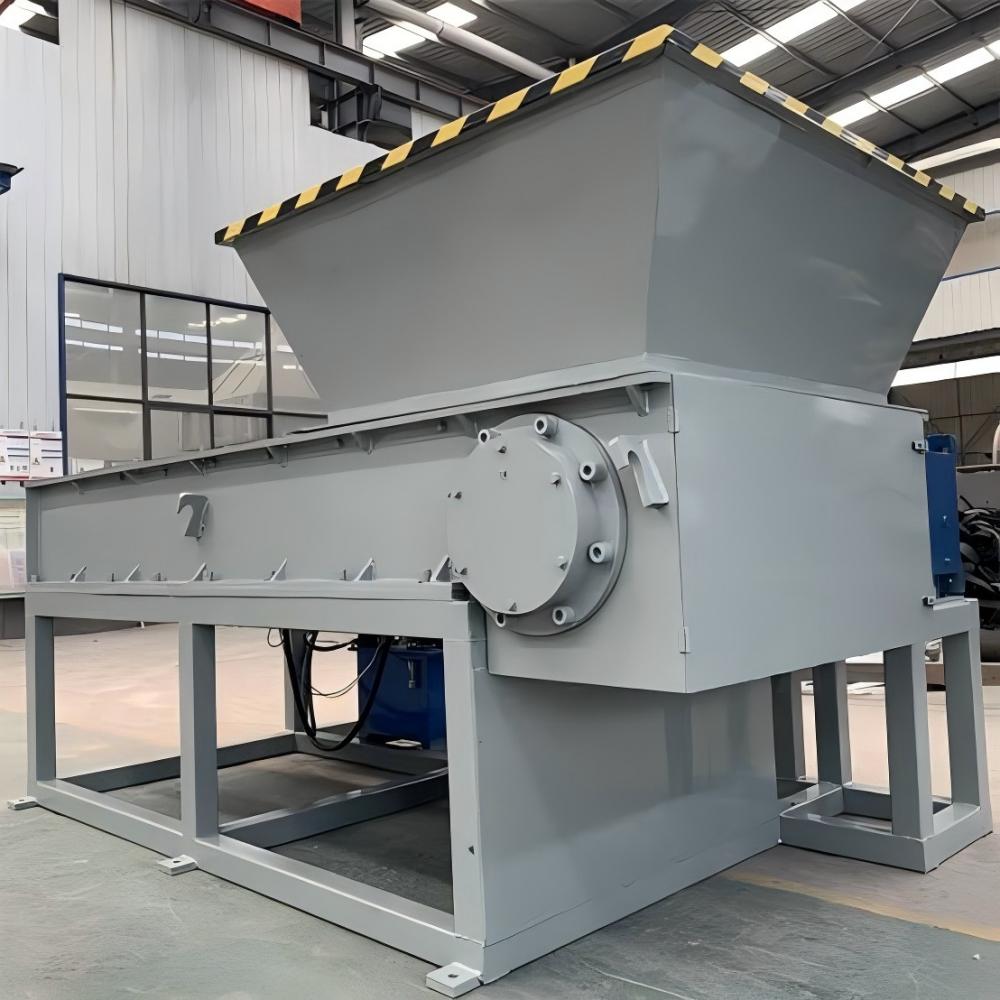
ROI calculation should also include the ‘Cost of Inaction.’ If your current waste management involves manual labor or high landfill fees, the payback period for a HARSLE single-shaft shredder can often be less than 18 months. For example, if a facility produces 5 tons of plastic waste per day, shredding it can reduce the volume by a ratio of 3:1, potentially saving thousands of dollars in monthly logistics costs. Additionally, the energy consumption per ton of material processed is a key metric for long-term ROI; HARSLE’s high-efficiency motors are designed to minimize KWh per ton.
Parameter Table: Comparing Industrial Shredder Specifications
The following table provides a generalized comparison of specifications for different classes of single-shaft shredders. This serves as a baseline for evaluating which machine fits your specific industrial needs.
| Model Class | Motor Power (kW) | Rotor Diameter (mm) | Rotor Speed (RPM) | Throughput (kg/h) | Typical Applications |
|---|---|---|---|---|---|
| Light Duty | 15 – 30 | 250 – 300 | 80 – 100 | 300 – 600 | Paper, Cardboard, Thin Plastics |
| Medium Duty | 37 – 75 | 400 – 450 | 70 – 90 | 800 – 1500 | Plastic Purgings, Small Pipes, Wood |
| Heavy Duty | 90 – 160+ | 500 – 750 | 60 – 80 | 2000 – 5000+ | Large Drums, Thick Rubber, Light Metals |
Note: Throughput values are estimates based on a 40mm screen. Actual results will vary based on material characteristics and feeding methods. HARSLE offers customization for each of these classes to meet specific torque and speed requirements.
Common Engineering Mistakes in Shredder Selection
One of the most frequent mistakes in the Single-Shaft Shredder Buying : Evaluate Quality, Capacity, ROI process is undersizing the motor. Buyers often try to save on initial capital expenditure by choosing a lower-kilowatt model, only to find that the machine frequently jams or the motor overheats when processing dense materials. This leads to increased downtime and higher maintenance costs, effectively destroying the ROI. It is always better to have a 20% power reserve than to run a machine at its absolute limit.
Another common error is ignoring the cooling system for the gearbox and hydraulics. In high-ambient temperature environments, or during continuous operation, the heat generated by the shredding process can degrade hydraulic oil and cause gearbox seals to fail. HARSLE addresses this by offering integrated oil coolers and heavy-duty gearboxes with independent lubrication systems. Failing to account for the abrasiveness of the material is also a critical mistake; processing glass-filled plastics with standard D2 blades will result in the blades dulling within days rather than months.
Furthermore, many engineers overlook the importance of the screen design. A screen that is difficult to remove or clean will lead to longer maintenance windows. HARSLE shredders feature a swing-down screen cradle that allows for rapid changes and cleaning, ensuring that the machine spends more time shredding and less time in maintenance. Lastly, neglecting the electrical protection—such as not having a soft starter or a VFD (Variable Frequency Drive)—can lead to massive current spikes that damage the facility’s electrical infrastructure.
Selection Checklist: A Step-by-Step Guide for Buyers
To ensure you select the right equipment, follow this comprehensive checklist during your evaluation process:
- Material Analysis: Define the toughest material you will shred. What is its density, moisture content, and size?
- Output Requirements: What is the required final particle size? This dictates the screen diameter.
- Throughput Goals: How many kilograms per hour do you need to process to meet your production or recycling targets?
- Blade Selection: Choose the right alloy for your material. Ask about the number of usable edges per blade.
- Drive System: Decide between a standard motor/gearbox or a hydraulic drive for extremely high-torque applications.
- Safety Features: Ensure the machine has emergency stops, safety interlocks on access doors, and CE-compliant guarding.
- Maintenance Access: Check how easy it is to change blades, rotate the counter-knives, and access the hydraulic station.
- PLC and Automation: Does the machine include auto-reverse, load monitoring, and remote diagnostics?
- Vendor Support: Does HARSLE or your chosen manufacturer provide local technical support and a ready stock of wear parts?
Frequently Asked Questions (FAQ)
1. How long do the blades typically last on a single-shaft shredder?
Blade life varies significantly based on the material. For clean plastics, blades may last 500-1,000 hours per edge. For abrasive materials like glass-filled polymers or contaminated wood, this may drop to 200 hours. Since HARSLE blades usually have four cutting edges, the total life is multiplied by four before replacement is needed.
2. Can a single-shaft shredder handle metal?
Single-shaft shredders are excellent for light metals like aluminum cans, thin copper wiring, or light gauge trimmings. However, they are not designed for heavy steel plates or structural beams. For those materials, a specialized metal crusher or a heavy-duty twin-shaft shredder is more appropriate.
3. What is the advantage of a hydraulic pusher over gravity feeding?
A hydraulic pusher ensures that the material is constantly pressed against the rotor, which maximizes the cutting efficiency and prevents the rotor from ‘spinning free’ above the material. This is essential for bulky items that don’t naturally fall into the cutting zone.
4. How do I calculate the ROI for my specific facility?
Start by calculating your current monthly waste disposal costs and labor. Compare this to the monthly financing cost of the shredder, plus electricity and blade wear. Most HARSLE customers find that the reduction in transport volume and the ability to sell processed regrind creates a positive cash flow within the first year.
5. Is a VFD (Variable Frequency Drive) necessary?
While not strictly necessary for all applications, a VFD is highly recommended. It allows you to adjust the rotor speed to suit different materials, reduces energy consumption, and eliminates high-current spikes during startup, which can lower your utility bills and protect the motor.
6. How often should the hydraulic oil be changed?
For HARSLE machines, we recommend checking the oil quality every 1,000 hours and performing a full change every 2,000 to 4,000 hours, depending on the operating environment and the presence of an oil cooling system.