Single-Shaft Shredder for Metal Scrap: Capabilities, Limits, and Safety Considerations

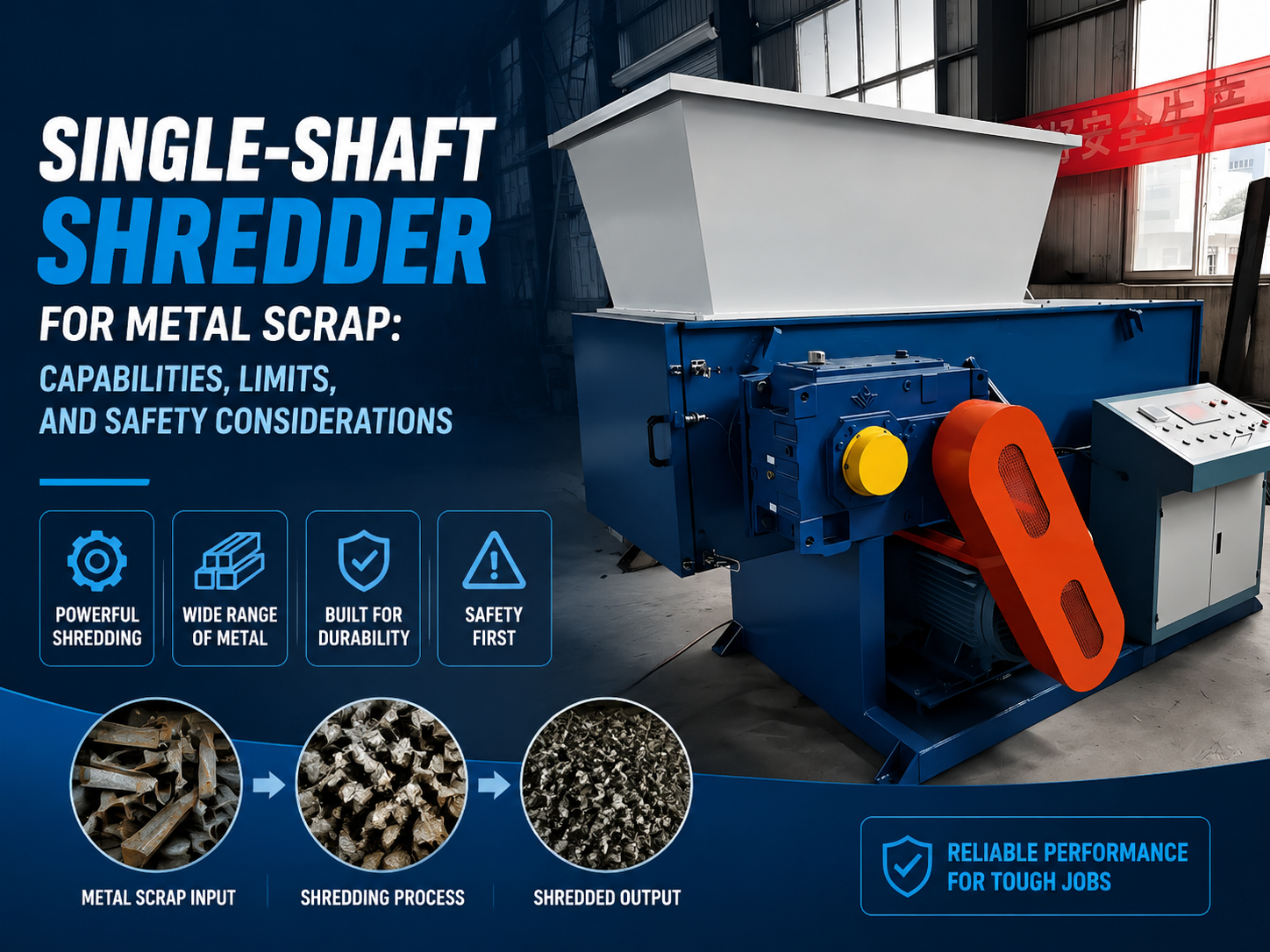
Technical Overview of Single-Shaft Shredders in Metal Processing
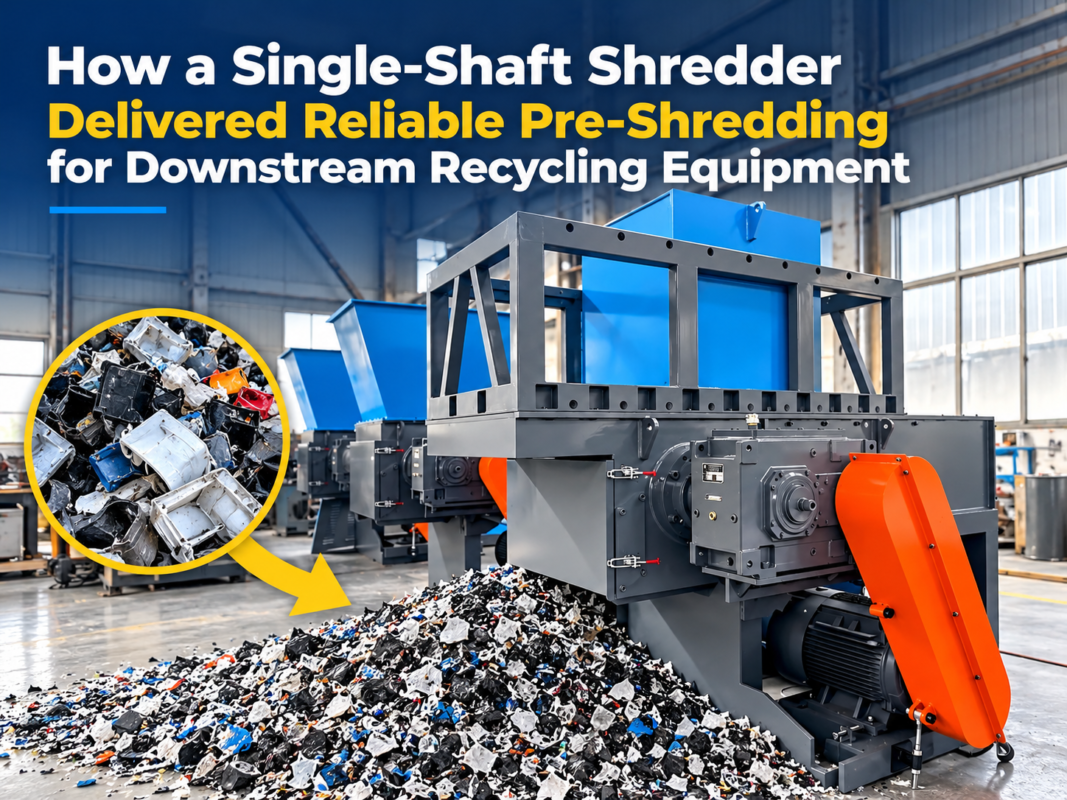
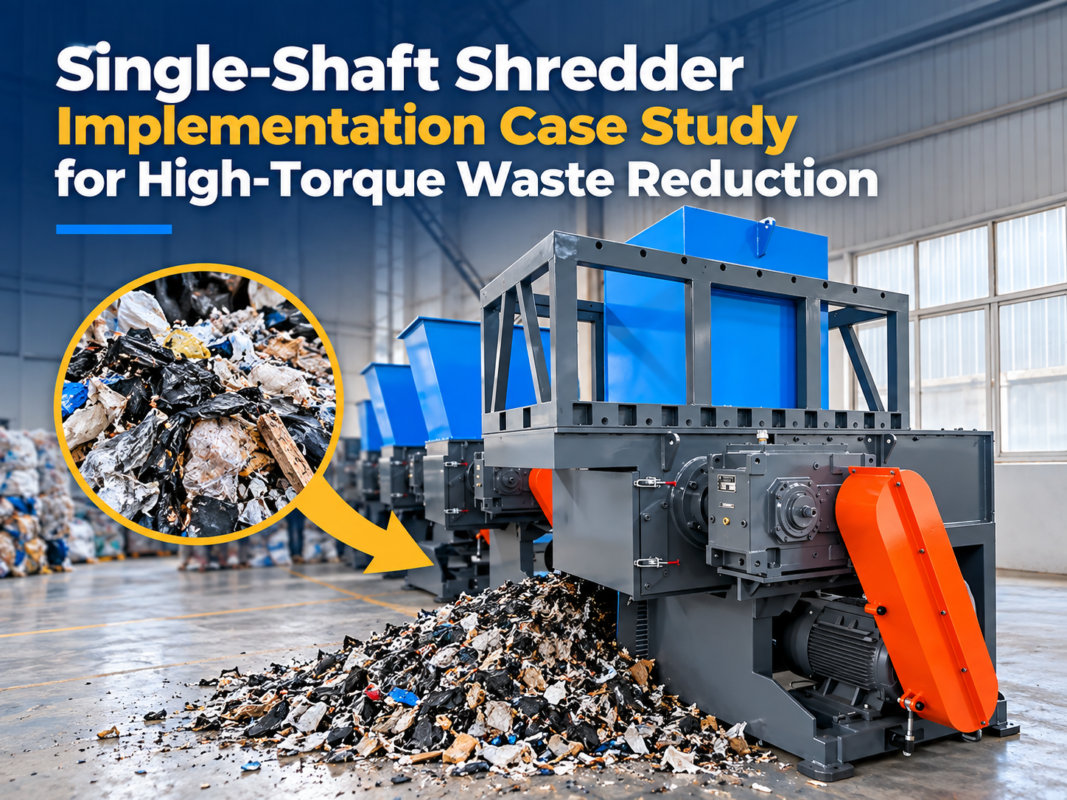
The single-shaft shredder has emerged as a cornerstone in the modern recycling and metal fabrication industry. Unlike its multi-shaft counterparts, the single-shaft shredder operates using a high-torque, low-speed rotating shaft equipped with specialized cutting inserts. This design is particularly effective for processing non-ferrous metal scrap, light steel, and aluminum extrusions where precise output size control is paramount. The fundamental mechanism involves a hydraulic pusher or ram that forces the scrap material against the rotating rotor. As the rotor turns, the blades shear the material against a fixed counter-knife, reducing it into smaller, manageable fragments.
One of the defining characteristics of HARSLE’s single-shaft shredders is the integration of advanced hydraulic systems that synchronize the pusher movement with the motor load. This ensures that the machine does not stall when encountering dense metal clusters. The versatility of these machines allows them to handle a variety of feedstocks, from copper wiring and aluminum cans to light gauge sheet metal offcuts. By utilizing a screen mesh beneath the rotor, the machine ensures that only material reduced to the desired dimensions passes through, while larger pieces continue to be processed.
In the context of metal scrap, the single-shaft design offers distinct advantages in terms of maintenance and blade longevity. Because the blades are often square or concave inserts that can be rotated to use multiple edges, the operational cost per ton of material is significantly lower than traditional grinding methods. Furthermore, the low-speed operation minimizes the generation of dust and heat, which is critical when dealing with metals that might have residual oils or coatings that could pose a fire risk at higher temperatures.
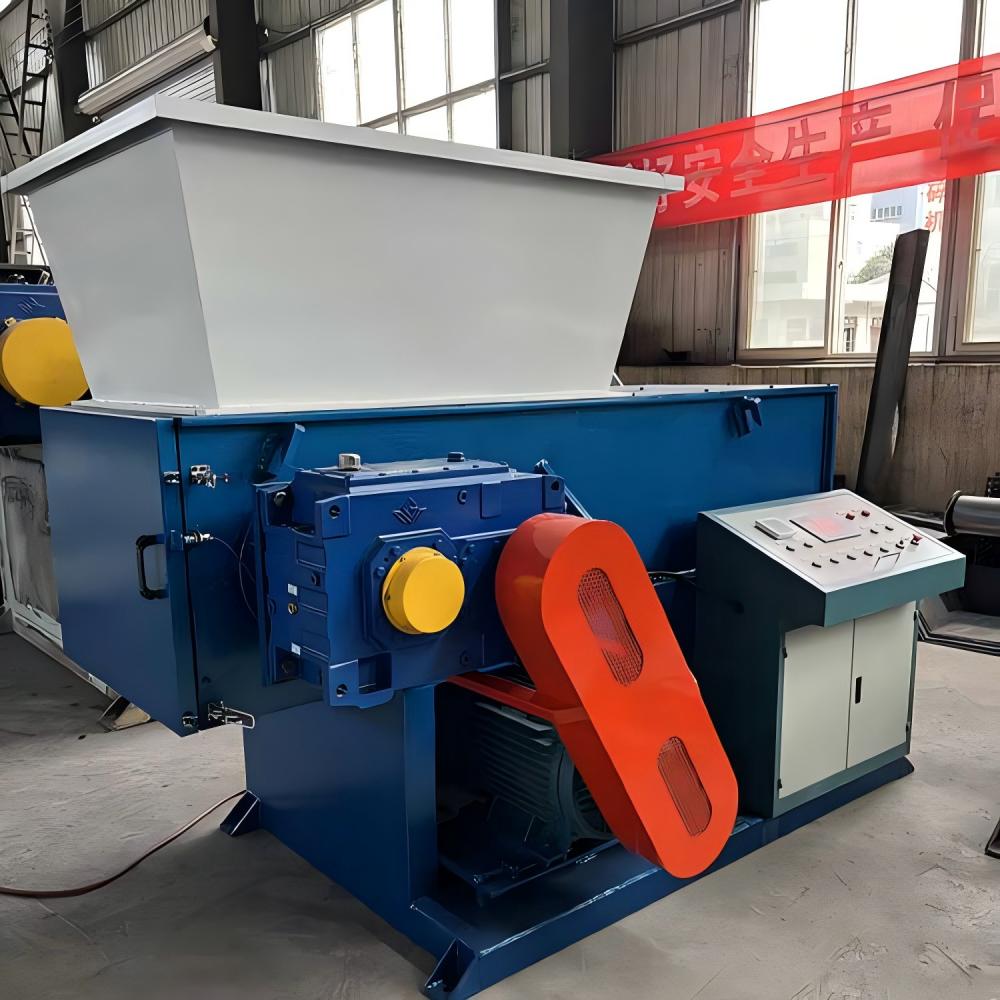
Technically, the rotor is the heart of the machine. It is typically constructed from high-strength alloy steel and precision-balanced to prevent vibration. The arrangement of the blades—often in a V-shape or staggered pattern—is engineered to optimize the cutting angle, reducing the instantaneous load on the motor and gearbox. This engineering nuance allows for a smoother operation and extends the service life of the drive train components, which are under constant stress during metal shredding operations.
Core Parameters Defining Shredder Performance
When evaluating a single-shaft shredder for metal scrap, several core parameters dictate its efficiency and suitability for specific applications. The first and most critical parameter is Torque. In metal shredding, torque is more important than raw horsepower. High torque allows the rotor to shear through tough metallic bonds without jamming. HARSLE machines utilize heavy-duty planetary gearboxes to multiply motor torque, providing the necessary force to handle resilient materials like copper busbars or thick-walled aluminum pipes.
The Rotor Diameter and Length are the next vital specs. A larger rotor diameter provides a greater peripheral speed and more surface area for blade mounting, which directly correlates to throughput capacity. The length of the rotor determines the width of the feeding chamber; a wider chamber can accept larger bulky items without the need for pre-cutting. For metal scrap, a rotor diameter ranging from 400mm to 800mm is common, depending on the required volume and material density.
Blade Geometry and Material play a decisive role in the machine’s capability. For metal applications, blades are typically made from D2 (1.2379) or DC53 cold-work die steel, heat-treated to a hardness of 58-62 HRC. The shape of the blade—whether flat, concave, or four-way reversible—affects how the metal is “gripped” during the shearing process. Concave blades are often preferred for light metals as they tend to pull the material into the cutting zone more effectively.
Finally, the Screen Mesh Size determines the final product size. In metal recycling, the goal is often to create a uniform “shred” that can be easily separated by eddy current separators or magnets. Common screen sizes for metal range from 20mm to 60mm. It is important to note that smaller screen sizes significantly reduce throughput because the material stays in the chamber longer, increasing the energy consumption per kilogram of output.
Calculation Method for Throughput and Power Requirements
Estimating the performance of a single-shaft shredder involves calculating the theoretical throughput and ensuring the motor power is sufficient for the material’s shear strength. The basic formula for theoretical throughput ($Q$) in kg/h is:
Q = n × Z × V × ρ × η
- n: Rotor speed (RPM)
- Z: Number of blades on the rotor
- V: Average volume of material removed per cut (m³)
- ρ: Bulk density of the metal scrap (kg/m³)
- η: Efficiency factor (typically 0.6 to 0.8 for metal, accounting for air gaps and pusher cycle time)
To calculate the required motor power ($P$), one must consider the shear strength of the metal being processed. The formula is generally expressed as:
P = (F × v) / (1000 × ηm)
Where F is the cutting force (calculated by multiplying the shear area by the material’s shear strength), v is the peripheral speed of the rotor, and ηm is the mechanical efficiency of the drive system. For aluminum, which has a lower shear strength than steel, the power requirement is lower, but the volume is often higher, requiring a larger hopper and pusher system.
It is also essential to calculate the Specific Energy Consumption (SEC), which is the energy used per ton of material (kWh/t). For light metal scrap, a well-optimized single-shaft shredder should operate within the range of 15-30 kWh/t. If the SEC exceeds this, it usually indicates dull blades, an improperly sized screen, or an inefficient feeding strategy.
Parameter Table for Standard Metal Shredding Models
The following table provides a comparative look at typical specifications for single-shaft shredders optimized for different types of metal scrap. These values are representative of HARSLE’s industrial-grade equipment.
| Model Series | Rotor Diameter (mm) | Motor Power (kW) | Blade Count (pcs) | Throughput (kg/h) | Primary Application |
|---|---|---|---|---|---|
| HSS-800 | 400 | 37 – 45 | 48 | 800 – 1200 | Aluminum Cans, Thin Wire |
| HSS-1200 | 480 | 55 – 75 | 66 | 1500 – 2500 | Aluminum Profiles, Light Sheet |
| HSS-1500 | 600 | 90 – 110 | 84 | 3000 – 5000 | Electronic Waste, Copper Scrap |
| HSS-2000HD | 800 | 160 – 200 | 120 | 6000+ | Heavy Extrusions, Mixed Light Scrap |
Common Engineering Mistakes in Metal Shredding Operations
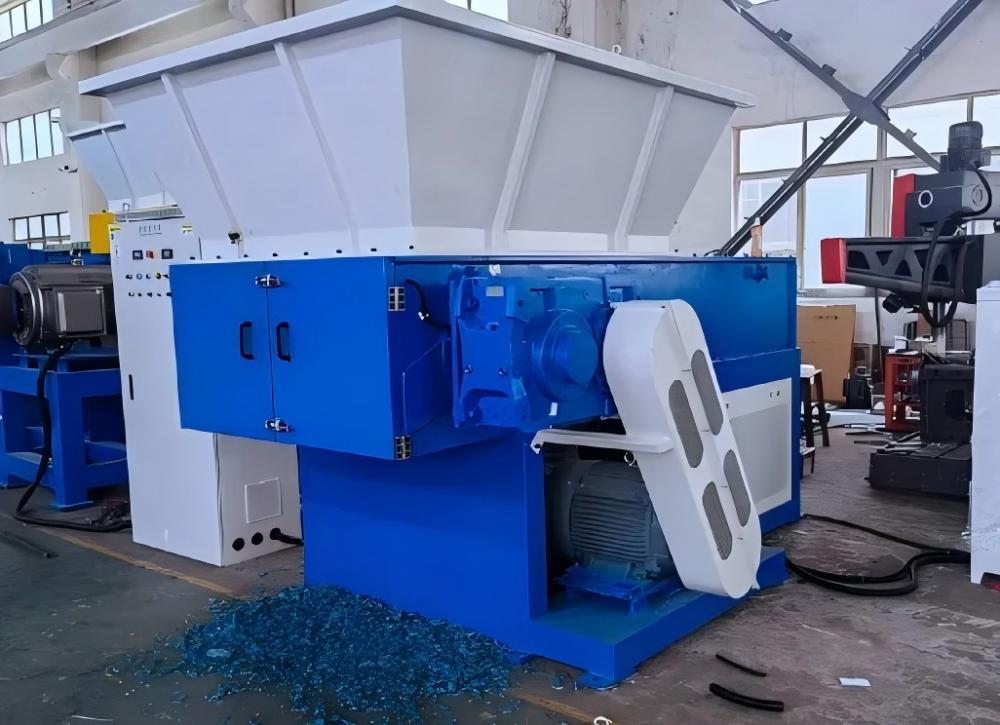
One of the most frequent mistakes in deploying a single-shaft shredder for metal is underestimating the impact of tramp metal. While the machine is designed for scrap, “tramp metal” refers to heavy, unshreddable items like solid steel shafts, large bolts, or thick plates that exceed the machine’s design limits. If these enter the chamber, they can cause catastrophic failure of the blades, rotor, or gearbox. Operators must implement pre-sorting or use magnetic head pulleys on feed conveyors to mitigate this risk.
Another common error is improper blade maintenance and rotation. Because metal is abrasive, the leading edges of the blades wear down. Many operators wait until the throughput drops significantly before checking the blades. However, running with dull blades increases the heat generation and puts excessive strain on the motor. Single-shaft shredders usually feature four-sided blades; rotating them every 80-100 hours of operation (depending on the material) ensures consistent performance and prevents the counter-knives from wearing unevenly.
Incorrect Pusher Pressure Settings can also lead to inefficiencies. If the hydraulic pusher applies too much pressure, the rotor may frequently reverse due to over-current protection, leading to a “stuttering” operation that reduces total throughput. Conversely, too little pressure results in the rotor spinning freely without engaging the material. The pusher logic should be finely tuned to the specific density and “grip” of the metal scrap being processed.
Lastly, ignoring the cooling system for the hydraulic oil and the gearbox is a critical oversight. Metal shredding generates significant vibration and ambient heat. If the hydraulic oil exceeds its optimal temperature (usually 50-60°C), the viscosity drops, leading to sluggish pusher movement and potential damage to the hydraulic pump. HARSLE recommends integrated air or water cooling systems for machines operating in multi-shift environments.
Selection Checklist for Metal Scrap Shredders
Choosing the right shredder requires a systematic approach to ensure the machine matches the operational demands. Use the following checklist during the procurement phase:
- Material Characterization: Define the maximum thickness and alloy type. Is it mostly 6061 aluminum, or does it include stainless steel offcuts?
- Desired Output Size: What is the downstream process? If it’s a furnace, larger shreds might be okay. If it’s for automated sorting, a smaller, uniform size is required.
- Throughput Requirements: Calculate the hourly volume needed to keep up with production or incoming scrap deliveries. Always size the machine for 20% more than your current peak demand.
- Drive System Choice: For heavy metal scrap, consider a frequency drive (VFD) to allow for soft starts and adjustable rotor speeds.
- Blade Material Grade: Ensure the blades are rated for metal. Standard plastic-grade blades will chip or dull instantly when faced with metal scrap.
- Safety and Compliance: Does the machine meet local CE or OSHA standards? Look for interlocked access doors and emergency stop circuits.
- Ease of Maintenance: Check how easy it is to change the screen and rotate the blades. A swing-out screen cradle is a highly recommended feature.
Safety Considerations and Operational Limits
Safety is the most critical aspect of operating high-torque machinery like a single-shaft shredder. When processing metal, the risk of projectiles (fly-back) is high. The hopper must be designed with heavy-duty rubber curtains or a hydraulic lid to prevent metal fragments from being ejected back out of the feed opening. Operators should never stand directly in line with the hopper opening during operation.
Fire Prevention is another major concern. Metal-on-metal friction can create sparks. If the scrap contains contaminants like paper, plastic, or residual oils, a fire can start inside the shredding chamber. Modern HARSLE shredders can be equipped with infrared sensors and automated water misting systems that trigger if a temperature threshold is exceeded. Furthermore, the accumulation of fine metal dust (especially aluminum) can be explosive; proper dust extraction and housekeeping are mandatory.
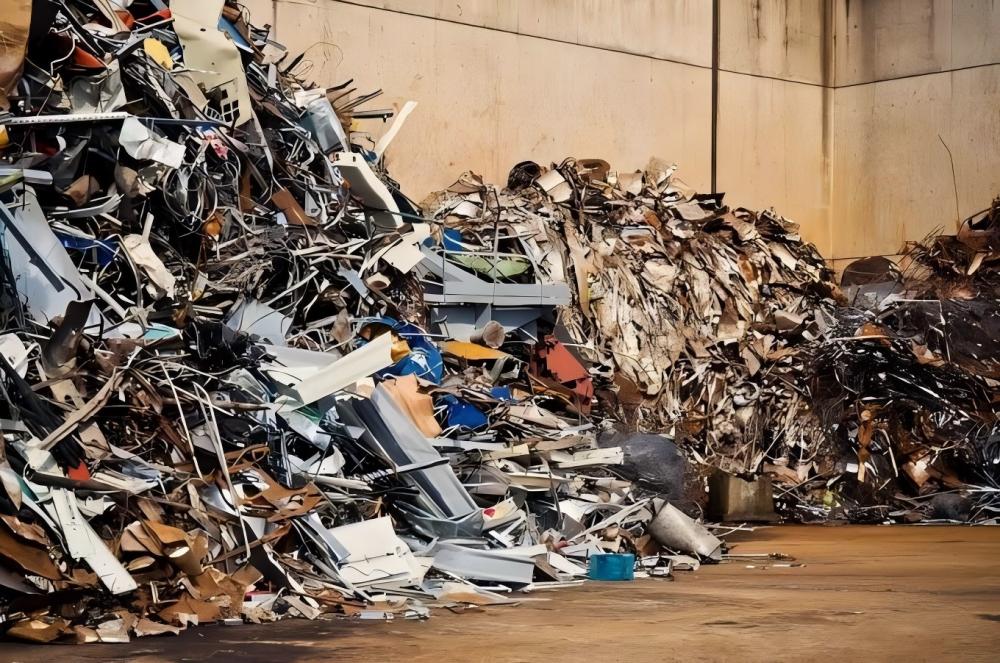
Operational limits must be strictly observed. Every shredder has a Maximum Feed Size. Attempting to force a large, rigid metal structure into a small shredder can bend the rotor shaft. Additionally, the Duty Cycle of the motor should be respected. While these machines are built for industrial use, continuous overloading will lead to premature insulation failure in the motor windings. Load-sensing technology that automatically reverses the rotor when a jam is detected is a standard safety feature that should never be bypassed.
Finally, Noise Control is an environmental safety factor. Metal shredding is inherently loud, often exceeding 100 dB. The machine should be installed in a sound-dampened enclosure, or operators must be provided with high-quality hearing protection. Vibration-dampening mounts for the machine base can also prevent structural damage to the facility floor and reduce the transmission of noise through the building.
Frequently Asked Questions (FAQ)
Can a single-shaft shredder handle steel scrap?
Yes, but with limitations. Single-shaft shredders are excellent for light steel scrap, such as sheet metal offcuts (up to 3-4mm), steel cans, and light turnings. They are not suitable for heavy structural steel, rebar, or thick plates, which require heavy-duty twin-shaft shredders or hydraulic shears.
How often should I sharpen or replace the blades?
Blades on a single-shaft shredder are typically not sharpened; they are rotated. Most blades have four cutting edges. Depending on the abrasiveness of the metal, you might rotate the blades every 80 to 150 hours. Once all four edges are dull, the inserts are replaced. The counter-knives usually last twice as long as the rotor blades.
What is the advantage of a single-shaft over a double-shaft shredder for metal?
The primary advantage is the screen. A single-shaft shredder can produce a very specific and uniform output size in a single pass. Double-shaft shredders typically produce long, irregular strips. Additionally, single-shaft machines are generally easier to maintain when it comes to blade replacement.
What happens if a piece of unshreddable metal enters the machine?
HARSLE shredders are equipped with an automated PLC protection system. If the rotor hits an unshreddable object, the current spikes, and the PLC immediately stops and reverses the rotor to clear the jam. If it fails to clear after three attempts, the machine shuts down and triggers an alarm for manual intervention.
Does the machine require a special foundation?
For smaller models, a standard reinforced concrete factory floor is sufficient. For larger, high-power models (above 90kW), a dedicated reinforced foundation with vibration-dampening pads is recommended to ensure long-term structural integrity and reduce noise.