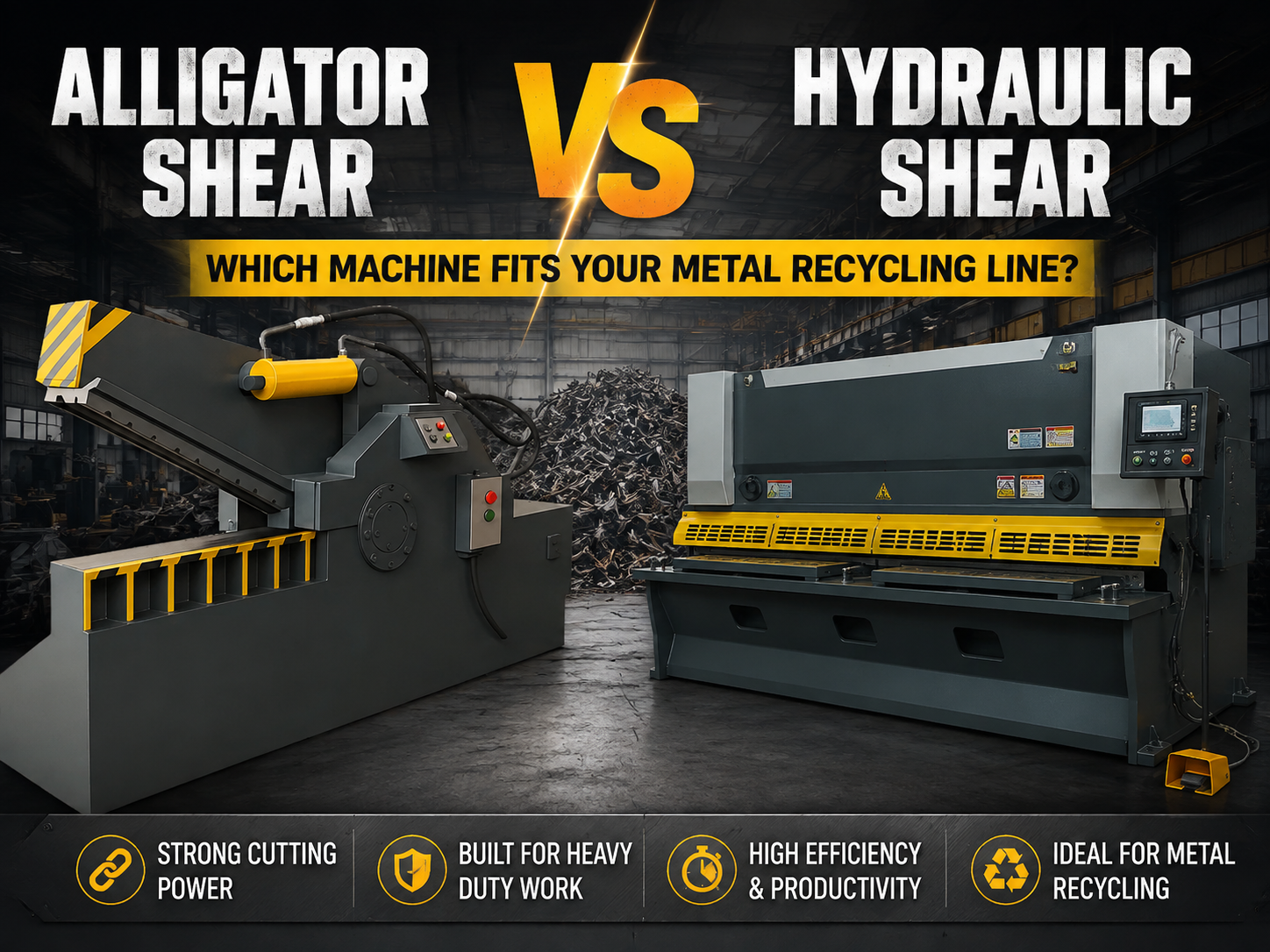
Alligator Shear vs Hydraulic Shear: Which Machine Fits Your Metal Recycling Line?

Introduction to Metal Recycling Machinery
In the rapidly evolving world of metal recycling, efficiency and precision are the cornerstones of profitability. As global demand for recycled steel, aluminum, and copper continues to rise, scrap yard operators and industrial manufacturers must invest in equipment that can handle diverse material streams. Two of the most common machines found in these environments are the Alligator Shear and the Hydraulic Gantry (or Guillotine) Shear. While both serve the primary purpose of size reduction, their operational mechanics, throughput capacities, and ideal applications differ significantly.
Choosing between an Alligator Shear and a larger Hydraulic Shear is not merely a matter of budget; it is a strategic decision that affects your entire production workflow. An Alligator Shear, characterized by its crocodile-like jaw, is the workhorse of manual sorting and small-to-medium scrap processing. Conversely, heavy-duty Hydraulic Gantry Shears are designed for high-volume, automated processing of heavy structural steel and large-scale scrap. Understanding the nuances of these machines is essential for optimizing your metal recycling line.
HARSLE, a leader in metal fabrication machinery, provides high-performance solutions for both categories. This guide aims to dissect the technical differences, calculation methods, and selection criteria to help you determine which machine fits your specific operational needs. Whether you are processing copper wire, aluminum profiles, or heavy HMS (Heavy Melting Scrap), the right shear will minimize downtime and maximize the value of your processed material.
Technical Overview: Alligator Shear vs. Hydraulic Gantry Shear
The Alligator Shear: The Versatile Manual Workhorse
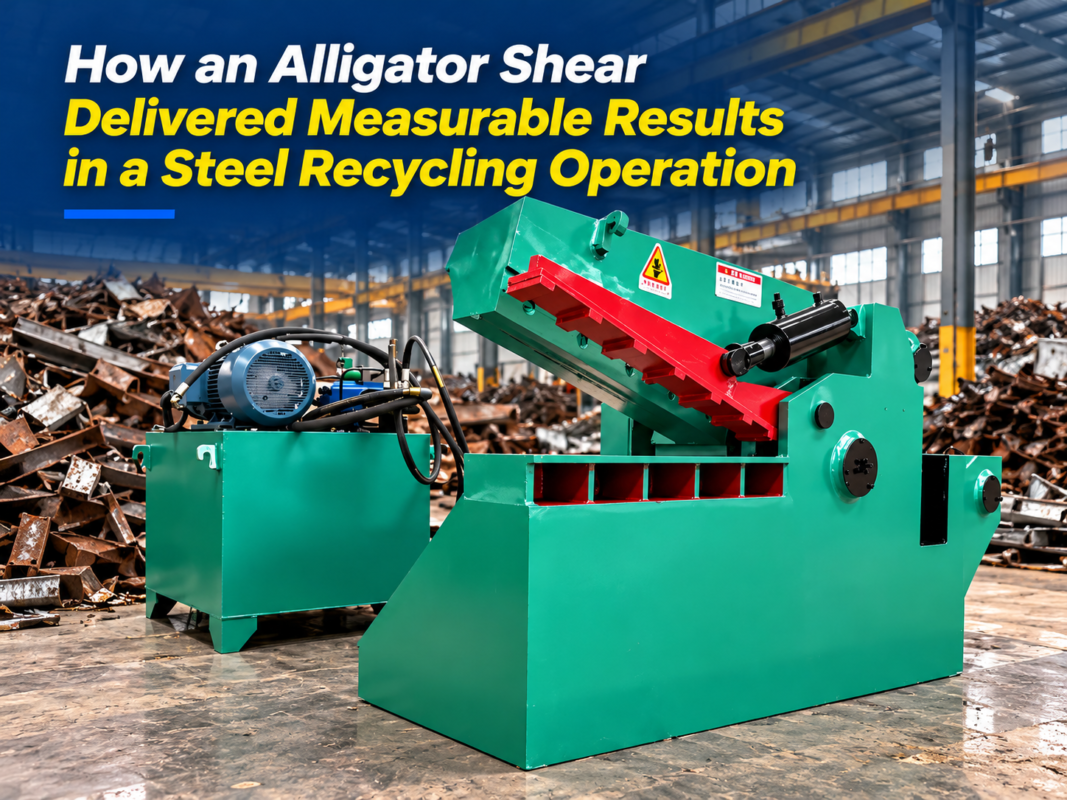
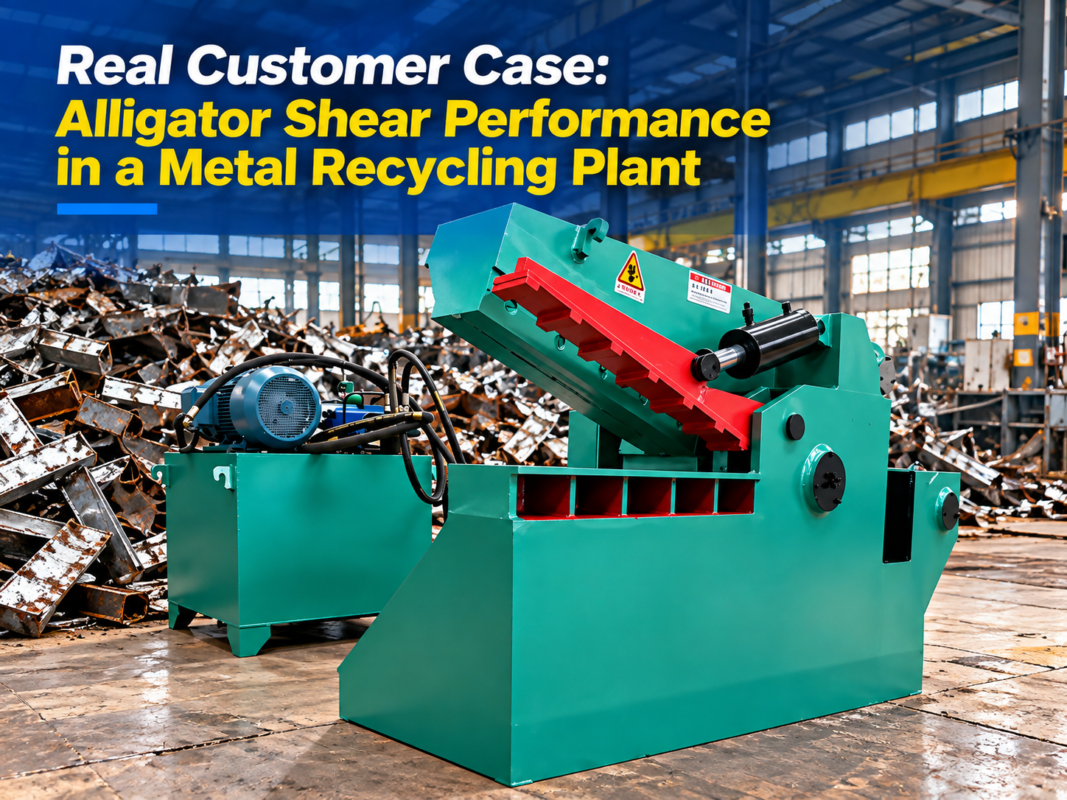
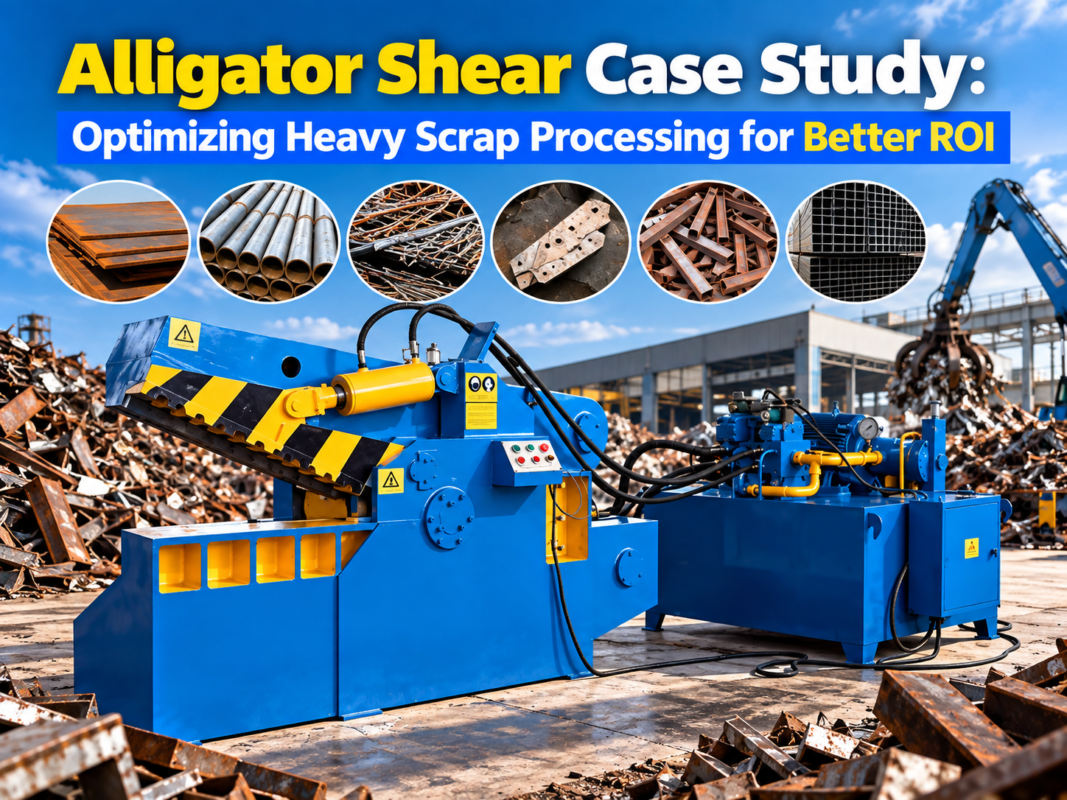
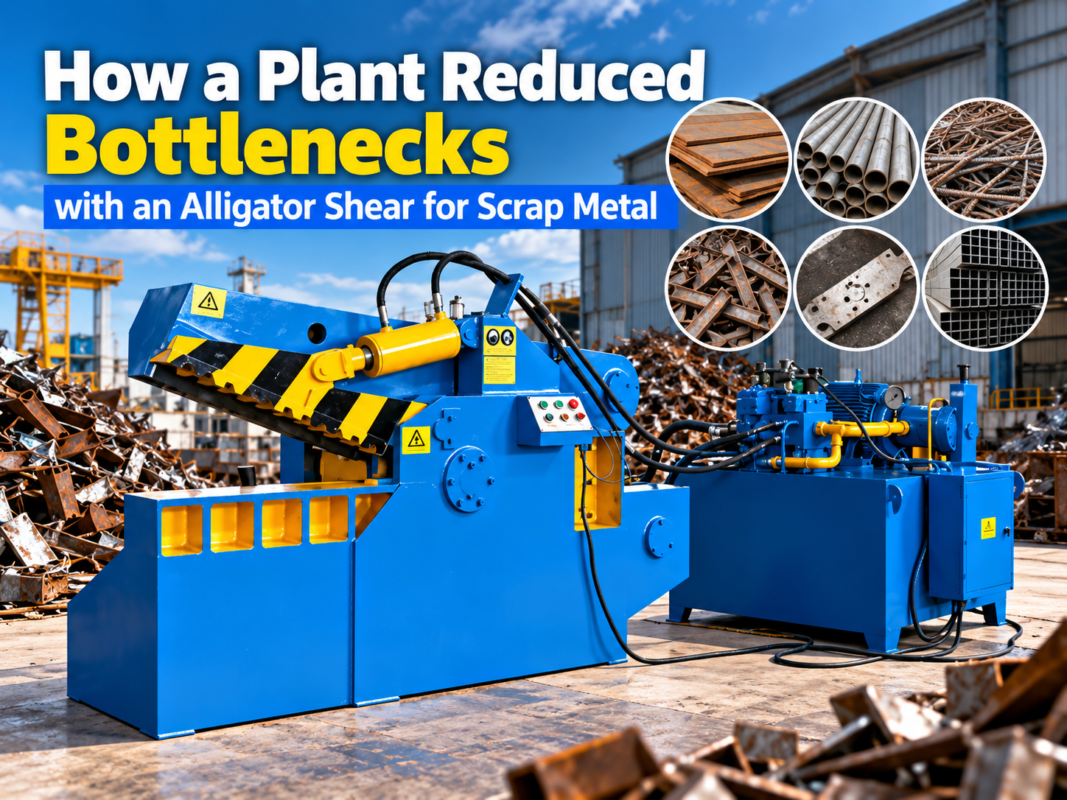
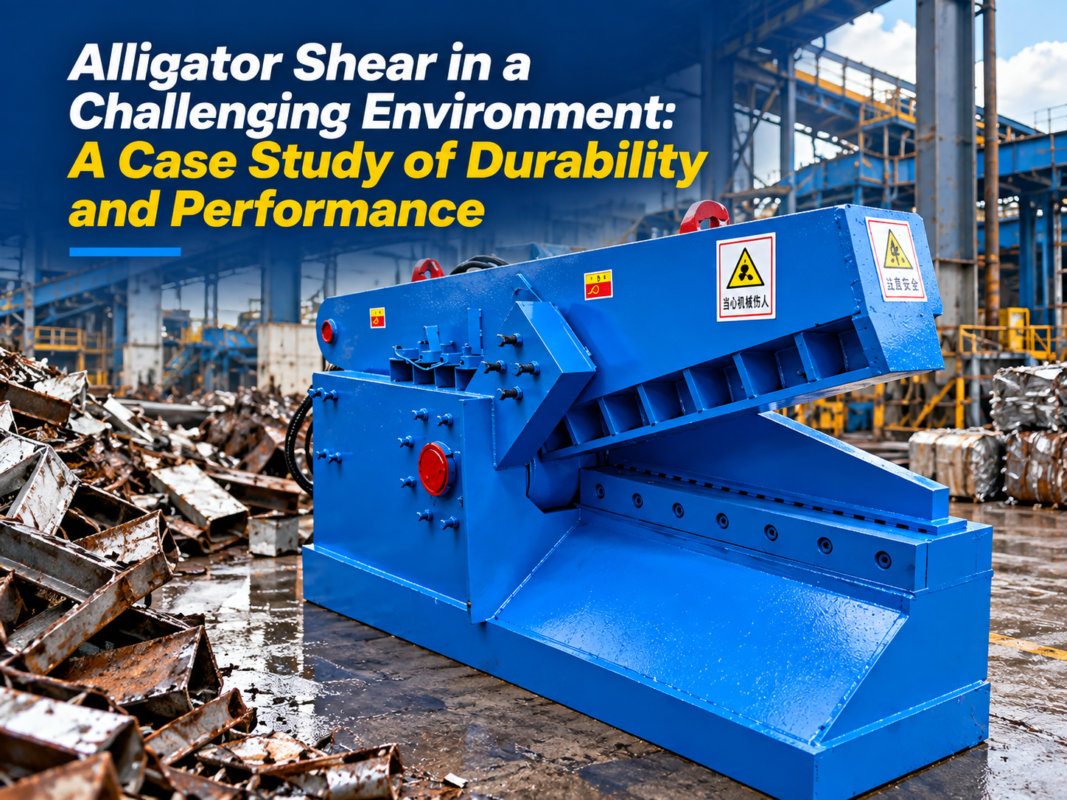
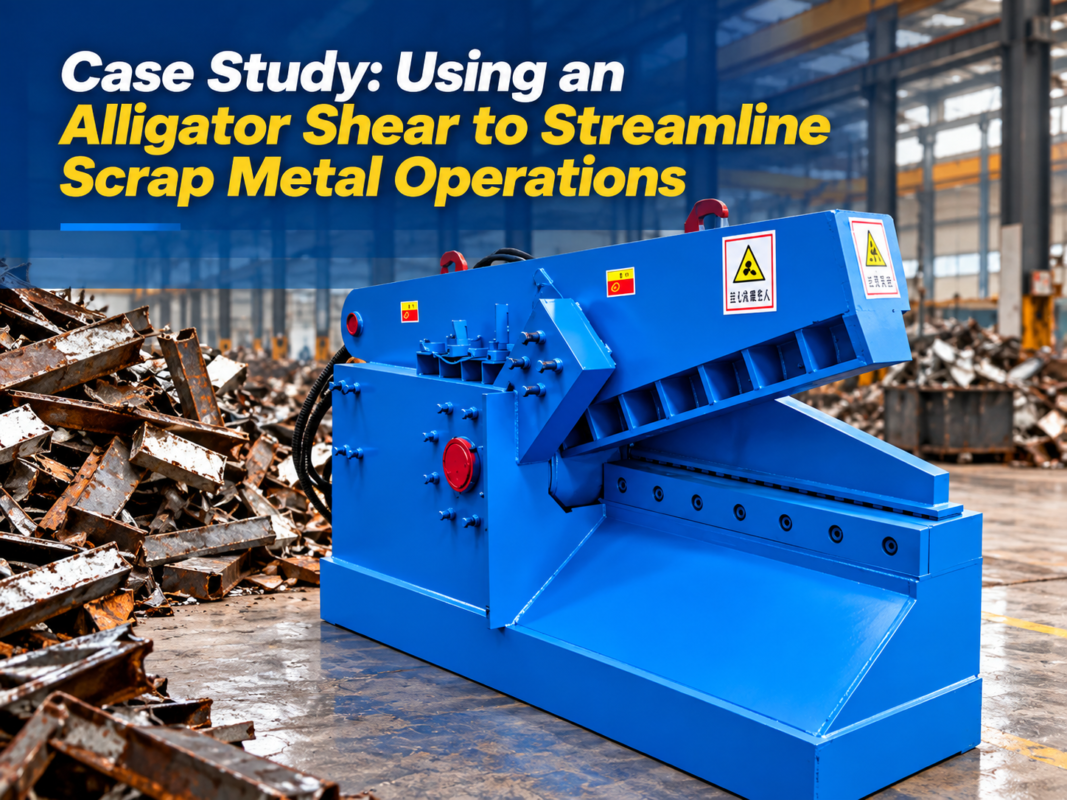
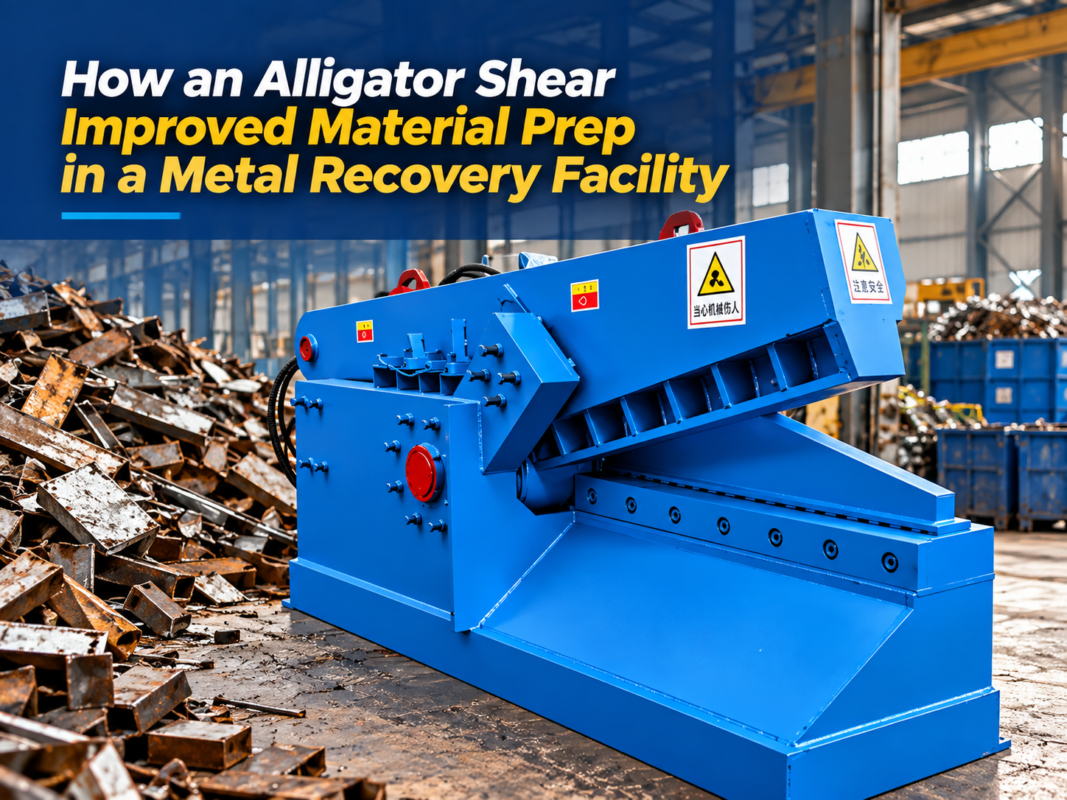
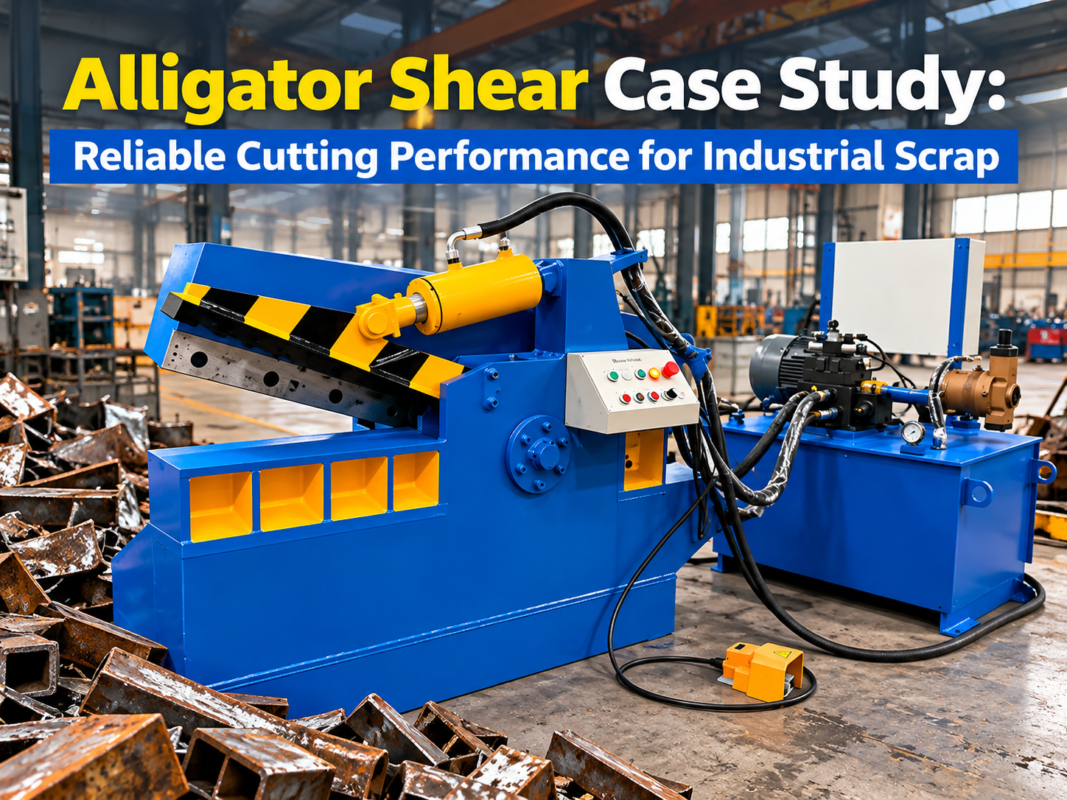
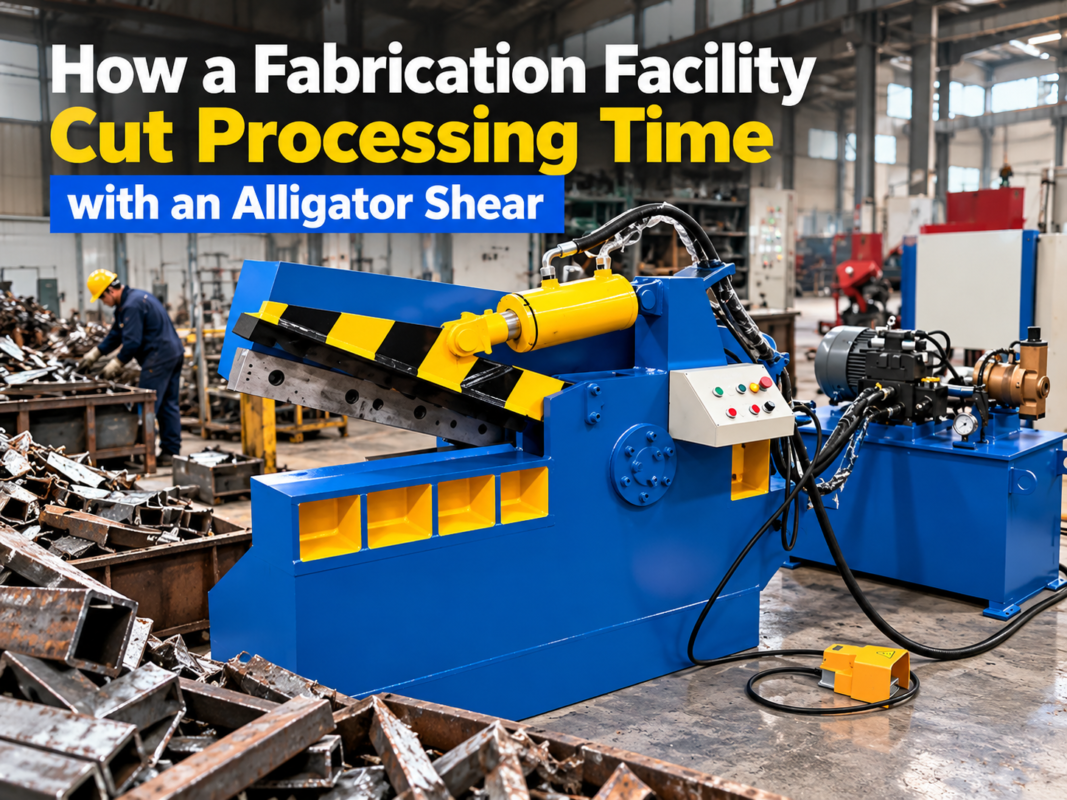
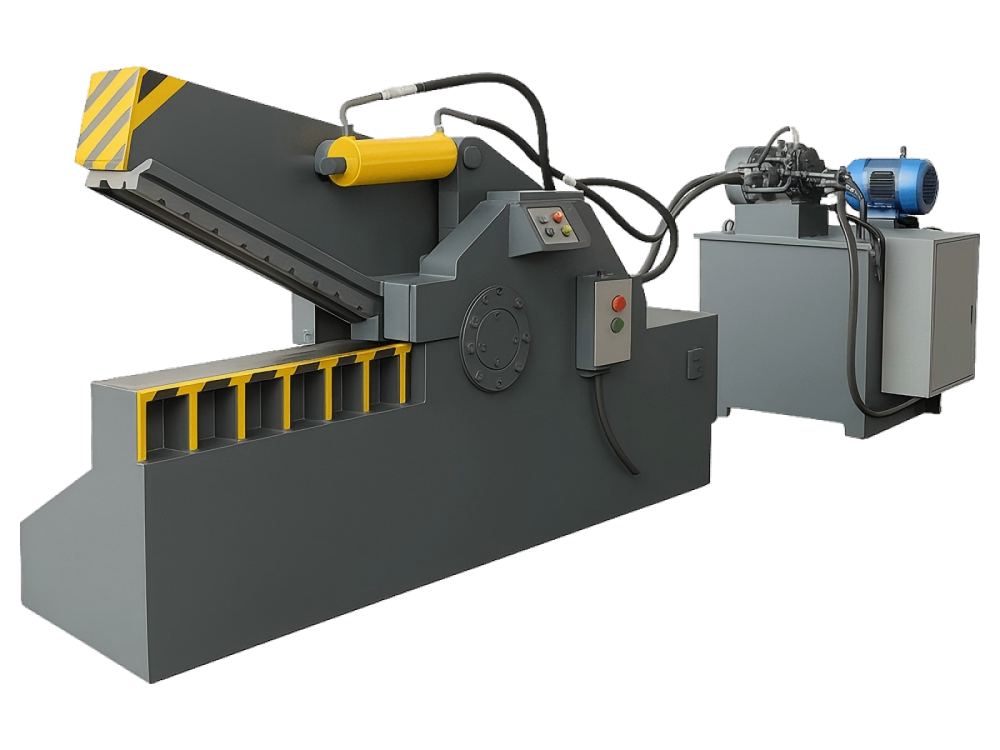
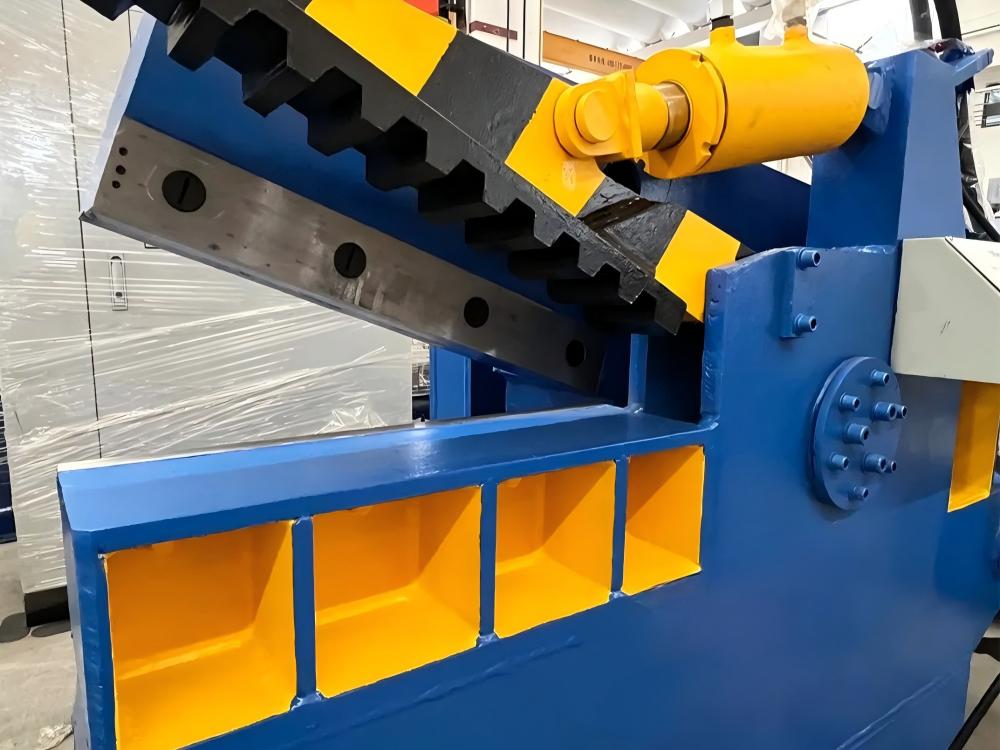
The Alligator Shear, often referred to as a crocodile shear, operates on a lever principle. It features a hinged upper jaw and a fixed lower jaw. Most modern alligator shears, such as the HARSLE Q43 series, are powered by hydraulic cylinders that drive the upper jaw downward to meet the lower blade. This design allows for a wide opening, making it ideal for feeding long pieces of scrap metal, such as pipes, angles, and bars, manually by an operator.
One of the primary advantages of the alligator shear is its simplicity and accessibility. It is typically used for “cleaning” scrap—removing non-ferrous attachments from ferrous components or cutting long pieces into manageable lengths for further processing. Because the operator has direct control over the feeding process, it is highly effective for precision sorting. However, this manual nature also limits its throughput compared to automated systems.
The Hydraulic Gantry Shear: High-Volume Automation
When the industry refers to a “Hydraulic Shear” in a large-scale recycling context, it often implies the Gantry or Guillotine Shear (Q91 series). Unlike the pivoting motion of the alligator shear, the gantry shear utilizes a vertical downward stroke. These machines are massive, often integrated into a complete processing line with a feeding hopper and a compression box. The scrap is loaded into a hopper, compressed into a log by lateral and lid cylinders, and then pushed forward into the shear head for cutting.
The gantry shear is designed for continuous, high-volume operation. It can process several tons of scrap per hour with minimal human intervention. Its vertical cutting action provides immense force, capable of shearing through thick structural beams and heavy plate steel that would be impossible for a standard alligator shear to handle. The trade-off is the significant footprint, higher initial investment, and the requirement for a more complex maintenance schedule.
Key Mechanical Differences
The fundamental difference lies in the cutting geometry. The alligator shear’s pivoting jaw creates a varying cutting angle throughout the stroke, which is excellent for “biting” into round materials but can cause thinner plates to slide if not properly clamped. The gantry shear’s vertical blade maintains a consistent angle, providing a cleaner cut on flat materials and bulk scrap. Furthermore, alligator shears are usually foot-pedal operated, while gantry shears are controlled via PLC (Programmable Logic Controller) systems for automated cycles.
Core Parameters of Scrap Shears
Cutting Force and Blade Length
The most critical parameter for any shear is its cutting force, usually measured in tons (kN). For alligator shears, the force is often rated at the “throat” or the base of the jaw where the leverage is highest. HARSLE alligator shears typically range from 63 tons to 500 tons. Blade lengths usually vary from 600mm to 1200mm. A longer blade allows for wider material but distributes the force over a larger area, effectively reducing the thickness capacity at the tip.
Hydraulic gantry shears operate at much higher force levels, often starting at 400 tons and reaching upwards of 2000 tons. Their blade lengths are designed to match the width of the compression box, typically ranging from 1000mm to 2500mm. This allows them to process entire car bodies or large structural assemblies in a single stroke.
Cycle Time and Throughput
Cycle time refers to the duration of one complete cutting stroke (down and up). Alligator shears have relatively fast cycle times, often between 8 to 20 strokes per minute, depending on the hydraulic pump’s flow rate. However, the actual throughput is limited by how fast an operator can feed the material. In contrast, while a gantry shear might have a slower cycle time (3 to 5 strokes per minute), it processes a much larger volume of material per stroke, leading to significantly higher hourly tonnage.
Motor Power and Hydraulic Pressure
The hydraulic system is the heart of both machines. Alligator shears typically utilize medium-pressure systems (around 20-25 MPa) with motor sizes ranging from 7.5kW to 45kW. Gantry shears require massive power units, often employing multiple high-pressure pumps and motors exceeding 100kW to drive the compression and shearing cylinders simultaneously. Efficiency in the hydraulic circuit design is paramount to prevent overheating during continuous operation.
Calculation Method for Shearing Force
To ensure you select the right machine, you must calculate the required shearing force based on the materials you intend to process. The basic formula for shearing force ($F$) is:
F = L × S × τ
Where:
L = Length of the cut (mm)
S = Thickness of the material (mm)
τ = Shear strength of the material (N/mm²)
Example Calculation: Steel Plate
If you are cutting a mild steel plate that is 20mm thick and 200mm wide, and the shear strength of mild steel is approximately 400 N/mm²:
F = 200mm × 20mm × 400 N/mm² = 1,600,000 N = 1600 kN (approx. 163 Tons).
In this scenario, a 200-ton alligator shear would be appropriate, providing a safety margin for the machine. However, if you are processing round bars, the calculation changes to the cross-sectional area. For a round bar with diameter $D$:
F = (π × (D/2)²) × τ
The Importance of the Safety Factor
In industrial environments, it is never advisable to operate a machine at 100% of its rated capacity continuously. For scrap metal, which often contains unknown alloys or hardened sections, a safety factor of 1.2 to 1.5 should be applied. If your calculation suggests 160 tons, opting for a 200-ton or 250-ton machine will significantly extend the lifespan of the hydraulic components and the frame.
Parameter Comparison Table
| Feature | Alligator Shear (Q43 Series) | Hydraulic Gantry Shear (Q91 Series) |
|---|---|---|
| Operation Mode | Manual / Semi-Automatic | Fully Automatic / PLC Controlled |
| Cutting Force Range | 63 – 500 Tons | 400 – 2000+ Tons |
| Primary Application | Sorting, cleaning, small profiles | Bulk scrap, heavy structural steel |
| Blade Length | 600mm – 1200mm | 1000mm – 2500mm |
| Feeding Method | Manual hand-feeding | Hopper / Compression Box |
| Footprint | Compact, easy to move | Large, requires foundation |
| Maintenance | Low to Moderate | High (requires specialized technicians) |
| Ideal For | Non-ferrous, light ferrous scrap | HMS 1/2, heavy plate, demolition scrap |
Common Engineering Mistakes in Shear Selection
1. Underestimating Material Hardness
A common mistake is assuming all steel is the same. Processing alloy steels or hardened shafts on a shear rated for mild steel will lead to blade chipping and hydraulic seal failure. Always identify the highest shear strength material in your waste stream before purchasing. If you frequently encounter stainless steel or high-carbon steel, you must upsize your machine’s tonnage.
2. Ignoring Blade Gap Adjustment
The gap between the upper and lower blades is critical for a clean cut. If the gap is too wide, the material will “fold” or smear between the blades rather than shearing. This creates immense lateral pressure on the jaw bearings and hydraulic cylinders. Operators often neglect to adjust this gap as blades wear down, leading to inefficient cutting and increased energy consumption.
3. Overlooking Oil Temperature Management
Hydraulic shears generate significant heat during continuous operation. A common engineering oversight is failing to account for the ambient temperature of the scrap yard. In hot climates, an external air or water cooling system for the hydraulic oil is mandatory. Running a shear with overheated oil (above 60°C) leads to rapid degradation of pump components and seals.
4. Poor Material Placement
In alligator shears, the force is greatest near the fulcrum (the pivot point). Operators often make the mistake of trying to cut thick material at the tip of the blades. This creates an unbalanced load that can twist the jaw over time. Training staff to place the thickest materials as deep into the throat as possible is essential for machine longevity.
Selection Checklist: Which Machine Fits Your Line?
Before making an investment, run through this checklist to ensure the machine aligns with your business goals:
- Volume Requirements: Do you process more than 5 tons of scrap per hour? If yes, a Hydraulic Gantry Shear is likely necessary. For lower volumes or specialized sorting, an Alligator Shear is more cost-effective.
- Material Type: Are you processing mostly “clean” scrap like aluminum extrusions or copper pipe? An Alligator Shear offers the precision needed. For mixed, heavy demolition scrap, the Gantry Shear is the only viable option.
- Space Constraints: Alligator shears are often mobile or require very little floor space. Gantry shears require significant space for the machine, the feeding conveyors, and the discharge area.
- Labor Availability: Alligator shears require a dedicated operator for every machine. Gantry shears can be operated by a single person managing the loader and the PLC console, reducing labor costs per ton.
- Budget: An Alligator Shear is a fraction of the cost of a Gantry Shear. Consider the ROI based on your current scrap contracts and projected growth.
- Power Supply: Ensure your facility can handle the high amperage required by large hydraulic motors, especially for Gantry models.
Frequently Asked Questions (FAQ)
How often should I sharpen the blades?
Blade life depends entirely on the material being cut. For clean aluminum, blades may last months. For sandy or rusty steel, they may need flipping or grinding every few weeks. Most HARSLE blades are four-sided; once one edge is dull, you can rotate the blade to use a fresh edge.
Can an alligator shear cut through rebar?
Yes, alligator shears are excellent for rebar. However, because rebar is hardened, you should use a machine with at least 100 tons of force for bundles or thick diameters to prevent excessive wear on the hydraulic system.
Is a foundation required for these machines?
Small alligator shears (under 120 tons) can often sit on a flat, reinforced concrete floor. Larger alligator shears and all gantry shears require a dedicated, engineered concrete foundation to absorb the vibrations and forces generated during the shearing stroke.
What is the typical lifespan of a HARSLE shear?
With proper maintenance—including regular oil changes, blade rotations, and greasing of pivot points—a HARSLE hydraulic shear can last 10 to 15 years in a heavy industrial environment. The hydraulic pumps and seals are the primary wear items that may need replacement every 3-5 years.
Are these machines safe for operators?
Safety is paramount. HARSLE machines include safety guards, emergency stop buttons, and foot-pedal shields. However, because alligator shears involve manual feeding, operators must be strictly trained to keep hands away from the “danger zone” and wear appropriate PPE, including face shields to protect against flying debris.
Conclusion
The choice between an Alligator Shear and a Hydraulic Gantry Shear boils down to the scale and nature of your recycling operation. The Alligator Shear remains the king of versatility and manual sorting, providing an affordable entry point for many businesses. The Hydraulic Gantry Shear is the powerhouse of industrial-scale processing, offering the automation and force required to dominate the scrap market. By understanding the technical parameters and avoiding common operational mistakes, you can integrate the right HARSLE machinery into your line to ensure long-term success and maximum throughput.