Choosing the Right Alligator Shear for Scrap Metal Processing and Structural Steel Cutting

Technical Overview of Alligator Shears in Modern Industry
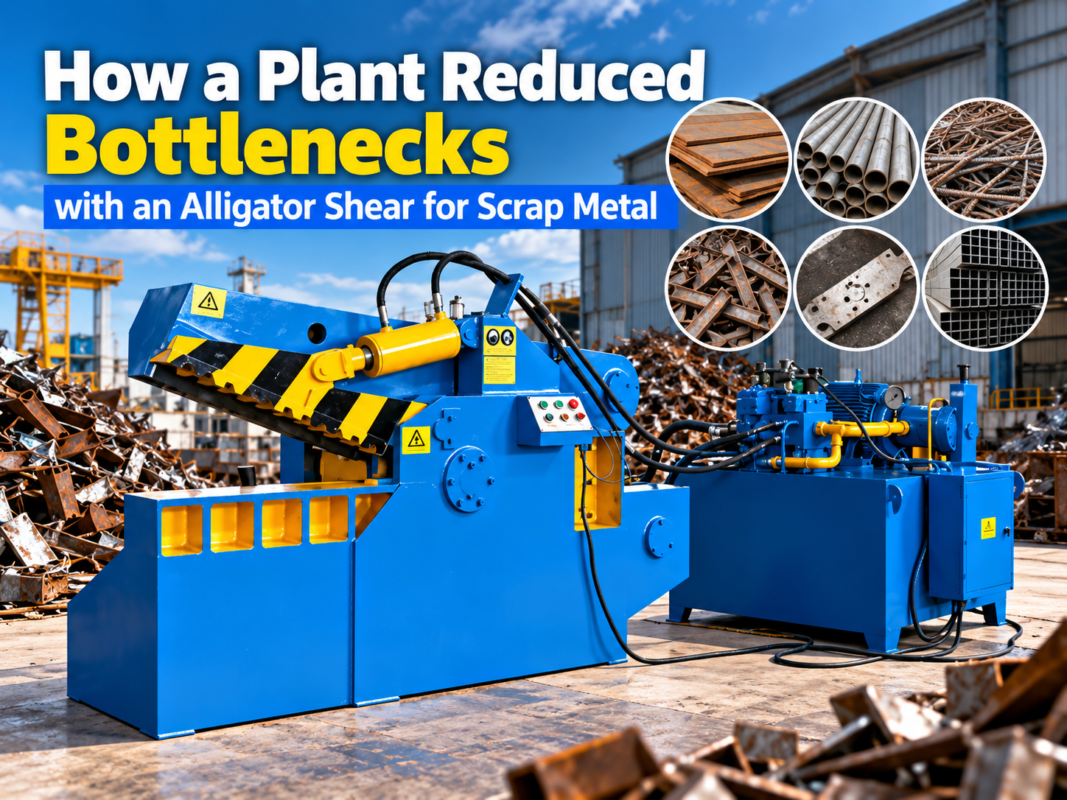
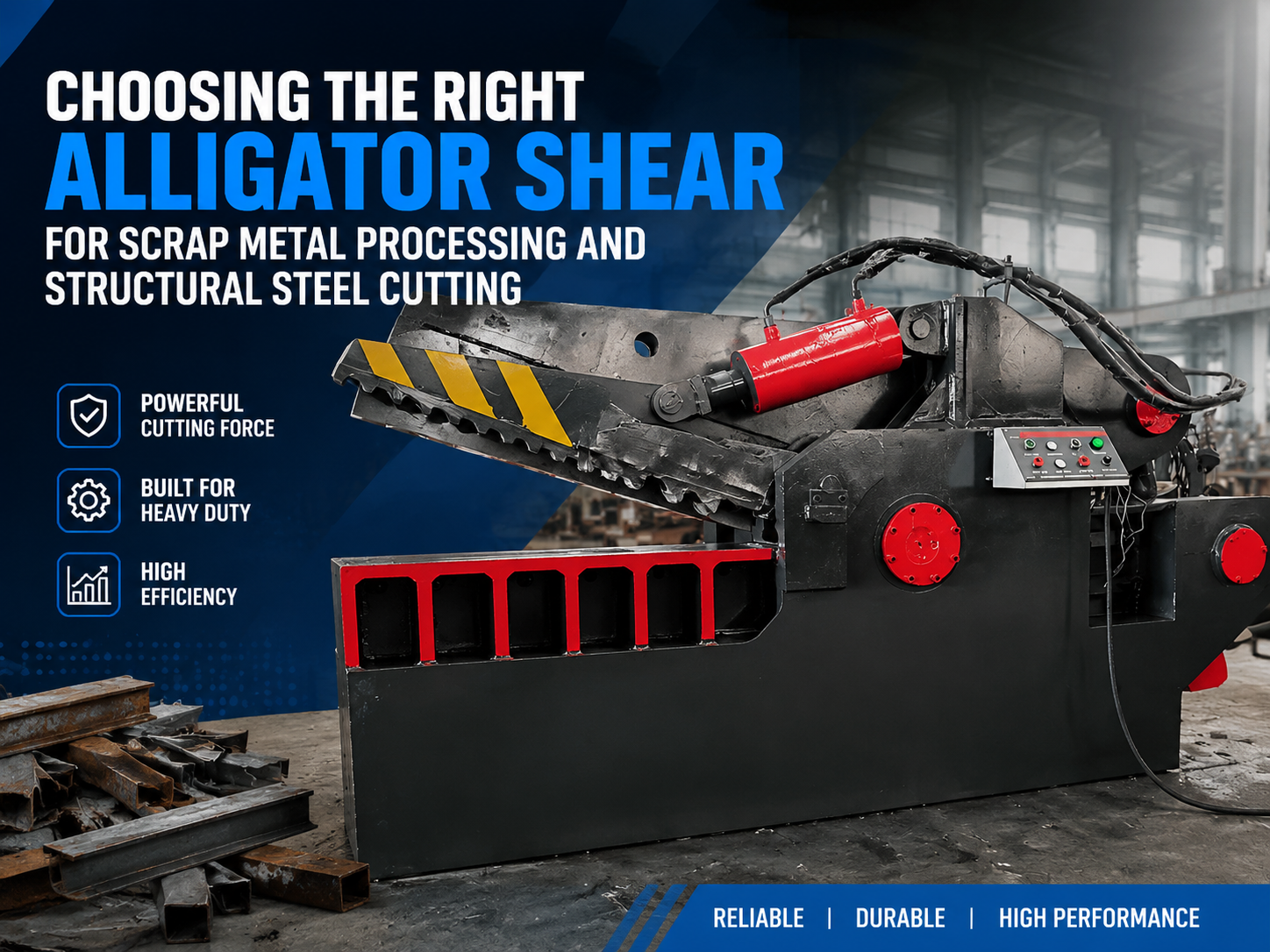
In the realm of metal recycling and industrial fabrication, the alligator shear stands as a cornerstone of efficiency. Named for its distinctive jaw-like motion, this machine is specifically engineered for cold-cutting various metal shapes and sections. When it comes to choosing alligator shear scrap metal processing structural steel cutting solutions, understanding the underlying mechanics is the first step toward a successful investment. Unlike larger guillotine shears, alligator shears offer a unique combination of portability, speed, and versatility, making them indispensable for scrap yards and demolition sites.
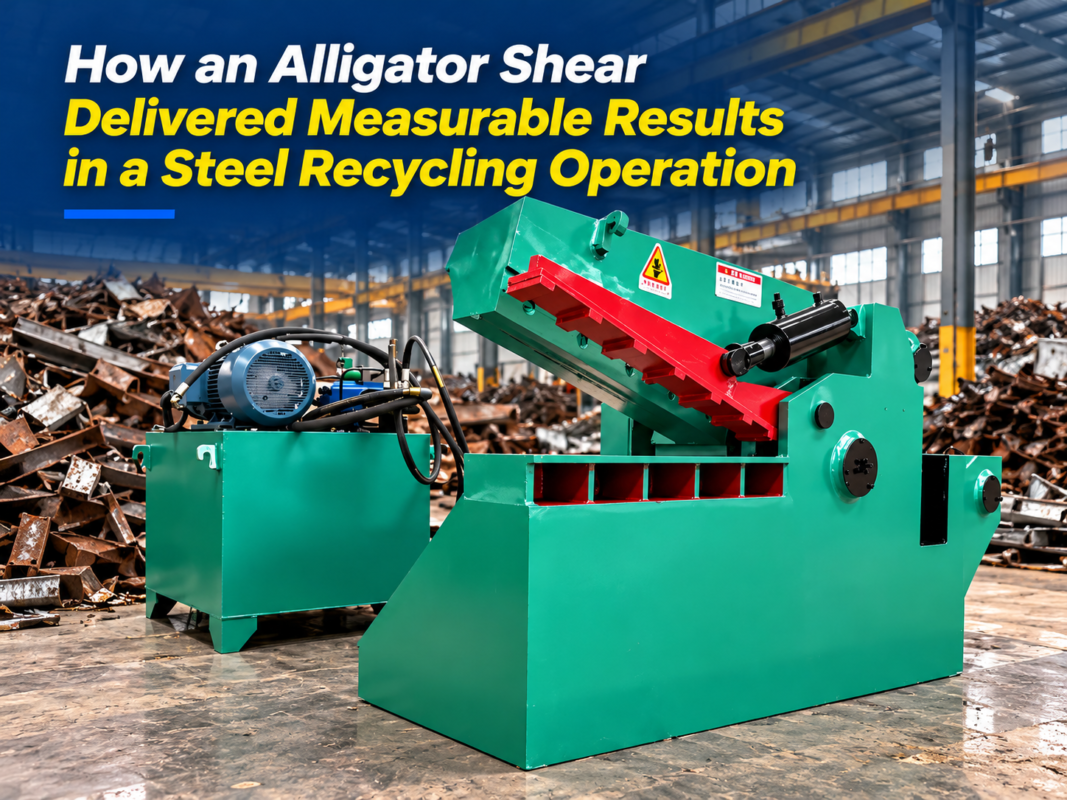
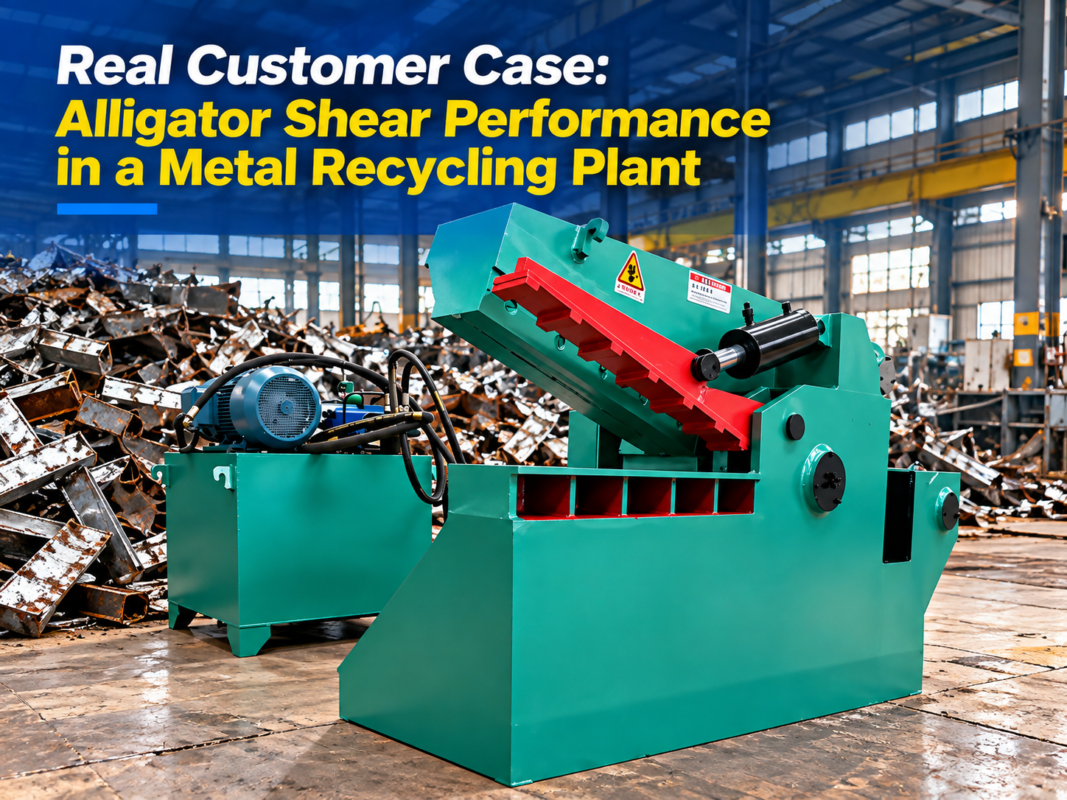
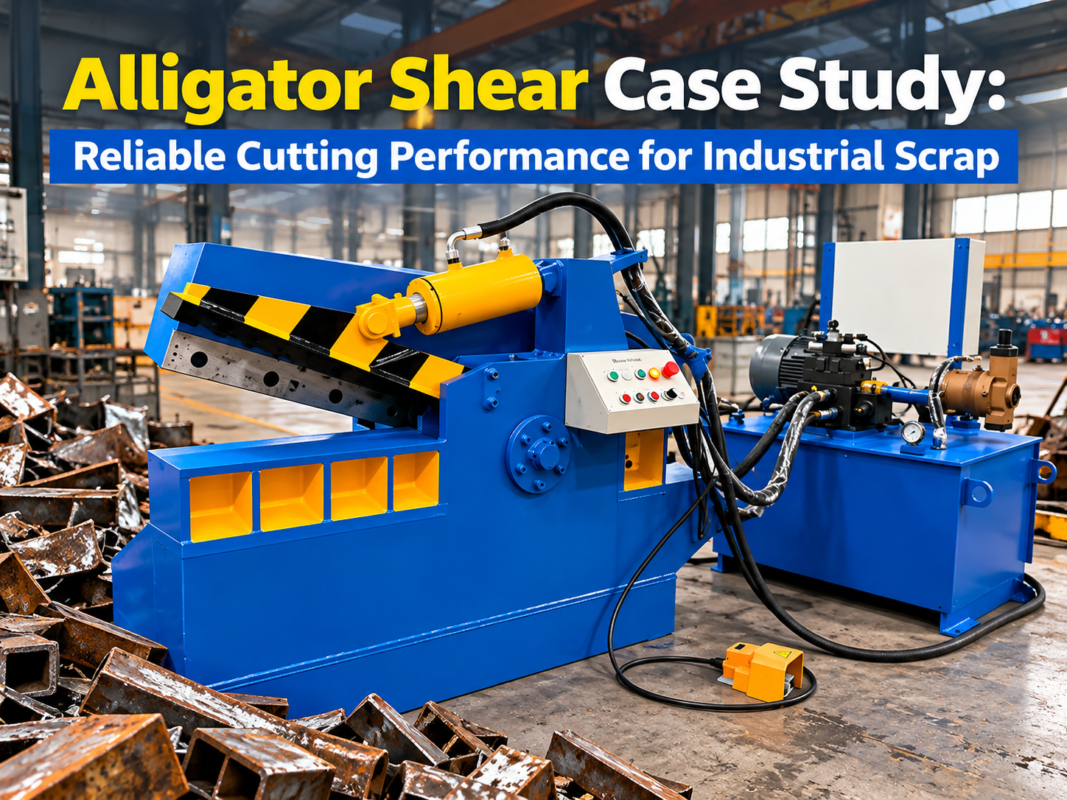
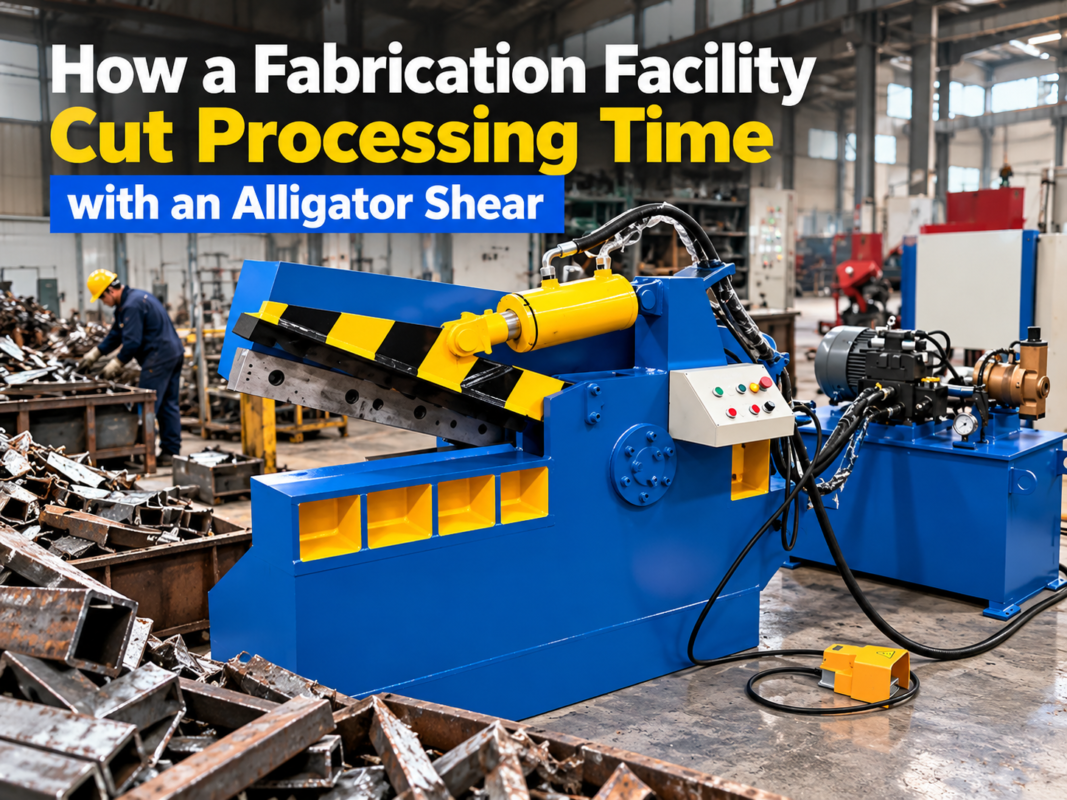
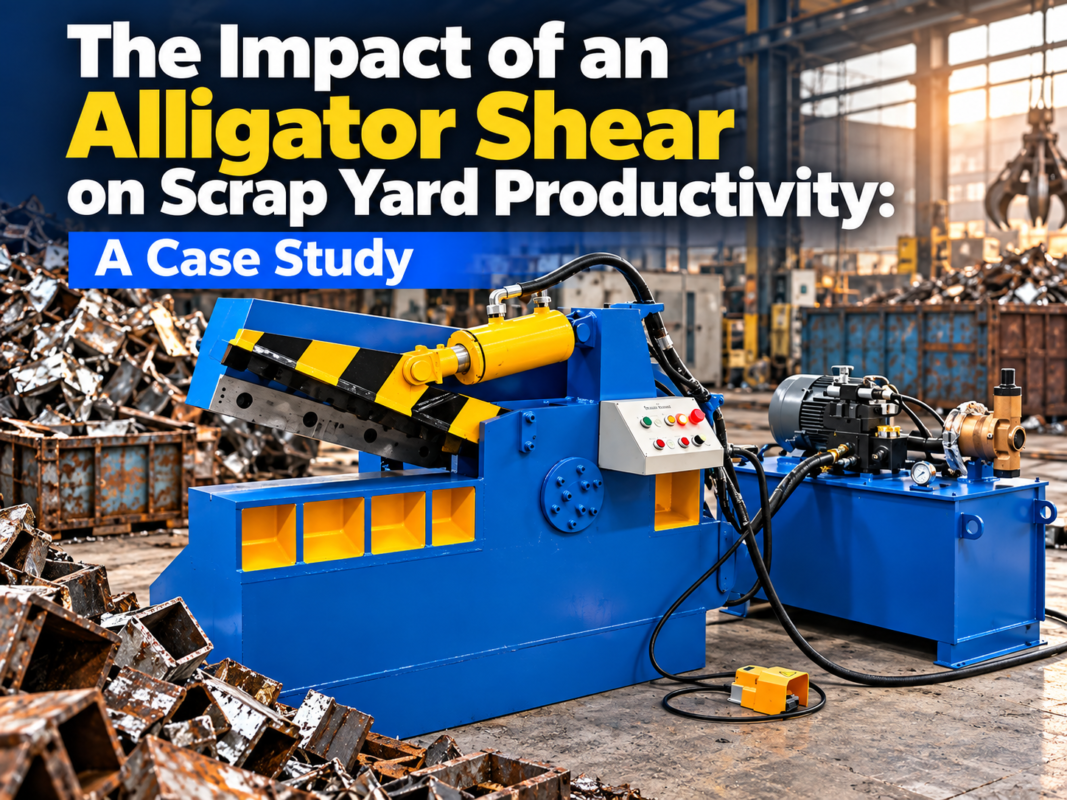
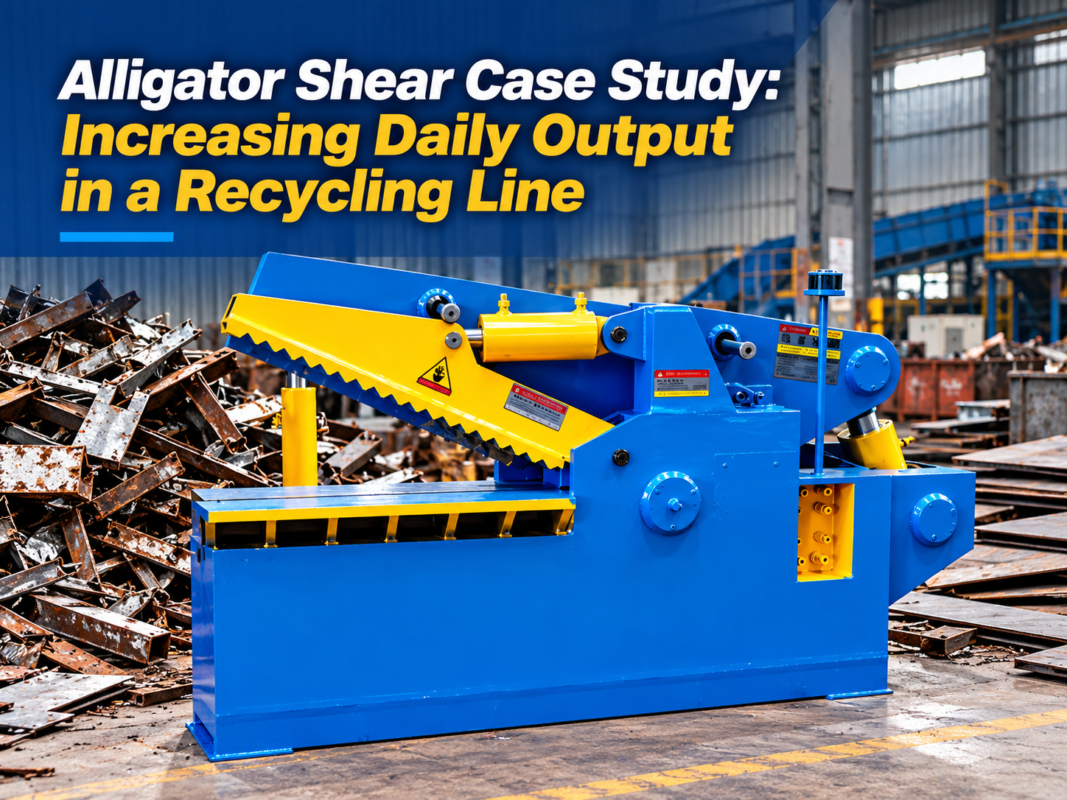
The modern alligator shear, such as those manufactured by HARSLE, utilizes advanced hydraulic systems to generate immense pressure. The mechanical design consists of a fixed lower blade and a pivoting upper blade. This lever-action design allows the machine to concentrate force at the ‘throat’ of the blades, enabling it to bite through thick structural steel that would stall lesser equipment. The hydraulic drive provides a smoother, more controlled cut compared to older mechanical flywheel designs, reducing vibration and increasing the lifespan of the machine components.
.jpg)
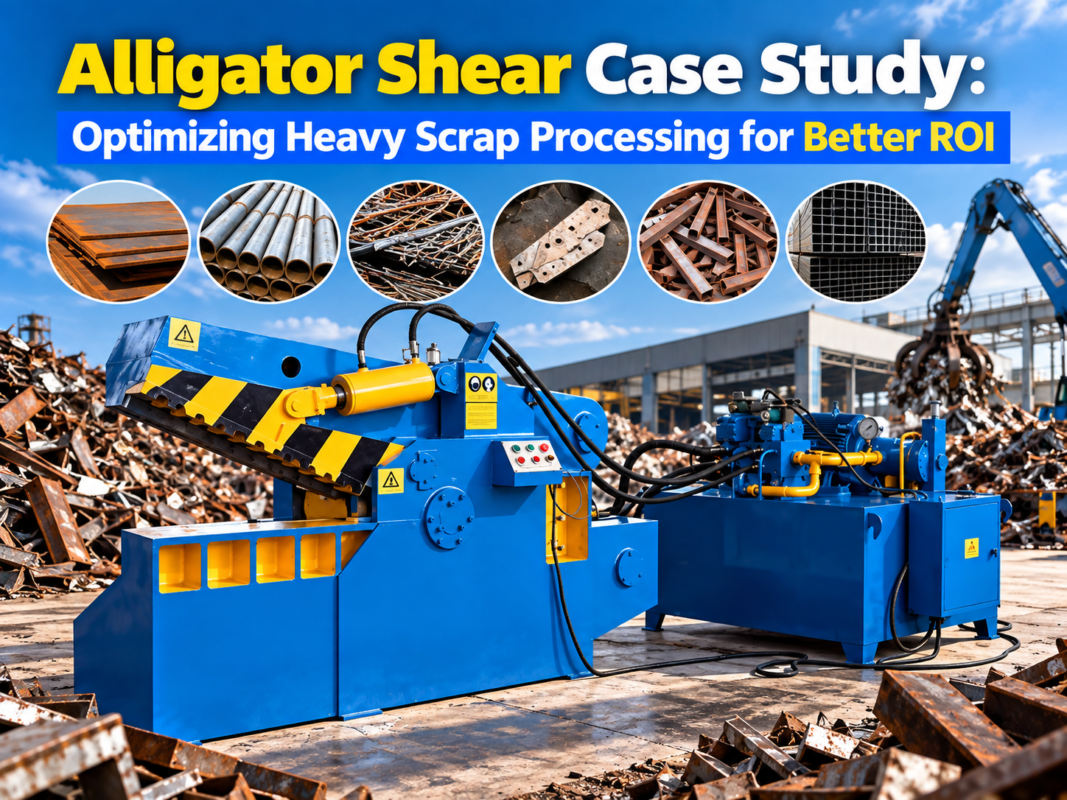
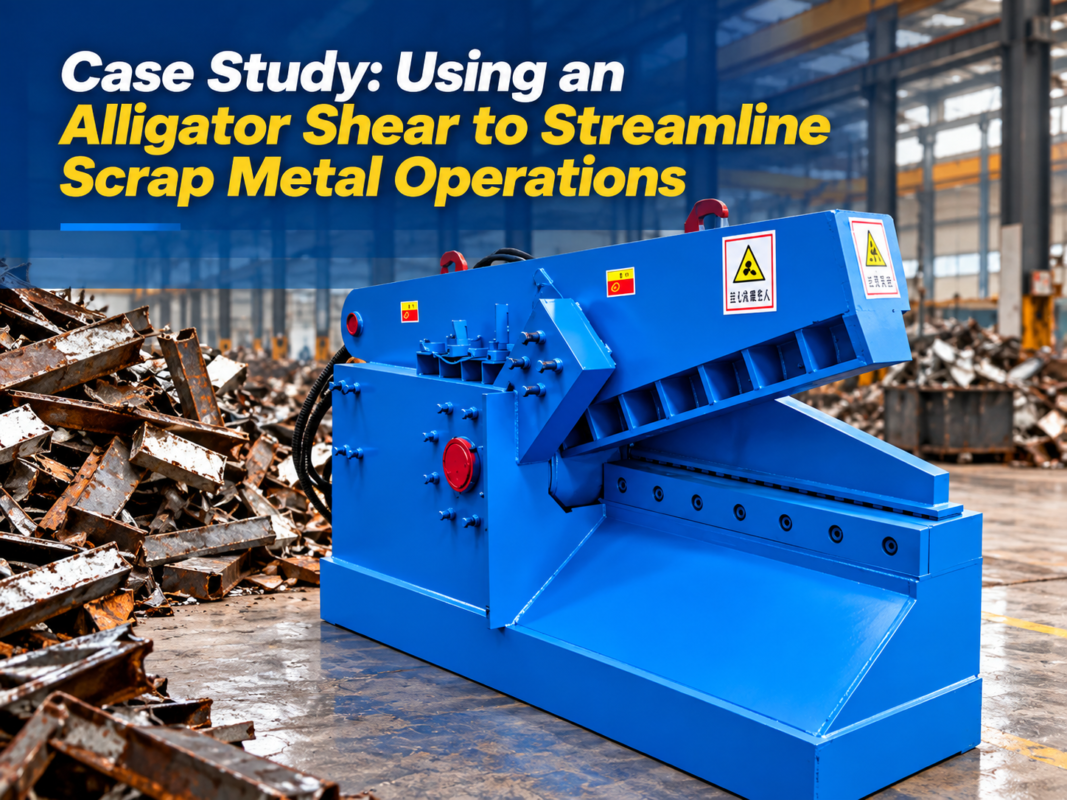
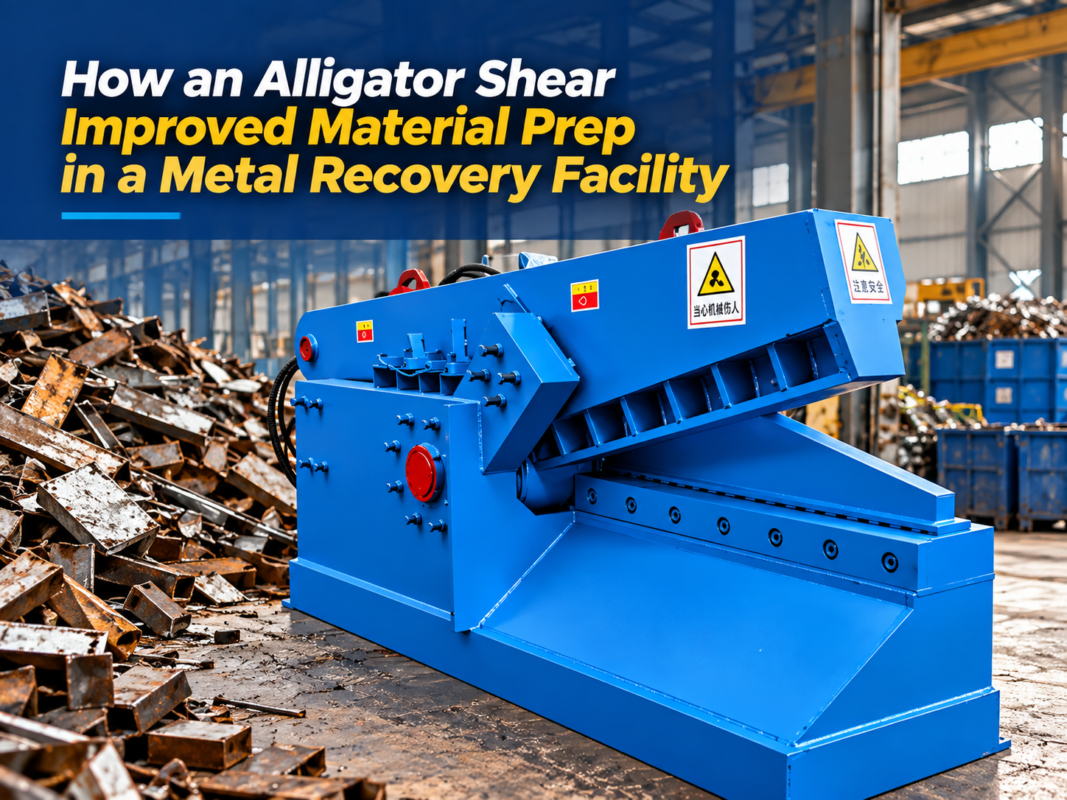
Beyond simple cutting, these machines are vital for ‘cleaning’ scrap. This involves removing non-metallic attachments or separating different grades of metal (such as removing a brass fitting from a steel pipe) to increase the value of the recycled material. For structural steel cutting, the alligator shear is used to reduce long I-beams, channels, and angles into manageable sizes for furnace charging or transport. The ability to handle irregular shapes is what sets the alligator shear apart from other cutting technologies like saws or torches, which are often slower or more expensive to operate.
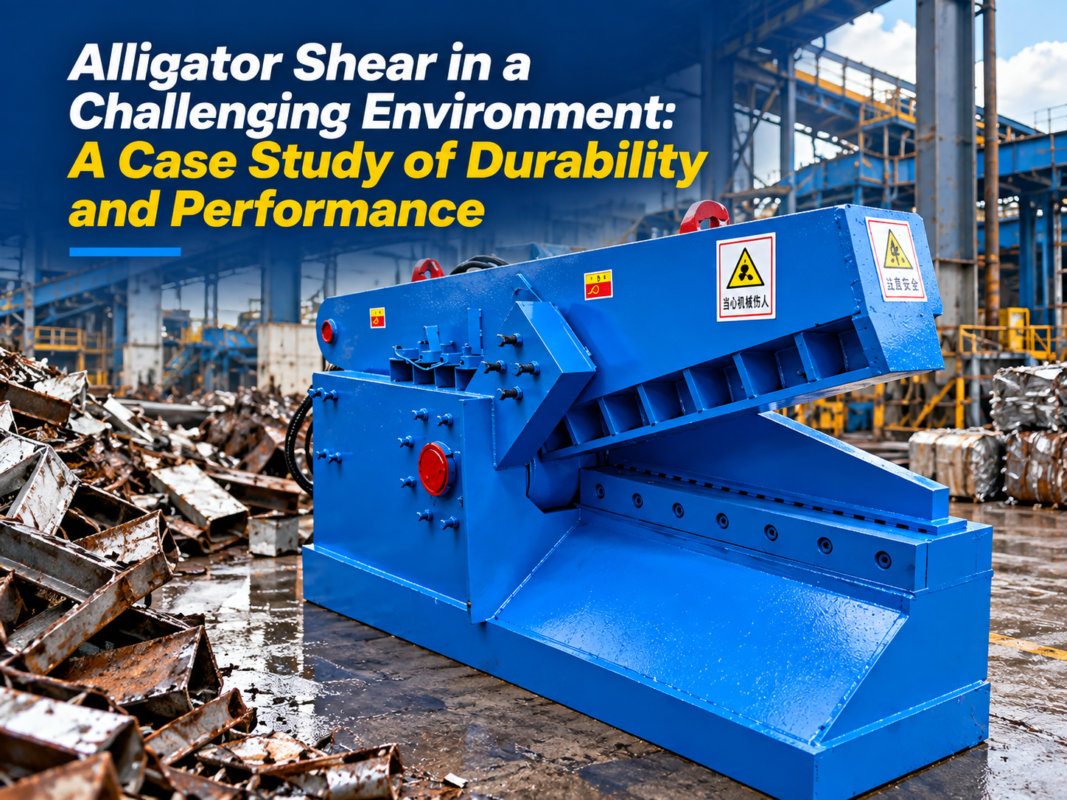
HARSLE’s engineering focus on the Q43 series alligator shears emphasizes structural rigidity. The frame is typically constructed from high-quality welded steel plates, stress-relieved to ensure long-term accuracy. The hydraulic cylinders are honed to precision, and the blades are made from high-strength tool steel, often 9CrSi or Cr12MoV, which can be rotated to provide four cutting edges before requiring regrinding. This technical sophistication ensures that when you are choosing alligator shear scrap metal processing structural steel cutting equipment, you are looking at a tool designed for the rigors of 24/7 industrial environments.
Core Parameters to Consider
When evaluating different models, several core parameters dictate the machine’s performance and suitability for your specific application. The most critical parameter is the Cutting Force, usually measured in kilonewtons (kN) or tons. This force determines the maximum thickness and type of material the shear can handle. For instance, a 63-ton shear might be perfect for aluminum extrusions and light copper pipe, but structural steel cutting requires forces often exceeding 200 to 500 tons.
Blade Length is another vital factor. Standard lengths range from 400mm to 1200mm. A longer blade allows for cutting wider sheets or multiple smaller pieces simultaneously, but it also spreads the cutting force over a larger area, which can reduce the effective cutting capacity for thick solids. Conversely, a shorter blade concentrates the force, making it better for heavy structural sections. When choosing alligator shear scrap metal processing structural steel cutting equipment, you must balance the need for width against the need for raw piercing power.
Maximum Blade Opening (or throat height) determines the largest diameter of scrap that can be fed into the machine. If you are processing large-diameter pipes or bulky automotive components, a wide opening is essential. However, a wider opening often results in a longer cycle time, as the cylinder has further to travel. This leads us to Cycle Speed, typically measured in cuts per minute. High-speed shears are excellent for thin, high-volume scrap, while slower, high-torque shears are preferred for heavy demolition scrap.
Finally, consider the Motor Power and Hydraulic System Pressure. A more powerful motor allows the pump to maintain high flow rates even under high pressure, ensuring the machine doesn’t ‘bog down’ during a difficult cut. HARSLE machines often feature integrated cooling systems for the hydraulic oil, which is a critical parameter for operations in hot climates or high-duty cycle environments. Without proper cooling, the oil viscosity drops, leading to seal failure and loss of cutting force.
Calculation Method for Cutting Capacity
To ensure you are choosing the right alligator shear, you must perform basic calculations based on the materials you intend to process. The required cutting force ($F$) is not just a function of the material’s thickness, but also its shear strength and the geometry of the cut. The basic formula for the shearing force required for a flat bar is:
$F = L \cdot S \cdot \tau$
Where:
– $L$ is the length of the cut (blade contact length).
– $S$ is the thickness of the material.
– $\tau$ is the shear strength of the material (usually about 75-80% of the ultimate tensile strength).
For structural steel cutting, such as an I-beam, the calculation becomes more complex because the cross-sectional area varies. You must calculate the total area of the flanges and the web that the blade will encounter simultaneously. It is a common engineering practice to add a 20-30% safety margin to the calculated force to account for blade wear, material impurities, and the dynamic nature of scrap metal, which may be hardened or alloyed.
Another important calculation is the Shear Angle Effect. Alligator shears have a built-in shear angle because the blades meet like scissors. This reduces the instantaneous force required compared to a flat guillotine cut. However, this also means the material tends to be pushed away from the pivot point. Therefore, the effective cutting force is highest near the ‘throat’ (the pivot) and lowest at the tip of the blades. When choosing alligator shear scrap metal processing structural steel cutting machinery, always base your capacity requirements on the material being placed at the midpoint of the blade for safety.
Parameter Table for HARSLE Q43 Series
The following table provides a comparison of common models in the HARSLE Q43 series to assist in your selection process.
| Model | Nominal Force (kN) | Blade Length (mm) | Max Opening (mm) | Cutting Speed (times/min) | Motor Power (kW) |
|---|---|---|---|---|---|
| Q43-63 | 630 | 600 | 320 | 8-12 | 7.5 |
| Q43-100 | 1000 | 700 | 350 | 8-12 | 11 |
| Q43-120 | 1200 | 800 | 400 | 8-12 | 15 |
| Q43-160 | 1600 | 800 | 420 | 8-10 | 18.5 |
| Q43-200 | 2000 | 1000 | 450 | 8-10 | 22 |
| Q43-250 | 2500 | 1200 | 500 | 6-9 | 30 |
Common Engineering Mistakes in Selection
One of the most frequent mistakes when choosing alligator shear scrap metal processing structural steel cutting equipment is undersizing the machine. Buyers often look at the “maximum capacity” listed in a brochure and assume the machine can handle that material all day long. In reality, the maximum capacity is often a peak rating. For continuous structural steel cutting, you should choose a machine where your average workload is about 60-70% of the machine’s rated capacity. This prevents overheating and premature fatigue of the hydraulic seals.
Another mistake is ignoring the hold-down mechanism. When cutting heavy scrap, the material has a tendency to ‘kick up’ or fly out. A high-quality alligator shear must have a robust, preferably hydraulic, hold-down device. Some operators try to save money by purchasing manual hold-down models, only to find that they are dangerous and slow for processing structural steel. A hydraulic hold-down ensures the material is clamped securely before the cutting blade makes contact, ensuring a square cut and operator safety.
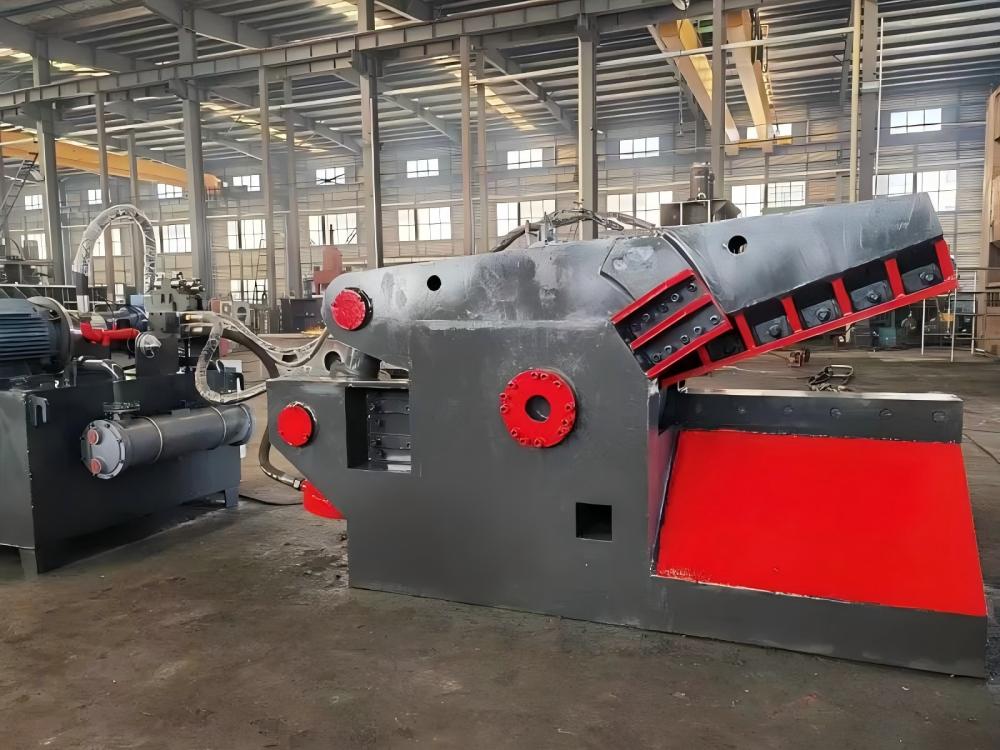
Furthermore, many engineers fail to consider blade clearance and maintenance. The gap between the upper and lower blades must be adjusted based on the thickness of the material. If the gap is too wide, the metal will ‘fold’ rather than cut, causing immense lateral stress on the pivot pin. If it’s too tight, the blades will clash and chip. Choosing a machine that allows for easy blade adjustment and has a rigid pivot assembly is crucial for long-term reliability in scrap metal processing.
Lastly, neglecting the electrical and hydraulic environment is a common pitfall. Alligator shears generate significant heat. If the machine is placed in a confined space without airflow, or if the electrical supply is unstable, the hydraulic valves will eventually stick or burn out. Always ensure your facility can handle the startup current of the large motors used in high-tonnage shears, and consider an oil cooler if you plan on running multiple shifts.
Selection Checklist for Procurement
Before finalizing your purchase, use this checklist to ensure the alligator shear meets your operational requirements:
- Material Profile: What is the thickest and hardest material you will cut? (e.g., HMS 1/2, Rebar, I-Beams).
- Volume Requirements: How many tons per day do you need to process? This determines the required cycle speed and motor duty cycle.
- Blade Specifications: Are the blades made of high-grade tool steel? Are they four-sided (rotatable)?
- Safety Features: Does the machine include a protective cage, emergency stop, and a hydraulic hold-down?
- Control System: Do you need a foot pedal for manual control, or an automatic cycle for uniform scrap?
- Power Supply: Is your local voltage compatible with the machine’s motor (e.g., 380V/415V/480V)?
- Maintenance Access: Are the grease points easily accessible? Can the blades be changed without dismantling the entire head?
- Manufacturer Reputation: Does the supplier like HARSLE provide technical support and readily available spare parts?
Frequently Asked Questions (FAQ)
1. Can an alligator shear cut hardened steel shafts?
Generally, alligator shears are designed for mild steel and structural alloys. Cutting fully hardened steel (like bearing races or certain engine shafts) can chip the blades or snap the pivot pin. If you must cut hardened materials, you need a shear with specialized high-impact blades and a significantly higher tonnage rating than the material’s diameter would suggest.
2. How often should I sharpen the blades?
This depends entirely on the material being processed. For clean structural steel, blades may last several months. For sandy or dirty scrap metal processing, they may need rotating or grinding every few weeks. HARSLE blades are typically four-sided, so you can rotate them three times before needing a professional regrind.
3. Is a foot pedal or an automatic button better?
For irregular scrap metal processing, a foot pedal is superior because it allows the operator to position the material precisely and stop the stroke instantly if something shifts. For structural steel cutting where pieces are uniform, an automatic cycle can increase productivity by maintaining a steady rhythm.
4. What hydraulic oil should I use?
Most alligator shears use ISO 46 or ISO 68 anti-wear hydraulic oil. In colder climates, a thinner oil (ISO 32) might be necessary for winter startups. Always check the manufacturer’s manual, as using the wrong oil can void the warranty and damage the pump.
5. Why is my shear losing power during the cut?
This is usually caused by one of three things: a clogged hydraulic filter, a worn-out pump, or an internal leak in the main cylinder seals. If the motor is straining but the blade isn’t moving, the relief valve might be set too low or is malfunctioning. Regular pressure checks are essential for maintaining peak performance.
6. Can I use an alligator shear for non-ferrous metals?
Yes, alligator shears are excellent for aluminum, copper, and brass. In fact, they are often used to ‘clean’ these high-value metals by cutting off steel bolts or plastic coatings. Because non-ferrous metals are softer, you can often use a machine with a longer blade and lower tonnage for these applications.
7. How do I prevent the material from ‘flying’ during a cut?
The primary defense is the hydraulic hold-down. Additionally, the operator should always feed the material so it is perpendicular to the blades. Never attempt to cut very short pieces that cannot be securely held by the clamp, as these are the most likely to become projectiles.
8. What is the lifespan of a HARSLE alligator shear?
With proper maintenance—including daily greasing, oil changes every 2000 hours, and timely blade rotations—a high-quality shear from HARSLE can last 10 to 15 years or more in a demanding scrap yard environment. The heavy-duty steel frame is designed for a lifetime of service, with only the wear parts (blades, seals, and pins) requiring periodic replacement.