Alligator Shear Technical Guide: How It Works, Key Components, and Cutting Applications

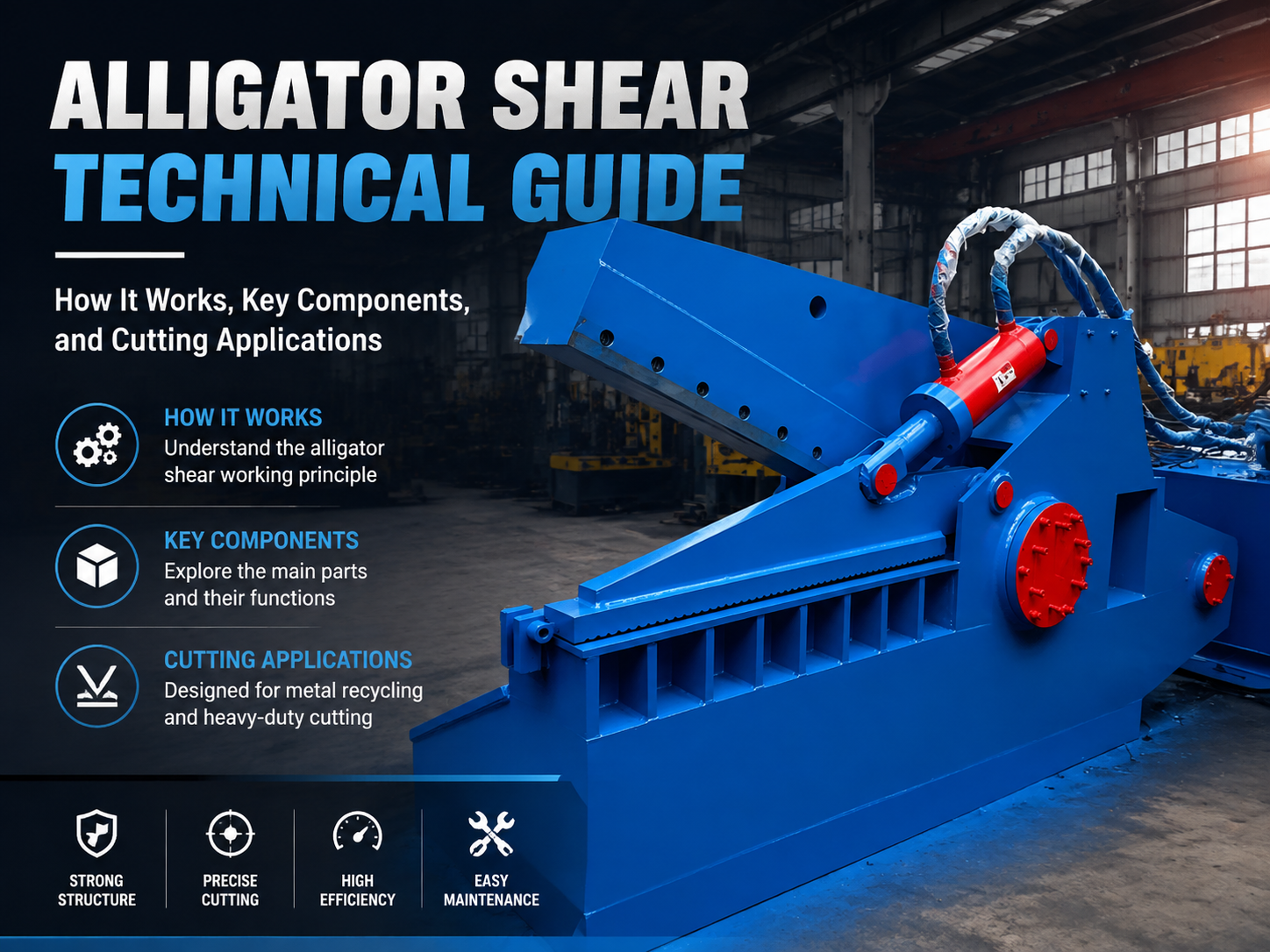
Technical Overview: The Mechanics of the Alligator Shear
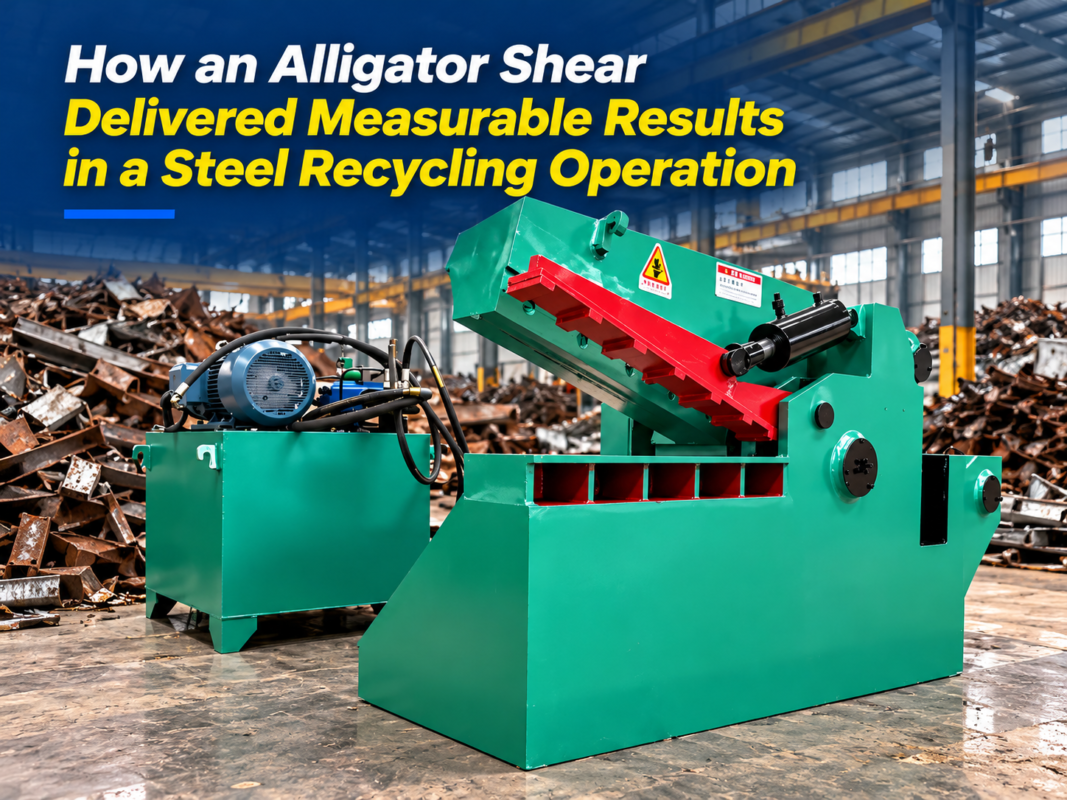
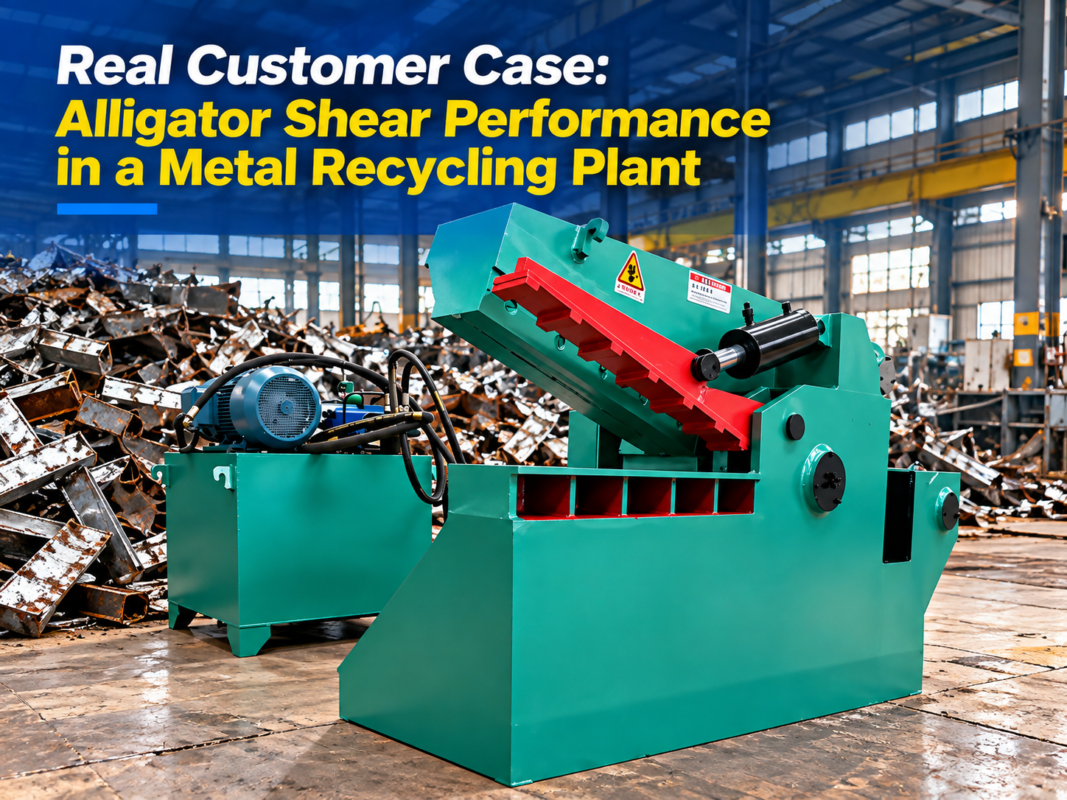
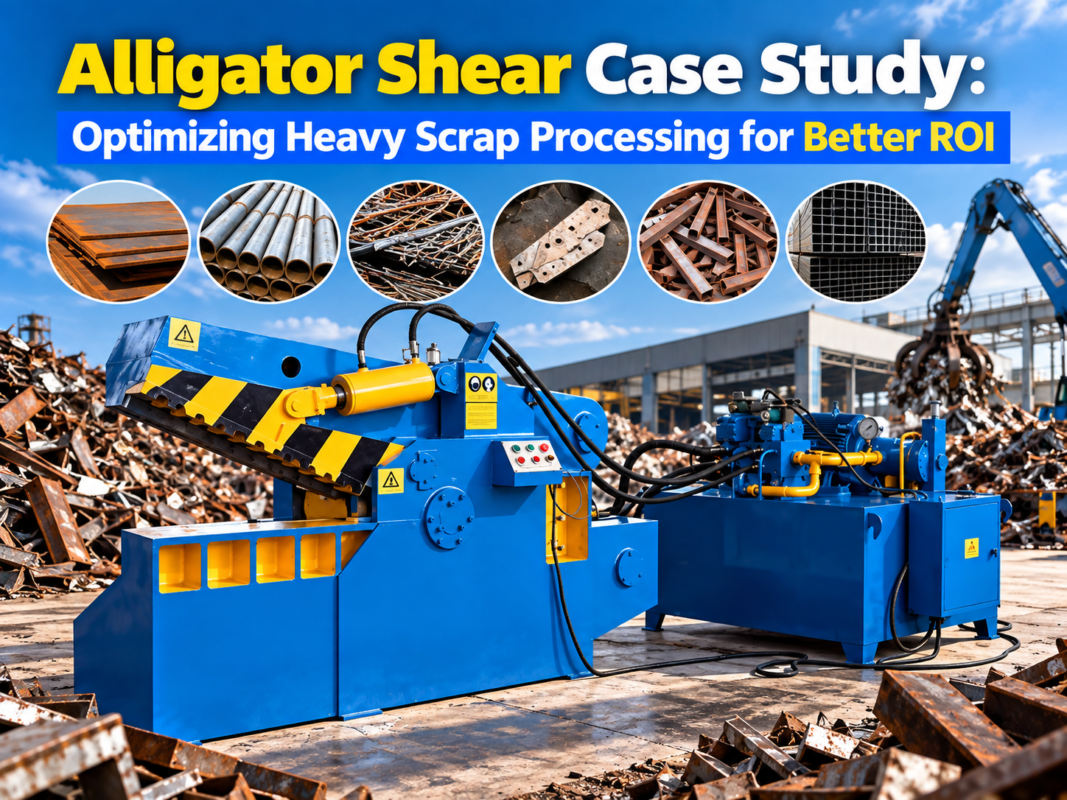
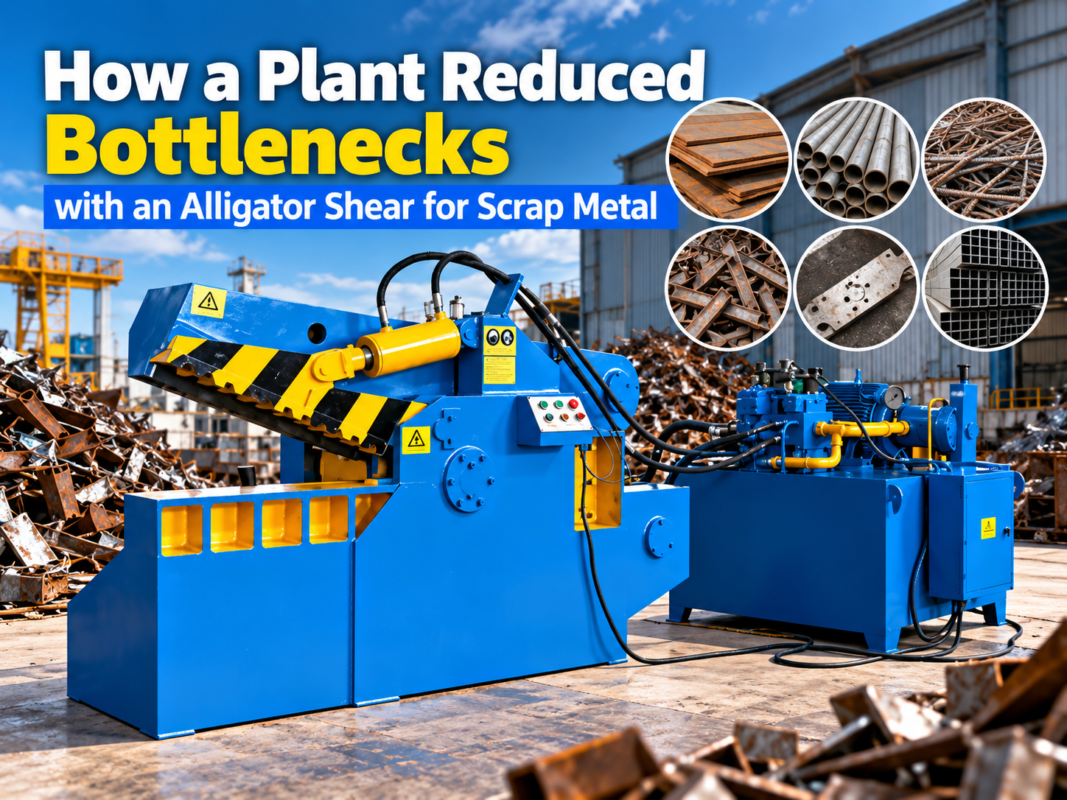
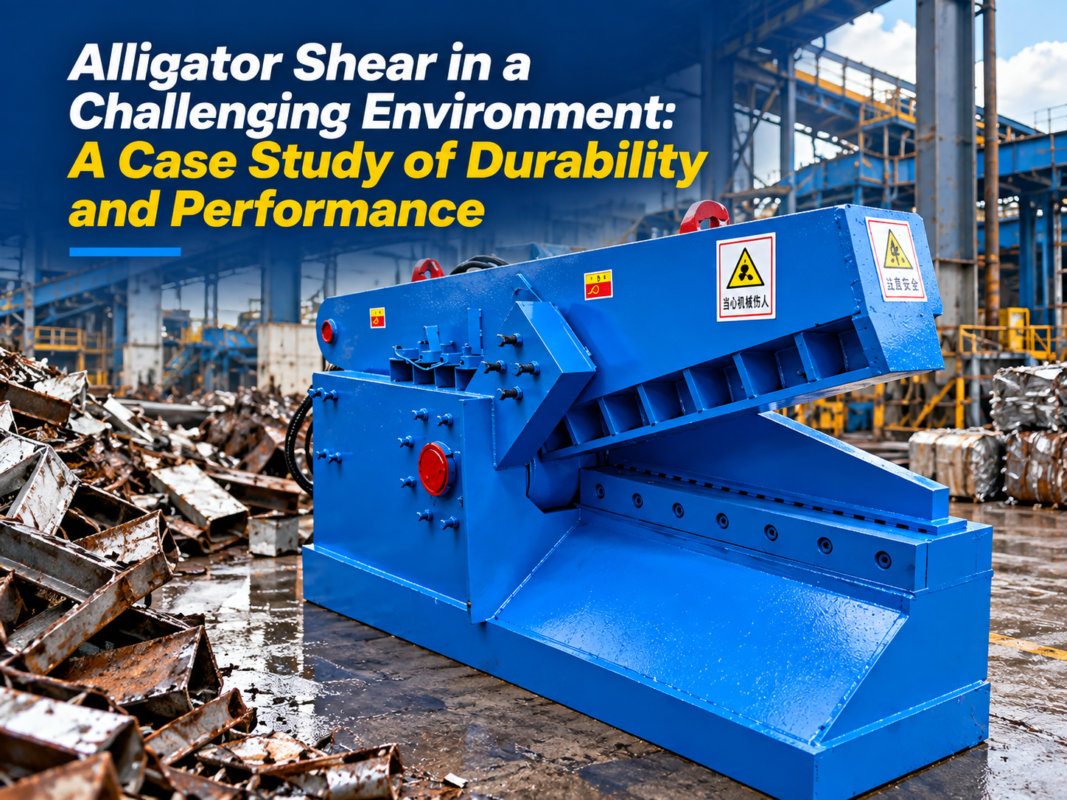
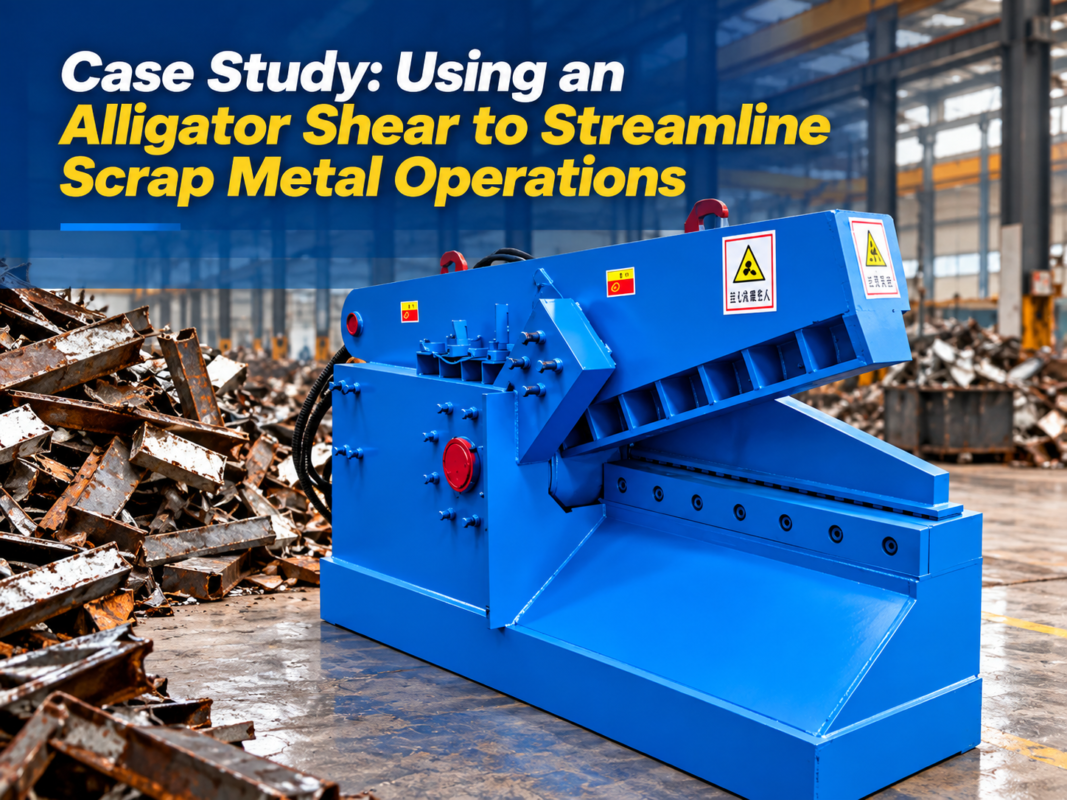
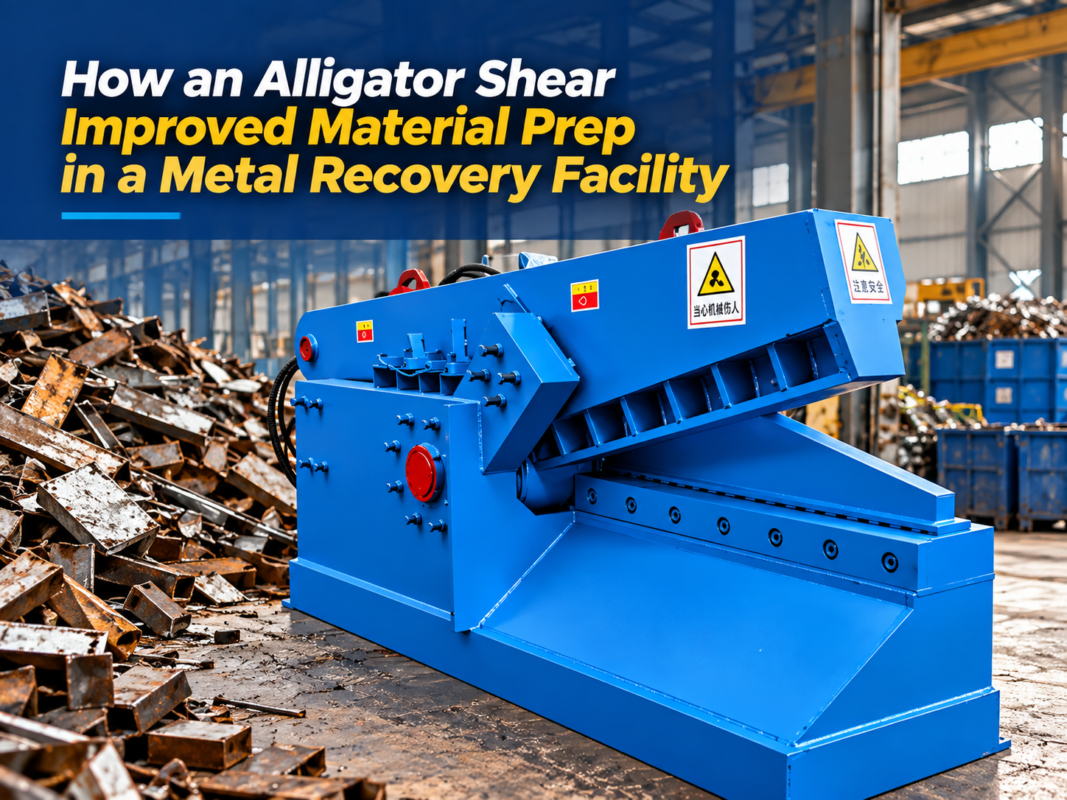
The alligator shear, often referred to as a lever shear or crocodile shear, is a fundamental piece of equipment in the scrap metal recycling and metal fabrication industries. At its core, the machine utilizes a mechanical advantage provided by a pivot point and a hydraulic cylinder to exert massive force on a set of cutting blades. The name ‘alligator shear’ is derived from the characteristic movement of the upper jaw, which mimics the opening and closing of a crocodile’s mouth. This design is specifically engineered to handle irregular shapes, long profiles, and various grades of metal that would be difficult to process with standard guillotine shears.
Modern alligator shears, such as those manufactured by HARSLE, have evolved from simple mechanical lever systems to sophisticated hydraulic powerhouses. The technical essence of the machine lies in its ability to convert hydraulic pressure into linear force, which is then translated into rotational torque at the pivot. This allows the machine to cut through heavy-duty materials like rebar, structural steel, and non-ferrous pipes with minimal energy waste. The hydraulic system provides a consistent force throughout the stroke, unlike mechanical fly-wheel shears which rely on momentum and can stall under heavy loads.
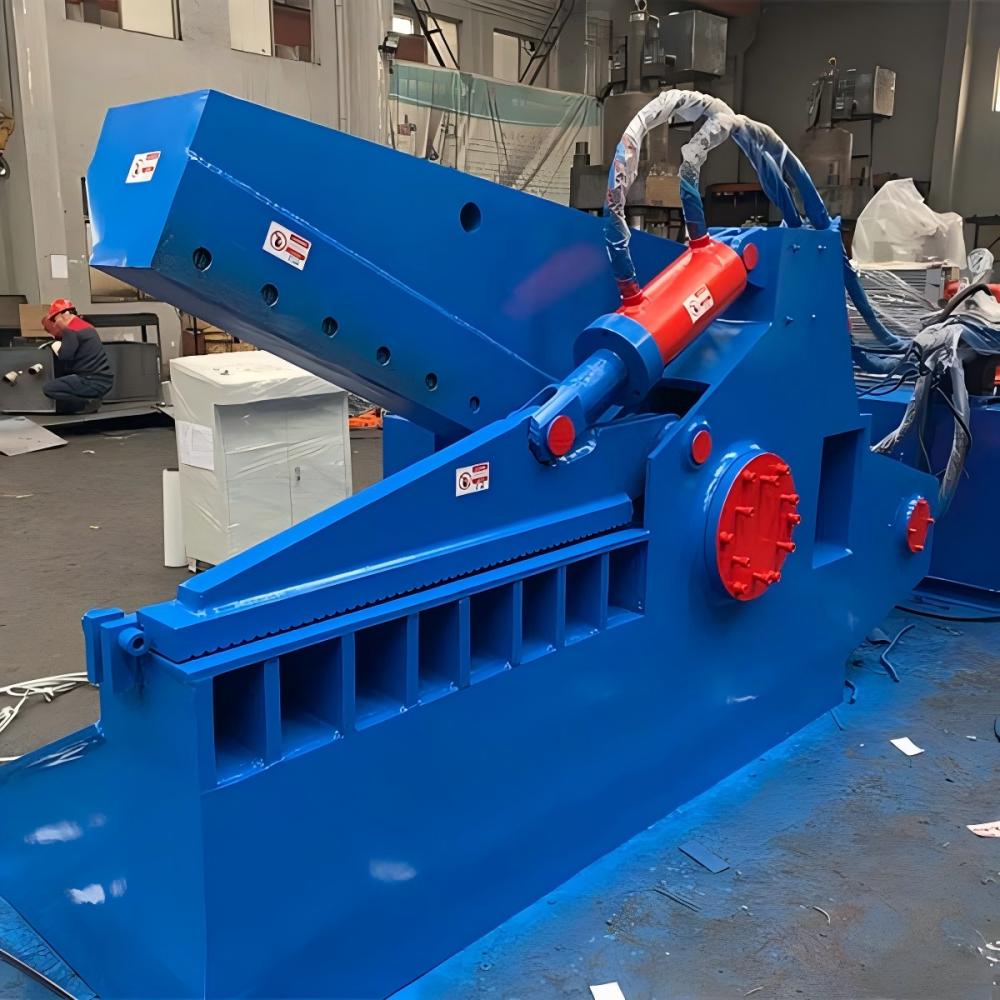
From a structural standpoint, the alligator shear consists of a heavy-duty welded frame designed to withstand the immense reactive forces generated during the shearing process. The stability of the frame is critical; any deflection during the cut can lead to blade misalignment, resulting in poor cut quality or catastrophic blade failure. HARSLE utilizes high-tensile steel plates and advanced welding techniques to ensure that the frame remains rigid even when operating at maximum rated capacity. This rigidity is the foundation of the Alligator Shear Technical : It Works, Key Components, Cutting Applications framework.
The operational cycle of an alligator shear is relatively straightforward but requires precision timing. The cycle begins with the operator positioning the material on the lower blade. Upon activation, the hydraulic fluid is directed to the main cylinder, extending the piston rod and forcing the upper jaw downward. A secondary hydraulic cylinder often operates a ‘hold-down’ or ‘stamper’ device, which secures the material before the blades make contact. This prevents the material from ‘kicking up’ or sliding, which is a common safety hazard in manual shearing operations.
Core Components of an Alligator Shear
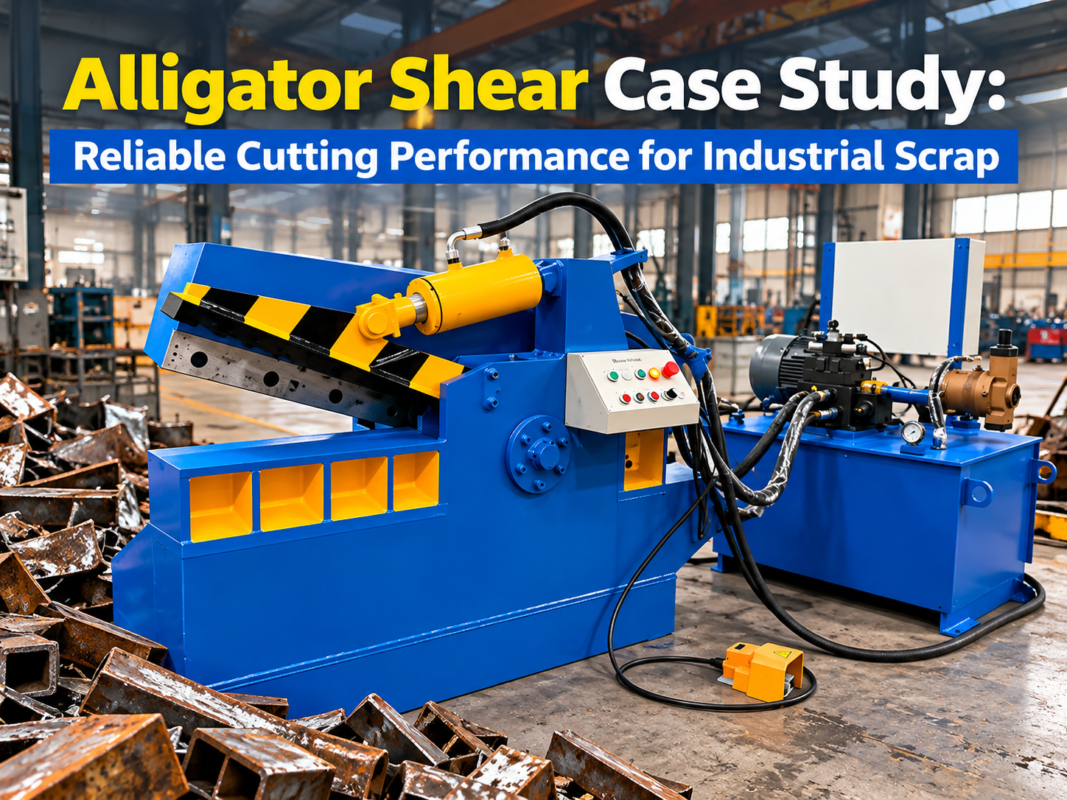
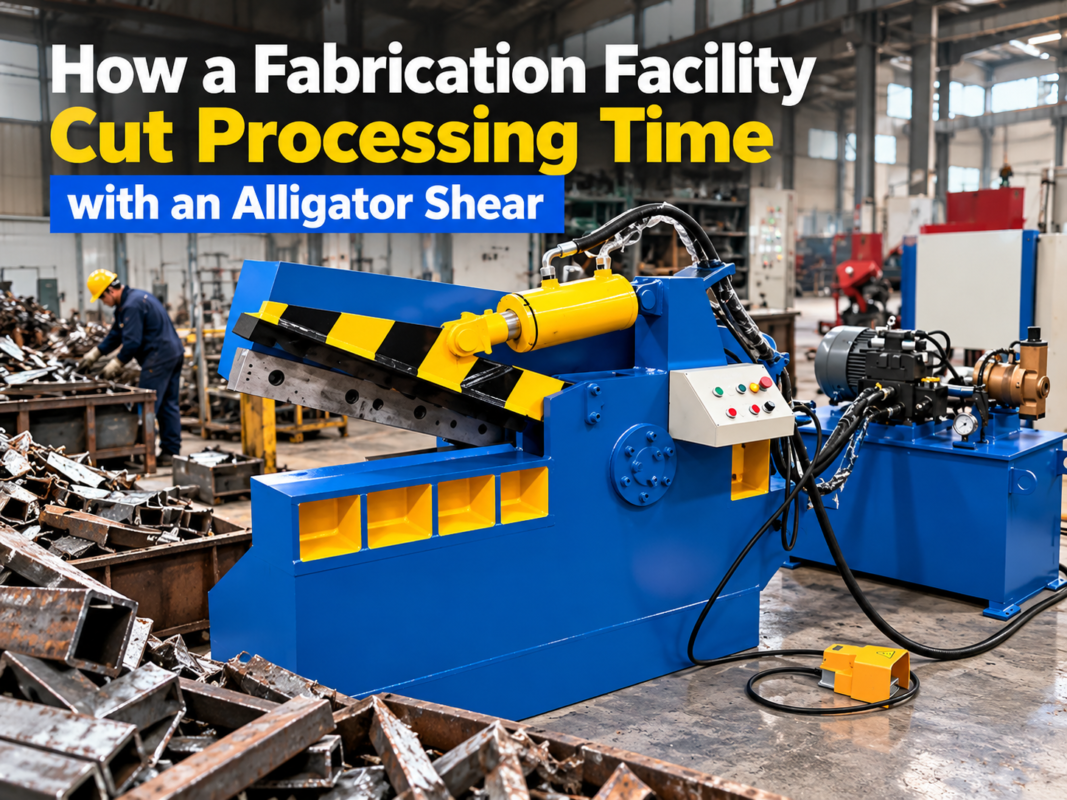
Understanding the internal anatomy of an alligator shear is essential for maintenance and operational efficiency. The primary component is the Main Hydraulic Cylinder. This cylinder is the heart of the machine, responsible for generating the tonnage required to shear metal. It is typically a double-acting cylinder, meaning it uses hydraulic pressure to both close and open the jaws, ensuring a fast cycle time and controlled movement in both directions.
The Shear Blades are perhaps the most critical wear component. These are usually made from high-alloy tool steels such as H13 or Cr12MoV, which are heat-treated to achieve a balance between hardness (to maintain a sharp edge) and toughness (to resist chipping under impact). The blades are often rectangular and can be rotated to use all four edges before requiring regrinding, which significantly lowers the total cost of ownership. Proper blade seating and bolt torque are essential to prevent the blades from shifting during heavy cuts.
The Hydraulic Power Unit (HPU) includes the electric motor, hydraulic pump, oil reservoir, and cooling system. In high-volume environments, the HPU must be capable of continuous operation without overheating. HARSLE machines often incorporate air-cooled or water-cooled heat exchangers to maintain the hydraulic oil within the optimal temperature range (usually 30°C to 55°C). The pump is typically a high-pressure axial piston pump or a vane pump, chosen for its durability and ability to provide variable flow rates based on the load requirements.
The Control System in modern alligator shears can range from simple manual foot pedals to advanced PLC-controlled interfaces. Manual controls allow for ‘inching’ the blade, which is useful for precise positioning, while automatic modes allow for continuous cycling, maximizing throughput for uniform scrap materials. Safety components, such as emergency stop buttons, pressure relief valves, and protective cages, are integrated into the control logic to protect the operator from flying debris and mechanical pinch points.
Cutting Applications and Material Versatility
The versatility of the alligator shear makes it an indispensable tool across various sectors. In the Scrap Metal Recycling industry, it is used to ‘clean’ scrap. This involves cutting off contaminated ends of copper pipe, removing steel attachments from aluminum extrusions, or sizing long pieces of rebar for easier baling. The open-jaw design allows the operator to feed material from the side, making it much faster than a guillotine shear for long, awkward profiles.
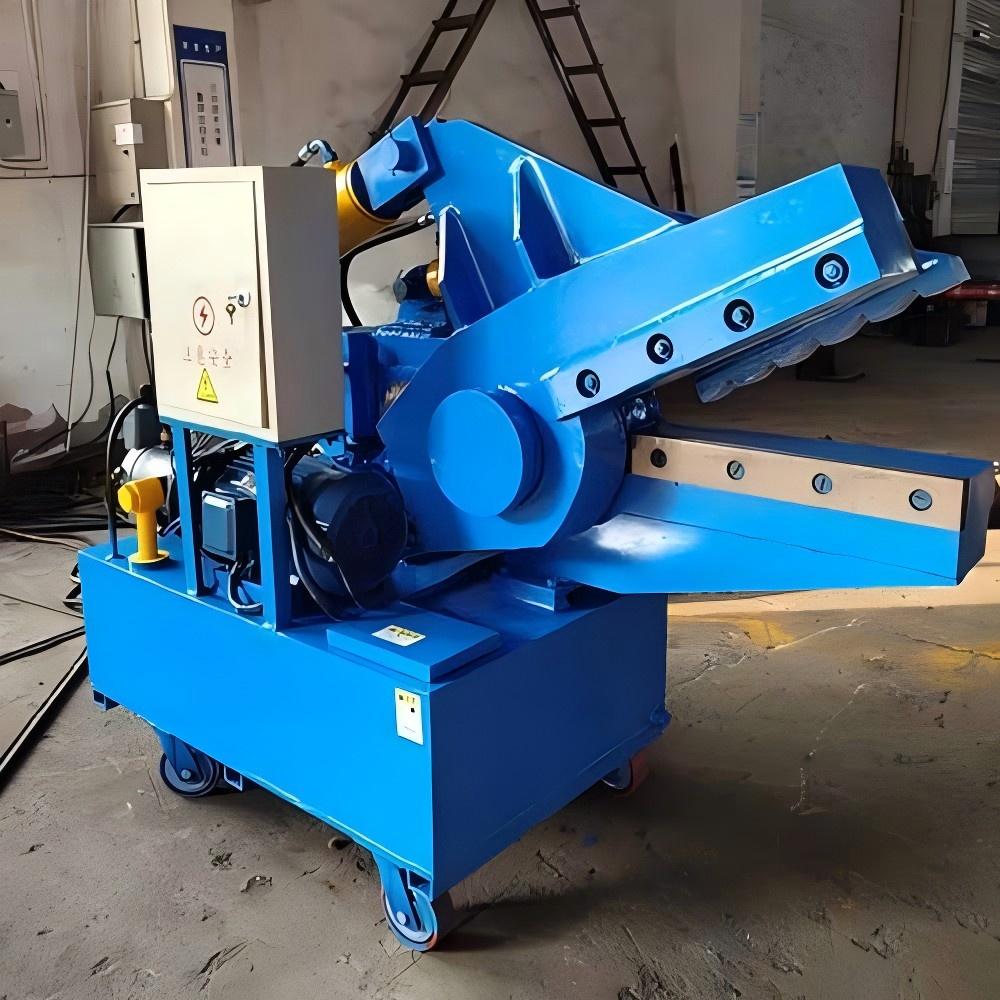
In Demolition and Construction, alligator shears are used to process salvaged materials on-site. They are particularly effective at cutting through structural I-beams, channels, and heavy-duty cables. Because the machine is relatively compact compared to large-scale shredders, it can be moved closer to the work site, reducing the logistics costs of transporting bulky scrap. The ability to handle varying thicknesses without adjusting the machine settings is a major advantage in these unpredictable environments.
The Automotive Recycling sector utilizes alligator shears for processing catalytic converters, cutting axles, and dismantling frame components. The high shearing force can easily crush and cut through the complex assemblies found in modern vehicles. Furthermore, the machine is used in the Manufacturing Sector to process ‘skeletons’ or offcuts from laser and plasma cutting tables. By reducing these offcuts into smaller, uniform pieces, manufacturers can command a higher price for their scrap metal and optimize their floor space.
Calculation Method: Determining Shear Force
To ensure the longevity of the machine and the safety of the operator, it is vital to calculate whether a specific material can be safely cut. The required shear force (F) depends on the cross-sectional area of the material and its ultimate shear strength. The basic formula used in the industry is:
F = L × S × τ
Where:
F = Shearing Force (Newtons or Tons)
L = Length of the cut (mm)
S = Thickness of the material (mm)
τ = Shear strength of the material (N/mm²)
It is important to note that the shear strength (τ) is typically about 60% to 80% of the material’s tensile strength. For example, mild steel with a tensile strength of 400 N/mm² would have a shear strength of approximately 300 N/mm². When calculating for an alligator shear, one must also account for the Shear Angle. Because the blades of an alligator shear are not parallel (they meet at an angle), the entire length of the cut is not engaged simultaneously. This reduces the peak force required but increases the stroke length needed to complete the cut.
Another factor in the calculation is the Mechanical Advantage of the lever arm. The force exerted by the hydraulic cylinder (Fc) is multiplied by the ratio of the distance from the pivot to the cylinder (D1) versus the distance from the pivot to the cutting point (D2). Therefore, the force at the blade (Fb) is: Fb = Fc × (D1 / D2). This explains why the shearing force is highest near the ‘throat’ or pivot of the shear and lowest at the tip of the blades. Operators should always place the thickest materials as close to the pivot as possible to maximize cutting power.
Parameter Table for Common Alligator Shear Models
The following table outlines the technical specifications for standard HARSLE Q43 series alligator shears, providing a reference for selection based on production needs.
| Model Number | Shear Force (Tons) | Blade Length (mm) | Max Opening (mm) | Cutting Speed (times/min) | Motor Power (kW) |
|---|---|---|---|---|---|
| Q43-63 | 63 | 600 | 320 | 8-12 | 7.5 |
| Q43-100 | 100 | 700 | 350 | 8-12 | 11 |
| Q43-120 | 120 | 800 | 400 | 8-10 | 15 |
| Q43-160 | 160 | 800 | 450 | 8-10 | 18.5 |
| Q43-200 | 200 | 1000 | 500 | 6-9 | 22 |
| Q43-250 | 250 | 1200 | 600 | 5-8 | 30 |
Common Engineering Mistakes in Alligator Shear Operation
One of the most frequent engineering mistakes is Improper Blade Clearance. The gap between the upper and lower blades must be precisely set based on the thickness of the material being cut. If the gap is too large, the metal will ‘fold’ between the blades rather than shearing, leading to jammed material and extreme stress on the pivot pin. If the gap is too small, the blades may rub against each other, causing rapid wear and potential cracking of the tool steel. A general rule of thumb is to set the clearance at 5-10% of the material thickness.
Another common error is Neglecting Hydraulic Oil Maintenance. Hydraulic systems are sensitive to contamination. Microscopic particles can score the cylinder walls or clog the precision orifices in the control valves. Many operators fail to change the hydraulic filters or the oil itself until the machine slows down or fails. Furthermore, operating with low oil levels can cause cavitation in the pump, leading to permanent damage. Regular oil analysis and maintaining a clean environment around the HPU are critical for long-term reliability.
Overloading the Machine is a significant risk. Operators often attempt to cut materials that exceed the rated capacity of the shear, especially when dealing with hardened alloys or thick structural sections. While the hydraulic relief valve should prevent the machine from exceeding its maximum pressure, repeated ‘stalling’ at peak pressure generates excessive heat and fatigues the frame welds. It is essential to educate operators on the limitations of the specific model in use and to ensure they understand the relationship between material hardness and shearing force.
Finally, Poor Lubrication of the Pivot Point is a silent killer of alligator shears. The main pivot pin handles the entire reactive force of the shearing action. Without a consistent film of heavy-duty grease, the friction will quickly wear down the bushings, leading to ‘slop’ in the jaw. This misalignment then cascades into blade damage and uneven cuts. Automatic lubrication systems are highly recommended for high-duty cycle environments to ensure that the pivot and cylinder pins are always protected.
Selection Checklist: Choosing the Right Alligator Shear
When investing in an alligator shear, a systematic approach to selection ensures that the machine meets both current and future production requirements. Use the following checklist during your evaluation:
- Material Type and Hardness: Are you primarily cutting soft aluminum, structural steel, or hardened rebar? Ensure the tonnage is rated for your hardest material.
- Maximum Material Dimensions: Measure the largest cross-section you expect to cut. The blade length and jaw opening must accommodate these dimensions comfortably.
- Production Volume: For high-volume yards, look for machines with ‘fast-cycle’ hydraulic circuits or regenerative valves that increase the strokes per minute.
- Blade Quality: Verify the grade of tool steel used for the blades. Ask if the blades are four-sided and what the expected lifespan is between regrinds.
- Safety Features: Does the machine include a hydraulic hold-down? Are there guards to protect the operator from ‘kick-back’? Is there an easily accessible emergency stop?
- Power Supply: Ensure your facility has the electrical capacity (Voltage/Amperage) to support the motor, especially for larger models (22kW and above).
- Maintenance Access: Check how easy it is to access the hydraulic filters, grease points, and blade bolts. A machine that is hard to maintain is often a machine that gets neglected.
Frequently Asked Questions (FAQ)
1. How often should I sharpen the blades on my alligator shear?
Blade life depends heavily on the material being cut. For clean mild steel, you may get 100-200 hours of use per edge. However, cutting sandy or rusty scrap will dull the edges faster. You should rotate or sharpen the blades as soon as you notice a significant increase in ‘burr’ on the cut edge or if the machine seems to be struggling with normally easy cuts.
2. Can an alligator shear cut stainless steel?
Yes, but with caution. Stainless steel work-hardens rapidly and has a higher shear strength than mild steel. You should typically de-rate the machine’s capacity by 30-40% when cutting stainless. Ensure your blades are made of a high-chromium tool steel to handle the increased abrasion.
3. Why is my shear making a loud banging noise during the cut?
A loud bang often indicates that the material is ‘snapping’ rather than shearing, which is common with brittle materials. However, it can also indicate loose blade bolts or a worn pivot bushing. Stop the machine immediately and inspect the blades for tightness and the frame for any signs of stress cracking.
4. Is a foot pedal or a hand lever better for control?
Foot pedals are generally preferred for scrap processing as they leave the operator’s hands free to position the material. Hand levers offer slightly more ‘feel’ and are sometimes preferred for precision dismantling work. Many HARSLE models offer both or can be toggled between modes.
5. What type of hydraulic oil should I use?
Most alligator shears use standard ISO 46 or ISO 68 anti-wear hydraulic oil. In extremely cold environments, a lower viscosity oil (ISO 32) may be necessary for startup, while very hot environments may require ISO 100. Always refer to the manufacturer’s manual for specific brand recommendations.
6. Can I use an alligator shear to cut cables and wire?
Yes, alligator shears are excellent for cutting thick electrical cables. However, be aware that the fine copper strands can sometimes get wedged between the blades if the clearance is not set tightly. For high-volume cable recycling, specialized ‘V-notched’ blades can be installed to prevent the cable from sliding out of the jaw.