Car Body Baler Maintenance Guide: Preventive Care, Wear Parts, and Uptime Tips

Technical Overview of Car Body Balers
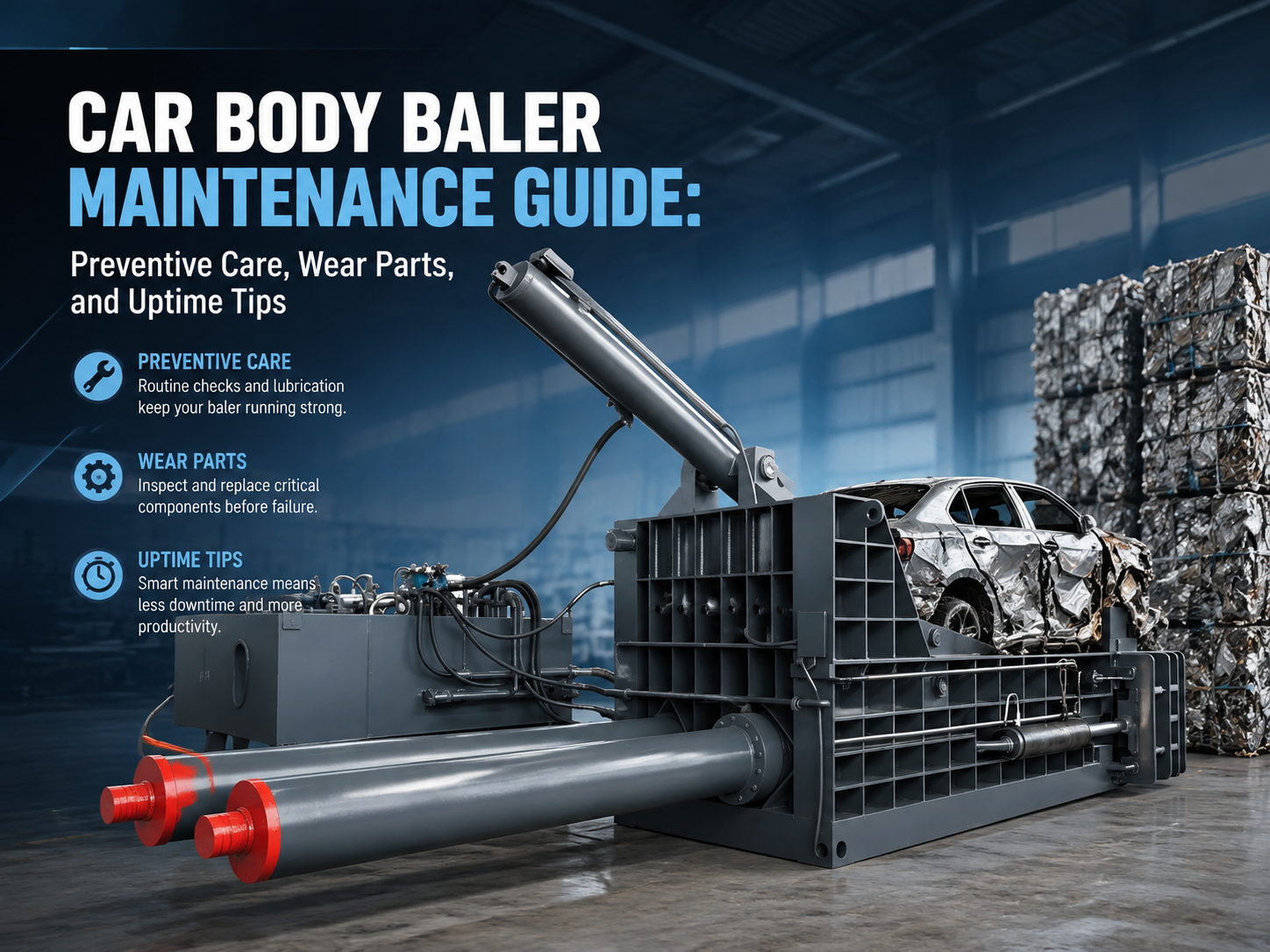
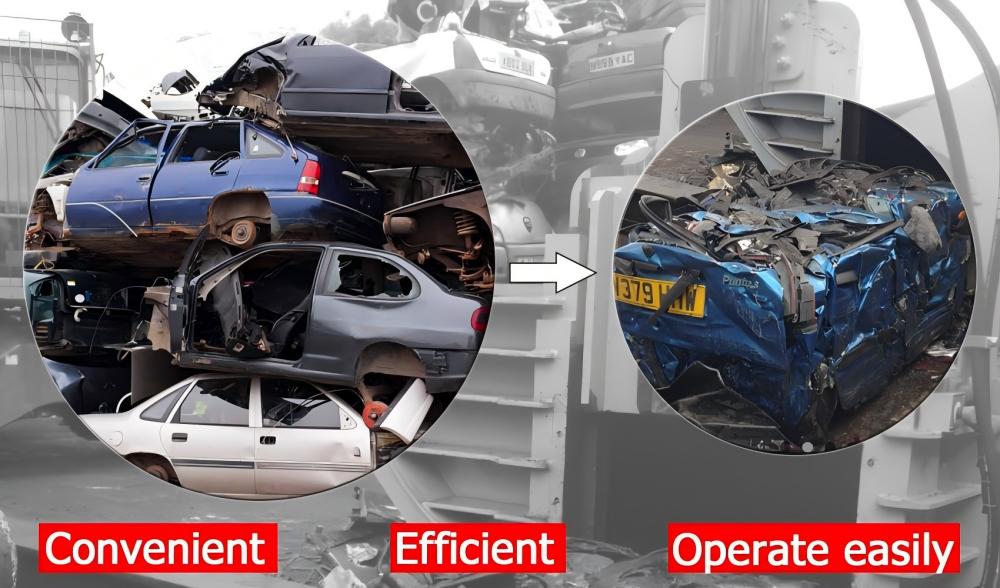
A car body baler is a heavy-duty hydraulic machine designed to compress end-of-life vehicles (ELVs) and large-scale metal scrap into dense, manageable blocks or ‘bales.’ These machines are the backbone of modern scrap yards and metal recycling facilities, enabling efficient transport and melting processes. The technical architecture of a HARSLE car body baler typically involves a large compression chamber, a high-pressure hydraulic system, and a series of rams—usually a lid ram, a side ram, and a main longitudinal ram—that work in sequence to reduce the volume of a vehicle by up to 90%.
The operation begins with the loading of a car body into the charging box. The heavy-duty lid closes, providing the first stage of vertical compression. Subsequently, the side ram pushes the material laterally, followed by the main ram which delivers the final high-pressure stroke to form the bale. This triple-compression method ensures maximum density. The structural integrity of these machines is paramount; they are constructed from high-tensile steel plates, often reinforced with Hardox or similar wear-resistant liners to withstand the abrasive nature of scrap metal. Understanding the synergy between the hydraulic force and the mechanical structure is the first step in effective maintenance.
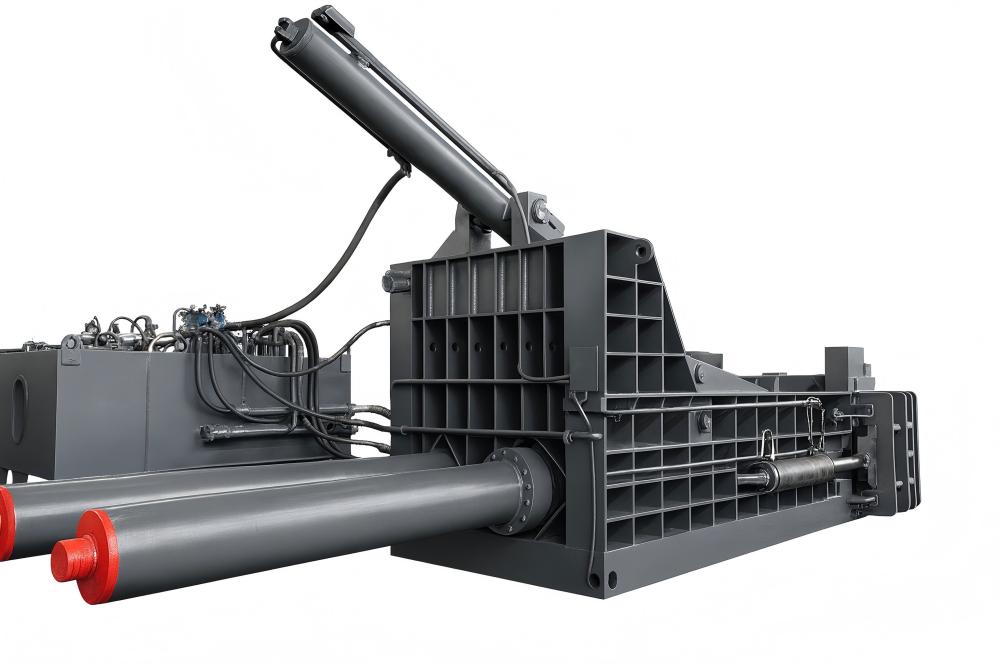
Modern car body balers also integrate sophisticated PLC (Programmable Logic Controller) systems. these systems monitor pressure levels, cycle times, and sensor feedback to ensure the machine operates within safe parameters. Maintenance of these electronic components is just as critical as the mechanical parts, as a single faulty sensor can halt the entire production line. By focusing on a holistic approach to maintenance—covering hydraulics, mechanics, and electronics—operators can ensure their HARSLE equipment remains a profitable asset for decades.
Core Parameters of Car Body Balers
When discussing maintenance and operation, one must understand the core parameters that define a baler’s performance. The primary metric is the Nominal Force, usually measured in Kilonewtons (kN) or Tons. For car body balers, this typically ranges from 2000kN to 6000kN. This force determines the density of the final bale and the machine’s ability to process thicker structural steels found in modern vehicle frames. If the machine is consistently pushed beyond its rated capacity, the hydraulic seals and structural welds will experience premature fatigue.
Another critical parameter is the Cycle Time. This refers to the duration from the moment the lid begins to close until the bale is ejected and the rams return to their home positions. A standard cycle time for a high-efficiency HARSLE baler is between 90 to 150 seconds. An increase in cycle time is often the first indicator of hydraulic inefficiency, such as internal leakage in the valves or a degrading pump. Monitoring this parameter daily allows maintenance teams to catch issues before they lead to a total system failure.
The Bale Size and Chamber Dimensions are also vital. The chamber must be large enough to accommodate a standard sedan, typically around 5000mm to 6000mm in length. Maintenance involves ensuring the chamber liners are flat and secure; any warping or loose bolts in the chamber can catch scrap, leading to ‘jamming’ which exerts uneven forces on the rams. Finally, the Motor Power (measured in kW) dictates the energy consumption and the speed of the hydraulic flow. Proper electrical maintenance ensures the motor runs cool and efficiently, preventing costly rewinding or replacement.
Calculation Method for Baler Efficiency and Force
To maintain a car body baler effectively, engineers must occasionally perform calculations to verify if the machine is performing to its technical specifications. The most fundamental calculation is the Hydraulic Pressure to Force Conversion. The force (F) exerted by a ram is calculated by the formula: F = P × A, where ‘P’ is the hydraulic pressure and ‘A’ is the cross-sectional area of the cylinder piston. If the gauge shows maximum pressure but the bale density is low, it indicates that the effective area ‘A’ might be compromised by internal bypass leakage within the cylinder.
Another essential calculation is the Throughput Capacity. This is calculated by: (Weight of Bale × 3600) / Cycle Time (seconds). For example, if a baler produces a 600kg bale every 120 seconds, the hourly throughput is 18,000kg or 18 tons. Maintenance managers use this to track ‘Uptime Efficiency.’ If the actual throughput drops below 80% of the theoretical capacity, it triggers a mandatory inspection of the hydraulic filters and pump flow rates.
Furthermore, calculating the Shear Gap is crucial for balers equipped with integrated shearing blades. The gap between the moving blade and the stationary blade should typically be 0.5mm to 1.0mm, depending on the material thickness. A gap that is too wide will cause the metal to ‘fold’ rather than ‘cut,’ significantly increasing the load on the hydraulic system and causing structural vibration. Regular measurement and adjustment of this gap are central to preventive care.
Parameter Table for Standard Car Body Balers
| Model Parameter | Unit | Medium-Duty (HBA-250) | Heavy-Duty (HBA-500) |
|---|---|---|---|
| Main Compression Force | kN | 2500 | 5000 |
| Bale Size (W x H) | mm | 600 x 600 | 800 x 800 |
| Chamber Size (L x W x H) | mm | 5000 x 2000 x 1200 | 6000 x 2200 x 1500 |
| Cycle Time (No Load) | sec | 100 | 140 |
| Motor Power | kW | 45 x 2 | 75 x 2 |
| Hydraulic System Pressure | MPa | 25 | 31.5 |
| Operation Mode | – | Manual/PLC | PLC/Remote |
Preventive Care: The Key to Uptime
Preventive care for a car body baler is not merely about fixing things when they break; it is about creating a rigorous schedule that prevents wear from escalating into failure. The most critical aspect of preventive care is Hydraulic Oil Management. Hydraulic oil is the lifeblood of the machine. It must be kept clean, cool, and at the correct viscosity. Contaminated oil acts like liquid sandpaper, eroding the precision-machined surfaces of valves and pumps. We recommend a monthly oil analysis to check for particulate matter and moisture content.
Lubrication is the second pillar of preventive care. Car body balers have numerous pivot points, especially on the heavy lid hinges and the ram guides. These points are subject to extreme pressures and environmental contaminants like dust and metal shavings. An automated lubrication system is ideal, but if manual greasing is required, it must be done every 8 hours of operation. Using the correct grade of extreme-pressure (EP) grease is non-negotiable to prevent metal-on-metal contact that leads to seizing.
Structural Inspections should be conducted weekly. Look for hairline cracks in the welds of the charging box and the ram heads. The violent nature of compressing a car body creates significant harmonic vibrations. Over time, these vibrations can loosen the foundation bolts or cause fatigue in the steel frame. Early detection of a crack allows for a simple weld repair; ignoring it can lead to a catastrophic structural failure that renders the machine a total loss. Additionally, ensure that the cooling system (air or water-cooled) is functioning, as overheating oil is the leading cause of seal failure.
Wear Parts and Replacement Strategies
In the world of metal fabrication and recycling, wear parts are an expected operational cost. For a car body baler, the primary wear parts are the Chamber Liners. These are the replaceable plates that line the interior of the compression box. HARSLE uses high-chromium or Hardox liners to maximize lifespan. However, once these liners wear down to a certain thickness, they must be replaced to protect the main structural frame. A common strategy is to rotate liners from high-wear areas (like the corners) to low-wear areas to extend the total set’s life.
Shear Blades are another critical wear item. Many car body balers feature blades at the edge of the lid and the chamber to cut off overhanging scrap. These blades must be kept sharp. Dull blades increase the hydraulic pressure required to close the lid, which stresses the entire system. We recommend a ‘sharpening schedule’ based on tonnage processed. Most blades can be flipped to use a second or fourth edge before needing a full regrind or replacement. Always maintain a spare set of blades in inventory to minimize downtime during a changeover.
Finally, Hydraulic Seals and Hoses are considered wear parts. High-pressure hoses have a finite lifespan, typically 2-5 years depending on usage and environmental exposure. A burst hose is not only a maintenance headache but a significant safety hazard and environmental concern. Implement a ‘proactive replacement’ policy for hoses that show signs of outer jacket wear or bulging. Similarly, cylinder seals should be replaced at the first sign of ‘weeping’ rather than waiting for a full leak, as a leaking seal allows contaminants to enter the cylinder bore.
Common Engineering Mistakes in Baler Operation
One of the most frequent engineering mistakes is System Over-Pressurization. Operators sometimes increase the relief valve settings to try and get a denser bale or to process material that is too heavy for the machine. This is a short-sighted tactic that leads to ‘ballooning’ of the hydraulic cylinders and premature pump failure. The machine’s pressure settings are calibrated to the structural limits of the steel frame; exceeding them invites disaster.
Another common error is Ignoring the Filtration System. Many operators wait for a ‘Filter Clogged’ warning on the PLC before taking action. However, by the time the bypass valve opens, contaminated oil is already circulating through the sensitive proportional valves. A better engineering practice is to replace filters on a timed interval (e.g., every 500 operating hours) regardless of the indicator status. This ensures the oil remains in a ‘pristine’ state, significantly extending the life of the expensive hydraulic pump.
Improper Loading is a mechanical mistake with engineering consequences. Dropping a heavy engine block or a solid steel axle into the center of the chamber can cause localized deformation of the floor plate. Scrap should be distributed as evenly as possible. Furthermore, failing to remove ‘non-balables’ like heavy sealed cylinders or large cast iron pieces can cause the rams to ‘cock’ or tilt, leading to uneven wear on the guide slides and potentially scoring the cylinder rods. Training operators to recognize ‘forbidden’ materials is a vital part of the maintenance strategy.
Selection Checklist for Longevity and Uptime
- Hydraulic Component Brand: Ensure the baler uses reputable brands like Rexroth, Vickers, or high-quality domestic equivalents for valves and pumps. Availability of parts is key to uptime.
- Liner Material: Verify that the chamber is lined with at least 400-500 HBW (Brinell Hardness) steel. Ask if the liners are bolted or welded; bolted liners are much easier to replace.
- Cooling Capacity: For hot climates, ensure the machine has an oversized oil cooler. Heat is the #1 enemy of hydraulic longevity.
- PLC Diagnostics: Choose a machine with a user-friendly PLC interface that provides specific error codes. This reduces troubleshooting time from hours to minutes.
- Frame Weight: Compare the total weight of the machine against competitors. A heavier machine usually indicates thicker steel and better structural rigidity.
- Access for Maintenance: Check if the hydraulic station and cylinder pins are easily accessible. If a technician has to spend 4 hours removing covers just to reach a grease point, maintenance will likely be neglected.
- Safety Features: Ensure the presence of emergency stops, safety interlocks on the doors, and pressure relief valves.
Frequently Asked Questions (FAQ)
1. How often should I change the hydraulic oil in my car body baler?
Generally, hydraulic oil should be changed every 2,000 to 4,000 operating hours. However, this depends heavily on the operating environment. In dusty or high-humidity scrap yards, more frequent changes or the use of an off-line filtration system (kidney loop) is recommended. Always base the final decision on a professional oil analysis report.
2. Why is my baler losing pressure during the final compression stroke?
Loss of pressure is usually caused by one of three things: a worn-out hydraulic pump that can no longer maintain flow at high pressure, internal leakage in the main cylinder seals (bypassing), or a malfunctioning relief valve that is opening prematurely. Start by checking the relief valve settings and inspecting the cylinder for heat buildup, which indicates internal bypassing.
3. Can I process scrap other than car bodies in this machine?
Yes, car body balers are versatile and can process light to medium scrap, including white goods (appliances), sheet metal, and aluminum extrusions. However, avoid heavy structural steel, thick rebar, or solid shafts, as these can damage the liners and strain the hydraulic system beyond its design limits.
4. What is the most common cause of PLC errors in scrap balers?
The most common cause is sensor misalignment or damage. In the violent environment of a scrap yard, vibrations can loosen the brackets holding proximity sensors or limit switches. Additionally, metal dust can accumulate on magnetic sensors, causing false readings. Regular cleaning and tightening of sensor mounts resolve 90% of PLC-related issues.
5. How do I know when to replace the chamber liners?
Liners should be replaced when they have worn down by approximately 50% of their original thickness or if they show signs of cracking or warping. If you begin to see the ‘parent’ steel of the machine frame through gaps in the liners, they must be replaced immediately to prevent permanent structural damage.
6. Does HARSLE provide remote technical support for maintenance?
Yes, modern HARSLE balers equipped with advanced PLC systems often feature remote diagnostic capabilities. By connecting the machine to the internet, our engineers can view real-time data, identify fault codes, and guide your local maintenance team through the repair process, significantly reducing downtime.