How to Choose the Right Car Body Baler for Scrap Vehicle Processing: A Technical Buyer’s Guide

Technical Overview of Car Body Balers in Modern Recycling
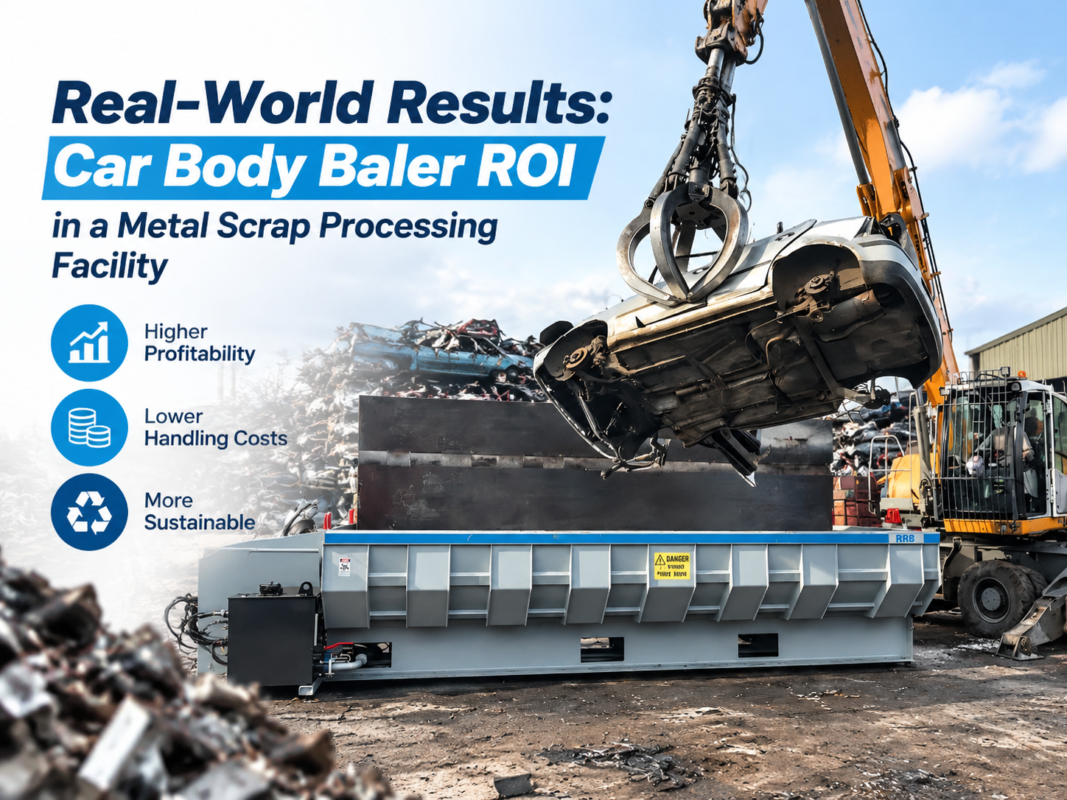
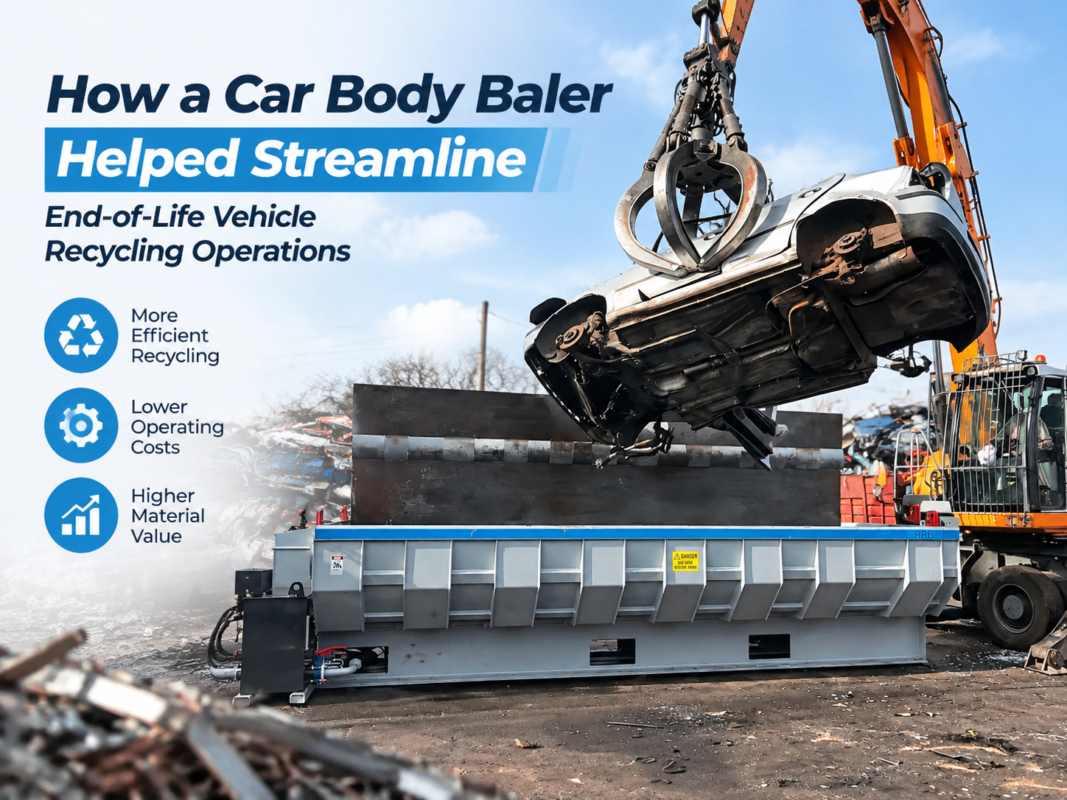
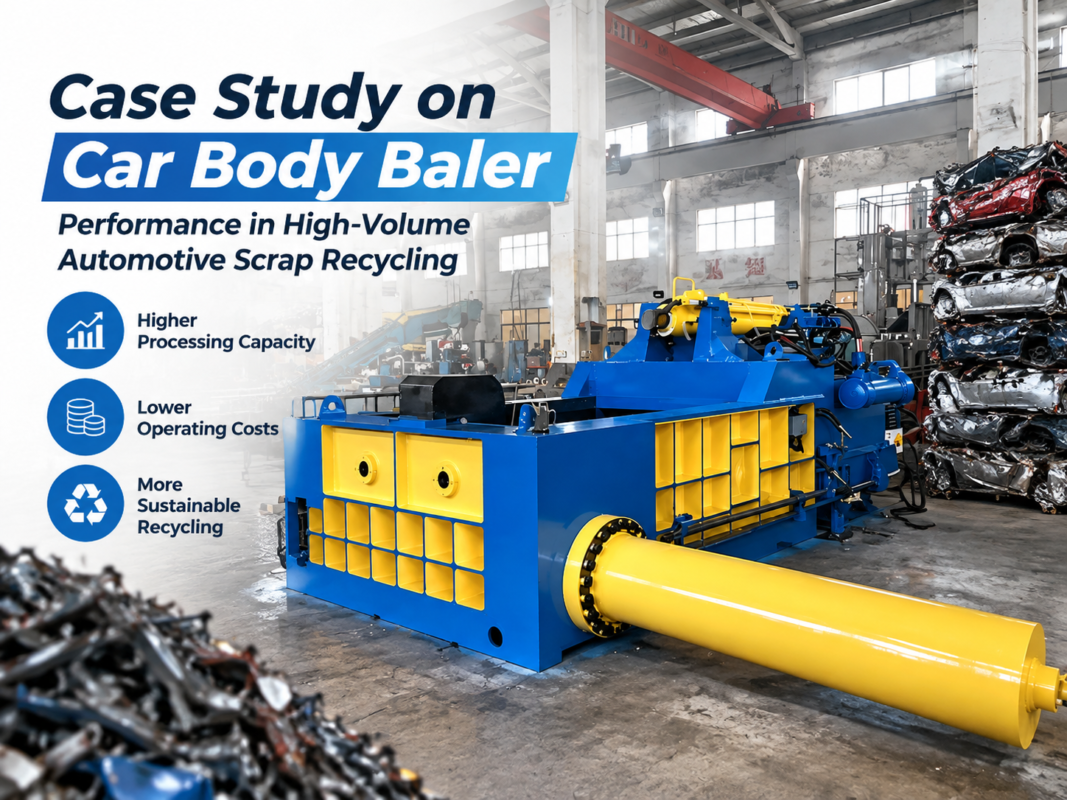
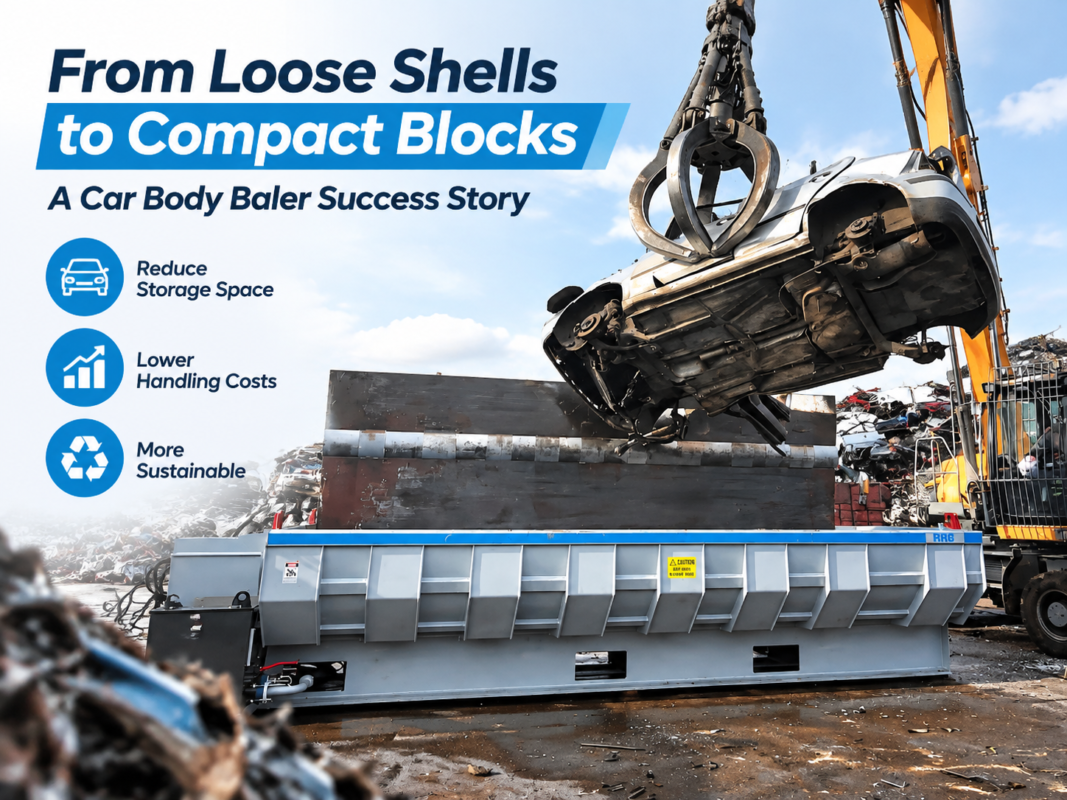
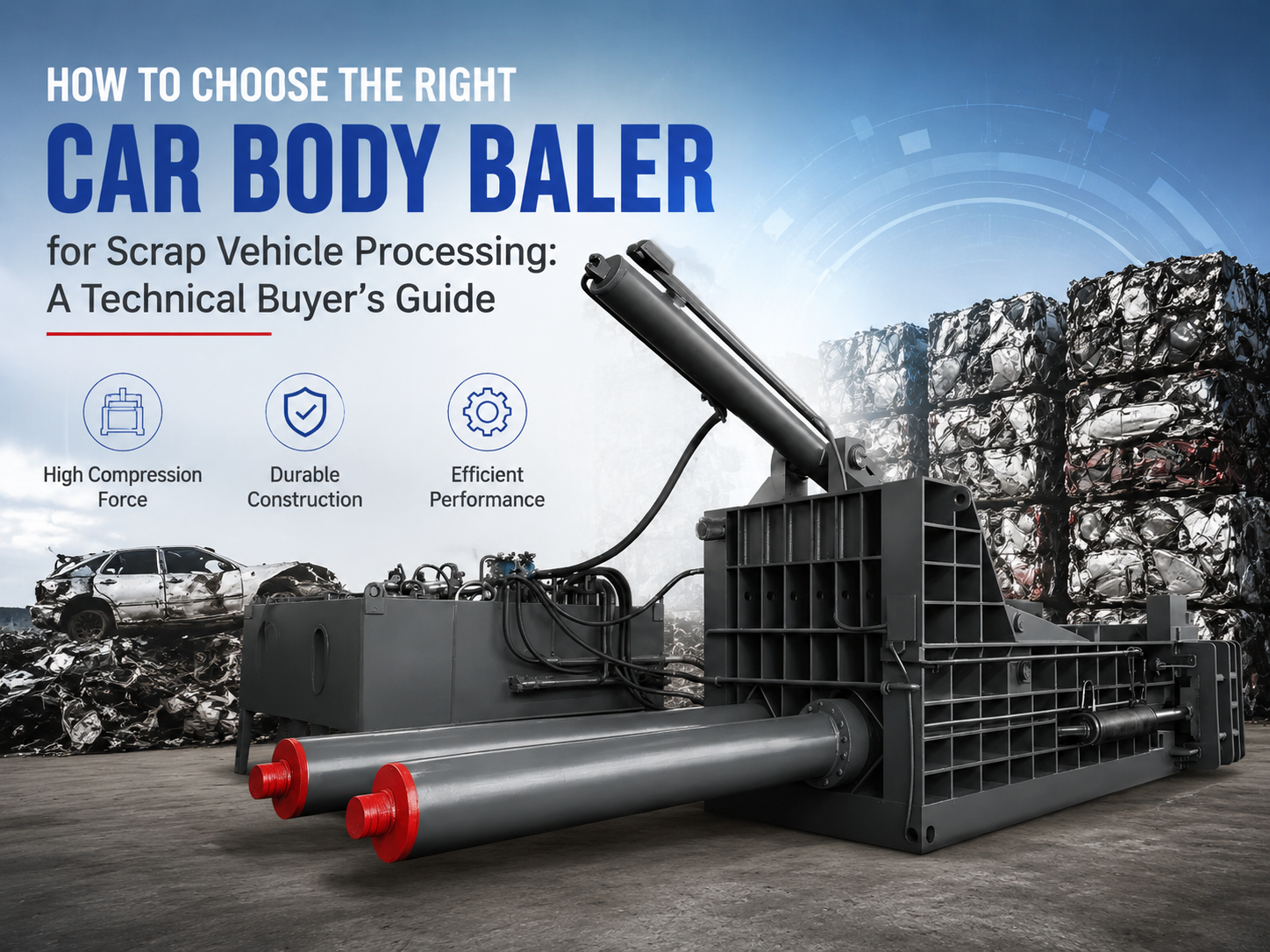
In the rapidly evolving landscape of metal recycling, the ability to efficiently process End-of-Life Vehicles (ELVs) is a cornerstone of profitability and environmental sustainability. A car body baler is not merely a piece of heavy machinery; it is a sophisticated hydraulic system designed to transform voluminous, hollow vehicle shells into dense, transportable cubes. The primary objective of using a car body baler in scrap vehicle processing is to maximize the bulk density of the material, thereby reducing logistics costs and preparing the scrap for secondary smelting or shredding operations.
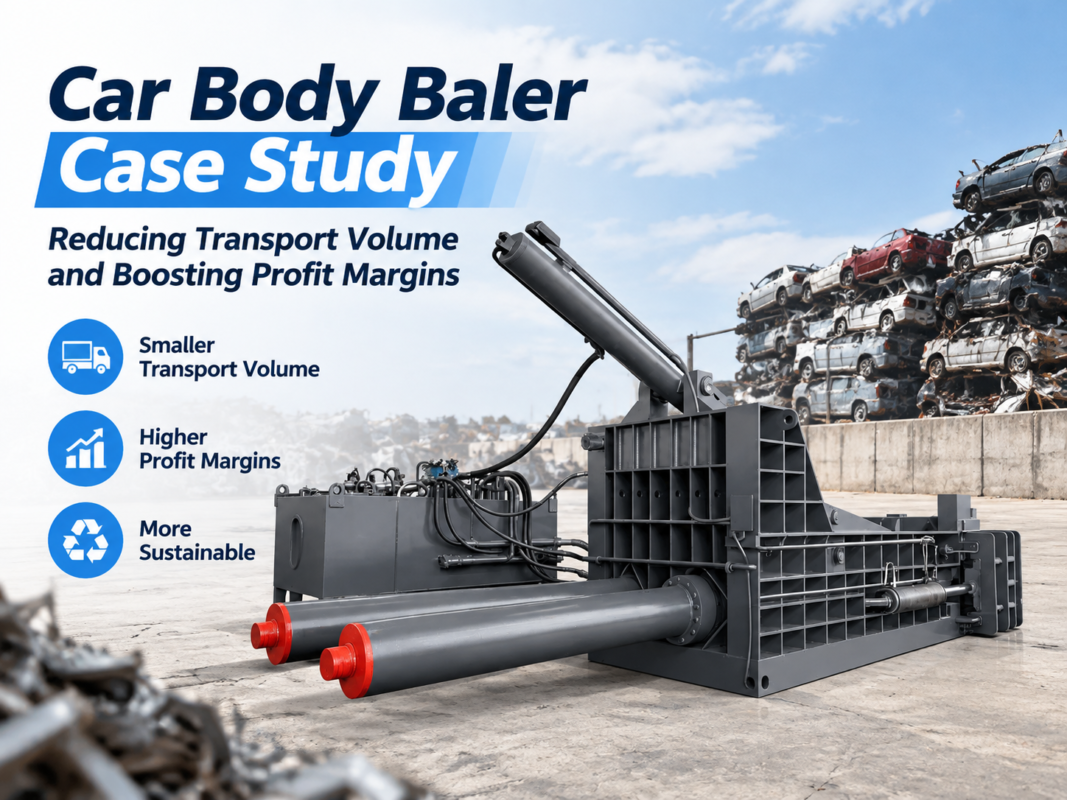
Modern car body balers, such as those engineered by HARSLE, utilize multi-stage hydraulic compression. Typically, these machines employ a ‘triple-action’ or ‘double-action’ compression sequence. In a triple-action baler, the first compression occurs from the side (pre-compression), the second from the lid or longitudinal direction, and the final high-pressure stroke from the main cylinder. This ensures that even the structural pillars and engine cradles of a vehicle are crushed effectively. Understanding the kinematics of these movements is essential for any technical buyer looking to optimize their scrap yard’s throughput.
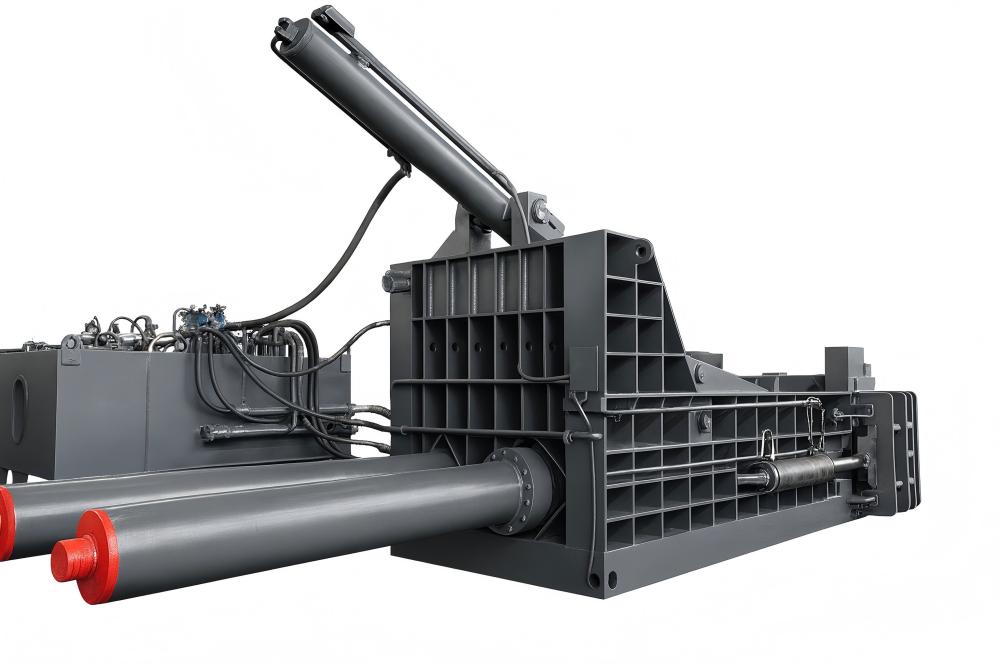
The structural integrity of the baler is another critical technical aspect. The compression chamber is subjected to immense cyclic loading. High-quality balers utilize wear-resistant liners, often made from Hardox or similar manganese-steel alloys, to protect the main frame from the abrasive nature of scrap metal. Furthermore, the integration of PLC (Programmable Logic Controller) systems allows for automated cycles, which reduces human error and ensures consistent bale density regardless of the operator’s skill level. When you choose car body baler scrap vehicle processing: a technical buyer’s perspective must prioritize these structural and electronic foundations.
Core Parameters: What Defines a High-Performance Baler?
When evaluating a car body baler, several core parameters dictate the machine’s performance and suitability for your specific operation. The first and most prominent is the Nominal Force, usually measured in Kilonewtons (kN) or Tons. For standard passenger vehicles, a main cylinder force of at least 250 to 400 tons is required to achieve sufficient density. However, for larger SUVs or light commercial vehicles, forces exceeding 600 tons may be necessary to prevent the machine from stalling during the final compression phase.
The Chamber Dimensions are equally vital. A chamber that is too small will require extensive pre-processing (such as cutting the vehicle in half), which adds labor costs and slows down the line. Conversely, an oversized chamber might lead to inefficient energy consumption when processing smaller cars. A standard chamber size for car body baling is typically around 5000mm to 6000mm in length, allowing a full-sized sedan to be loaded without significant modification. The width and height must also accommodate the ‘spring-back’ effect of the metal once the lid is closed.
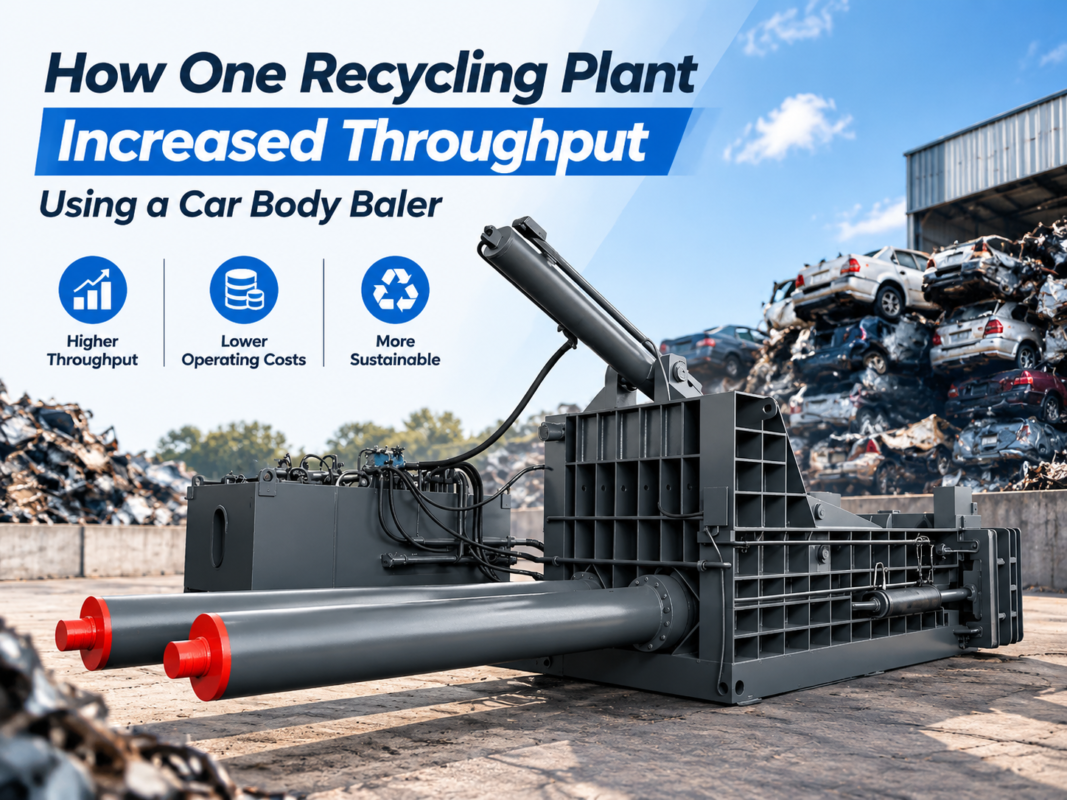
Cycle Time is the metric that directly impacts your daily ROI. This refers to the time taken from the moment the lid starts closing to the moment the finished bale is ejected and the cylinders return to their home position. High-performance HARSLE balers often feature fast-approach valves and regenerative hydraulic circuits to minimize idle time. A cycle time of 90 to 150 seconds is considered industry-standard for high-volume scrap vehicle processing. If the cycle time is too long, the baler becomes a bottleneck in the recycling chain.
Hydraulic System and Power Units
The heart of the baler is the hydraulic power unit (HPU). Technical buyers should look for systems that utilize variable displacement pumps. These pumps adjust the flow rate based on the pressure requirements of the stroke, saving energy during the low-pressure approach and providing maximum torque during the final crush. Additionally, the cooling system—whether air-cooled or water-cooled—must be rated for the ambient temperature of your facility to prevent hydraulic fluid degradation and seal failure.
Calculation Method for Throughput and Density
To accurately choose car body baler scrap vehicle processing: a technical buyer’s guide must include a way to calculate expected output. The throughput of a baler is a function of the cycle time, the average weight of the vehicle, and the efficiency of the loading process. The formula for hourly throughput (T) is:
T = (3600 / Tc) × W × η
Where:
• Tc = Total cycle time in seconds (including loading/unloading).
• W = Average weight of the scrap vehicle (e.g., 1.2 tons).
• η = Operational efficiency (usually 0.75 to 0.85 to account for crane movements).
Furthermore, calculating the Bale Density is crucial for logistics. Most steel mills require a minimum density to ensure the furnace is charged efficiently. Density (D) is calculated by dividing the bale weight by its volume (L × W × H). A target density for car body bales is typically between 800 kg/m³ and 1200 kg/m³. If your calculated density is lower, you may need a machine with a higher final compression force or a smaller final bale exit dimension.

Technical Parameter Table: HARSLE Y81 Series Comparison
The following table provides a technical comparison of common configurations used in scrap vehicle processing. These specifications help buyers align their volume requirements with machine capabilities.
| Model Specification | Main Force (kN) | Chamber Size (mm) | Bale Size (mm) | Cycle Time (s) | Power (kW) |
|---|---|---|---|---|---|
| HARSLE Y81-250 | 2500 | 2000 x 1400 x 900 | 500 x 500 | 100 – 120 | 37 |
| HARSLE Y81-400 | 4000 | 5000 x 2000 x 1200 | 600 x 600 | 120 – 150 | 60 |
| HARSLE Y81-630 | 6300 | 6000 x 2500 x 1500 | 800 x 800 | 150 – 180 | 90 |
| HARSLE Y81-1000 | 10000 | 7000 x 3000 x 2000 | 1000 x 1000 | 180 – 220 | 132 |
Common Engineering Mistakes in Baler Selection
One of the most frequent mistakes is undersizing the motor and pump group. While a smaller motor may reduce initial capital expenditure, it leads to longer cycle times and potential overheating when the machine is pushed to its limits. In scrap vehicle processing, the resistance offered by the vehicle’s frame is non-linear; it spikes significantly at the end of the stroke. An underpowered unit will struggle to complete the bale, resulting in ‘loose’ bales that are rejected by transport companies or mills.
Another common error is ignoring the filtration and cooling requirements. Scrap yards are notoriously dusty and dirty environments. Without a high-quality offline filtration system (kidney loop), small metal particles can enter the hydraulic circuit, causing catastrophic failure of the main valves and cylinders. Similarly, if the baler is located in a hot climate and lacks an oversized oil cooler, the hydraulic oil will lose its viscosity, leading to internal leakage and a significant drop in compression force.
Finally, many buyers fail to consider the loading height and crane compatibility. If the walls of the baler chamber are too high for your existing material handler to reach comfortably, you will experience slower loading times and increased wear on your crane’s hydraulics. The ergonomics of the scrap yard layout must be integrated into the technical selection of the baler’s physical dimensions.
Selection Checklist for Technical Buyers
Before finalizing your purchase, use this checklist to ensure the machine meets all technical and operational requirements:
- Material Compatibility: Does the baler handle high-strength steel frames found in modern electric vehicles?
- Wear Protection: Are the chamber liners replaceable and made of at least 400-500 HBW hardness steel?
- Hydraulic Redundancy: Does the system use multiple pumps so that the machine can operate at reduced speed if one pump fails?
- Control Systems: Is the PLC equipped with remote diagnostic capabilities for troubleshooting?
- Safety Features: Are there emergency stop buttons, safety interlocks on the lid, and pressure relief valves integrated into every circuit?
- Bale Ejection: Does the machine offer ‘side-push’ or ‘turn-out’ ejection? Side-push is generally faster for high-volume car processing.
- Foundation Requirements: Does the site have a reinforced concrete pad capable of handling the static and dynamic loads of a 40-ton machine?
Frequently Asked Questions (FAQ)
1. How often should the hydraulic oil be changed in a car body baler?
For a HARSLE car body baler operating in a standard 8-hour shift, the hydraulic oil should typically be tested every 2,000 hours and replaced every 4,000 to 5,000 hours, depending on the quality of the oil and the efficiency of the filtration system. Always use the ISO grade recommended in the technical manual.
2. Can a car body baler process other types of scrap?
Yes, car body balers are highly versatile. They can process light melting scrap (LMS), aluminum sheets, copper wire bundles, and stainless steel offcuts. However, the settings on the PLC may need to be adjusted to ensure the correct pressure is applied for different material densities.
3. What is the difference between a manual and an automatic cycle?
A manual cycle requires the operator to control each cylinder movement via joysticks. An automatic cycle allows the operator to press a single button, and the PLC manages the sequence of the lid, side-press, and main-press. Automatic cycles are preferred for scrap vehicle processing to ensure consistency and safety.
4. How do I choose between a stationary and a mobile car body baler?
Stationary balers generally offer higher compression forces and larger chamber sizes, making them ideal for fixed scrap yards with high volumes. Mobile balers are mounted on trailers and are better for contractors who travel to different sites to process smaller piles of ELVs.
5. What maintenance is required for the compression chamber?
The chamber should be inspected daily for debris trapped behind the liners. Weekly checks should include tightening liner bolts and lubricating the hinges of the lid and the guides of the pressing rams. Proper lubrication is the most effective way to prevent premature wear of the mechanical components.