Energy Efficiency Tips for Operating a Gantry Shear Machine: A Comprehensive Technical Guide

Technical Overview of Gantry Shear Energy Dynamics
The gantry shear machine is a cornerstone of the scrap metal recycling and heavy metal fabrication industries. Its primary function is to compress and cut large volumes of metal scrap into manageable sizes for smelting or transport. However, the sheer force required to slice through heavy-duty steel beams and plates necessitates a massive consumption of electrical and hydraulic energy. Understanding the energy dynamics of these machines is the first step toward optimization. At its core, a gantry shear operates through a complex interplay of hydraulic pressure, mechanical leverage, and electrical motor control. When we discuss energy efficiency tips for operating a gantry shear machine, we are essentially looking at how to minimize the energy lost as heat, friction, and idle time.
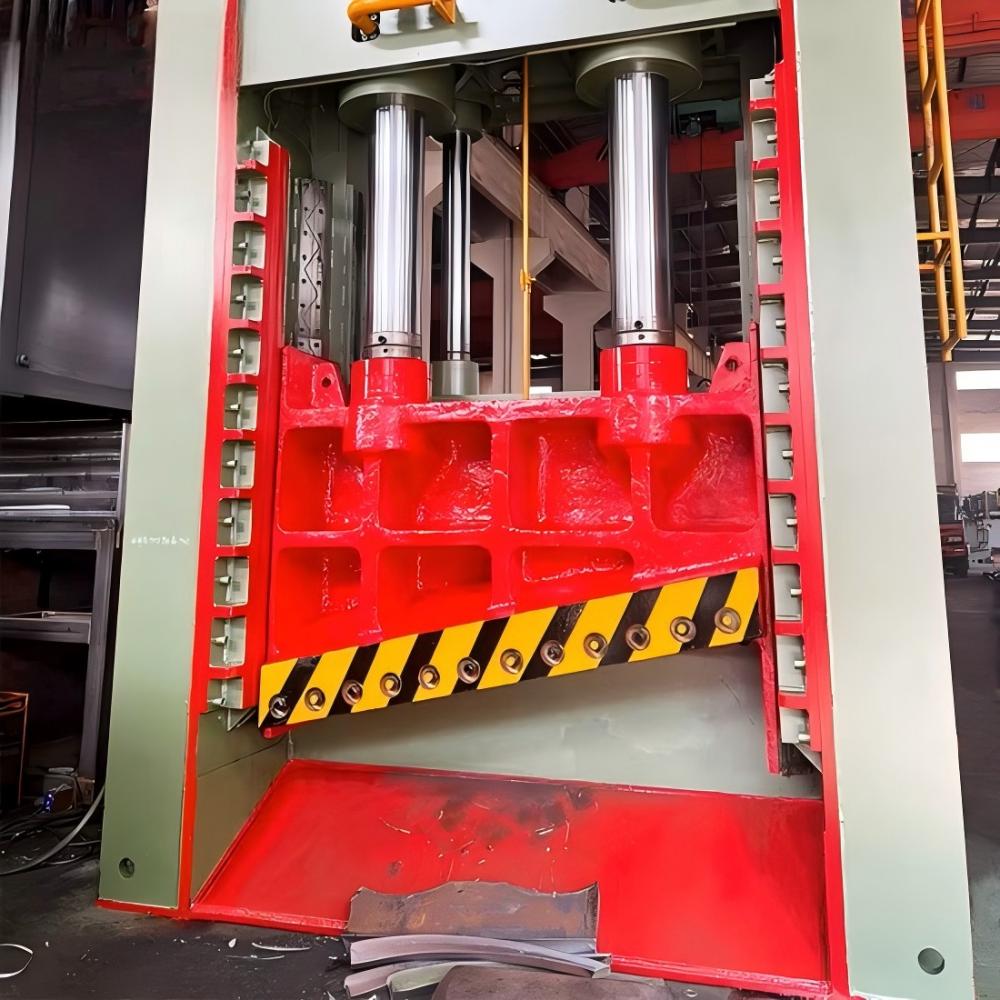
Modern gantry shears, such as those manufactured by HARSLE, utilize high-pressure hydraulic systems driven by powerful electric motors. The energy flow begins at the motor, which drives a hydraulic pump. This pump converts electrical energy into fluid power, which is then directed through valves to the main cylinders. The efficiency of this conversion is influenced by the pump’s design, the viscosity of the hydraulic oil, and the resistance within the piping. Any restriction in the flow or internal leakage within the valves results in energy being converted into heat rather than mechanical work. This heat not only represents wasted money but also degrades the hydraulic oil and seals, leading to further inefficiencies and maintenance costs.

Furthermore, the mechanical structure of the gantry itself plays a role in energy consumption. A well-aligned gantry ensures that the force is applied directly to the material without unnecessary lateral stress or friction on the guide rails. If the machine is out of alignment, the hydraulic system must work harder to overcome the internal resistance of the machine’s own components. Therefore, energy efficiency is not just about the motor; it is a holistic attribute of the machine’s design, maintenance state, and operational strategy. By focusing on these technical aspects, operators can significantly reduce their kilowatt-hour per ton (kWh/t) ratio, directly impacting the bottom line.
Core Parameters Influencing Power Consumption
To effectively implement energy efficiency tips for operating a gantry shear machine, one must understand the core parameters that dictate how much power the machine draws during a cycle. The most critical parameter is the Nominal Shearing Force. This is the maximum force the machine can exert, usually measured in kilonewtons (kN) or tons. Operating a machine at its absolute limit for extended periods is less efficient than using a machine with a higher capacity at a moderate load, as the hydraulic system generates more heat at peak pressures. However, using a massive machine for light-duty scrap is also inefficient due to the high baseline energy required to move the heavy shear head.
The Cutting Frequency or cycle time is another vital parameter. This refers to how many cuts the machine can perform per minute. A faster cycle time generally improves productivity, but if the material feeding system cannot keep up, the machine spends more time in an ‘idle’ or ‘bypass’ state. During bypass, the motor is still running, and the pump is still circulating oil, consuming energy without performing work. Optimizing the synchronization between the feeding conveyor and the shear cycle is a primary method for reducing wasted energy. HARSLE machines often feature adjustable stroke lengths, allowing operators to shorten the cycle for smaller materials, thereby saving time and electricity.
Motor Power Rating and Pump Displacement are the dual engines of energy consumption. The motor provides the torque, while the pump determines the flow rate. In older systems, fixed-displacement pumps provide a constant flow regardless of the load, leading to significant energy waste during the non-cutting portions of the cycle. Modern energy-efficient gantry shears utilize variable displacement pumps or servo-motor drives that adjust the flow and pressure based on the actual resistance encountered by the blade. This ‘power on demand’ approach is the single most effective technological advancement in reducing the carbon footprint of metal fabrication machinery.
Calculation Method for Energy Efficiency
Quantifying energy efficiency is essential for benchmarking and improvement. The most common metric used in industrial shearing is the Specific Energy Consumption (SEC). This is calculated by dividing the total energy consumed over a specific period by the total weight of the material processed. The formula is: SEC (kWh/ton) = (Total Power Consumed in kWh) / (Total Weight of Processed Scrap in Tons). By tracking this number daily or weekly, facility managers can identify when a machine is becoming less efficient due to dull blades or hydraulic issues.
Another important calculation is the Hydraulic Efficiency Ratio. This compares the theoretical power required to shear a specific material to the actual power consumed by the motor. While this is harder to calculate on the fly, it can be estimated by monitoring the pressure gauges and flow meters. If the pressure is high but the blade movement is slow, it indicates internal leakage or high friction. Operators should also calculate the Idle Energy Ratio: (Energy consumed while not cutting) / (Total energy consumed). If this ratio exceeds 20%, it suggests that the material handling process or the machine’s standby settings need urgent optimization.
Parameter Table for HARSLE Gantry Shears
The following table outlines the typical parameters for various HARSLE gantry shear models, providing a baseline for understanding energy requirements across different scales of operation.
| Model Series | Shearing Force (kN) | Motor Power (kW) | Max Blade Length (mm) | Cycle Time (Idle) | Estimated SEC (kWh/t) |
|---|---|---|---|---|---|
| HARSLE Q91-400 | 4000 | 45 x 2 | 1200 | 15-20s | 2.5 – 3.5 |
| HARSLE Q91-630 | 6300 | 75 x 2 | 1500 | 18-25s | 3.0 – 4.0 |
| HARSLE Q91-800 | 8000 | 90 x 2 | 1800 | 20-30s | 3.5 – 4.5 |
| HARSLE Q91-1000 | 10000 | 110 x 3 | 2000 | 25-35s | 4.0 – 5.5 |
Note: The Estimated SEC (Specific Energy Consumption) varies based on material type, blade sharpness, and operator efficiency. These figures are intended as a general guideline for industrial planning.
Energy Efficiency Tips Operating A Gantry Shear Machine
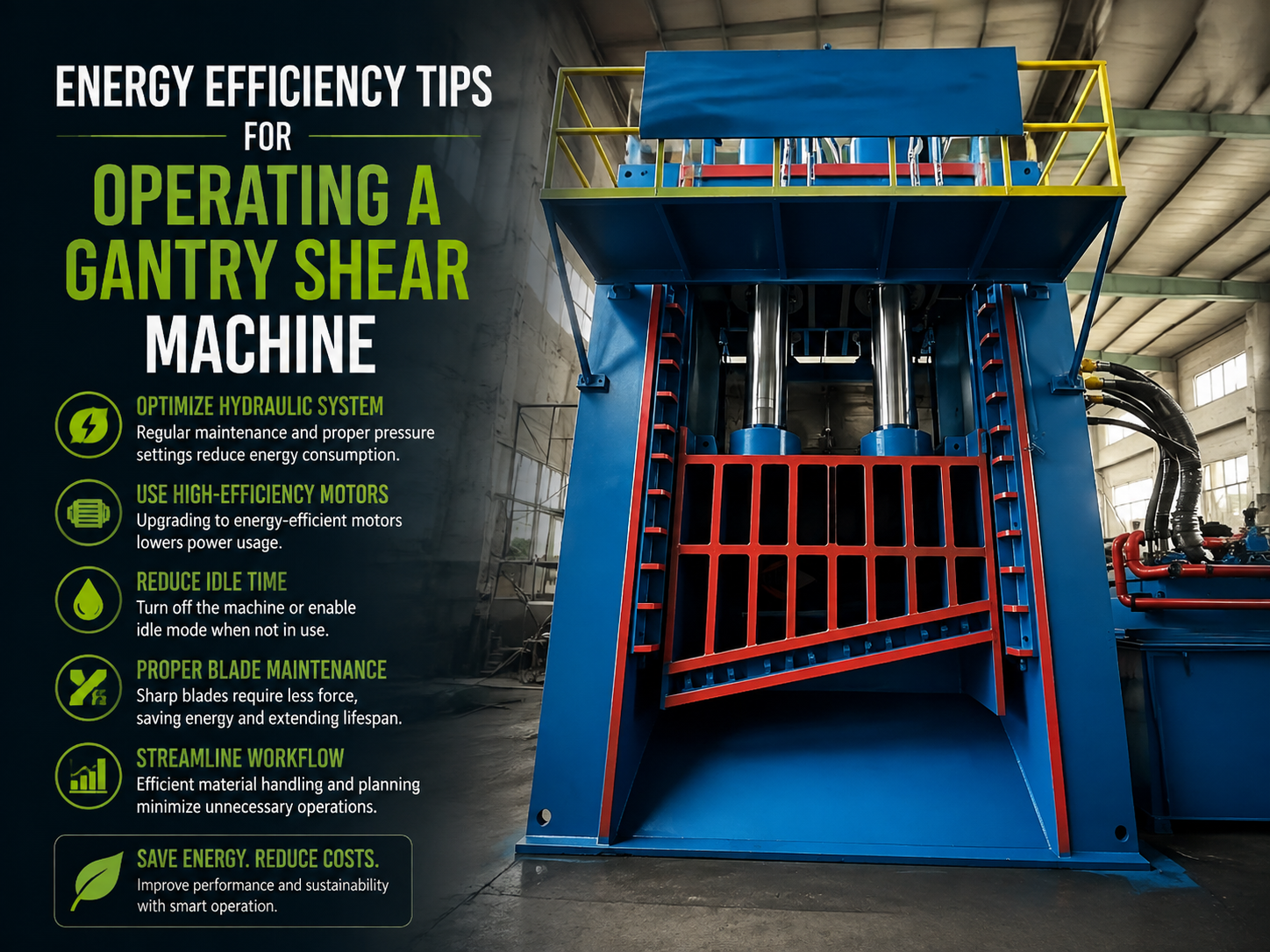
Implementing effective energy efficiency tips for operating a gantry shear machine requires a combination of technical upgrades and behavioral changes. The first and most impactful tip is Blade Maintenance. A dull blade does not cut; it tears and crushes. This requires significantly higher hydraulic pressure to complete a cycle. By maintaining a strict sharpening schedule and ensuring the blade gap is correctly adjusted for the material thickness, you can reduce the energy required per cut by up to 15-20%. Furthermore, sharp blades reduce the mechanical shock to the gantry frame, extending the life of the entire machine.
The second tip focuses on Hydraulic System Optimization. Ensure that the hydraulic oil is kept at the optimal temperature and viscosity. If the oil is too thick (cold), the pump must work harder to move it; if it is too thin (overheated), internal leakage increases. Utilizing high-quality synthetic oils and ensuring the cooling system is clean and functional can prevent energy loss. Additionally, consider retrofitting older machines with Variable Frequency Drives (VFDs). A VFD allows the motor to slow down during idle periods or when the machine is in the return stroke, rather than running at full speed and dumping excess oil through the relief valve.
Thirdly, Material Preparation and Sorting is an often-overlooked energy-saving strategy. Feeding the shear a mix of very light and very heavy scrap leads to inefficient cycles. When possible, sort material by thickness. This allows the operator to adjust the stroke length and pressure settings to match the load. For example, when shearing thin plates, the shear head doesn’t need to retract to its maximum height, and the pressure doesn’t need to reach the relief setting. Processing uniform batches allows the machine to stay in a ‘rhythm’ that maximizes throughput while minimizing energy spikes.
Finally, Operator Training is paramount. An experienced operator knows how to feed the machine to prevent ‘dry cycles’ (where the blade descends but finds no material) and how to listen for the sounds of a struggling hydraulic system. Encouraging operators to turn off the machine during extended breaks rather than leaving it in standby, and teaching them to recognize the signs of air in the hydraulic lines (which causes cavitation and massive energy loss), can lead to substantial cumulative savings over a fiscal year.
Common Engineering Mistakes in Gantry Shear Operation
One of the most frequent engineering mistakes is Improper Blade Gap Setting. Many operators set a wide gap to avoid the risk of blade collision, but an excessive gap causes the material to fold rather than shear. This ‘folding’ action requires the hydraulic system to exert maximum pressure for a longer duration, generating immense heat and wasting energy. The gap should be precisely calibrated—usually around 5-10% of the material thickness—to ensure a clean, energy-efficient snap.
Another common error is Neglecting the Accumulator System. Many high-speed gantry shears use nitrogen-filled accumulators to store energy for the rapid return stroke or to assist during the peak of the cut. If the nitrogen pre-charge is too low, the main pumps must compensate for the lack of stored energy, leading to slower cycle times and higher electrical draw. Regularly checking and recharging accumulators is a simple maintenance task that has a direct impact on energy efficiency.
Furthermore, Ignoring Hydraulic Leaks is a catastrophic mistake for both the environment and the energy bill. Even a small internal leak in a directional valve means that a portion of the pressurized oil is bypassing the cylinder and returning to the tank. This is pure energy loss. If you notice the hydraulic oil temperature rising faster than usual without an increase in workload, it is a clear sign of internal bypass. Engineering teams should use thermal imaging cameras to identify ‘hot spots’ in the valve blocks, which indicate where energy is being wasted through internal leakage.
Selection Checklist for Energy-Efficient Gantry Shears
When purchasing a new gantry shear, use this checklist to ensure you are selecting a model designed for modern energy standards:
- Variable Displacement Pumps: Does the machine feature Rexroth or similar high-end variable pumps that adjust flow based on load?
- Servo-Drive Technology: Is there an option for servo-motor integration to eliminate idle energy consumption?
- Adjustable Stroke Control: Can the operator easily limit the upward and downward travel of the blade to suit the material?
- High-Efficiency Motors: Are the electric motors rated IE3 or higher for premium efficiency?
- Advanced Cooling Systems: Does the machine have an independent cooling circuit that only runs when the oil temperature reaches a specific threshold?
- Automated Feeding Systems: Is the machine compatible with automated conveyors that synchronize feeding with the shearing cycle?
- Regenerative Hydraulic Circuits: Does the system utilize the oil from the rod end of the cylinder to speed up the stroke, reducing pump load?
Frequently Asked Questions (FAQ)
How much electricity does a gantry shear typically use?
The electricity usage depends on the motor size and the material being processed. A medium-sized 630-ton shear with two 75kW motors might consume between 80 and 120 kWh per hour of continuous operation. However, with proper energy efficiency tips for operating a gantry shear machine, this can be reduced by optimizing the duty cycle and material flow.
Can I retrofit my old gantry shear to be more energy-efficient?
Yes, retrofitting is a viable option. The most effective upgrades include installing a Variable Frequency Drive (VFD) on the main motors, replacing fixed-displacement pumps with variable ones, and upgrading to a modern PLC (Programmable Logic Controller) that can better manage the cycle timing and stroke limits.
Does the type of hydraulic oil affect energy consumption?
Absolutely. Using oil with a high viscosity index ensures that the fluid maintains its thickness across a range of temperatures. This reduces friction during cold starts and prevents internal leakage when the machine is hot. Clean oil also reduces wear on the pump, maintaining its volumetric efficiency over time.
How often should I sharpen the blades for maximum efficiency?
This depends on the material you are cutting. For clean steel, blades might last 200-400 hours between rotations or sharpenings. For sandy or contaminated scrap, this interval may be much shorter. The key is to monitor the ‘cut quality’ and the hydraulic pressure; if the pressure required to cut the same material increases by 10-15%, it is time to service the blades.
Is a larger machine always less efficient for small scrap?
Generally, yes. A 1000-ton shear has much heavier moving parts and larger pumps than a 400-ton shear. Moving that mass requires a ‘baseline’ energy that is wasted if you are only cutting light-gauge material. It is always best to match the machine size to the majority of your scrap profile.
What is the role of the PLC in energy saving?
The PLC acts as the brain of the machine. In modern HARSLE gantry shears, the PLC monitors sensors to determine if material is present. If no material is detected for a set period, it can shift the pumps to a low-pressure standby mode or shut down the motors entirely, preventing the ‘idle energy’ waste discussed earlier.