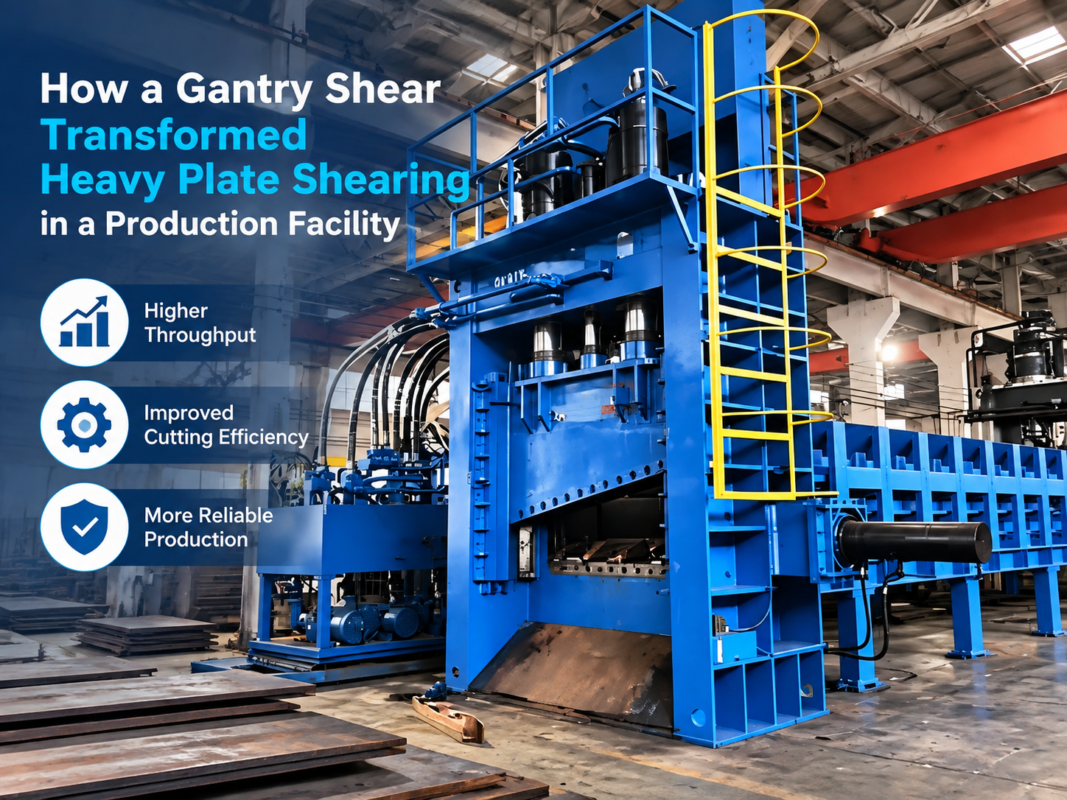
Gantry Shear Cutting Capacity Explained: Thickness, Width, and Material Factors

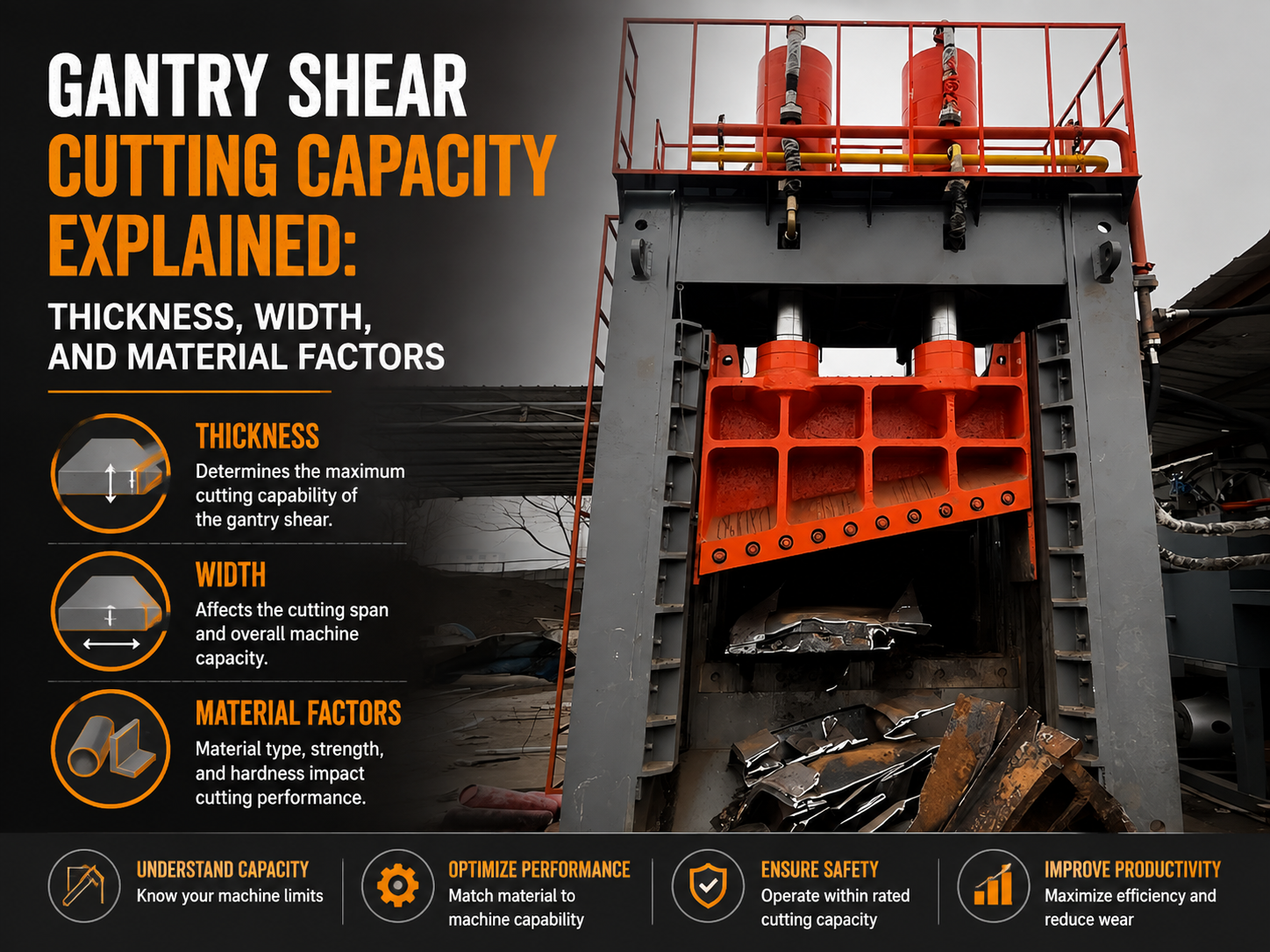
Technical Overview of Gantry Shear Cutting Capacity
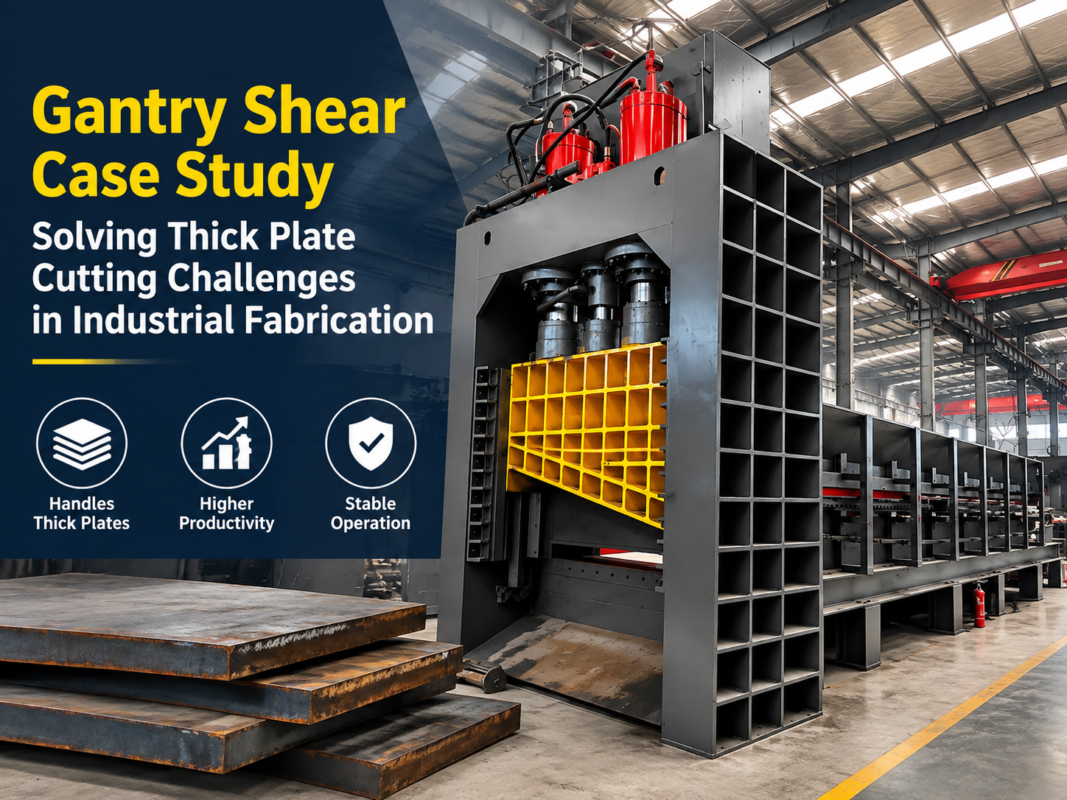
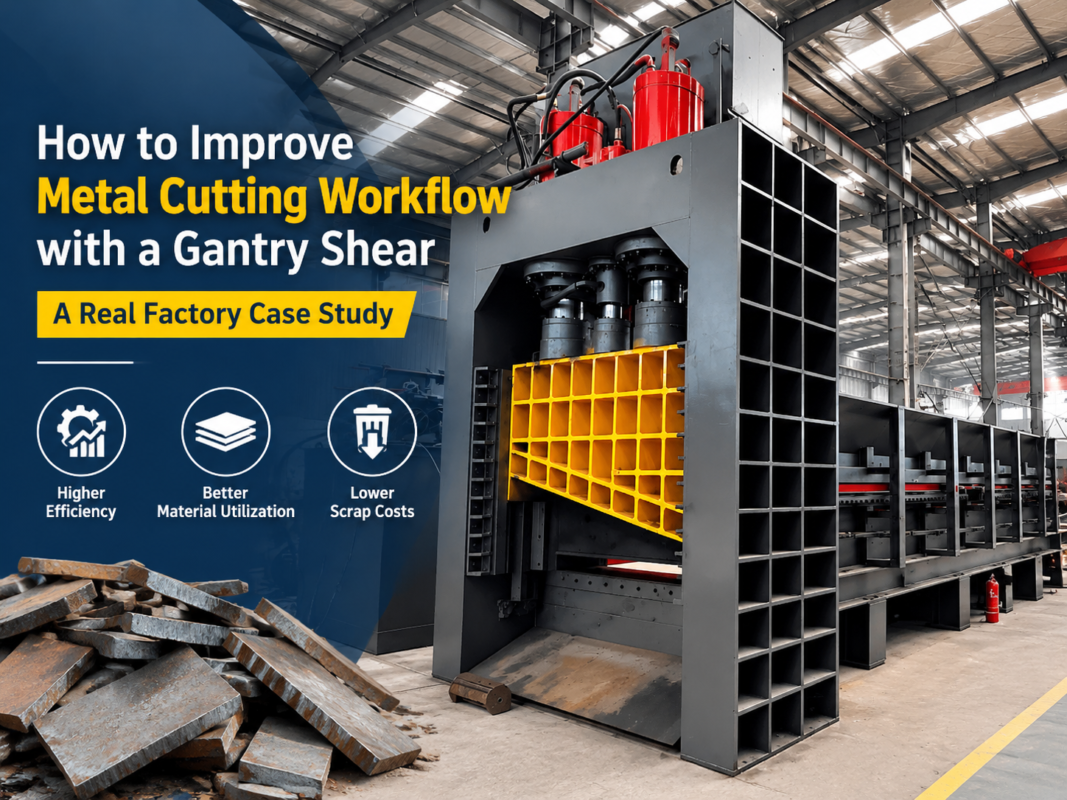
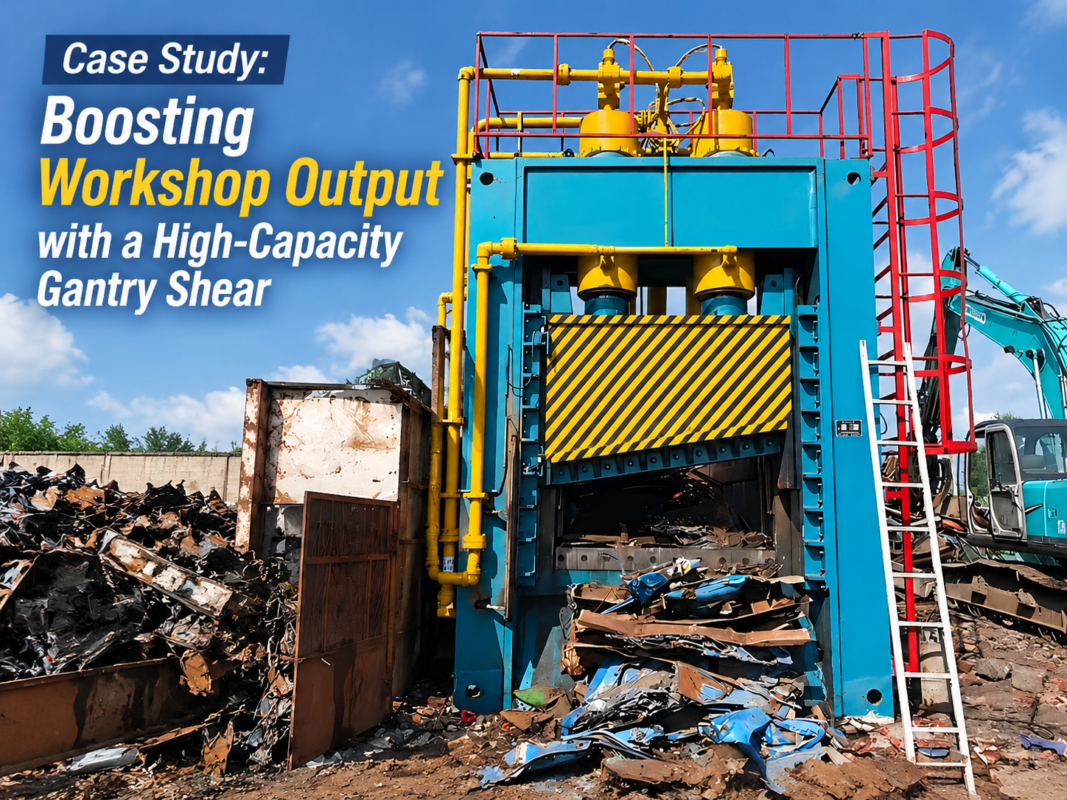
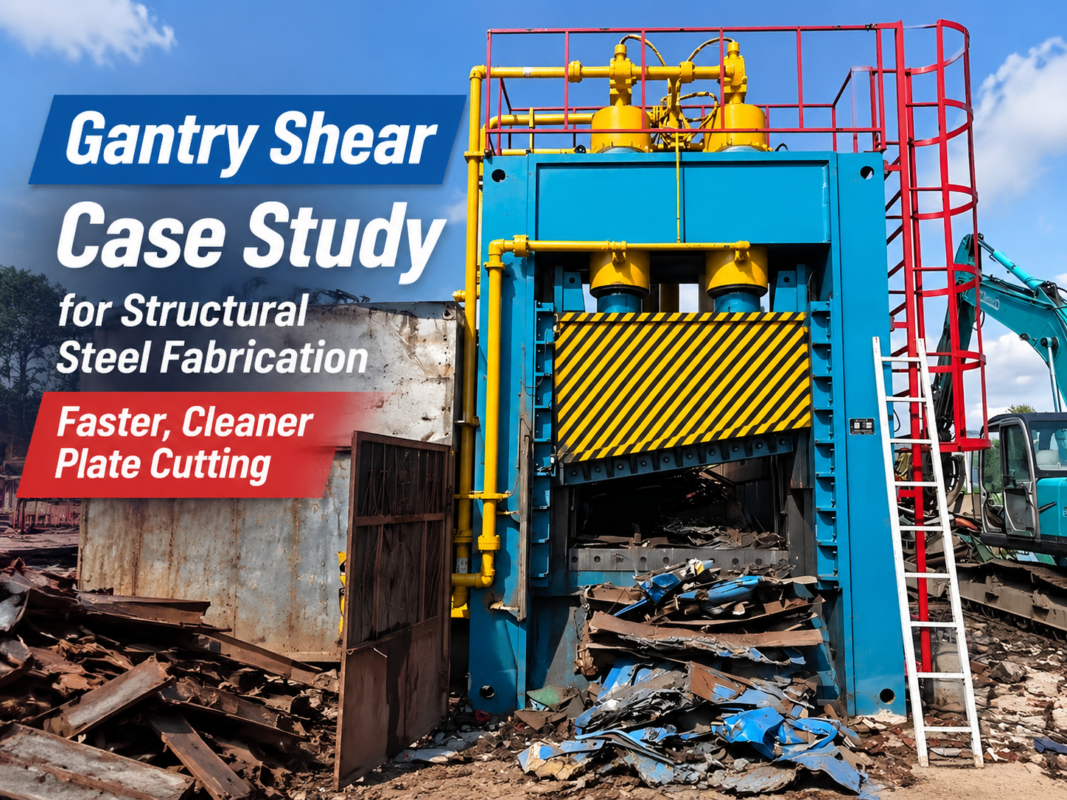
In the world of heavy-duty metal recycling and industrial fabrication, the gantry shear stands as a titan of efficiency. Understanding the Gantry Shear Cutting Capacity Explained: Thickness, Width, Material Factors is essential for any facility looking to optimize its scrap processing or production line. A gantry shear, unlike smaller alligator shears, is designed for high-volume, continuous operation, utilizing a vertical shearing motion powered by massive hydraulic cylinders. The capacity of these machines is not a single fixed number but a complex interplay of mechanical force, material science, and geometric constraints.
The fundamental principle of a gantry shear involves a moving upper blade descending upon a fixed lower blade. As the blades meet, the material undergoes three distinct phases: plastic deformation, penetration, and fracture. The ‘capacity’ refers to the machine’s ability to successfully navigate these phases across a specific cross-sectional area of metal. This is primarily determined by the total shear force (measured in tons) that the hydraulic system can exert. However, the efficiency of this force is heavily influenced by the rake angle of the blade—the tilt of the upper blade relative to the lower one—which reduces the instantaneous contact area and, consequently, the force required at any single moment.
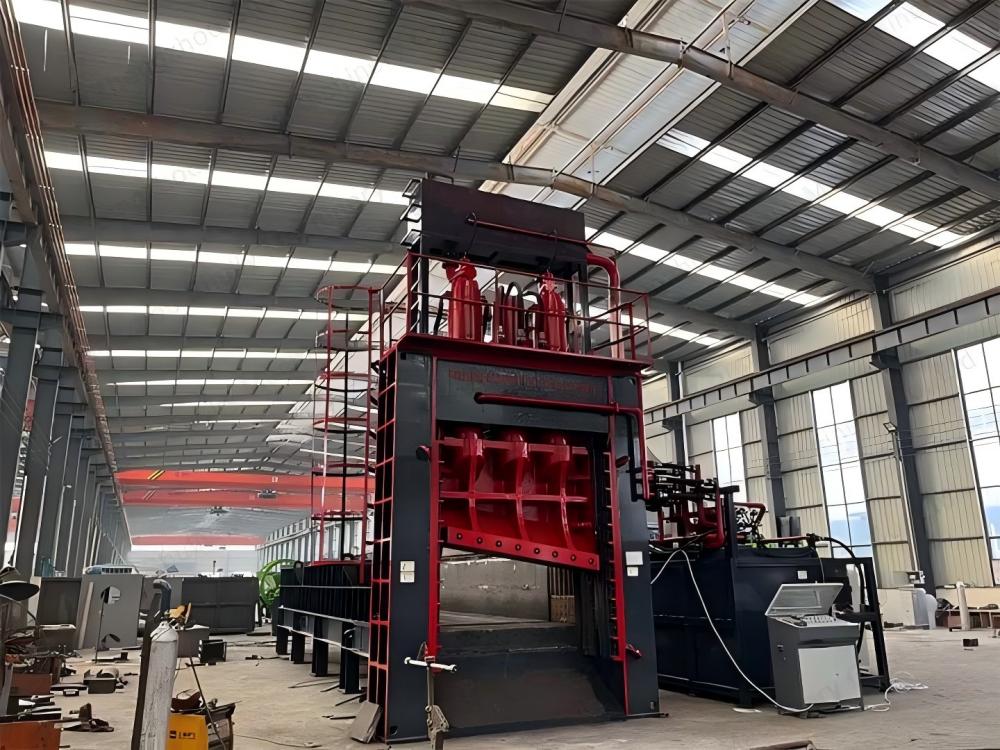
Modern gantry shears, such as those manufactured by HARSLE, incorporate advanced hydraulic logic and structural reinforcement to handle the immense stresses of shearing thick steel plates, structural beams, and mixed scrap. When we talk about capacity, we are looking at the maximum thickness a machine can cut at its full width, or conversely, how much width it can handle for a given thickness. Because metal varies in its resistance to being cut, the material’s tensile strength is the third pillar of the capacity equation. A machine that can cut 20mm of mild steel might struggle with 12mm of high-strength alloy steel.
Furthermore, the structural integrity of the gantry frame itself plays a role. Under maximum load, the frame must resist deflection to maintain the precise clearance between the blades. If the frame flexes, the blade gap widens, leading to ‘folding’ rather than ‘shearing,’ which can jam the machine and damage the hydraulic seals. Therefore, capacity is as much about the machine’s rigidity as it is about its hydraulic pressure.
Core Parameters Influencing Shearing Performance
To fully grasp the Gantry Shear Cutting Capacity Explained: Thickness, Width, Material Factors, one must analyze the core technical parameters that define the machine’s operational envelope. The most prominent parameter is the Nominal Shear Force. This is the maximum pressure the hydraulic cylinders can apply to the shear slide. In the industry, this typically ranges from 400 tons for light recycling to over 2000 tons for heavy ship-breaking and steel mill applications.
The Blade Length (Width) is the second critical parameter. This defines the maximum width of the material that can be fed into the throat of the shear. While a wider blade allows for processing larger pieces of scrap, it also spreads the shear force over a larger area. This is why many operators find that they can cut thicker materials if they are narrower than the full blade width, provided the material is centered to avoid eccentric loading on the hydraulic rams.
Another vital factor is the Blade Rake Angle. A higher rake angle (the slope of the upper blade) reduces the required shearing force because it cuts the material progressively, much like a pair of scissors. However, a high rake angle can cause more distortion or ‘twist’ in the sheared piece. For scrap processing, distortion is rarely an issue, so gantry shears often utilize significant rake angles to maximize the thickness they can handle with a given tonnage. Conversely, for precision fabrication, a lower rake angle is preferred to keep the cut pieces flat.
The Stroke Frequency and Hydraulic System Pressure also dictate performance. Stroke frequency determines the throughput—how many cuts per minute the machine can achieve. This is a function of the hydraulic pump’s flow rate (L/min). High-capacity machines often utilize variable displacement piston pumps and high-speed valves to ensure that the blade returns quickly after a cut, maximizing the ‘duty cycle’ of the equipment.
Calculation Method for Shearing Force
Calculating the required force for a specific cut is a critical engineering task. The standard formula used by engineers to estimate shearing force (F) is: F = 0.6 * σb * L * S. In this equation, σb represents the ultimate tensile strength of the material (MPa), L is the length of the cut (mm), and S is the thickness of the material (mm). The constant 0.6 is an empirical factor that accounts for the fact that the material usually fractures before the blade has fully penetrated the entire thickness.
However, this formula assumes a flat blade (zero rake angle). For a gantry shear with a rake angle (φ), the formula is modified to account for the reduced contact area. The effective force required is significantly lower, often calculated as: F = (0.5 * σb * S²) / tan(φ). This highlights why the rake angle is so important in gantry shear design; it allows a 600-ton machine to cut through material that would theoretically require 1500 tons if the blades were perfectly parallel.
It is also important to consider the Shear Resistance Factor. Different materials offer different levels of resistance. For example, stainless steel has a much higher work-hardening rate than mild steel, meaning it becomes harder as it is being cut. When calculating capacity for stainless steel, engineers typically add a 20-30% safety margin to the required tonnage. Similarly, cold temperatures can increase the brittleness of steel, affecting how the fracture phase of the shear occurs, while very hot materials (like those found in a rolling mill) require less force but pose challenges for blade longevity.
Finally, the Blade Gap (Clearance) must be factored into the calculation. The ideal gap is usually between 5% and 10% of the material thickness. If the gap is too small, the force required increases due to secondary shearing; if it is too large, the material will bend and pull into the gap, creating a massive ‘burr’ and potentially stalling the hydraulic system. Precise adjustment of the blade gap is essential for achieving the maximum rated capacity of the machine.
Gantry Shear Parameter Table (Typical HARSLE Models)
The following table provides a comparative look at how different tonnages relate to cutting dimensions for standard mild steel (Tensile Strength ≈ 450 MPa). Note that these are nominal values and can vary based on specific machine configurations.
| Model Tonnage (T) | Max Cutting Thickness (mm) | Blade Length (mm) | Cutting Frequency (min⁻¹) | Motor Power (kW) |
|---|---|---|---|---|
| 400T | 20 – 25 | 1200 | 3 – 5 | 37 – 45 |
| 600T | 30 – 40 | 1400 | 2 – 4 | 55 – 75 |
| 800T | 45 – 55 | 1600 | 2 – 4 | 90 – 110 |
| 1000T | 60 – 75 | 1800 | 1 – 3 | 110 – 150 |
| 1250T | 80 – 95 | 2000 | 1 – 3 | 150 – 185 |
| 1600T | 100 – 120 | 2200 | 1 – 2 | 200 – 250 |
This table illustrates the scaling of power and size. As the tonnage increases, the machine’s ability to handle thicker and wider sections grows, but the cycle speed (frequency) often decreases due to the massive volume of hydraulic fluid that must be moved to actuate the larger cylinders. Choosing the right model involves balancing the need for thickness capacity against the required daily throughput.
Common Engineering Mistakes in Capacity Assessment
One of the most frequent mistakes in assessing Gantry Shear Cutting Capacity Explained: Thickness, Width, Material Factors is overestimating the machine’s ability to handle ‘mixed scrap.’ Operators often assume that if a machine is rated for 40mm plate, it can easily handle a 40mm diameter solid round bar. In reality, a round bar concentrates the entire force on a very small point of the blade initially, which can lead to blade chipping or localized deformation of the blade seat. Solid rounds and squares should always be treated as ‘thicker’ than their actual dimension when compared to flat plate.
Another common error is ignoring the Yield Strength vs. Tensile Strength. While most capacity charts are based on mild steel (A36 or equivalent), many modern structural steels are ‘High-Strength Low-Alloy’ (HSLA). These materials have much higher yield points. If an operator attempts to cut HSLA steel based on thickness alone, the hydraulic system may reach its relief valve pressure before the cut is completed, resulting in a ‘stuck’ shear. Always verify the material grade before processing large volumes.
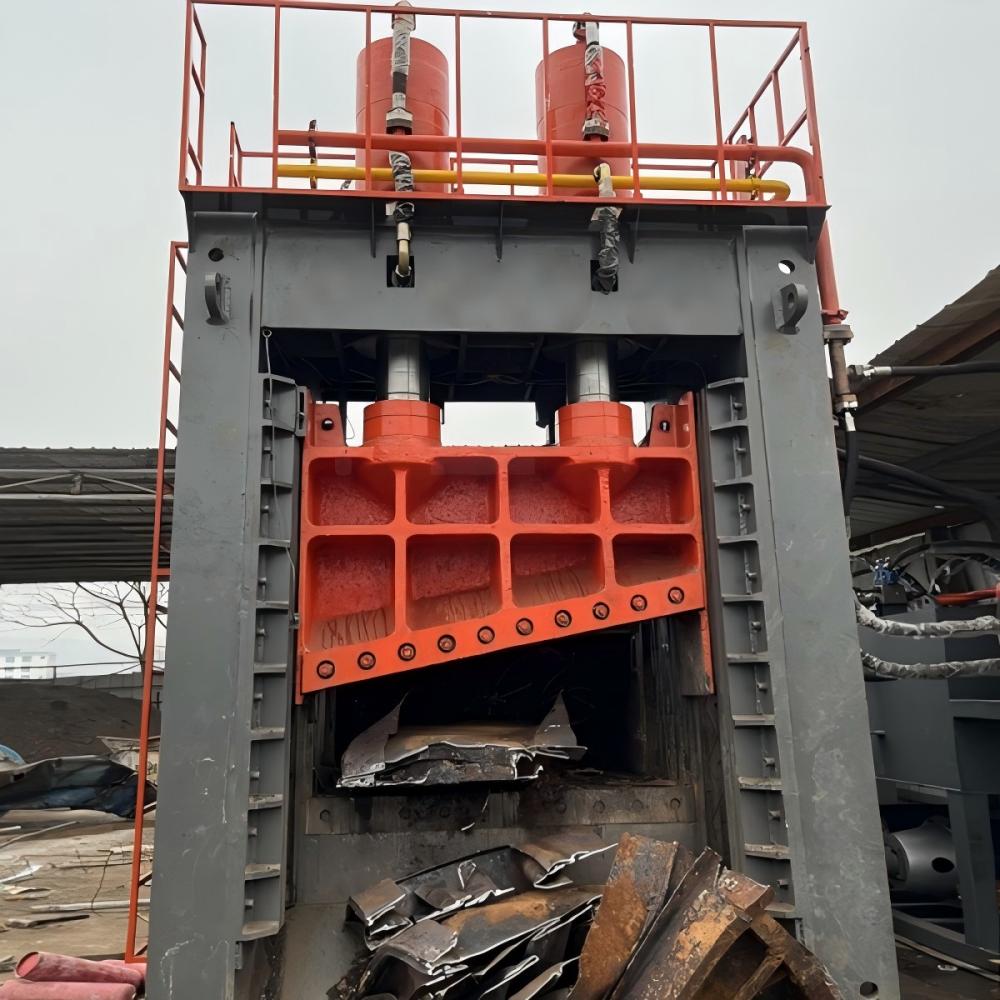
Blade maintenance is often overlooked as a factor in capacity. As blades dull, the ‘radius’ of the cutting edge increases. A dull blade does not cut; it crushes. This crushing action requires significantly more force than a clean shear. Using dull blades effectively reduces the machine’s capacity by 20% or more and puts unnecessary strain on the hydraulic pumps and cylinder seals. Regular blade rotation and sharpening are not just maintenance tasks; they are capacity-preservation tasks.
Finally, many users fail to account for Eccentric Loading. Gantry shears are designed for the load to be centered or distributed across the blade. If a very thick, narrow piece of scrap is placed at the far edge of the blade, it creates a ‘twisting’ moment on the shear slide. This can cause the slide to bind in its ways (the V-guides or flat guides), leading to increased friction and reduced effective cutting force. Proper material placement is key to utilizing the full capacity of the machine safely.
Selection Checklist for Gantry Shear Buyers
When selecting a gantry shear, use the following checklist to ensure the machine meets your specific capacity requirements:
- Material Profile Analysis: What is the thickest single piece you process? What is the average thickness? Choose a machine where the average is 60-70% of the max capacity for longevity.
- Material Grade Verification: Are you cutting mild steel, stainless steel, or manganese steel? Ensure the tonnage is rated for your hardest material.
- Throughput Requirements: How many tons per hour do you need to process? Calculate this based on the machine’s cycle speed and the average weight per cut.
- Blade Length vs. Feed Hopper: Ensure the blade width matches your pre-processing equipment (like grab loaders or conveyors) so material doesn’t jam before reaching the blades.
- Hydraulic Cooling: High-capacity shearing generates significant heat. Ensure the machine has a robust oil cooling system (air or water-cooled) for continuous operation.
- Blade Gap Adjustment: Does the machine offer easy blade gap adjustment? This is crucial if you switch between thin sheet and thick plate frequently.
- Structural Rigidity: Look for a heavy, cast or thick-plate welded frame. A heavier machine usually indicates better resistance to deflection under load.
- Automation Features: Consider if you need automatic lubrication, PLC controls, or remote diagnostics to maintain capacity and minimize downtime.
Frequently Asked Questions (FAQ)
1. Can a gantry shear cut hardened steel?
Gantry shears can cut many types of steel, but hardened steel (like T1 or AR400/500 wear plate) requires extreme caution. These materials are very brittle and have high tensile strength. You must significantly de-rate the machine’s thickness capacity (often by 50% or more) and ensure the blades are specifically rated for high-impact loads to prevent shattering.
2. How does the blade angle affect the quality of the cut?
A higher blade angle (rake) makes it easier for the machine to cut through thick material but increases the ‘twist’ or distortion in the piece being cut off. In scrap recycling, this is irrelevant. However, in a shipyard where the plate might be reused, a lower rake angle is preferred to keep the plate flat, even if it requires a higher tonnage machine.
3. Why does my shear struggle with thin sheet metal?
This is usually due to an incorrect blade gap. If the gap is set for 40mm plate and you try to cut 2mm sheet, the sheet will simply bend and ‘fold’ between the blades rather than being sheared. For thin materials, the blade gap must be tightened significantly (usually to 0.1mm – 0.2mm).
4. How often should I rotate the blades on a gantry shear?
Most gantry shear blades have four cutting edges. You should rotate the blades as soon as the cutting edge shows a visible radius or if you notice an increase in the ‘burr’ on the sheared material. In high-volume scrap yards, this might be every 200-500 operating hours, depending on the cleanliness and hardness of the scrap.
5. What is the difference between a ‘side-squeeze’ and a ‘top-compress’ gantry shear?
A side-squeeze shear uses lateral rams to compress the scrap into a dense log before shearing, which is excellent for bulky scrap like car bodies. A top-compress shear uses a vertical lid or ‘stamper.’ The compression method doesn’t change the shearing tonnage, but it ensures the material is held firmly, which prevents movement during the cut and protects the blades from lateral forces.
6. Does the hydraulic oil temperature affect cutting capacity?
Yes. If the hydraulic oil becomes too hot (above 60-65°C), its viscosity drops, leading to internal leakage in the pumps and valves. This reduces the maximum pressure the system can maintain, effectively lowering the machine’s cutting capacity. A good cooling system is vital for maintaining performance in summer months or during double-shift operations.