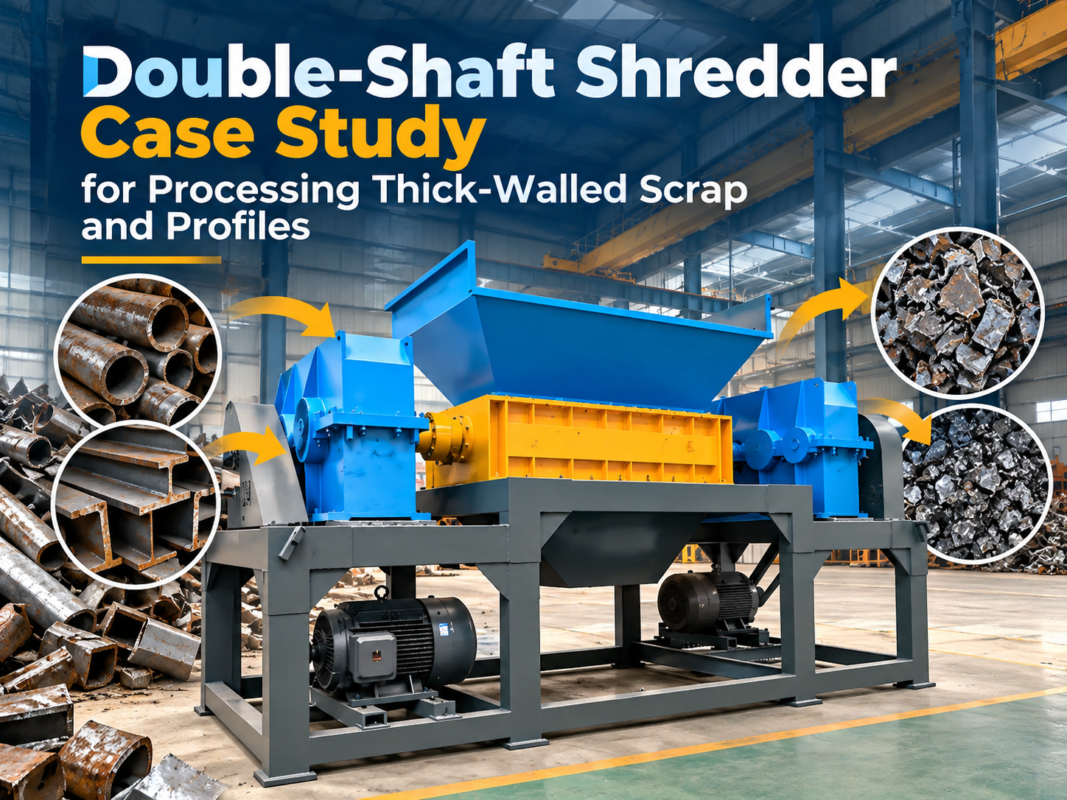
Safety Guidelines for Operating a Gantry Shear in Industrial Workshops: A Comprehensive Technical Guide

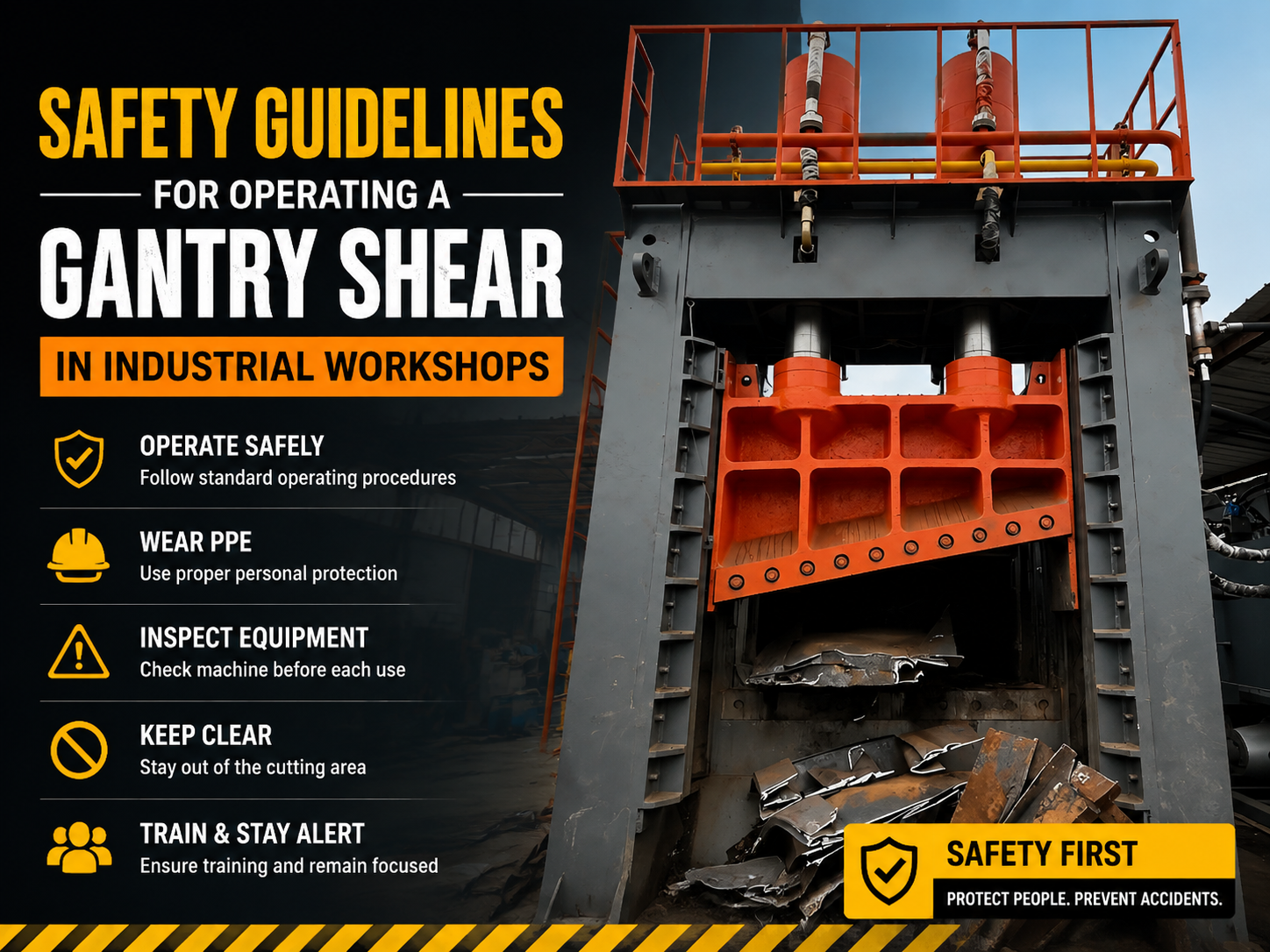
Introduction to Gantry Shear Safety and Efficiency
In the realm of heavy-duty metal recycling and industrial fabrication, the gantry shear stands as a titan of productivity. Designed to process massive volumes of scrap metal, structural steel, and non-ferrous alloys, these machines exert hundreds of tons of hydraulic force. However, with such immense power comes a significant responsibility regarding operational safety. Adhering to Safety Guidelines Operating A Gantry Shear In Industrial Workshops is not merely a regulatory requirement; it is the foundation of a sustainable and profitable manufacturing environment.
HARSLE, a leader in metal fabrication machinery, emphasizes that safety and performance are two sides of the same coin. A well-maintained machine operated by a trained professional ensures longevity and minimizes downtime. This guide provides an exhaustive look at the technical specifications, safety protocols, and engineering considerations necessary for mastering gantry shear operations in a modern industrial setting.
Technical Overview of Gantry Shear Systems
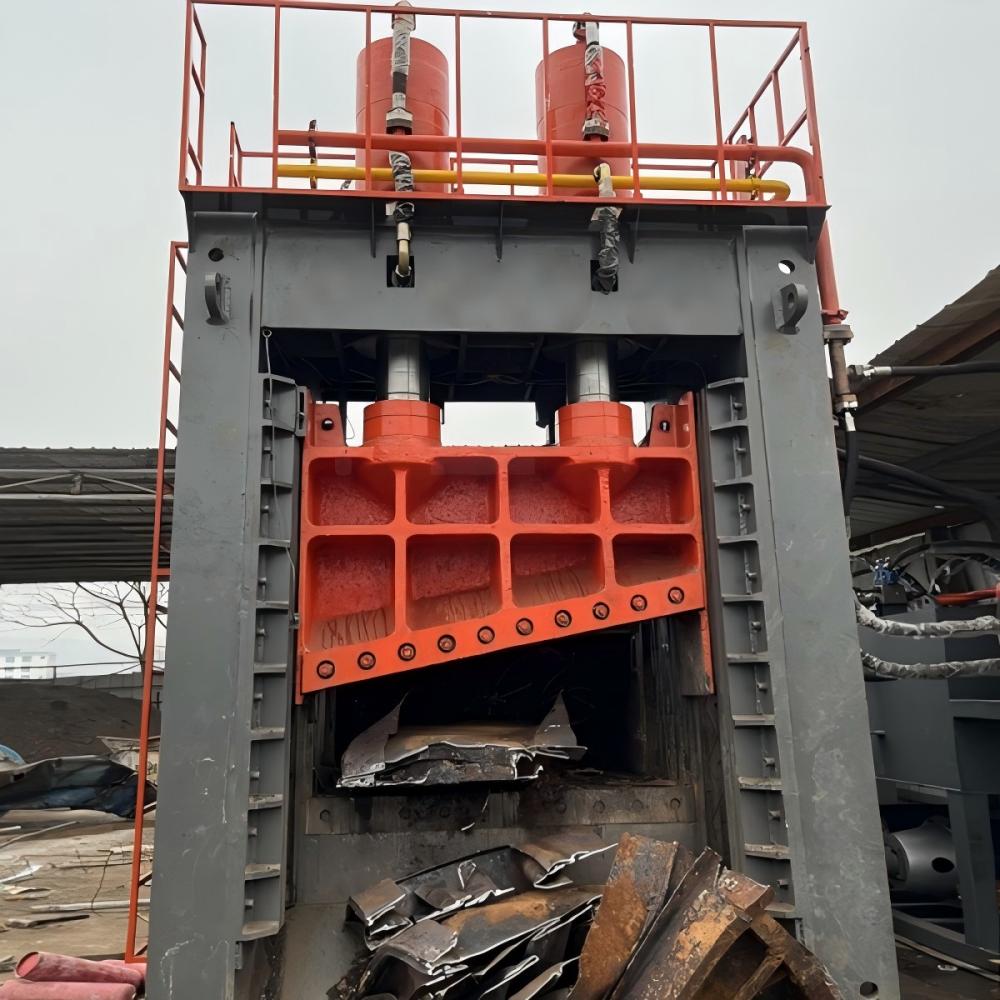
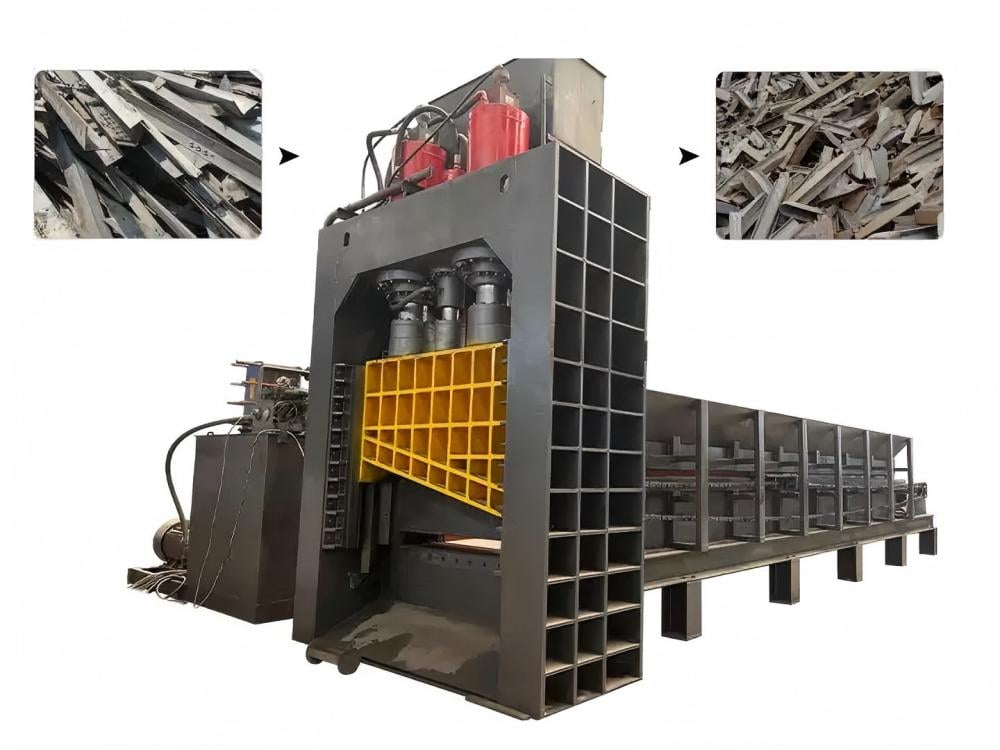
A gantry shear is a hydraulic-driven machine characterized by its bridge-like (gantry) frame. Unlike alligator shears, which use a pivoting jaw, the gantry shear utilizes a vertical downward stroke. This design allows for much higher cutting forces and the ability to process wider and thicker materials. The core components include the hydraulic pump station, the main shear cylinder, the side-press cylinders (for compacting scrap), and the feeding hopper or conveyor system.
The hydraulic system is the heart of the gantry shear. It typically employs high-pressure axial piston pumps and a sophisticated valve block to manage the flow of oil. Modern HARSLE gantry shears often incorporate PLC (Programmable Logic Controller) systems to automate the cutting cycle, ensuring that the material is compressed to the correct density before the blade descends. This automation is a key component of Safety Guidelines Operating A Gantry Shear In Industrial Workshops, as it reduces the need for manual intervention near the cutting zone.
Structural integrity is another critical aspect. The frame must be constructed from high-tensile Q345B or similar steel grades to withstand the repetitive stress of 400 to 1250 tons of pressure. The blades themselves are usually made from high-alloy tool steel, heat-treated to a hardness of HRC 55-58, ensuring they can slice through reinforced rebar and heavy I-beams without excessive chipping or deformation.
Core Parameters of Gantry Shears
Understanding the core parameters is essential for both safety and selection. The primary metric is the nominal shear force, measured in kilonewtons (kN) or tons (T). This determines the maximum thickness of the material the machine can handle. For instance, a 630-ton shear is generally capable of cutting mild steel plates up to 40-50mm thick, depending on the blade width.
Secondary parameters include the blade length, which dictates the maximum width of the scrap, and the cutting frequency (strokes per minute). A faster cycle time increases throughput but requires a more robust cooling system for the hydraulic oil. Motor power is also a vital consideration; larger shears may require dual 45kW or 75kW motors to maintain the necessary hydraulic flow rates. Operators must be aware of these limits to prevent motor burnout or hydraulic overheating, which are common precursors to industrial accidents.
Calculation Method for Shear Force
To ensure the Safety Guidelines Operating A Gantry Shear In Industrial Workshops are followed, engineers must calculate the required shear force for specific materials. Overloading the machine can lead to catastrophic frame failure or hydraulic seal blowouts. The basic formula for calculating the shear force (F) required to cut a metal section is:
F = L × S × τ
Where:
F = Shear Force (Newtons)
L = Length of the cut (mm)
S = Thickness of the material (mm)
τ (Tau) = Shear strength of the material (N/mm²)
For example, if you are cutting a 500mm wide plate of mild steel with a thickness of 20mm, and the shear strength of mild steel is approximately 350 N/mm², the calculation would be: 500 * 20 * 350 = 3,500,000 Newtons, or roughly 350 tons. It is a standard safety practice to operate at no more than 80% of the machine’s rated capacity to account for material hardness variations and blade wear. This buffer is a critical part of the Safety Guidelines Operating A Gantry Shear In Industrial Workshops.
Gantry Shear Parameter Table
The following table outlines the typical specifications for various HARSLE gantry shear models used in industrial workshops. These values are indicative and may vary based on specific hydraulic configurations.
| Model Type | Shear Force (Tons) | Blade Length (mm) | Max Cutting Thickness (mm) | Motor Power (kW) | Cycle Time (s) |
|---|---|---|---|---|---|
| HS-400 | 400 | 1200 | 30 | 37 | 15-20 |
| HS-630 | 630 | 1500 | 45 | 45 x 2 | 12-18 |
| HS-800 | 800 | 1800 | 60 | 55 x 2 | 10-15 |
| HS-1000 | 1000 | 2000 | 80 | 75 x 2 | 10-15 |
| HS-1250 | 1250 | 2200 | 100 | 90 x 2 | 8-12 |
Comprehensive Safety Guidelines Operating A Gantry Shear In Industrial Workshops
1. Pre-Operational Inspection
Before the machine is even powered on, a thorough visual inspection is mandatory. Operators should check for hydraulic leaks around the cylinders and hose connections. A small leak under high pressure can cause “hydraulic injection” injuries, which are severe medical emergencies. Additionally, check the tightness of the blade bolts. Loose blades can shatter upon impact with heavy scrap, creating dangerous high-velocity projectiles.
2. Personal Protective Equipment (PPE)
Standard PPE for gantry shear operation includes high-impact safety goggles or a full-face shield, steel-toed boots, heavy-duty gloves, and hearing protection. Because gantry shears are used in scrap yards and workshops where metal dust and sparks are common, flame-retardant clothing is also recommended. Never wear loose clothing or jewelry that could be caught in the feeding conveyor or the compression lid.
3. Material Loading Protocols
One of the most dangerous phases of operation is loading the material. If using a crane or grapple, ensure the operator has a clear line of sight. Material should be placed evenly in the hopper to prevent “side-loading” the shear blade. Side-loading creates uneven stress on the gantry frame and can lead to premature wear of the guide rails. Never attempt to manually adjust scrap inside the hopper while the machine is in automatic mode.
4. The Exclusion Zone
Establish a clear “Danger Zone” around the machine. During the shearing process, metal pieces can occasionally fly out from the sides or the discharge chute. This is especially true when shearing brittle materials like cast iron or hardened shafts. Safety barriers or painted floor markings should define the area where personnel are prohibited during operation. This is a cornerstone of Safety Guidelines Operating A Gantry Shear In Industrial Workshops.
5. Emergency Stop Systems
Every operator must know the location of all Emergency Stop (E-Stop) buttons. These should be tested at the start of every shift. In the event of an unusual noise, smoke, or a jammed workpiece, the E-Stop should be depressed immediately. Modern HARSLE machines feature redundant E-Stop circuits that cut power to the hydraulic pumps and dump pressure from the accumulators instantly.
Common Engineering Mistakes in Gantry Shear Operation
Even experienced engineers can fall into habits that compromise safety and machine longevity. One common mistake is neglecting hydraulic oil maintenance. Contaminated oil causes valve sticking, which can lead to unpredictable blade movements. The oil should be filtered regularly and replaced according to the manufacturer’s schedule, typically every 2,000 to 4,000 operating hours.
Another mistake is ignoring the “blade gap.” As blades wear down, the gap between the upper and lower blade increases. If the gap is too wide, the metal will “fold” rather than shear, putting immense lateral pressure on the cylinder rods and seals. Regularly measuring and shimming the blades to maintain the correct clearance (usually 5-10% of the material thickness) is vital for both safety and cut quality.
Finally, many workshops fail to implement a proper Lockout/Tagout (LOTO) program. During maintenance or blade changes, the machine must be physically disconnected from its power source, and residual hydraulic pressure must be bled off. Failing to do so has resulted in numerous industrial accidents where the gravity-fed shear head descended unexpectedly.
Selection Checklist for Industrial Gantry Shears
Choosing the right machine is the first step in ensuring safety. Use this checklist when evaluating a gantry shear for your workshop:
- Capacity Matching: Does the shear force exceed your thickest material requirement by at least 20%?
- Safety Features: Does the machine include light curtains, emergency stops, and interlocked safety cages?
- Hydraulic Cooling: Is there an integrated air or water cooling system to prevent oil overheating during continuous shifts?
- Control System: Does it feature a user-friendly PLC with diagnostic capabilities to alert operators of sensor failures?
- Blade Accessibility: How easy is it to change the blades? Machines designed for easy access reduce the risk of injury during maintenance.
- Foundation Requirements: Do you have a reinforced concrete pad capable of supporting the static and dynamic loads of the machine?
Frequently Asked Questions (FAQ)
How often should gantry shear blades be sharpened?
The frequency depends on the material being cut. For clean mild steel, blades may last 200-300 hours before needing a flip or grind. For sandy or dirty scrap, this could drop to 100 hours. Most gantry shear blades have four cutting edges; once all four are dull, they must be professionally reground.
What type of hydraulic oil is best for gantry shears?
Most industrial workshops use ISO VG 46 or 68 anti-wear hydraulic oil. In extremely cold environments, a low-pour-point oil (HV grade) is necessary to prevent pump cavitation during startup. Always consult the HARSLE manual for specific grade recommendations based on your local climate.
Can a gantry shear cut hardened steel shafts?
While possible, it is not recommended unless the shear is specifically rated for it. Hardened steel is brittle and can cause the blades to shatter. If you must cut hardened materials, ensure the machine is equipped with high-impact resistant blades and that the operator is behind a protective shield.
Why is my gantry shear losing pressure during the cut?
Pressure loss is usually attributed to one of three things: a bypass in the hydraulic cylinder seals, a malfunctioning relief valve, or a failing hydraulic pump. Immediate troubleshooting is required, as a loss of pressure can cause the blade to stall mid-cut, creating a hazardous situation for material removal.
What is the most important safety rule for gantry shears?
The most important rule is: Never bypass safety interlocks. These systems are designed to protect the operator from the immense forces generated by the machine. Bypassing a light curtain or a door sensor to save time is the leading cause of catastrophic injuries in metal fabrication workshops.
Conclusion
Operating a gantry shear requires a blend of technical knowledge, constant vigilance, and a commitment to rigorous safety standards. By following the Safety Guidelines Operating A Gantry Shear In Industrial Workshops outlined in this guide, facilities can maximize their ROI while protecting their most valuable asset: their workers. HARSLE remains committed to providing the industry with high-quality machinery that meets the most stringent safety and performance criteria. Regular training, proactive maintenance, and the right equipment selection are the keys to success in the demanding world of metal fabrication.