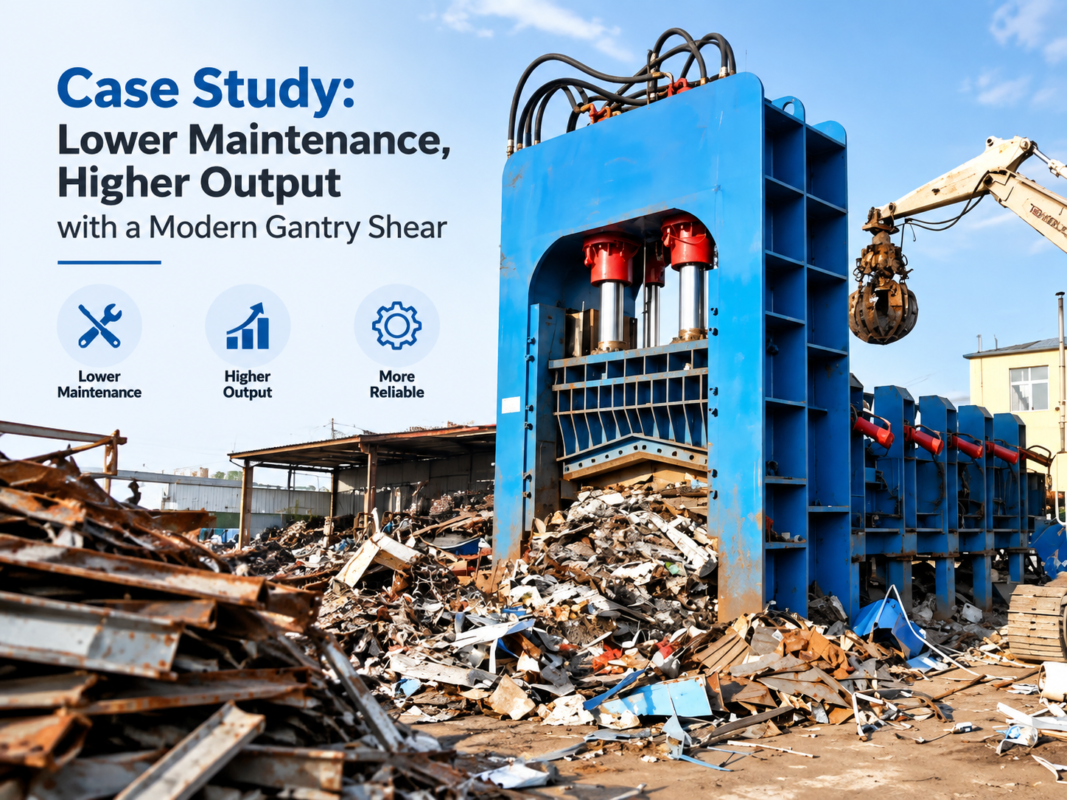
Gantry Shear Maintenance Checklist for Longer Machine Life: The Ultimate Technical Guide

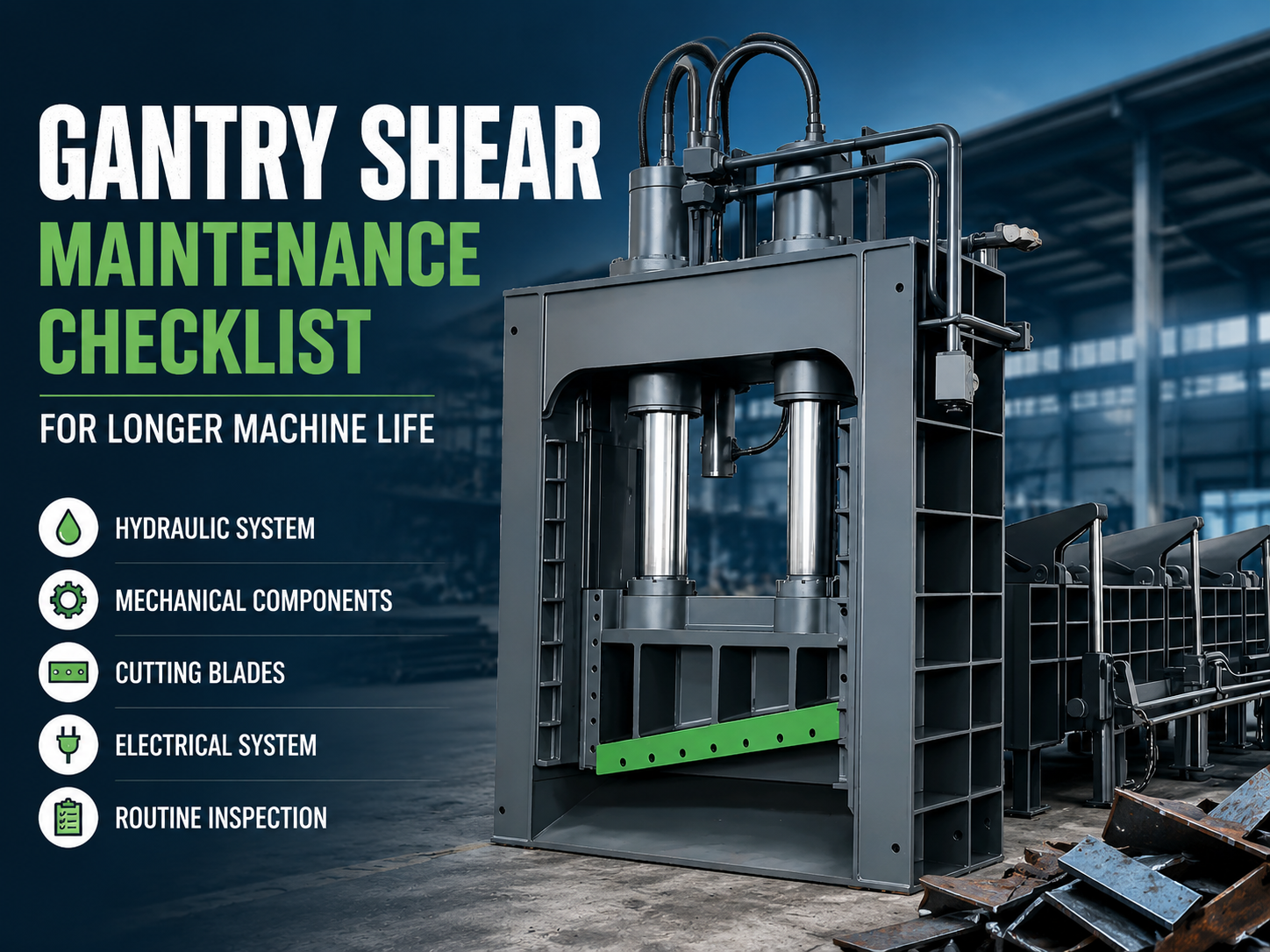
Technical Overview of Gantry Shear Systems
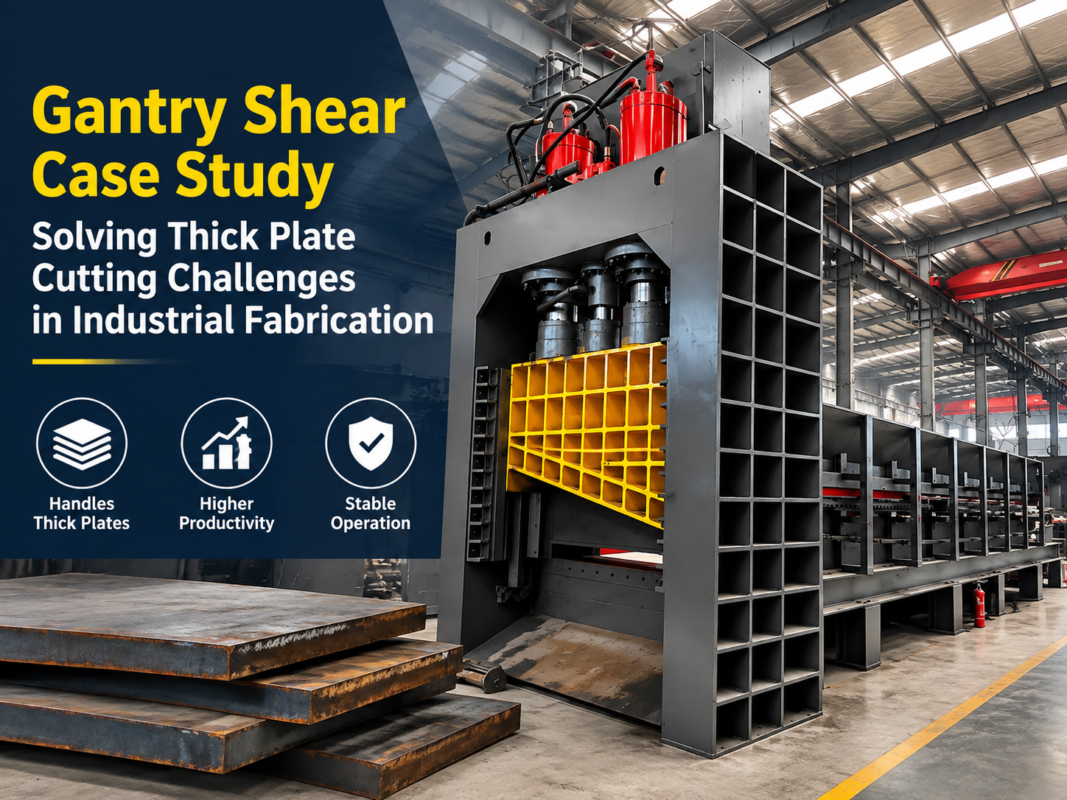
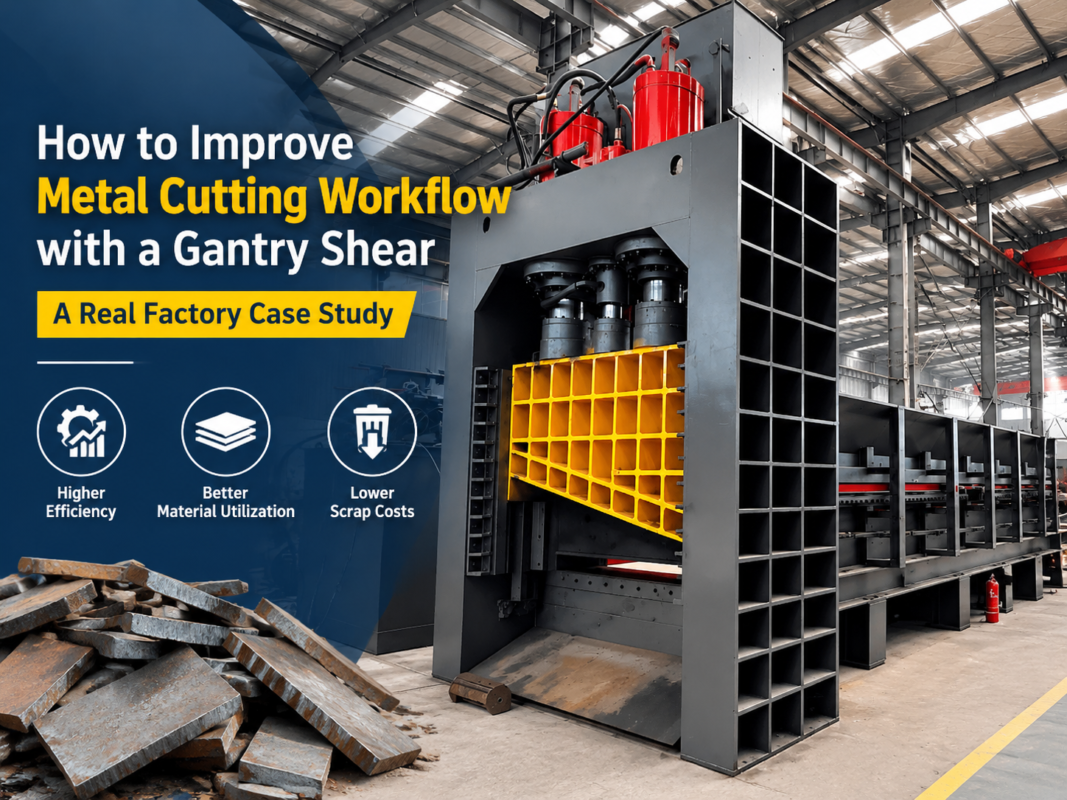
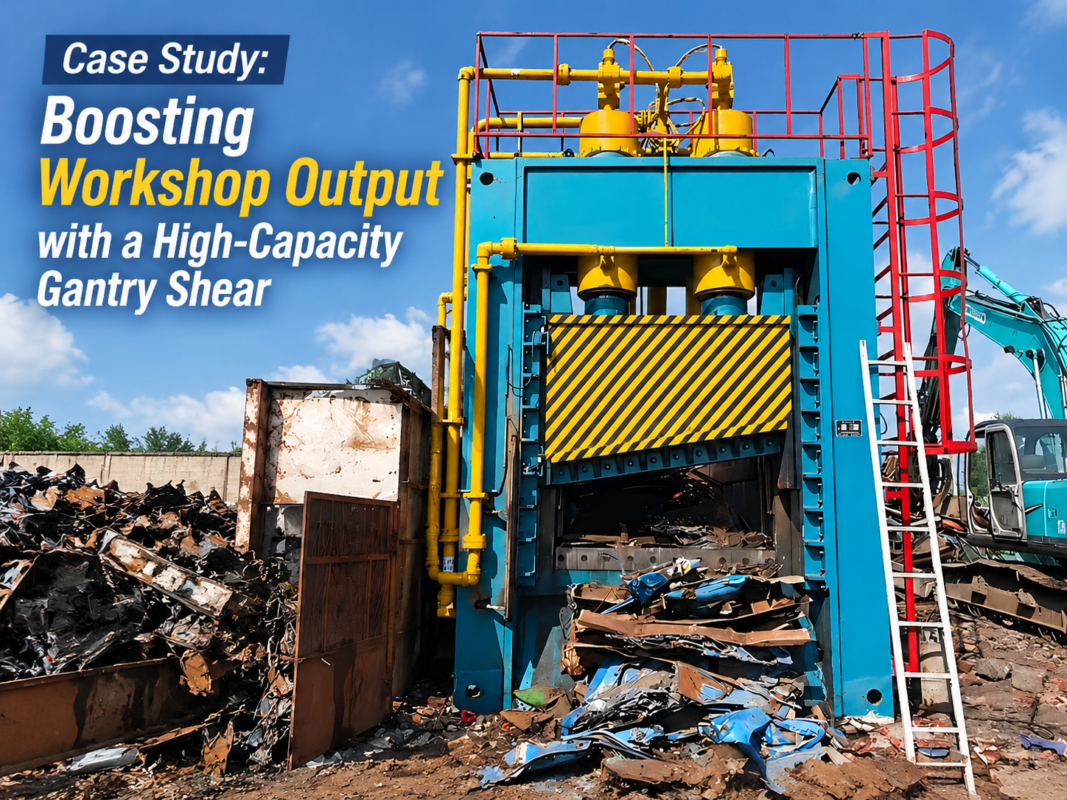
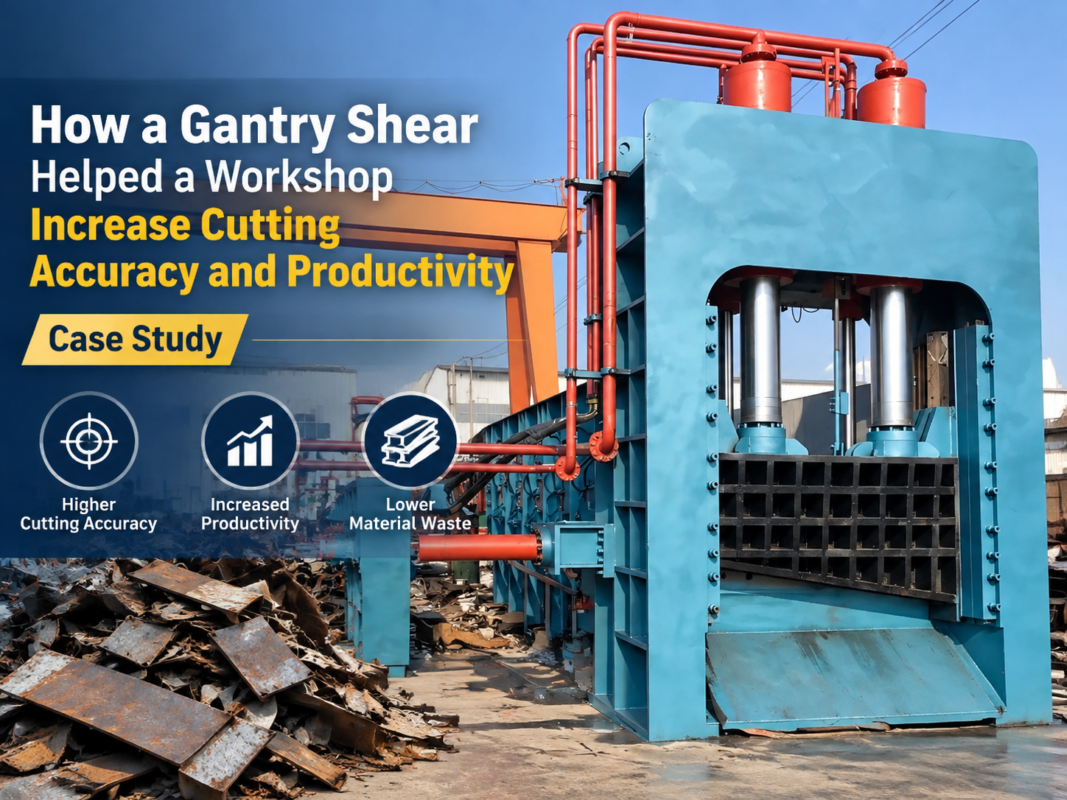
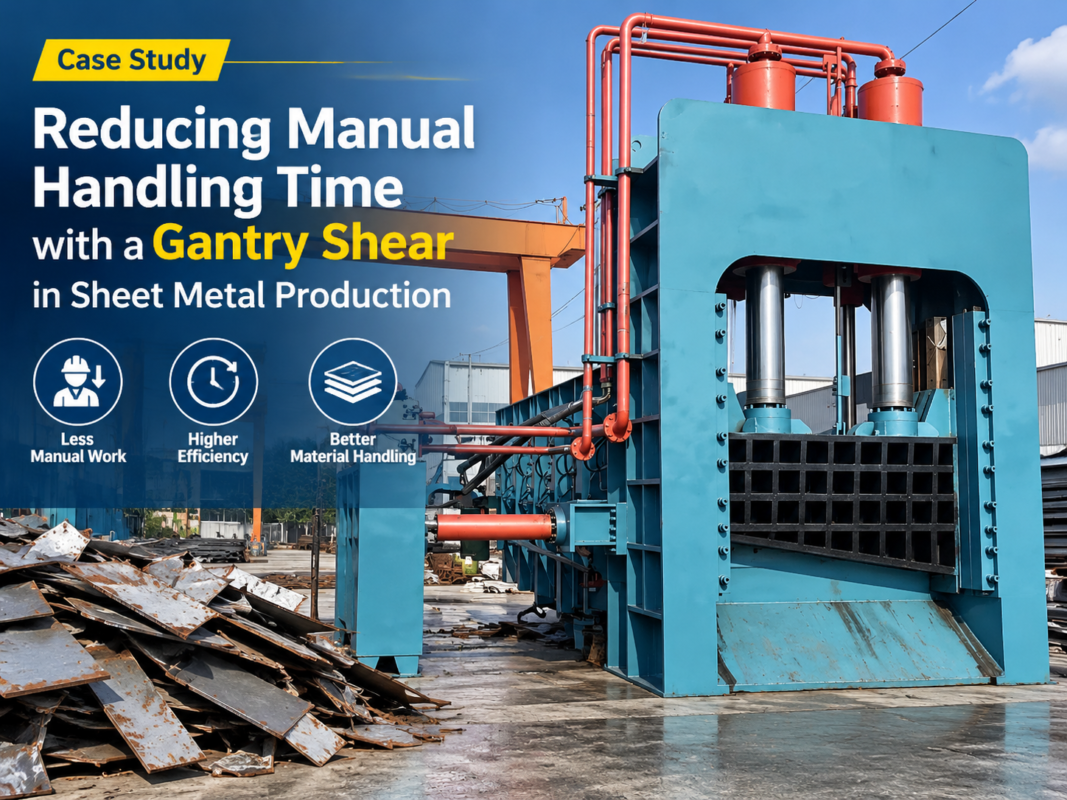
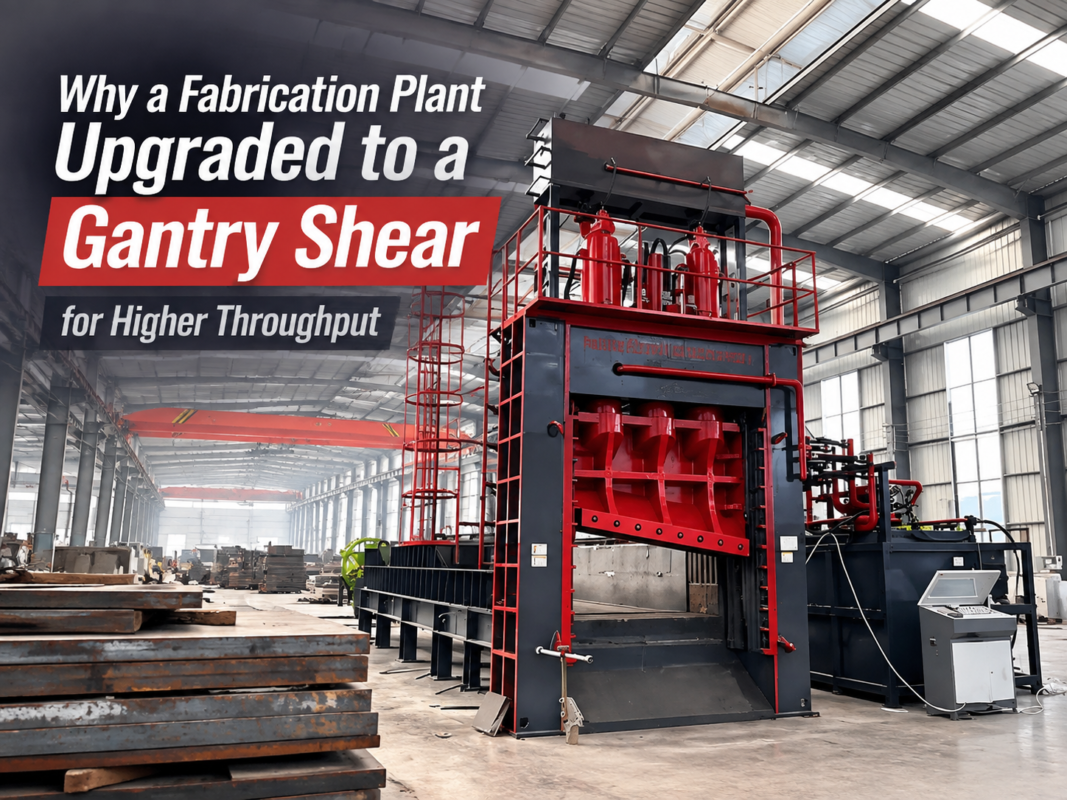
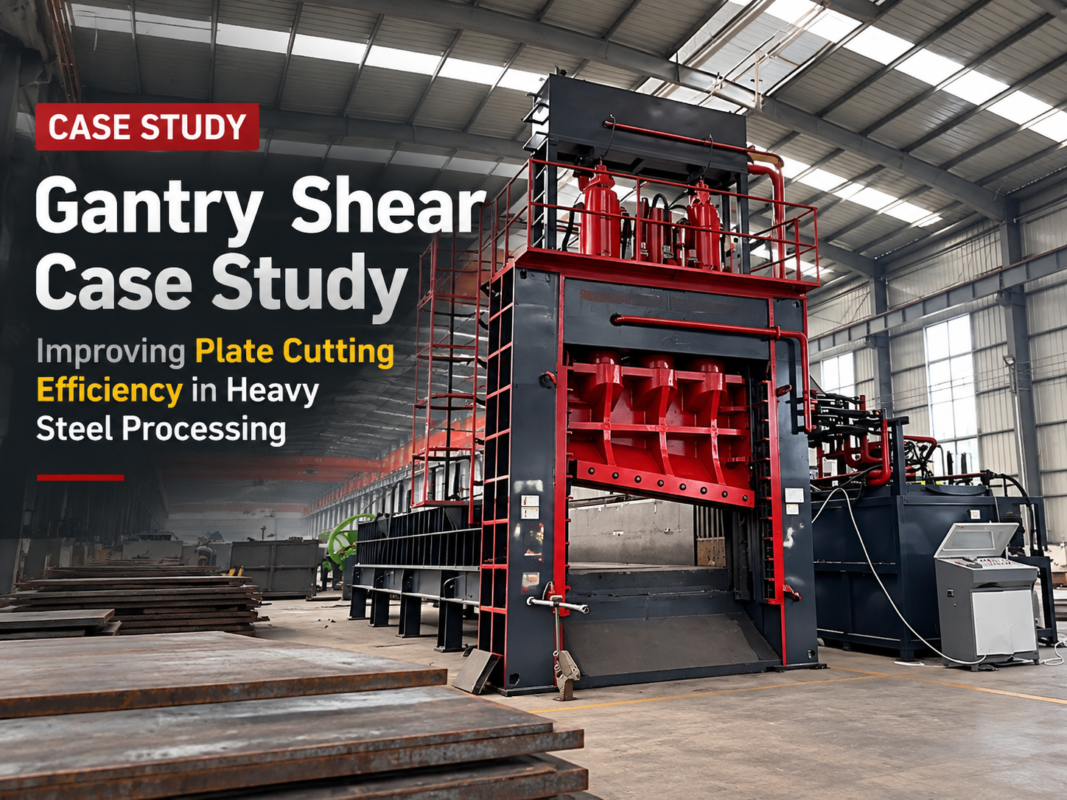
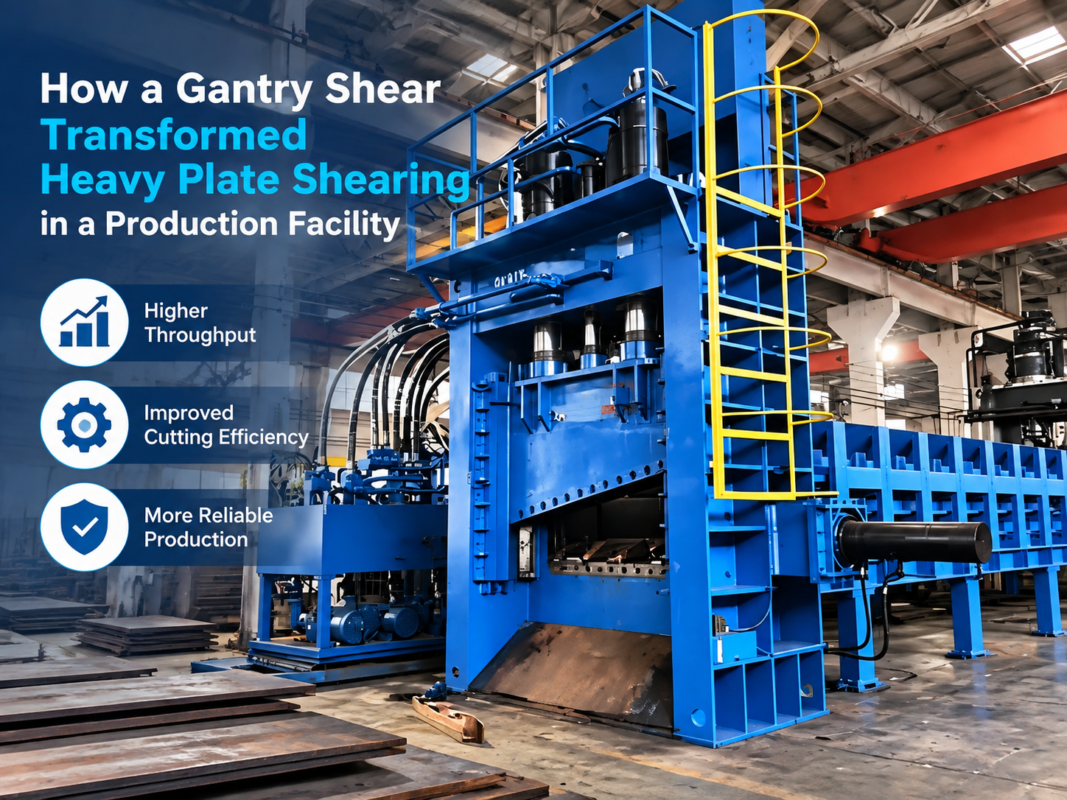
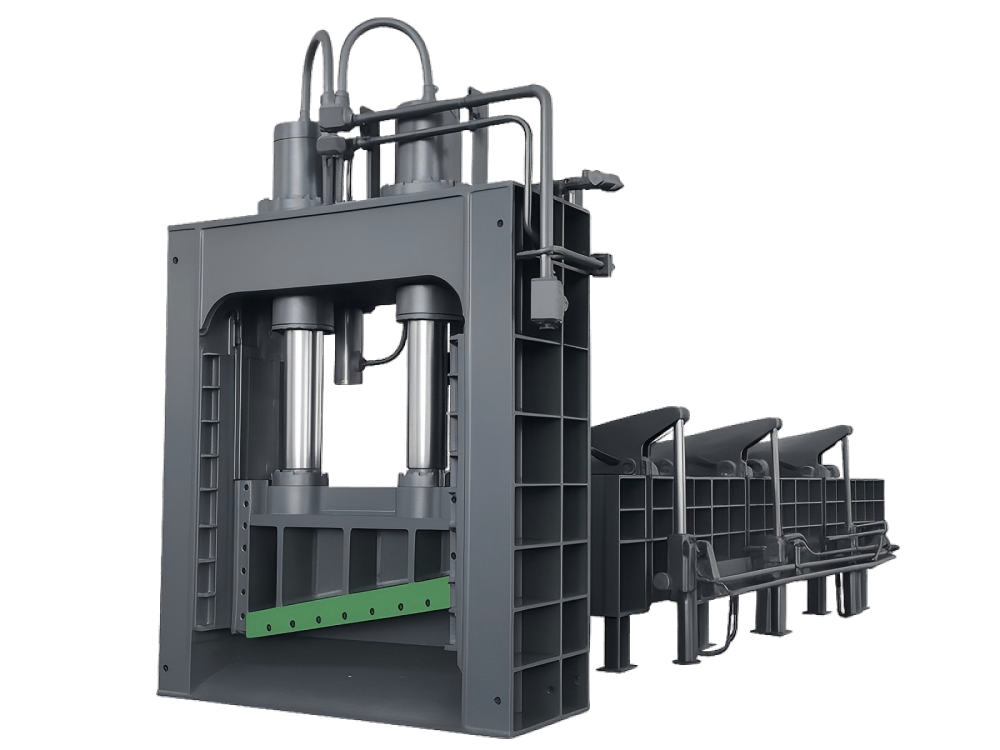
The gantry shear, often referred to as a heavy-duty hydraulic scrap shear, is a cornerstone of the modern recycling and metal fabrication industry. These machines are engineered to process massive volumes of scrap metal, including steel plates, structural beams, and automotive frames, by applying immense hydraulic force through a vertical shearing motion. Unlike alligator shears, which operate on a pivot, the gantry shear utilizes a vertical frame (the gantry) that guides the blade slide with extreme precision, allowing for higher tonnage and wider cutting capacities. HARSLE gantry shears are designed with a focus on structural rigidity and hydraulic efficiency, ensuring that the energy transferred from the motor to the blade is maximized while minimizing heat generation and structural fatigue.
At the heart of the gantry shear is a complex hydraulic circuit powered by high-pressure piston pumps. These pumps drive the main shearing cylinder, the side-press cylinders, and the feeding hopper cylinders. The integration of a PLC (Programmable Logic Controller) allows for automated cycles, where the material is pushed into the shearing zone, compressed by the side-press to form a dense log, and then cut to a predetermined length. This automated process significantly reduces labor costs and increases throughput, but it also introduces multiple points of wear that require a rigorous Gantry Shear Maintenance Checklist for Longer Machine Life. Understanding the interaction between the mechanical frame and the hydraulic pressure is essential for any operator or maintenance engineer.
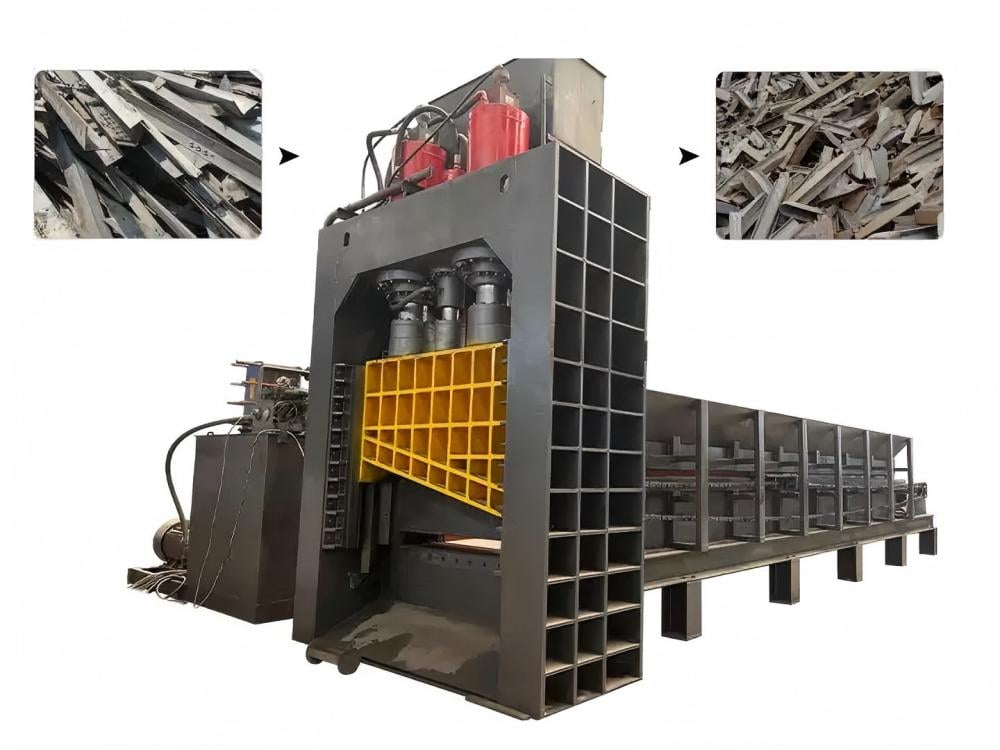
The structural integrity of the gantry frame is maintained through high-quality Q345B steel welding, which is then stress-relieved to prevent deformation under the repetitive loading of 400 to 2000 tons of force. The blades themselves are typically made from high-strength alloy tool steel, heat-treated to reach a hardness that can withstand the abrasive nature of scrap metal. However, even the toughest materials succumb to wear. The friction between the slide block and the guide rails, the degradation of hydraulic seals, and the contamination of the oil are all factors that can lead to catastrophic failure if not managed through a proactive maintenance strategy. By adhering to a Gantry Shear Maintenance Checklist for Longer Machine Life, facilities can ensure their investment remains productive for decades.
Core Parameters of Gantry Shears
When evaluating a gantry shear or establishing a maintenance protocol, understanding the core parameters is vital. These parameters define the machine’s capabilities and the stresses it will endure during operation. The most critical parameter is the Nominal Shearing Force, measured in kilonewtons (kN) or tons. This force determines the maximum thickness and type of material the shear can process. For instance, a 630-ton shear is suitable for medium-duty scrap, while a 1250-ton machine is required for heavy structural steel. Operating a machine at its absolute limit for extended periods accelerates wear on the hydraulic seals and the main cylinder, making it a key consideration for the Gantry Shear Maintenance Checklist for Longer Machine Life.
Another essential parameter is the Blade Length. The width of the blade determines the maximum width of the scrap that can be fed into the machine without pre-processing. A wider blade allows for faster processing of large plates but requires a more robust gantry structure to prevent deflection. Coupled with this is the Maximum Opening Height, which dictates the size of the “mouth” of the shear. If the material is too bulky for the opening, the side-press cylinders must work harder to compress it, leading to increased hydraulic pressure and potential overheating. Maintenance teams must monitor the wear on the guide plates that maintain the alignment of the blade slide across this opening height.
The Cycle Time and Cutting Frequency are performance metrics that also serve as maintenance indicators. A standard HARSLE gantry shear might offer 3 to 5 cuts per minute under load. If the cycle time begins to increase, it often points to internal leakage in the hydraulic valves or a declining efficiency in the main pump. Furthermore, the Motor Power (measured in kW) and Oil Tank Capacity are critical for thermal management. A larger oil tank provides better natural cooling, but if the machine is pushed beyond its rated frequency, an external cooling system (air or water-cooled) becomes a mandatory maintenance checkpoint to prevent oil oxidation.
Calculation Method for Shearing Force and Maintenance Intervals
To maintain a gantry shear effectively, engineers must understand the physics of the shearing process. The theoretical shearing force ($F$) required to cut a piece of metal can be calculated using the formula: F = L * S * τ
Where:
– L is the length of the cut (mm)
– S is the thickness of the material (mm)
– τ is the shear strength of the material (MPa)
For example, shearing a 40mm thick mild steel plate with a shear strength of 350 MPa over a length of 1000mm would require approximately 14,000 kN of force. If the machine’s nominal force is only 12,500 kN, the relief valves will trigger, bypassing the oil and generating significant heat. Repeatedly hitting the relief pressure is a primary cause of hydraulic component failure. Therefore, the Gantry Shear Maintenance Checklist for Longer Machine Life should include a review of the materials being processed to ensure they fall within the machine’s calculated safety margins.
Maintenance intervals can also be calculated based on “Duty Cycles.” Instead of relying solely on calendar days, high-volume operations should track the number of cuts. A common industry standard is to perform a minor inspection every 50,000 cuts and a major overhaul every 500,000 cuts. This involves checking the blade gap, which should typically be 5% to 10% of the material thickness. If the gap is too wide, the material will “fold” rather than cut, creating immense lateral force on the gantry frame and the guide rails. Calculating and maintaining the correct blade clearance is perhaps the most effective way to extend the life of both the blades and the hydraulic system.
Gantry Shear Technical Parameter Table
The following table outlines the typical specifications for HARSLE Q91 series gantry shears, providing a baseline for maintenance expectations and operational limits.
| Model (Q91 Series) | Shearing Force (kN) | Blade Length (mm) | Max Opening (mm) | Cutting Frequency (min⁻¹) | Power (kW) |
|---|---|---|---|---|---|
| Q91-400 | 4000 | 1200 | 800 | 3 – 5 | 45 |
| Q91-630 | 6300 | 1500 | 900 | 3 – 4 | 75 |
| Q91-800 | 8000 | 1600 | 1000 | 2 – 4 | 90 |
| Q91-1000 | 10000 | 1800 | 1100 | 2 – 3 | 110 |
| Q91-1250 | 12500 | 2000 | 1200 | 1 – 3 | 150 |
Comprehensive Gantry Shear Maintenance Checklist for Longer Machine Life
Daily Maintenance Tasks
- Visual Inspection: Check for hydraulic oil leaks around cylinder rods, hose connections, and valve blocks. Even a small drip can indicate a failing seal.
- Lubrication: Ensure the automatic lubrication system is functioning. Manually grease the guide rails and pivot pins of the feeding hopper if not covered by the auto-system.
- Blade Check: Inspect the cutting edges for chips or excessive dullness. Remove any debris trapped between the blades.
- Oil Level and Temperature: Verify the oil level in the main tank. Monitor the temperature gauge during operation; it should stay below 60°C (140°F).
- Emergency Stops: Test all emergency stop buttons and safety light curtains to ensure immediate shutdown capability.
Weekly Maintenance Tasks
- Filter Inspection: Check the vacuum gauges on the return line filters. Replace filter elements if the gauge indicates high back-pressure.
- Bolt Tightening: The vibration from shearing can loosen heavy-duty bolts. Specifically, check the blade bolts and the foundation anchor bolts.
- Hydraulic Hoses: Inspect hoses for bulging, cracking, or abrasion against the frame. Replace any hose showing wire reinforcement.
- Electrical Cabinet: Blow out dust from the electrical cabinet using dry compressed air to prevent short circuits in the PLC or contactors.
Monthly and Quarterly Maintenance Tasks
- Oil Analysis: Take a sample of the hydraulic oil and send it for laboratory analysis. Check for water content, particle count (ISO 4406), and additive depletion.
- Blade Rotation: Most gantry shear blades have four cutting edges. Rotate the blades to a fresh edge to maintain cutting efficiency and reduce load.
- Guide Rail Adjustment: Measure the clearance between the slide block and the guide rails. Adjust the wear plates to maintain the manufacturer’s specified tolerance.
- Accumulator Charge: If equipped with nitrogen accumulators, check the pre-charge pressure. Incorrect pressure leads to erratic hydraulic movement and pressure spikes.
Common Engineering Mistakes in Gantry Shear Operation
One of the most frequent mistakes in the industry is the neglect of Hydraulic Oil Quality. Many operators believe that as long as the oil is “clean-looking,” it is functional. However, microscopic contaminants and chemical degradation (oxidation) can destroy the precision tolerances of piston pumps and servo valves. Using the wrong viscosity of oil for the ambient climate is another error; oil that is too thin in summer will fail to provide a sufficient lubricating film, while oil that is too thick in winter can cause pump cavitation. The Gantry Shear Maintenance Checklist for Longer Machine Life must prioritize oil health as the machine’s lifeblood.
Another common error is Improper Blade Gap Management. Operators often process varying thicknesses of scrap without adjusting or checking the blade clearance. When the gap is too large for thin material, the metal “chews” into the gap, causing massive lateral stress that can crack the gantry uprights. Conversely, a gap that is too tight for thick material causes excessive friction and heat, leading to premature blade chipping. Consistent monitoring of the blade gap is a technical necessity that is often overlooked in the rush of production.
Finally, Overloading the Feeding Hopper is a significant engineering mistake. While it is tempting to cram as much scrap as possible into the hopper, this forces the side-press and lid cylinders to operate at relief pressure for extended periods. This not only wastes energy but also causes localized heating of the hydraulic fluid and puts unnecessary strain on the cylinder mounts. Proper material preparation—sizing the scrap to fit the hopper comfortably—is a maintenance strategy in itself, as it reduces the mechanical fatigue on the entire system.
Selection Checklist for Buying a Gantry Shear
Choosing the right machine is the first step in ensuring a long service life. Use this checklist when evaluating HARSLE gantry shears or other industrial models:
- Material Type vs. Tonnage: Does the nominal force exceed your hardest material’s requirements by at least 20%?
- Throughput Requirements: Does the cycle time match your daily production goals without running the machine at 100% duty cycle?
- Blade Accessibility: How easy is it to change or rotate the blades? Look for designs that allow for quick access to blade bolts.
- Cooling System: Is the machine equipped with an industrial-grade oil cooler suitable for your local climate?
- Component Brand: Does the machine use reputable hydraulic components (e.g., Rexroth, Vickers) and electrical parts (e.g., Schneider, Siemens) for which spares are easily available?
- Structural Weight: Compare the total weight of the machine. A heavier machine usually indicates more steel in the frame, leading to better vibration dampening and longer life.
- PLC and Automation: Does the control system offer diagnostic feedback? Modern PLCs can alert you to maintenance needs before a failure occurs.
Frequently Asked Questions (FAQ)
How often should I change the hydraulic oil in my gantry shear?
While many manuals suggest every 2,000 to 4,000 hours, the best practice is to rely on oil analysis. If the oil is kept cool and filtered, it can last much longer. However, if the analysis shows high acidity or metal particulate, change it immediately regardless of hours.
Why is my gantry shear making a loud banging noise during the cut?
This is often caused by “decompression shock.” When the blade breaks through the material, the stored energy in the hydraulic fluid and the frame is released instantly. Ensure your machine’s decompression valves are adjusted correctly. It could also indicate loose blade bolts or worn guide rails.
Can I sharpen gantry shear blades?
Yes, blades can be surface-ground to restore the edge. However, you must ensure that the grinding process does not overheat the steel and ruin the temper. After grinding, you will likely need to use shims behind the blade to maintain the correct blade gap.
What is the ideal hydraulic oil temperature?
The ideal operating range is between 40°C and 55°C. If the temperature exceeds 60°C, the oil begins to break down rapidly, and seals will start to harden and leak. If your machine consistently runs hot, check the cooling system and the relief valve settings.
How do I know when to replace the guide wear plates?
You should measure the clearance between the slide and the guide rails monthly. Once the clearance exceeds the manufacturer’s maximum limit (usually around 0.5mm to 1.0mm depending on the model), the plates should be adjusted or replaced to prevent the slide from tilting during the cut.