Container Shear Safety Guide for Metal Recycling and Fabrication Facilities

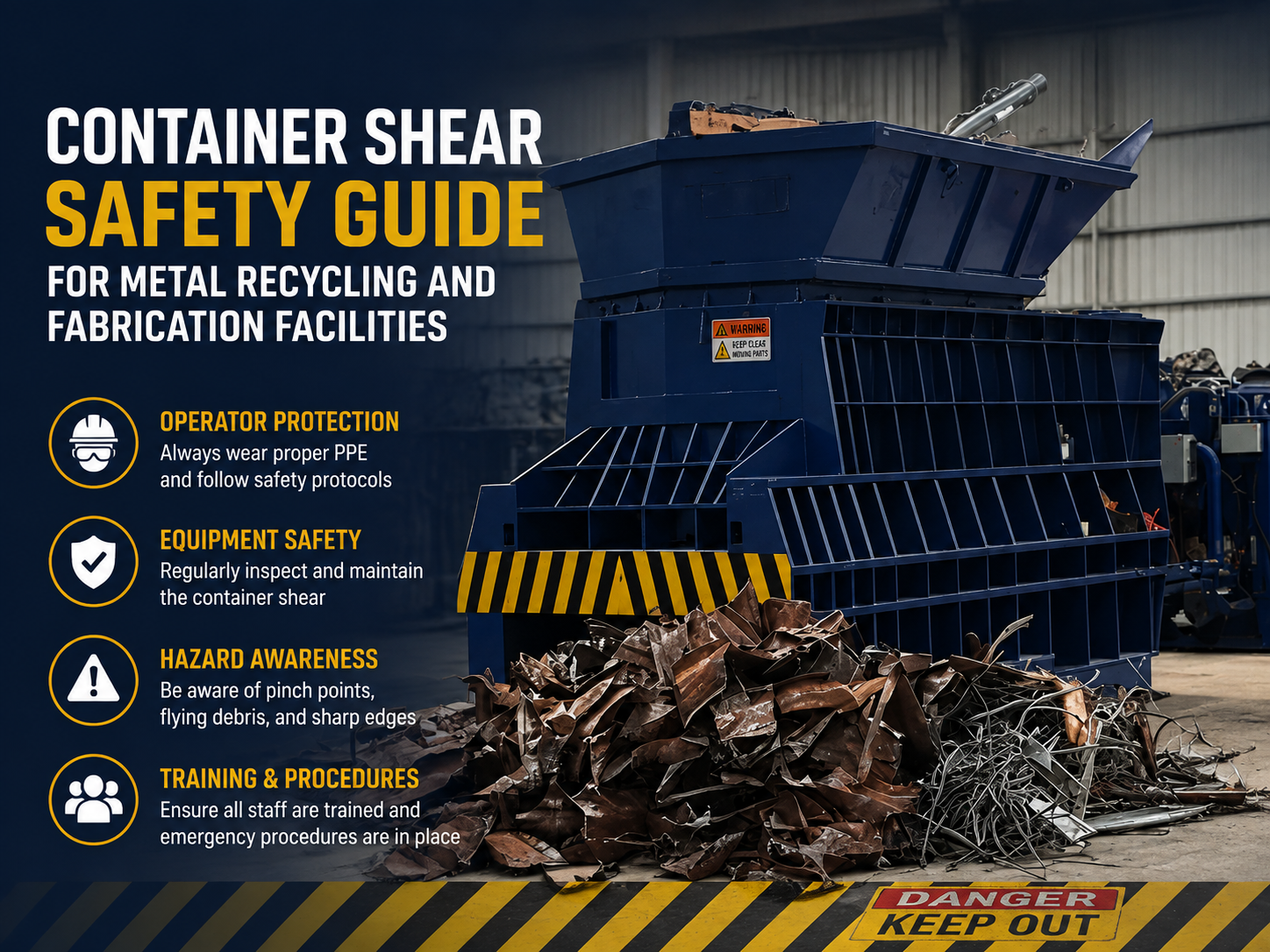
Technical Overview of Container Shears in Modern Industry
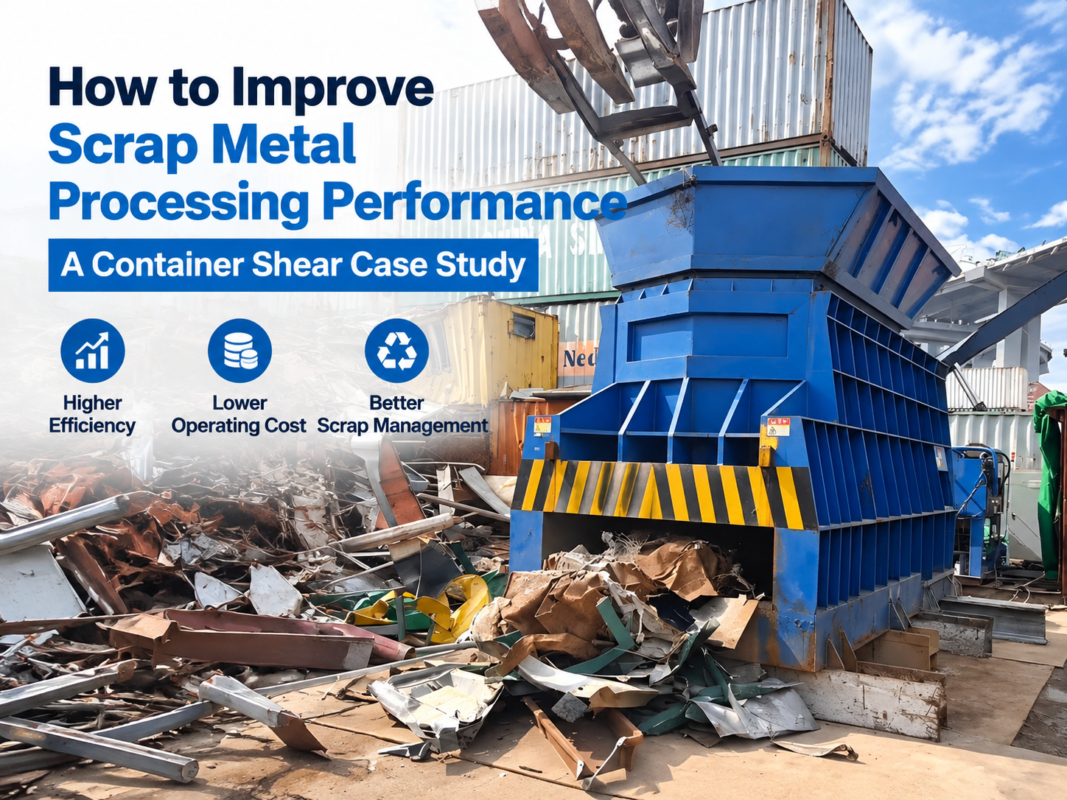
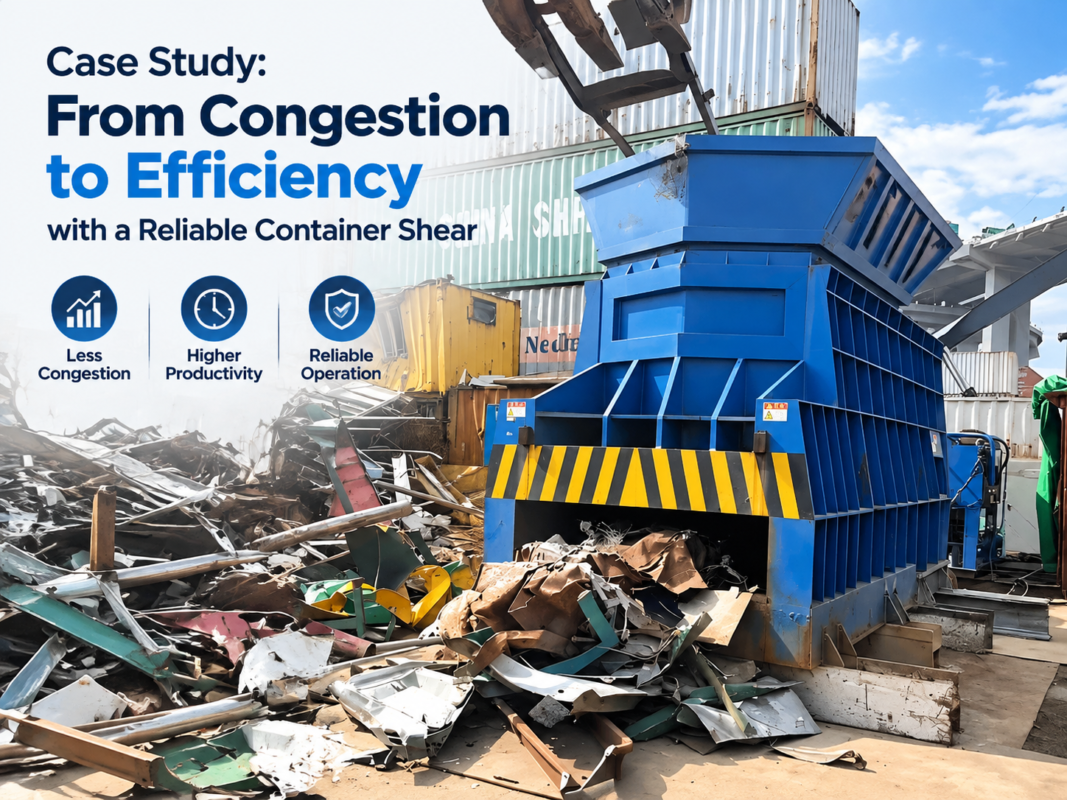
In the high-stakes environment of metal recycling and fabrication facilities, the container shear stands as a cornerstone of efficiency. Unlike traditional alligator shears or guillotine shears that require manual feeding of individual pieces, the container shear is designed for high-volume, continuous processing. This machine integrates a large hopper or ‘box’ where scrap metal—ranging from structural steel to decommissioned vehicle frames—is loaded. Once the lid closes, the material is compressed and pushed toward a heavy-duty blade that shears the metal into uniform, manageable lengths. This process is essential for preparing scrap for smelting, as it increases the bulk density of the material, significantly reducing transportation costs and improving furnace efficiency.
HARSLE container shears are engineered with a focus on structural rigidity and hydraulic precision. The frame is typically constructed from high-tensile Q355B or Q345B steel, reinforced at critical stress points to withstand the immense lateral forces generated during the shearing cycle. The hydraulic system, the heart of the machine, utilizes high-pressure piston pumps and sophisticated manifold blocks to ensure smooth, responsive movement. Safety in these facilities is not merely a regulatory requirement but a functional necessity. A single mechanical failure or operator error can lead to catastrophic downtime or severe injury, making a comprehensive understanding of container shear safety metal recycling fabrication facilities paramount for any plant manager.
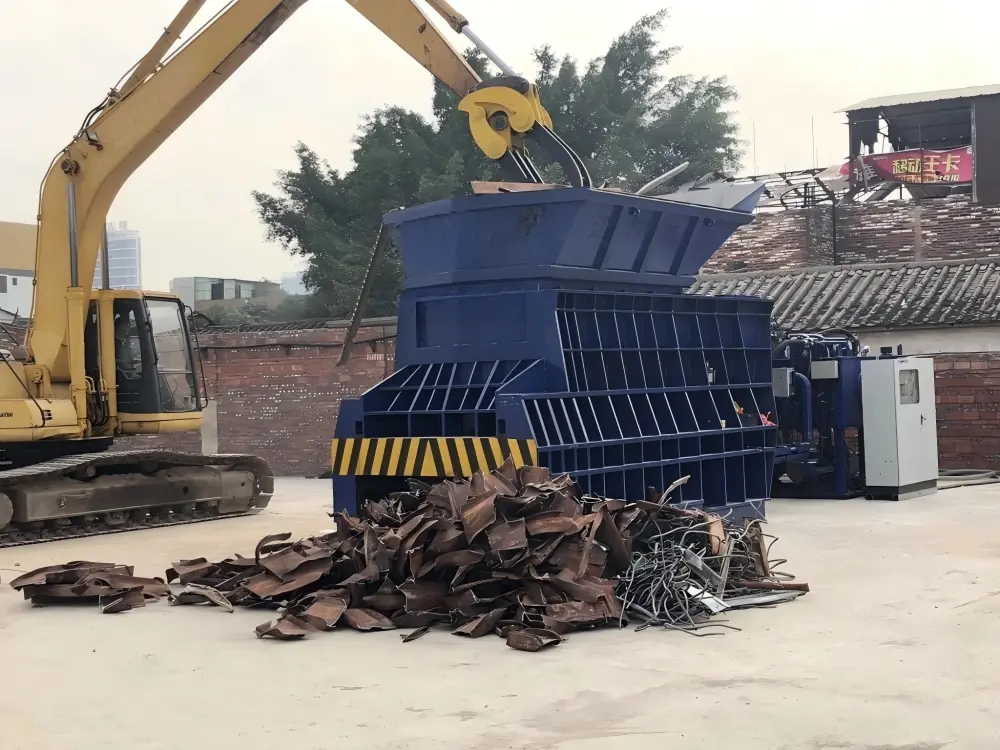
The evolution of container shears has seen a shift from manual lever-operated systems to fully automated PLC-controlled units. Modern HARSLE machines feature remote control capabilities, allowing operators to manage the loading and shearing process from the safety of a crane cabin or a shielded control room. This separation of the operator from the ‘red zone’—the area immediately surrounding the shear blades and hopper—is the first and most effective line of defense in a modern safety protocol. Furthermore, the integration of sensors monitors oil temperature, pressure fluctuations, and blade alignment in real-time, providing early warnings before a component reaches its failure point.
Core Parameters Influencing Safety and Performance
Understanding the core parameters of a container shear is critical for maintaining a safe working environment. The most prominent parameter is the Nominal Shear Force, usually measured in kilonewtons (kN) or tons. This force dictates the maximum thickness and hardness of the material the machine can safely process. Attempting to shear material that exceeds the machine’s rated capacity can lead to ‘stalling,’ which puts immense pressure on the hydraulic seals and can cause structural micro-fractures in the blade holder. HARSLE machines typically range from 400 tons to over 1250 tons of shearing force, catering to diverse industrial needs.
Another vital parameter is the Blade Length. The blade length must be compatible with the width of the compression box to ensure that material is sheared cleanly across its entire cross-section. If the blade is too short or improperly aligned, it can result in ‘folding’ rather than shearing, which creates dangerous jams. Additionally, the Cycle Time—the time it takes for the shear to complete one full stroke and return—is a key indicator of hydraulic health. An unexpected increase in cycle time often points to internal leakage in the cylinders or a degrading pump, both of which pose safety risks if left unaddressed.
The Hopper Dimensions and Compression Force also play a role in safety. The hopper must be large enough to contain the scrap without pieces protruding, which could strike nearby personnel or equipment when the lid closes. The lateral compression force ensures the scrap is tightly packed before the shear blade descends, preventing the material from shifting or ‘kicking back’ during the cut. High-quality HARSLE shears utilize independent cylinders for the lid, the side press, and the main shear to provide maximum control over the material throughout the cycle.
Calculation Method for Shearing Force and Material Limits
To ensure container shear safety metal recycling fabrication facilities, engineers must accurately calculate the required force for specific materials. The basic formula for calculating the shearing force (F) is derived from the cross-sectional area of the material and its shear strength. The formula is generally expressed as:
F = L × T × σ
Where:
F = Shearing Force (Newtons)
L = Length of the cut (mm)
T = Thickness of the material (mm)
σ = Shear strength of the material (N/mm²)
For example, if a facility is processing structural carbon steel with a shear strength of approximately 350 N/mm², and the material is 20mm thick with a width of 600mm, the required force would be 4,200,000 Newtons, or roughly 420 tons. However, safety factors must be applied. In industrial practice, it is recommended to operate at no more than 70-80% of the machine’s maximum rated capacity to account for material inconsistencies, such as work-hardening or unexpected alloys within the scrap pile.
Furthermore, the hydraulic pressure required to achieve this force is calculated by P = F / A, where A is the effective area of the hydraulic cylinder piston. Operators must ensure that the relief valves are set correctly so that the system pressure never exceeds the design limits of the hoses and fittings. Over-pressurization is a leading cause of hydraulic bursts, which can release high-velocity fluid capable of causing ‘fluid injection’ injuries. Regular calibration of pressure gauges is a mandatory safety step in HARSLE’s maintenance guidelines.
Technical Parameter Table for HARSLE Container Shears
The following table outlines the typical specifications for HARSLE’s heavy-duty container shear series, providing a reference for facility managers to match equipment to their specific safety and production requirements.
| Model Series | Shear Force (Tons) | Blade Length (mm) | Max Cutting Thickness (MS) | Motor Power (kW) | Box Dimensions (L x W mm) |
|---|---|---|---|---|---|
| HCS-400 | 400 | 1200 | 40mm | 45 x 2 | 4000 x 1500 |
| HCS-630 | 630 | 1500 | 60mm | 75 x 2 | 5000 x 1800 |
| HCS-800 | 800 | 1800 | 80mm | 90 x 2 | 6000 x 2000 |
| HCS-1000 | 1000 | 2000 | 100mm | 110 x 3 | 7000 x 2200 |
| HCS-1250 | 1250 | 2200 | 120mm | 132 x 4 | 8000 x 2400 |
Note: MS refers to Mild Steel. For stainless steel or alloy steels, the maximum cutting thickness should be reduced by 20-30% depending on the material grade.
Common Engineering and Operational Mistakes
One of the most frequent mistakes in metal recycling facilities is the neglect of Blade Gap Adjustment. As blades wear down or the machine undergoes thermal expansion, the gap between the upper and lower blades can widen. A gap that is too large causes the metal to ‘tear’ rather than ‘shear,’ which significantly increases the load on the hydraulic system and can cause the material to wedge between the blades. This wedging action creates immense lateral pressure that can crack the blade seats or even the main slide block. HARSLE recommends checking blade clearance every 40-80 operating hours, depending on the abrasiveness of the scrap.
Another common error is the Contamination of Hydraulic Fluid. In the dusty, debris-filled environment of a scrap yard, fine metal particles and moisture can easily enter the hydraulic reservoir if seals are damaged or breathers are not maintained. Contaminated oil acts as an abrasive paste, rapidly wearing down pump vanes and valve spools. This leads to ‘spongy’ controls and unpredictable machine movements. Implementing a strict oil analysis program and using high-quality 10-micron filters can extend the life of the machine by years and prevent sudden, dangerous failures.
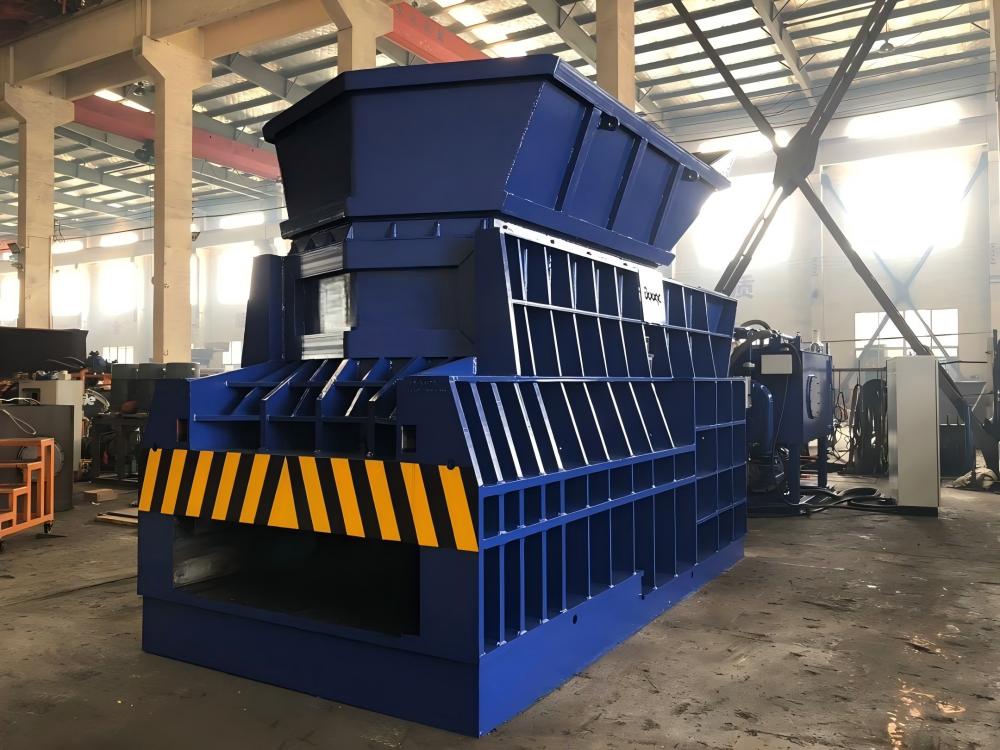
Finally, many facilities fail to implement a proper Lockout/Tagout (LOTO) procedure during maintenance. Because container shears utilize large accumulators to store hydraulic energy for rapid cycles, the machine can still move even after the main power is shut off. Safety protocols must include the discharge of all stored hydraulic pressure before any technician enters the hopper or attempts to change the blades. Failure to do so has historically been a leading cause of accidents in the metal fabrication industry.
Selection Checklist for Container Shear Safety
When selecting a container shear for your facility, use the following checklist to ensure the equipment meets the highest safety and operational standards:
- Structural Integrity: Does the machine use high-grade steel (Q345B or higher) with ultrasonic testing on major welds?
- Hydraulic Safety: Are the hoses rated for at least 2x the maximum operating pressure? Are there burst-protection sleeves on lines near operator stations?
- Emergency Systems: Are there multiple E-stop buttons located around the perimeter of the machine and on the remote control?
- Automation and Sensors: Does the PLC include interlocks that prevent the shear from firing if the lid is not fully closed or if the oil temperature is too high?
- Blade Quality: Are the blades made from high-chrome, high-carbon tool steel (e.g., H13 or Cr12MoV) to prevent shattering under impact?
- Maintenance Access: Are there built-in platforms and railings for safe access to the top of the machine for lubrication and inspection?
- Filtration System: Does the unit include an independent cooling and filtration circuit (kidney loop) to maintain oil health?
Comprehensive Safety Protocols for Operators
Operating a container shear requires specialized training that goes beyond basic button-pushing. Operators must be trained to ‘read’ the scrap. For example, mixing heavy cast iron pieces with thin sheet metal can cause uneven loading on the blade, leading to potential tipping of the slide block. A safe operator knows to distribute the load evenly within the box. Furthermore, the use of Personal Protective Equipment (PPE) is non-negotiable. This includes high-impact eye protection, steel-toed boots with metatarsal guards, and hearing protection, as the shearing of heavy beams can produce noise levels exceeding 100 decibels.
Daily inspections are the backbone of container shear safety metal recycling fabrication facilities. Before the start of every shift, the operator should perform a visual check for hydraulic leaks, loose bolts on the blade assembly, and any signs of structural cracking. The lubrication system must be verified; HARSLE machines often feature automatic lubrication, but the reservoir must be kept full of the correct grade of grease. A dry slide-way can seize, causing the hydraulic system to spike in pressure and potentially blow a seal.
Frequently Asked Questions (FAQ)
1. How often should the blades be rotated or sharpened?
Typically, container shear blades have four cutting edges. Depending on the volume and type of material, an edge may last between 200 to 500 hours. Once all four edges are dull, the blades must be professionally ground. Operating with dull blades increases energy consumption by up to 30% and puts unnecessary strain on the machine frame.
2. Can a container shear process non-ferrous metals like aluminum?
Yes, container shears are excellent for processing aluminum extrusions and copper busbars. However, because non-ferrous metals are softer, they have a tendency to ‘smear’ if the blade gap is not set tightly. It is often necessary to adjust the clearance specifically when switching from heavy steel to light aluminum scrap.
3. What is the ideal hydraulic oil temperature for safe operation?
The optimal operating temperature for most HARSLE container shears is between 30°C and 55°C. If the temperature exceeds 60°C, the oil’s viscosity drops, leading to poor lubrication and potential damage to the pump. Most modern shears are equipped with air or water coolers to maintain this range.
4. Why is my shear making a loud ‘banging’ noise during the cut?
While some noise is normal, a loud metallic bang often indicates that the material is ‘snapping’ rather than being cut, or that there is excessive play in the slide guides. It could also mean the blade bolts have loosened. Stop the machine immediately and inspect the blade seat and the guide clearance.
5. Is remote control safer than a fixed control station?
Generally, yes. Remote control allows the operator to position themselves with the best line of sight while remaining at a safe distance from flying debris or potential hydraulic failures. However, the operator must ensure they have a clear view of the entire ‘danger zone’ to prevent bystanders from approaching the machine during operation.
6. What are the signs of a failing hydraulic cylinder?
Common signs include ‘drifting’ (where the shear head moves down slowly when the controls are in neutral), external oil leakage around the rod seal, or a localized ‘hot spot’ on the cylinder barrel, which indicates internal fluid bypassing the piston seal.