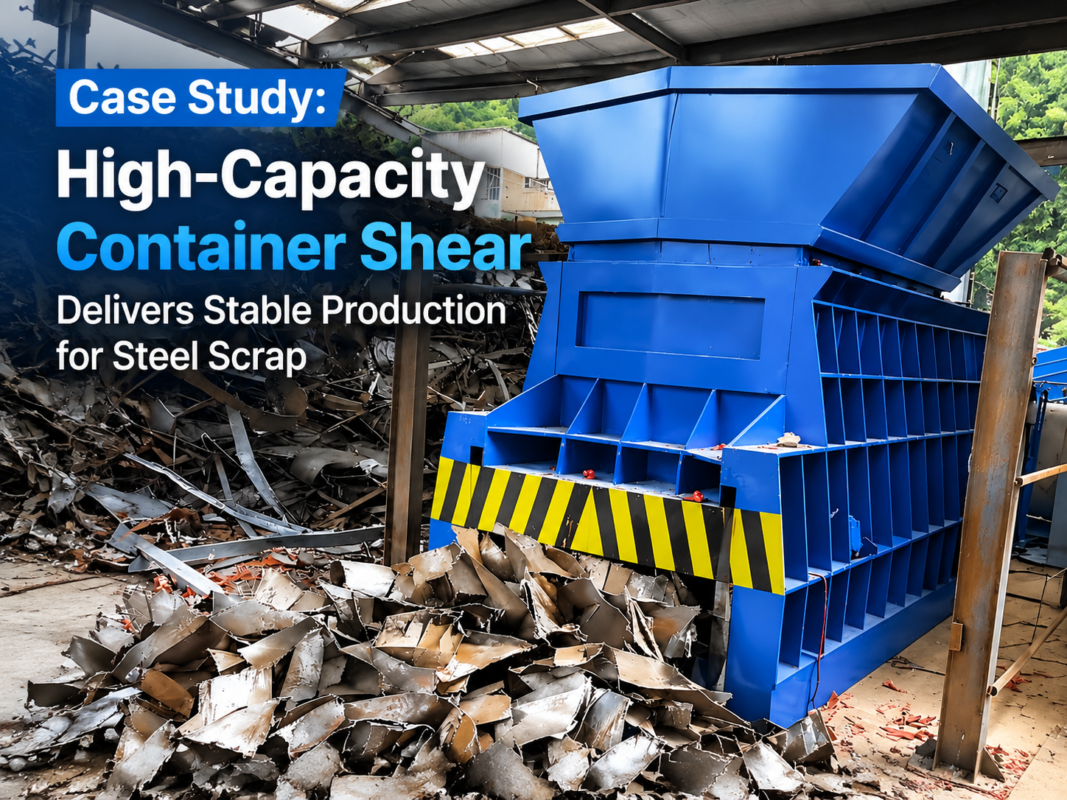
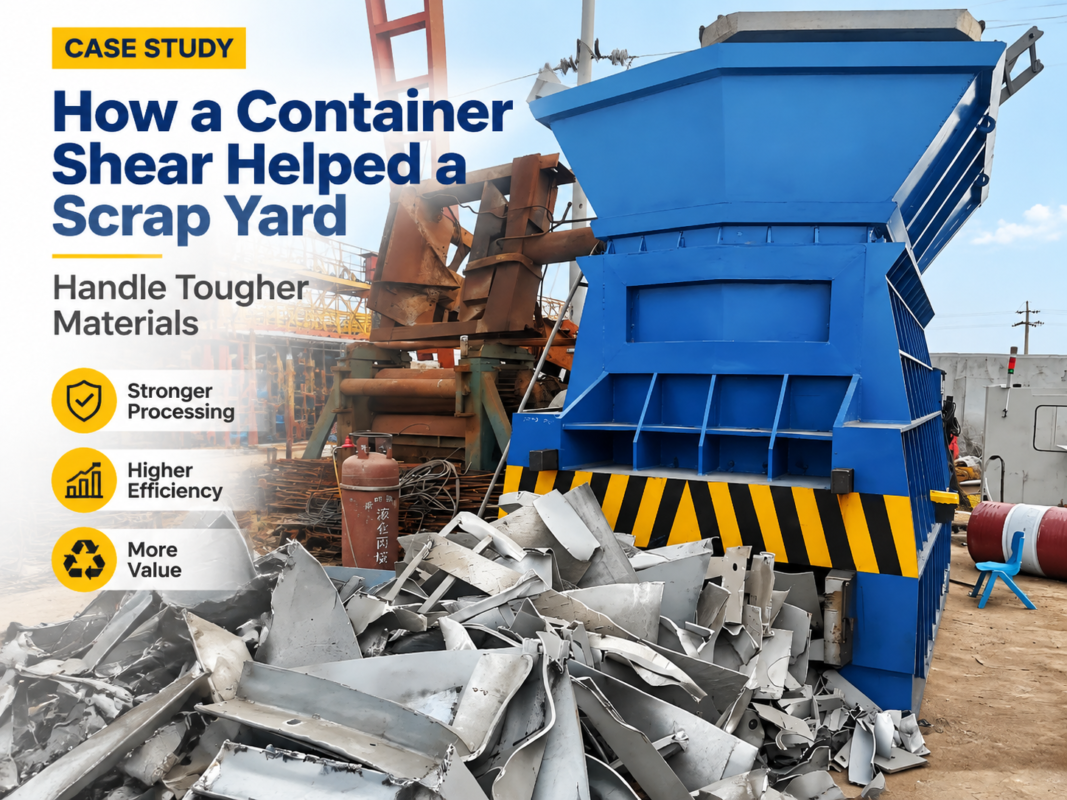
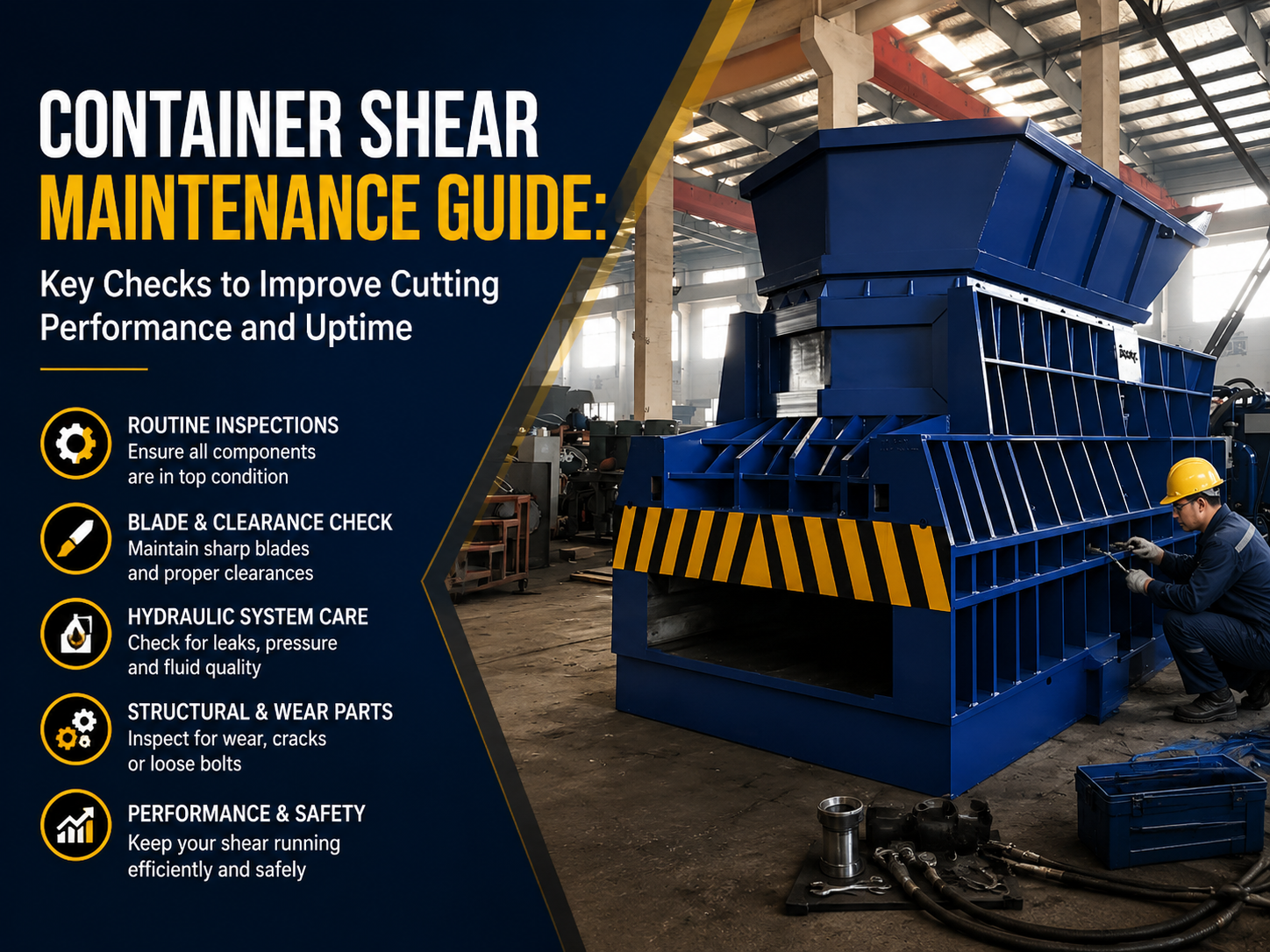
Container Shear Maintenance Guide: Key Checks to Improve Cutting Performance and Uptime

Technical Overview of Container Shears
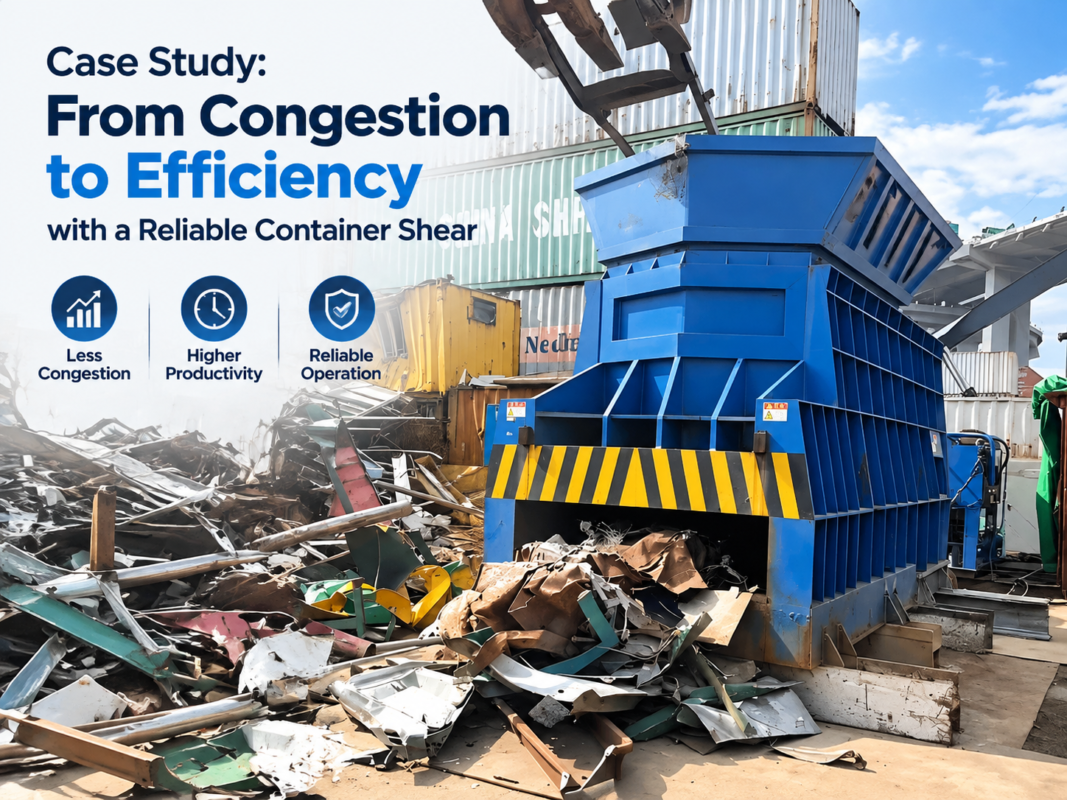
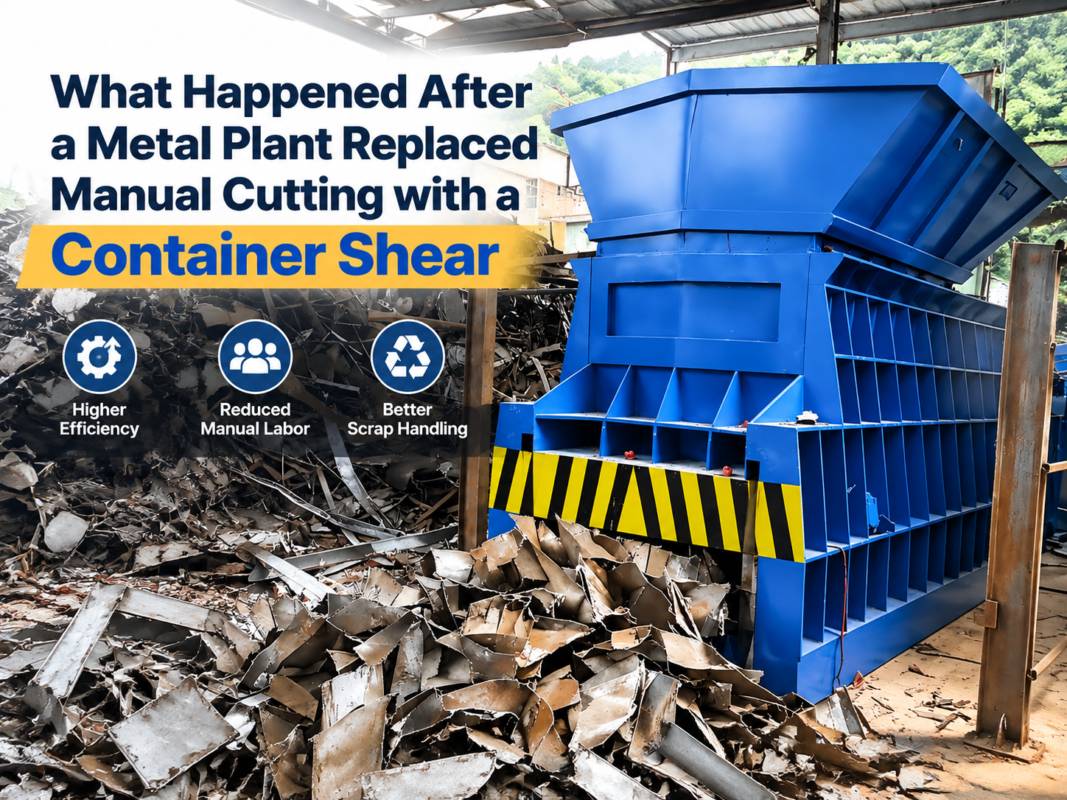
The container shear, often referred to as a box shear, represents a pinnacle of scrap metal processing technology. Unlike traditional guillotine shears that require manual feeding or complex conveyor systems, the container shear utilizes a large integrated hopper or ‘box’ to compress and feed scrap directly into the shearing head. This design significantly enhances throughput and safety in high-volume recycling yards. At its core, the machine relies on massive hydraulic force, precision-engineered blades, and a robust structural frame to transform bulky scrap into manageable, high-density furnace-ready pieces.
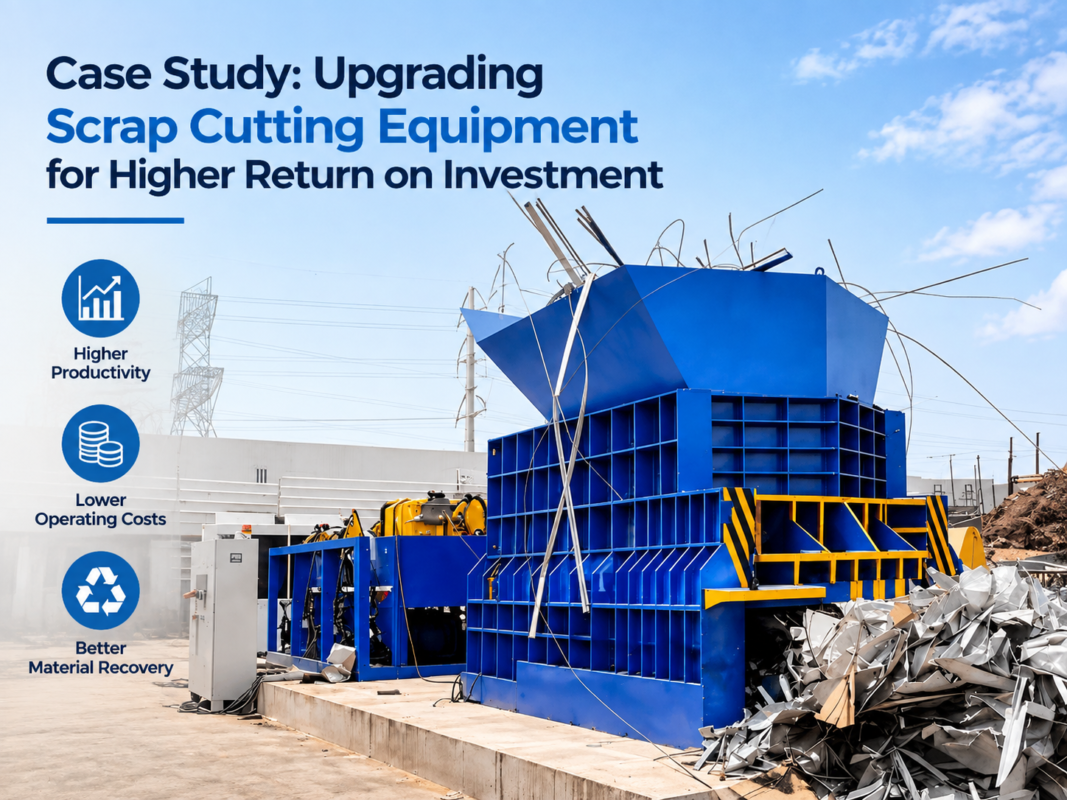
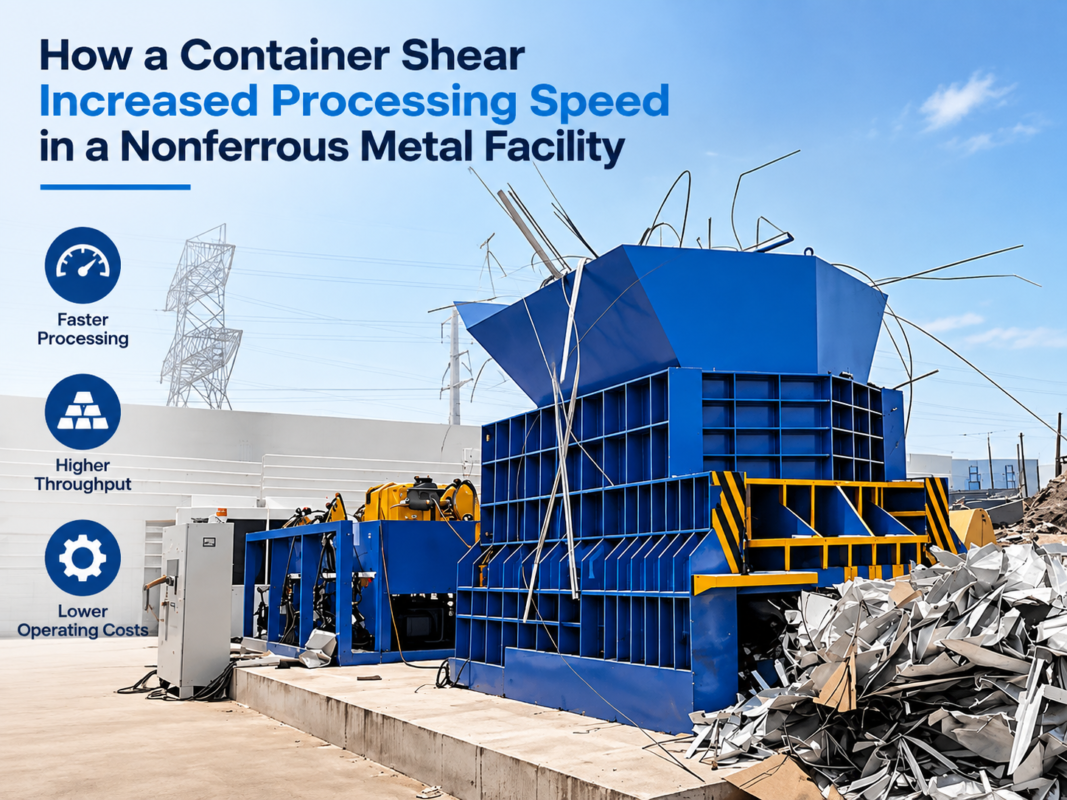
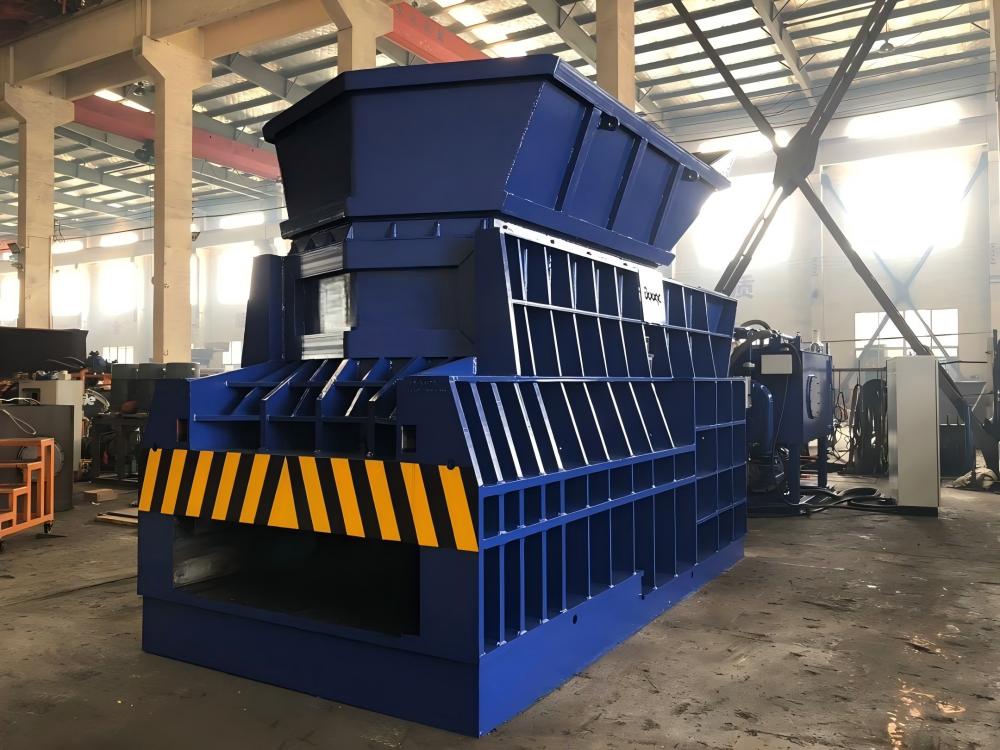
HARSLE container shears are engineered with a focus on structural rigidity and hydraulic efficiency. The machine typically consists of a feeding box, a compression lid (in some models), a pusher cylinder, and the shearing head. The shearing action is vertical, driven by high-pressure hydraulic cylinders that can exert hundreds of tons of force. Because these machines operate in harsh environments—dealing with abrasive dust, varying metal hardness, and extreme weather—a rigorous maintenance schedule is not just a recommendation; it is a prerequisite for operational survival.
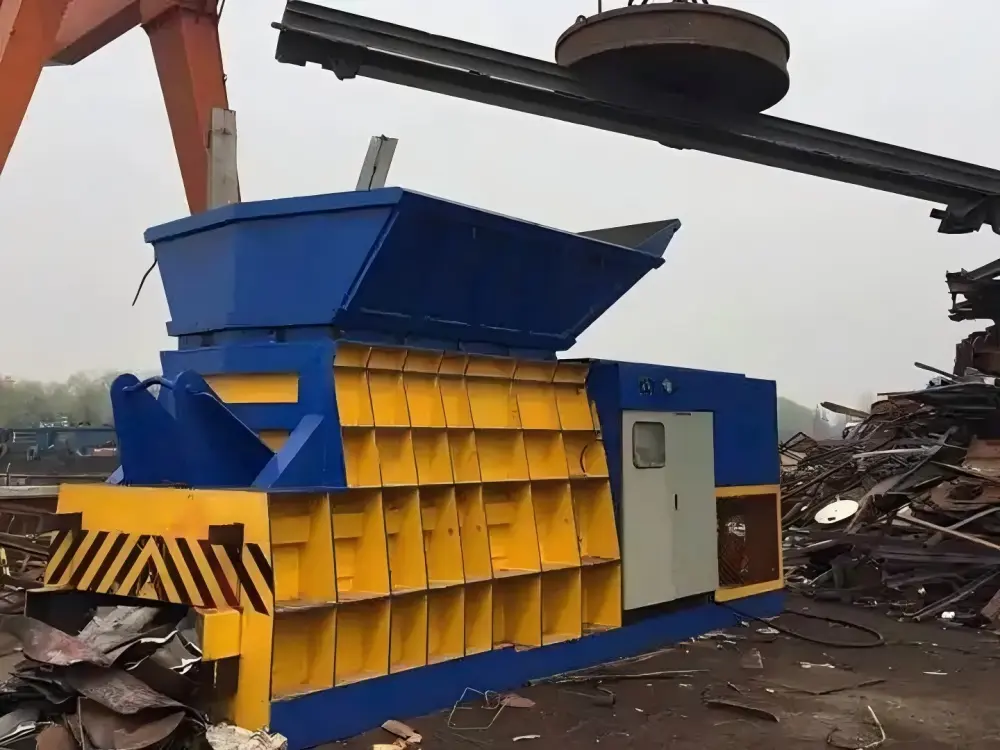
Understanding the technical synergy between the hydraulic system and the mechanical structure is vital. The hydraulic pumps provide the flow and pressure, while the PLC (Programmable Logic Controller) manages the timing of the pusher and the shear stroke. If any component in this chain falters, the entire system’s efficiency drops. Maintenance focuses on preserving this synergy by ensuring that the mechanical tolerances remain tight and the hydraulic fluid remains clean and cool.
Core Parameters of Container Shears
When discussing maintenance and performance, we must first define the core parameters that dictate a container shear’s capability. These parameters are the benchmarks against which maintenance success is measured. If a machine is rated for 600 tons but only delivers 450 tons due to internal leakage or dull blades, it is failing its core parameters.
- Shearing Force: Measured in tons (T) or kilonewtons (kN), this is the maximum pressure the main cylinder can exert on the blades. Maintenance ensures that the hydraulic seals and pump efficiency maintain this force.
- Blade Length: This determines the maximum width of the scrap that can be processed in a single stroke. Blade maintenance (sharpening and gapping) is critical here.
- Cycle Time: The time taken for a full stroke (down and up). Slow cycle times often indicate hydraulic pump wear or clogged filters.
- Box Dimensions: The length and width of the feeding area. Structural maintenance ensures the box walls do not warp under the immense pressure of the pusher.
- Motor Power: Usually measured in kW, the electric motors drive the hydraulic pumps. Electrical maintenance ensures these motors run without overheating or drawing excessive current.
By monitoring these parameters, operators can detect early signs of degradation. For instance, a gradual increase in cycle time is a classic symptom of hydraulic fluid aeration or pump cavitation. Similarly, a decrease in effective shearing force often points toward worn piston seals or a malfunctioning relief valve. Keeping a daily log of these parameters is the first step in a professional maintenance program.
Calculation Method for Shearing Requirements
To maintain a container shear effectively, one must understand the physics of the work it performs. The shearing force required is not a static number; it depends entirely on the material being cut. The basic formula for calculating the required shearing force (F) is:
F = L × S × τ
Where:
L = Length of the cut (blade width in contact with material)
S = Thickness of the material
τ = Shear strength of the material (typically about 70-80% of the ultimate tensile strength)
In a container shear, the material is often bundled or compressed, meaning the ‘S’ value is an aggregate thickness. If the machine is consistently pushed beyond its calculated capacity, the structural frame will suffer from fatigue, and the hydraulic system will overheat. Maintenance teams use these calculations to advise operators on what types of scrap are ‘safe’ for the machine’s current state. For example, if the blades are slightly dull, the required force increases significantly, potentially exceeding the machine’s relief valve settings and causing the system to bypass, which results in an incomplete cut.
Furthermore, the ‘Clearance Factor’ must be considered. The gap between the upper and lower blades should typically be 5% to 10% of the material thickness. If the gap is too wide, the metal will ‘fold’ rather than ‘shear,’ leading to massive mechanical stress on the blade seats and the main ram guides. Regular measurement of this gap is a ‘Key Check’ that directly improves cutting performance and uptime.
Container Shear Technical Parameter Table
The following table outlines the standard specifications for HARSLE container shears. Maintenance protocols should be adjusted based on the specific tonnage and power of the unit.
| Model Series | Shearing Force (Tons) | Blade Length (mm) | Max. Cutting Thickness (mm) | Motor Power (kW) | Cycle Time (sec) |
|---|---|---|---|---|---|
| HCS-400 | 400 | 1200 | 60 | 45 x 2 | 18-25 |
| HCS-630 | 630 | 1500 | 80 | 75 x 2 | 20-30 |
| HCS-800 | 800 | 1800 | 100 | 90 x 2 | 22-35 |
| HCS-1000 | 1000 | 2000 | 120 | 110 x 2 | 25-40 |
| HCS-1250 | 1250 | 2200 | 140 | 110 x 3 | 30-45 |
Common Engineering Mistakes in Maintenance
One of the most frequent mistakes in container shear maintenance is the neglect of hydraulic oil quality. Many operators assume that as long as the oil level is high, the machine is fine. However, hydraulic oil in a shear undergoes extreme pressure and temperature fluctuations. Over time, the oil breaks down (oxidation) and accumulates microscopic metal particles. These particles act as an abrasive paste, wearing down the precision surfaces of the directional valves and the pump vanes. Failing to change filters every 500-1000 hours is a recipe for a multi-thousand-dollar pump failure.
Another common error is improper blade shimming. When blades are turned or replaced, they must be shimmed to maintain the correct clearance. Some technicians use ‘eye-balling’ instead of feeler gauges. An uneven gap causes ‘side-loading’ on the shear ram. This side-loading wears out the bronze or phenolic wear plates (gibbs) that guide the ram. Once these guides are worn, the ram can tilt, leading to catastrophic failure of the main cylinder seals or even a cracked ram housing.
Ignoring the lubrication of the pusher and lid hinges is a third major mistake. Because these machines are often covered in dust, grease nipples can become clogged or hidden. If the pusher plate is not lubricated, it creates immense friction against the box floor. This not only wastes energy but also thins the floor plate over time, eventually requiring expensive welding and machining repairs. A ‘dry’ machine is a machine that is slowly destroying itself.
Finally, over-reliance on the PLC’s automated warnings can be dangerous. While modern HARSLE shears have advanced diagnostics, they cannot ‘feel’ a loose bolt or ‘see’ a hairline crack in a hydraulic hose. Physical inspections—the ‘walk-around’—remain the most effective tool in a maintenance kit. Technicians often wait for a sensor to trip before investigating, by which time the damage is often already done.
Selection Checklist for Maintenance-Friendly Shears
If you are in the process of selecting a new container shear, or evaluating your current fleet, use this checklist to ensure the machine is designed for high uptime and easy maintenance:
- Centralized Lubrication System: Does the machine have an automated greasing system for all major pivot points? This reduces the risk of human error.
- Accessible Filter Locations: Are the hydraulic filters easy to reach, or do they require dismantling half the machine? Easy access encourages regular changes.
- Blade Design: Are the blades four-sided? This allows you to flip the blade three times before needing a full regrind, quadrupling the life of the part.
- Hydraulic Cooling: Does the unit have an oversized air or water cooling system? Heat is the #1 enemy of hydraulic components.
- Wear Plate Material: Are the box and ram lined with high-abrasion-resistant steel (like Hardox)? This significantly extends the interval between major structural overhauls.
- Diagnostic Interface: Does the control panel provide real-time pressure and temperature readings for each circuit?
- Bolt-on Guides: Are the ram guides adjustable and replaceable? Avoid machines with welded guides that require heavy machining to repair.
Key Checks to Improve Cutting Performance and Uptime
To truly maximize uptime, maintenance must be proactive. Here are the critical checks that should be performed regularly:
1. Blade Clearance and Sharpness
Check the gap between the upper and lower blades every shift. For most scrap, a gap of 0.5mm to 1.0mm is ideal. If the gap exceeds 1.5mm, the machine will struggle with thin materials, leading to ‘jamming’ where the metal wedges between the blades. Additionally, inspect the leading edge of the blades. If they are rounded, the shearing force required increases by up to 30%, putting unnecessary strain on the hydraulics.
2. Hydraulic Fluid Analysis
Don’t just change the oil; analyze it. Use a patch test or send a sample to a lab. Look for ‘varnish’ (a sign of overheating) and metal counts. If you see high levels of brass, your pump is failing. If you see high levels of chrome, your cylinder rods are wearing. This ‘blood test’ for your machine allows you to schedule repairs before a breakdown occurs.
3. Structural Bolt Torque
The vibration and shock loads of shearing can loosen even the largest bolts. Monthly, use a torque wrench to check the foundation bolts, the blade retaining bolts, and the cylinder mounting bolts. A loose blade bolt can lead to a shattered blade, which is both expensive and extremely dangerous.
4. Accumulator Pressure
Many container shears use hydraulic accumulators to provide a ‘boost’ of speed or to dampen shocks. If the nitrogen pre-charge in these accumulators leaks, the machine will become ‘jerky’ and the hydraulic lines will vibrate violently (water hammer effect). Check the pre-charge pressure every six months.
FAQ: Container Shear Maintenance
How often should I flip the shearing blades?
This depends on the material being processed. For clean, soft steel, you may get 200-300 hours per edge. For abrasive or high-carbon scrap, you might need to flip them every 80-100 hours. Monitor the ‘burr’ on the cut scrap; a large burr indicates it’s time to flip or sharpen.
What is the ideal hydraulic oil temperature?
Most systems are designed to operate between 40°C and 55°C (104°F – 131°F). If the temperature exceeds 60°C, the oil viscosity drops, leading to poor lubrication and seal damage. If your machine consistently runs hot, check the cooling fan and the heat exchanger for blockages.
Why is my shear losing power during the cut?
This is usually caused by ‘internal bypassing.’ Either the main cylinder seals are leaking (allowing oil to move from the pressure side to the return side) or the main relief valve is stuck partially open. Another possibility is a failing hydraulic pump that cannot maintain pressure under load.
Can I weld the blades if they chip?
It is generally not recommended to weld industrial shear blades. They are made of specialized tool steel and undergo specific heat treatments. Welding introduces localized heat that can make the blade brittle, leading to a catastrophic shatter during the next cut. It is safer to grind out small chips or replace the blade.
How do I know if my ram guides need adjustment?
If you notice the upper blade ‘kicking’ to one side as it enters the cut, or if you see uneven wear patterns on the face of the blades, your guides are likely loose. Use a feeler gauge to check the clearance between the ram and the wear plates according to the manufacturer’s specifications.
What is the most important daily task?
Cleaning. Removing scrap debris from around the cylinders and the limit switches prevents mechanical interference and allows you to see hydraulic leaks that would otherwise be hidden by dirt and oil.