Container Shear Technical Guide: Working Principles, Structure, and Industrial Applications

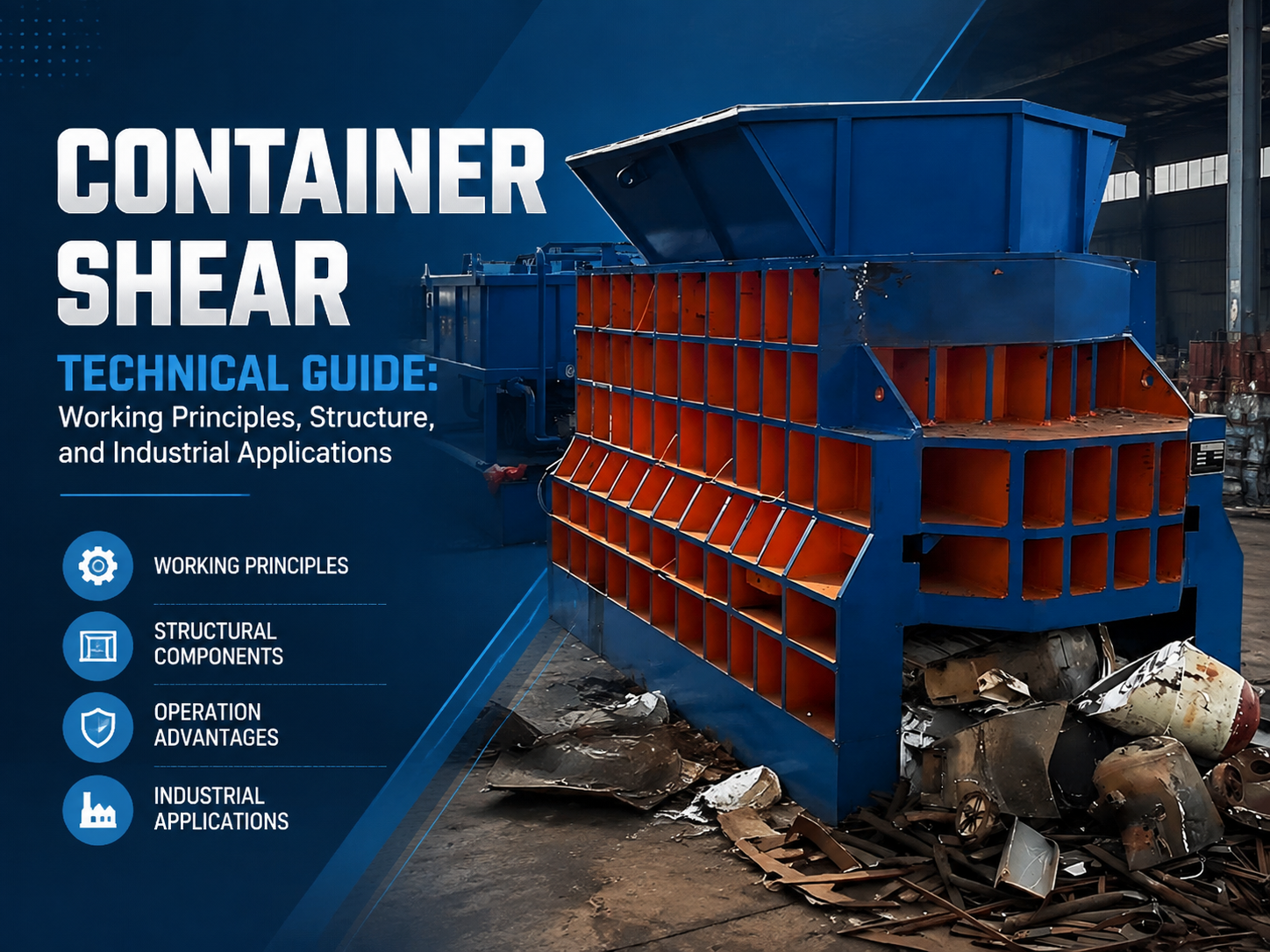
Technical Overview of Container Shears
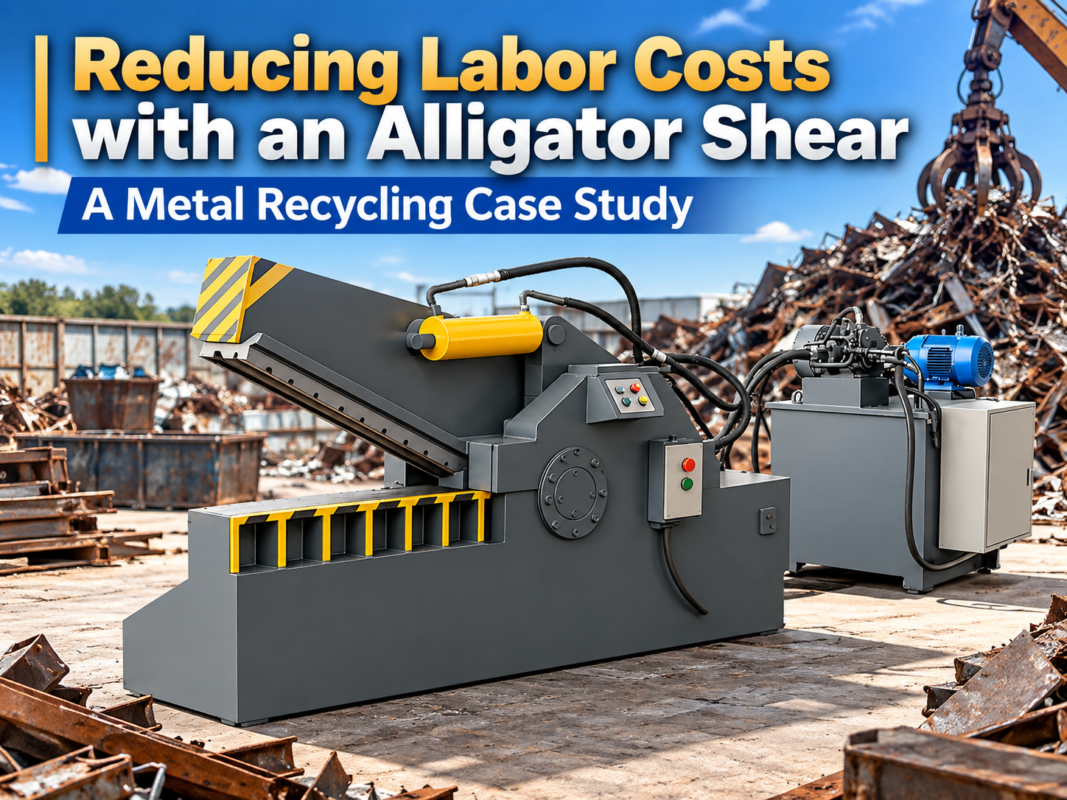
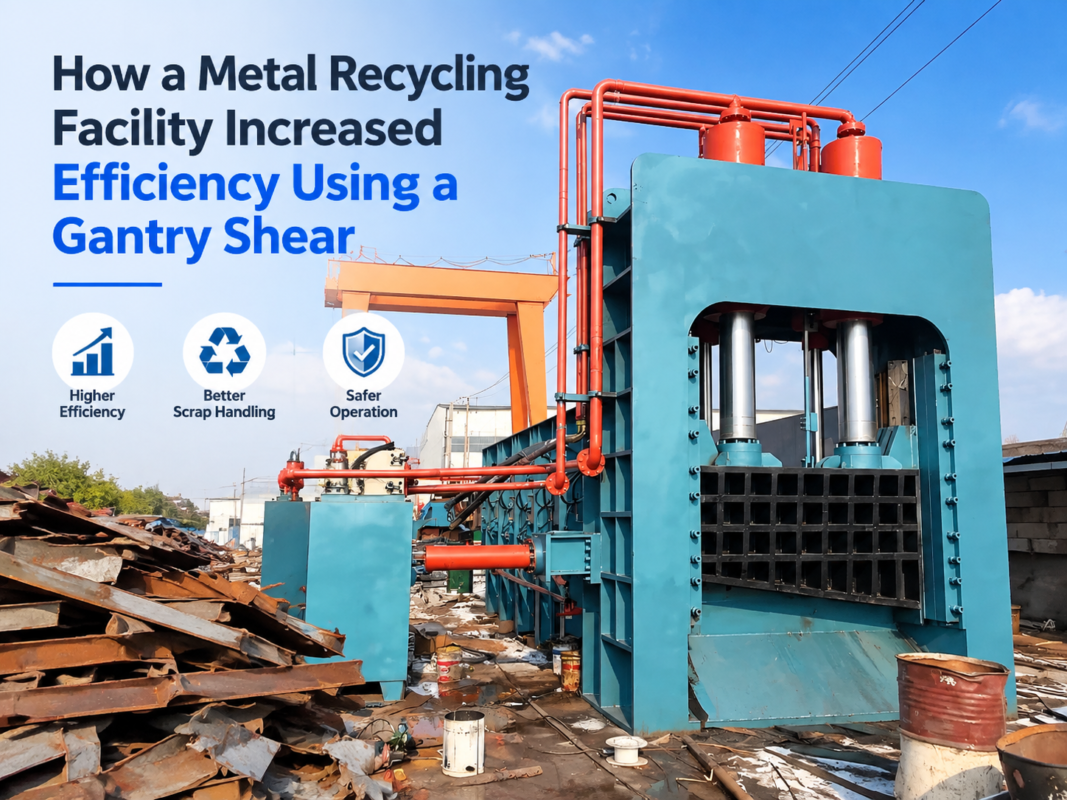
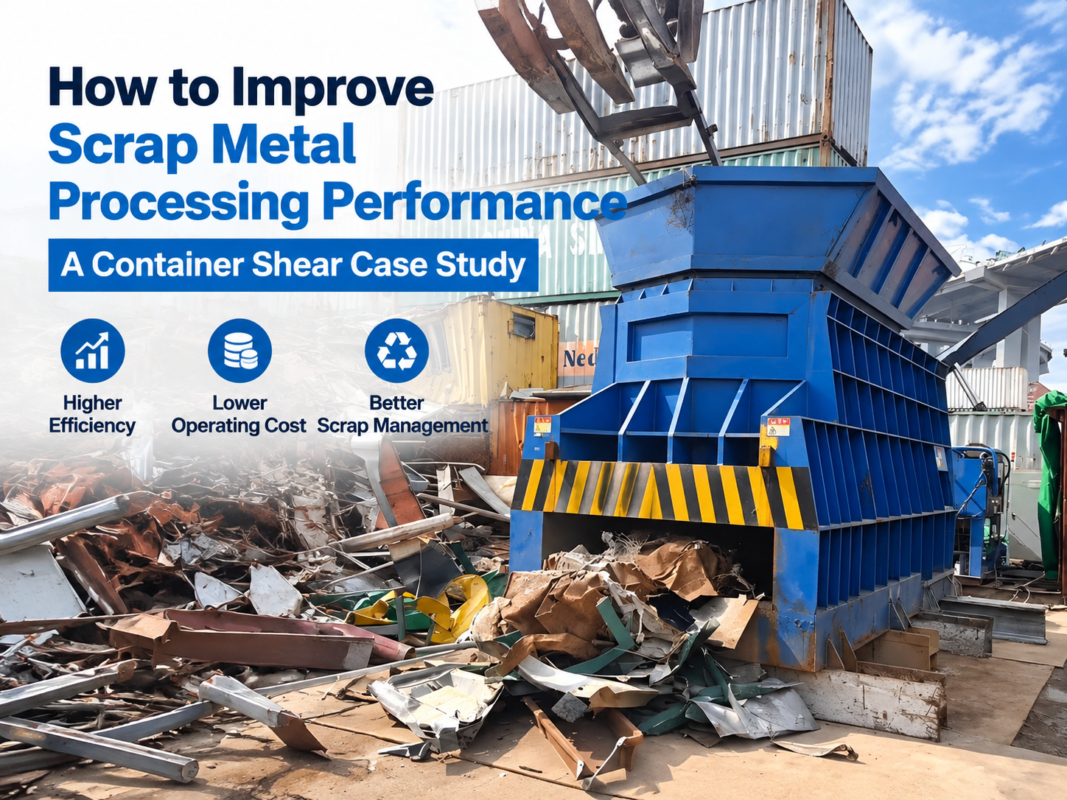
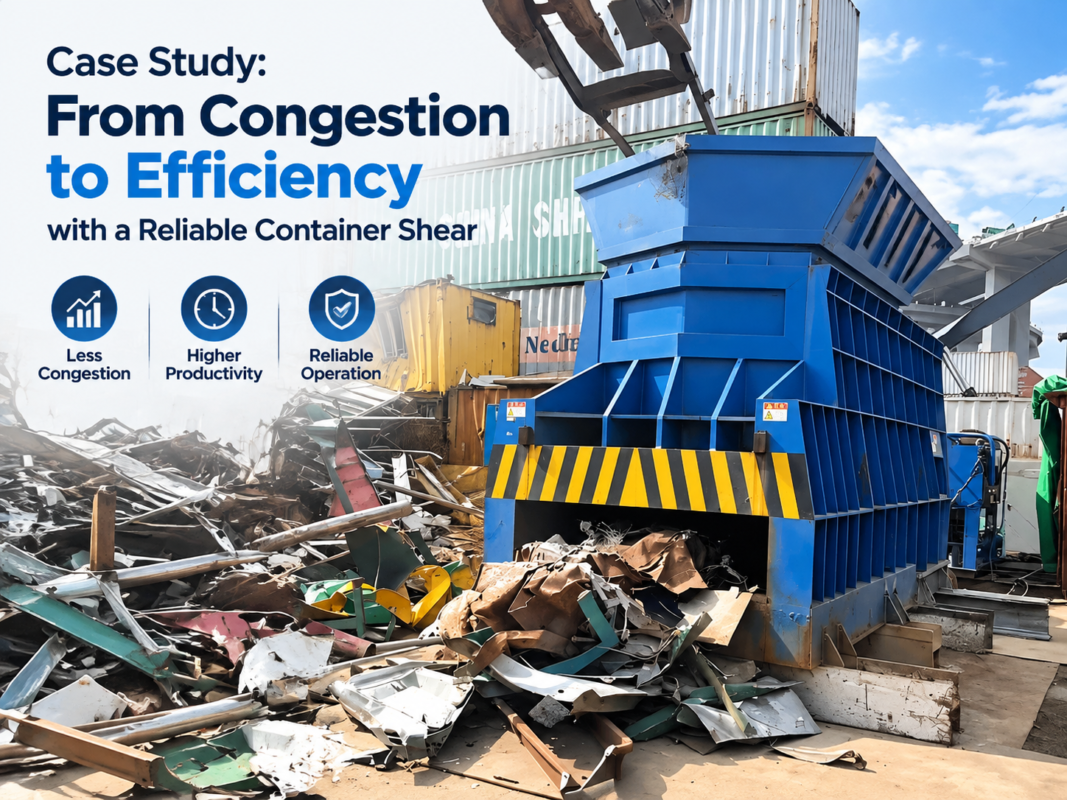
In the modern landscape of metal recycling and industrial waste management, the container shear stands as a pinnacle of efficiency and power. Unlike traditional alligator shears or stationary gantry shears, the container shear is designed for high-volume, continuous processing of scrap metal. The Container Shear Technical : Working Principles, Structure, Industrial Applications are critical for any facility looking to optimize its throughput and reduce labor costs. These machines are characterized by their integrated “box” or “container” design, which allows for the direct loading of bulky scrap materials without the need for extensive pre-sorting or manual cutting.
The primary advantage of a container shear lies in its mobility and its automated feeding mechanism. HARSLE has engineered these machines to handle a diverse range of materials, from light structural steel to heavy automotive scrap. The technical sophistication of these units involves a complex interplay between high-pressure hydraulics, precision-machined blades, and advanced PLC (Programmable Logic Controller) systems. By understanding the underlying mechanics, operators can maximize the lifespan of the equipment while maintaining peak performance levels.
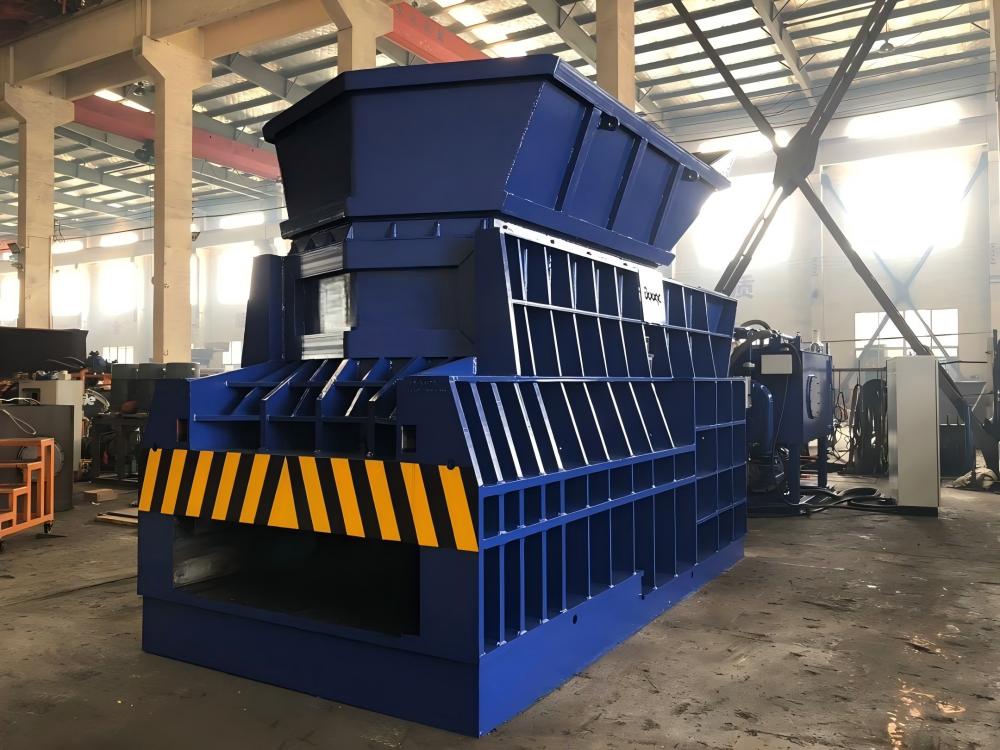
Technically, a container shear operates as a horizontal shearing unit. The material is loaded into a large hopper or “container,” where a hydraulic pusher ram forces the scrap toward the shearing head. This design minimizes the risk of material jamming and ensures that the blades are always engaged with the optimal amount of metal. The integration of energy-efficient hydraulic pumps and regenerative circuits allows these machines to achieve rapid cycle times, which is a key metric in industrial profitability.
Furthermore, the structural integrity of the container shear is paramount. The frame is typically constructed from high-tensile Q345B or Q355B steel plates, welded using submerged arc techniques to ensure maximum stress resistance. Because the shearing process generates immense lateral and vertical forces, the machine’s foundation and frame must be able to absorb these vibrations without compromising the alignment of the cutting blades. This technical guide will delve deeper into the specific components and calculations that define these powerful machines.
Working Principles: The Mechanics of Shearing
The operational cycle of a container shear is a four-stage process: Loading, Compressing, Shearing, and Discharging. Understanding these stages is essential for grasping the Container Shear Technical : Working Principles, Structure, Industrial Applications. The process begins when the scrap metal is dropped into the feeding box. Unlike gantry shears that require a separate baling lid, the container shear uses a horizontal pusher to move the material. This pusher is driven by a massive hydraulic cylinder, often capable of exerting hundreds of tons of force.
As the pusher moves forward, it compresses the scrap against the shear head. This pre-compression is vital because it increases the density of the material, making the subsequent shearing action more efficient. Once the material reaches the shearing zone, the vertical shear cylinder descends. The blades, made from high-alloy tool steel (such as Cr12MoV or 6CrW2Si), slice through the metal. The clearance between the upper and lower blades is precisely calibrated—usually between 0.5mm and 1.5mm depending on the material thickness—to ensure a clean cut and prevent blade chipping.
The hydraulic system is the heart of this principle. It utilizes a variable displacement piston pump that adjusts the flow rate based on the resistance encountered. When the blades first touch the metal, the pressure is low but the flow is high, allowing for rapid movement. As the resistance increases during the cut, the system automatically shifts to high pressure and lower flow, providing the necessary force to shear through thick steel sections. This “load-sensing” capability is a hallmark of modern HARSLE container shears.
Finally, the sheared material falls through the discharge chute, often onto a conveyor belt for sorting. The pusher ram then retracts, and the cycle repeats. The entire process is managed by a PLC, which monitors pressure sensors, limit switches, and oil temperature to ensure the machine operates within safe parameters. This automated cycle reduces the need for constant operator intervention, significantly lowering the risk of workplace accidents.
Core Parameters and Structural Components
To fully appreciate the Container Shear Technical : Working Principles, Structure, Industrial Applications, one must examine the core parameters that define its performance. The most critical parameter is the Shear Force, measured in tons (T) or kilonewtons (kN). Common industrial sizes range from 400T to 1250T. This force determines the maximum thickness of the steel plate or the diameter of the rebar the machine can process. For instance, a 630T shear can typically handle mild steel plates up to 40mm thick or round bars up to 90mm in diameter.
Another vital parameter is the Blade Length. A longer blade allows for wider pieces of scrap to be processed in a single stroke, but it also requires more force to maintain the same pressure per square inch. Most container shears feature blades ranging from 1200mm to 2000mm. The Cycle Time is also a key performance indicator; a faster cycle time (e.g., 3-4 cuts per minute) directly translates to higher daily output. This is achieved through high-flow hydraulic valves and optimized cylinder stroke lengths.
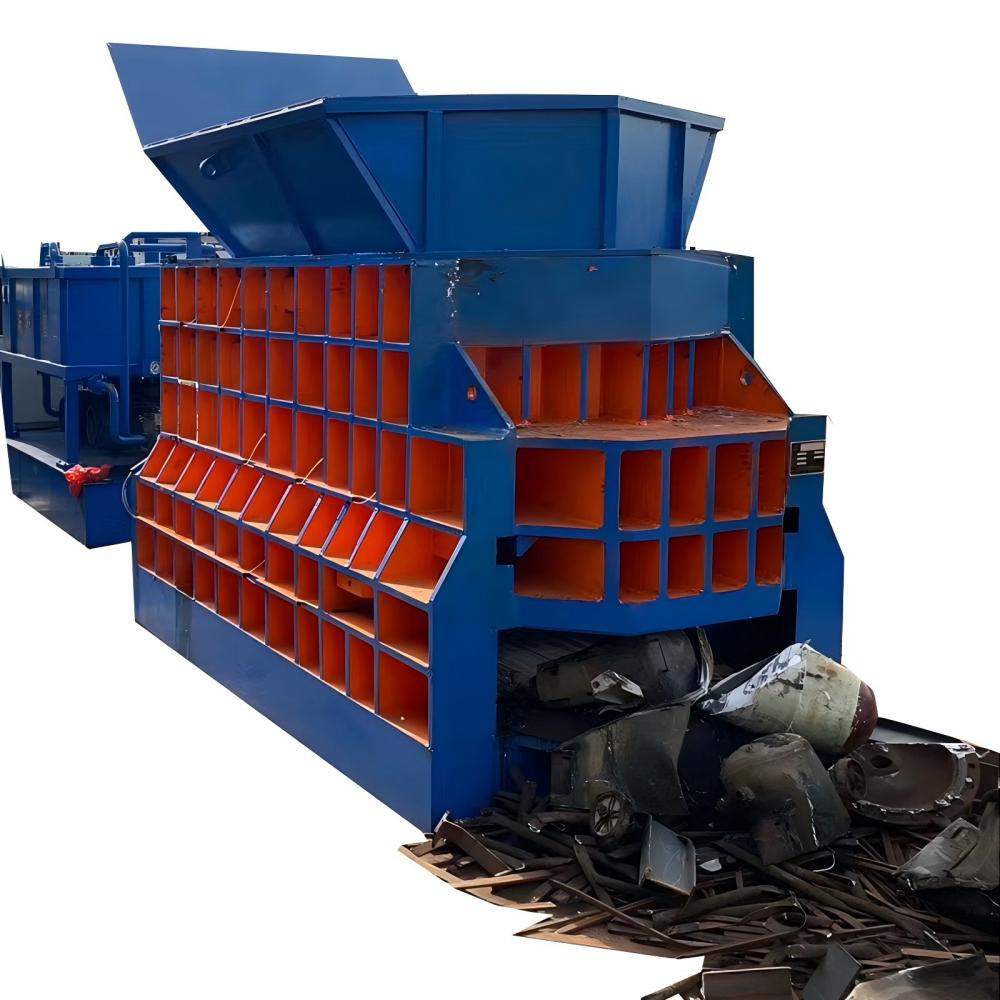
Structurally, the machine is divided into several main assemblies:
- The Shear Frame: A heavy-duty welded structure that houses the blades and the main shear cylinder. It must be rigid enough to prevent deflection during high-pressure cycles.
- The Feeding Box: A large, wear-resistant container where the scrap is loaded. It is often lined with Hardox or similar high-abrasion steel plates to withstand the constant friction of scrap metal.
- The Hydraulic Power Unit (HPU): Consists of the oil tank, electric motors, hydraulic pumps, and a cooling system (air or water-cooled).
- The Control System: Includes the electrical cabinet, PLC, and HMI (Human Machine Interface) touch screen for monitoring and adjusting parameters.
Calculation Method for Shearing Force
Calculating the required shear force is a fundamental aspect of engineering a container shear. The force required depends on the material’s cross-sectional area and its ultimate shear strength. The general formula used by engineers is:
F = L × S × τ
Where:
- F is the Shearing Force (Newtons).
- L is the length of the cut (mm).
- S is the thickness of the material (mm).
- τ is the shear strength of the material (MPa).
For example, if you are shearing a mild steel plate that is 1000mm wide and 20mm thick, and the shear strength of mild steel is approximately 350 MPa, the calculation would be: 1000 × 20 × 350 = 7,000,000 Newtons, or roughly 700 tons of force. However, in practice, a safety factor of 1.2 to 1.5 is applied to account for blade wear, material impurities, and the mechanical efficiency of the hydraulic system. Therefore, a machine rated for 1000 tons would be recommended for this application to ensure longevity and consistent performance.
Additionally, the Shear Angle (the rake angle of the blade) plays a significant role. A higher rake angle reduces the required shearing force because only a small portion of the material is being cut at any given moment. However, a high rake angle can cause more distortion in the sheared piece. Container shears typically use a moderate rake angle to balance force requirements with the quality of the cut and the stability of the machine.
Technical Parameter Table
The following table outlines the typical specifications for HARSLE container shears, providing a quick reference for technical comparison.
| Model Type | Nominal Shear Force (kN) | Blade Length (mm) | Max Cutting Thickness (mm) | Motor Power (kW) | Cycle Time (s) |
|---|---|---|---|---|---|
| CS-400 | 4000 | 1200 | 30 | 45 | 18-25 |
| CS-630 | 6300 | 1500 | 45 | 75 | 20-30 |
| CS-800 | 8000 | 1800 | 55 | 90 | 25-35 |
| CS-1000 | 10000 | 2000 | 70 | 110 | 30-40 |
| CS-1250 | 12500 | 2200 | 85 | 132 | 35-45 |
Common Engineering Mistakes in Container Shear Operation
Despite their robust design, container shears are susceptible to specific engineering and operational failures if not managed correctly. One of the most common mistakes is improper blade clearance adjustment. If the gap between the upper and lower blades is too wide, the metal will “fold” rather than shear, leading to massive stress on the hydraulic cylinders and potential frame cracking. Conversely, if the gap is too tight, the blades may clash, causing catastrophic damage to the cutting edge and the shear head.
Another frequent issue is hydraulic oil contamination. Container shears often operate in dusty, outdoor environments. If the hydraulic seals are not maintained or if the filters are not changed regularly, microscopic metal particles and dust can enter the system. This leads to premature wear of the piston pumps and valves, resulting in a loss of pressure and slower cycle times. Operators should implement a strict oil analysis program to monitor for contaminants and oxidation.
Overloading the feeding box is a third common mistake. While these machines are designed for heavy scrap, attempting to shear materials that exceed the rated capacity (e.g., trying to cut a solid 150mm shaft with a 630T shear) can cause the hydraulic system to bypass or, worse, cause structural deformation of the pusher ram. It is essential to train operators on the material limits of their specific model. Finally, neglecting the cooling system can lead to overheating. Hydraulic oil loses its viscosity at high temperatures, which reduces lubrication and can lead to pump failure. Ensuring that the heat exchangers are clean and the fans are operational is critical for continuous 24/7 operation.
Selection Checklist for Industrial Buyers
Choosing the right container shear requires a thorough evaluation of both technical specs and build quality. Use this checklist to guide your procurement process:
- Material Type & Volume: Determine the maximum thickness and the daily tonnage you need to process. This dictates the Shear Force and Motor Power.
- Blade Quality: Ensure the blades are made from high-grade alloy steel and are four-sided (rotatable) to extend their service life.
- Hydraulic Components: Look for reputable pump and valve brands (e.g., Rexroth, Parker, or high-quality domestic equivalents) to ensure parts availability.
- PLC and Automation: Does the machine include a remote control? Is the PLC interface user-friendly and capable of diagnostic reporting?
- Wear Liners: Check if the feeding box is lined with replaceable high-abrasion plates (like Hardox 500). This is crucial for long-term durability.
- Cooling System: Depending on your climate, ensure the machine has an adequate air or water cooling system to maintain oil temperature.
- Safety Features: Verify the presence of emergency stop buttons, safety interlocks on access doors, and pressure relief valves.
- Foundation Requirements: Some larger shears require specialized concrete foundations, while others are “semi-mobile” and can sit on a flat reinforced pad.
- After-Sales Support: Does the manufacturer provide installation supervision, operator training, and a reliable spare parts supply chain?
- Energy Efficiency: Inquire about variable frequency drives (VFD) or regenerative hydraulic circuits that can reduce electricity consumption.
Industrial Applications of Container Shears
The versatility of the container shear makes it indispensable across various sectors. The primary application is in Scrap Metal Recycling Yards. Here, the machine processes everything from old appliances and bicycles to structural beams from demolished buildings. By shearing the scrap into uniform lengths, recycling centers can increase the density of their shipments, significantly reducing transportation costs to steel mills.
In the Automotive Recycling Industry, container shears are used to process car bodies after the engines and fluids have been removed. The high force of the shear can easily crush and cut through the reinforced pillars and frames of modern vehicles. This is often a more efficient alternative to shredding for smaller-scale operations or as a pre-processing step for large shredders.
Demolition and Construction sites also benefit from container shears. Portable or semi-mobile units can be transported to a job site to process rebar and structural steel on-site. This allows for immediate sorting and sale of the scrap, offsetting demolition costs. Additionally, Shipbreaking Yards utilize ultra-high-capacity container shears (1000T+) to dismantle large hull sections and internal machinery, turning massive maritime structures into manageable pieces of furnace-ready scrap.
Frequently Asked Questions (FAQ)
1. How often should the blades be rotated or sharpened?
Blade life depends heavily on the material being processed. Generally, for standard mild steel scrap, blades should be checked every 80-100 hours of operation. Most HARSLE blades are four-sided, meaning you can rotate them three times before they need professional regrinding. If you notice “burring” on the cut edges or an increase in hydraulic pressure for the same material, it is time to rotate the blades.
2. Can a container shear process non-ferrous metals like aluminum and copper?
Yes, container shears are excellent for non-ferrous metals. In fact, because aluminum and copper are softer than steel, the machine will operate very efficiently. However, care must be taken to adjust the blade clearance if you are switching exclusively to thin aluminum sheets to prevent the material from folding between the blades.
3. What type of hydraulic oil is recommended?
We typically recommend high-quality anti-wear hydraulic oil, such as ISO VG 46 or VG 68, depending on the ambient operating temperature. In colder climates, a lower viscosity oil (VG 32) may be necessary for winter startups. Always refer to the HARSLE technical manual for specific oil grade requirements based on your region.
4. Is a specialized foundation required for installation?
For smaller models like the 400T, a standard reinforced concrete floor (approx. 200-300mm thick) is usually sufficient. However, for larger models like the 800T or 1250T, a dedicated foundation with deep footings and vibration-dampening pads is highly recommended to prevent the machine from shifting or cracking the surrounding floor over time.
5. What is the typical lifespan of a HARSLE container shear?
With proper maintenance—including regular oil changes, blade rotations, and greasing of moving parts—a container shear can easily last 15 to 20 years in an industrial environment. The key to longevity is addressing minor hydraulic leaks and mechanical misalignments immediately before they escalate into major failures.
6. How does a container shear compare to a gantry shear?
The main difference is the feeding method. Gantry shears usually have a separate compression box with a lid, which is better for making dense bales. Container shears use a continuous horizontal feed, which is generally faster for processing long, loose scrap. Container shears are also often more compact and easier to relocate within a yard.