Car Body Baler Troubleshooting Guide: Common Hydraulic, Electrical, and Mechanical Issues

Technical Overview of Car Body Baler Systems
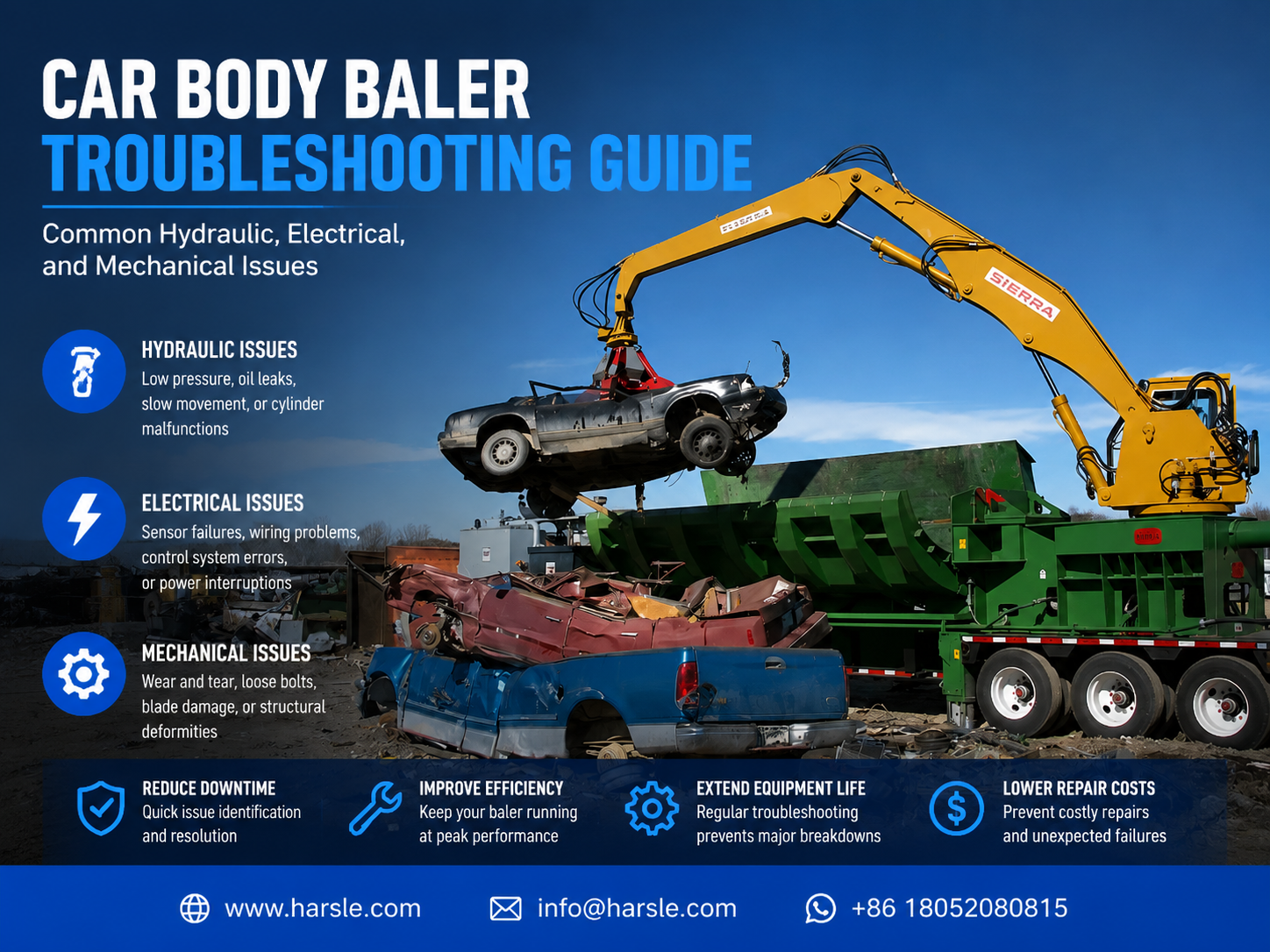
A car body baler is a sophisticated piece of heavy-duty machinery designed to compress end-of-life vehicles (ELVs) and bulky scrap metal into dense, manageable blocks. These machines are the backbone of modern scrap yards and recycling facilities, enabling efficient transport and processing of ferrous materials. To understand Car Body Baler Troubleshooting : Common Hydraulic, Electrical, Mechanical Issues, one must first grasp the integrated nature of these three core systems. The hydraulic system provides the raw force, the electrical system acts as the brain, and the mechanical structure provides the physical framework and containment for the compression process.
The hydraulic circuit typically involves high-pressure pumps, a series of control valves, and massive cylinders that actuate the compression doors and the main ram. In a HARSLE car body baler, these components are engineered for high-cycle durability. However, the harsh environment of a scrap yard—characterized by dust, temperature fluctuations, and heavy impact—can lead to wear and tear. The electrical system, often controlled by a Programmable Logic Controller (PLC), manages the timing and sequencing of these movements, ensuring that the machine operates safely and efficiently. Mechanical components, including the bale chamber, hinges, and cutting blades, must withstand immense structural stress during every cycle.
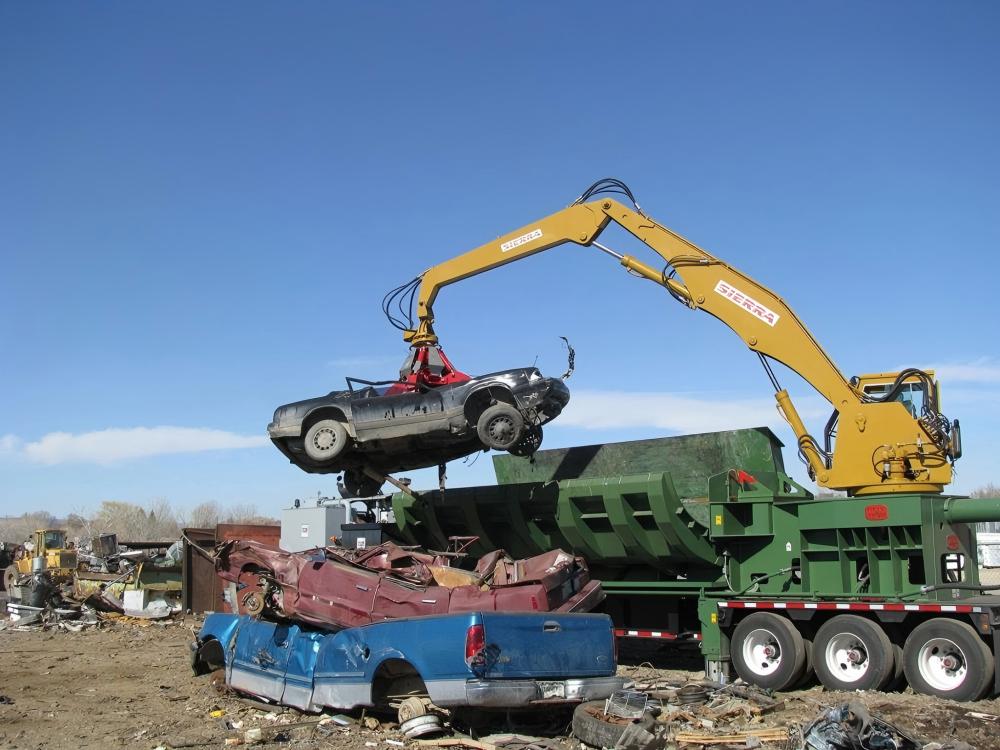
Effective troubleshooting requires a holistic approach. A symptom that appears mechanical, such as a door failing to close completely, might actually be rooted in a hydraulic pressure drop or an electrical sensor misalignment. Therefore, technicians must be trained to look beyond the immediate symptom to find the root cause. This guide serves as a comprehensive resource for identifying and resolving the most frequent challenges encountered during the operation of car body balers, ensuring maximum uptime and operational safety.
Core Parameters of High-Performance Balers
When evaluating or troubleshooting a car body baler, understanding its core parameters is essential. These specifications define the machine’s capabilities and provide a baseline for performance monitoring. The primary parameter is the Nominal Pressure, usually measured in Kilonewtons (kN) or tons. This represents the maximum force the main ram can exert. For car body baling, this typically ranges from 2000kN to over 6000kN, depending on the desired bale density and the thickness of the scrap being processed.
Another critical parameter is the Cycle Time. This is the duration required to complete one full compression and ejection cycle. A slow cycle time often indicates a hydraulic efficiency issue, such as a worn pump or internal valve leakage. The Bale Size and Bale Density are also vital; if a machine consistently produces loose or oversized bales, it suggests that the system is not reaching its peak operating pressure. Finally, the Motor Power (measured in kW) and Oil Tank Capacity dictate the machine’s ability to handle continuous operation without overheating.
Calculation Method for Baling Efficiency
To accurately diagnose performance issues, engineers often use specific calculations to determine if the machine is operating within its design limits. One of the most important calculations is the Hydraulic Pressure to Force Conversion. The formula is: F = P × A, where F is the force (Newtons), P is the hydraulic pressure (Pascals), and A is the surface area of the cylinder piston (square meters). If the measured force is lower than the calculated force at a given pressure, there is likely a mechanical friction issue or internal cylinder bypass.
Another useful metric is Bale Density, calculated as D = M / V, where M is the mass of the bale and V is its volume. For car bodies, a density of 450-600 kg/m³ is often targeted for optimal shipping. If the density drops, troubleshooting should focus on the pressure relief valve settings or the final stroke position of the ram. Furthermore, Pump Flow Rate can be calculated to check for hydraulic efficiency: Q = (V × 60) / t, where Q is flow (L/min), V is the volume of the cylinder, and t is the time taken for a full stroke. Discrepancies here point directly to pump wear or suction line restrictions.
Parameter Table: HARSLE Car Body Baler Specifications
The following table outlines the typical specifications for various grades of car body balers. These values serve as a reference point for troubleshooting and selection.
| Model Series | Nominal Force (kN) | Bale Size (mm) | Cycle Time (s) | Motor Power (kW) | Production (t/h) |
|---|---|---|---|---|---|
| H-2500 | 2500 | 500 x 500 | 90 – 110 | 37 | 4 – 6 |
| H-4000 | 4000 | 600 x 600 | 100 – 120 | 45 x 2 | 8 – 12 |
| H-6000 | 6000 | 800 x 800 | 120 – 150 | 55 x 3 | 15 – 20 |
| H-8000 | 8000 | 1000 x 1000 | 150 – 180 | 75 x 3 | 20 – 25 |
Common Hydraulic Issues and Solutions
Hydraulic failures are the most frequent cause of downtime in car body balers. One common issue is System Overheating. When hydraulic oil exceeds 60°C (140°F), its viscosity drops, leading to increased wear and internal leakage. This is often caused by a clogged oil cooler, a malfunctioning cooling fan, or a relief valve that is stuck open, causing the pump to work against a constant load. Regular cleaning of the heat exchanger and checking the thermostat settings can resolve this.
Slow Operation or Loss of Power is another major hydraulic concern. If the ram moves slowly, the first step is to check the oil level and the condition of the suction filters. Air entering the system (aeration) or a cavitating pump will cause jerky movements and a distinct whining noise. If the oil appears foamy, there is a leak in the suction line. If the pressure cannot be maintained, the main relief valve may be contaminated with debris, preventing it from seating properly. Cleaning or replacing the valve cartridge is the standard fix.
External Leaks are not just a maintenance nuisance; they are a safety hazard and a source of environmental contamination. Most leaks occur at hose fittings, cylinder rod seals, or valve manifold gaskets. In a car body baler, the vibration from crushing metal can loosen hydraulic connections over time. Implementing a weekly tightening schedule and replacing seals at the first sign of weeping can prevent catastrophic hose bursts during high-pressure cycles.
Electrical and Control System Troubleshooting
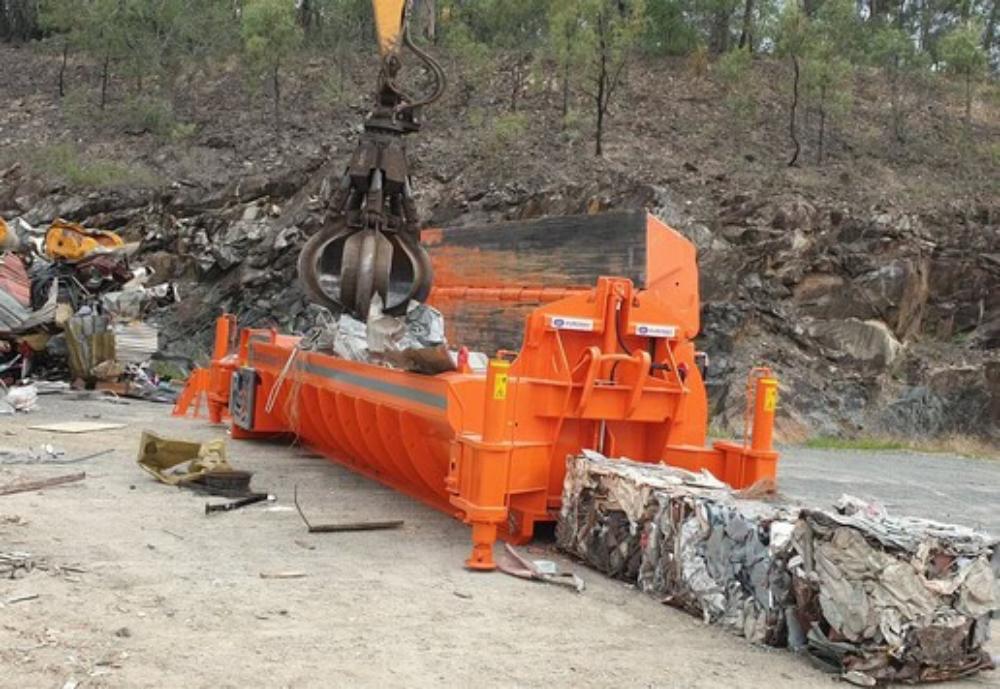
Modern balers rely heavily on electrical components for automation and safety. PLC Failure or Logic Errors can cause the machine to stop mid-cycle or refuse to start. Often, the issue isn’t the PLC itself but the inputs it receives. Check the status LEDs on the PLC; if an input light for a “door closed” sensor isn’t lit when the door is physically closed, the sensor is either misaligned, dirty, or faulty. Proximity sensors in scrap yards are particularly prone to damage from flying debris.
Motor Starter and Contactor Issues are common in high-vibration environments. If the main motor hums but doesn’t turn, it may be “single-phasing” due to a blown fuse or a burnt contactor point. Technicians should use a multimeter to verify voltage across all three phases. Additionally, the Emergency Stop (E-Stop) circuit is a frequent culprit for sudden shutdowns. A loose wire in any E-Stop button or a tripped safety relay will prevent the control circuit from energizing.
Wiring and Connection Integrity is vital. The constant vibration of the baling process can cause terminal screws to back out. This leads to intermittent faults that are notoriously difficult to diagnose. A “thermal scan” of the electrical cabinet while the machine is under load can identify hot spots caused by loose connections before they lead to a fire or component failure. Ensure all conduits are intact and that cables are not rubbing against sharp metal edges of the frame.
Mechanical Structural Issues
The mechanical frame of a car body baler undergoes extreme stress. Structural Cracking is a serious issue that usually occurs at weld joints or high-stress pivot points. Regular visual inspections are necessary to catch these cracks early. If left unattended, a crack can propagate, leading to a catastrophic failure of the bale chamber. Welding repairs should only be performed by certified professionals using the correct filler material to match the high-tensile steel of the frame.
Blade Wear and Misalignment affect the machine’s ability to shear through metal parts that overhang the chamber. If the blades are dull or the gap between them is too wide, the metal will “fold” rather than cut, causing the ram to jam. This increases the load on the hydraulic system and can bend the ram guide slides. Blades should be rotated or sharpened regularly, and the clearance should be adjusted according to the manufacturer’s specifications (typically 0.5mm to 1.0mm).
Hinge and Pivot Pin Lubrication is often overlooked. These components carry the full load of the compression doors. Without adequate grease, the pins will gall and seize, leading to massive repair costs. An automated lubrication system is highly recommended for car body balers. If the machine makes a loud groaning or squeaking sound during door operation, it is a clear sign of dry pivots. Inspect the pins for signs of “egging” (oval deformation), which indicates that the bushings have worn through.
Common Engineering Mistakes in Baler Operation
- Overloading the Chamber: Attempting to bale materials thicker than the machine’s rated capacity can cause structural deformation and hydraulic spikes that damage the pump.
- Ignoring Oil Quality: Using the wrong grade of hydraulic oil or failing to change it when it becomes oxidized leads to premature component failure.
- Bypassing Safety Interlocks: Disabling sensors to “speed up” production is a leading cause of accidents and severe mechanical damage.
- Neglecting Daily Inspections: Most major failures are preceded by minor symptoms like small leaks or unusual noises that were ignored.
- Improper Foundation: Installing a heavy baler on an unreinforced concrete floor can lead to machine misalignment as the ground settles unevenly under the vibration.
Selection Checklist for Buying a Car Body Baler
- Force Requirement: Does the nominal pressure match the toughest scrap you intend to process?
- Chamber Size: Is the chamber large enough to accept full car bodies without extensive pre-processing?
- Hydraulic Component Brand: Does the machine use reputable brands (like Rexroth or Vickers) for valves and pumps to ensure parts availability?
- Automation Level: Do you need a fully automatic PLC-controlled cycle or a manual lever-operated system?
- Cooling System: Is the oil cooler sufficient for your local climate (air-cooled vs. water-cooled)?
- Wear Liners: Are the chamber walls equipped with replaceable high-abrasion liners (e.g., Hardox)?
- After-Sales Support: Does the manufacturer provide technical documentation and remote troubleshooting support?
Frequently Asked Questions (FAQ)
1. Why is my car body baler losing pressure during the final squeeze?
This is usually caused by an internal leak in the main cylinder seals or a malfunctioning pressure relief valve. If the oil bypasses the piston, the ram cannot maintain force. Check the temperature of the cylinder barrel; a hot spot indicates internal bypassing.
2. How often should I change the hydraulic oil?
For most industrial balers, oil should be changed every 2,000 to 3,000 operating hours, or at least once a year. However, regular oil analysis is the best way to determine the actual condition of the fluid.
3. What causes the bale to get stuck in the chamber?
Bales usually stick due to worn chamber liners that have developed “pockets” or ridges. It can also happen if the ejection ram is not reaching its full stroke or if the side walls are slightly deformed inward.
4. Can I process stainless steel in a standard car body baler?
While possible, stainless steel is much harder than mild steel. Frequent processing of stainless will accelerate blade wear and put higher stress on the hydraulic system. Ensure your baler is rated for the specific shear strength of the material.
5. Why does the motor trip the circuit breaker on startup?
This is often due to a “star-delta” starter timing issue or a pump that is starting under load. Ensure the unloading valve is functioning so the motor can reach full speed before the pump begins to move oil at high pressure.
6. How do I know if my hydraulic pump is failing?
Increased noise (cavitation), excessive heat generation, and a gradual increase in cycle times are the primary indicators of pump wear. A flow meter test can confirm if the pump is still meeting its rated output.