Understanding Car Body Baler Specifications: Force, Chamber Size, and Throughput

Technical Overview of Car Body Balers
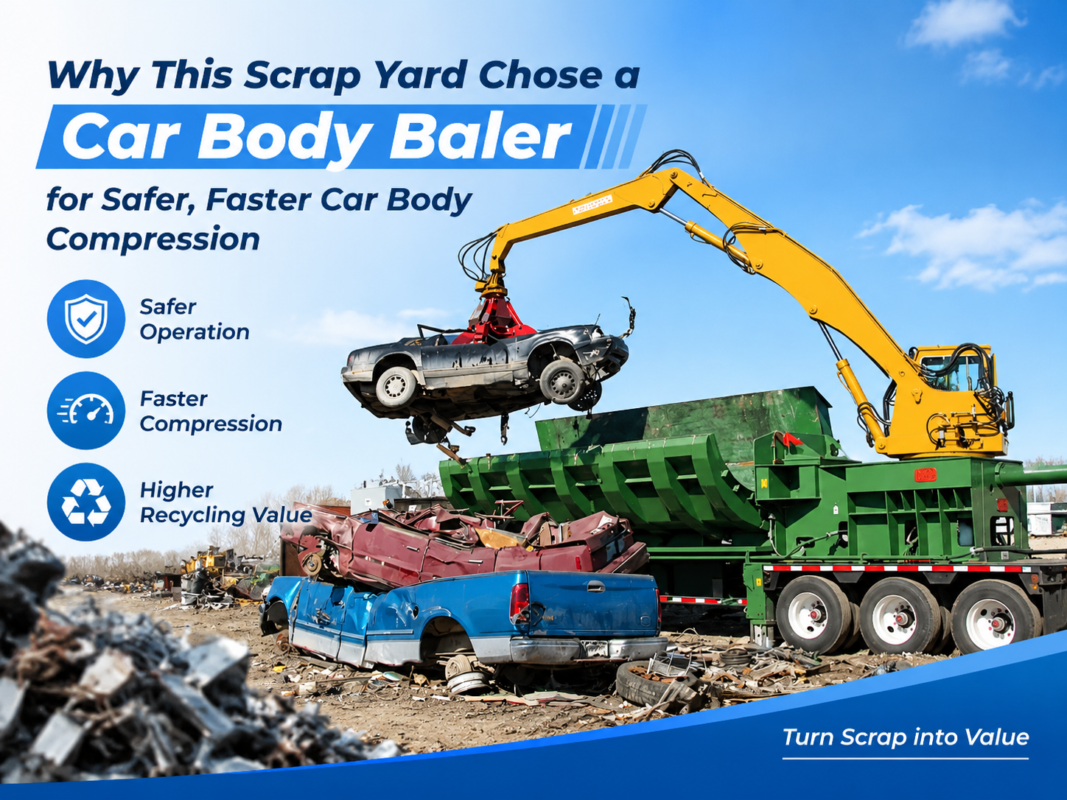
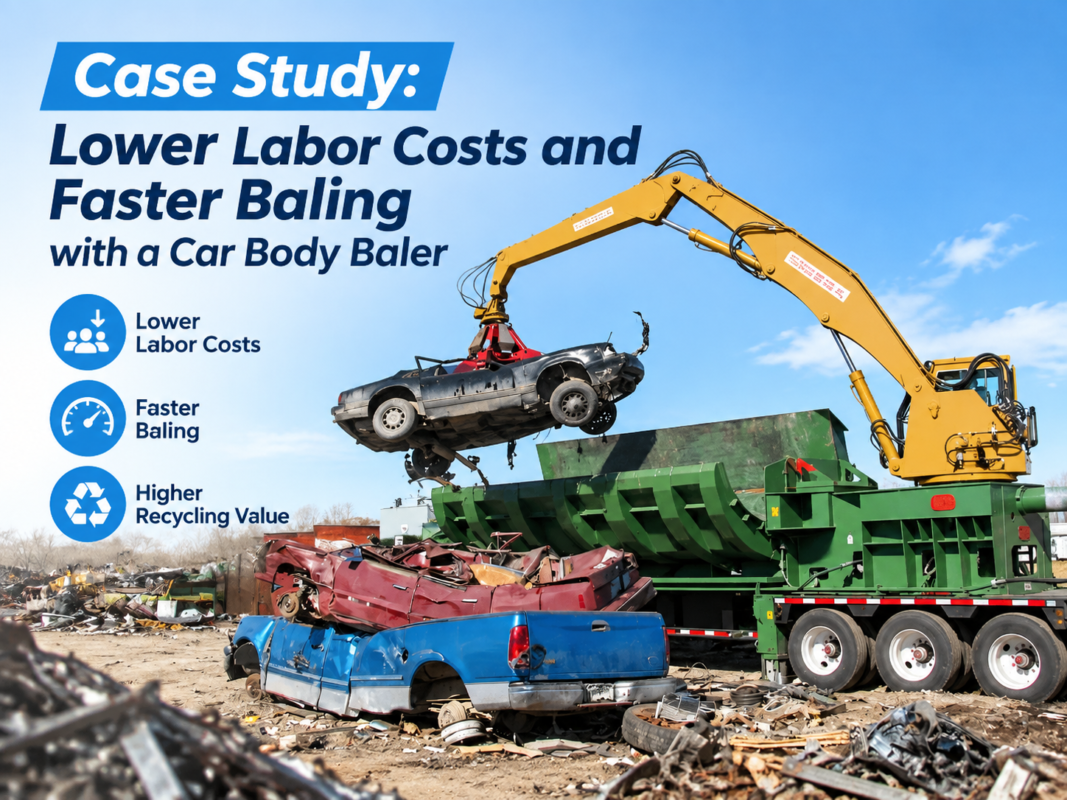
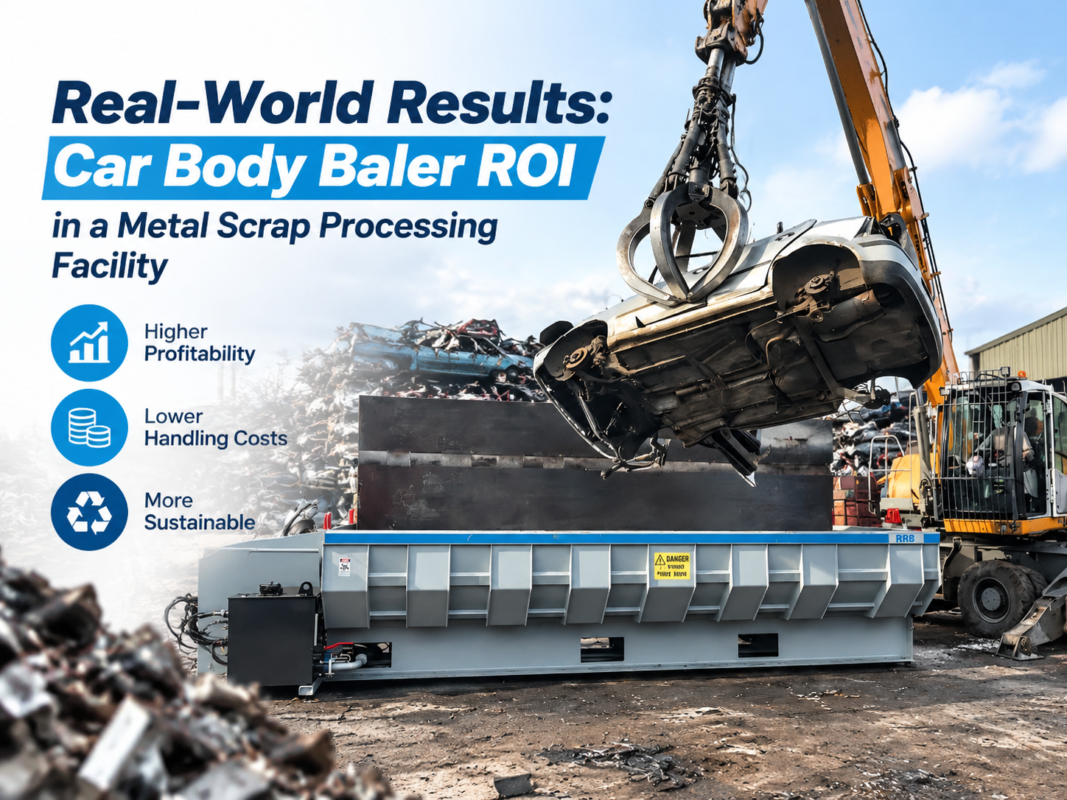
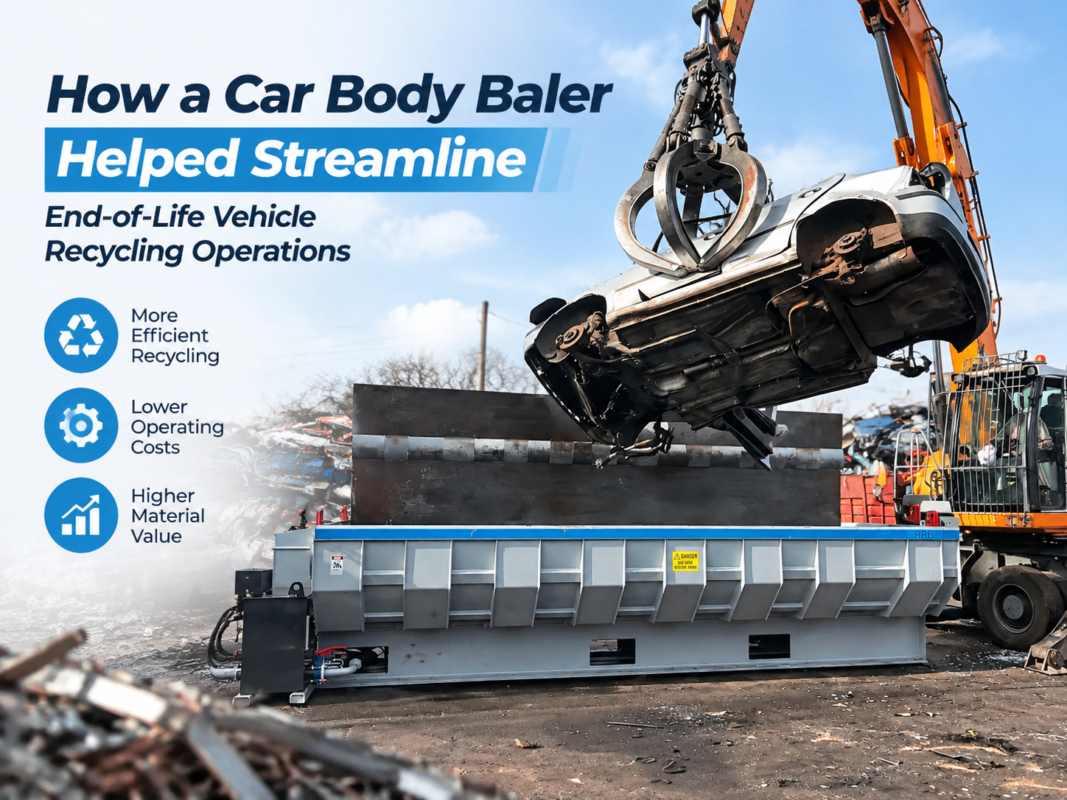
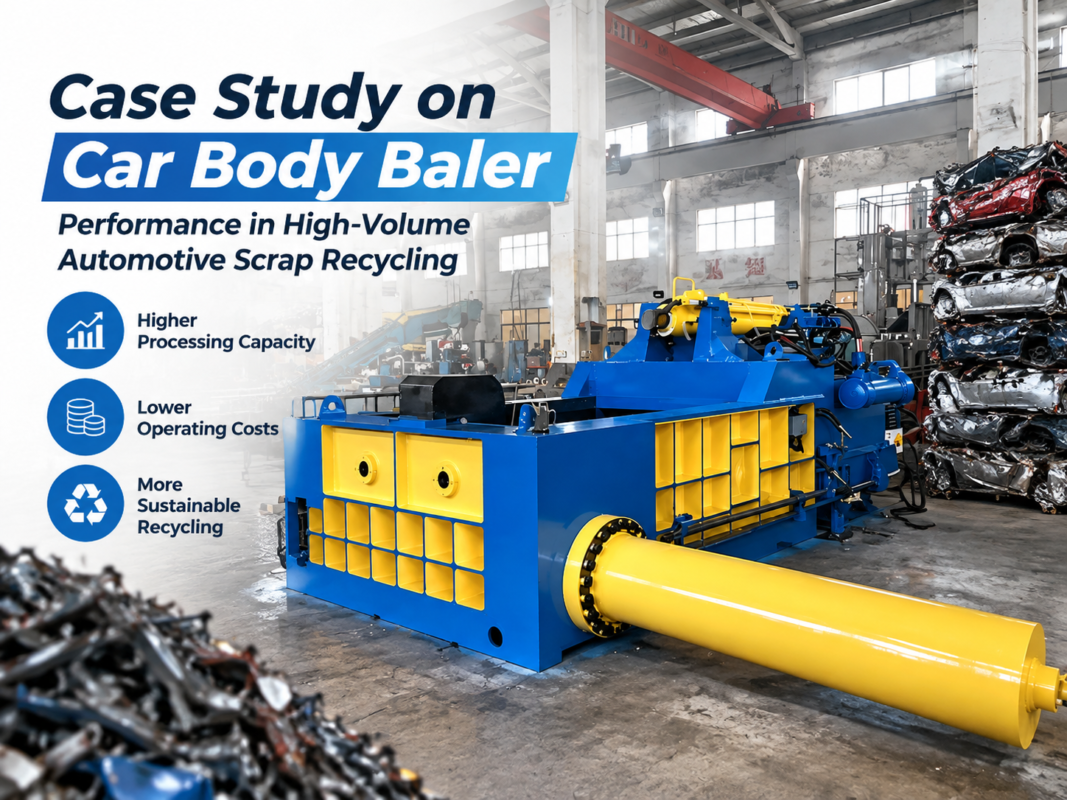
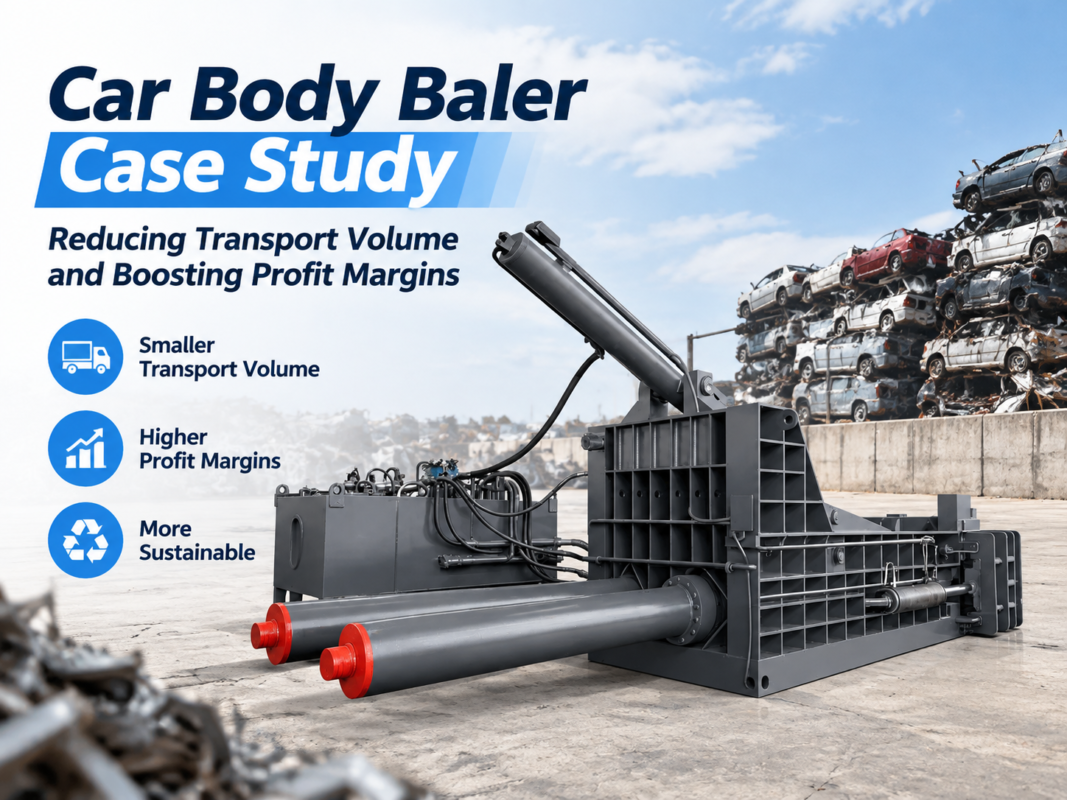
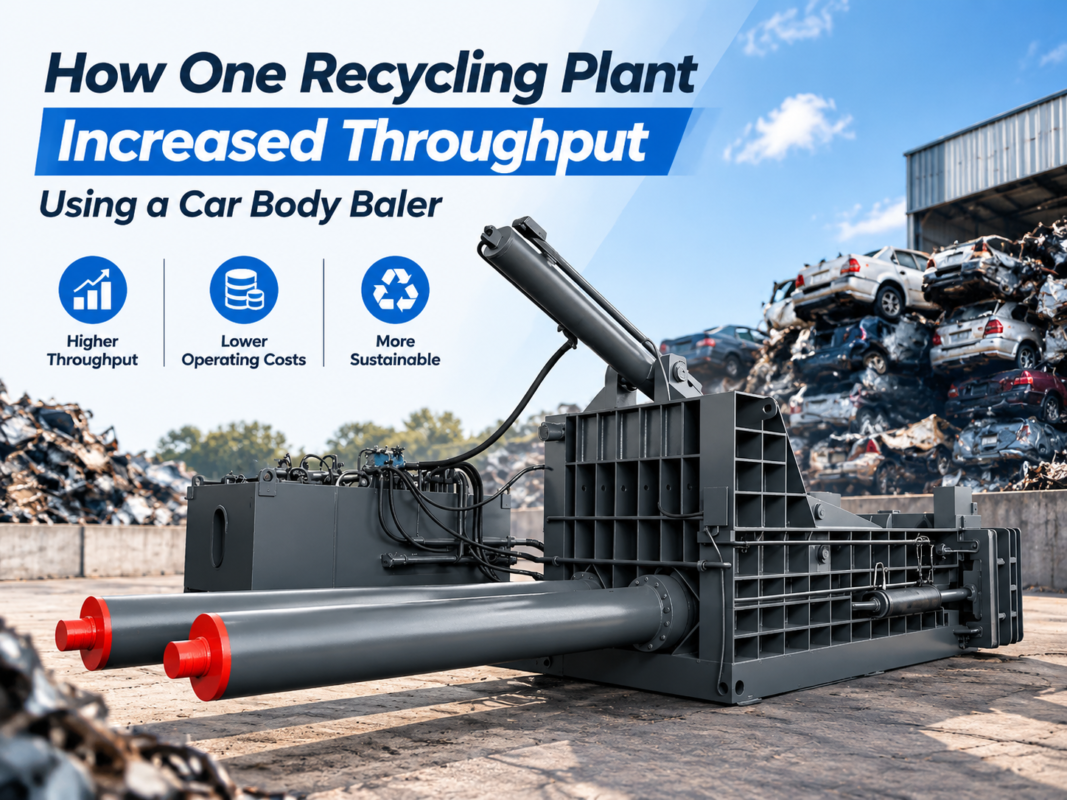
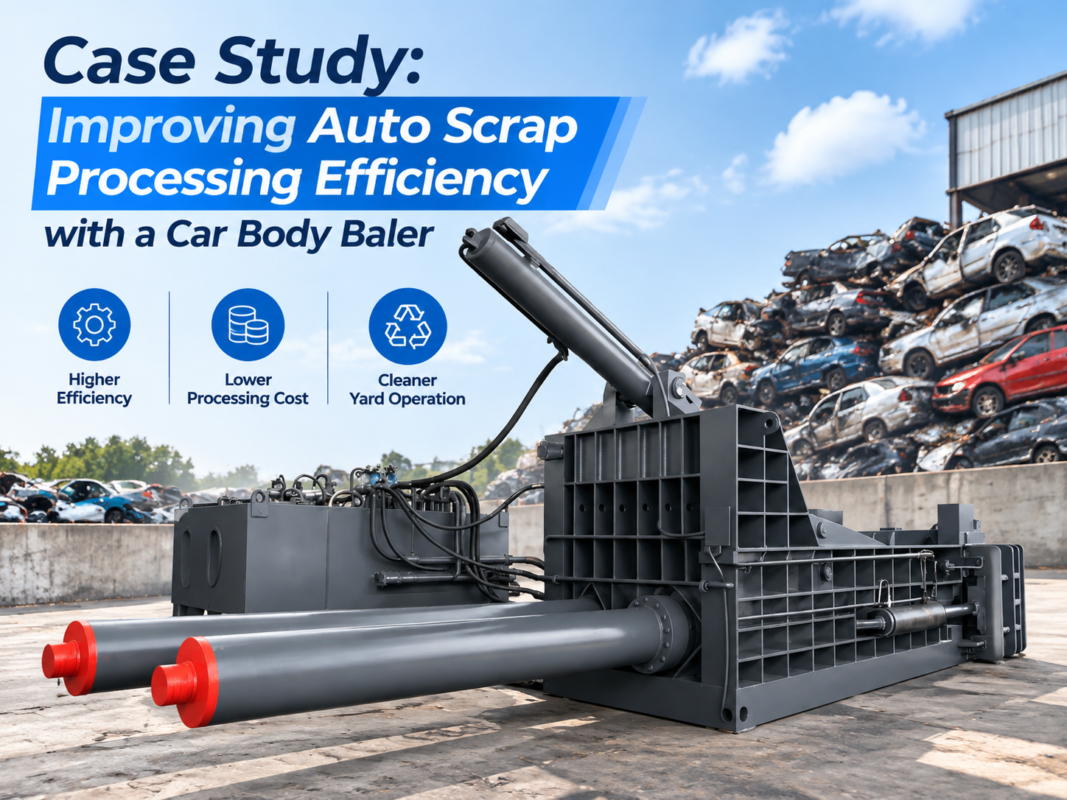
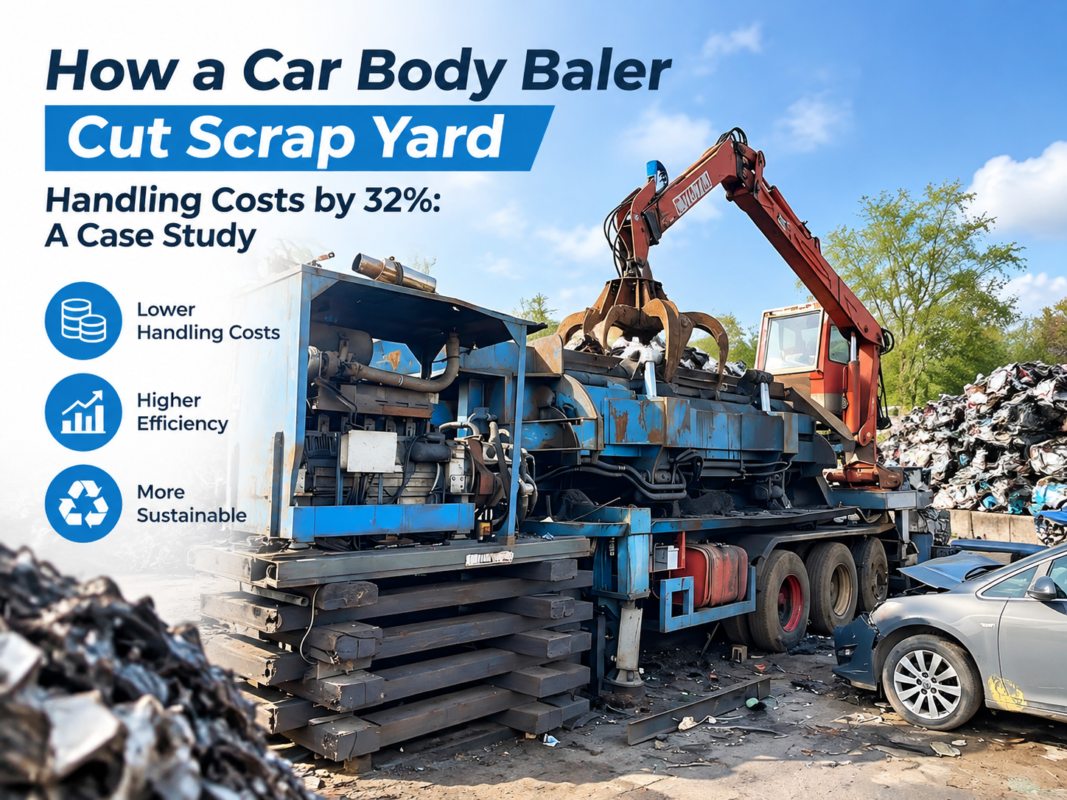
In the modern scrap metal and recycling industry, the car body baler stands as a cornerstone of efficiency. These massive hydraulic machines are specifically engineered to compress End-of-Life Vehicles (ELVs) into dense, manageable cubes or rectangular bales. This process is not merely about reducing volume; it is about optimizing the entire logistics chain, from storage in the scrap yard to transportation to the smelting furnace. A high-quality car body baler, such as those manufactured by HARSLE, integrates advanced hydraulics, structural engineering, and automated control systems to handle the rigorous demands of continuous metal processing.
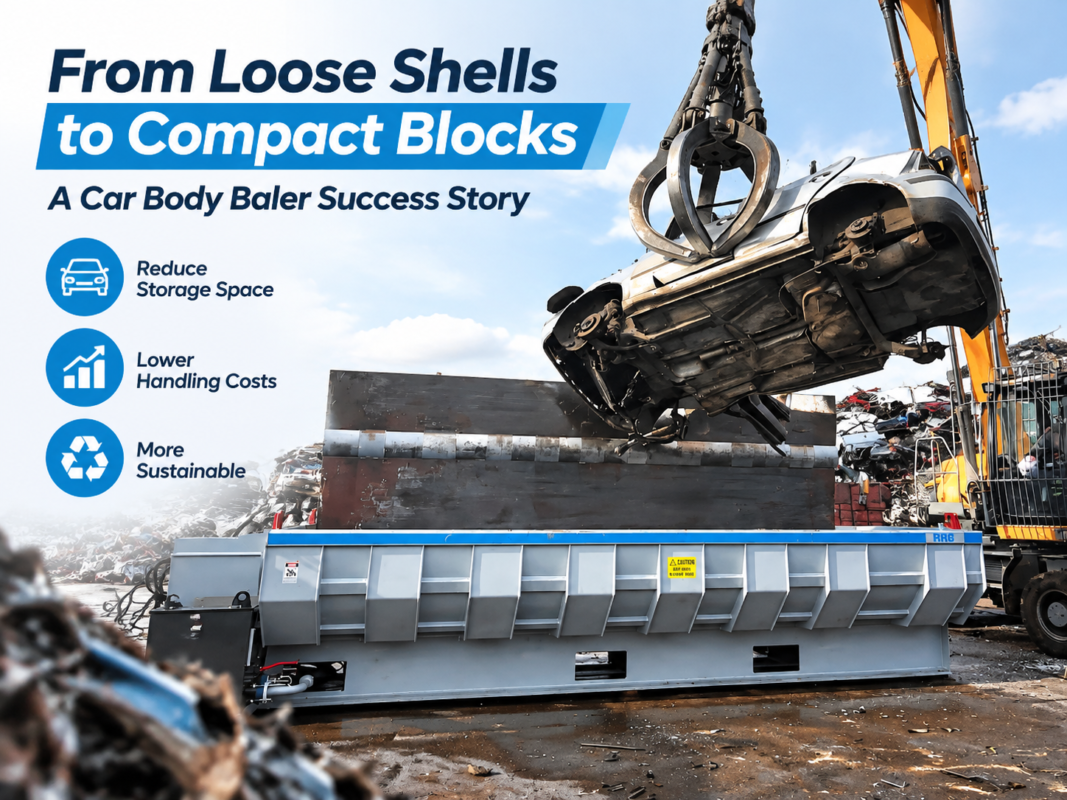
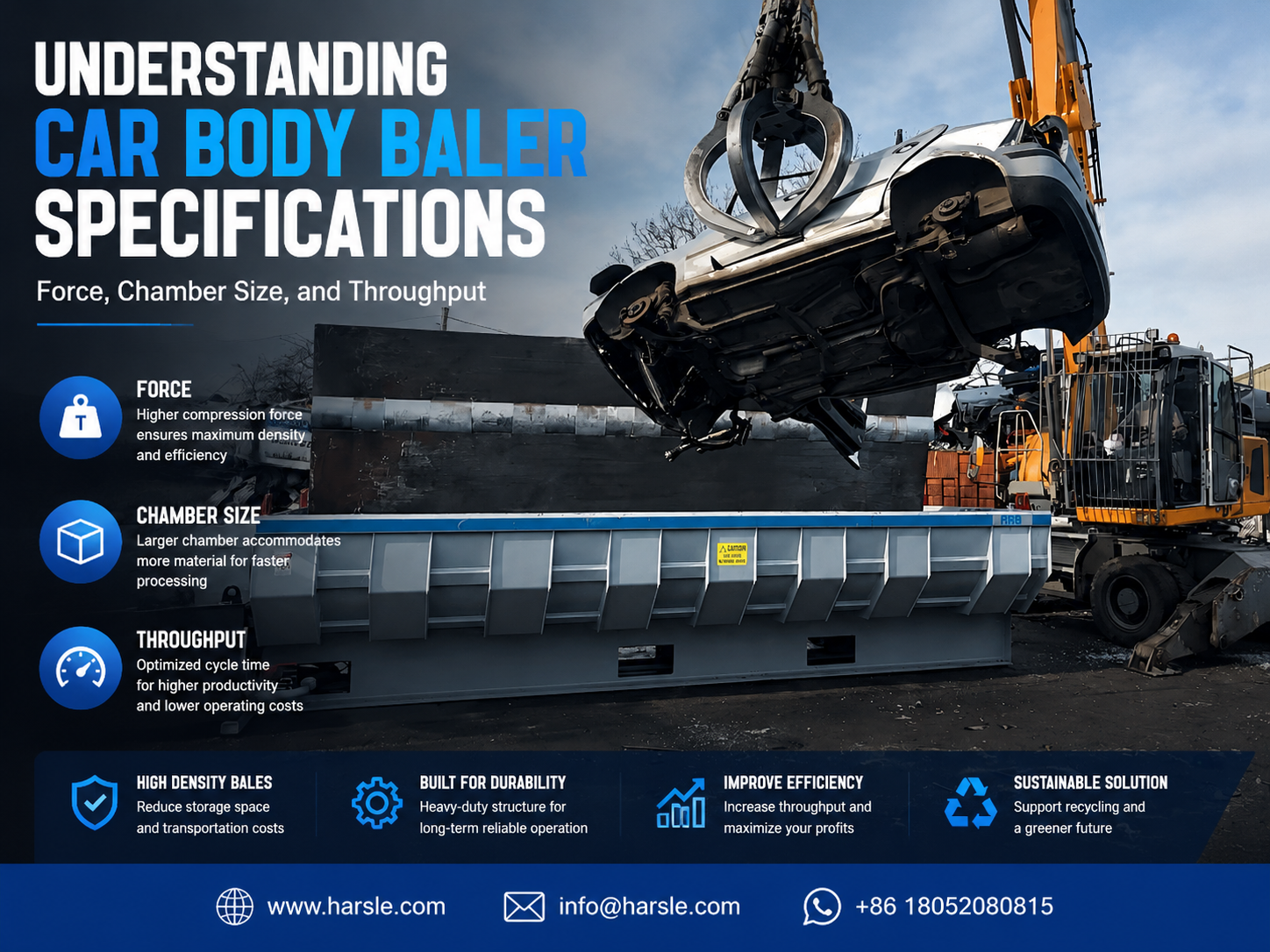
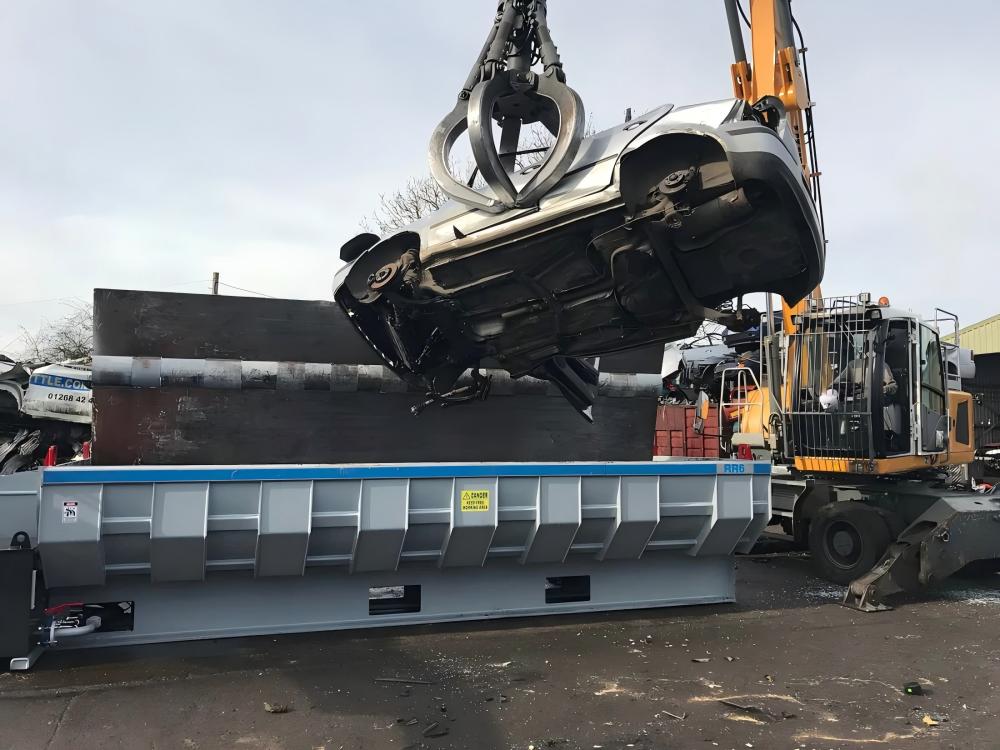
The fundamental operation of a car body baler involves a multi-stage compression cycle. Typically, a crane or loader places a stripped vehicle frame into a large charging box. Once the lid or ‘wings’ close, high-pressure hydraulic cylinders exert immense force from multiple directions. This multi-axial compression ensures that the hollow structures of the vehicle—the pillars, chassis rails, and engine bays—are completely collapsed, eliminating air pockets and maximizing bale density. Understanding the technical nuances of these machines is critical for any facility looking to maximize its Return on Investment (ROI).
Beyond the mechanical components, modern balers incorporate sophisticated PLC (Programmable Logic Controller) systems. These systems monitor pressure levels, cycle times, and oil temperatures in real-time. For industrial operators, the synergy between mechanical strength and electronic precision determines the machine’s reliability. A baler that is underspecified for its workload will suffer from premature structural fatigue, while an overspecified machine may lead to unnecessary energy expenditure. Therefore, a deep dive into specifications like force, chamber size, and throughput is essential for informed procurement.
Core Parameters: Force, Chamber Size, and Throughput
1. Pressing Force (The Power Factor)
Pressing force is perhaps the most critical specification of a car body baler. It is usually measured in kilonewtons (kN) or tons. In the context of vehicle baling, we must distinguish between the ‘Main Pressing Force’ and the ‘Side Pressing Force.’ The main cylinder provides the final longitudinal compression, while side cylinders or the lid mechanism provide the initial ‘pre-compression.’ For a standard passenger vehicle, a main pressing force ranging from 200 to 400 tons is often required to achieve a high-density bale that meets the requirements of steel mills.
The force is generated by hydraulic pressure acting upon the surface area of the cylinder piston. This is why the quality of the hydraulic pump and the integrity of the cylinder seals are paramount. If the force is insufficient, the bale will remain ‘springy,’ potentially expanding after it is ejected from the chamber. This expansion can cause issues during transport, as the bales may no longer fit the dimensions of a standard truck bed or shipping container. HARSLE machines are designed with a safety margin in their force ratings to ensure consistent performance even when processing reinforced vehicle frames.
2. Chamber Size (The Capacity Factor)
The chamber size, or charging box dimensions, dictates the maximum size of the material that can be fed into the machine without prior cutting or preparation. For car body balers, the chamber must be large enough to accommodate full-size sedans, SUVs, and occasionally light commercial vehicles. Typical chamber lengths range from 4,000mm to 6,000mm, with widths around 2,000mm to 2,500mm.
However, chamber size is not just about ‘bigger is better.’ A larger chamber requires more hydraulic fluid to move the rams over longer distances, which can increase cycle times if the pump capacity isn’t scaled accordingly. Furthermore, the structural integrity of the chamber walls must be significantly higher in larger machines to prevent warping under the extreme internal pressures. High-wear areas inside the chamber are usually lined with replaceable Hardox or similar wear-resistant steel plates to extend the machine’s service life.
3. Throughput (The Efficiency Factor)
Throughput refers to the volume of material processed over a specific period, usually measured in tons per hour (t/h) or bales per hour. This parameter is a function of the cycle time—the time it takes for the machine to load, compress, and eject a single bale. A high-throughput machine typically features high-flow hydraulic systems and rapid-advance valves that allow the cylinders to move quickly when not under load, only slowing down when the actual compression begins.
Throughput is also heavily influenced by the operator’s skill and the efficiency of the loading equipment. In a perfectly synchronized operation, the next vehicle is ready to be dropped into the chamber the moment the previous bale is ejected. For large-scale recycling centers, a throughput of 10 to 20 vehicles per hour is a common benchmark for heavy-duty balers. It is important to note that ‘theoretical throughput’ often differs from ‘actual throughput’ due to maintenance breaks, material sorting, and logistical delays.
Calculation Method for Baler Performance
To accurately assess whether a baler meets your operational needs, you can use several engineering calculations. The most common is the Bale Density Calculation. Density is defined as mass divided by volume (ρ = m/V). For scrap steel, a target density of 800 kg/m³ to 1,200 kg/m³ is often desired. If you know the weight of the average car body (approx. 800kg – 1,000kg) and the dimensions of the finished bale, you can determine if the machine’s pressing force is sufficient to reach the required density.
Another vital calculation is the Cycle Time Analysis. The total cycle time (T) is the sum of the closing time (t1), compression time (t2), and ejection/return time (t3). The formula for hydraulic cylinder speed is V = Q / A, where V is velocity, Q is the flow rate of the pump, and A is the cross-sectional area of the cylinder. By increasing the flow rate (Q) through larger pumps or twin-pump configurations, manufacturers can significantly reduce cycle times and increase hourly throughput.
Finally, consider the Specific Pressure. This is the force applied per unit area of the bale face (P = F / Ab). A higher specific pressure results in a tighter, more stable bale. When comparing two machines with the same total force, the one with a smaller bale face will produce a denser product. This is a crucial detail for exporters who need to maximize the weight of every shipping container to reduce freight costs.
Parameter Table: Comparative Specifications
| Model Category | Main Force (Tons) | Chamber Size (mm) | Bale Size (mm) | Throughput (Tons/hr) |
|---|---|---|---|---|
| Standard Duty | 160 – 200 | 4000 x 2000 x 1000 | 600 x 600 x Variable | 4 – 6 |
| Heavy Duty | 250 – 400 | 5000 x 2200 x 1200 | 800 x 600 x Variable | 8 – 12 |
| Ultra-High Capacity | 500+ | 6000 x 2500 x 1500 | 1000 x 800 x Variable | 15 – 25 |
Common Engineering Mistakes in Baler Selection
One of the most frequent mistakes made by scrap yard owners is undersizing the hydraulic cooling system. Car body baling generates a significant amount of heat due to the friction of the metal and the continuous operation of the hydraulic fluid. If the cooling system (air or water-cooled) is insufficient, the oil viscosity will drop, leading to internal leakage in the pumps and valves, which drastically reduces the pressing force and can eventually cause catastrophic component failure.
Another common error is ignoring the ‘Lid Force’ vs. ‘Main Ram Force’ ratio. In many ‘wing-style’ or ‘lid-style’ balers, the initial folding of the car is done by the lid. If the lid cylinders are too weak, the main ram will have to work much harder to overcome the structural resistance of the un-collapsed roof and pillars. This leads to uneven wear on the main ram seals and can cause the ram to ‘cock’ or tilt, damaging the chamber liners. A well-engineered HARSLE baler ensures a balanced distribution of force across all stages of the compression cycle.
Finally, many buyers overlook the structural rigidity of the frame. A baler might have the strongest cylinders in the world, but if the steel frame of the machine flexes under load, energy is wasted, and the machine will eventually develop cracks at the weld points. High-quality balers utilize heavy-plate construction and stress-relieved welds to ensure the frame remains rigid over decades of use. Cheaply made machines often use thinner plates that ‘breathe’ during every cycle, leading to a much shorter operational lifespan.
Selection Checklist for Industrial Buyers
- Material Type: Are you processing mostly light sedans, or do you handle heavy-duty trucks and reinforced frames? Match the force to your heaviest expected load.
- Space Constraints: Measure your yard’s footprint. Remember to account for the space needed for the loading crane to maneuver and the area for bale storage.
- Power Supply: Ensure your facility’s electrical grid can handle the high-amperage draw of the baler’s main motors, especially during the start-up phase.
- Maintenance Access: Check if the hydraulic filters, pumps, and cylinder seals are easily accessible. Downtime is expensive; ease of maintenance is a key specification.
- Automation Level: Do you need a fully automatic cycle, or is a manual joystick control sufficient? PLC-controlled machines offer better consistency and safety.
- Wear Liners: Confirm that the chamber is equipped with replaceable, high-hardness liners. Ask about the thickness and the method of attachment (bolted vs. welded).
- After-Sales Support: Does the manufacturer provide technical documentation, spare parts kits, and remote troubleshooting?
Frequently Asked Questions (FAQ)
What is the ideal bale size for car bodies?
The ideal bale size depends on your end-customer (the steel mill) and your transport method. However, a common standard is approximately 600mm x 600mm or 800mm x 600mm. These sizes allow for efficient stacking in standard trucks and fit into the charging doors of most electric arc furnaces.
How often should the hydraulic oil be changed?
In a high-production environment, hydraulic oil should typically be tested every 2,000 hours and changed if it shows signs of oxidation or contamination. However, using high-quality filtration systems can significantly extend the life of the oil. Always monitor the oil temperature; keeping it below 60°C is vital for longevity.
Can a car body baler handle other types of scrap?
Yes, most car body balers are versatile. They can process ‘white goods’ (appliances), light structural steel, and various non-ferrous metals. However, you should avoid putting heavy solid steel shafts or thick plates into a machine designed for hollow vehicle bodies, as this can cause localized pressure spikes that damage the liners.
What is the difference between a mobile and a stationary baler?
Stationary balers are generally more powerful and have larger chambers, making them suitable for high-volume, permanent scrap yards. Mobile balers are mounted on trailers and are ideal for contractors who travel between different smaller yards to process accumulated piles of scrap. Mobile units usually have slightly lower throughput due to the constraints of the trailer size and the onboard power unit.
Why is bale density so important?
Bale density is important for two reasons: logistics and melting efficiency. Denser bales take up less space, allowing you to hit the maximum weight limit of a truck before you hit the volume limit. In the furnace, dense bales melt more consistently and produce less slag compared to loose scrap, making them more valuable to the buyer.