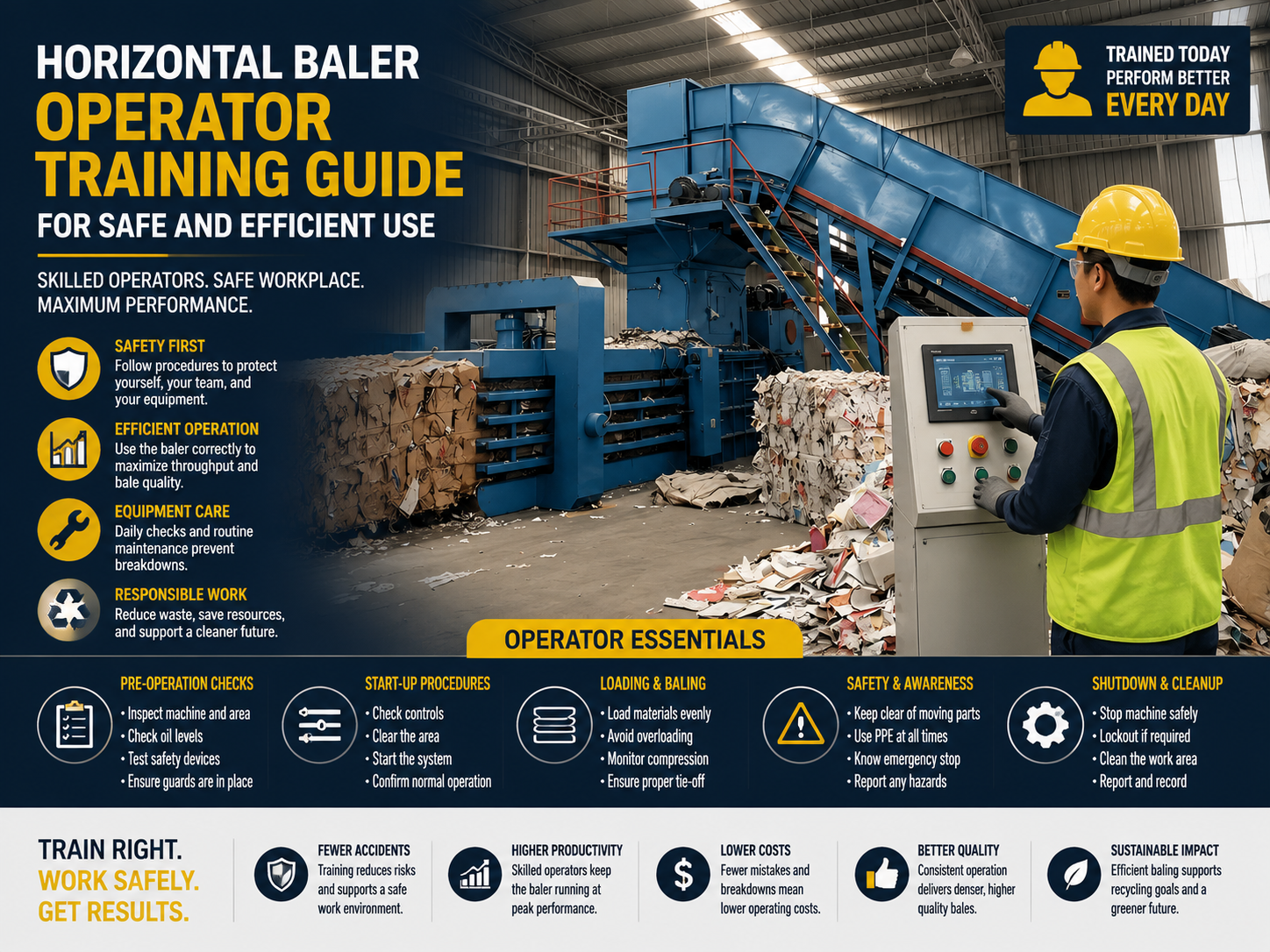
Horizontal Baler Operator Training Guide for Safe and Efficient Use

Technical Overview of Horizontal Baler Systems
Horizontal balers are the workhorses of the modern recycling and waste management industries. Unlike their vertical counterparts, horizontal balers are designed for high-volume processing, utilizing a horizontal ram to compress materials into dense, manageable blocks. At HARSLE, we recognize that the efficiency of these machines is directly tied to the skill and safety awareness of the operator. A horizontal baler operates on complex hydraulic principles, where electrical energy is converted into mechanical force to compact materials ranging from cardboard and plastics to non-ferrous metals.
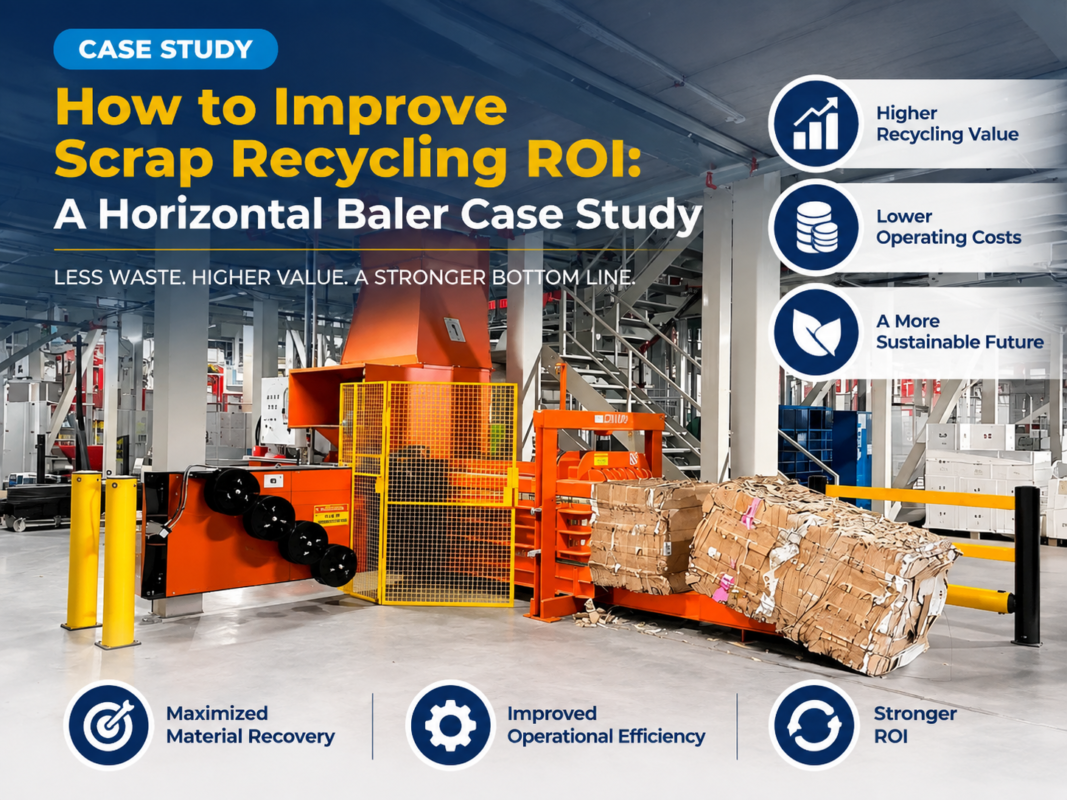
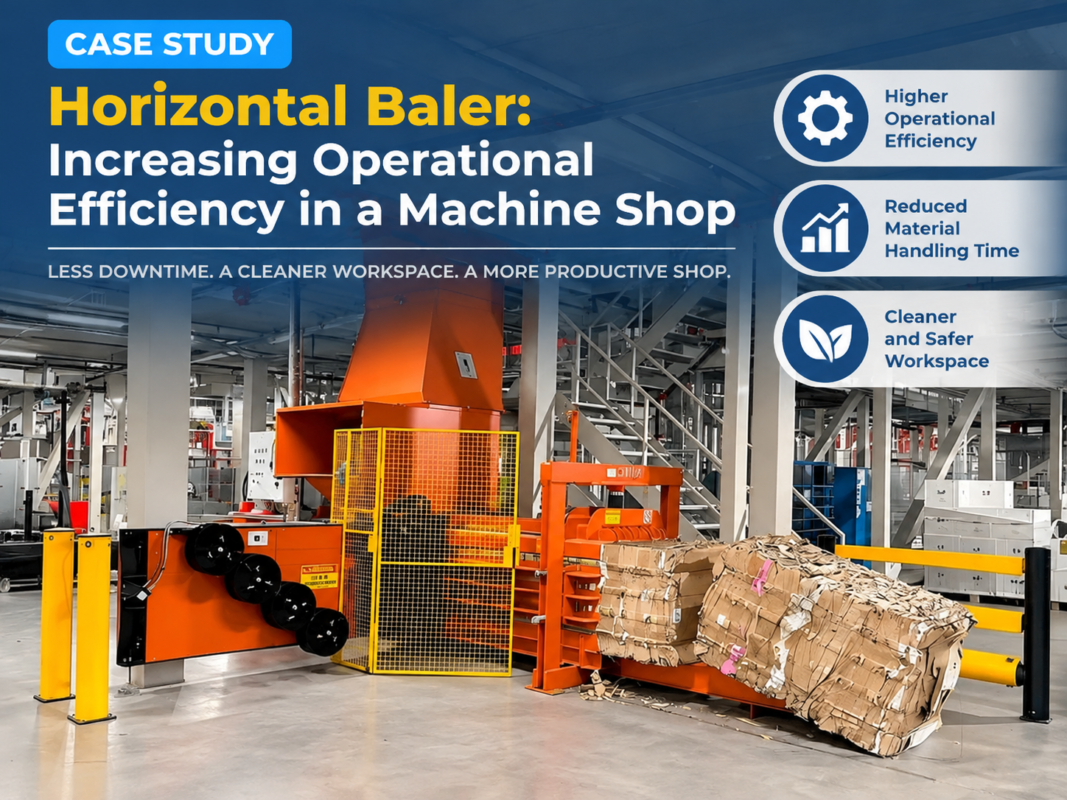
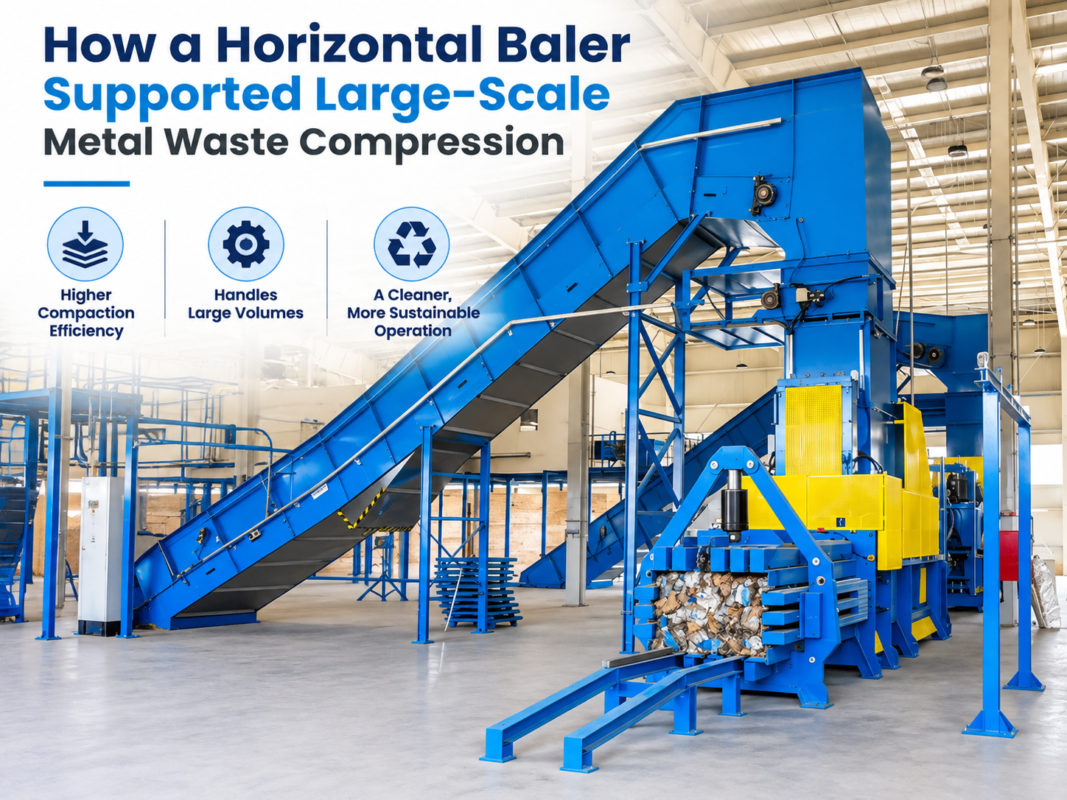
The core components of a horizontal baler include the feed hopper, the compression chamber, the hydraulic ram, the tensioning system, and the tying mechanism. In a typical cycle, material is fed into the hopper—often via a conveyor system—and falls into the chamber. Once the sensors detect a sufficient volume, the hydraulic ram moves forward, crushing the material against the previous bale or the end gate. This process repeats until a full-length bale is formed. Understanding the synchronization between the hydraulic pump, the directional valves, and the PLC (Programmable Logic Controller) is essential for any operator aiming for safe and efficient use.
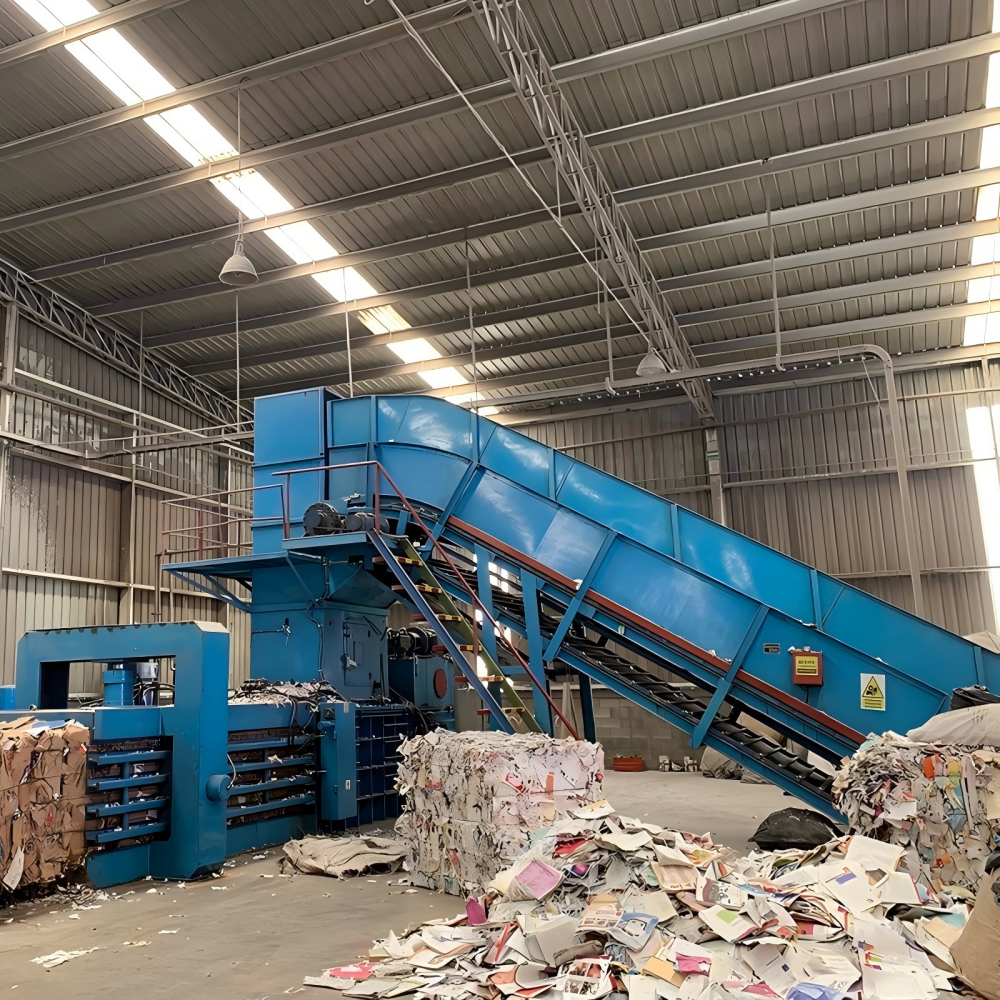
Safety is the paramount concern in horizontal baler operator training. These machines exert hundreds of tons of pressure, and any mechanical failure or operator error can lead to catastrophic results. Modern HARSLE horizontal balers are equipped with advanced safety features, including light curtains, emergency stop buttons, and interlocked access gates. However, technology is only as effective as the person operating it. Training must cover the physics of the machine, the specific properties of the materials being baled, and the rigorous adherence to Lockout/Tagout (LOTO) procedures during maintenance or jam clearing.
Efficiency in horizontal baling is not just about speed; it is about the quality of the output. A well-trained operator knows how to adjust the tensioning system to account for different material types. For instance, baling PET bottles requires different pressure settings and tying configurations than baling corrugated cardboard. By mastering the control interface, operators can minimize energy consumption, reduce wear on hydraulic seals, and ensure that every bale meets the density requirements for transport and resale.
Core Parameters of Horizontal Balers
To achieve safe and efficient use, an operator must be intimately familiar with the machine’s core parameters. These specifications define the operational limits and capabilities of the equipment. The first and most critical parameter is the Pressing Force, usually measured in tons. This force determines the density of the bale. For high-volume industrial applications, a pressing force of 60 to 120 tons is common. Operators must understand that exceeding the rated force can lead to structural fatigue or hydraulic fluid overheating.
The Cycle Time is another vital metric. This refers to the time it takes for the ram to complete one full forward and backward stroke. A faster cycle time increases throughput but may require more robust cooling systems for the hydraulic oil. Operators should monitor cycle times to detect potential issues; for example, a slowing cycle time often indicates a clogged filter or a failing pump. Balancing the feed rate with the cycle time prevents the hopper from overflowing, which is a common cause of downtime.
Bale Size and Weight are parameters that directly impact logistics. Standard horizontal balers produce bales that fit efficiently into shipping containers or flatbed trucks. Operators must be trained to monitor the bale length sensors. If a bale is too long, it may not fit in the transport vehicle; if it is too short, it reduces the overall efficiency of the shipping process. Furthermore, the Motor Power (measured in kW or HP) dictates the energy consumption. Efficient use involves running the machine within its optimal power band, avoiding unnecessary idling or overloading.
Finally, the Oil Tank Capacity and Cooling System parameters are essential for long-shift operations. Hydraulic systems generate significant heat. Operators must be trained to check oil levels and temperatures regularly. If the oil temperature exceeds 60°C (140°F), the viscosity drops, leading to poor lubrication and potential damage to the hydraulic cylinders. Understanding these parameters allows the operator to act as the first line of defense against mechanical failure.
Calculation Method for Baling Efficiency
Calculating the efficiency and density of your baling operation is crucial for optimizing the ROI of your HARSLE equipment. The most common calculation used by operators is the Bale Density Calculation. Density is defined as the mass of the bale divided by its volume. To calculate this, use the formula:
Density (kg/m³) = Bale Weight (kg) / (Bale Length × Bale Width × Bale Height in meters)
For example, if a bale weighs 500kg and its dimensions are 1.1m x 0.75m x 1.5m, the volume is 1.2375 m³. The density would be approximately 404 kg/m³. Operators should aim for specific density targets based on the material type to maximize shipping weights.
Another important calculation is the Hourly Throughput. This helps in planning labor and logistics. The formula is:
Throughput (Tons/Hour) = (Bale Weight in kg × Number of Bales per Hour) / 1000
To improve this figure, operators must focus on the “Charge Box” efficiency—ensuring that each stroke of the ram is compressing the maximum amount of material possible. If the hopper is only half-full during a cycle, the machine is wasting energy and time. Training should emphasize the synchronization between the conveyor speed and the baler’s cycle time to ensure the charge box is consistently filled to its optimal level.
Horizontal Baler Parameter Table
The following table provides a reference for standard parameters found in industrial horizontal balers. Operators should compare these values with their specific machine’s manual.
| Parameter | Light Duty (HB-60) | Medium Duty (HB-100) | Heavy Duty (HB-150) |
|---|---|---|---|
| Pressing Force (Tons) | 60 | 100 | 150 |
| Motor Power (kW) | 15 – 22 | 30 – 45 | 55 – 75 |
| Bale Size (W x H x L mm) | 1100 x 750 x Variable | 1100 x 1100 x Variable | 1100 x 1100 x Variable |
| Cycle Time (Seconds) | 25 – 35 | 20 – 30 | 15 – 25 |
| Throughput (Tons/Hr) | 4 – 6 | 8 – 12 | 15 – 20 |
| Oil Tank Capacity (L) | 600 | 1200 | 2000 |
Common Engineering and Operational Mistakes
Even with high-quality HARSLE machinery, certain mistakes can compromise safety and efficiency. One of the most frequent errors is Contamination of Materials. When non-compressible items (like heavy steel shafts or large concrete chunks) enter a horizontal baler designed for cardboard or plastic, it can cause the ram to misalign or the hydraulic system to spike in pressure, potentially blowing a seal or damaging the cylinder. Operators must be trained to spot and remove contaminants before they reach the hopper.
Another common mistake is Neglecting Hydraulic Maintenance. Many operators focus only on the mechanical parts they can see, like the tying needles or the ram face. However, the “lifeblood” of the machine is the hydraulic oil. Failing to change filters or ignoring a small leak can lead to air entering the system (cavitation), which destroys pumps quickly. Furthermore, operating with low oil levels prevents the oil from cooling properly, leading to thermal degradation of the fluid.
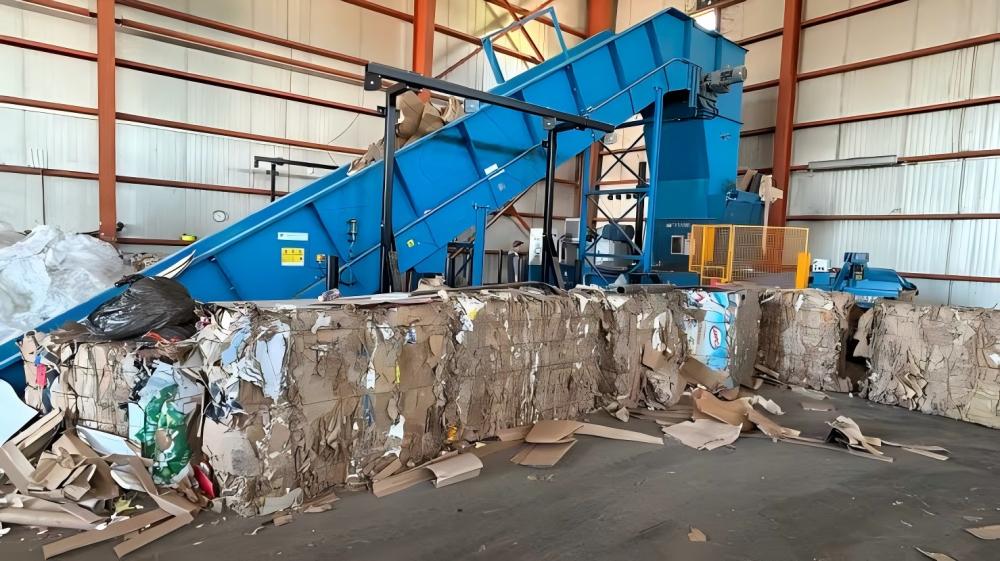
Incorrect Tying Tension is a technical mistake that affects the final product. If the wire tension is too loose, the bale will expand and potentially break the wires during transport. If it is too tight, the wires may snap during the ejection process. Operators often fail to adjust the tension when switching between materials with different “memory” (the tendency of a material to spring back after compression). For instance, plastic has much higher memory than paper and requires more robust tying.
Finally, Bypassing Safety Interlocks is a critical mistake that often leads to injuries. In an effort to clear a jam quickly, an operator might attempt to trick a sensor or leave a gate open. This is strictly prohibited. Training must instill a culture where safety is never sacrificed for speed. Every jam should be treated with a full LOTO procedure to ensure the ram cannot move unexpectedly while an operator is near the chamber.
Selection Checklist for Horizontal Balers
When selecting a horizontal baler or evaluating one for a specific project, use this checklist to ensure the equipment is fit for purpose and safe for operation.
- Material Compatibility: Does the baler’s shear blade and ram design match the shear strength of the material (e.g., heavy-duty shears for thick plastics)?
- Throughput Requirements: Does the cycle time and hopper size support the volume of waste generated by the facility without creating a bottleneck?
- Safety Compliance: Does the machine meet local safety standards (CE, ANSI, OSHA) and feature accessible emergency stops and interlocked guards?
- Automation Level: Is an auto-tie system required for high-volume efficiency, or is a manual-tie system sufficient for lower volumes?
- Footprint and Logistics: Does the facility have enough space for the baler, the conveyor system, and the storage of finished bales?
- Hydraulic Cooling: Is the machine equipped with an air or water cooling system suitable for the ambient temperature of the installation site?
Frequently Asked Questions (FAQ)
1. How often should the hydraulic oil be changed in a horizontal baler?
Generally, hydraulic oil should be changed every 2,000 to 4,000 operating hours, or at least once a year. However, you should perform oil analysis every six months to check for oxidation and contamination. Always replace the filters whenever the oil is changed or if the filter bypass indicator lights up.
2. Why is my baler producing “banana bales” (curved bales)?
Banana bales usually occur due to uneven feeding. If more material is fed into one side of the hopper than the other, the ram exerts uneven pressure. Ensure the conveyor is centered and the material is distributed evenly across the width of the chamber. It can also be caused by worn wear pads on one side of the ram.
3. What is the best way to clear a jam in the hopper?
First, stop the machine and engage the Emergency Stop. Follow the Lockout/Tagout (LOTO) procedure to disconnect all power sources. Use long-handled tools to reach into the hopper if possible. Never enter the hopper or the compression chamber unless the ram is mechanically blocked and the power is verified as off.
4. Can I bale different materials together?
While physically possible, it is highly discouraged. Mixing materials (like cardboard and plastic) reduces the resale value of the bales significantly and makes it difficult to achieve consistent bale density. If you must switch materials, ensure the chamber is completely empty before starting the new material run.
5. How do I know if the shear blades need sharpening?
If you notice that the material is being folded or “tucked” down the side of the ram rather than being cleanly cut, the shear blades are likely dull or the gap between the blades is too wide. Dull blades increase the strain on the hydraulic system and can lead to jagged bale edges that are difficult to tie.
6. What PPE is required for a horizontal baler operator?
Standard PPE includes safety glasses (to protect against snapping wires), heavy-duty gloves, steel-toed boots, and hearing protection. If the material being baled creates dust, a respiratory mask may also be necessary. High-visibility vests are recommended if the baler is located in an area with forklift traffic.