How to Evaluate Horizontal Baler Build Quality Before Purchase: A Comprehensive Technical Guide

Technical Overview of Horizontal Baler Construction
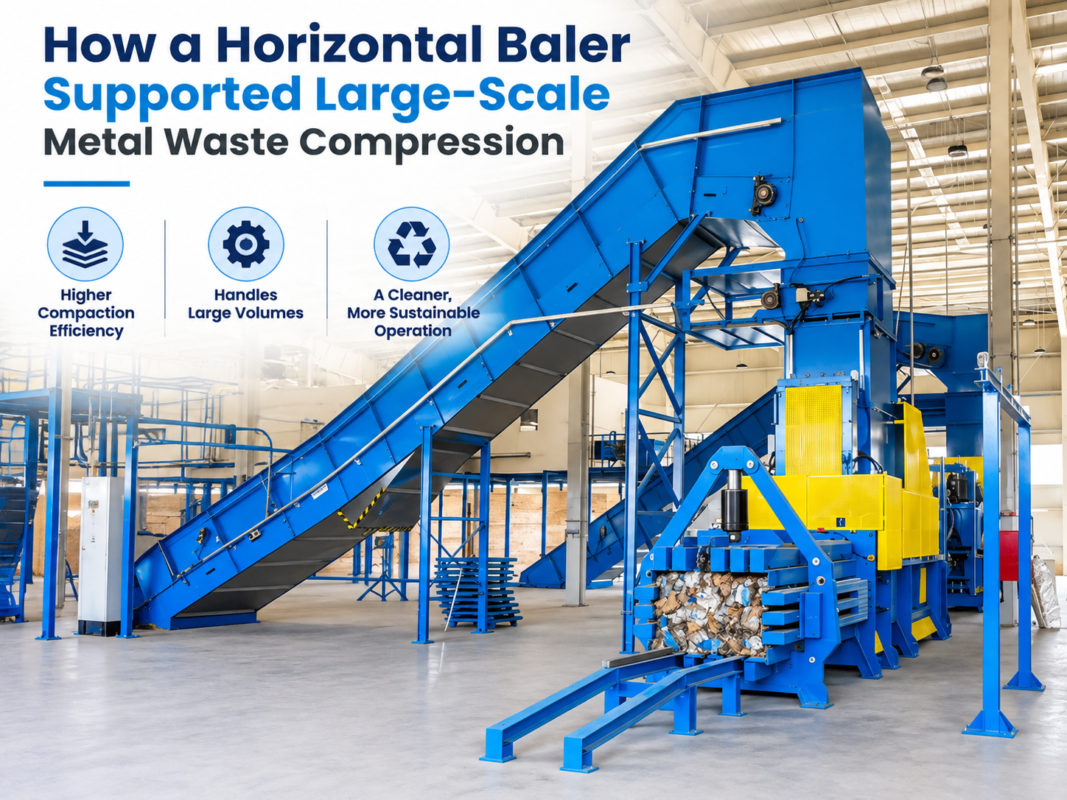
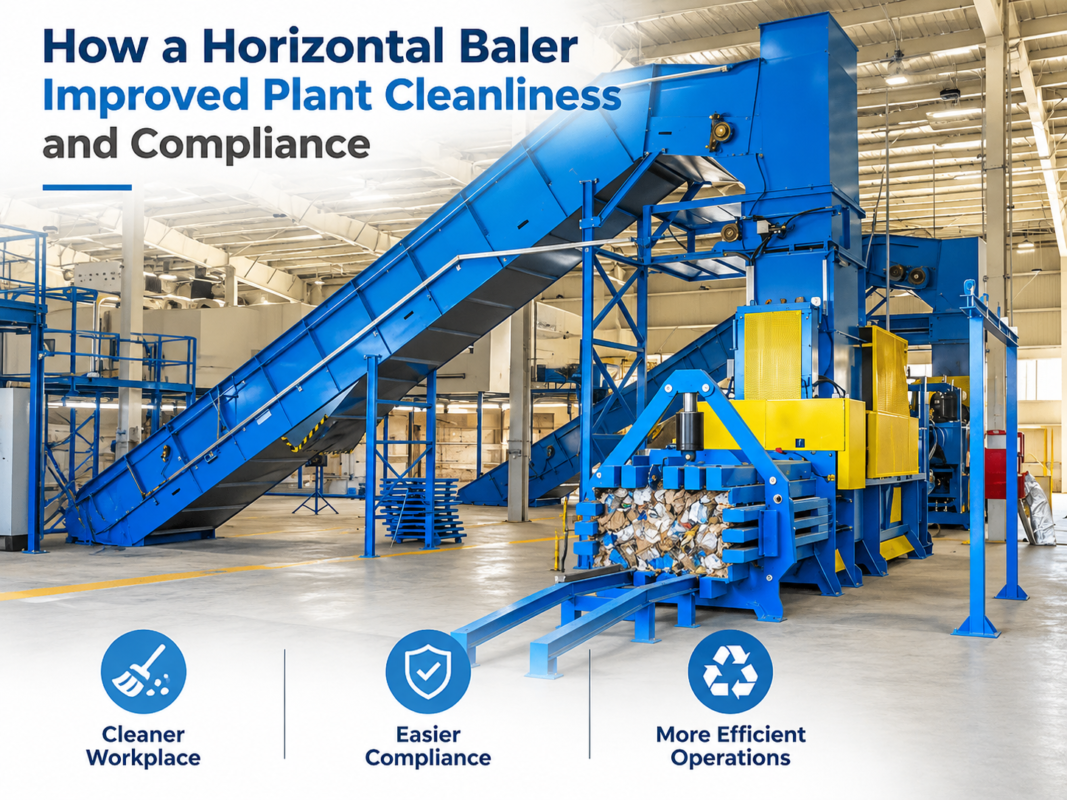
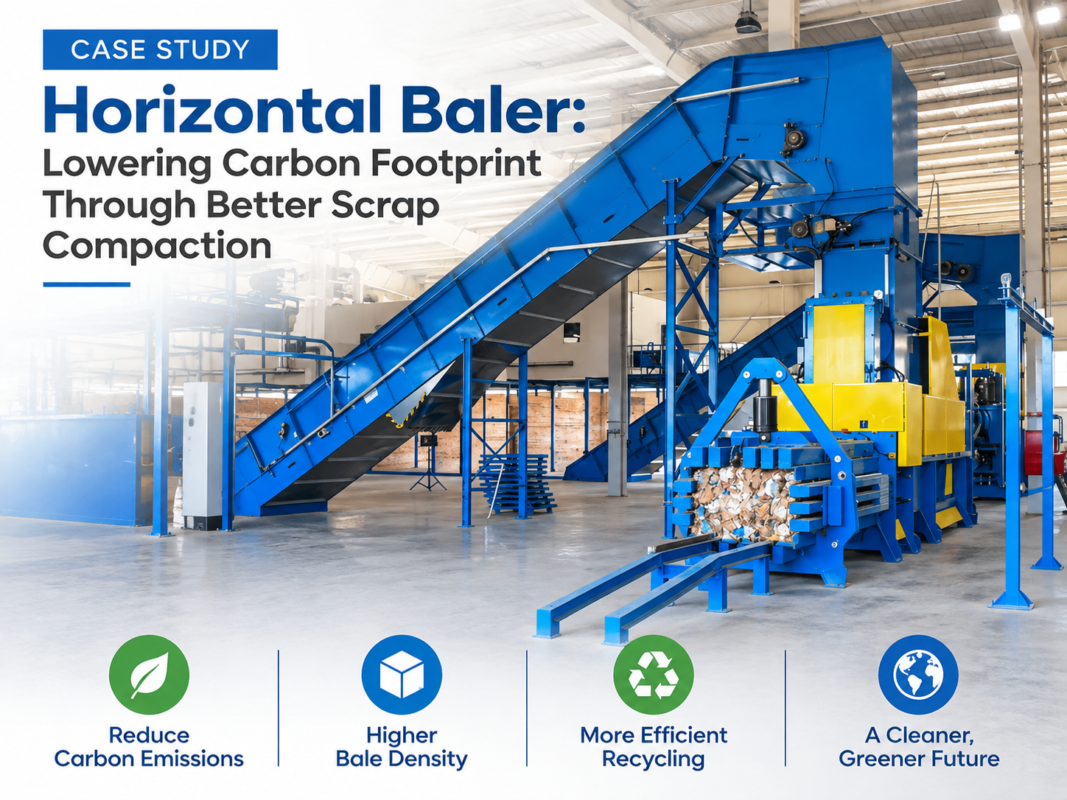
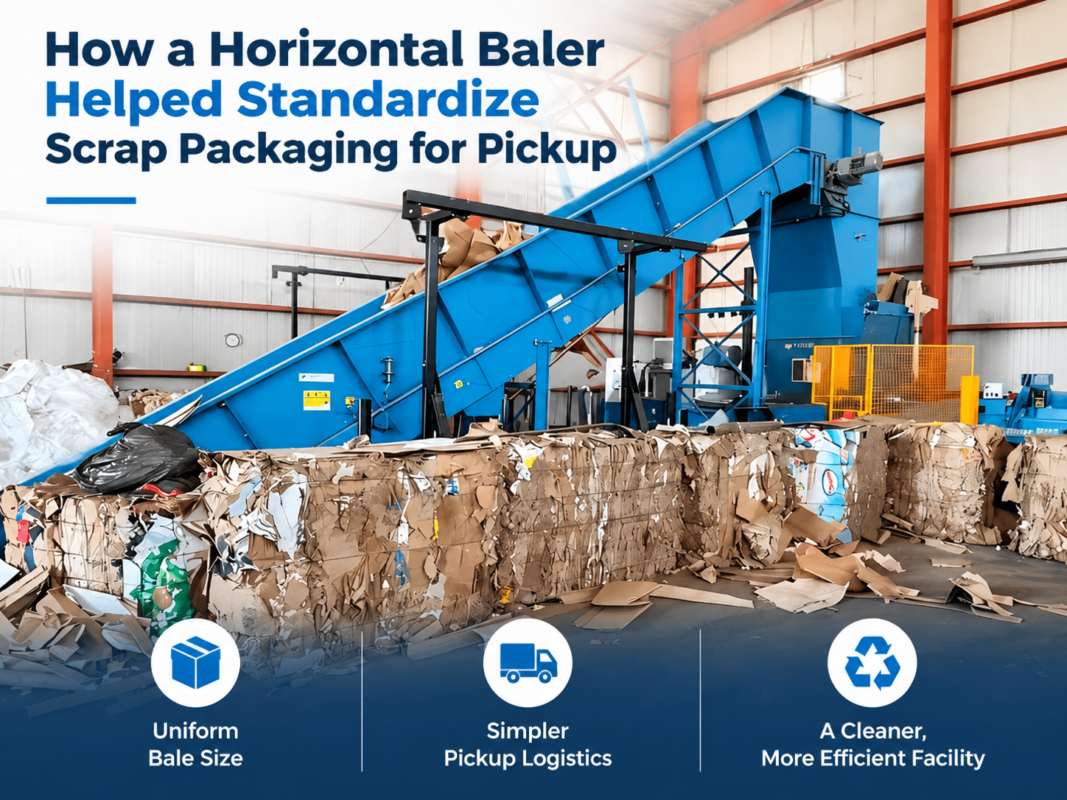
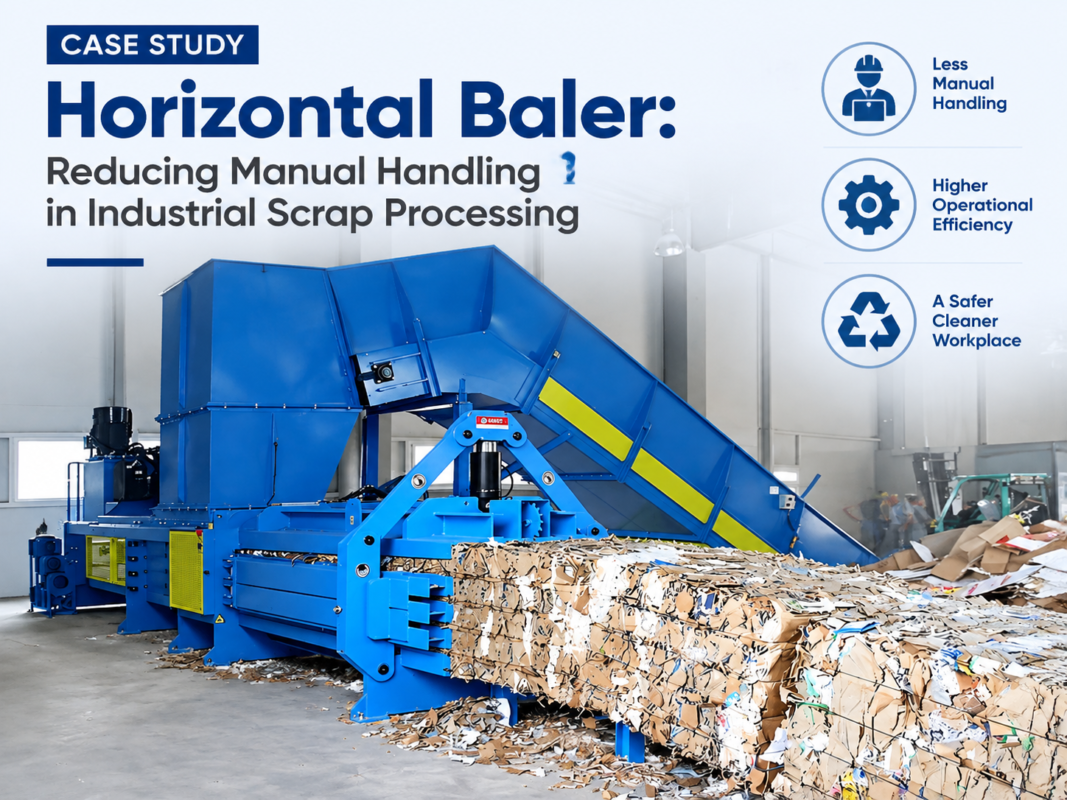
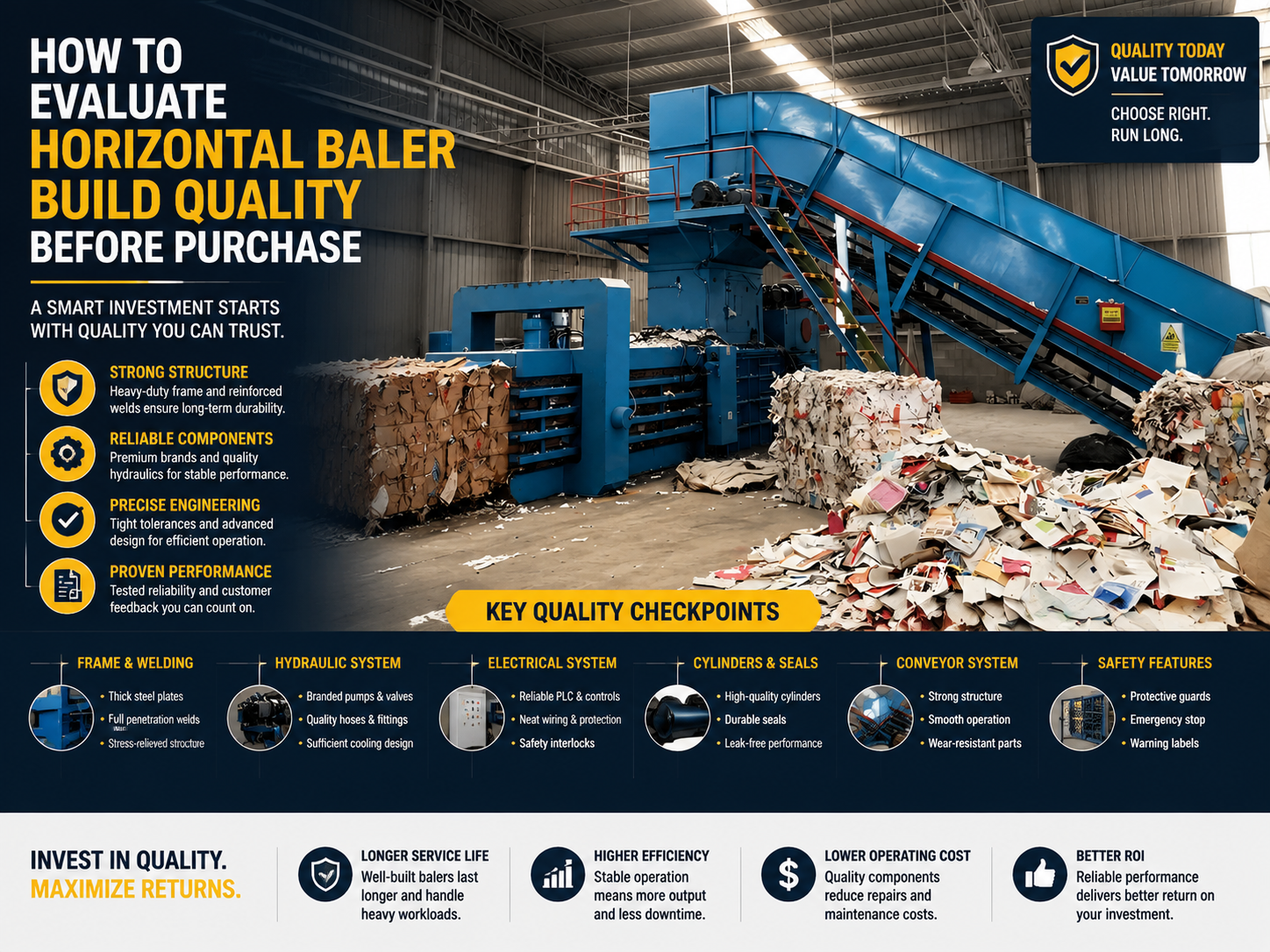
When investing in industrial waste management or recycling infrastructure, the ability to evaluate horizontal baler build quality before purchase is the difference between a decade of reliable service and a constant cycle of expensive repairs. A horizontal baler is a complex assembly of heavy-duty structural steel, high-pressure hydraulics, and sophisticated electronic controls. Unlike vertical balers, horizontal models are designed for high-volume, continuous operation, which places immense stress on every component. Understanding the engineering behind these machines allows procurement managers to look beyond the paint and identify true industrial-grade durability.
The foundation of any high-quality horizontal baler is its frame. In the world of metal fabrication, the rigidity of the chassis determines the machine’s lifespan. A well-built baler utilizes heavy-gauge structural steel, often Q235B or Q345B grade, which is precision-welded to withstand the lateral forces generated during the compression cycle. If the frame flexes even slightly, it leads to misalignment of the ram, premature seal failure in the hydraulic cylinders, and uneven wear on the floor plates. At HARSLE, we emphasize the use of reinforced stress points where the hydraulic cylinders mount to the frame, ensuring that the hundreds of tons of force are distributed evenly across the structure.
Beyond the frame, the hydraulic system serves as the heart of the machine. Evaluating build quality here involves inspecting the pump type, valve blocks, and hose routing. High-end horizontal balers typically employ axial piston pumps or high-pressure vane pumps from reputable global brands. The integration of the hydraulic manifold is also a key indicator of quality; a clean, block-mounted valve system reduces the number of potential leak points compared to older, pipe-heavy designs. Furthermore, the inclusion of an efficient oil cooling system—whether air-cooled or water-cooled—is essential for maintaining oil viscosity and protecting sensitive components during multi-shift operations.
Core Parameters Defining Build Quality
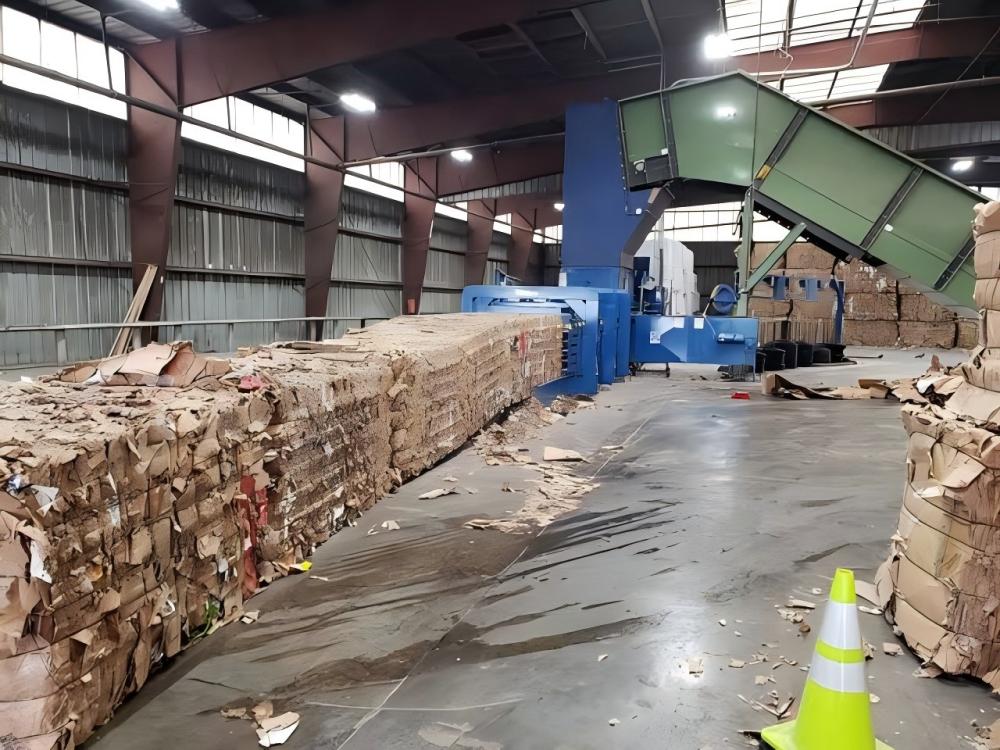
To accurately evaluate horizontal baler build quality before purchase, one must look at the specific technical parameters that dictate performance. The first parameter is the ‘Pressing Force’ or Tonnage. While many manufacturers claim high tonnage, the true measure is the ‘Specific Pressure’—the amount of force applied per square inch of the material. A machine might have a 100-ton cylinder, but if the ram face is too large, the density of the resulting bale will be insufficient for efficient transport. High-quality builds balance cylinder diameter with ram surface area to optimize bale density for specific materials like OCC (old corrugated containers), plastics, or non-ferrous metals.
The second core parameter is ‘Cycle Time’. This is the duration it takes for the ram to extend and retract fully. A fast cycle time indicates an efficient hydraulic circuit and a properly sized motor-pump combination. However, speed should not come at the cost of build quality. High-speed balers require advanced regenerative hydraulic circuits that allow for rapid movement at low pressure and high torque at high pressure. If a machine achieves fast cycle times through undersized components running at their absolute limit, the build quality is suspect, as this will lead to overheating and component fatigue.
Thirdly, consider the ‘Shear Blade’ design and material. In horizontal balers, the shear blade cuts off excess material as the ram moves forward. Quality builds use high-carbon, high-chrome tool steel (such as D2 or DC53) for these blades. They should be adjustable and replaceable. A poorly built baler will have fixed blades or blades made from inferior mild steel that dull quickly, leading to material jams and increased strain on the hydraulic system. The clearance between the moving and stationary blades is a hallmark of precision engineering; a gap that is too wide will fold material rather than cut it, causing the machine to stall.
Calculation Method for Performance Verification
Engineers and savvy buyers use specific calculations to verify the claims made in a manufacturer’s brochure. To evaluate horizontal baler build quality before purchase, you should perform a basic check of the hydraulic force. The formula is: Force (lbs) = Pressure (PSI) × Area of the Cylinder Bore (sq in). By converting this to metric tons, you can verify if the advertised tonnage is achievable within the safe operating pressure of the hydraulic system (typically 250-315 bar). If the math requires the system to run at 400 bar to reach the rated tonnage, the machine is being over-stressed, indicating poor design.
Another critical calculation is the ‘Bale Density’ potential. This is calculated by taking the total pressing force and dividing it by the area of the bale end. For example, a baler with 100 tons of force producing a 1100mm x 1100mm bale has a specific pressure of approximately 8.26 kg/cm². Comparing this value across different models helps you understand which machine is truly built for heavy-duty compaction. Higher specific pressure requires a more robust frame to prevent the ‘bulging’ effect often seen in lower-quality machinery.
Lastly, calculate the ‘Throughput Capacity’ based on the hopper size and cycle time. Capacity (m³/hr) = (Hopper Volume × 3600) / Cycle Time (seconds). This theoretical maximum should be adjusted by a factor of 0.6 to 0.7 for real-world conditions. If a manufacturer’s quoted capacity exceeds this calculated value, they may be overstating the machine’s capabilities, which is a red flag regarding the transparency and reliability of the build quality.
Horizontal Baler Parameter Comparison Table
The following table provides a reference for standard specifications found in high-quality horizontal balers across different size classes. Use this to benchmark the machines you are evaluating.
| Parameter | Light-Duty (60T) | Medium-Duty (100T) | Heavy-Duty (150T+) |
|---|---|---|---|
| Main Cylinder Force | 600 kN | 1000 kN | 1500 – 2000 kN |
| Bale Size (W x H) | 750 x 750 mm | 1100 x 800 mm | 1100 x 1100 mm |
| Motor Power | 15 – 22 kW | 30 – 45 kW | 75 – 110 kW |
| Cycle Time (No Load) | 25 – 35 sec | 20 – 30 sec | 15 – 25 sec |
| Oil Tank Capacity | 600 L | 1200 L | 2000+ L |
| Shear Blade Material | Hardened Steel | D2 Tool Steel | D2 / DC53 Tool Steel |
| Control System | PLC + Touchscreen | Siemens/Schneider PLC | Advanced PLC + Remote Monitoring |
Common Engineering Mistakes in Baler Manufacturing
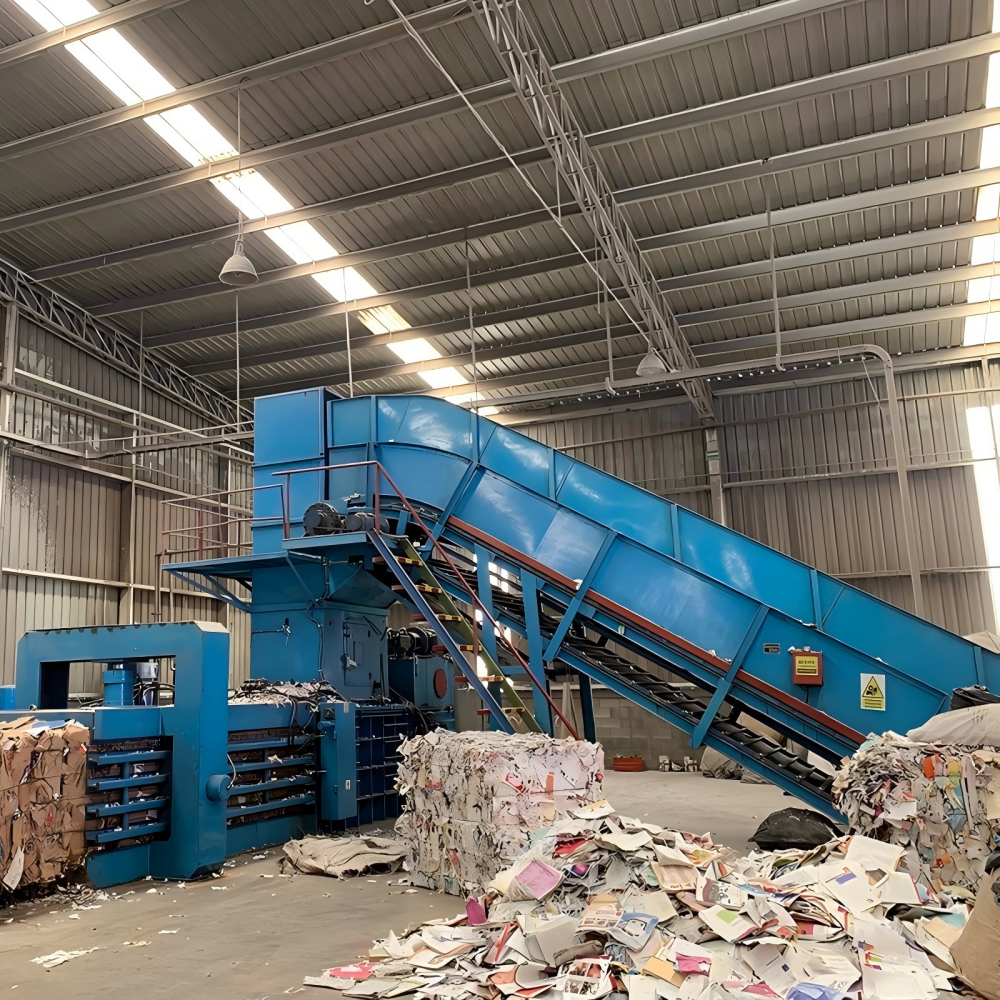
One of the most frequent mistakes in lower-tier horizontal balers is the use of ‘Undersized Hydraulic Reservoirs’. A quality build requires a large oil volume to dissipate heat naturally. If the tank is too small, the oil temperature will spike within hours of operation, leading to seal degradation and pump cavitation. Manufacturers often cut costs here because steel for large tanks is expensive, but the long-term cost to the user is significant. Always check if the tank capacity is at least 3 to 5 times the pump’s flow rate per minute.
Another common issue is ‘Poor Weld Penetration’ on the main compression chamber. Because horizontal balers operate under cyclic loading, the welds are subject to fatigue. In cheap builds, you might see ‘stitch welding’ or shallow beads that look fine on the surface but lack the structural integrity to handle years of expansion and contraction. High-quality manufacturers like HARSLE utilize robotic welding or certified manual welders who perform full-penetration V-groove welds on all critical load-bearing joints. Inspecting the weld beads for uniformity and lack of porosity is a simple way to evaluate horizontal baler build quality before purchase.
Electrical shortcuts are also prevalent. This includes using non-branded PLC components, lack of proper wire labeling, and insufficient cooling for the electrical cabinet. In a dusty recycling environment, an unsealed electrical cabinet will quickly lead to short circuits. Furthermore, the absence of safety interlocks on access doors or the use of low-grade limit switches instead of heavy-duty proximity sensors indicates a machine built for a price point rather than for safety and longevity. A quality build will feature a clean, organized control panel with components from global leaders like Siemens, Schneider, or Omron.
Selection Checklist: How to Evaluate Horizontal Baler Build Quality Before Purchase
Before finalizing your purchase, use this checklist to conduct a thorough inspection of the equipment. If possible, visit the factory or a site where a similar model is currently in operation.
- Frame and Structure: Check the thickness of the side walls. Are they reinforced with external ribs? Look for signs of deflection during a test press.
- Hydraulic Cylinder: Inspect the piston rod. Is it chrome-plated and polished? Check the gland nut design; it should be easily accessible for future seal replacements.
- Wear Liners: Does the baler have replaceable wear liners (usually made of Hardox or similar high-abrasion steel) on the floor and sides? Without these, the main frame will wear down, eventually ruining the machine.
- Wire Tying System: For automatic balers, the tier is the most delicate part. Is the twisting mechanism robust? Are the wire guides made of hardened material to prevent grooving?
- Filtration System: Look for high-quality suction and return line filters. Does the system include a clogging indicator or an automatic shut-off if the oil is contaminated?
- Paint and Finish: While aesthetic, a high-quality epoxy paint job often reflects the manufacturer’s overall attention to detail. It also provides essential corrosion resistance in damp environments.
- Noise Levels: During a dry run, the pump should hum, not scream. Excessive noise or vibration indicates misalignment or air in the hydraulic lines.
Frequently Asked Questions (FAQ)
Q: How long should a high-quality horizontal baler last?
A: With proper maintenance, an industrial-grade horizontal baler from a reputable manufacturer like HARSLE should have a service life of 15 to 20 years. This assumes regular oil changes, liner replacements, and blade sharpening.
Q: Is an automatic tying system always better than a manual one?
A: Not necessarily. While automatic tying increases throughput and reduces labor costs, it adds complexity. If you are processing low volumes, a manual-tie horizontal baler might offer better build quality for the same price because the budget is spent on the structure and hydraulics rather than the tying mechanism.
Q: What is the most critical maintenance task for a horizontal baler?
A: Maintaining oil cleanliness is paramount. Approximately 80% of hydraulic failures are caused by contaminated oil. Ensuring the filtration system is working and the oil is changed according to the manufacturer’s schedule will significantly extend the machine’s life.
Q: Can I use a horizontal baler for different types of materials?
A: Yes, but the build quality must support it. For example, baling plastic requires higher expansion control than cardboard. Ensure the machine you evaluate has the necessary ‘program modes’ in the PLC to adjust pressure and timing for different materials.
Q: Why does the cooling system matter so much?
A: Hydraulic oil loses its lubricating properties as it heats up. If the oil exceeds 60-65°C, it begins to damage seals and internal pump components. A robust cooling system ensures the machine can run 24/7 without thermal degradation of the fluid.
In conclusion, to evaluate horizontal baler build quality before purchase, one must look deep into the engineering choices made by the manufacturer. From the grade of steel used in the chassis to the brand of the PLC and the logic of the hydraulic circuit, every detail contributes to the total cost of ownership. By following the technical parameters and checklists provided in this guide, you can ensure that your investment in HARSLE machinery or any industrial baler provides the performance and durability your operations demand.