Technical Buying Guide for Horizontal Balers in Metal Scrap Recycling

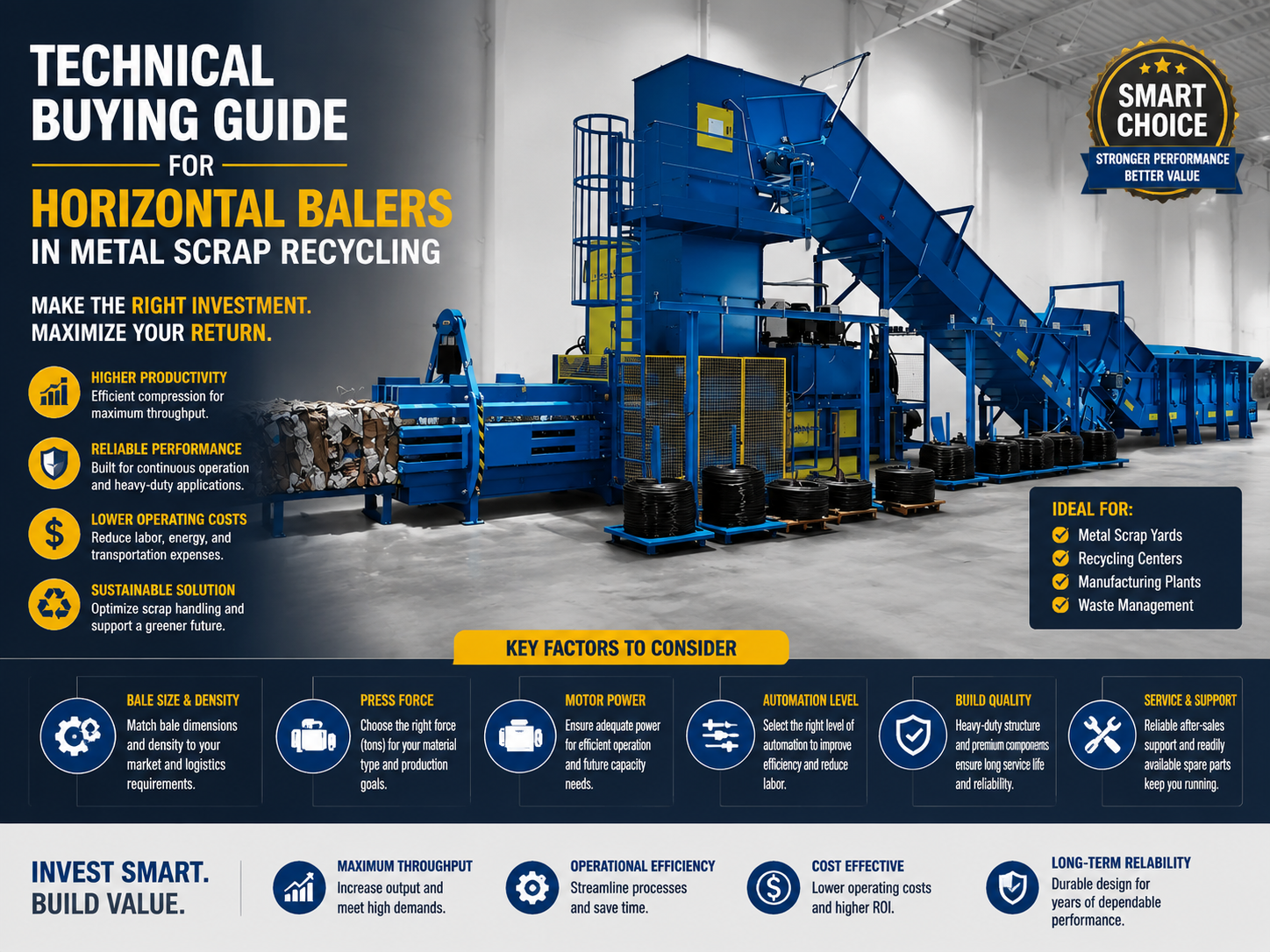
Technical Overview of Horizontal Balers in Metal Recycling
In the modern industrial landscape, the efficiency of scrap management is directly proportional to the quality of the machinery employed. Horizontal balers represent the pinnacle of high-volume scrap processing, designed to compress bulky metal waste into dense, manageable blocks. Unlike vertical balers, which are often limited by manual loading and lower pressure capacities, horizontal balers are engineered for continuous operation, often integrating seamlessly into automated conveyor systems. This technical buying horizontal balers in metal scrap recycling guide aims to provide procurement officers and plant managers with the deep technical insights required to make an informed investment.
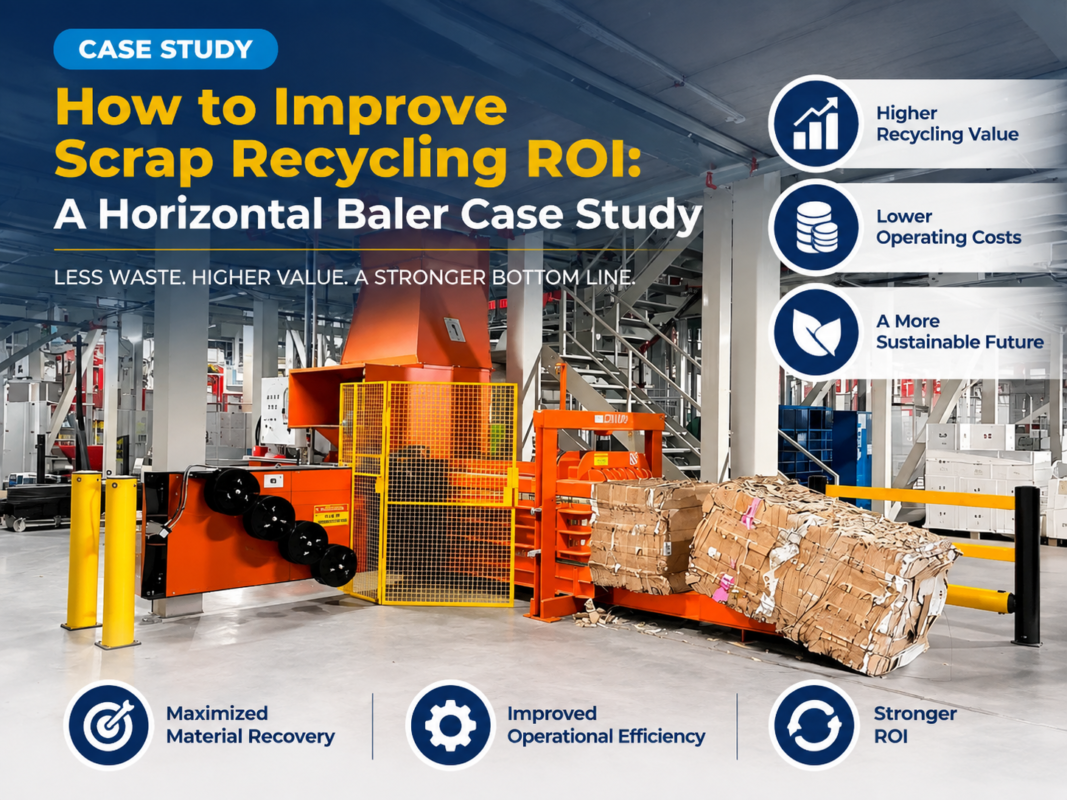
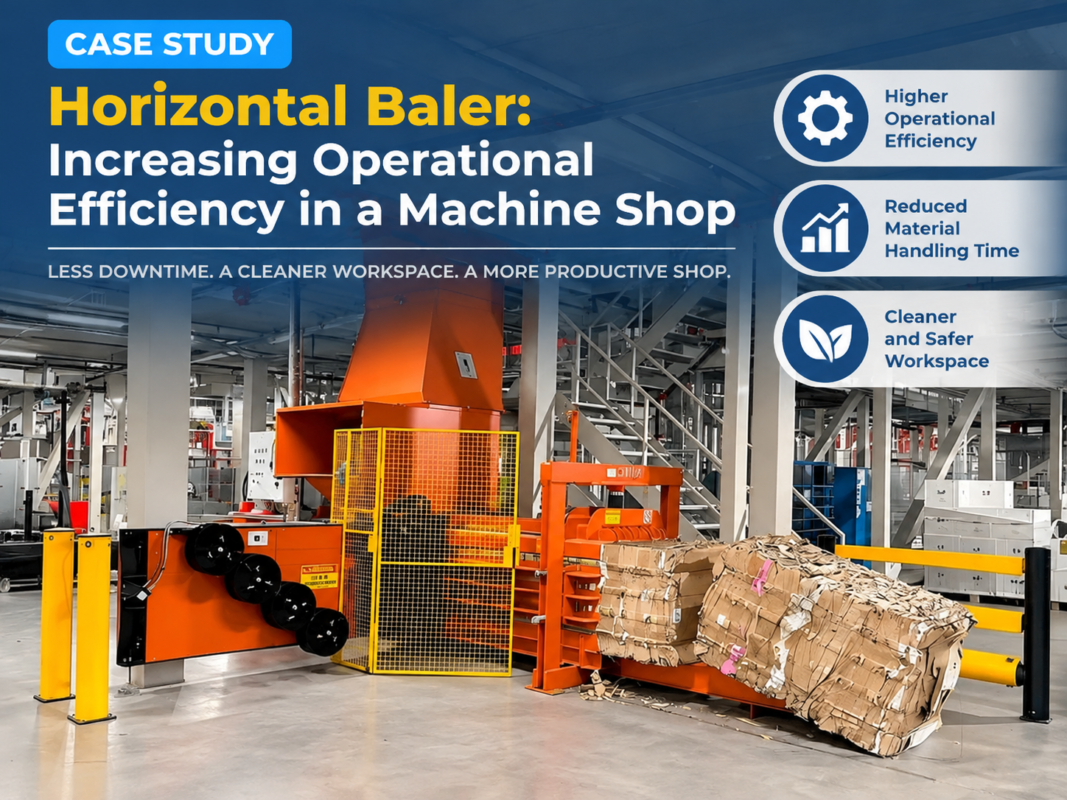
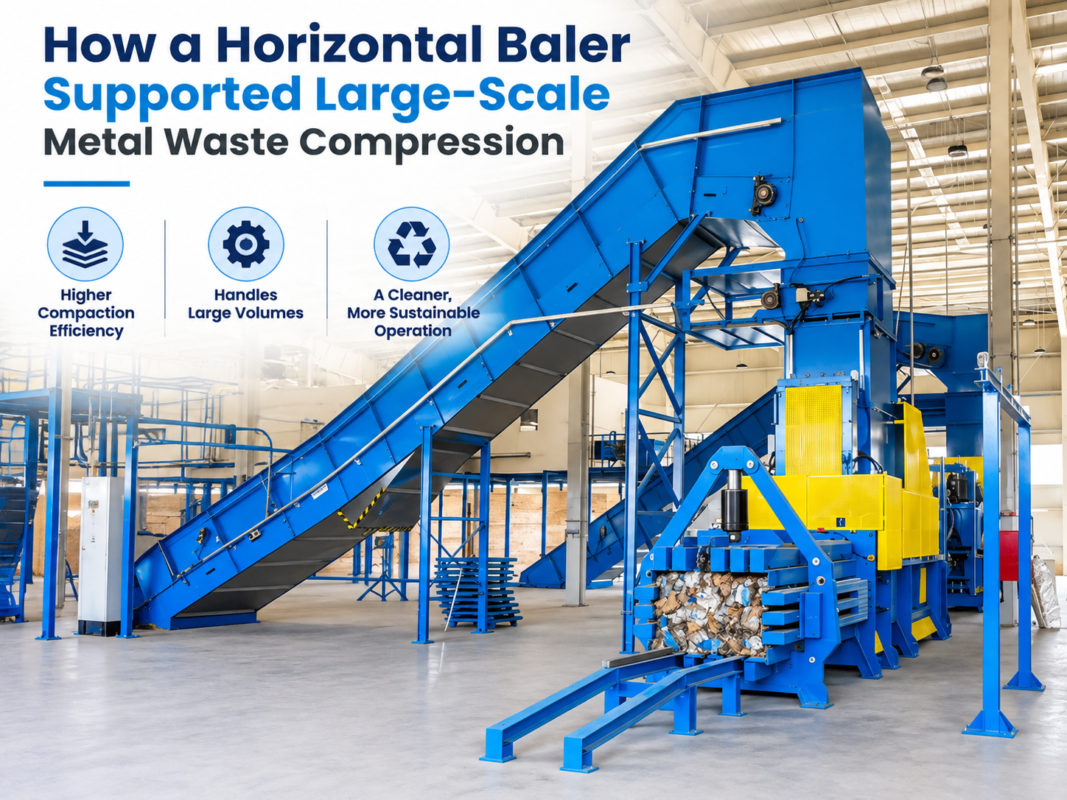
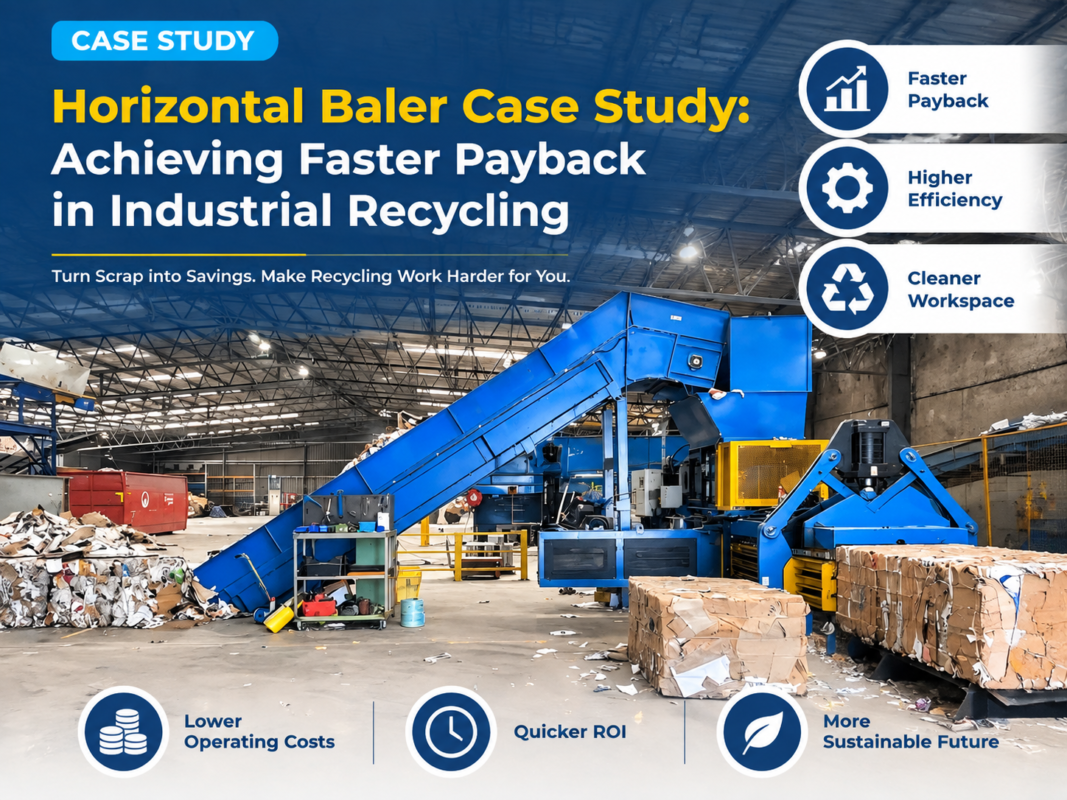
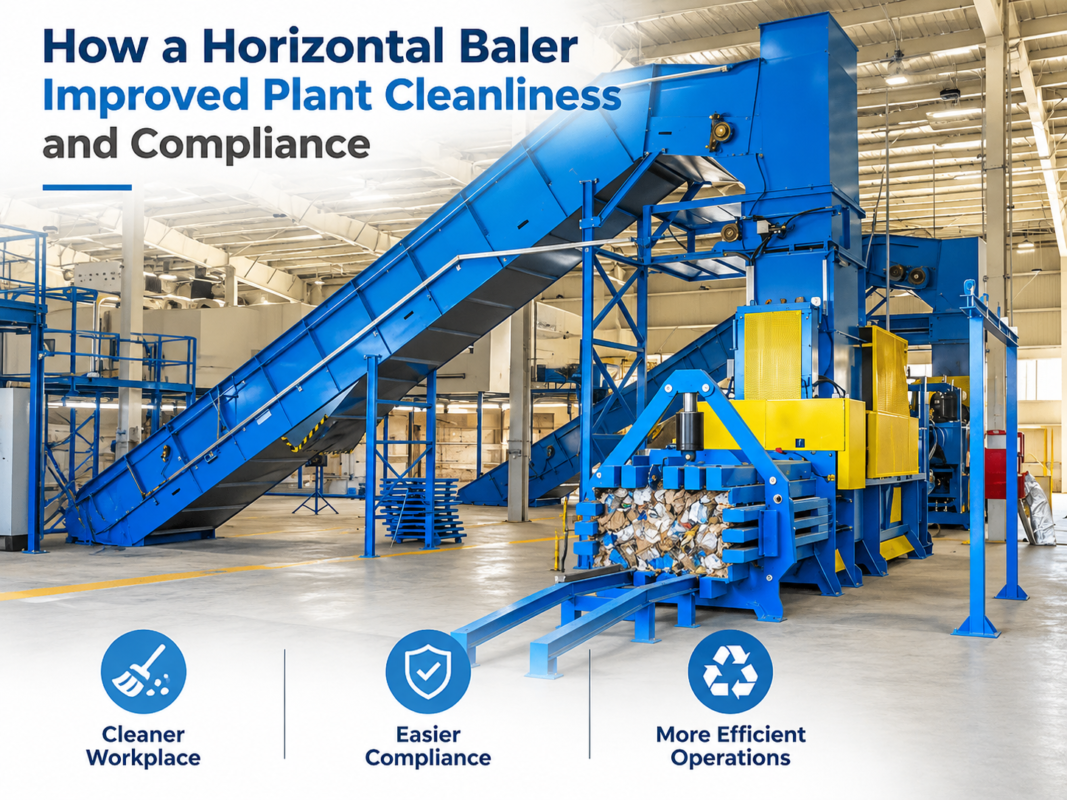
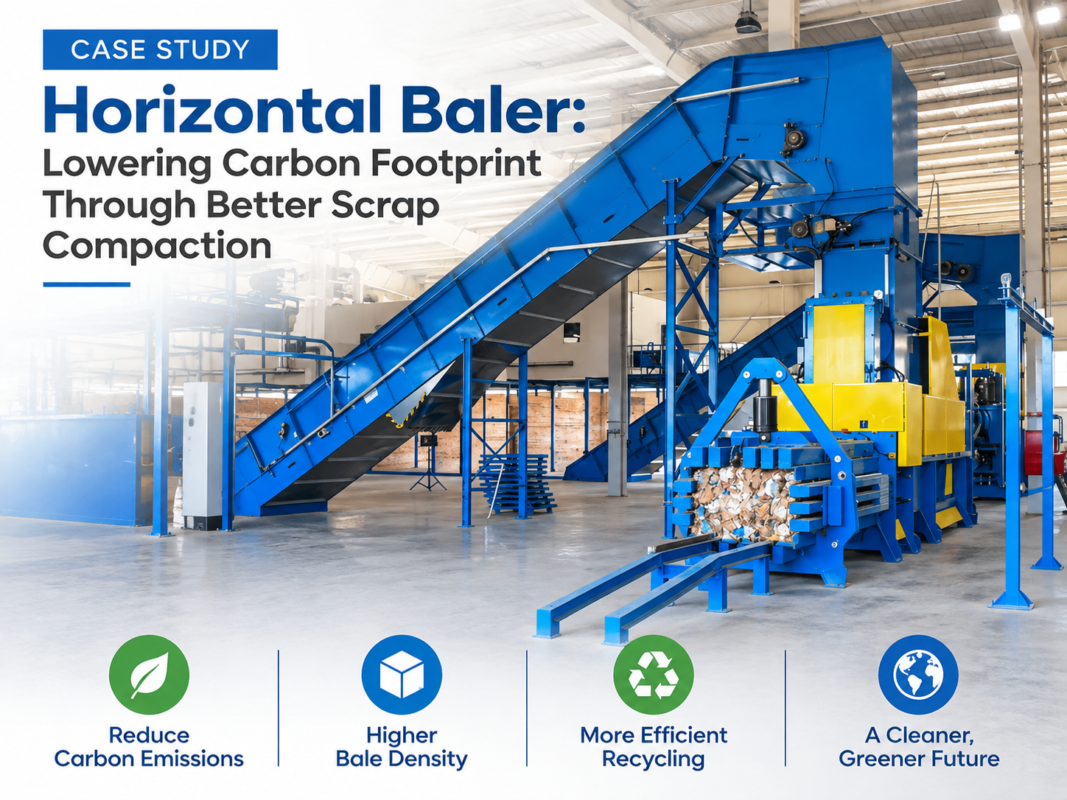
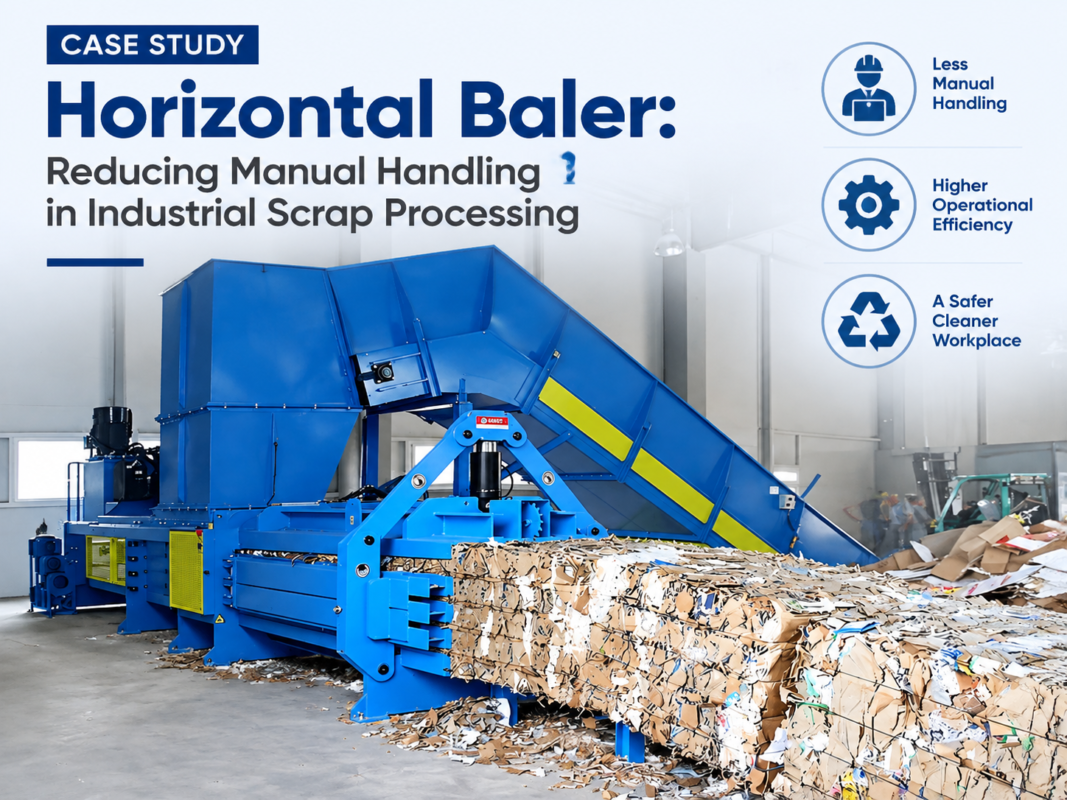
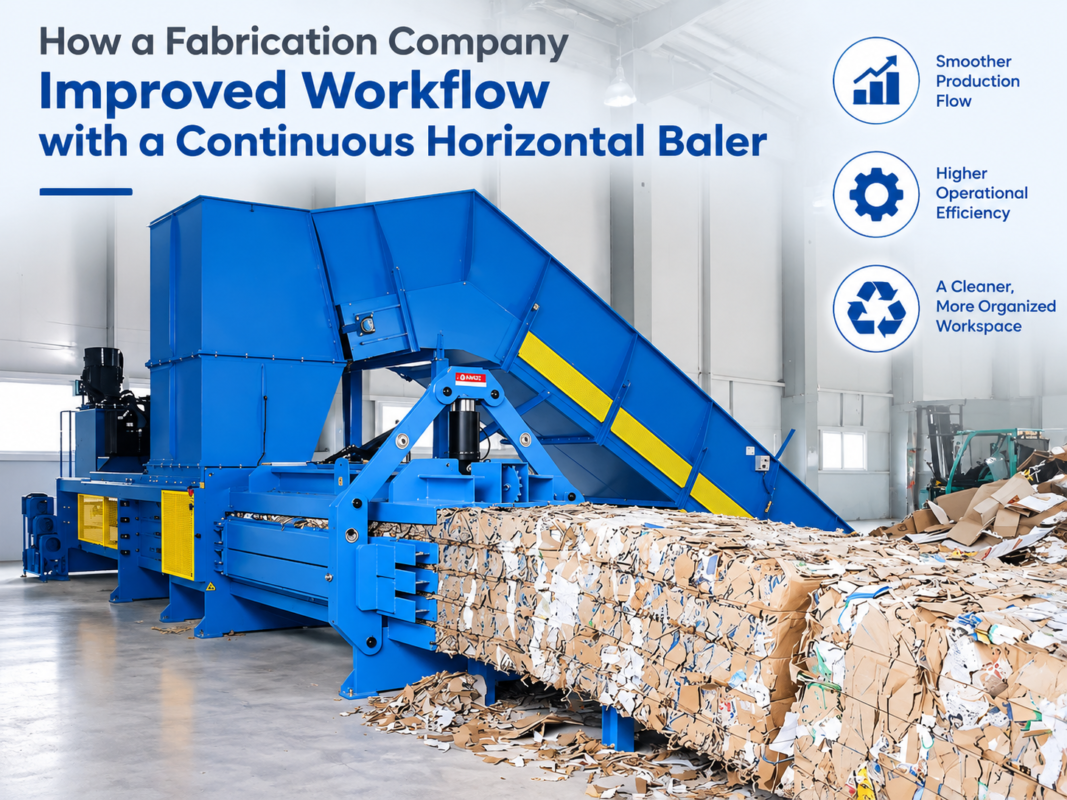
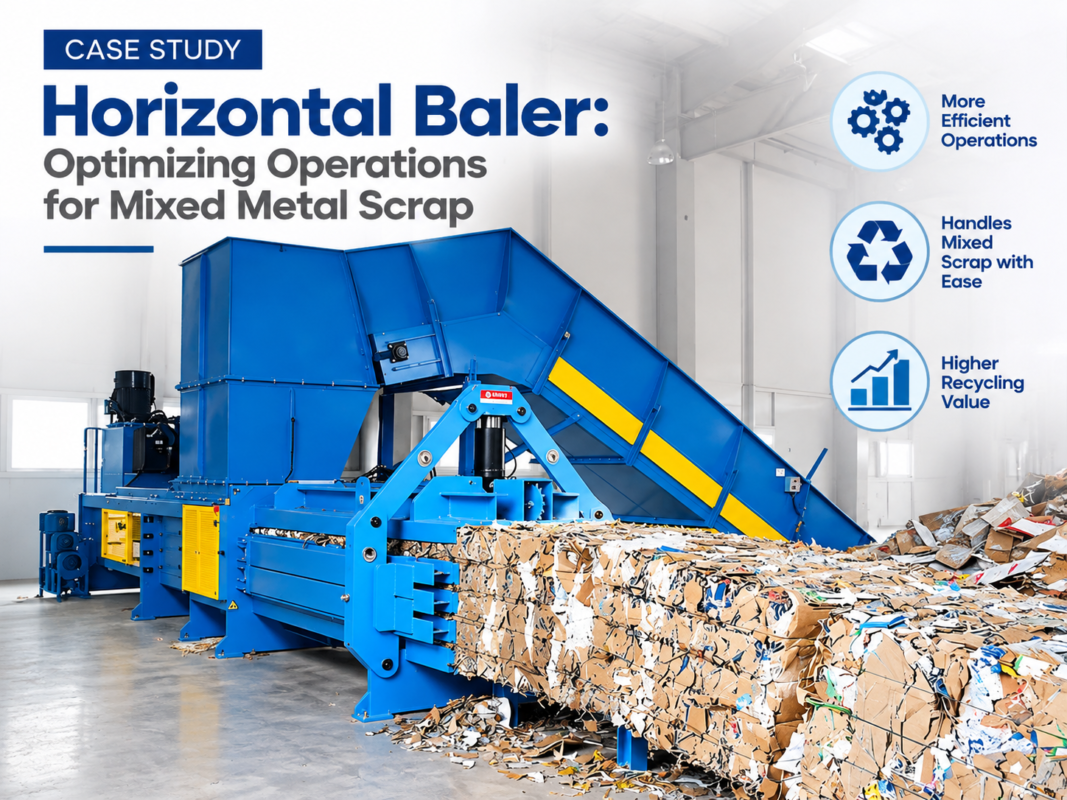
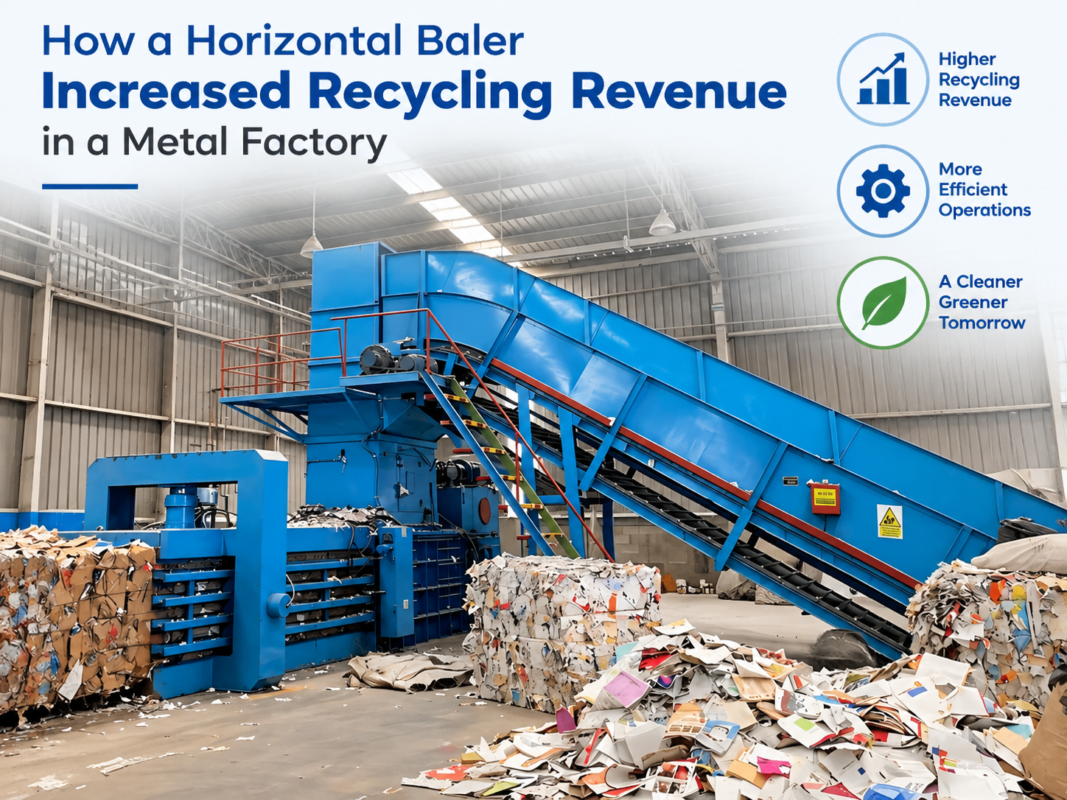
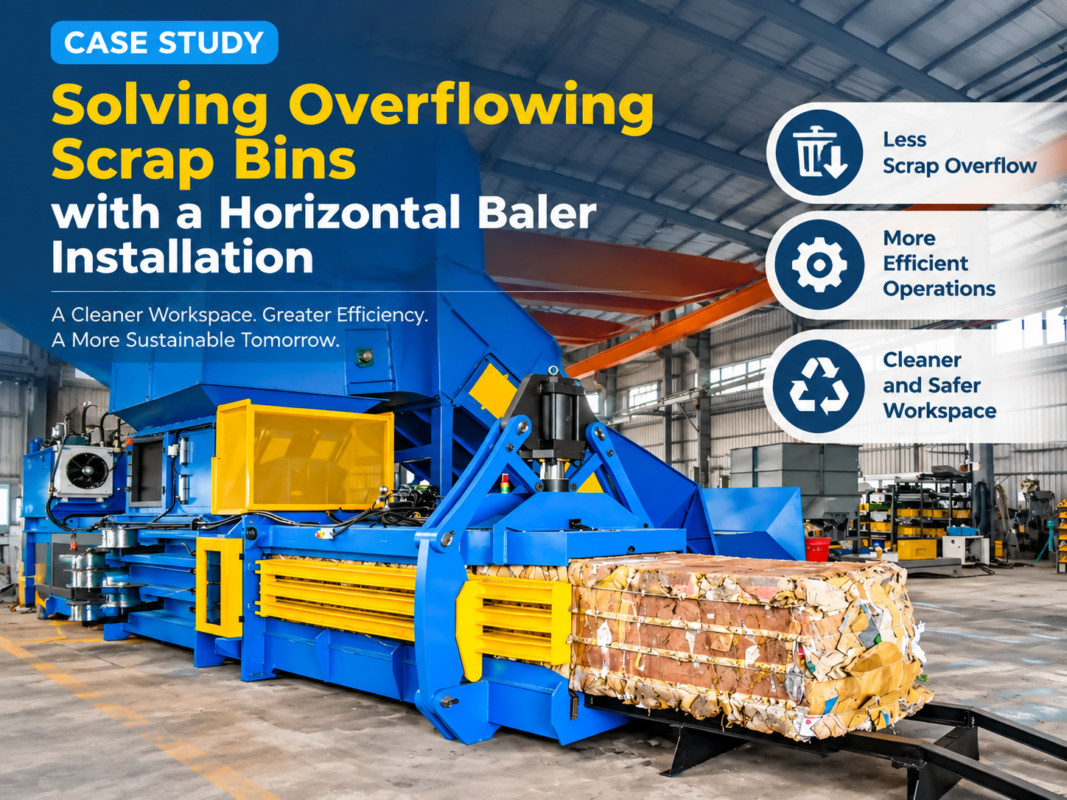
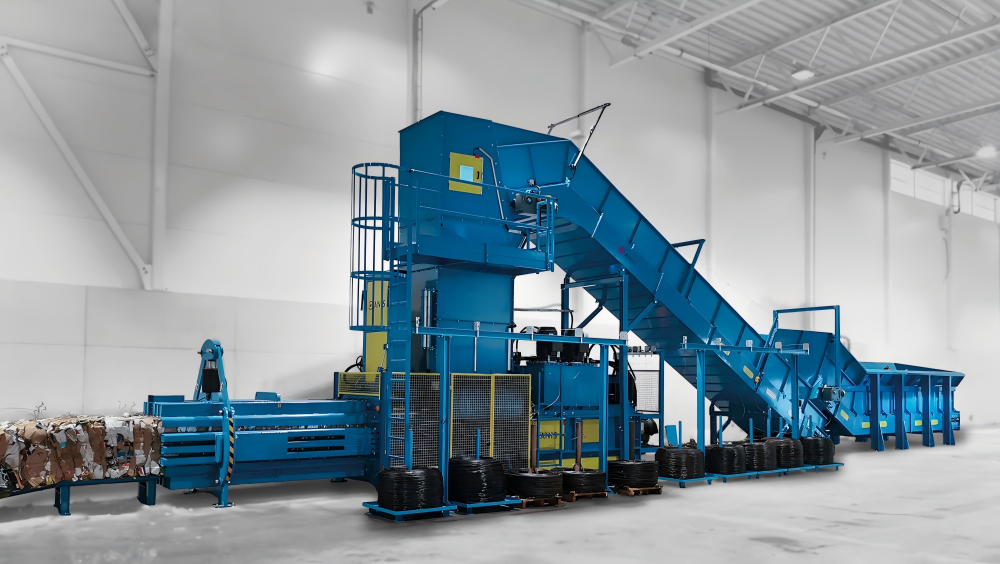
The fundamental architecture of a horizontal baler consists of a heavy-duty steel frame, a high-pressure hydraulic ram, a feed hopper, and a bale discharge gate. In metal recycling, these machines must withstand extreme abrasive forces and high-impact loading. The structural integrity of the compression chamber is paramount; high-tensile steel plates, often reinforced with replaceable wear liners like Hardox, are standard in premium models such as those manufactured by HARSLE. These liners protect the main frame from the gouging effects of sharp metal scrap, significantly extending the machine’s operational lifespan.
Automation is another critical aspect of the technical overview. Modern horizontal balers utilize Programmable Logic Controllers (PLCs) to manage the compression cycles. These systems monitor oil temperature, pressure levels, and ram position in real-time. For metal scrap, which varies significantly in density—from light aluminum cans to heavy copper wiring—the ability of the PLC to adjust the pressure and cycle timing is essential for maintaining consistent bale density and preventing machine fatigue. This level of technical sophistication ensures that the recycling facility can maximize throughput while minimizing energy consumption.
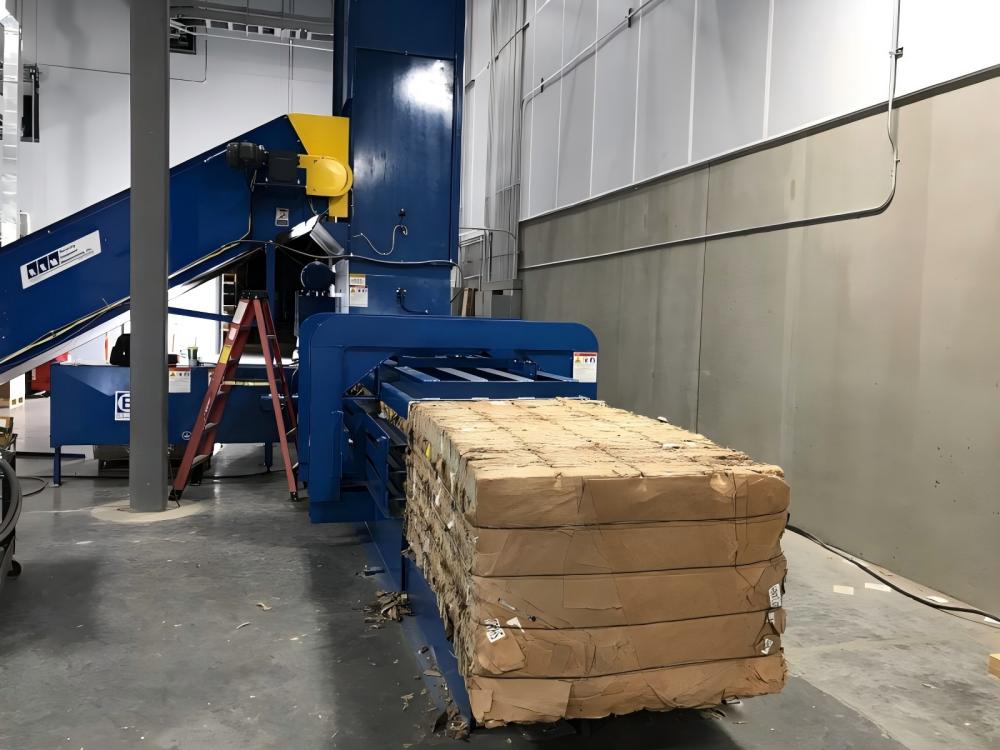
Furthermore, the distinction between ‘closed-end’ and ‘open-end’ horizontal balers is vital. Closed-end balers use a hydraulic gate to hold the material during compression, resulting in higher density bales suitable for non-ferrous metals. Open-end balers, often equipped with an automatic tying system, allow for continuous extrusion, making them ideal for high-volume processing of lighter materials. Understanding these structural variations is the first step in the technical buying horizontal balers in metal scrap recycling process.
Core Parameters for Technical Evaluation
When evaluating a horizontal baler, the technical specifications must be scrutinized beyond the marketing brochures. The primary parameter is the Pressing Force, usually measured in tons. For metal scrap, a pressing force ranging from 100 to 400 tons is common. However, the ‘Specific Pressure’ (PSI or kg/cm²) exerted on the material face is a more accurate measure of the machine’s ability to compact dense metals. A higher total force distributed over a massive ram face may result in lower density than a moderate force on a smaller ram face.
The Cycle Time is the second most critical parameter. This refers to the time taken for the ram to complete a full forward and backward stroke. In a high-production environment, every second saved translates to tons of additional material processed per shift. Cycle time is determined by the hydraulic pump’s flow rate (measured in Liters per Minute or GPM) and the cylinder’s diameter. A well-engineered baler balances high speed with controlled deceleration to prevent hydraulic shock, which can lead to pipe bursts and seal failures over time.
Motor Power and Hydraulic Efficiency are also central to the technical buying horizontal balers in metal scrap recycling. High-efficiency motors (IE3 or IE4 standards) paired with variable frequency drives (VFDs) allow the machine to consume power only when needed. In metal recycling, where the load is inconsistent, a VFD can reduce energy costs by up to 30%. Additionally, the cooling system—whether air-cooled or water-cooled—must be sized to handle the heat generated during continuous high-pressure cycles, especially in warmer climates or poorly ventilated facilities.
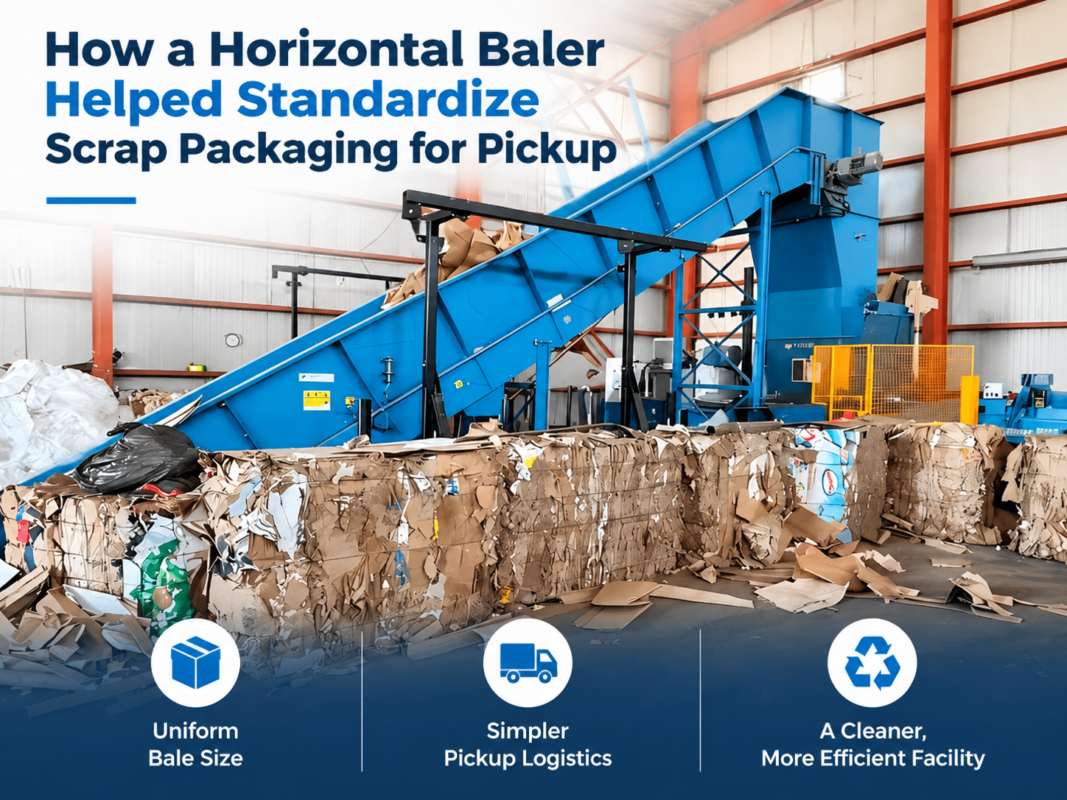
Finally, the Bale Size and Weight must align with downstream logistics. Standard bale dimensions (e.g., 1100mm x 1100mm) are often designed to fit perfectly into shipping containers or onto flatbed trucks. If the bales are too light, transport costs per ton increase; if they are too dense or oversized, they may exceed weight limits or be rejected by smelters. Buyers must ensure the baler’s chamber dimensions and pressure capabilities match their specific material output goals.
Calculation Method for Throughput and ROI
To justify the investment in a horizontal baler, one must perform rigorous calculations regarding throughput and Return on Investment (ROI). The theoretical throughput of a baler is calculated using the formula: Throughput (tons/hr) = (Bale Weight x 3600) / (Cycle Time + Loading Time). However, in the real world of metal scrap, ‘Loading Time’ is often the bottleneck. If your conveyor system cannot feed the hopper fast enough, the baler will sit idle, wasting energy and labor.
Another essential calculation is Bale Density. Density is calculated as Mass / Volume. For metal scrap, achieving a density of at least 450-600 kg/m³ is often required for international shipping. To calculate if a machine can achieve this, you must look at the ‘Final Compression Force’. If the machine exerts 200 tons over a 1m² ram face, the specific pressure is 20 kg/cm². Comparing this to the yield strength of the scrap metal being processed will tell you if the machine is technically capable of reaching the desired density.
ROI calculations should include not only the purchase price but also the ‘Total Cost of Ownership’ (TCO). This includes electricity costs, hydraulic oil replacement, wear part replacement (shear blades and liners), and labor. For example, a fully automatic horizontal baler might have a higher upfront cost than a semi-automatic model, but the reduction in labor (one operator vs. three) and the increase in bale consistency often result in a shorter payback period—typically within 18 to 24 months for high-volume yards.
Technical Parameter Table for Common Models
The following table provides a comparative look at typical specifications for horizontal balers used in metal scrap recycling. These figures are representative of HARSLE’s industrial-grade equipment.
| Model Series | Pressing Force (Tons) | Bale Size (mm) | Motor Power (kW) | Cycle Time (sec) | Throughput (Tons/hr) |
|---|---|---|---|---|---|
| HBA-120 | 120 | 1100 x 800 x Variable | 30 – 45 | 50 – 60 | 4 – 6 |
| HBA-160 | 160 | 1100 x 1100 x Variable | 45 – 75 | 45 – 55 | 6 – 10 |
| HBA-250 | 250 | 1100 x 1100 x Variable | 75 – 110 | 40 – 50 | 12 – 18 |
| HBA-400 | 400 | 1300 x 1100 x Variable | 110 – 160 | 35 – 45 | 20 – 30 |
Common Engineering Mistakes in Baler Selection
One of the most frequent mistakes in the technical buying horizontal balers in metal scrap recycling process is undersizing the hydraulic cooling system. Metal recycling is a brutal application. If the oil temperature exceeds 60°C (140°F), the viscosity drops, leading to increased internal leakage in the pumps and valves, accelerated seal wear, and a significant drop in pressing force. Buyers often focus on the ‘Tons of Force’ but forget that without proper cooling, that force degrades after just two hours of operation.
Another common error is ignoring the ‘Shear Blade’ quality. In horizontal balers, a shear blade is often mounted at the top of the compression chamber to cut off overhanging scrap as the ram moves forward. If these blades are made of inferior steel or are not properly gapped, they will dull quickly or even chip when encountering hardened steel scrap. This leads to ‘jamming’ and significant downtime. A technical buyer should always inquire about the blade material (e.g., D2 tool steel) and the ease of adjustment/replacement.
Furthermore, many buyers fail to account for Material Feed Consistency. A horizontal baler is only as good as its feeding system. If you are processing loose aluminum extrusions, the hopper needs to be large enough to prevent ‘bridging’ (where material gets stuck and won’t fall into the chamber). Engineering the hopper with flared sides or integrating a ‘stamper’ or ‘pre-compressor’ can solve these issues, but these are often overlooked during the initial purchase to save costs, leading to long-term operational headaches.
Lastly, electrical infrastructure is often an afterthought. A 110kW motor requires a significant surge current during startup (unless using a Soft Starter or VFD). Many facilities find that their existing transformers or wiring cannot handle the load, leading to expensive electrical upgrades that were not factored into the original budget. Always verify the ‘Starting Current’ and ‘Full Load Amps’ with your facility’s electrical engineer before finalizing the purchase.
Selection Checklist for Technical Buyers
To ensure a successful acquisition, use the following checklist during your technical buying horizontal balers in metal scrap recycling journey:
- Material Analysis: Define the exact types of metal (ferrous vs. non-ferrous) and the maximum thickness of the scrap.
- Frame Construction: Is the frame welded using submerged arc welding? Are the stress points reinforced?
- Hydraulic Components: Are the pumps and valves from reputable global brands (e.g., Rexroth, Parker, or high-end domestic equivalents)? This ensures spare part availability.
- Wear Liners: Are the chamber liners replaceable? What is their Brinell hardness rating?
- Safety Systems: Does the machine include emergency stops, safety interlocks on all access doors, and pressure relief valves?
- Control Interface: Is the HMI (Human Machine Interface) intuitive? Does it provide diagnostic error codes for troubleshooting?
- Bale Tying: For open-end balers, is the auto-tier reliable? Does it use wire or plastic strapping (wire is preferred for metal)?
- Footprint and Layout: Does the machine fit your facility? Remember to leave space for bale discharge and maintenance access.
Frequently Asked Questions (FAQ)
1. What is the difference between a single-ram and a multi-ram horizontal baler?
A single-ram baler uses one main cylinder for compression and is generally faster and more cost-effective for uniform scrap. Multi-ram balers (often called L-shaped or two-ram balers) use a second cylinder to push the bale out sideways. Two-ram balers are superior for high-density requirements and for switching between different types of materials without cross-contamination, as they can completely empty the chamber.
2. How often should the hydraulic oil be changed in a scrap metal baler?
In a typical 8-hour shift environment, hydraulic oil should be tested every 6 months and generally replaced every 2,000 to 4,000 operational hours. However, using high-quality filtration systems (down to 10 microns) and maintaining proper oil temperatures can significantly extend the life of the oil. Always monitor for oxidation and varnish.
3. Can a horizontal baler handle heavy steel beams?
Generally, no. Horizontal balers are designed for ‘light to medium’ scrap such as sheet metal, aluminum profiles, cans, and wire. Heavy structural steel beams require a scrap shear or a massive triple-compression scrap baler. Attempting to process heavy structural steel in a standard horizontal baler will likely damage the ram or the frame.
4. Why is bale density important for international shipping?
Shipping lines charge by the container, not by the weight (up to a certain limit). If your bales are not dense enough, you will hit the volume limit of the container before you hit the weight limit, effectively paying to ship air. High-density bales ensure you maximize the weight in every container, which is critical for maintaining margins in the low-margin recycling industry.
5. What maintenance is required for the shear blades?
Shear blades should be inspected weekly for dullness or gaps. The gap between the moving blade on the ram and the fixed blade on the frame must be maintained according to the manufacturer’s specifications (usually 0.5mm to 1.0mm). If the gap is too wide, the metal will ‘fold’ instead of ‘cut’, leading to jams.