Understanding Vertical Baler Compression Force and Bale Density Requirements

Technical Overview of Vertical Baler Systems
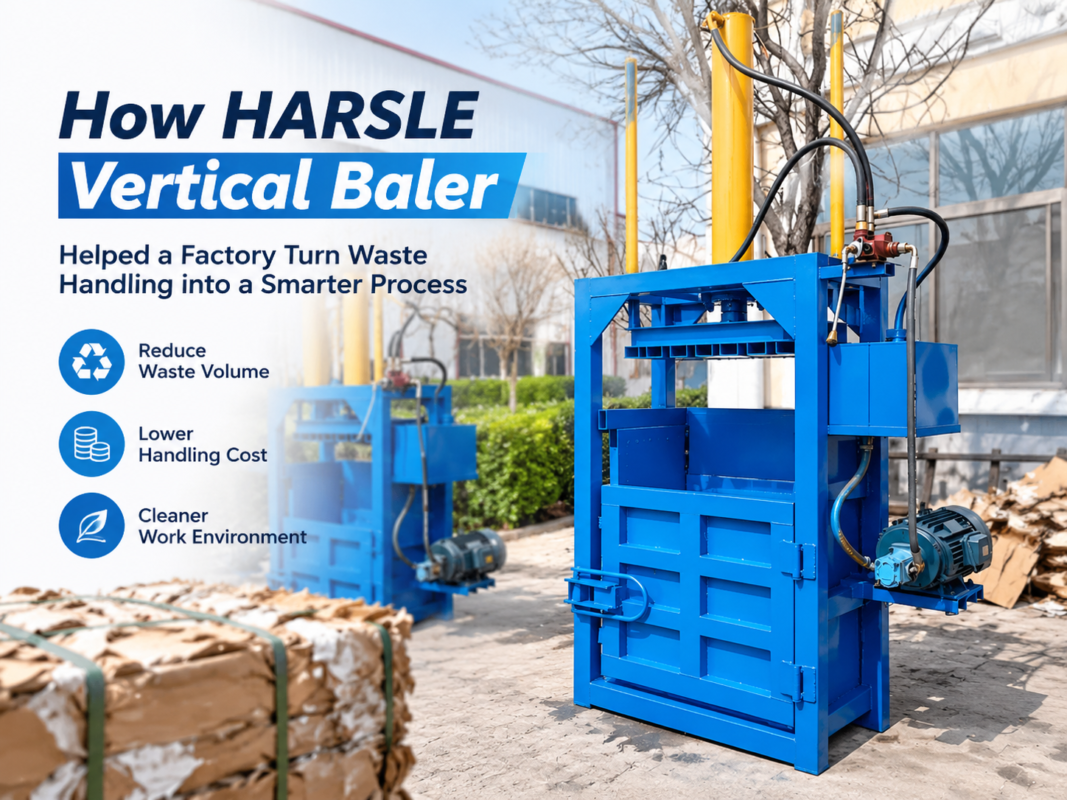
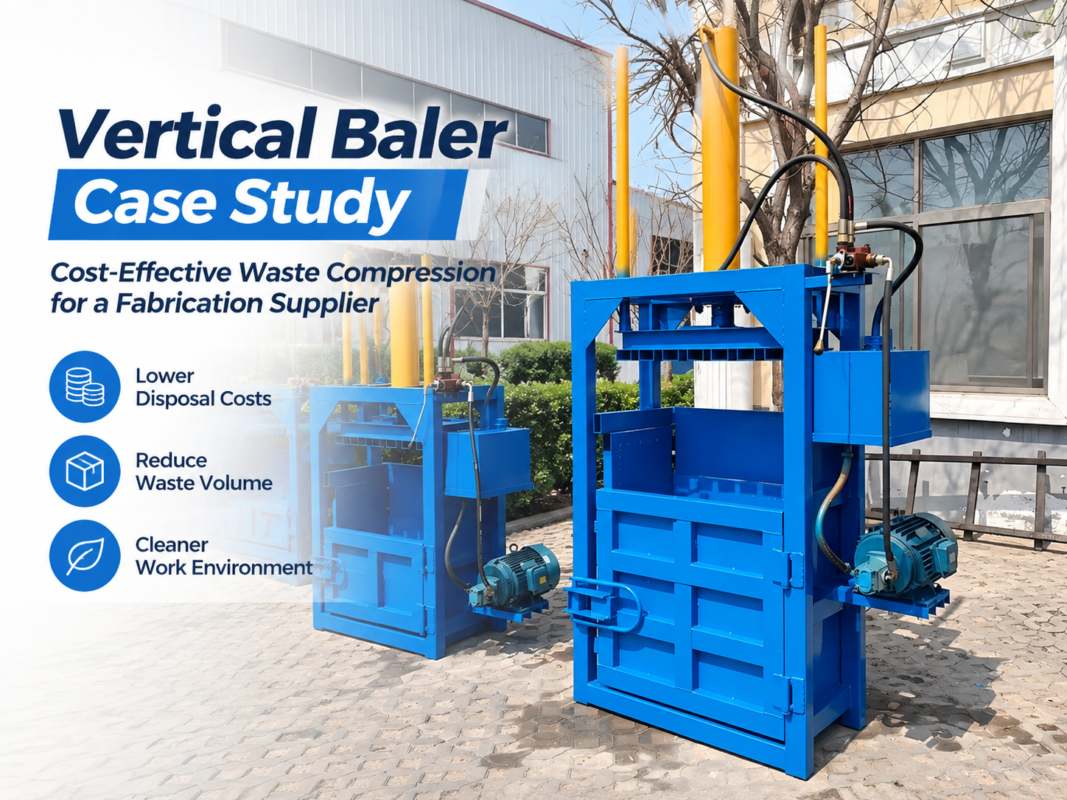
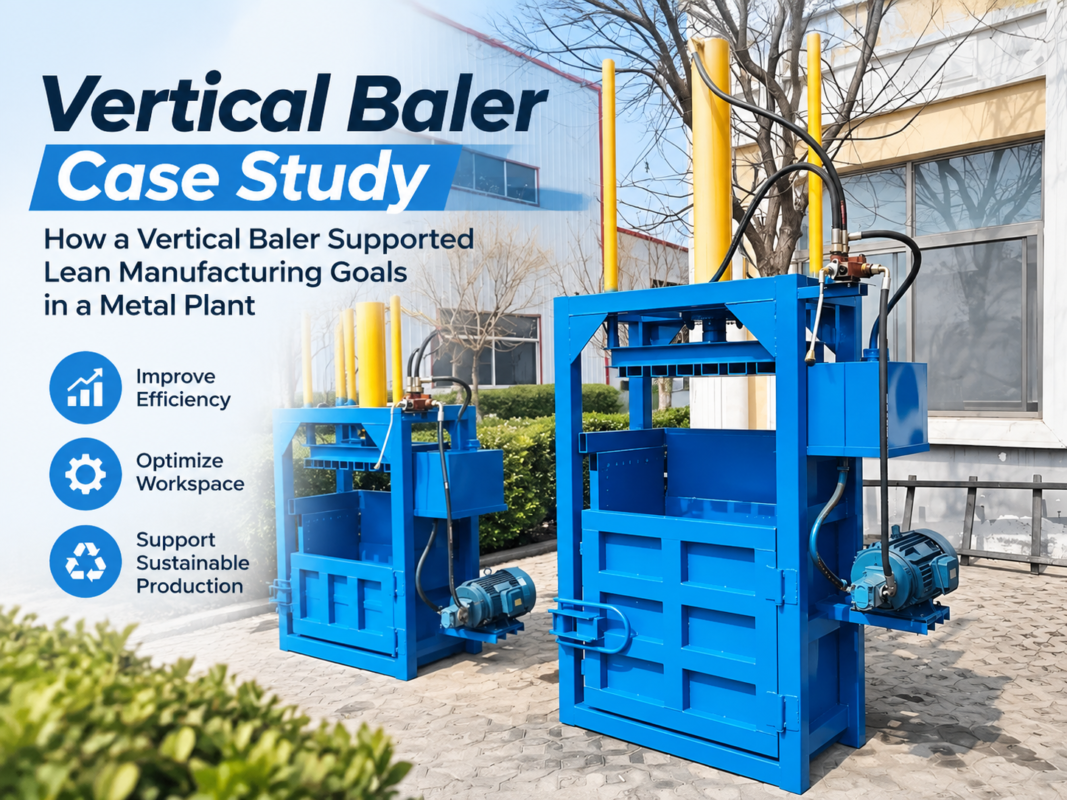
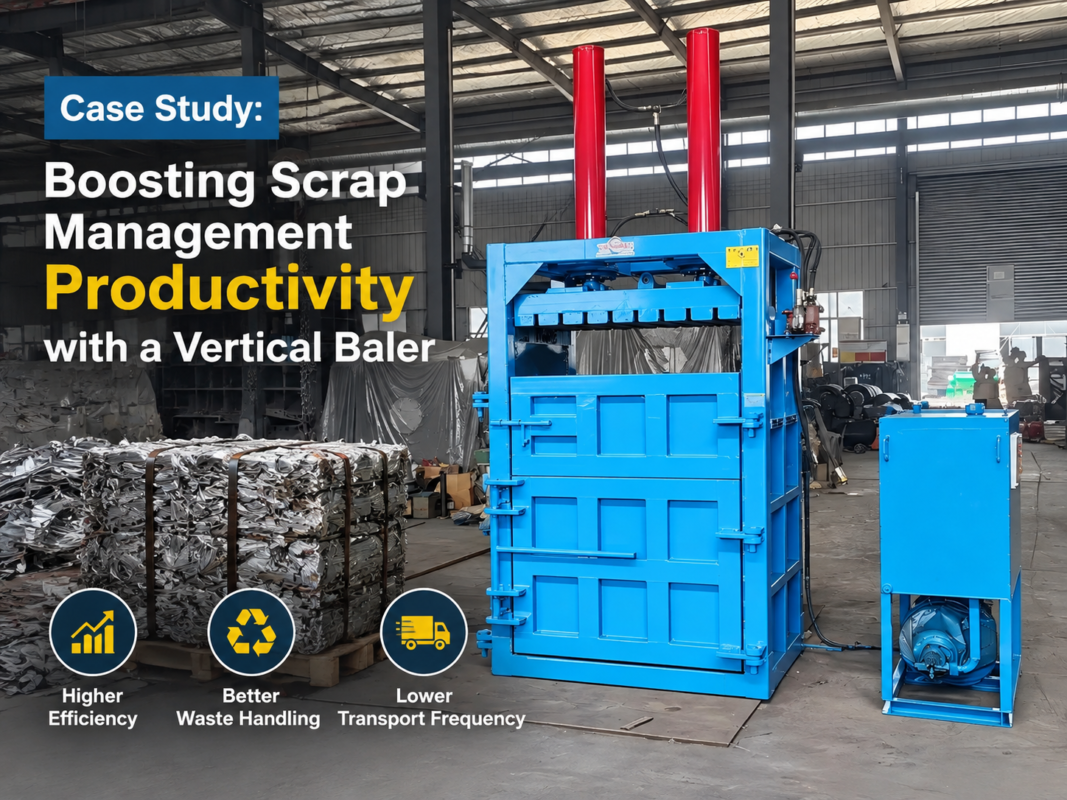
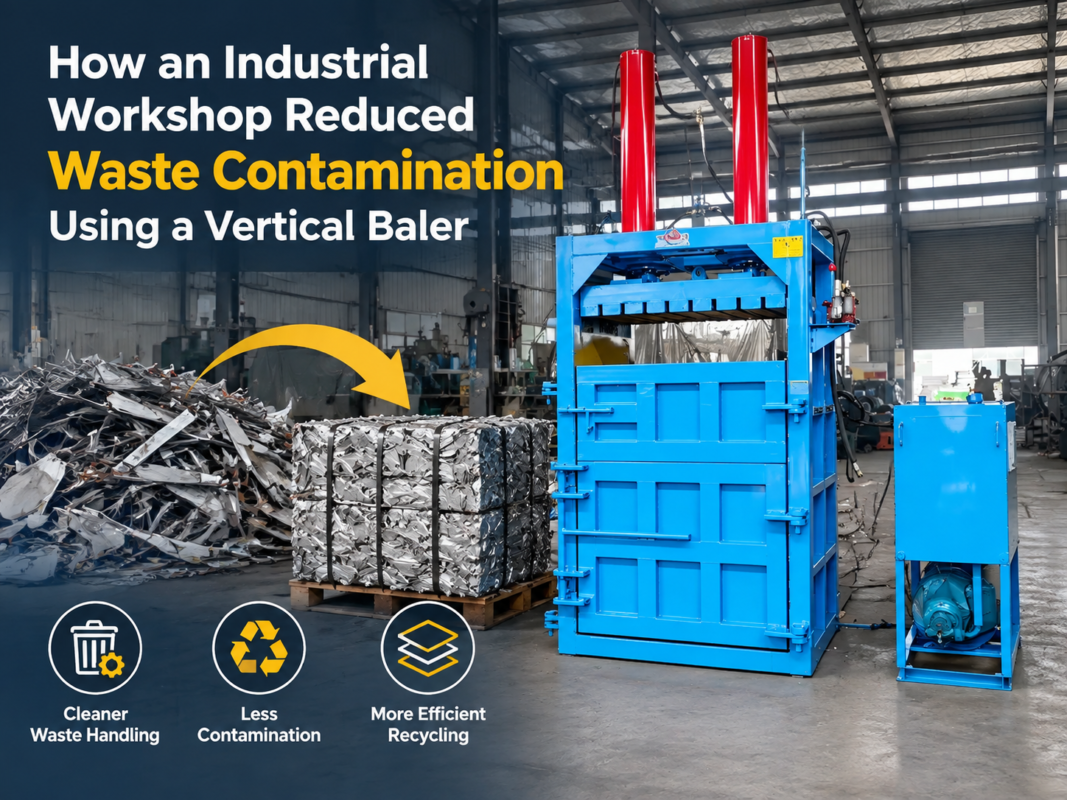
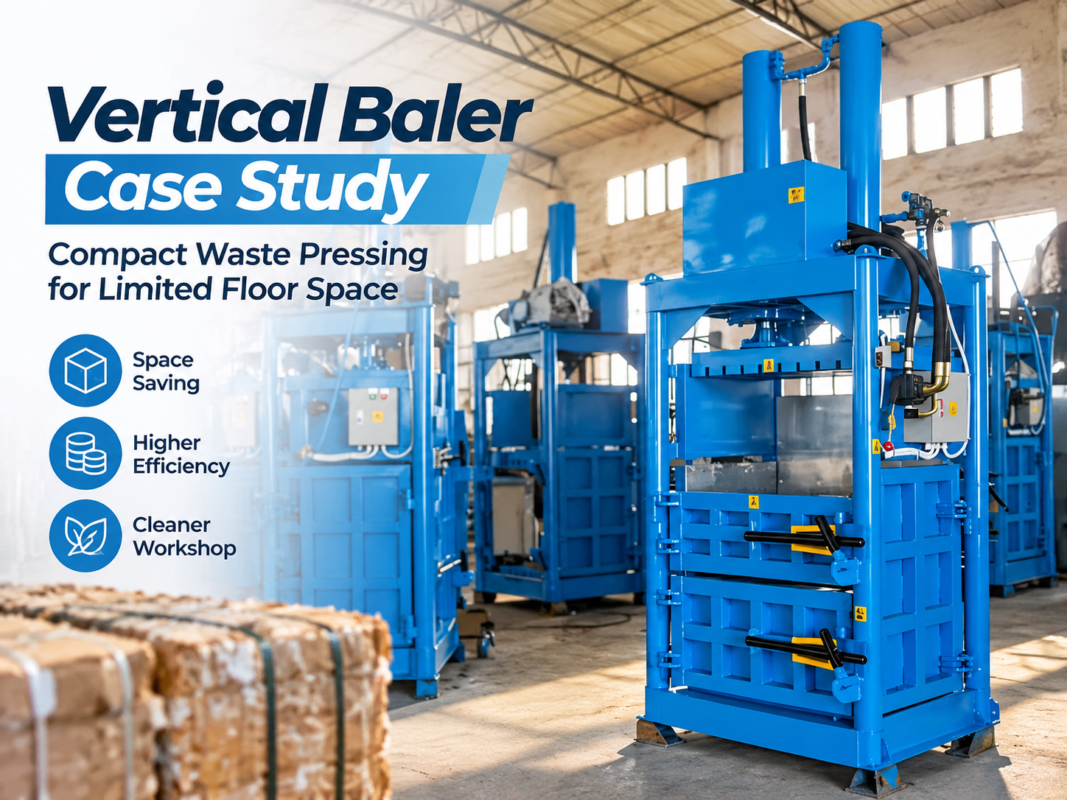
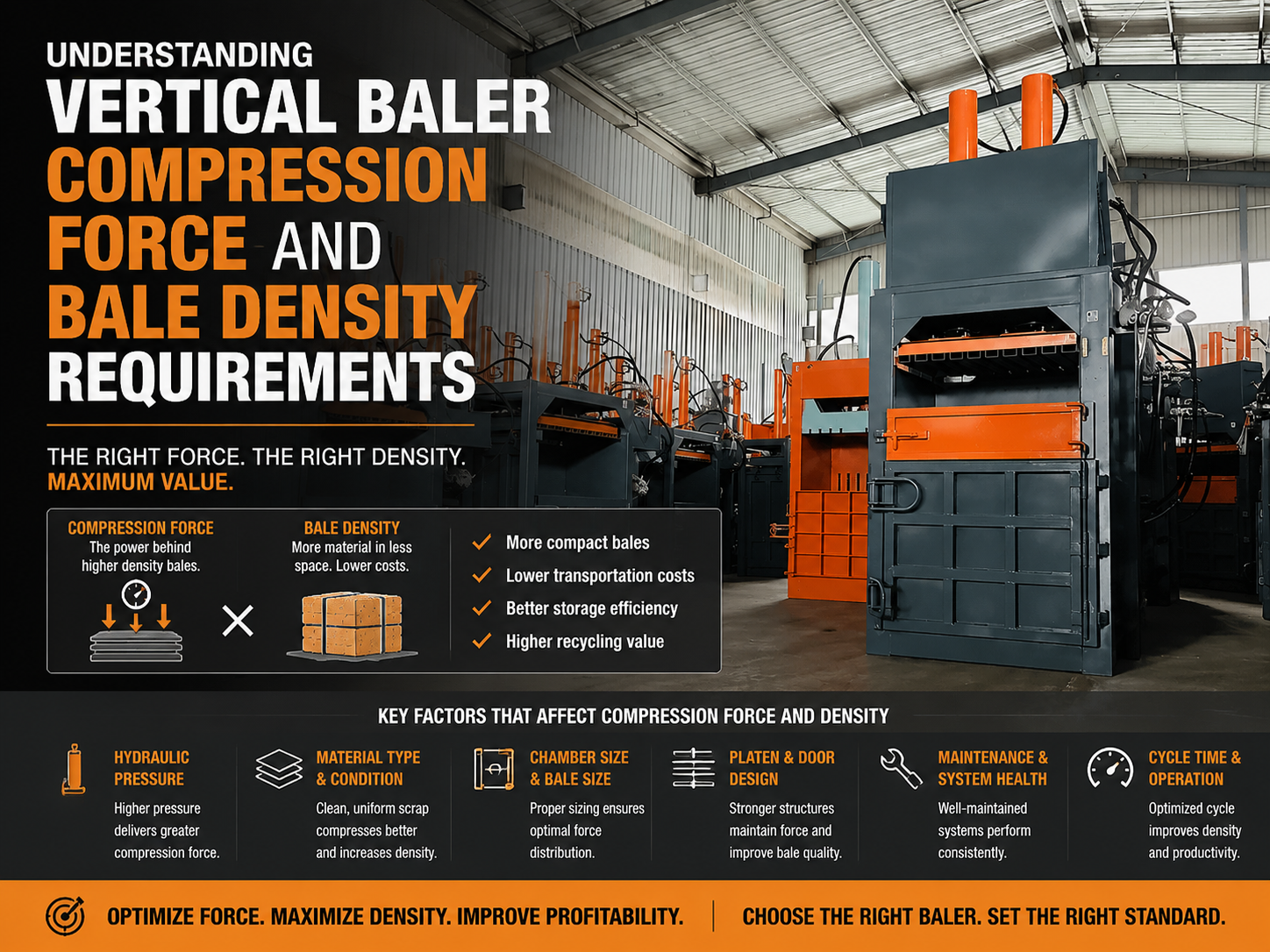
Vertical balers are indispensable assets in modern industrial waste management and recycling sectors. At their core, these machines are designed to reduce the volume of bulky waste materials—such as cardboard, plastics, textiles, and light metals—into manageable, high-density blocks known as bales. The fundamental principle behind a vertical baler is the application of hydraulic force through a downward-moving platen. This process involves complex interactions between hydraulic pressure, structural integrity, and the physical properties of the material being compressed.
Understanding vertical baler compression force and bale density requirements is critical for any facility looking to optimize its logistics and recycling revenue. Compression force, typically measured in tons or kilonewtons, represents the total pressure the hydraulic cylinder can exert on the material. Bale density, on the other hand, refers to the mass of the material per unit of volume after it has been compressed and tied. These two factors are intrinsically linked: higher compression force generally leads to higher density, but the relationship is influenced by the material’s elasticity and the friction against the baler’s chamber walls.
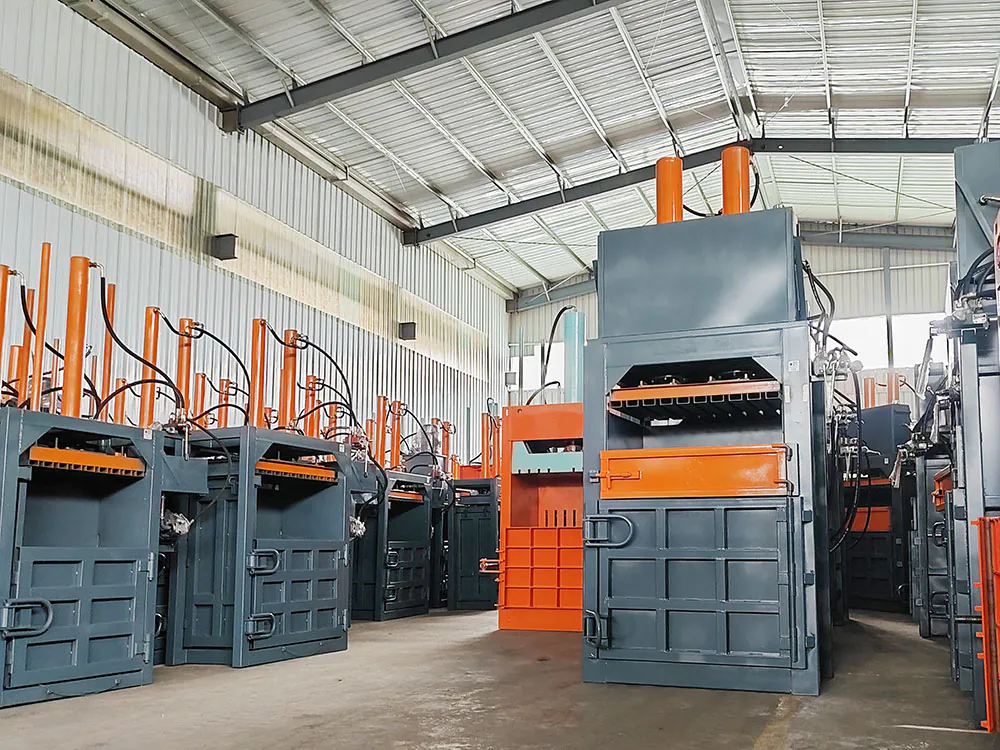
In a typical vertical baler operation, the material is loaded into a chamber, and a hydraulic ram pushes a platen downward. The efficiency of this process depends on the hydraulic system’s ability to maintain consistent pressure throughout the stroke. Modern machines from manufacturers like HARSLE utilize advanced manifold blocks and high-efficiency pumps to ensure that the force is distributed evenly across the platen surface. This prevents lopsided bales and reduces the mechanical stress on the machine’s frame, which is a common cause of long-term structural fatigue.
Furthermore, the technical design of the baler must account for the ‘spring-back’ effect. Many materials, particularly plastics and certain types of cardboard, tend to expand once the compression force is released. To achieve the required bale density, the baler must over-compress the material or hold the pressure for a specific dwell time to allow the fibers or polymers to settle into their new shape. This technical nuance is why simply looking at the maximum tonnage of a machine is insufficient; one must also consider the cycle time and the structural rigidity of the chamber.
Core Parameters Influencing Performance
When evaluating a vertical baler, several core parameters dictate its performance and suitability for specific applications. The first and most prominent is the Nominal Force. This is the maximum force the hydraulic cylinder can generate. For light-duty applications like retail cardboard, a 10-to-20-ton baler might suffice. However, for industrial-scale recycling of PET plastics or heavy-duty aluminum scrap, forces exceeding 50 or 100 tons are often necessary to reach the desired density levels.
The second parameter is Platen Pressure, which is the force divided by the surface area of the pressing platen. This is often a more accurate measure of the machine’s ‘crushing power’ than total tonnage alone. For example, a 50-ton baler with a small platen will exert more PSI (pounds per square inch) on the material than a 50-ton baler with a larger platen. High platen pressure is essential for dense materials that resist deformation. If the platen pressure is too low, the material will not reach the plastic deformation stage, resulting in loose bales that are difficult to transport.
Cycle Time is another critical parameter, especially in high-volume environments. This refers to the time it takes for the platen to move from its home position, compress the material, and return. Faster cycle times increase throughput but require more powerful hydraulic pumps and motors. Balancing cycle time with compression force is a key engineering challenge. If the cycle is too fast, the air trapped within the material may not have enough time to escape, leading to poor bale stability and potential safety hazards during the tying process.
Lastly, the Chamber Dimensions and Stroke Length determine the final size of the bale. The stroke length must be sufficient to compress the material deep into the chamber to ensure that even the first few layers of waste are adequately compacted. A shorter stroke might leave the top of the bale dense while the bottom remains loose. High-quality vertical balers are engineered with a stroke-to-chamber-height ratio that ensures uniform density throughout the entire bale height.
Calculation Method for Force and Density
To accurately determine the requirements for a specific operation, engineers use several mathematical models. The most basic calculation for compression force (F) is derived from the hydraulic pressure (P) and the area of the cylinder piston (A): F = P × A. However, in a real-world scenario, we must also account for mechanical losses and friction. For a vertical baler, the effective force on the material is usually 85-95% of the theoretical hydraulic force due to these losses.
Calculating the required bale density is vital for logistics planning. Bale density (D) is calculated as D = m / V, where ‘m’ is the mass of the bale and ‘V’ is its volume. For instance, if you aim to fit 20 tons of cardboard into a 40-foot shipping container, you must calculate the minimum density required based on the container’s internal volume. If the resulting density requirement is 400 kg/m³, you then select a baler capable of exerting enough platen pressure to reach that density for cardboard.
Material-specific constants also play a role. Cardboard typically requires a platen pressure of 30-50 PSI to reach a density of 350-450 kg/m³. In contrast, plastic film (LDPE) might require 60-80 PSI because of its high elasticity and tendency to trap air. When calculating these requirements, it is also important to factor in the ‘fill factor’—how much material is loaded per cycle. Overloading the chamber can lead to uneven pressure distribution, while underloading results in inefficient energy usage and longer processing times per ton.
Another advanced calculation involves the Energy per Bale. This is the integral of the force over the distance of the stroke. This calculation helps in selecting the appropriate motor size (kW or HP). A machine that requires high force over a long stroke will need a more robust motor and a larger hydraulic reservoir to manage the heat generated during the compression cycle. Ignoring this can lead to hydraulic fluid overheating, which reduces the viscosity of the oil and significantly drops the machine’s efficiency.
Parameter Table for Standard Vertical Balers
The following table provides a general guideline for the relationship between machine tonnage, material type, and expected bale density. Note that these values are estimates and can vary based on moisture content and material purity.
| Machine Tonnage (Tons) | Material Type | Platen Pressure (PSI) | Target Density (kg/m³) | Typical Bale Weight (kg) |
|---|---|---|---|---|
| 10 – 15 | OCC (Cardboard) | 15 – 25 | 150 – 250 | 100 – 200 |
| 30 – 40 | OCC / Paper | 35 – 50 | 350 – 450 | 350 – 500 |
| 50 – 60 | PET / Plastic Film | 60 – 85 | 400 – 550 | 400 – 600 |
| 80 – 100 | Aluminum Cans / Light Metal | 100 – 150 | 600 – 900 | 500 – 800 |
| 120+ | Heavy Industrial Scrap | 150+ | 1000+ | 800 – 1200 |
Common Engineering Mistakes in Baler Selection
One of the most frequent mistakes in selecting a vertical baler is underestimating the material’s ‘memory’ or elasticity. Many buyers choose a machine based on the weight of the bale they want to produce without considering the force required to keep that material compressed. For example, expanding foam or certain plastics require much higher tonnage than cardboard to achieve the same bale weight because they resist permanent deformation. Choosing an undersized baler leads to ‘soft’ bales that fall apart during transport or fail to meet the density requirements of recycling centers.
Another common error is ignoring the structural duty cycle of the machine. A baler might be rated for 50 tons, but if the frame is not designed for continuous high-pressure operation, it will eventually develop stress cracks. This is particularly common in ‘economy’ models where the steel thickness is minimized to save costs. In industrial environments where the baler runs multiple shifts a day, the fatigue life of the welds and the cylinder mounts is just as important as the maximum force. A robust frame ensures that the platen remains parallel to the floor; if the frame flexes, the platen can tilt, causing side-loading on the hydraulic cylinder seals and leading to premature failure.
Improper hydraulic cooling is a technical oversight that often plagues high-volume operations. Compression generates heat. If the baler is used continuously without an adequate cooling system or a large enough oil reservoir, the hydraulic fluid temperature will rise. As the oil heats up, its viscosity decreases, leading to internal leakage in the pump and valves. This results in a noticeable drop in compression force. Operators often try to compensate by increasing the relief valve pressure, which only accelerates the wear on the pump and can lead to catastrophic hose failures.
Finally, many facilities fail to account for electrical requirements and voltage drops. High-tonnage balers require significant startup current for their motors. If the power supply is inadequate or the wiring is undersized, the motor will struggle to reach its rated torque, leading to sluggish performance and potential motor burnout. It is essential to consult with an electrician to ensure the facility’s infrastructure can handle the peak loads required during the final stages of the compression stroke when the motor is under maximum stress.
Selection Checklist for Industrial Buyers
Choosing the right vertical baler requires a systematic approach. Use the following checklist to ensure all technical and operational requirements are met:
- Material Analysis: Identify the primary and secondary materials to be baled. Determine their moisture content, elasticity, and average feed size.
- Volume Requirements: Calculate the total tons of waste produced per day/week. This determines the required cycle time and chamber size.
- Density Targets: Check with your recycling partner or logistics provider for the minimum density or bale weight required for maximum rebate value.
- Space Constraints: Measure the available floor space and ceiling height. Vertical balers require significant overhead clearance for the cylinder stroke.
- Safety Features: Ensure the machine complies with local safety standards (e.g., ANSI, CE). Look for interlocked gates, emergency stops, and two-handed controls.
- Maintenance Access: Check how easy it is to access the hydraulic unit, filters, and grease points. A machine that is hard to maintain is a machine that will eventually fail.
- Tying System: Decide between wire, twine, or strap tying based on the material and the requirements of the end-user.
- Power Supply: Verify the available voltage and phase (e.g., 220V Single Phase vs. 480V Three Phase) and ensure it matches the machine’s motor specifications.
Frequently Asked Questions (FAQ)
1. Why is my vertical baler not reaching the full bale weight?
This is usually due to one of three factors: insufficient compression force, improper loading techniques, or material characteristics. If the hydraulic pressure is correct, try loading the material more evenly or increasing the ‘dwell time’ at the bottom of the stroke to allow the material to settle. Also, check for internal leaks in the hydraulic cylinder which might be bypassing fluid under high pressure.
2. How often should I change the hydraulic oil in my baler?
For most industrial vertical balers, the hydraulic oil should be changed every 2,000 operating hours or once a year, whichever comes first. However, you should check the oil level and clarity monthly. If the oil appears milky (water contamination) or smells burnt (overheating), it should be replaced immediately to protect the pump and valves.
3. Can I bale different materials in the same machine?
Yes, most vertical balers are versatile. However, you must adjust your expectations for bale weight and density. For example, a bale of plastic will weigh significantly less than a bale of cardboard in the same machine unless the machine has high enough tonnage to overcome the plastic’s elasticity. Always clean the chamber between different materials to avoid cross-contamination for recyclers.
4. What is the difference between a ‘standard’ and a ‘heavy-duty’ vertical baler?
The difference lies in the structural reinforcement, the quality of the hydraulic components, and the motor’s duty cycle. A heavy-duty baler will have thicker steel plates, larger pivot pins, and a hydraulic system designed for continuous operation (16-24 hours a day), whereas a standard model is intended for intermittent use in retail or small warehouse environments.
5. How does bale density affect my shipping costs?
Shipping costs are often calculated by the load, not the weight (up to a certain limit). If your bales are low-density, you will fill a truck’s volume before you reach its weight capacity. By increasing bale density, you can fit more tons into a single truck or container, significantly reducing the transportation cost per ton of waste and increasing your overall profitability.