How to Optimize Vertical Baler Output in a High-Volume Scrap Workflow

Technical Overview of Vertical Baler Systems
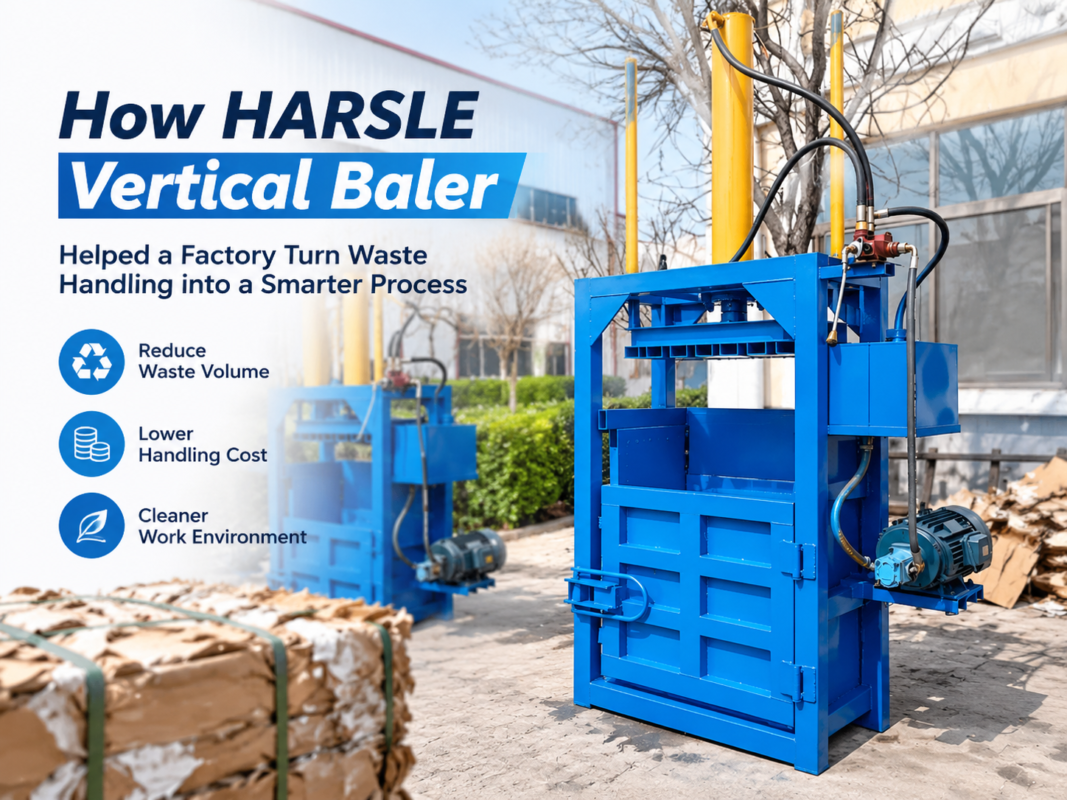
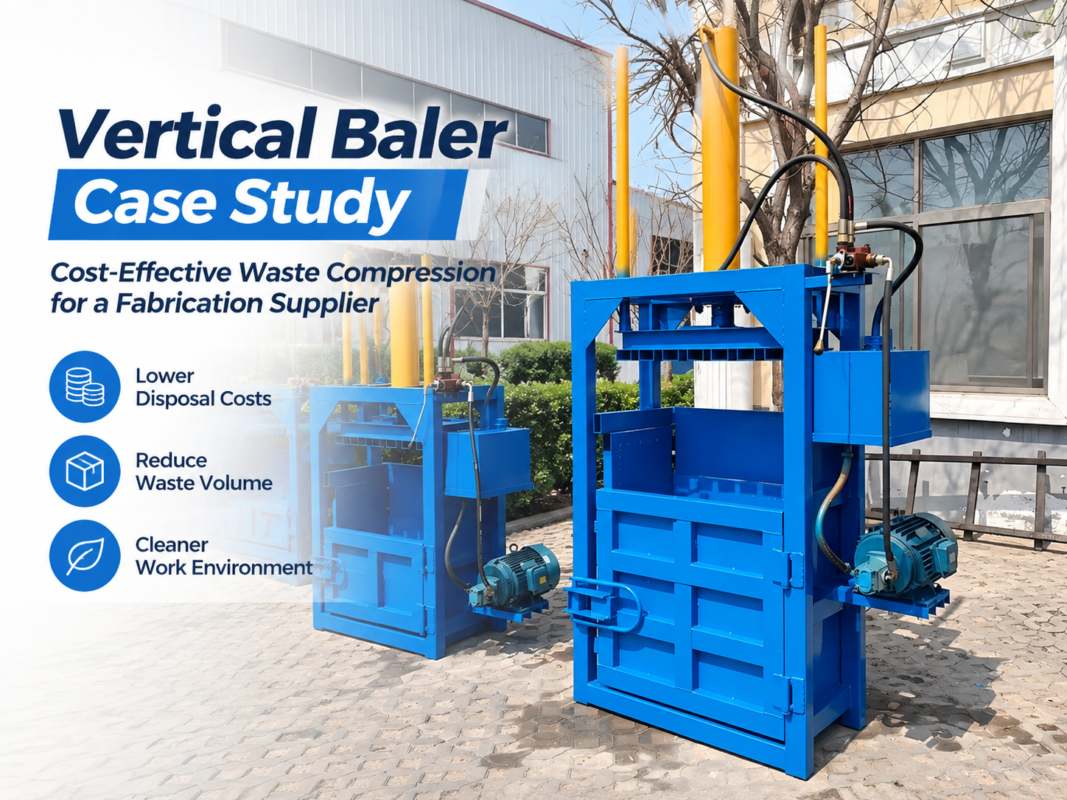
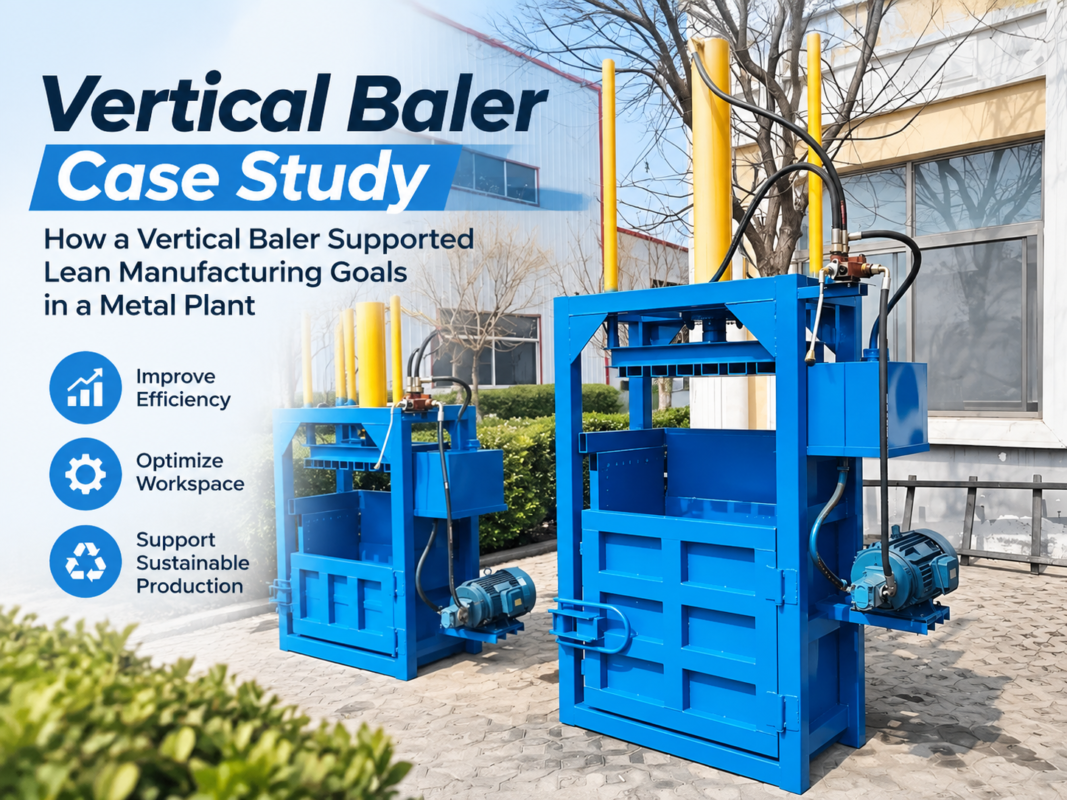
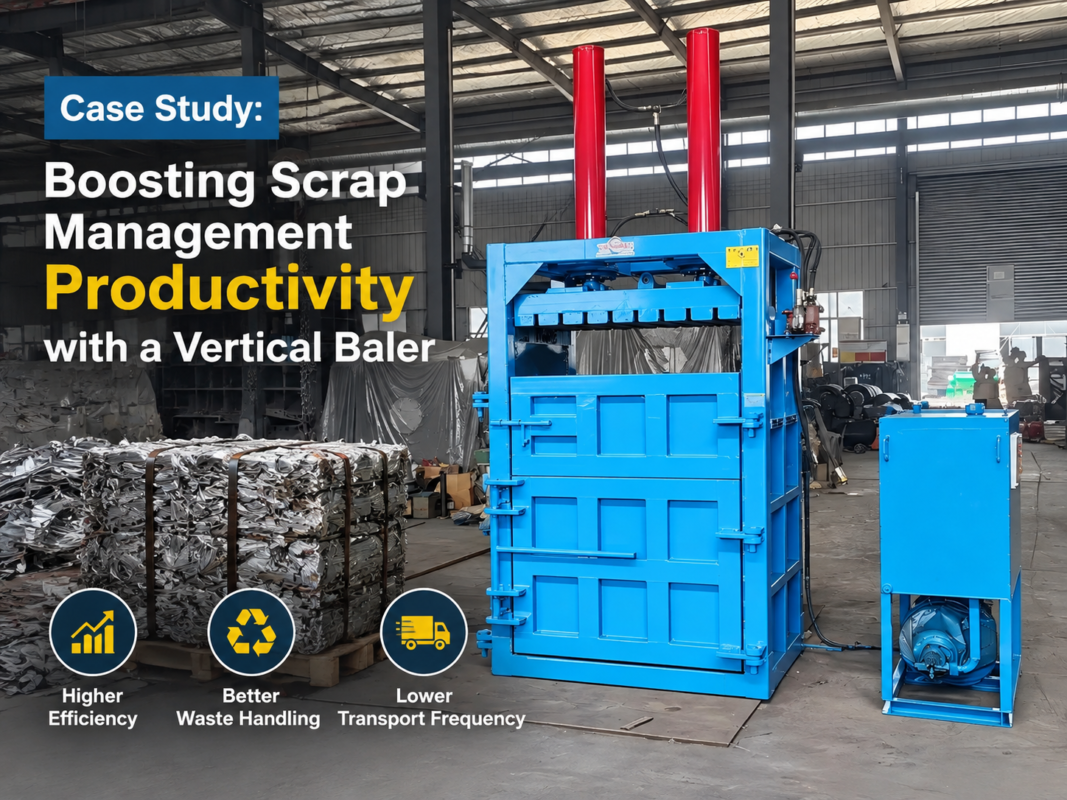
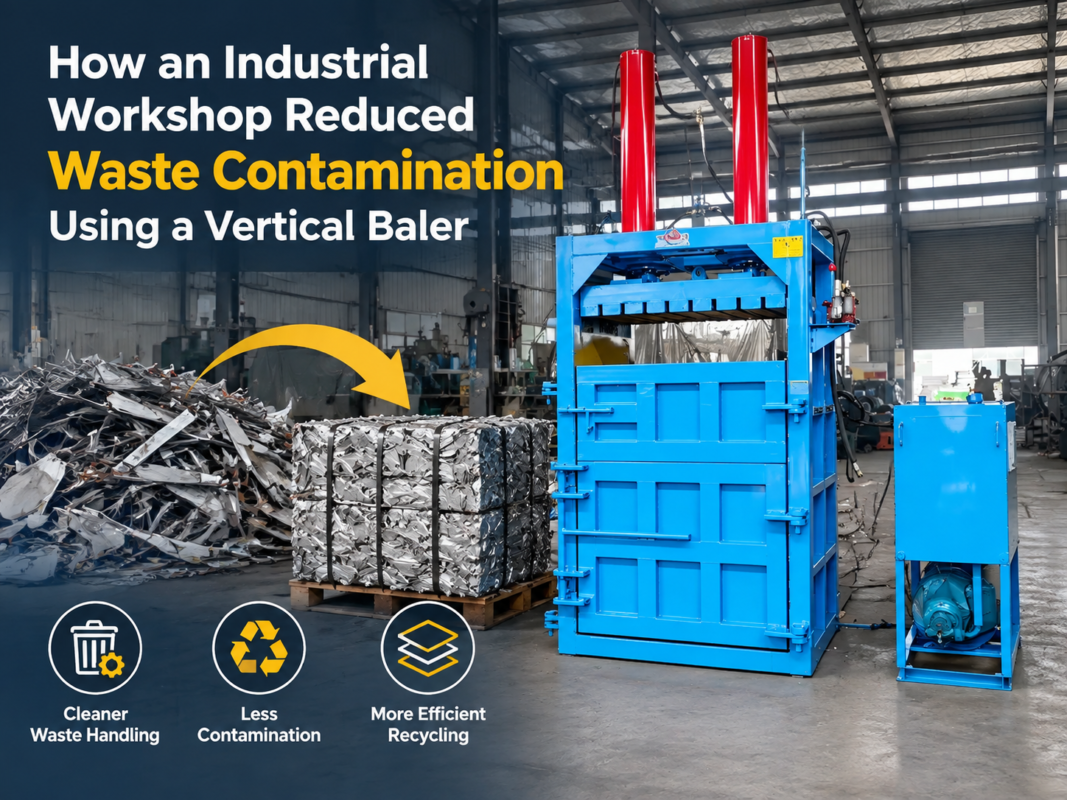
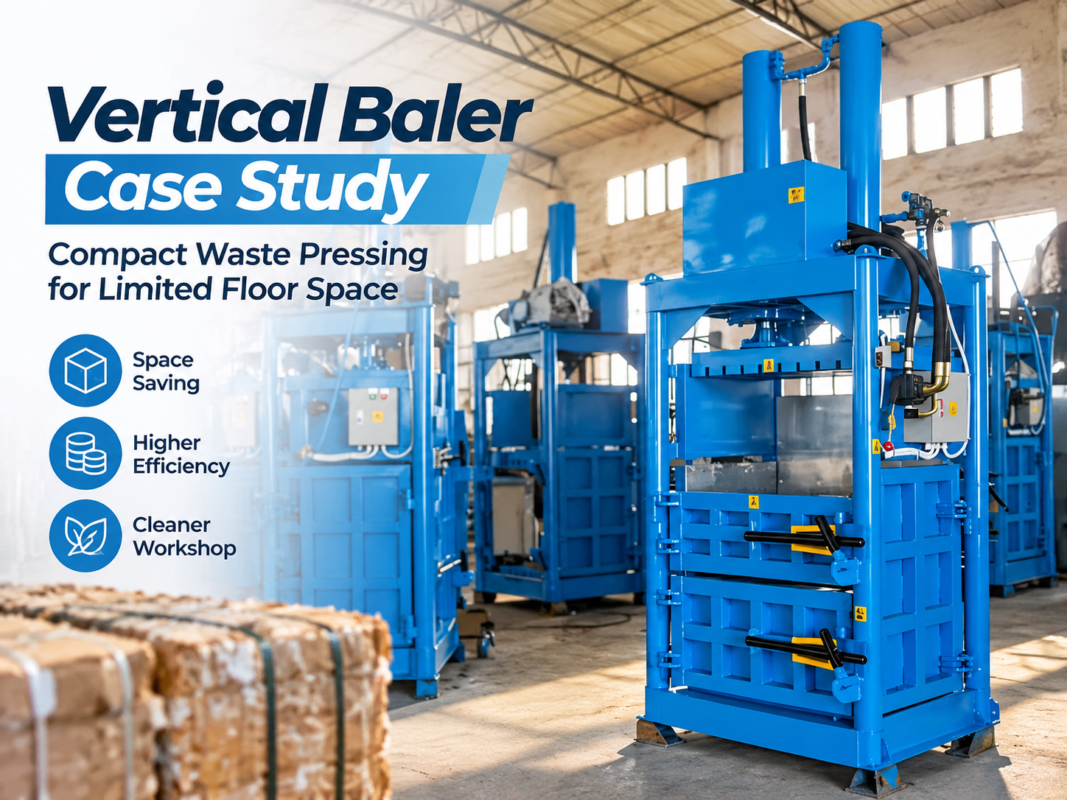
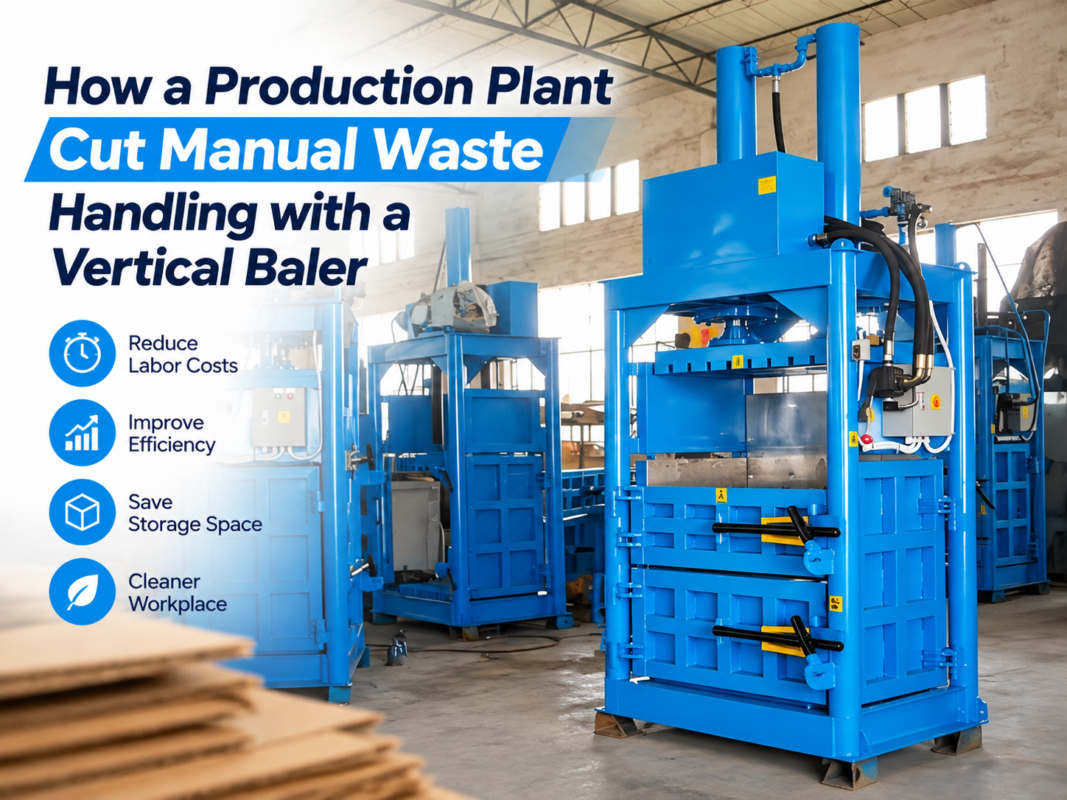
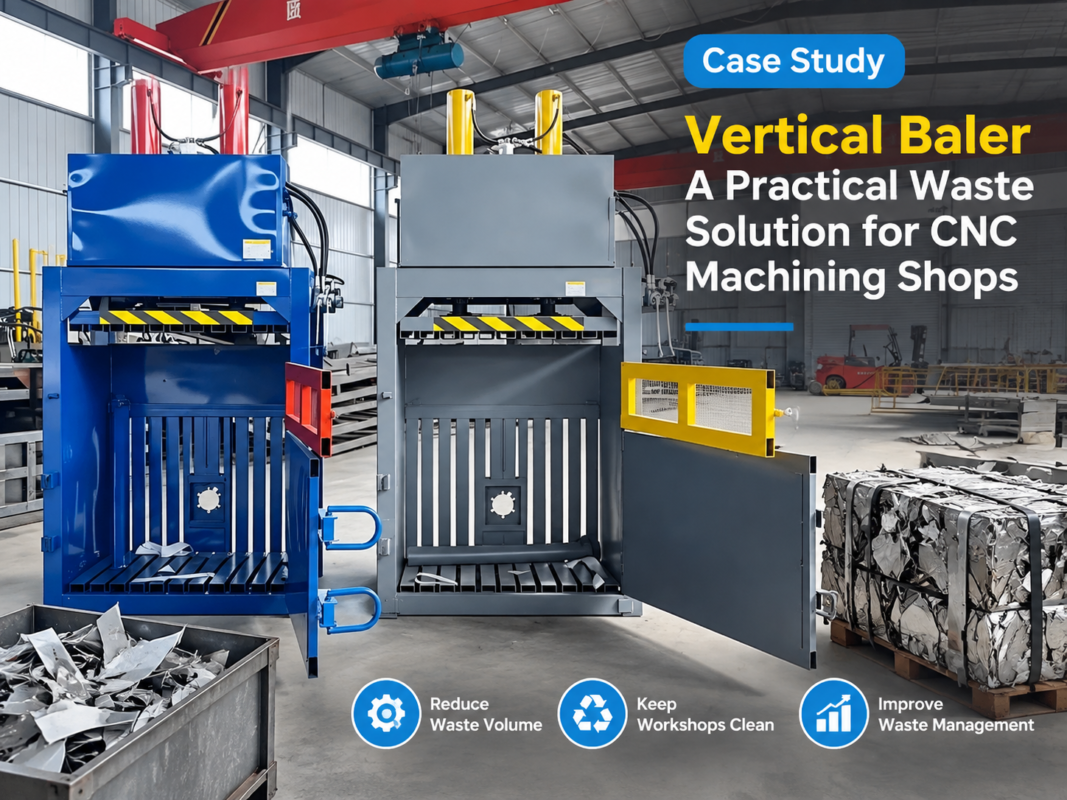
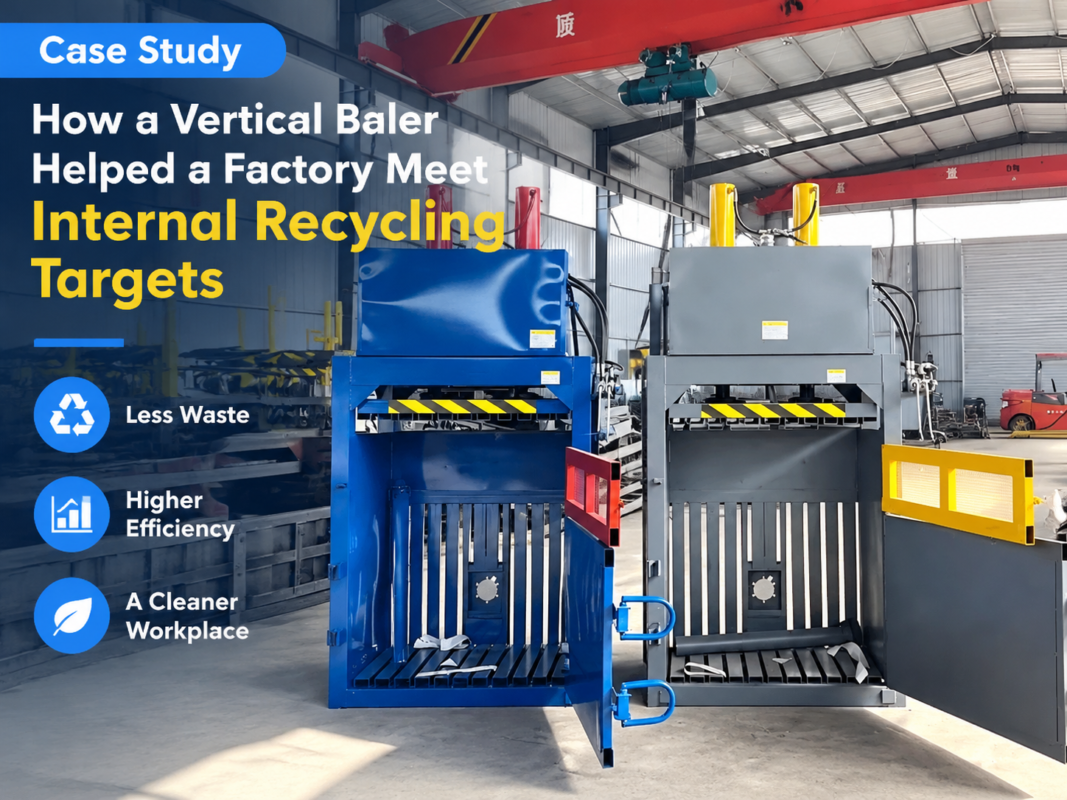
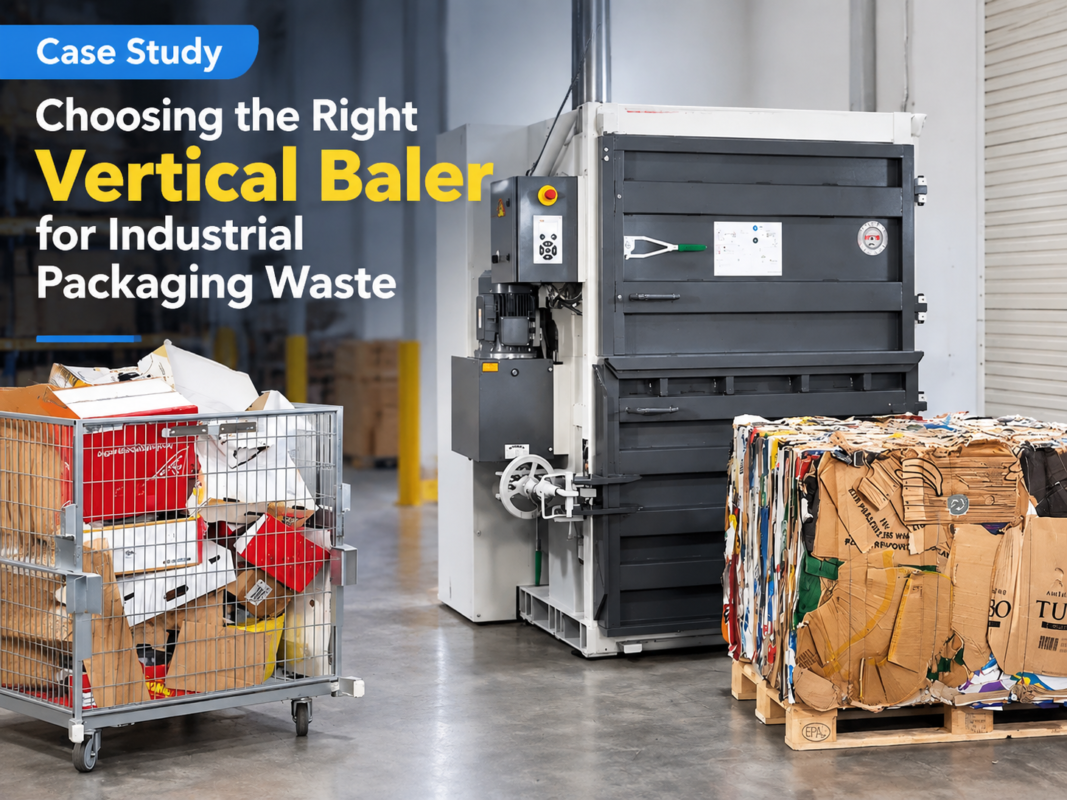
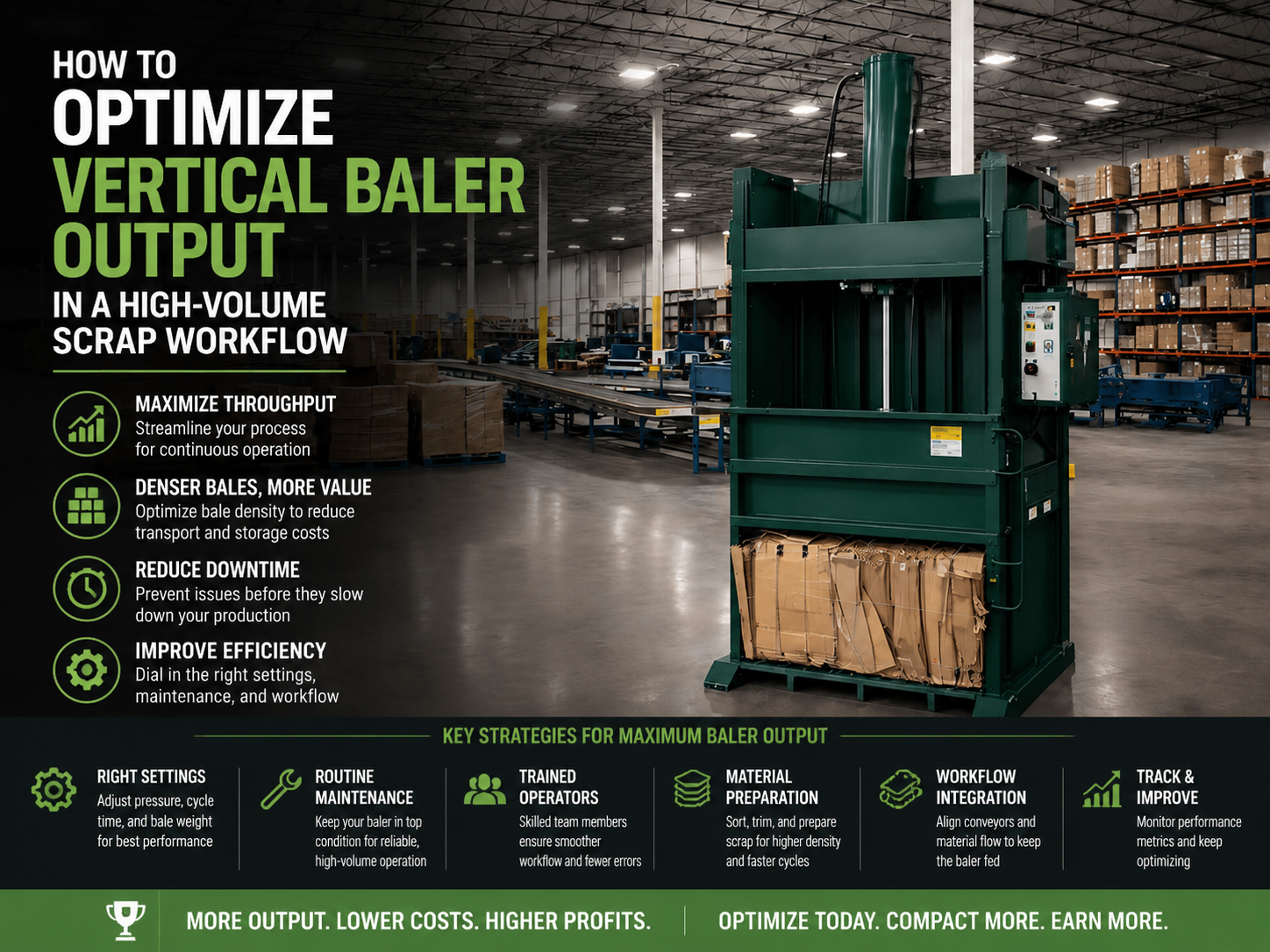
In the realm of industrial waste management and metal fabrication, the vertical baler stands as a cornerstone for volume reduction and logistical efficiency. To Optimize Vertical Baler Output In A High-Volume Scrap Workflow, one must first understand the mechanical and hydraulic synergy that defines these machines. A vertical baler operates by utilizing a downward-moving platen, driven by one or more hydraulic cylinders, to compress loose scrap material into a dense, manageable bale. Unlike horizontal balers, which are often fully automated and require significant floor space, vertical balers offer a compact footprint, making them ideal for facilities where space is at a premium but throughput demands remain high.
The efficiency of a vertical baler is not merely a product of its motor horsepower; it is a complex interaction between hydraulic flow rates, structural rigidity, and operator interface. In a high-volume environment, every second of the cycle time counts. The hydraulic system must be capable of delivering high pressure for compression while maintaining rapid approach and retraction speeds. This is often achieved through regenerative hydraulic circuits that redirect oil flow to accelerate the platen during non-load-bearing phases of the stroke. Furthermore, the structural integrity of the frame—specifically the side walls and the door locking mechanism—must withstand the lateral forces exerted by expanding scrap materials like PET plastics or resilient metal shavings.
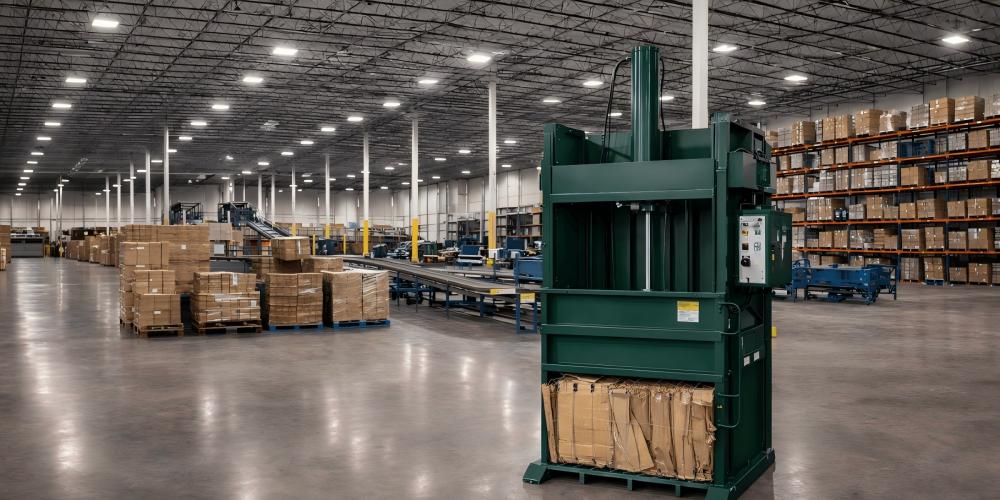
To truly optimize output, engineers must look beyond the machine itself and consider the entire workflow. This includes the method of loading (manual vs. conveyor), the speed of the tying process, and the logistics of bale removal. In high-volume scenarios, the bottleneck is rarely the compression stroke alone; it is frequently the downtime between cycles. By integrating advanced PLC (Programmable Logic Controller) systems, modern HARSLE vertical balers can provide real-time feedback on bale weight and density, allowing operators to adjust loading patterns to maximize the weight of each bale, thereby reducing the total number of bales produced and handled.
Core Parameters Influencing Throughput
When seeking to Optimize Vertical Baler Output In A High-Volume Scrap Workflow, several core parameters must be analyzed and balanced. The first is Pressing Force (Tonnage). While higher tonnage allows for denser bales, it also requires more robust hydraulic components and can lead to longer cycle times if the pump capacity is not scaled accordingly. For high-volume scrap, a balance must be struck where the tonnage is sufficient to reach the target density without over-stressing the hydraulic seals or the machine frame.
The second critical parameter is Cycle Time. This is the duration required for the platen to travel from its home position to the maximum compression point and back. In a high-volume workflow, a cycle time of 35 to 50 seconds is standard for industrial-grade vertical balers. However, this time can be optimized by adjusting the stroke limit switches. If the material being baled does not require the full stroke of the cylinder to reach density, shortening the stroke can shave valuable seconds off every cycle, leading to a significant cumulative increase in daily output.
Motor Power and Pump Displacement also play a vital role. A larger motor can drive a higher-displacement pump, which moves more hydraulic fluid per minute. However, this increases energy consumption. To optimize, many high-efficiency balers use variable frequency drives (VFDs) or dual-stage pumps. These systems provide high flow at low pressure for rapid movement and low flow at high pressure for the final compression stage, ensuring that energy is used efficiently while maintaining a fast overall cycle.
Finally, Bale Dimensions and Weight are the ultimate metrics of output. A larger bale chamber might seem beneficial, but if the resulting bale is too heavy for standard forklifts or exceeds shipping weight limits, it creates a secondary bottleneck. Optimization involves matching the bale size to the downstream logistics chain, ensuring that each bale is as dense as possible to minimize shipping costs and storage space.
Calculation Method for Production Capacity
To accurately Optimize Vertical Baler Output In A High-Volume Scrap Workflow, facility managers must employ a rigorous calculation method to determine theoretical versus actual throughput. The theoretical capacity is often provided by the manufacturer, but the actual capacity is influenced by material type, loading efficiency, and operator skill.
The basic formula for calculating hourly output is as follows:
- Total Cycle Time (TCT) = Machine Cycle Time + Loading Time + Tying/Ejection Time.
- Bales Per Hour (BPH) = 3600 seconds / TCT (in seconds).
- Hourly Throughput (kg/hr) = BPH × Average Bale Weight.
For example, if a HARSLE vertical baler has a machine cycle time of 45 seconds, and it takes an operator 60 seconds to load the chamber and 180 seconds to tie and eject the bale every 5 cycles, the average TCT must be calculated carefully. Loading time is the most variable factor. In high-volume workflows, utilizing a mezzanine or a conveyor belt to pre-stage material can reduce loading time from minutes to seconds. Furthermore, the density of the material (e.g., loose cardboard at 30kg/m³ vs. aluminum scrap at 150kg/m³) will drastically change the number of strokes required to complete a single bale.
Another critical calculation is the Compaction Ratio. This is the ratio of the volume of loose material to the volume of the finished bale. A higher compaction ratio indicates better optimization of the baler’s force. If the ratio is low, it may indicate that the material is not being loaded evenly or that the hydraulic pressure is set too low for the specific material type. Monitoring these calculations weekly allows for data-driven adjustments to the workflow.
Vertical Baler Parameter Comparison Table
The following table illustrates the technical specifications for various classes of vertical balers, highlighting how different parameters affect the potential for high-volume output.
| Model Class | Pressing Force (Tons) | Motor Power (kW) | Cycle Time (sec) | Bale Weight (kg – Cardboard) | Ideal Application |
|---|---|---|---|---|---|
| Standard Industrial | 30 – 50 | 7.5 – 11 | 45 – 55 | 300 – 450 | Retail & Small Distribution |
| High-Capacity | 60 – 80 | 15 – 18.5 | 35 – 45 | 500 – 650 | Large Warehousing & Recycling |
| Heavy-Duty Scrap | 100 – 150 | 22 – 30 | 40 – 60 | 700 – 1000+ | Metal Scrap & Industrial Waste |
Choosing the right model class is the first step to Optimize Vertical Baler Output In A High-Volume Scrap Workflow. A machine that is underpowered for the volume will suffer from frequent breakdowns, while an overpowered machine will lead to unnecessary energy costs and a slower ROI.
Common Engineering Mistakes in Baler Operation
Even with the best equipment, certain engineering and operational mistakes can severely hinder the goal to Optimize Vertical Baler Output In A High-Volume Scrap Workflow. One of the most common issues is Eccentric Loading. When scrap is concentrated on one side of the chamber, the platen tilts during compression. This puts immense lateral stress on the hydraulic cylinder rods and the guide rails. Over time, this leads to seal failure, bent rods, and structural cracking. Ensuring an even distribution of material is paramount for machine longevity and consistent bale density.
Another frequent mistake is Ignoring Hydraulic Oil Temperature. In high-volume workflows, the baler may run continuously for multiple shifts. This constant cycling generates significant heat within the hydraulic system. If the oil temperature exceeds 60°C (140°F), the viscosity drops, leading to internal leakage in the pump and valves, which slows down the cycle time and reduces pressing force. Installing an air or water cooler for the hydraulic reservoir is a necessary optimization for high-volume environments.
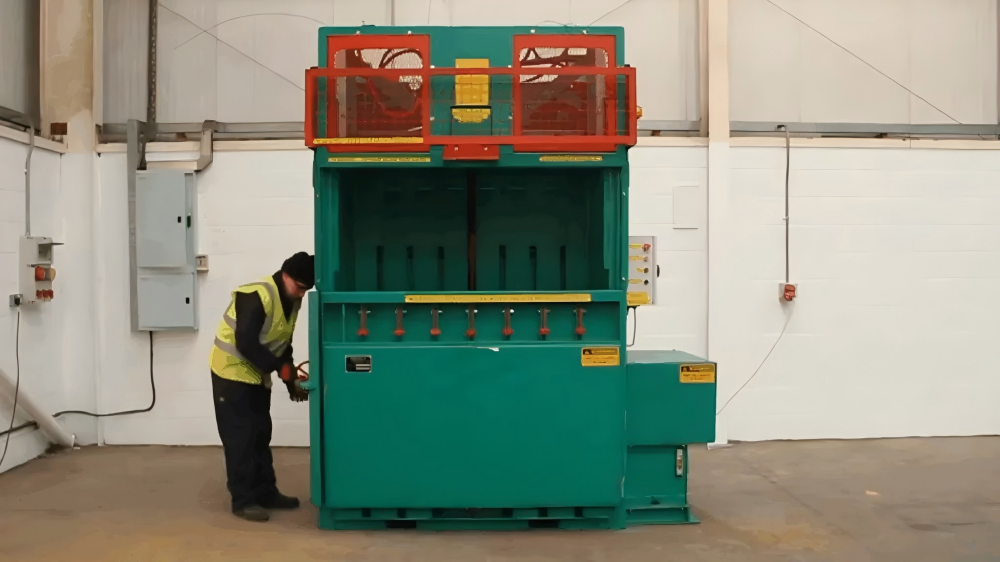
Furthermore, many operators fail to adjust the Pressure Relief Valve settings for different materials. Compressing soft plastic requires different pressure logic than compressing rigid metal scrap. Running the machine at maximum pressure for materials that don’t require it wastes energy and accelerates wear. Conversely, insufficient pressure results in “soft” bales that fall apart during transport, requiring re-baling and doubling the labor cost.
Finally, the Tying Process is often overlooked. Using low-quality baling wire or improper tying techniques can lead to bale breakage. In a high-volume workflow, a single broken bale can halt production for 30 minutes as the loose material is cleared and re-processed. Training operators on efficient, secure tying methods is a low-cost, high-impact way to optimize total output.
Selection Checklist for High-Volume Vertical Balers
When procuring a new machine to Optimize Vertical Baler Output In A High-Volume Scrap Workflow, use the following technical checklist to ensure the equipment meets the demands of your facility:
- Hydraulic System Efficiency: Does the machine feature a dual-pump system or a regenerative circuit to minimize cycle times?
- Structural Reinforcement: Are the chamber walls reinforced with heavy-duty C-channel or I-beam steel to prevent bowing under high pressure?
- Safety Interlocks: Does the machine meet current ANSI or CE safety standards, including dual-channel safety switches on the doors?
- Ejection System: Is the bale ejection system automated (hydraulic) or manual? Hydraulic ejection is mandatory for high-volume workflows to reduce operator fatigue and cycle downtime.
- Platen Guidance: Does the platen use long-wear nylon or brass guides? Proper guidance prevents metal-on-metal contact and extends the life of the frame.
- PLC and Diagnostics: Does the control system provide error codes and maintenance reminders? This reduces troubleshooting time during breakdowns.
- Material Compatibility: Is the shear blade (if equipped) or the platen teeth design suitable for the specific scrap type (e.g., spiked platens for plastic bottles)?
Frequently Asked Questions (FAQ)
How often should I change the hydraulic oil to maintain maximum output?
To Optimize Vertical Baler Output In A High-Volume Scrap Workflow, hydraulic oil should typically be changed every 2,000 operating hours or once a year, whichever comes first. However, in high-volume environments, it is better to perform oil analysis every six months to check for contamination and oxidative thickening, which can slow down the machine.
Can I bale different types of scrap in the same vertical baler?
Yes, but it is not optimal for throughput. Mixing materials like cardboard and plastic in the same bale reduces the value of the scrap and makes it difficult to achieve consistent bale density. For high-volume workflows, it is recommended to dedicate specific times or specific machines to one material type to streamline the tying and storage process.
What is the most common cause of increased cycle times?
The most common cause is a worn hydraulic pump or internal leakage in the directional control valve. If the machine feels slower than when it was new, check the pump’s flow rate and inspect the cylinder seals for bypass. Additionally, ensure the suction filter in the hydraulic tank is clean, as a clogged filter will cause pump cavitation and significant performance drops.
How does bale density affect the overall cost of a scrap workflow?
Bale density is directly tied to transportation costs. If you can increase bale density by 20% through optimization, you effectively reduce your shipping frequency by 20%. In high-volume operations, this can result in tens of thousands of dollars in annual savings, making density optimization just as important as cycle time optimization.
Is a vertical baler or a horizontal baler better for high-volume scrap?
While horizontal balers are generally better for extremely high volumes (over 2 tons per hour) due to their automated tying and continuous feed, a high-spec vertical baler is often more cost-effective for volumes between 0.5 and 1.5 tons per hour. The choice depends on your labor costs, available floor space, and the specific physical characteristics of your scrap material.