Why Bale Density Matters In Scrap Metal Baling Transport Cost Control

Technical Overview: The Physics of Scrap Metal Compression
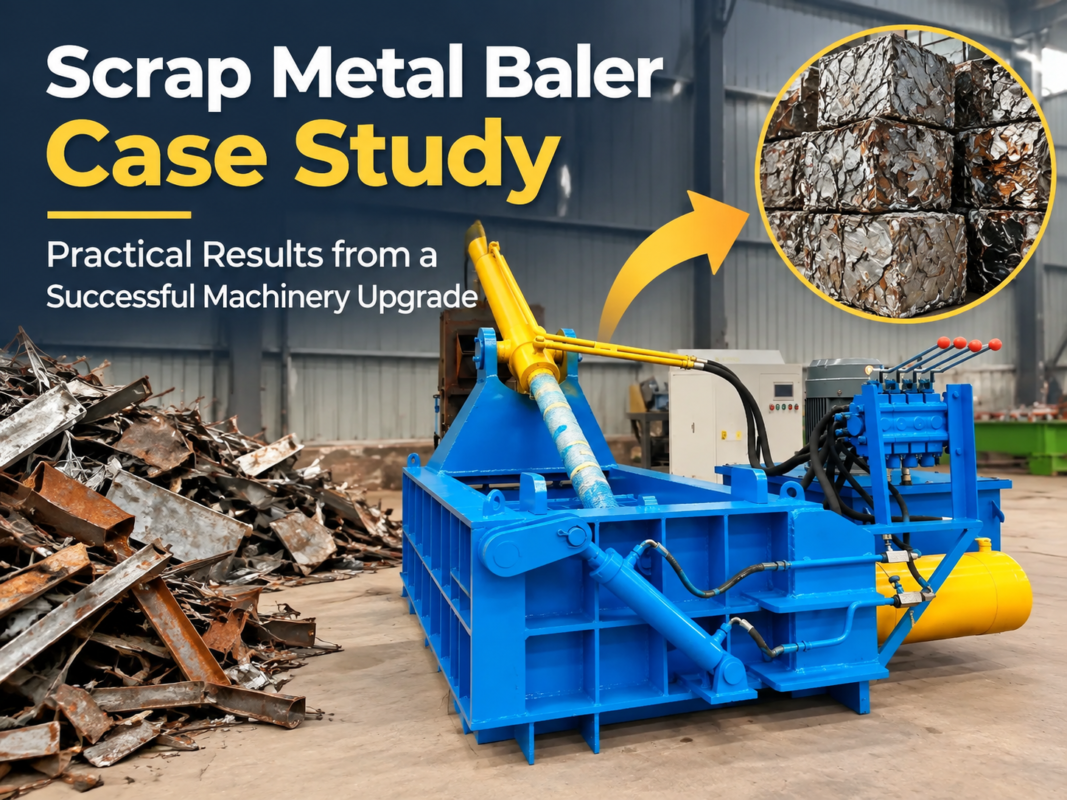
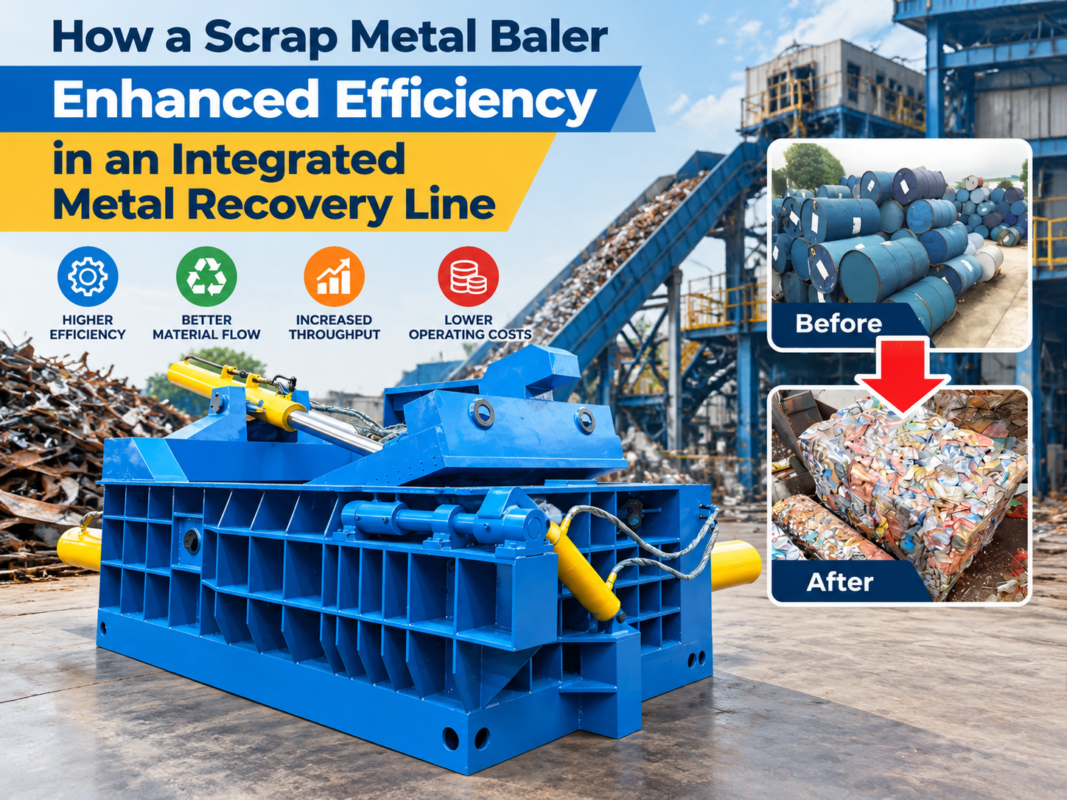
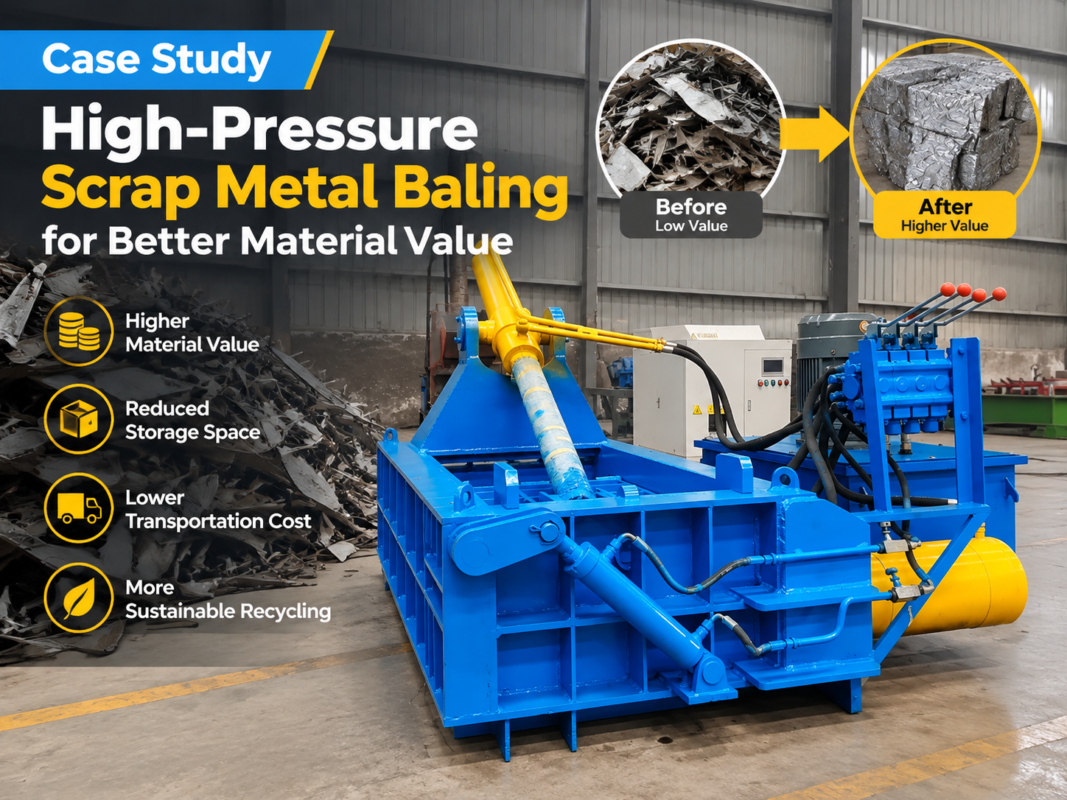
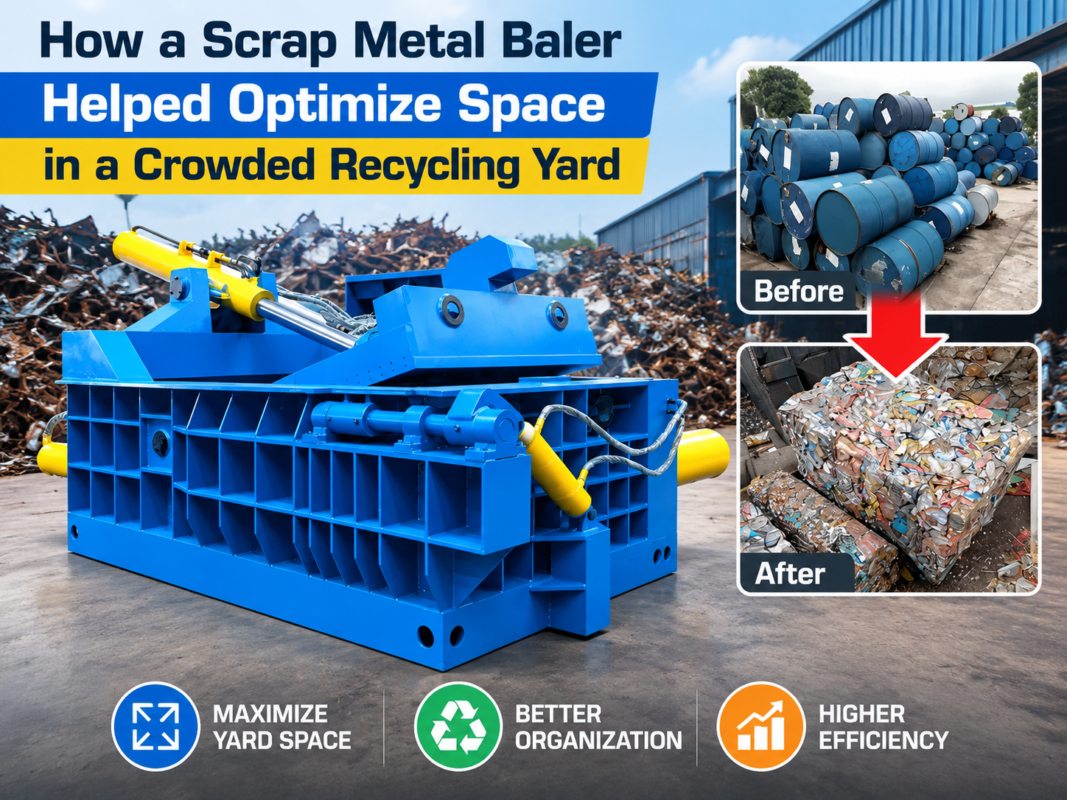
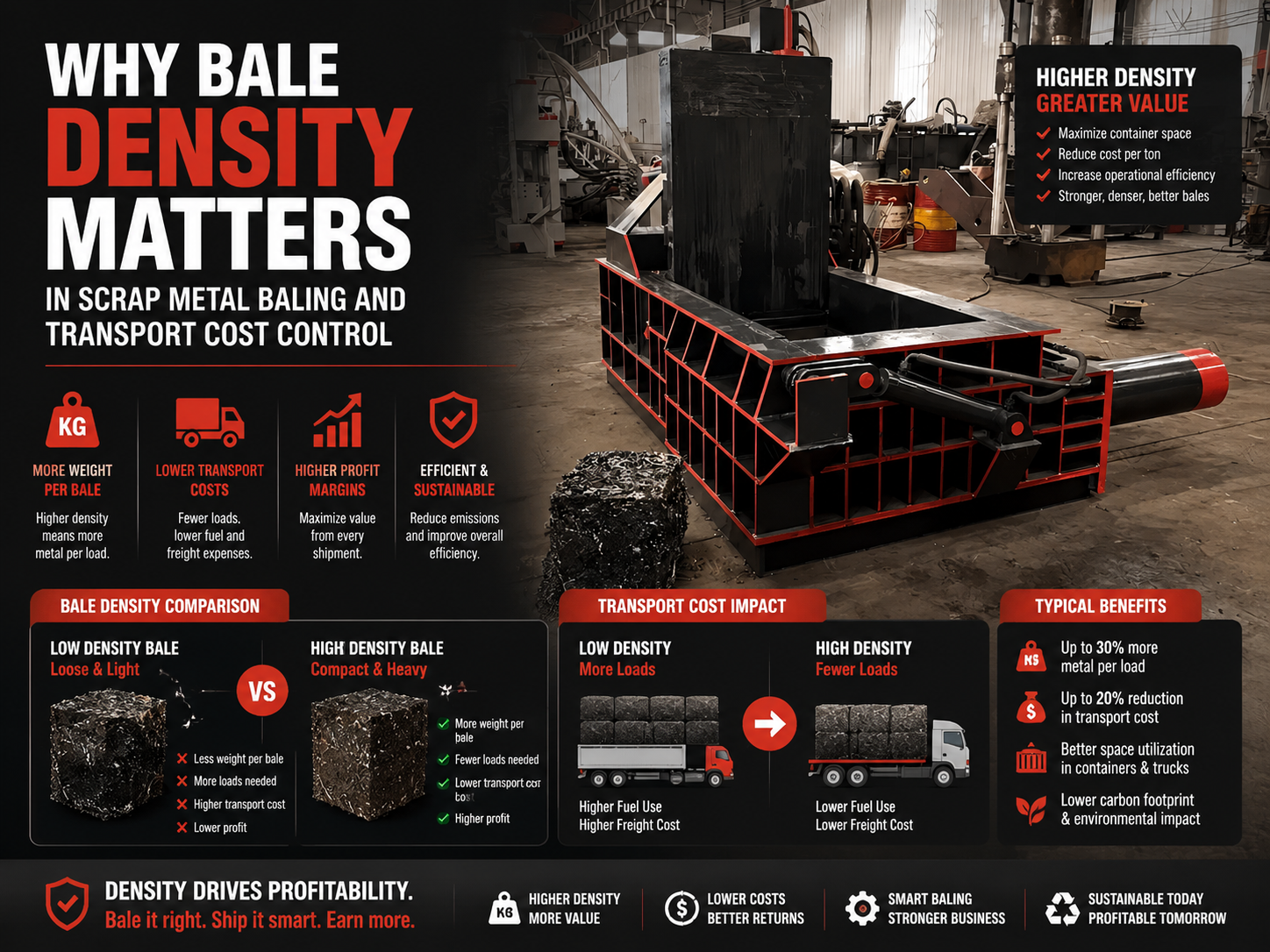
In the world of industrial recycling, the efficiency of a scrap yard is often measured not just by the volume of material processed, but by the density of the final product. Understanding why bale density matters in scrap metal baling transport cost control requires a deep dive into the mechanical and economic principles of metal fabrication. At its core, scrap metal baling is the process of using high-pressure hydraulic force to compress loose metal scraps—ranging from aluminum extrusions to steel sheets—into compact, manageable blocks known as bales. HARSLE, a leader in metal fabrication machinery, designs balers that prioritize this density to ensure that every cubic inch of transport space is utilized to its maximum potential.
The technical process involves overcoming the yield strength of the metal. When scrap is placed in the compression chamber, it contains a significant amount of ‘void space’ or air. As the hydraulic rams engage, the metal undergoes plastic deformation. High-density baling ensures that these air pockets are eliminated, creating a solid mass that behaves more like a single block of metal than a collection of loose pieces. This is achieved through multi-stage compression, often involving a lid press, a side press, and a main longitudinal press. The synergy between these forces determines the final density, which is the primary factor in determining how much weight can be loaded into a standard shipping container or onto a flatbed truck.
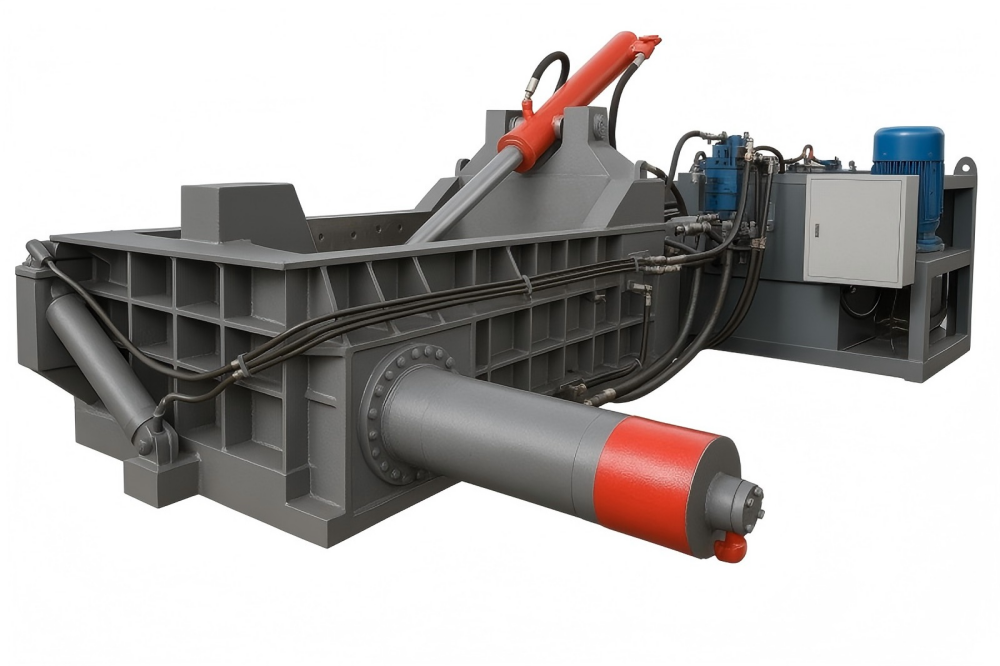
Furthermore, the structural integrity of the bale is a direct result of its density. A low-density bale is prone to falling apart during transit or when being handled by magnetic lifters and forklifts. This leads to material loss and safety hazards. Conversely, a high-density bale produced by a HARSLE machine remains intact, facilitating easier stacking and inventory management. From a metallurgical perspective, higher density also reduces the surface area exposed to the atmosphere, which can slightly mitigate oxidation during long-term storage or sea freight, preserving the quality of the scrap for the end-user (the smelter).
Core Parameters Influencing Bale Density
To achieve the ideal density, several core parameters must be synchronized within the baling machine. The most critical is the Specific Pressure, usually measured in Newtons per square millimeter (N/mm²) or PSI. This is the actual force applied by the ram face to the material. A higher specific pressure allows the machine to compress tougher materials, such as stainless steel or heavy gauge carbon steel, into the same volume that a lower-pressure machine might use for light aluminum. HARSLE balers are equipped with heavy-duty hydraulic cylinders that provide consistent specific pressure throughout the entire stroke.
Another vital parameter is the Chamber Dimensions. The relationship between the initial volume of the scrap and the final volume of the bale is known as the compression ratio. If the chamber is too large for the ram’s power, the density will suffer. HARSLE engineers optimize the chamber size to ensure that the hydraulic force is concentrated effectively. Additionally, the Cycle Time plays a role in operational density. While a faster cycle time increases throughput, the ‘dwell time’—the moment the ram holds the pressure at the end of the stroke—is crucial for allowing the metal to ‘set’ and reducing the ‘spring-back’ effect common in high-elasticity metals like certain aluminum alloys.
Material type is perhaps the most variable parameter. Different metals have different ‘bulk densities’ in their loose state. For example, loose copper wire has a different packing factor than shredded steel. A sophisticated baler must be adjustable to handle these variations. HARSLE machines often feature programmable logic controllers (PLCs) that allow operators to adjust pressure settings based on the material being processed, ensuring that whether you are baling UBC (Used Beverage Cans) or heavy structural steel, the density remains at the economic optimum for transport.
Calculation Method: Determining Density and Transport Savings
Calculating bale density is a straightforward but essential task for any recycling facility manager. The formula is: Density = Mass / Volume. Typically, this is expressed in kilograms per cubic meter (kg/m³) or pounds per cubic foot (lb/ft³). To calculate the density of a bale produced by a HARSLE press, you weigh the finished bale and divide that weight by the product of its length, width, and height. For example, if a bale weighs 500kg and its dimensions are 0.5m x 0.5m x 1.0m (0.25m³), the density is 2,000 kg/m³.
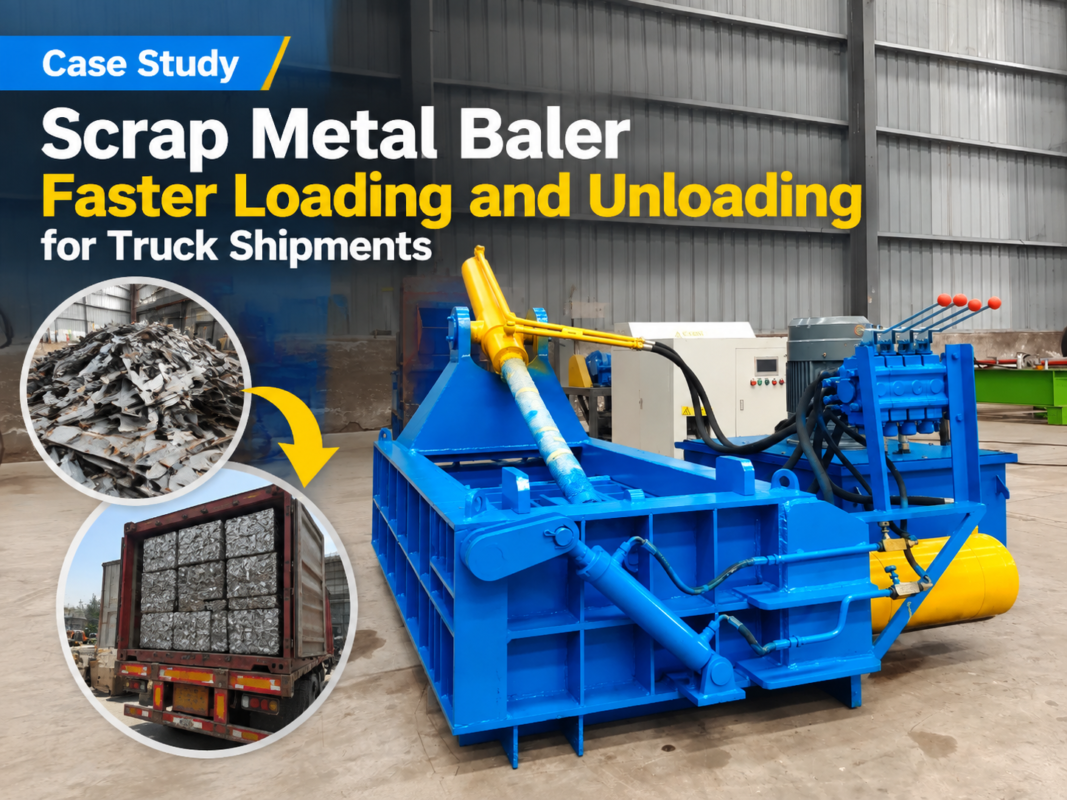
The real value of this calculation appears when it is applied to transport cost control. Most logistics providers charge based on the ‘Freight Class’ or a combination of weight and volume. In shipping containers, there is a maximum weight limit (often around 26,000 kg to 28,000 kg for a 40ft container). If your bales are low-density, you will fill the entire volume of the container before you reach the weight limit. This is known as ‘cubing out.’ If you only load 15,000 kg because the bales are too bulky, you are essentially paying to ship air. By increasing bale density with a HARSLE baler, you can ‘weigh out’ the container, hitting the 28,000 kg limit and effectively halving your per-ton shipping cost.
To calculate potential savings, use the following logic: (Total Shipping Cost / Total Tons Shipped) = Cost Per Ton. If high-density baling allows you to fit 25% more material into each truckload, you reduce the number of required trips by 20%. Over a year of high-volume operation, this reduction in logistics overhead can pay for the capital investment of a premium HARSLE baling machine. This is precisely why bale density matters in scrap metal baling transport cost control; it transforms a logistics bottleneck into a competitive advantage.
Parameter Table: HARSLE Y81 Series Comparison
The following table illustrates how different models in the HARSLE Y81 series provide varying levels of force and bale sizes, directly impacting the density achievable for different scrap types.
| Model | Nominal Force (kN) | Bale Size (mm) | Production Efficiency (kg/h) | Main Motor Power (kW) |
|---|---|---|---|---|
| Y81-125 | 1250 | 300 x 300 | 1200 – 1500 | 15 |
| Y81-160 | 1600 | 350 x 350 | 1500 – 2000 | 18.5 |
| Y81-250 | 2500 | 500 x 500 | 3000 – 4000 | 37 |
| Y81-400 | 4000 | 600 x 600 | 5000 – 8000 | 74 |
Choosing the right model depends on your target density and the volume of scrap you process daily. For instance, the Y81-400 is designed for heavy-duty industrial scrap where maximum density is required to justify long-distance rail or sea transport.
Common Engineering Mistakes in Baling Operations
One of the most frequent mistakes in scrap metal baling is ignoring the ‘Spring-back’ effect. When the hydraulic ram retracts, the compressed metal naturally expands slightly. If the baler does not apply sufficient pressure or if the material is not sheared into small enough pieces before compression, this expansion can be significant, leading to lower-than-expected density. Operators often try to compensate by overfilling the chamber, which can strain the hydraulic seals and structural frame of the machine. HARSLE machines address this through precision-engineered chamber liners and high-strength gates that hold the material firmly during the final compression phase.
Another common error is poor maintenance of the shear blades. Many balers, including HARSLE’s Y81 series, feature integrated shears on the lid and chamber edge. These blades are meant to cut oversized scrap as the lid closes. If these blades become dull, the machine spends more energy trying to ‘crush’ the metal rather than cutting it. This results in uneven bales with jagged edges that don’t stack well, reducing the overall ‘stowage factor’ in transport vehicles. Regular sharpening and gap adjustment of the shear blades are essential for maintaining high bale density and operational efficiency.
Furthermore, hydraulic oil temperature management is often overlooked. Hydraulic systems operate most efficiently within a specific temperature range. If the oil becomes too hot, its viscosity drops, leading to internal leakage in the valves and cylinders. This reduces the effective pressure applied to the scrap, resulting in ‘soft’ bales. HARSLE balers are often equipped with air or water cooling systems to maintain optimal oil temperature, ensuring that the first bale of the morning is just as dense as the last bale of the shift. Neglecting the cooling system is a surefire way to see your transport costs creep up as bale density fluctuates.
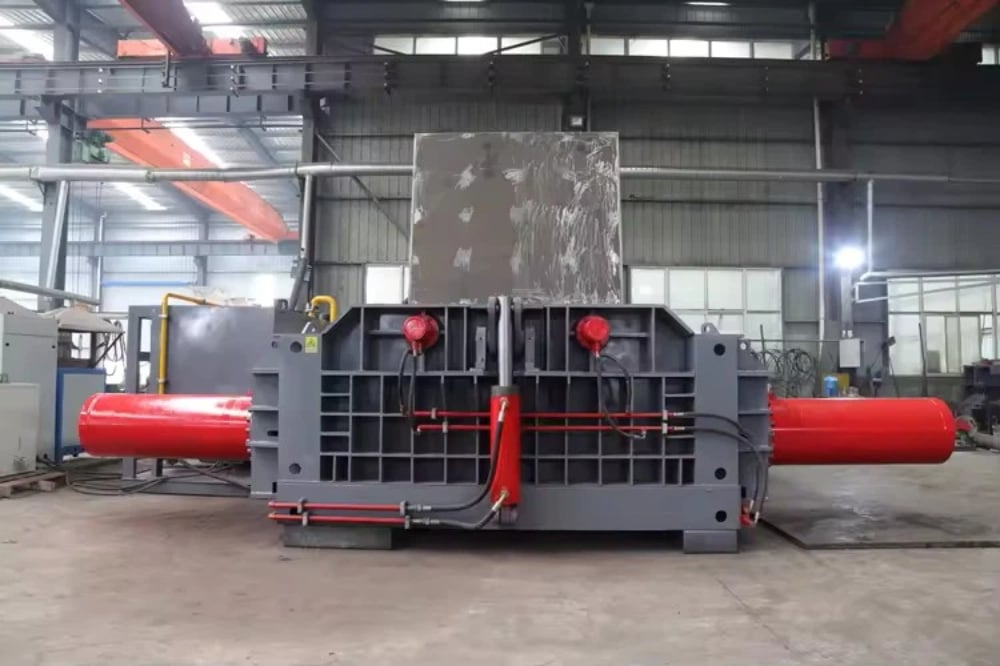
Lastly, incorrect material sorting can sabotage density. Mixing heavy structural steel with light aluminum cans in the same bale creates ‘voids’ where the lighter material cannot fill the gaps between the heavier pieces. This results in a bale that is heavy but occupies too much volume. Effective scrap management involves pre-sorting materials so that the baler can be tuned to the specific compression characteristics of each metal type. This level of operational discipline, combined with HARSLE’s robust machinery, is the key to mastering transport cost control.
Selection Checklist: Buying the Right Baler for Density
When investing in a new scrap metal baler, use this checklist to ensure the machine will meet your density and transport cost goals:
- Total Press Force: Does the machine offer enough tonnage for your heaviest material? (e.g., 250 tons for general scrap, 400+ for heavy industrial).
- Specific Pressure: Check the pressure per square inch on the ram face, not just the total cylinder force.
- Chamber Lining: Are the wear plates made of high-strength material like Hardox? This prevents chamber deformation which can bleed off pressure.
- Shear Capability: Does the lid have a high-quality cutting edge to handle oversized pieces?
- Automation Features: Does the PLC allow for ‘dwell time’ adjustments to combat material spring-back?
- Cooling System: Is there an integrated oil cooler to maintain pressure consistency during multi-shift operations?
- Bale Discharge Method: Does the ‘turn-out’ or ‘side-push’ mechanism maintain the bale’s shape during exit?
- Footprint vs. Chamber Size: Ensure the machine fits your facility while providing a chamber large enough for your typical scrap feed.
FAQ: Why Bale Density Matters in Scrap Metal Baling and Transport Cost Control
How does bale density directly affect my freight bill?
Freight is often billed by the truckload. If your bales are low-density, you might only fit 15 tons on a truck rated for 24 tons. You are still paying for the full truck, meaning your cost per ton is significantly higher. High-density bales allow you to reach the maximum weight capacity of the vehicle, minimizing the cost per ton.
Can a baler be too powerful for certain materials?
While more power generally means more density, it’s important to match the machine to the material. Using a 400-ton press for light aluminum foil might be an overkill in terms of energy consumption. However, HARSLE’s adjustable pressure settings allow you to scale the force to the material, providing versatility across different scrap types.
What is the ideal density for steel scrap bales?
For most international shipping and smelting standards, a density of at least 75-100 lbs per cubic foot (approx. 1,200-1,600 kg/m³) is targeted. This ensures the bales are heavy enough for efficient transport and sink properly in the furnace melt during recycling.
How often should I maintain my HARSLE baler to ensure consistent density?
Daily checks of hydraulic oil levels and weekly inspections of the shear blades and wear plates are recommended. A monthly check of the hydraulic pressure settings using a calibrated gauge will ensure the machine is still outputting its rated force. Consistent maintenance is the only way to ensure bale density matters in scrap metal baling transport cost control over the long term.
Does the shape of the bale matter as much as the density?
Yes. Uniform, rectangular bales stack much better than irregular shapes. Better stacking means you can fit more bales into a container safely. HARSLE balers are designed to produce consistent, square-edged bales that maximize ‘stowage factor,’ which is a critical component of transport cost control.
Conclusion: The HARSLE Advantage in Logistics Efficiency
In conclusion, the relationship between machinery and logistics is inseparable in the recycling industry. High-density baling is not just a technical preference; it is a fundamental economic necessity. By choosing a HARSLE scrap metal baler, operators invest in the ability to compress more material into less space, directly slashing transport costs and increasing the marketability of their scrap. Whether you are dealing with aluminum, copper, or steel, understanding why bale density matters in scrap metal baling transport cost control is the first step toward a more profitable and sustainable recycling operation. With robust engineering, precision hydraulics, and a focus on durability, HARSLE remains the partner of choice for firms looking to optimize their metal fabrication and recycling workflows.