Understanding Scrap Metal Baler Safety Features and Operating Best Practices

Technical Overview of Industrial Scrap Metal Balers
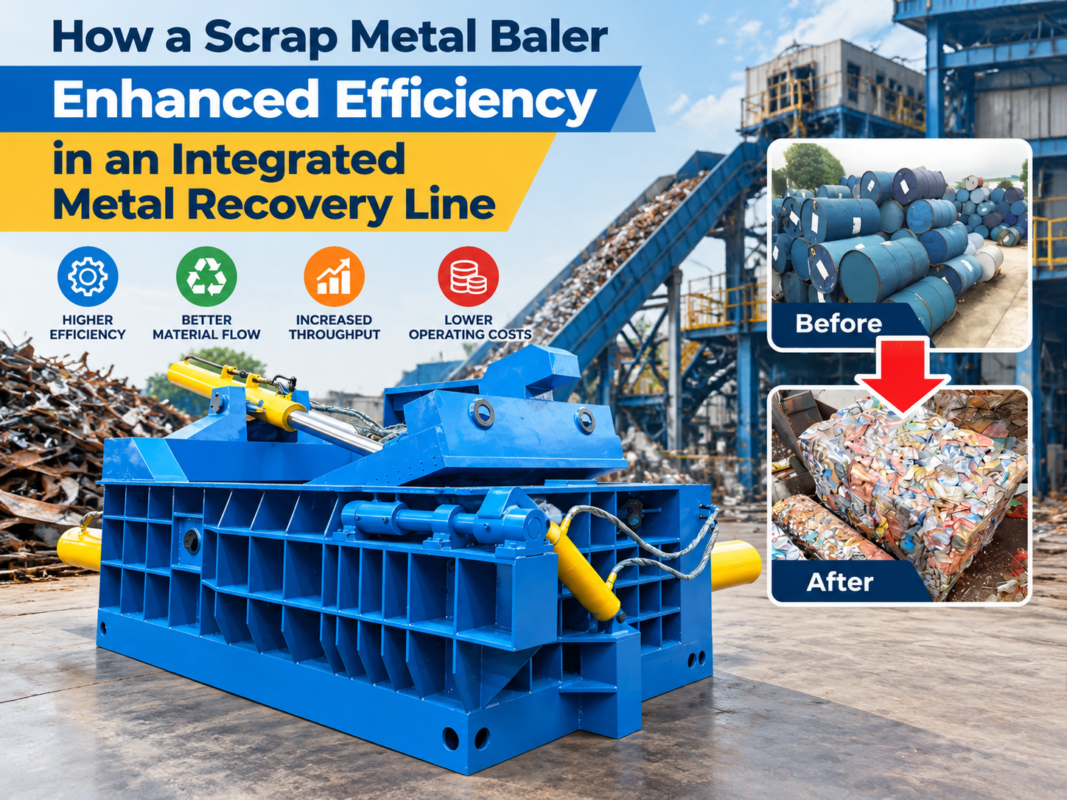
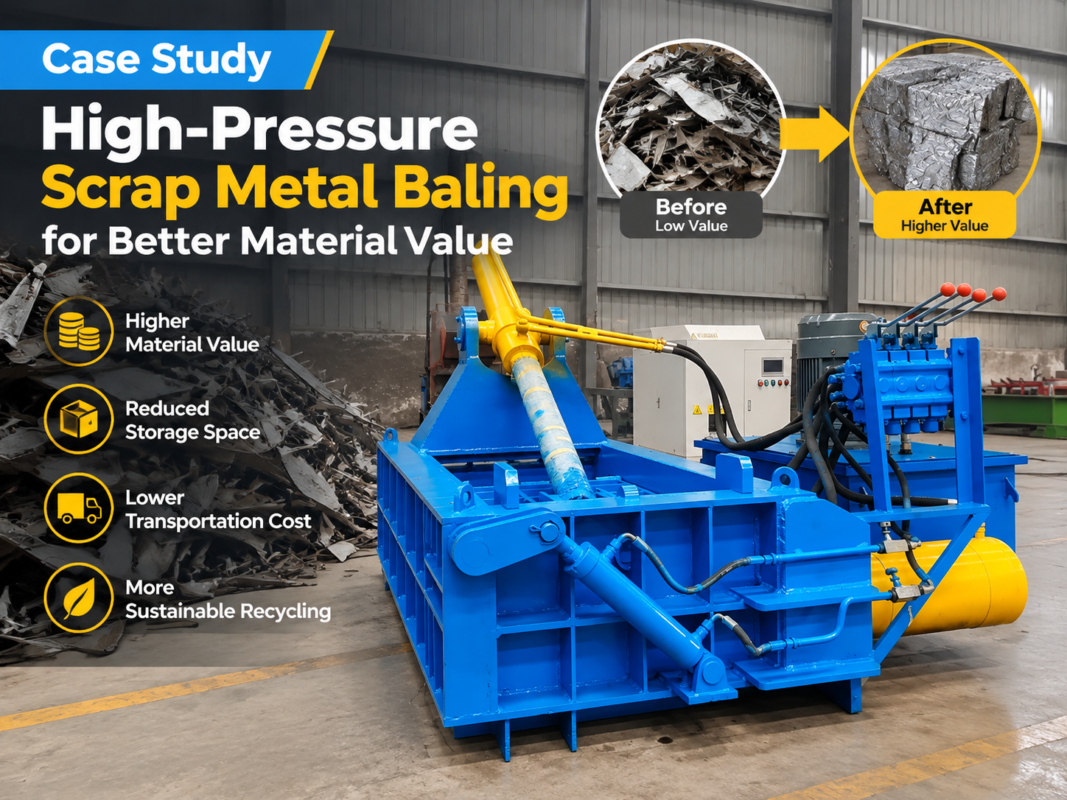
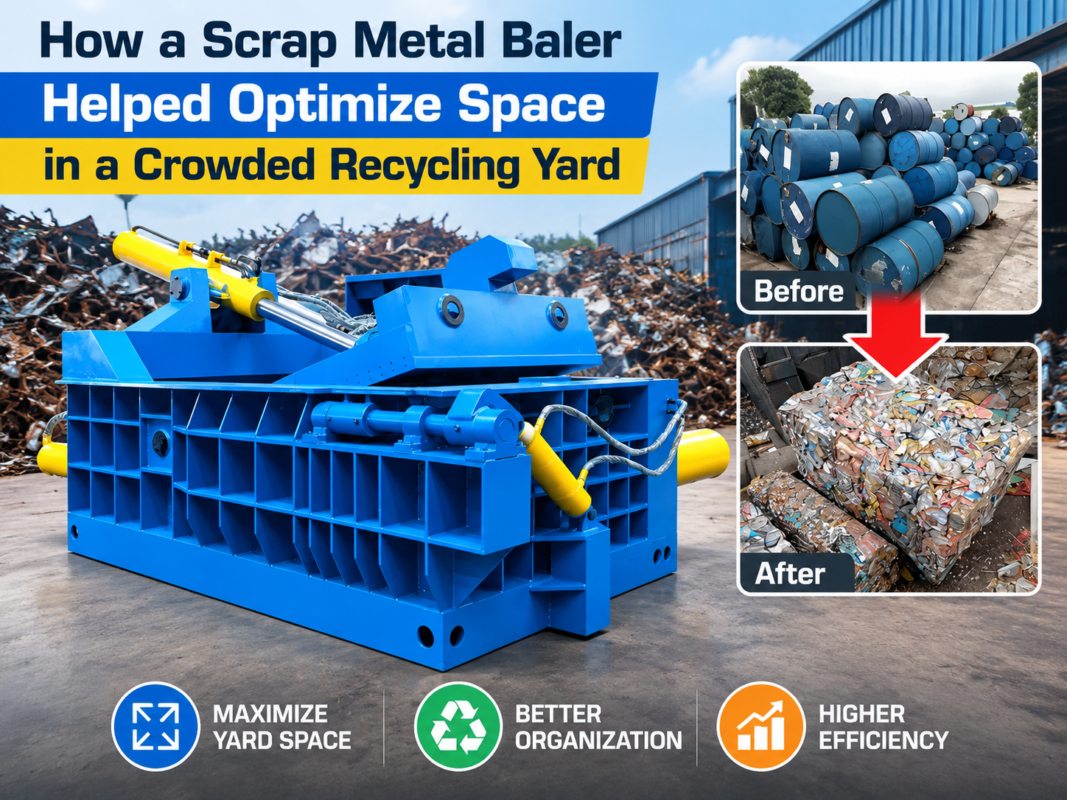
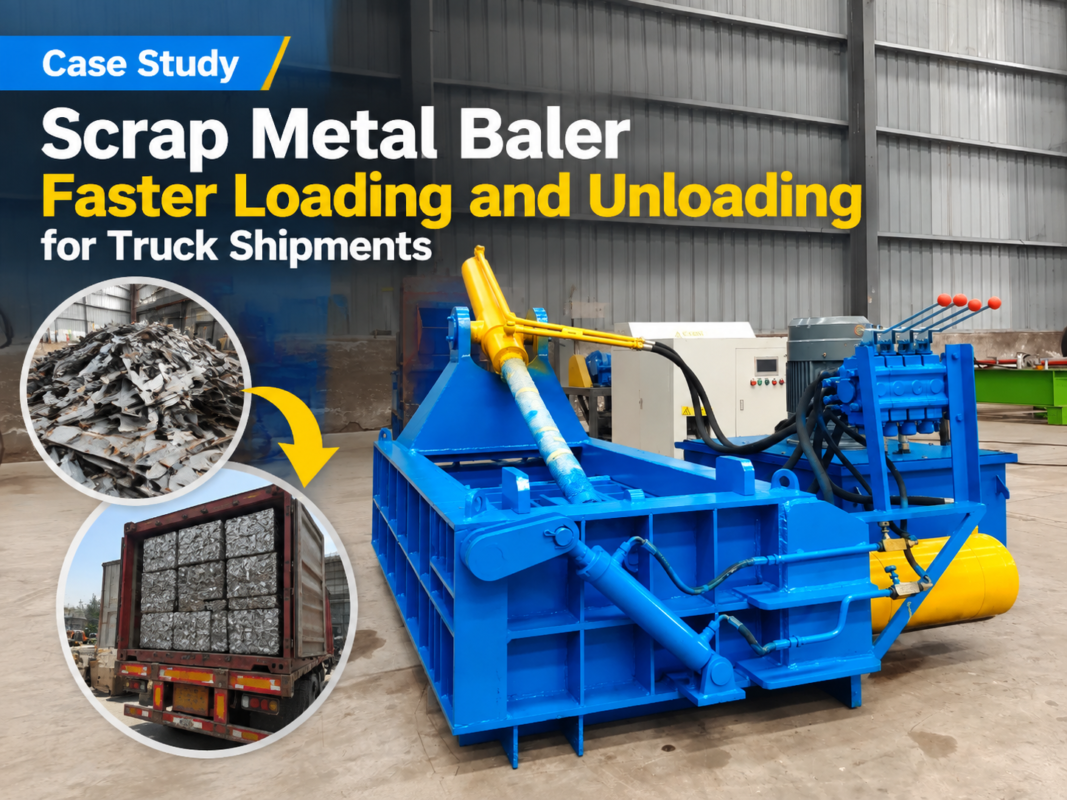
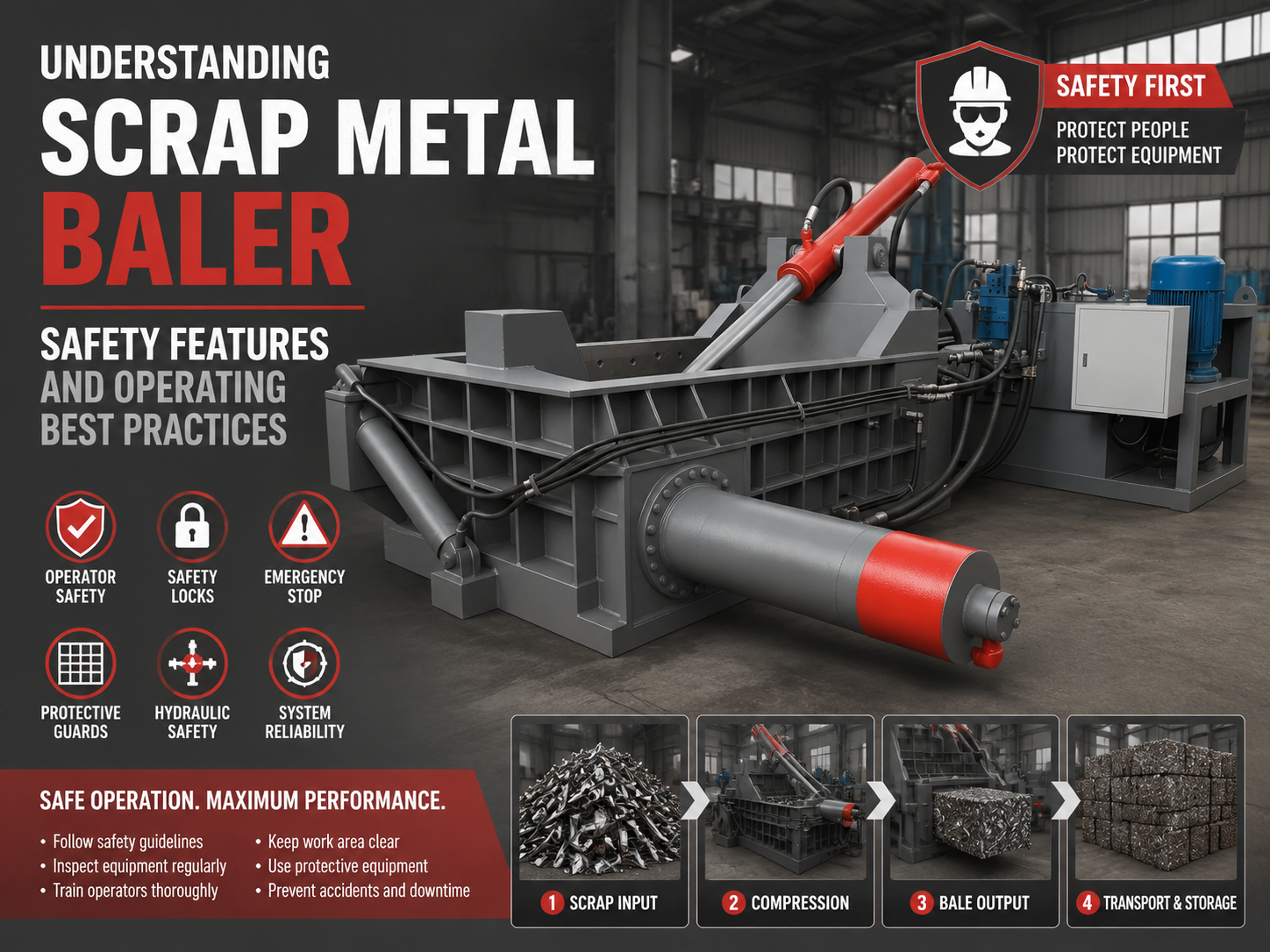
In the modern recycling and metal fabrication industry, the scrap metal baler stands as a cornerstone of efficiency. These machines are engineered to compress various types of metal waste—ranging from aluminum extrusions and copper wiring to steel shavings and end-of-life vehicle parts—into dense, manageable blocks known as bales. The primary objective of Understanding Scrap Metal Baler Safety Features Operating Best Practices is to ensure that these high-pressure systems operate at peak performance while minimizing the risk of workplace accidents. A scrap metal baler typically utilizes a sophisticated hydraulic system to exert hundreds of tons of force, transforming loose, high-volume scrap into compact units that are significantly easier to transport and melt down in furnaces.
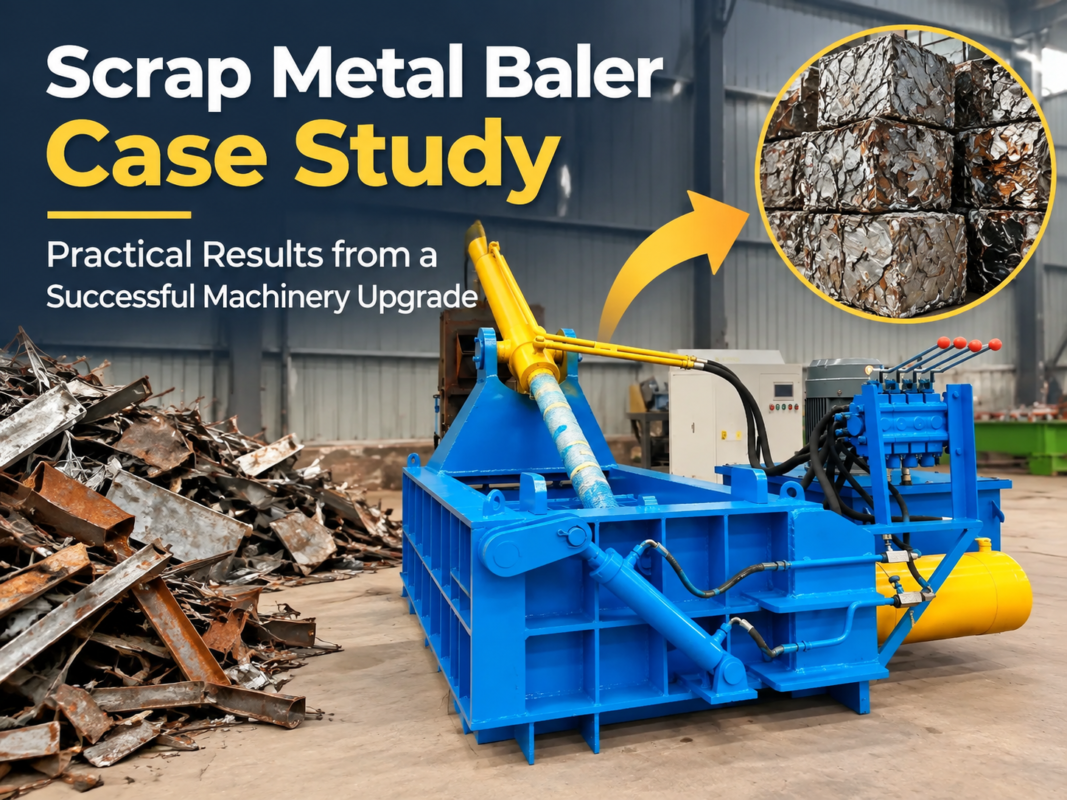
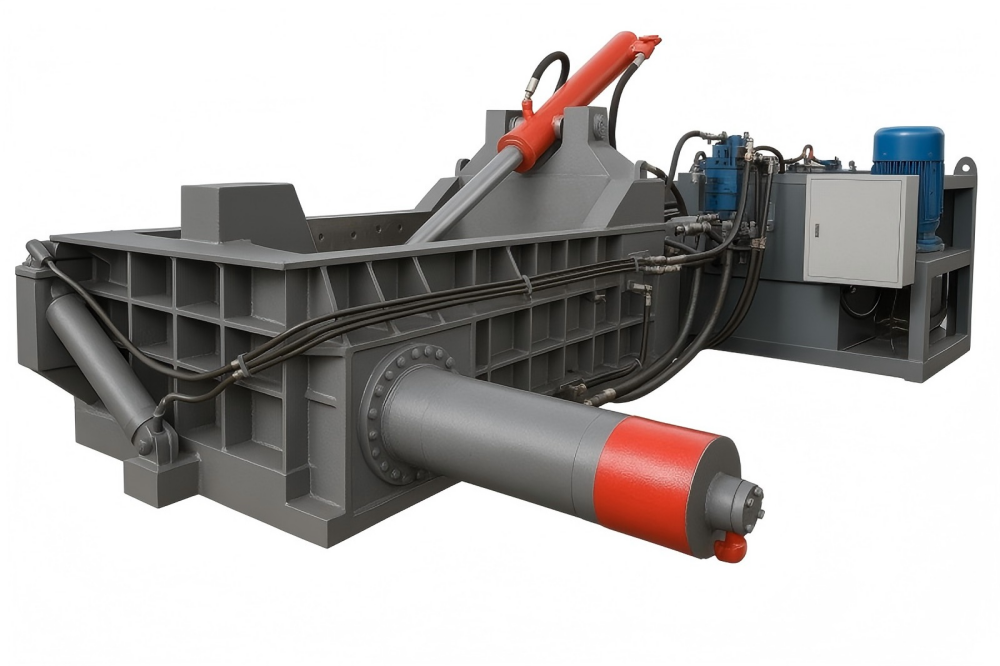
The technical architecture of a HARSLE scrap metal baler involves several critical components: the compression chamber, the hydraulic cylinders (main, side, and lid cylinders), the power unit, and the control system. The compression chamber is usually lined with high-strength, wear-resistant manganese steel plates to withstand the abrasive nature of metal scrap. The hydraulic system is the heart of the machine, consisting of high-pressure pumps, valves, and oil reservoirs designed to deliver consistent force. Modern balers often incorporate PLC (Programmable Logic Controller) systems that automate the baling cycle, ensuring precision in bale size and density while providing real-time monitoring of the machine’s health.
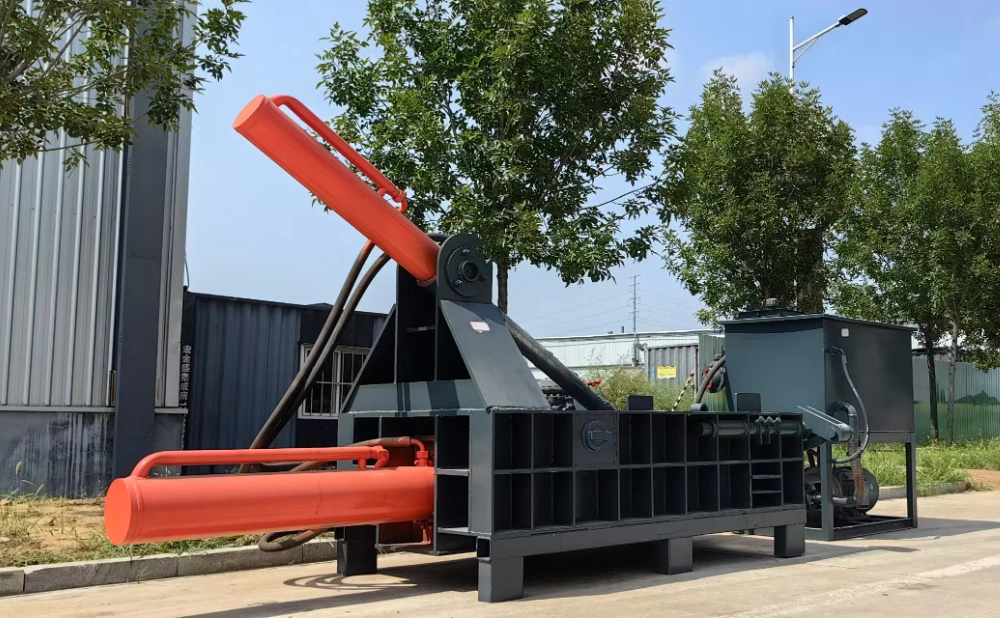
Safety is not merely an add-on feature in these machines; it is integrated into the very fabric of their design. Because a baler operates under extreme pressure, any mechanical failure or operator error can lead to catastrophic results. Therefore, Understanding Scrap Metal Baler Safety Features Operating Best Practices involves a deep dive into the interlocking mechanisms, emergency stop protocols, and structural reinforcements that prevent accidents. From the perspective of engineering, the baler must be able to detect anomalies—such as an uncrushable object in the chamber—and halt operations before damage occurs to the hydraulic rams or the frame itself.
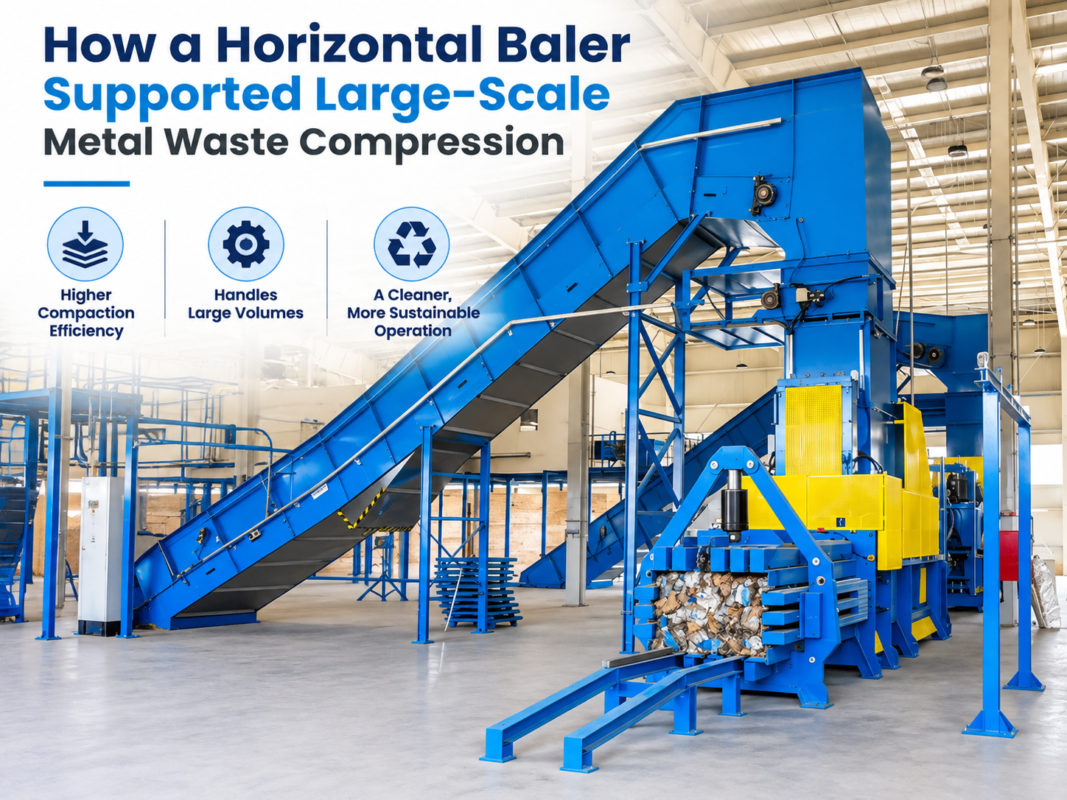
Furthermore, the evolution of baling technology has led to the development of different discharge methods, such as ‘turn-out’, ‘side-push’, and ‘forward-out’. Each method has its own set of safety considerations and operational nuances. For instance, a turn-out baler requires a clear radius for the bale to be ejected, necessitating specific floor markings and safety barriers. By mastering the technical overview of these machines, operators and facility managers can better appreciate the necessity of rigorous safety standards and the complex engineering that makes high-density baling possible.
Core Parameters of Scrap Metal Balers
When evaluating a scrap metal baler, several core parameters define its capability and suitability for specific industrial applications. The most prominent parameter is the nominal pressure, often measured in kilonewtons (kN) or tons (T). This pressure determines the machine’s ability to compress high-strength materials like stainless steel or thick structural scrap. A 160T baler, for example, is ideal for light to medium scrap, whereas a 400T or 600T machine is required for heavy industrial waste or car bodies. Understanding these parameters is essential for Understanding Scrap Metal Baler Safety Features Operating Best Practices, as pushing a machine beyond its rated capacity is a primary cause of hydraulic failure.
Another vital parameter is the compression chamber size. This determines the maximum volume of loose scrap that can be loaded in a single cycle. If the chamber is too small for the material being processed, operators may be tempted to ‘pre-cut’ scrap manually, which introduces additional safety risks. Conversely, an oversized chamber for low-volume operations leads to energy inefficiency. The bale size produced is also a key logistical factor; it must be compatible with the transport vehicles and the charging doors of the smelting furnaces where the scrap will eventually be processed.
Cycle time is a parameter that directly impacts throughput. It refers to the time taken for the lid to close, the rams to compress the material, and the bale to be ejected. A faster cycle time increases productivity but requires a more robust hydraulic cooling system to prevent oil overheating. Motor power, typically measured in kilowatts (kW), dictates the energy consumption and the speed of the hydraulic pumps. High-efficiency motors coupled with variable frequency drives (VFDs) are becoming standard in modern HARSLE balers to optimize power usage based on the resistance encountered during the compression phase.
Calculation Method for Baler Performance
To optimize the operation of a scrap metal baler, engineers and operators must understand the mathematical principles governing its performance. The most fundamental calculation is the total compression force (F), which is the product of the hydraulic pressure (P) and the surface area of the piston (A). The formula is expressed as: F = P × A. For a multi-stage baler, the total force is the sum of the forces exerted by the main ram and the side rams. Knowing this allows operators to ensure they are not exceeding the structural limits of the compression chamber when dealing with particularly dense alloys.
Bale density is another critical metric, calculated by dividing the mass of the finished bale (m) by its volume (V): ρ = m / V. Achieving a specific density is often required by transport regulations or secondary metal smelters. To calculate the expected density, one must consider the ‘compaction ratio’, which is the ratio of the volume of the loose scrap to the volume of the compressed bale. For example, if you have 10 cubic meters of loose aluminum cans and compress them into a 1 cubic meter bale, the compaction ratio is 10:1. Understanding this helps in planning storage space and logistics.
Productivity or throughput can be calculated using the formula: T = (M × 3600) / C, where T is the hourly throughput in kilograms, M is the mass of a single bale in kilograms, and C is the cycle time in seconds. This calculation is vital for facility managers to set realistic production targets and to understand the impact of cycle time improvements on the bottom line. Additionally, calculating the hydraulic oil flow rate (Q = V / t) helps in diagnosing pump efficiency and determining if the cooling system is adequately sized for continuous operation.
Detailed Parameter Table
The following table outlines the typical specifications for a range of HARSLE scrap metal balers, providing a reference for selection and operational planning.
| Model Series | Nominal Pressure (kN) | Chamber Size (mm) | Bale Size (mm) | Cycle Time (s) | Motor Power (kW) |
|---|---|---|---|---|---|
| Y81-125 | 1250 | 1200x700x600 | 300×300 | ~80 | 11 – 15 |
| Y81-160 | 1600 | 1600x1000x700 | 400×400 | ~90 | 15 – 22 |
| Y81-250 | 2500 | 2000x1400x900 | 500×500 | ~100 | 30 – 37 |
| Y81-400 | 4000 | 2500x2000x1000 | 600×600 | ~120 | 45 – 75 |
| Y81-630 | 6300 | 3000x2500x1200 | 700×700 | ~150 | 75 – 110 |
Common Engineering Mistakes in Baler Operation
One of the most frequent engineering mistakes in scrap metal baling is the improper calibration of pressure relief valves. These valves are the primary safeguard against hydraulic over-pressurization. If set too high, the system may suffer from seal blowouts or structural cracking; if set too low, the machine will fail to produce bales of the required density. Understanding Scrap Metal Baler Safety Features Operating Best Practices requires regular testing of these valves using calibrated gauges to ensure they trigger at the manufacturer’s specified limits.
Another common error is neglecting the hydraulic oil’s temperature and filtration. Scrap metal environments are inherently dusty and dirty. If the filtration system is not maintained, abrasive particles enter the hydraulic circuit, leading to premature wear of the pump vanes and cylinder walls. Furthermore, operating the baler when the oil temperature exceeds 60°C (140°F) significantly reduces the oil’s viscosity, leading to internal leakage and reduced compression force. Engineers must ensure that the cooling system (whether air-cooled or water-cooled) is functioning correctly and that the oil is changed according to the service manual.
Inadequate foundation and anchoring is a structural mistake often overlooked. A scrap metal baler generates immense vibrational energy and shifting loads during the compression cycle. If the machine is not anchored to a reinforced concrete pad of sufficient thickness, the frame can become misaligned. This misalignment leads to uneven wear on the rams and can eventually cause the compression chamber doors to jam or fail to lock properly, creating a major safety hazard. Proper installation is the first step in ensuring long-term operational safety.
Finally, many operators fail to account for ‘material memory’ or spring-back. Certain materials, like high-carbon steel or specific plastic-coated wires, tend to expand slightly after the pressure is released. If the baler’s locking mechanism or the bale-out system is not designed to handle this expansion, it can lead to jammed bales or sudden, violent ejections. Engineering the baling process must include an understanding of the specific metallurgical properties of the scrap being processed.
Selection Checklist for Scrap Metal Balers
Choosing the right baler is critical for both safety and ROI. Use this checklist to guide your selection process:
- Material Type: Identify the primary metal you will process. Ferrous metals require higher pressure than non-ferrous metals like aluminum or copper.
- Volume Requirements: Calculate your daily scrap intake. Ensure the baler’s cycle time and chamber size can handle the peak load without constant 24/7 operation, which can lead to overheating.
- Bale Specifications: Check the requirements of your scrap buyer. Do they need a specific bale size or density for their furnace?
- Safety Features: Does the machine include emergency stops, safety interlocks on all doors, and protective shielding for hydraulic hoses?
- Space Constraints: Measure your facility. Remember to include ‘swing zones’ for turn-out balers and maintenance access areas around the hydraulic power unit.
- Power Supply: Ensure your facility’s electrical grid can handle the startup current of the baler’s motors. Soft-starters or VFDs may be necessary.
- Automation Level: Decide between manual control (joysticks) and PLC-automated cycles. Automation reduces operator fatigue and improves consistency but requires more technical maintenance.
Operating Best Practices for Maximum Safety
The cornerstone of Understanding Scrap Metal Baler Safety Features Operating Best Practices is a rigorous training program for all personnel. Operators must be intimately familiar with the control panel and the sound of the machine during normal operation. Any unusual noise—such as high-pitched whining from the pump or metallic grinding in the chamber—should be cause for an immediate halt and inspection. Pre-start checks should be mandatory every shift, including checking oil levels, inspecting hoses for leaks, and ensuring that the compression chamber is clear of debris from the previous shift.
Loading practices significantly impact safety. Scrap should be distributed evenly within the chamber to prevent ‘side-loading’ of the hydraulic rams. Side-loading occurs when the resistance is concentrated on one side of the ram, causing it to tilt slightly and score the cylinder walls. Furthermore, hazardous materials such as sealed containers, gas cylinders, or flammable liquids must be strictly excluded from the scrap stream. Compressing a sealed container can lead to an explosion, while flammable residues can ignite under the heat generated by friction and pressure.
Maintenance is the final pillar of best practices. A ‘Lock-Out, Tag-Out’ (LOTO) procedure must be strictly enforced whenever maintenance is performed inside the compression chamber or on the hydraulic system. Even when the power is off, hydraulic accumulators can hold residual pressure; this pressure must be safely bled off before any fittings are loosened. Regularly tightening bolts, lubricating pivot points, and checking the integrity of the wear plates will extend the machine’s life and ensure that safety features like interlocking sensors remain functional.
Frequently Asked Questions (FAQ)
1. What is the most important safety feature on a scrap metal baler?
While all features are important, the Emergency Stop (E-Stop) and Safety Interlocks are the most critical. Interlocks prevent the machine from operating if the chamber doors are open or if a person is in a danger zone, while the E-Stop allows for an immediate halt in case of an unforeseen hazard.
2. How often should the hydraulic oil be changed?
Generally, hydraulic oil should be changed every 2,000 to 4,000 operating hours, or at least once a year. However, in dusty recycling environments, it is better to rely on oil analysis reports that check for particulate contamination and chemical degradation.
3. Can I bale different types of metal together?
While it is physically possible, it is not recommended. Mixing metals (e.g., copper and steel) significantly reduces the resale value of the scrap. Furthermore, different metals have different compression characteristics, which can lead to uneven bales or chamber jams.
4. Why is my baler not reaching full pressure?
This could be due to several factors: a worn-out hydraulic pump, a leaking bypass valve, low oil levels, or air trapped in the hydraulic lines. Check the pressure gauge and inspect the system for internal or external leaks.
5. What should I do if a bale gets stuck in the chamber?
Never attempt to pry a bale out while the machine is powered. Use the manual override controls (if equipped) to retract the rams fully. If it remains stuck, follow LOTO procedures and use appropriate external lifting equipment to safely remove the obstruction.
6. How does temperature affect baler performance?
Cold temperatures can make hydraulic oil too viscous, causing the pump to cavitate. High temperatures thin the oil, reducing lubrication and pressure. Most HARSLE balers include heaters for cold starts and coolers for continuous operation to maintain the oil within the ideal range of 30°C to 50°C.