How to Improve Scrap Metal Baler Efficiency in High-Volume Recycling Plants

Technical Overview of High-Volume Scrap Metal Baling
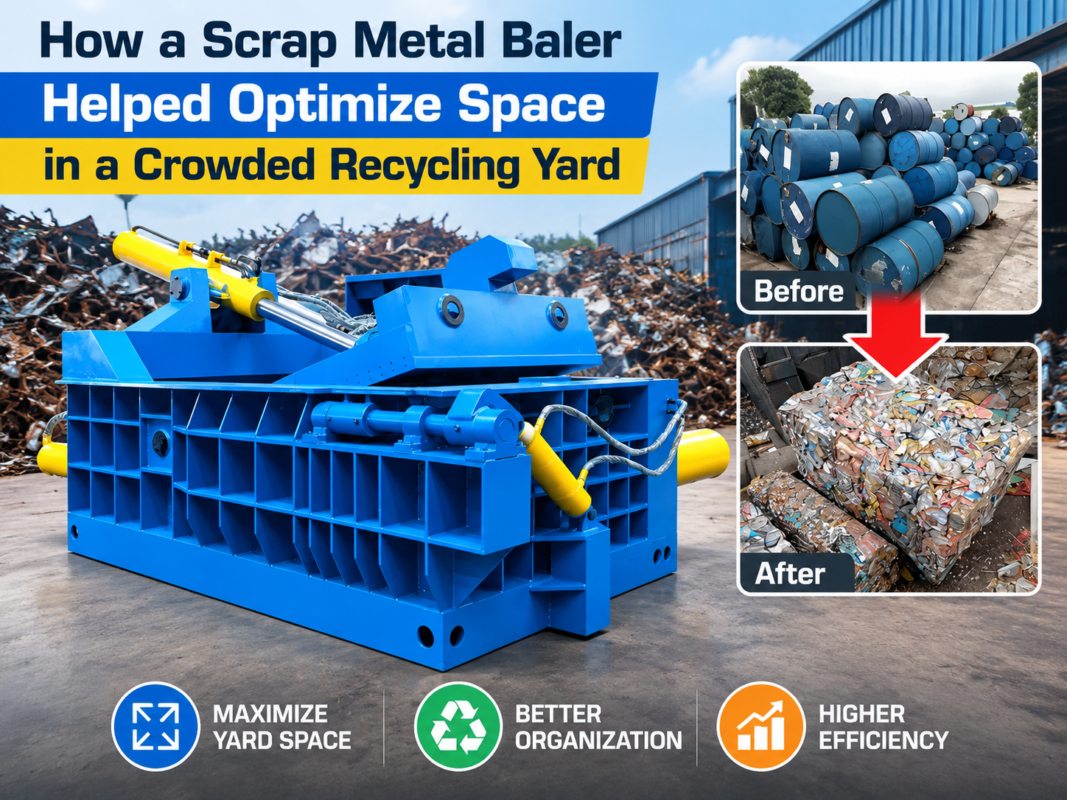
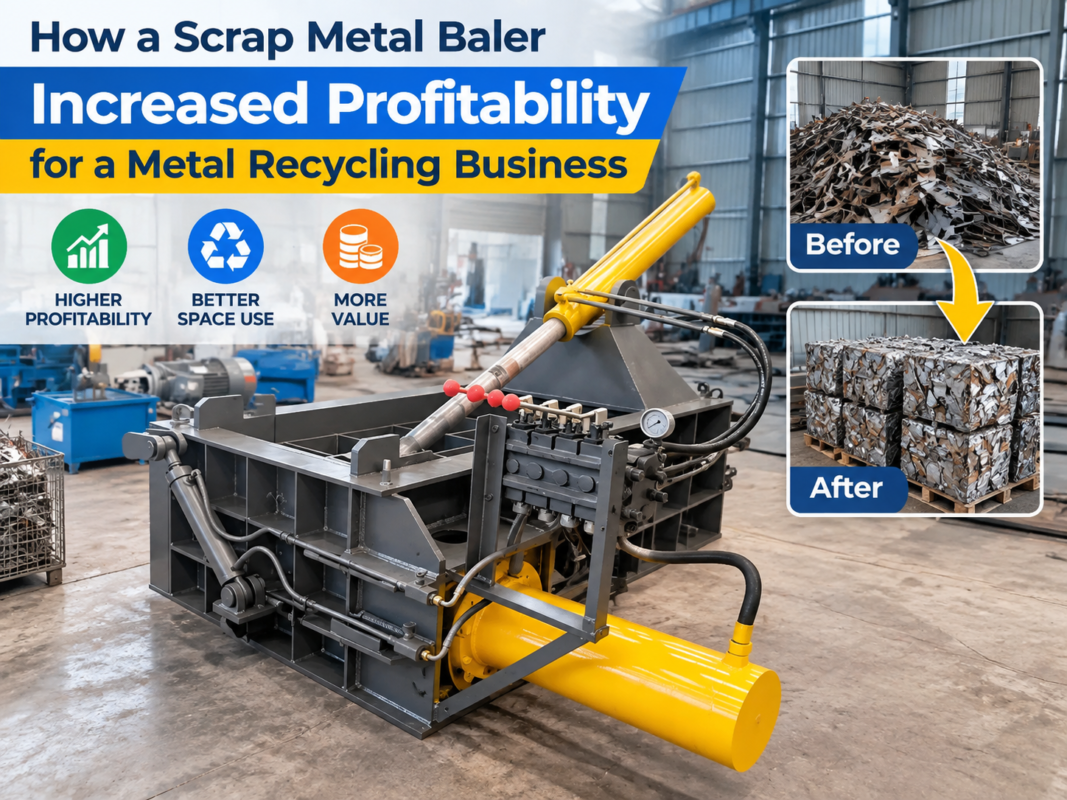
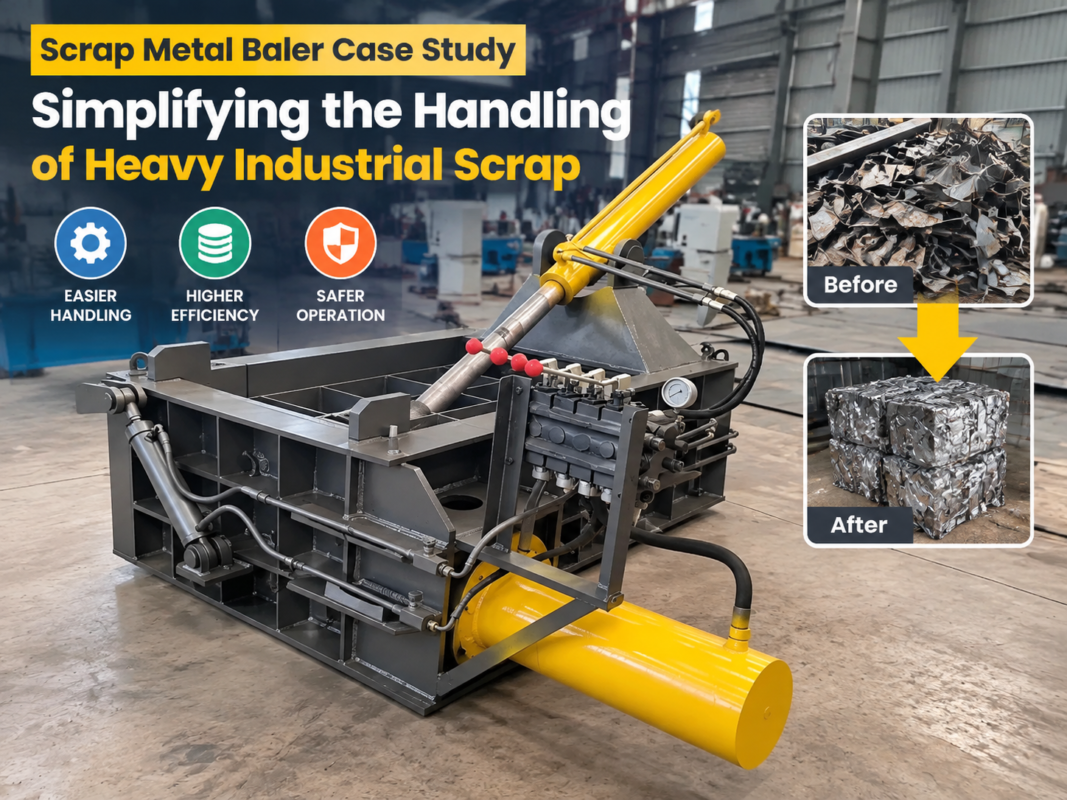
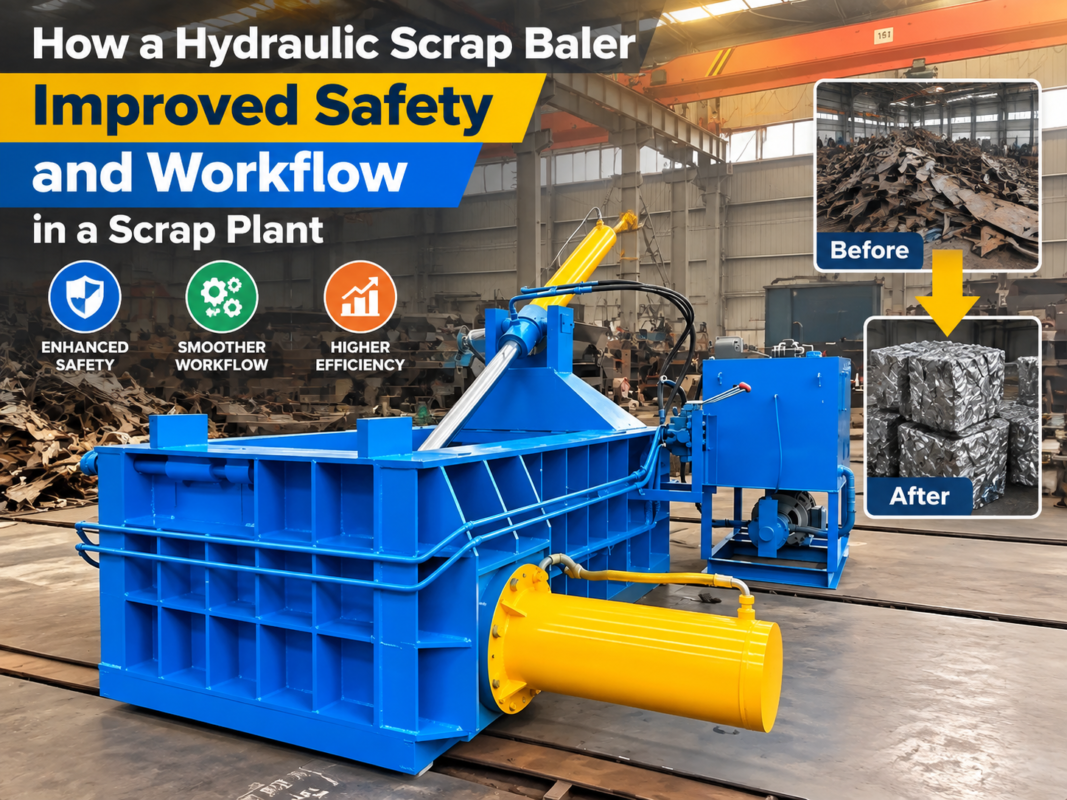
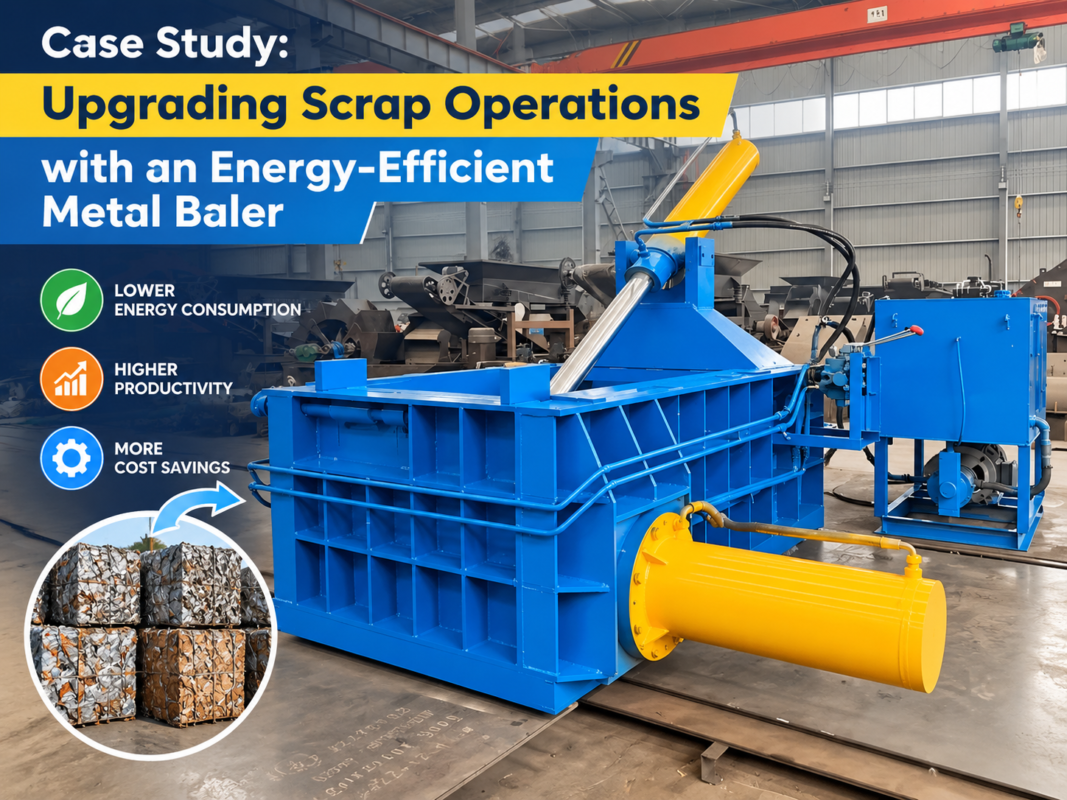
In the demanding environment of high-volume recycling plants, the scrap metal baler serves as the heartbeat of the operation. To improve scrap metal baler efficiency in high-volume recycling plants, one must first understand the complex interplay between hydraulic force, structural integrity, and automated control systems. High-volume plants typically process hundreds of tons of ferrous and non-ferrous materials monthly, ranging from aluminum extrusions and copper wiring to bulky steel sheets and end-of-life vehicle components. The efficiency of this process is measured not just by the speed of the cycle, but by the density of the resulting bales and the long-term reliability of the machine under continuous duty cycles.
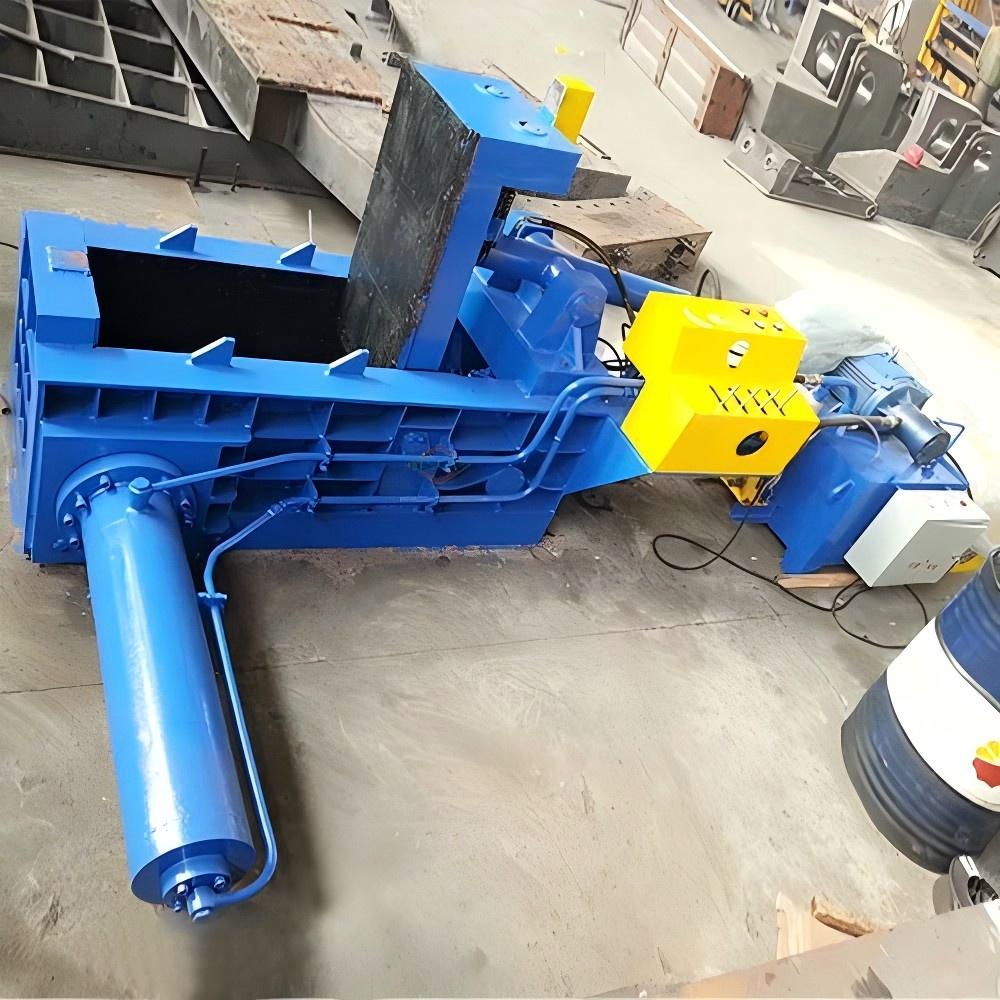
Modern industrial balers, such as those engineered by HARSLE, utilize advanced hydraulic circuits designed to minimize energy loss while maximizing compressive force. A high-efficiency baler must manage the resistance of the scrap material effectively. As the hydraulic ram moves forward, it encounters increasing resistance; a sophisticated system will adjust the flow and pressure dynamically to maintain a steady pace without overheating the hydraulic fluid. Furthermore, the structural design of the compression chamber must withstand repetitive high-pressure cycles without deformation, which would otherwise lead to internal friction and energy wastage.
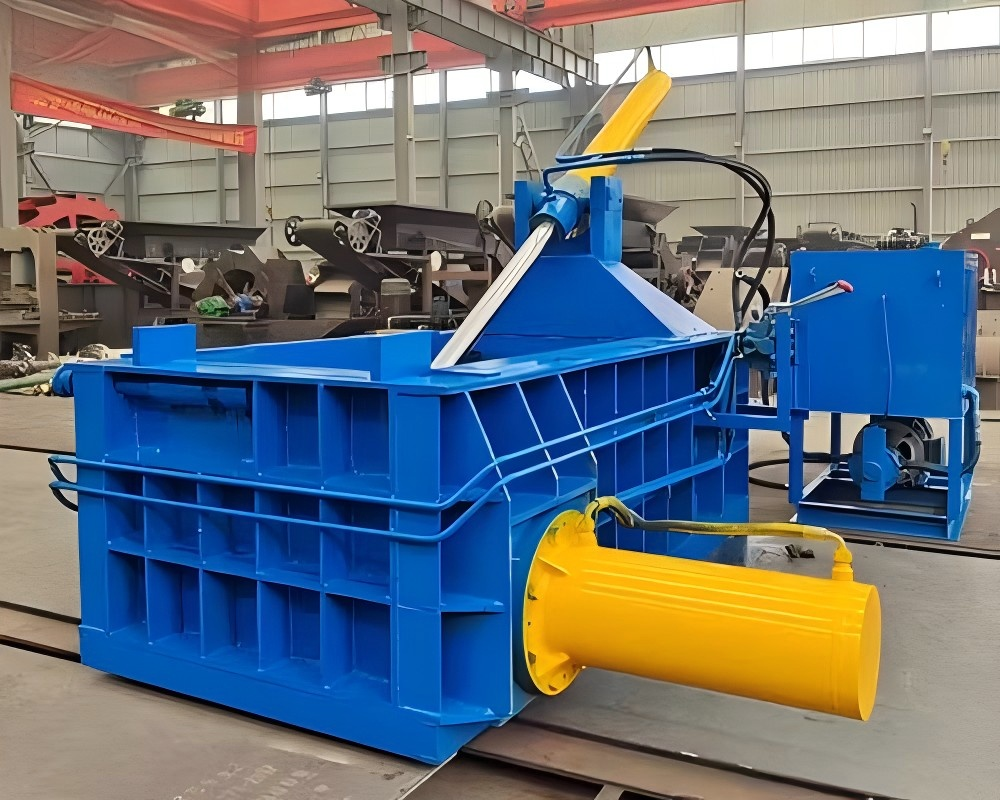
Efficiency in high-volume settings also hinges on the integration of the baler into the wider facility workflow. This includes the synchronization of conveyor systems, magnetic separators, and crane loading operations. When these elements are misaligned, even the fastest baler will experience idle time, significantly reducing the overall throughput of the plant. Therefore, improving efficiency requires a holistic approach that combines mechanical optimization with logistical precision.
Core Parameters Influencing Baler Performance
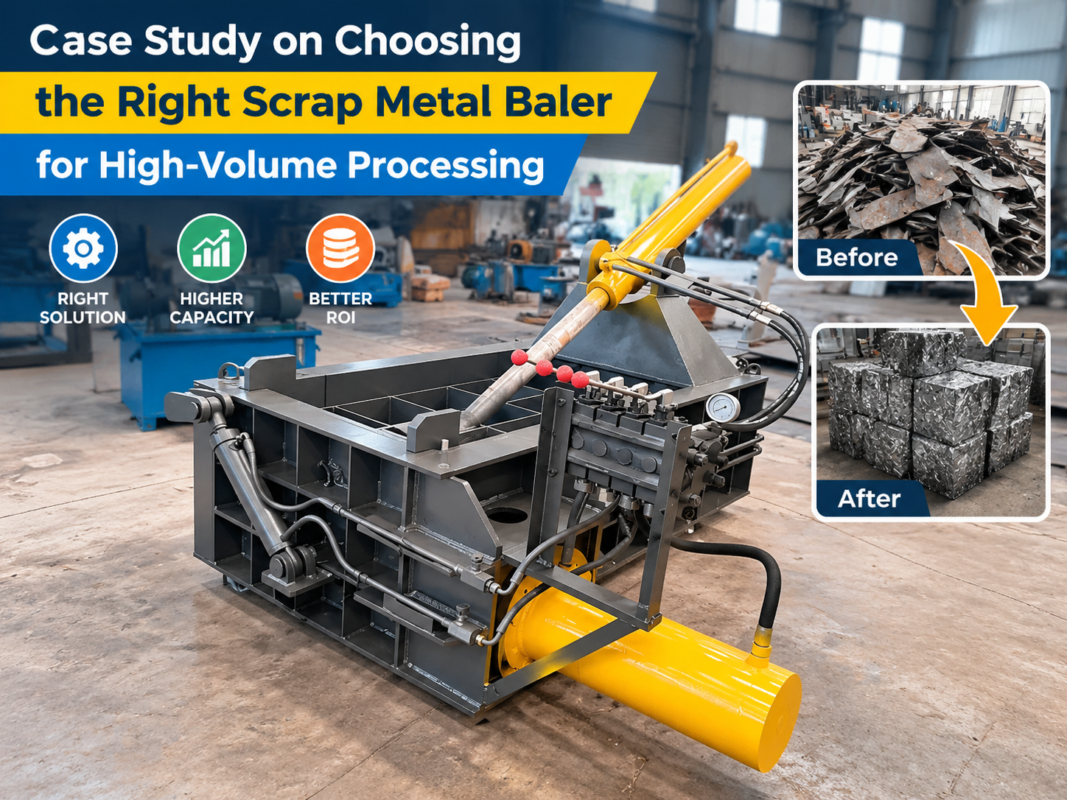
To effectively improve scrap metal baler efficiency in high-volume recycling plants, operators and engineers must focus on several core technical parameters. These parameters define the machine’s capability and its suitability for specific types of scrap. The most critical factor is the Nominal Pressure, usually measured in Kilonewtons (KN) or Tons. For high-volume plants, a pressure range of 2500KN to 6000KN is often required to ensure that even dense steel scrap is compressed into tight, transport-efficient bales.
Another vital parameter is the Cycle Time. This is the duration required for the ram to complete a full extension and retraction. In a high-volume environment, every second saved per cycle translates into additional tons processed per shift. However, reducing cycle time must not come at the cost of bale density. High-efficiency machines often employ regenerative hydraulic circuits that allow for faster ram movement during the low-pressure phase of the stroke, switching to full power only when the material resistance increases. This “fast-approach” logic is a hallmark of premium HARSLE baling systems.
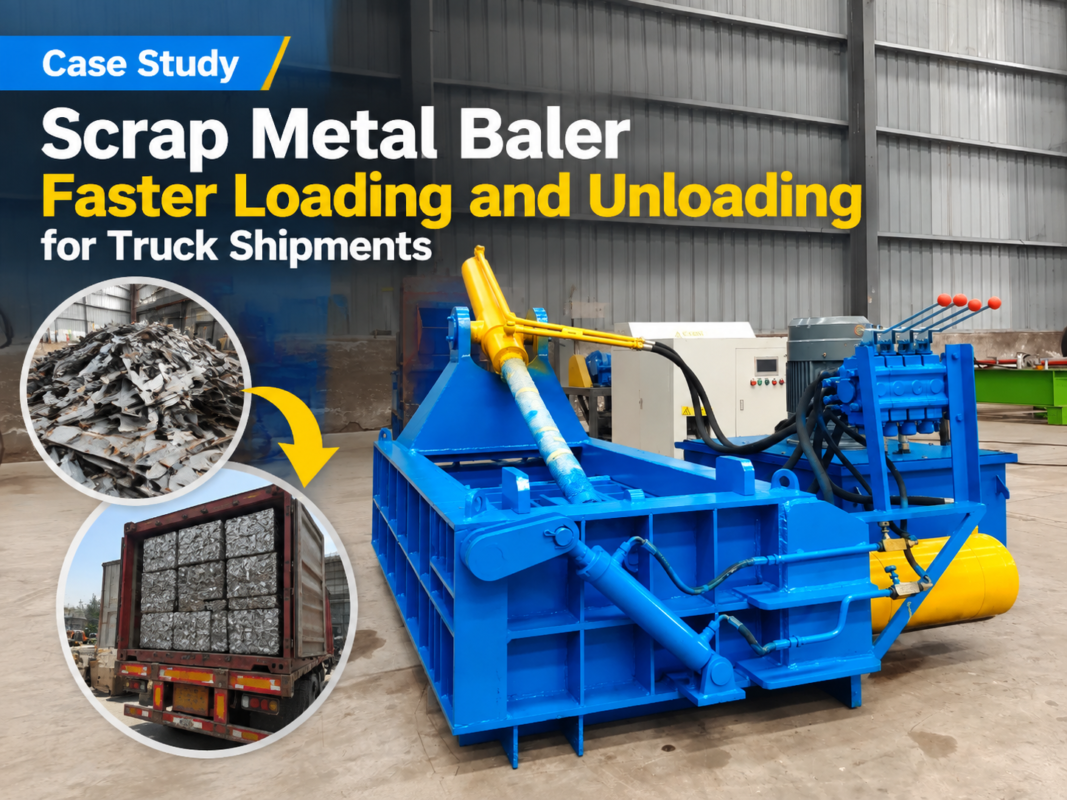
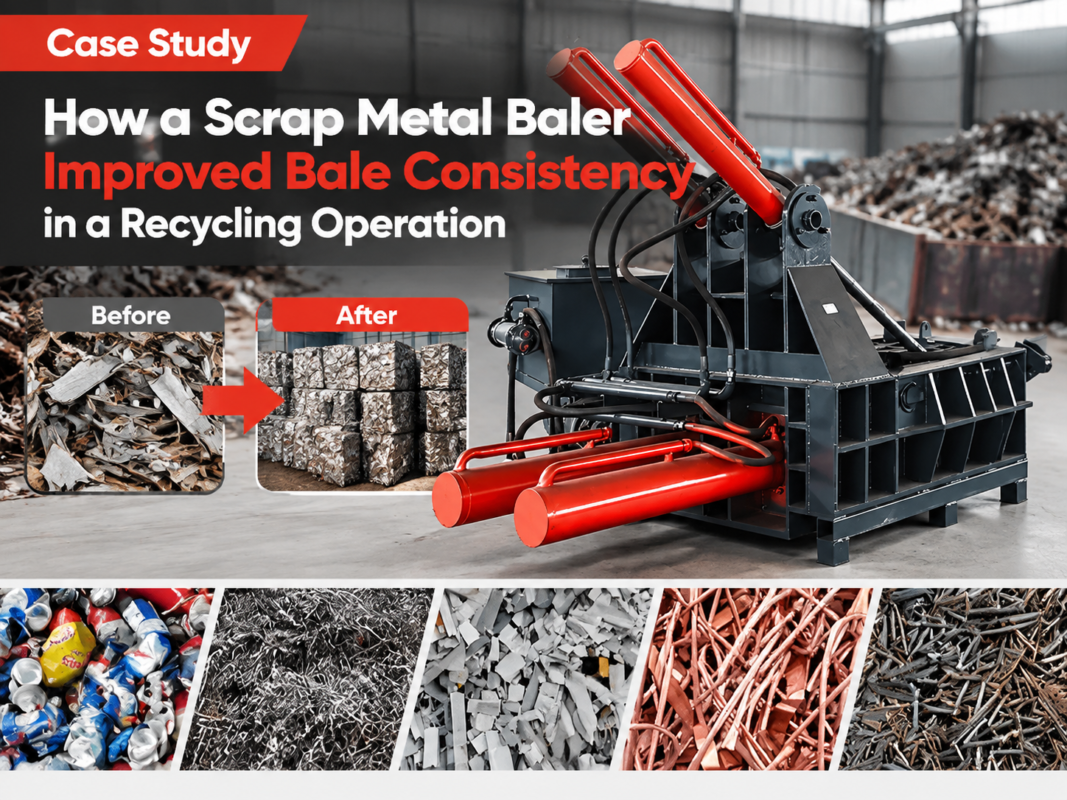
The dimensions of the compression chamber and the resulting bale size also play a significant role. For high-volume logistics, the bale size should be optimized for standard shipping containers or truck beds to maximize the weight-to-volume ratio during transport. If the bales are too small, the plant incurs higher handling costs; if they are too large or irregularly shaped, they may be rejected by smelters or foundries. Consistency in bale dimensions is a key indicator of a well-calibrated and efficient baling operation.
Calculation Method for Production Capacity
Quantifying efficiency is essential for any recycling plant looking to optimize its ROI. The theoretical production capacity of a scrap metal baler can be calculated using the following methodology. This allows plant managers to set realistic benchmarks and identify bottlenecks in their processing line.
The basic formula for hourly throughput is:
Capacity (Tons/Hour) = (Average Bale Weight in kg × 3600) / (Total Cycle Time in seconds + Loading Time in seconds) / 1000
To refine this calculation, one must account for the “Bulk Density” of the raw scrap versus the “Bale Density” of the finished product. For example, loose aluminum cans may have a bulk density of only 50 kg/m³, while a finished bale might reach 600 kg/m³. The efficiency of the compression is the ratio of these densities relative to the energy consumed (kWh per ton). A more efficient machine will achieve higher density with lower energy consumption per unit of weight.
Furthermore, the “Hydraulic Efficiency” can be calculated by comparing the theoretical pump output to the actual ram speed. If the actual speed is significantly lower than the theoretical value, it indicates internal leakage or excessive flow resistance, both of which drain efficiency. Regular monitoring of these calculations helps in predicting maintenance needs before they result in catastrophic downtime.
Technical Parameter Table for HARSLE Balers
The following table outlines the specifications for common high-volume scrap metal balers. Selecting the right model is the first step to improve scrap metal baler efficiency in high-volume recycling plants.
| Model Series | Nominal Pressure (KN) | Chamber Size (mm) | Bale Size (mm) | Cycle Time (s) | Motor Power (kW) |
|---|---|---|---|---|---|
| HBA-125 | 1250 | 1200 x 700 x 600 | 300 x 300 | 80 – 90 | 15 |
| HBA-250 | 2500 | 1600 x 1200 x 800 | 400 x 400 | 90 – 110 | 30 |
| HBA-400 | 4000 | 2000 x 1400 x 900 | 500 x 500 | 100 – 120 | 45 |
| HBA-630 | 6300 | 2500 x 2000 x 1200 | 600 x 600 | 120 – 150 | 75 |
Common Engineering Mistakes in Baler Operation
Even the best machinery can underperform if subjected to poor operational practices. One of the most common mistakes in high-volume plants is the neglect of hydraulic oil management. Hydraulic fluid is the lifeblood of the baler; if it becomes contaminated with metal dust or moisture, it causes accelerated wear on the pumps and valves. Furthermore, operating with oil that has lost its viscosity due to overheating will lead to sluggish cycle times and increased energy consumption. High-volume plants must invest in robust oil cooling and filtration systems to maintain peak efficiency.
Another frequent error is the improper sorting of scrap material before it enters the baler. Attempting to bale “over-sized” or excessively thick steel members that exceed the machine’s shear capacity can cause structural fatigue and hydraulic spikes. This not only risks breaking the shear blades but also forces the machine to work at its absolute pressure limit for extended periods, which is inefficient. Implementing a pre-sorting stage where materials are sized correctly ensures the baler operates within its “sweet spot” of maximum efficiency.
Finally, many operators ignore the importance of PLC (Programmable Logic Controller) optimization. Modern balers allow for the adjustment of dwell times and pressure thresholds. If these settings are left at factory defaults for all material types, the machine may be spending too much time at high pressure for soft materials like aluminum, or not enough time for “springy” materials like stainless steel. Tailoring the PLC programs to the specific material being processed is a highly effective way to improve scrap metal baler efficiency in high-volume recycling plants.
Selection Checklist for High-Volume Balers
When upgrading or purchasing new equipment for a high-volume facility, use the following checklist to ensure the machine is capable of meeting efficiency targets:
- Frame Construction: Is the frame welded using heavy-duty Q235 or Q345 steel? Does it feature replaceable wear plates (Hardox or equivalent) in the compression chamber?
- Hydraulic System: Does the unit feature a multi-pump system for redundancy? Are the valves from reputable brands like Rexroth or Vickers to ensure precise flow control?
- Cooling Capacity: For 24/7 operations, is there an integrated air or water cooling system for the hydraulic oil?
- Shear Blades: Are the chamber edges equipped with high-strength shear blades to cut through overhanging scrap during the lid-closing phase?
- Automation Level: Does the PLC support remote monitoring and data logging? Can it integrate with the plant’s existing SCADA system?
- Maintenance Access: Are the hydraulic cylinders and filters easily accessible for routine servicing to minimize planned downtime?
Frequently Asked Questions (FAQ)
1. How often should the hydraulic oil be changed in a high-volume baler?
In high-volume plants operating 16-24 hours a day, hydraulic oil should typically be tested every 2,000 hours and replaced or polished based on the results. However, high-quality filtration systems can extend this interval significantly. Always monitor the Viscosity Index and look for signs of oxidation.
2. Can I improve efficiency by increasing the motor horsepower?
Not necessarily. While a larger motor can drive a larger pump, the efficiency is limited by the hydraulic circuit’s design and the heat dissipation capacity. Simply increasing horsepower without optimizing the valve logic and cooling may lead to overheating and wasted energy. It is better to optimize the existing hydraulic flow.
3. What is the ideal bale density for steel scrap?
For most steel recycling applications, a density of 75-100 lbs per cubic foot (approx. 1200-1600 kg/m³) is considered excellent for transport and melting efficiency. Achieving this consistently requires a baler with at least 250 tons of compression force.
4. Why are my bales coming out loose or falling apart?
This is usually caused by insufficient “hold time” at the end of the compression stroke or a failure in the bypass valve, preventing the machine from reaching full nominal pressure. It can also occur if the material has too much “memory” (like certain spring steels) and requires a higher pressure or a different baling technique.
5. How do shear blades affect baler efficiency?
Sharp shear blades allow the baler to cleanly cut through scrap that protrudes from the chamber as the lid or side ram closes. If the blades are dull, the machine must use excessive hydraulic force to “crush” rather than “cut,” which slows down the cycle and puts unnecessary strain on the structure.
Conclusion
To improve scrap metal baler efficiency in high-volume recycling plants, a combination of high-quality hardware, smart software logic, and rigorous maintenance is required. By focusing on core parameters like cycle time and bale density, and avoiding common engineering pitfalls such as poor oil management, recycling facilities can significantly increase their throughput and profitability. HARSLE remains committed to providing the industry with the robust, high-efficiency baling solutions needed to meet the challenges of modern metal recycling.