Hydraulic Briquetting Machine Making Noise? Troubleshooting Abnormal Sounds

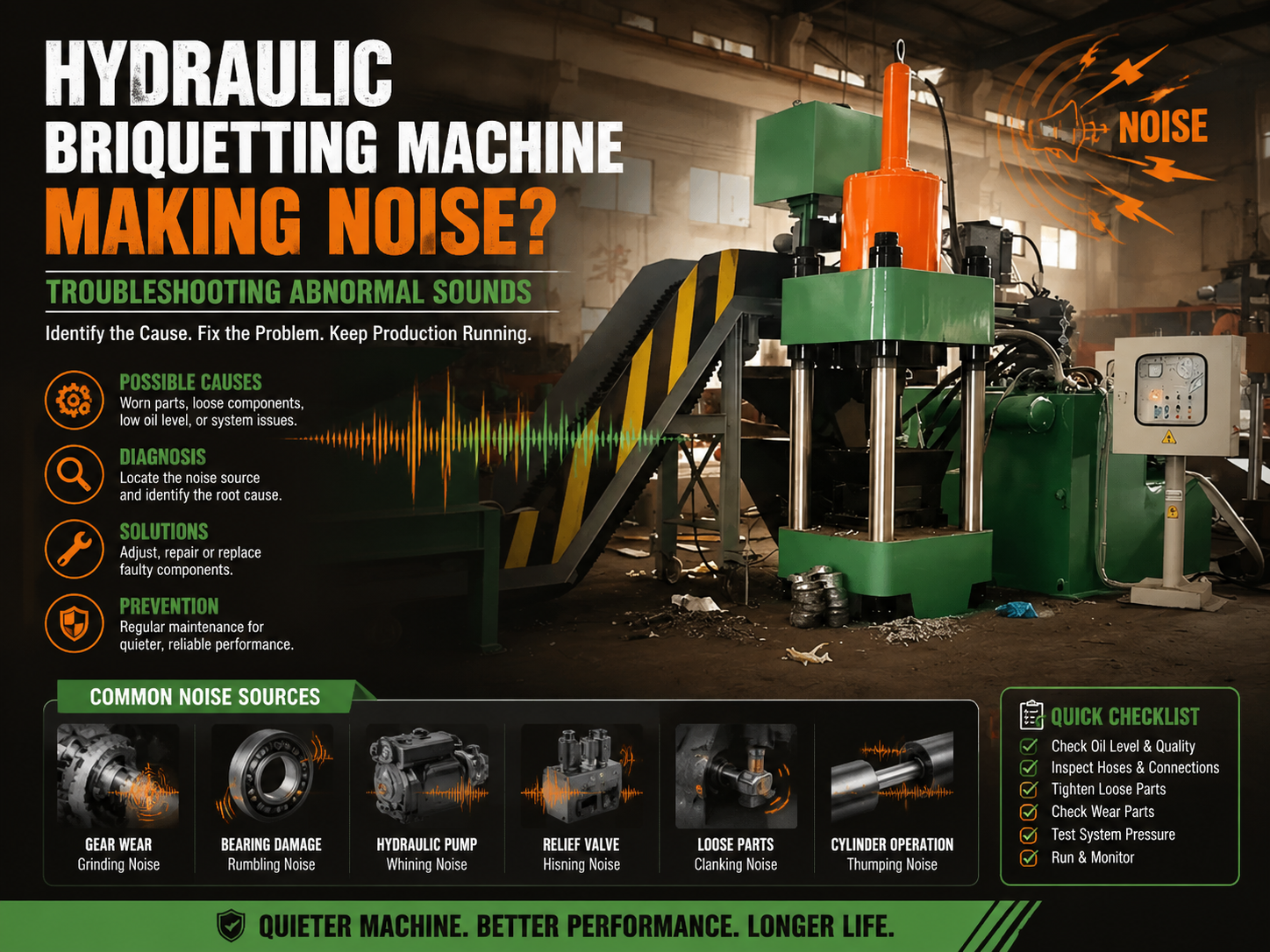
Introduction to Hydraulic Briquetting Machine Noise Issues
In the world of metal recycling and waste management, the hydraulic briquetting machine is a workhorse. It transforms loose metal chips, shavings, and turnings into dense, manageable blocks, significantly reducing volume and increasing the value of scrap material. However, like any heavy-duty industrial equipment, these machines are subject to wear and tear. One of the most common indicators that something is wrong is the emergence of abnormal sounds. When a hydraulic briquetting machine starts making noise, it is often the first warning sign of an underlying mechanical or hydraulic failure that could lead to costly downtime if ignored.
Understanding the nuances of these sounds is critical for any operator or maintenance technician. A healthy hydraulic system typically operates with a consistent, rhythmic hum. When that hum turns into a high-pitched squeal, a rhythmic knocking, or a grinding vibration, the machine is communicating a specific problem. This guide is designed to help you decode those sounds, identify the root causes, and implement effective troubleshooting strategies to keep your HARSLE equipment running at peak efficiency.
Ignoring noise in a hydraulic briquetting machine is a recipe for disaster. What starts as a minor vibration in a pipe can escalate into a ruptured hydraulic line or a seized pump. By the end of this article, you will have a comprehensive understanding of why these machines make noise and how to systematically address each issue, ensuring the longevity and reliability of your metal fabrication investment.
Key Considerations Before Troubleshooting
Before diving into the technical specifics of hydraulic noise, it is essential to establish a baseline for safety and operational standards. Troubleshooting industrial machinery requires a disciplined approach. First and foremost, always adhere to Lockout-Tagout (LOTO) procedures before performing any physical inspections or repairs. Hydraulic systems store immense amounts of energy, even when the power is off, due to pressurized fluid in accumulators or cylinders. Never attempt to loosen a fitting or open a valve while the system is under pressure.
Another key consideration is the environment in which the machine operates. Metal recycling facilities are often dusty and temperature-variable. High ambient temperatures can thin the hydraulic oil, leading to increased noise from internal leakage, while excessive dust can clog air breathers and coolers, causing the system to overheat. Understanding the context of the noise—whether it occurs only at startup, during the compression stroke, or after several hours of operation—is vital for an accurate diagnosis.
Furthermore, distinguish between mechanical noise and hydraulic noise. Mechanical noise often stems from loose bolts, worn bearings, or misaligned couplings. Hydraulic noise, on the other hand, is usually related to fluid dynamics, such as cavitation, aeration, or pressure ripples. Being able to isolate the source of the sound—whether it is coming from the motor, the pump, the manifold, or the cylinders—will save hours of unnecessary labor. Documentation is also your friend; keeping a log of when the noise started and any recent changes to the machine (such as an oil change or seal replacement) can provide the missing piece of the puzzle.
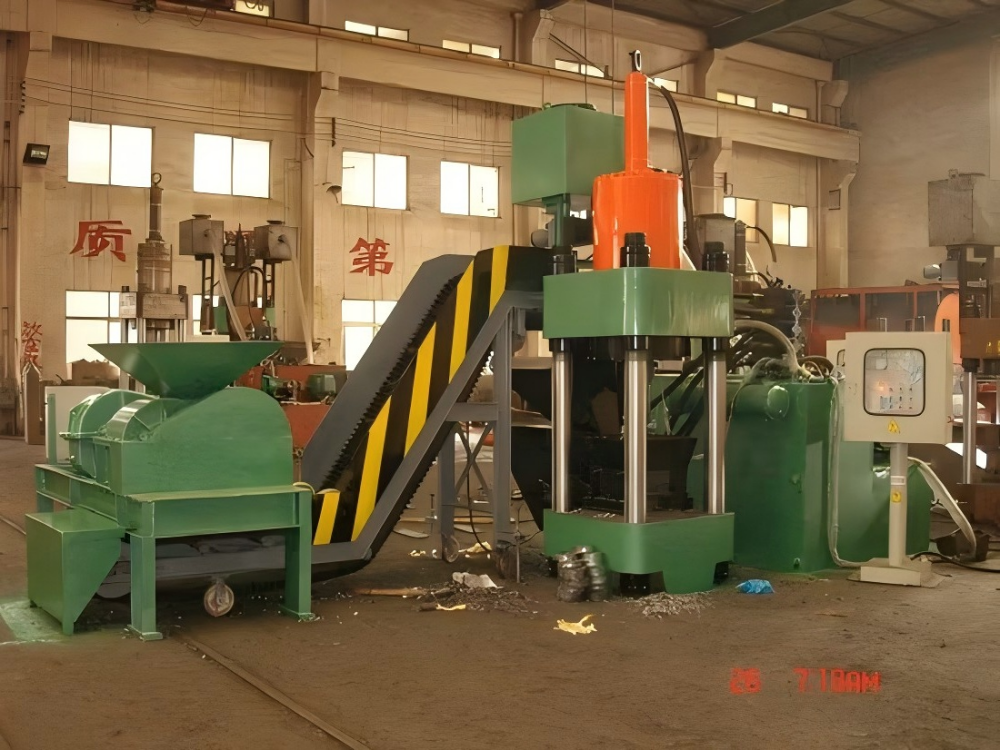
Technical Details: Identifying and Fixing Abnormal Sounds
1. Hydraulic Pump Cavitation and Aeration
The hydraulic pump is the heart of the briquetting machine, and it is also the most common source of noise. Two of the most destructive phenomena are cavitation and aeration. Cavitation occurs when the pump cannot get enough oil, creating a vacuum that causes vapor bubbles to form and then implode violently when they reach the high-pressure side of the pump. This produces a sound often described as “marbles rattling in a can.” Common causes include a clogged suction filter, a restricted intake line, or oil that is too viscous for the cold start conditions.
Aeration, conversely, occurs when air enters the system from the outside. This usually happens through a leak in the suction line, a low oil level in the reservoir, or a worn shaft seal on the pump. Aeration produces a high-pitched whining or screaming sound. Unlike cavitation, aeration often causes the hydraulic fluid to look foamy or milky. To fix this, inspect all suction-side fittings for tightness, ensure the oil level is correct, and check that the return line is submerged well below the oil surface to prevent splashing and air entrainment.
2. Relief Valve Chatter and Pressure Fluctuations
The relief valve is a safety component designed to limit the maximum pressure in the system. If the relief valve is worn, contaminated, or improperly set, it can “chatter.” This is a rapid opening and closing of the valve poppet, which creates a high-frequency vibrating or buzzing sound. This not only creates noise but also generates significant heat, which can degrade the hydraulic oil and damage seals throughout the machine.
To troubleshoot relief valve noise, first check the pressure settings against the manufacturer’s specifications. If the noise persists, the valve may need to be disassembled and cleaned. Small particles of metal scrap or dirt can lodge in the valve seat, preventing it from closing fully. If the internal spring is fatigued or the poppet is scored, the entire valve assembly should be replaced. Consistent pressure is key to a quiet briquetting process, especially during the final high-pressure stage of forming the metal block.
3. Cylinder Groaning and Seal Friction
The main ram and the ejector cylinders in a briquetting machine are subject to massive forces. If you hear a “groaning” or “squeaking” sound during the extension or retraction of the cylinder, it is often related to the piston seals or the rod gland. Lack of lubrication on the cylinder rod or a slightly misaligned frame can cause the rod to rub unevenly against the bushings. Over time, this friction creates heat and noise.
Another cause of cylinder noise is “stick-slip” phenomenon, where the seals momentarily grab and release the cylinder wall. This is often a sign that the hydraulic oil has lost its lubricity or that the seals are incompatible with the fluid being used. Ensure that the cylinder rods are clean and free of debris from the metal chips being processed. If the noise is accompanied by jerky movement, it is a clear indicator that the cylinder requires internal inspection and likely a seal kit replacement.
4. Mechanical Vibrations and Loose Components
Not all noise is fluid-related. The intense pressure cycles of a briquetting machine can cause bolts to loosen over time. A rattling sound often points to loose mounting bolts on the pump-motor group or the manifold block. Even a slightly loose coupling between the electric motor and the hydraulic pump can cause significant vibration and a metallic clanking sound. This vibration can eventually lead to fatigue failure of the hydraulic lines.
Regularly check the torque on all structural bolts and hydraulic clamps. Ensure that the machine is leveled correctly on its foundation. HARSLE machines are designed with robust frames to dampen these vibrations, but regular maintenance is still required to ensure that the dampening mounts and gaskets remain in good condition. If the noise sounds like a heavy thud, check the integrity of the main frame and the die holders for any cracks or structural shifts.
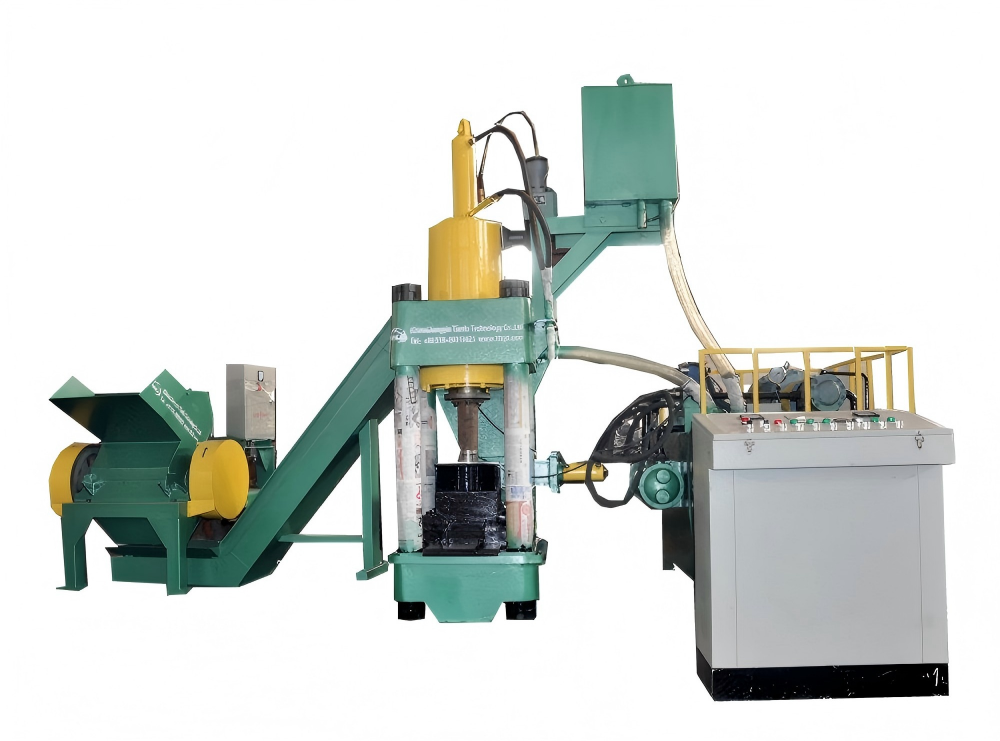
Selection Advice: Choosing a Quiet and Reliable Machine
When purchasing a hydraulic briquetting machine, noise should be a factor in your decision-making process. A noisy machine is often an inefficient one. When evaluating different models, look for manufacturers like HARSLE that prioritize high-quality hydraulic components. Machines equipped with brand-name pumps (such as Rexroth or Vickers) and high-grade valves are generally quieter because they are manufactured to tighter tolerances, reducing internal leakage and turbulence.
Consider the design of the hydraulic circuit. Modern machines often use “logic valves” or manifold blocks that minimize the length of piping. Fewer pipes and fittings mean fewer opportunities for vibration and leaks. Additionally, look for machines that include integrated cooling systems. Maintaining a stable oil temperature is one of the best ways to prevent noise caused by thinning oil or overheating components. A machine with a well-sized heat exchanger will operate much more quietly during long shifts than one that relies solely on the reservoir for heat dissipation.
Finally, ask about the frame construction. A heavy, cast, or welded steel frame with high rigidity will absorb much of the operational noise. Lightweight frames tend to act like a drum, amplifying every vibration from the pump and cylinders. Investing in a machine with a superior build quality might have a higher upfront cost, but it will save significant money in maintenance and operator comfort over its lifespan. Always request a video of the machine in operation or a factory visit to hear the unit run under load before finalizing your purchase.
Frequently Asked Questions (FAQ)
Why does my briquetting machine make a loud bang at the end of the stroke?
A loud bang or “hydraulic shock” usually occurs when the pressurized fluid is suddenly diverted or stopped. This can be caused by a fast-acting valve closing too quickly or the lack of a decompression circuit. HARSLE machines typically include a decompression stage to release pressure gradually before the valves shift, preventing this shock. If the bang is new, check your decompression valve settings or look for a broken spring in the directional control valve.
Can the type of hydraulic oil affect the noise level?
Absolutely. Using oil with the wrong viscosity can lead to both cavitation (if too thick) and internal leakage/noise (if too thin). Always use the ISO grade recommended by the manufacturer. Furthermore, contaminated oil containing metal particles or water will cause the pump to whine and the valves to stick. Regular oil analysis and filter changes are the best defense against oil-related noise.
How often should I check the pump-motor alignment?
Alignment should be checked during initial installation, after any major move, and at least once a year during a major maintenance overhaul. Misalignment of even a few thousandths of an inch can cause premature bearing failure and a persistent humming or vibrating noise that increases with motor speed.
Is a certain amount of noise normal for these machines?
Yes, hydraulic briquetting machines are powerful industrial tools and will always produce some sound. The key is to recognize the *change* in sound. A steady hum is normal; any sharp, intermittent, or high-pitched sound is a signal to investigate. If you have to shout to be heard over the machine from five feet away, the noise level may be exceeding safe industrial standards (typically 85 dB), and troubleshooting is required.
Conclusion: Proactive Maintenance for Silent Efficiency
In conclusion, a hydraulic briquetting machine making noise is not just a nuisance—it is a diagnostic tool. By paying close attention to the specific characteristics of the sound, operators can identify issues like cavitation, aeration, valve chatter, or mechanical looseness before they lead to catastrophic failure. Troubleshooting abnormal sounds requires a combination of technical knowledge, regular inspection, and a commitment to using high-quality parts and fluids.
Maintaining your HARSLE briquetting machine involves more than just fixing problems as they arise; it involves a proactive approach to maintenance. Keeping the oil clean, ensuring all fittings are tight, and monitoring the system’s pressure and temperature will go a long way in preventing noise. Remember that a quiet machine is a sign of a well-tuned, efficient system that will provide years of reliable service in the demanding environment of metal fabrication and recycling. By following the steps outlined in this guide, you can ensure your equipment remains a productive asset rather than a maintenance liability.