Aluminium Extrusion Press Quality Defects: A Practical Troubleshooting Checklist

Introduction to Aluminium Extrusion Quality Management
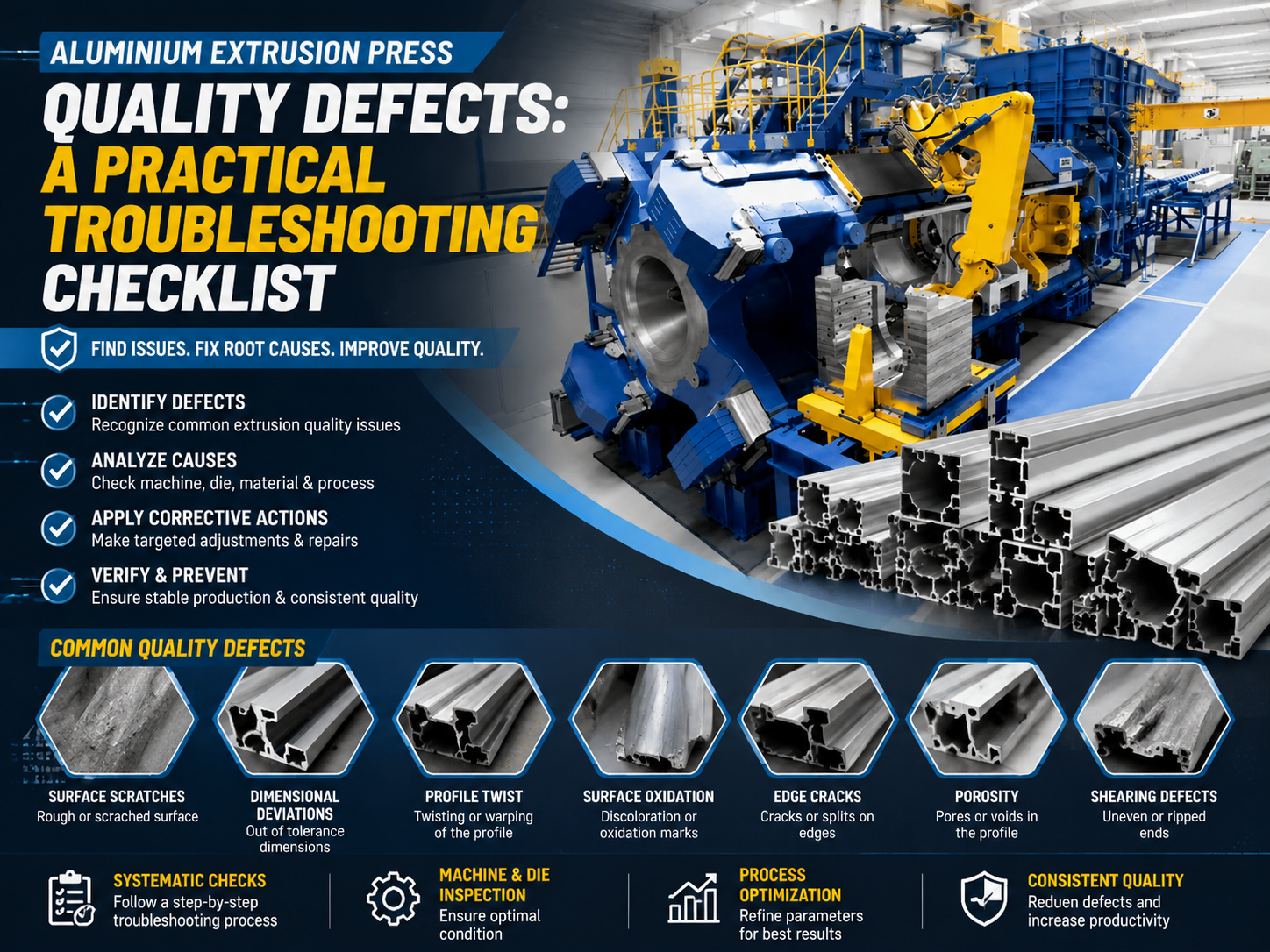
In the world of modern manufacturing, the aluminium extrusion process stands as a cornerstone for producing complex profiles used in everything from aerospace components to architectural window frames. However, achieving a perfect finish and structural integrity is a constant challenge for operators. The Aluminium Extrusion Press Quality Defects: A Practical Troubleshooting Checklist is designed to serve as a comprehensive resource for identifying, diagnosing, and rectifying the most common issues encountered during the extrusion cycle.
Quality defects in aluminium extrusion are rarely the result of a single factor. They often arise from a complex interplay between the raw material (billet) quality, the precision of the extrusion die, the thermal stability of the container, and the mechanical performance of the press itself. For manufacturers using HARSLE equipment, understanding these variables is essential to maximizing uptime and minimizing scrap rates. High-quality extrusion requires not just a powerful machine, but a nuanced understanding of fluid dynamics, metallurgy, and thermal management.
This guide will delve into the technical nuances of surface imperfections, internal structural flaws, and dimensional inaccuracies. By following a systematic troubleshooting approach, operators can transition from reactive firefighting to proactive quality assurance. Whether you are dealing with ‘pick-up’ on the profile surface or ‘piping’ at the end of a cycle, this checklist provides the technical depth needed to solve problems at the source.
Key Considerations for Defect-Free Extrusion
1. Billet Quality and Preparation
The journey to a high-quality extrusion begins long before the metal reaches the die. The metallurgical integrity of the aluminium billet is paramount. Impurities such as hydrogen gas, oxides, or alkali metals can lead to internal voids or surface blistering. Furthermore, the homogenization process—where the billet is heated to redistribute alloying elements—must be executed perfectly to ensure uniform flow stress during extrusion. If the billet is not properly homogenized, the resulting profile may exhibit inconsistent mechanical properties and poor surface finish.
2. Thermal Equilibrium and Isothermal Extrusion
Temperature is perhaps the most critical variable in the extrusion process. The ‘extrusion window’ is the temperature range where the metal is soft enough to flow but not so hot that it begins to melt locally (incipient melting). Maintaining isothermal extrusion—where the temperature of the profile remains constant as it exits the die—is the gold standard. This requires sophisticated control over the billet pre-heat temperature, the container temperature, and the extrusion speed. Fluctuations in temperature lead to variations in profile dimensions and surface quality.
3. Die Design and Maintenance
The die is the heart of the extrusion process. Even the most advanced HARSLE press cannot compensate for a poorly designed or maintained die. Issues such as improper bearing lengths, inadequate support, or surface roughness on the die land can cause immediate defects. Regular nitriding of the die surface is necessary to maintain hardness and reduce friction. A checklist for die maintenance should include checking for cracks, monitoring wear patterns, and ensuring that the die is pre-heated to the correct temperature before being loaded into the press.
4. Press Alignment and Mechanical Stability
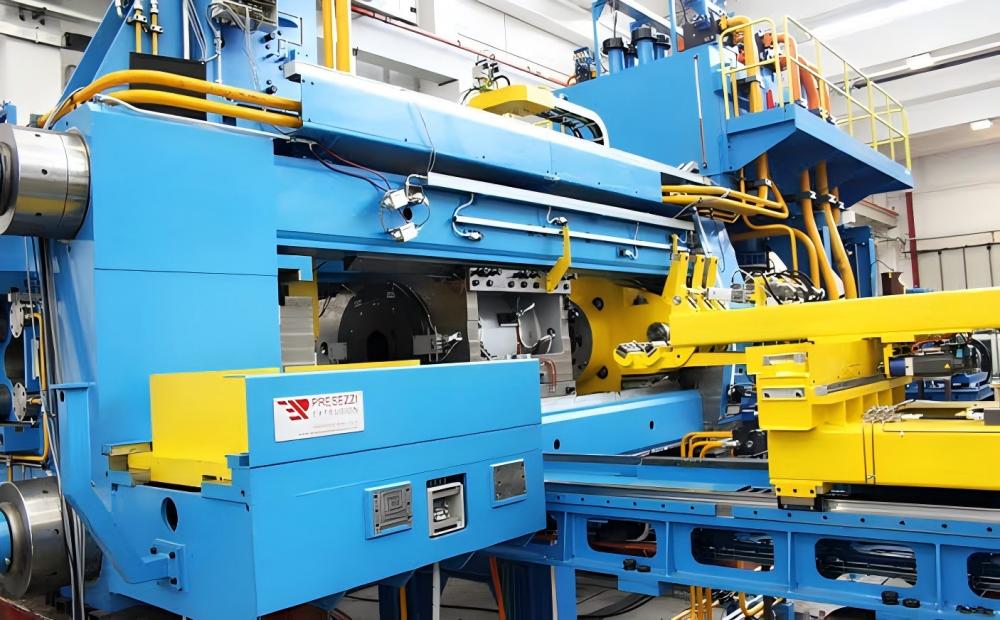
Mechanical precision is non-negotiable. If the ram, container, and die slide are not perfectly aligned, the metal will flow unevenly. This misalignment often manifests as wall thickness variations or ‘banana’ shapes in the extruded profile. High-quality presses like those from HARSLE are engineered with robust frames and precision guides to minimize deflection under high pressure. However, regular calibration and maintenance of the hydraulic systems and mechanical linkages are required to sustain this precision over years of operation.
Technical Details: A Comprehensive Troubleshooting Checklist
Surface Defects: Identification and Solutions
Surface defects are the most common reason for profile rejection, especially in architectural applications where aesthetics are critical. Below are the primary surface defects and their troubleshooting steps:
- Pick-up: These are small particles of aluminium or oxides that adhere to the profile surface. Cause: Excessive extrusion speed or high temperature causing local melting. Solution: Reduce extrusion speed, lower the billet temperature, or improve die cooling.
- Die Lines: Longitudinal scratches or ridges on the surface. Cause: Damage to the die bearing or build-up of aluminium on the die land. Solution: Polish the die bearing, re-nitride the die, or check for billet cleanliness.
- Blistering: Raised bubbles on the surface of the profile. Cause: Air trapped between the billet and the container, or high hydrogen content in the billet. Solution: Ensure the ‘burp’ cycle (de-airing) is functioning correctly and check billet quality.
- Tearing: Ragged edges or surface cracks. Cause: Extruding at too low a temperature or too high a speed for the specific alloy. Solution: Increase billet temperature or decrease ram speed.
Internal and Structural Defects
Internal defects are often more dangerous because they may not be visible to the naked eye but can lead to catastrophic failure of the component in service.
- Piping (Funneling): A hollow core or oxide inclusion at the tail end of the extrusion. Cause: The outer skin of the billet, containing oxides and lubricants, flows into the center of the profile. Solution: Increase the discard (butt) length and ensure the container liner is clean.
- Structural Streaks: Variations in grain structure that appear after anodizing. Cause: Non-uniform cooling or inconsistent alloy composition. Solution: Optimize the quench system (air or water) and verify billet homogenization.
- Weld Line Defects: Weakness where metal streams rejoin in a hollow profile. Cause: Insufficient pressure or temperature in the welding chamber of the die. Solution: Increase extrusion pressure or adjust die design to allow for better metal flow.
Dimensional and Shape Defects
Dimensional accuracy is vital for profiles that must fit into larger assemblies. Troubleshooting these issues involves looking at the mechanical setup of the press.
| Defect Type | Potential Cause | Recommended Action |
|---|---|---|
| Wall Thickness Variation | Die deflection or press misalignment | Check die support (bolsters) and realign the press ram. |
| Twist and Bow | Uneven cooling or improper stretching | Adjust quench nozzles and ensure the stretcher is applying uniform tension. |
| Concavity/Convexity | Die land length issues | Modify die bearing lengths to balance metal flow. |
| Angular Deviation | Die tilt or uneven heating | Check die carrier alignment and ensure uniform billet heating. |
Selection Advice: Choosing the Right Press to Minimize Defects
When investing in an aluminium extrusion press, the goal is to select a machine that provides the stability and control necessary to prevent defects before they occur. HARSLE offers a range of presses designed with these challenges in mind. Here is what to look for when selecting a press:
1. Advanced Hydraulic Control Systems
Modern extrusion requires precise control over ram speed. Look for presses equipped with servo-hydraulic systems or high-precision proportional valves. These systems allow for ‘constant speed’ extrusion, which is critical for maintaining surface quality and dimensional stability. The ability to program multi-stage extrusion speeds ensures that the press can handle complex profiles that require different flow rates at different stages of the cycle.
2. Robust Frame and Alignment Features
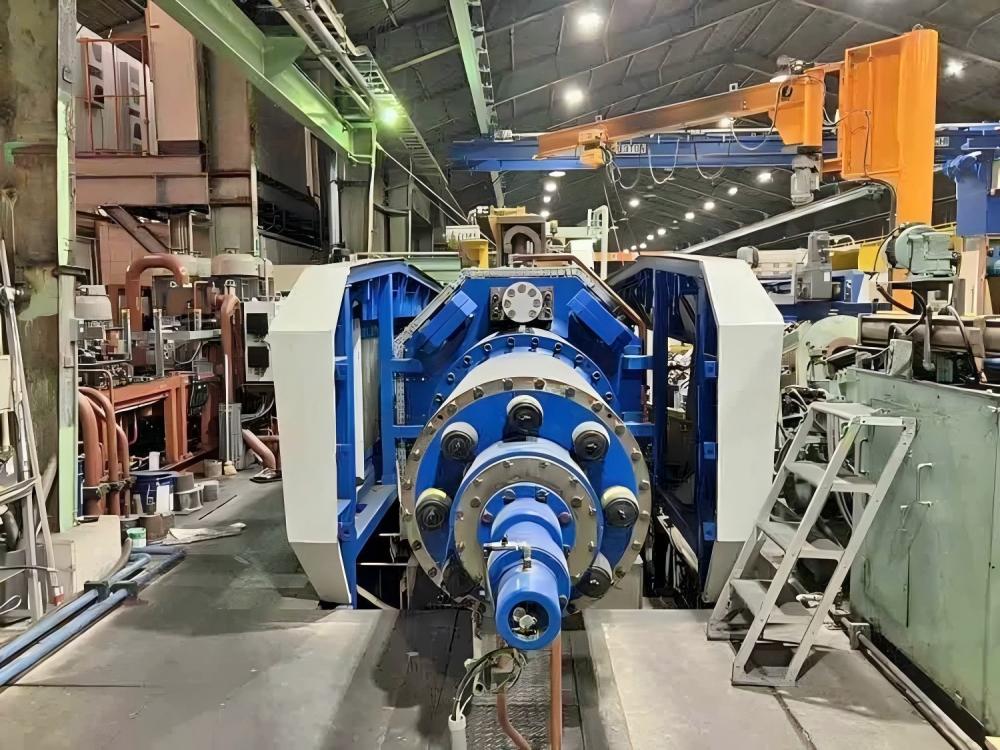
The structural rigidity of the press frame determines how much the machine will deflect under load. A four-column design with pre-stressed tie rods offers superior stability. Additionally, look for presses that feature easy-to-adjust container and die-slide alignment systems. This allows maintenance teams to keep the press in peak condition with minimal downtime, directly reducing the occurrence of wall thickness variations.
3. Integrated Automation and Monitoring
Data is the best tool for troubleshooting. A press with an integrated PLC and HMI that records extrusion pressure, temperature, and speed for every cycle allows for ‘forensic’ analysis of defects. If a batch of profiles is rejected, the operator can look back at the data to see exactly what changed during that run. HARSLE’s modern interfaces provide real-time feedback, allowing for immediate adjustments to prevent scrap.
4. Efficient Quenching and Handling Systems
The press is only part of the equation. The run-out table, cooling quench, and stretcher must be synchronized with the press. For high-strength alloys, a rapid water quench is necessary, while architectural profiles may only need air cooling. Ensure the press manufacturer provides a holistic solution that includes a handling system designed to prevent ‘handling marks’—a common surface defect caused by profiles bumping into each other on the cooling table.
Frequently Asked Questions (FAQ)
Q1: Why do I see ‘pick-up’ defects even when my billet temperature is correct?
A: Pick-up is often caused by the *exit* temperature being too high, not just the initial billet temperature. As the metal is extruded, friction generates significant heat. If your extrusion speed is too high, the temperature at the die land can exceed the melting point of the alloy’s low-melting-point phases, leading to pick-up. Try reducing the ram speed or using die cooling (nitrogen or water).
Q2: How can I eliminate ‘piping’ at the end of the extrusion cycle?
A: Piping occurs when the oxidized skin of the billet is drawn into the flow. The most effective way to eliminate this is to increase the ‘butt’ or ‘discard’ thickness. Additionally, ensuring that the container is slightly smaller than the billet (using a ‘scalping’ effect) can help keep the oxide skin against the container wall rather than letting it flow into the die.
Q3: What causes ‘banana’ shapes in long profiles?
A: This is usually a result of uneven cooling or uneven metal flow through the die. If one side of the profile is thicker or hotter than the other, it will shrink at a different rate, causing it to bow. Check your quench alignment and ensure the die is delivering metal at a uniform speed across the entire cross-section.
Q4: How often should I nitride my extrusion dies?
A: This depends on the alloy and the complexity of the profile. Generally, dies should be nitrided after a certain number of kilograms have been extruded (e.g., every 2,000 to 5,000 kg). Nitriding creates a hard surface layer that reduces friction and prevents ‘die lines’ and ‘pick-up’.
Q5: Can the hydraulic oil temperature affect extrusion quality?
A: Absolutely. If the hydraulic oil becomes too hot, its viscosity changes, leading to inconsistent ram speeds and jerky movements. This can cause ‘chatter marks’ or dimensional variations. High-quality HARSLE presses include efficient oil cooling systems to maintain a stable operating environment.
Conclusion: Achieving Excellence in Aluminium Extrusion
Mastering the aluminium extrusion process is a journey of continuous improvement. By utilizing the Aluminium Extrusion Press Quality Defects: A Practical Troubleshooting Checklist, manufacturers can systematically address the variables that lead to scrap and inefficiency. From the metallurgical properties of the billet to the mechanical precision of the HARSLE press, every detail matters.
Reducing defects is not just about fixing problems when they arise; it is about creating a stable, repeatable process. This involves investing in high-quality machinery, maintaining dies with rigorous discipline, and training operators to recognize the early warning signs of a process drifting out of control. As the demand for complex, high-tolerance aluminium profiles continues to grow in industries like electric vehicles and renewable energy, the ability to produce defect-free extrusions will be a primary competitive advantage.
Ultimately, the combination of a robust HARSLE extrusion press and a deep technical understanding of the extrusion checklist ensures that your facility can meet the highest global standards for quality and productivity. Stay proactive, monitor your data, and treat every defect as an opportunity to refine your process for better results.