
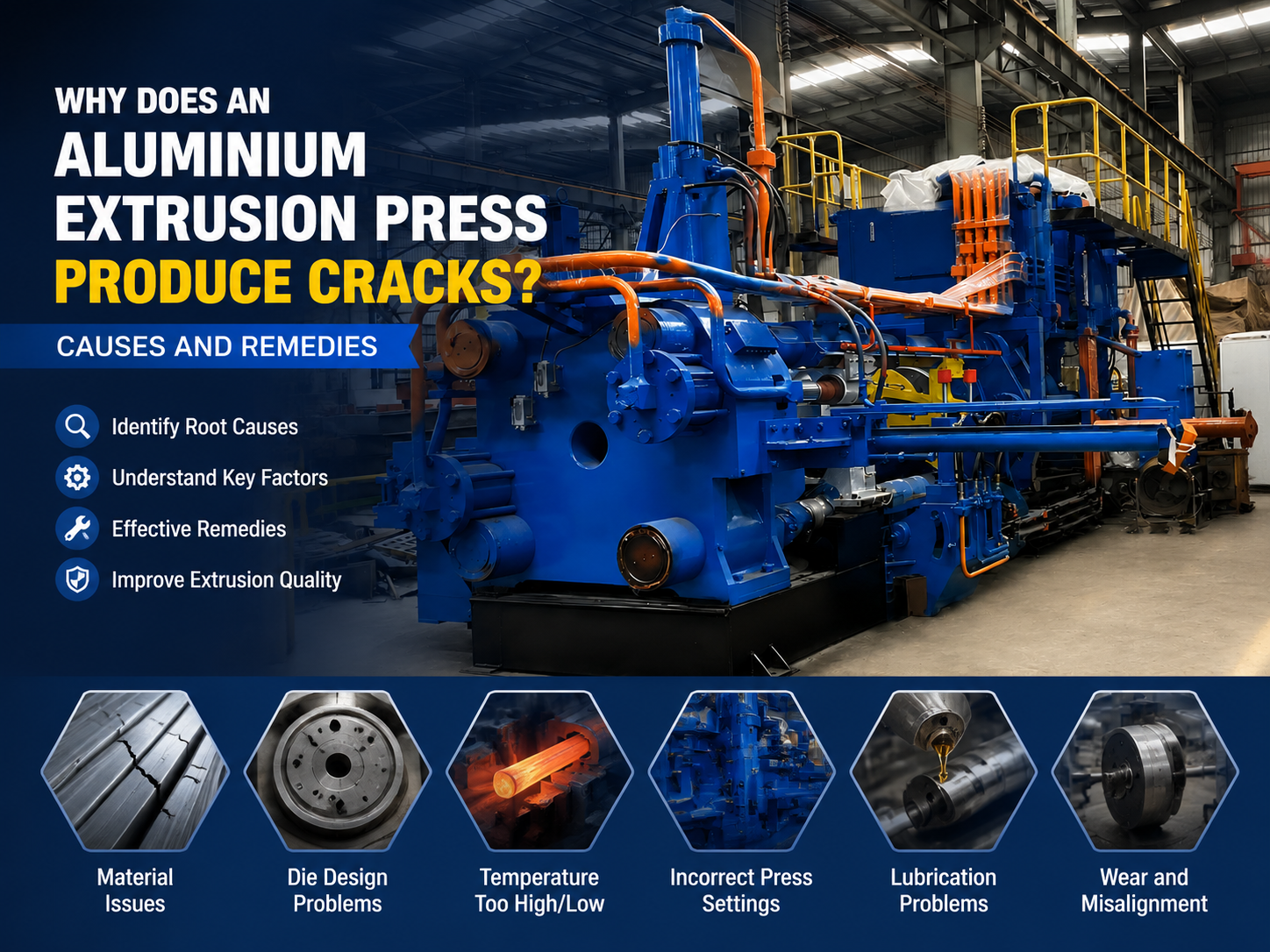
Why Does an Aluminium Extrusion Press Produce Cracks? Causes and Remedies

Introduction to Aluminium Extrusion Cracking
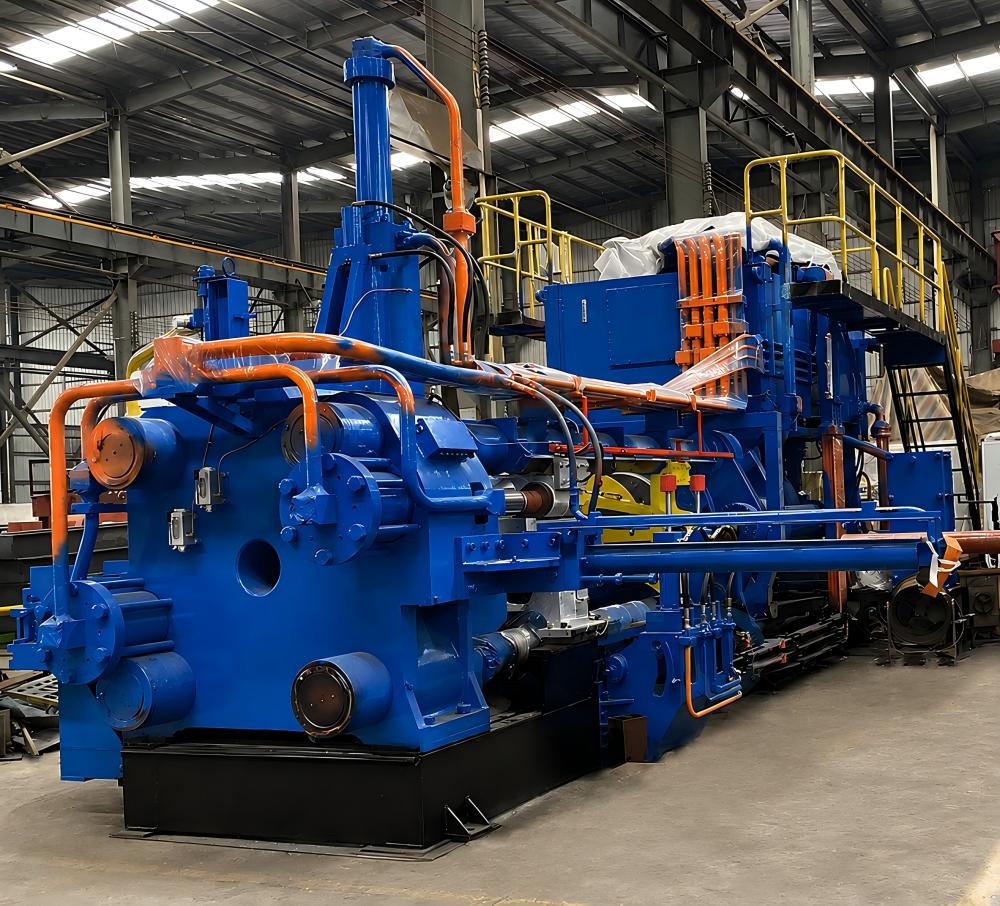
In the world of metal fabrication, the aluminium extrusion press is a cornerstone of production, turning raw billets into complex profiles used in everything from aerospace to construction. However, one of the most frustrating challenges faced by operators and engineers is the appearance of cracks in the finished product. When asking, “Does an aluminium extrusion press produce cracks?” the answer is not about the machine’s inherent failure, but rather the complex interplay between thermodynamics, metallurgy, and mechanical precision. Cracking can manifest as surface tears, internal voids, or edge fractures, each signaling a specific imbalance in the extrusion parameters.
At HARSLE, we understand that achieving a flawless finish requires more than just raw power; it requires a deep understanding of the extrusion process. Cracks are not merely aesthetic flaws; they represent structural weaknesses that can lead to catastrophic failure in end-use applications. This article serves as a comprehensive guide to identifying why these defects occur and, more importantly, how to implement technical remedies to ensure your aluminium extrusion press operates at peak efficiency with minimal waste. By mastering the variables of temperature, speed, and pressure, manufacturers can significantly reduce scrap rates and improve the mechanical properties of their profiles.
Key Considerations: Why Does An Aluminium Extrusion Press Produce Cracks?
The root causes of cracking in aluminium extrusion are multifaceted. Generally, they fall into three categories: thermal issues, mechanical stresses, and material impurities. Understanding these categories is the first step toward a remedy. One of the primary reasons for surface cracking is “hot shortness.” This occurs when the temperature of the aluminium at the die exit exceeds the solidus temperature of the alloy, causing the grain boundaries to melt and pull apart under the tensile stresses of the extrusion process.
Another critical consideration is the extrusion speed. While high-speed production is desirable for throughput, it generates significant frictional heat. If the heat generated by the friction between the billet and the container, and within the die itself, is not managed, it leads to localized overheating. This is particularly common in high-strength alloys like the 7000 series, which have a narrow window between the required extrusion temperature and the melting point of their constituent elements. Furthermore, the design of the die plays a pivotal role. Uneven metal flow through the die can create differential stresses, where one part of the profile moves faster than another, leading to tearing or “dragon skin” defects.
The Role of Billet Quality and Composition
The quality of the raw material is often overlooked when troubleshooting cracks. Aluminium billets must be properly homogenized to ensure a uniform distribution of alloying elements. If a billet has segregated phases or large grain structures, it will respond inconsistently to the high pressures of the extrusion press. Impurities such as sodium or calcium in certain alloys can also promote embrittlement at high temperatures, making the material prone to cracking even when machine settings seem correct. Therefore, sourcing high-quality billets and ensuring proper pre-heating protocols are essential prerequisites for crack-free extrusion.
Technical Details: Types of Cracks and Their Remedies
To effectively address the issue, one must distinguish between the different types of cracks produced during the extrusion process. Each type has a specific technical remedy. Below, we explore the most common defects encountered in industrial settings.
1. Surface Cracking (Hot Shortness)
Surface cracks, often appearing as transverse tears or a “fish-scale” pattern, are usually the result of excessive temperature or speed. As the aluminium is forced through the die, the friction generates heat. If the exit temperature is too high, the material loses its cohesive strength.
- Remedy: Reduce the extrusion speed to lower frictional heat. Alternatively, lower the billet pre-heat temperature. Modern HARSLE presses often utilize isothermal extrusion technology, which automatically adjusts the ram speed to maintain a constant exit temperature, thereby preventing hot shortness.
- Cooling: Implementing nitrogen cooling at the die can also help manage exit temperatures, allowing for higher speeds without the risk of surface tearing.
2. Internal Cracking (Chevron Cracks)
Internal cracks, also known as “centerburst” or chevron cracks, occur inside the profile and are often not visible until the material is cut or stress-tested. These are caused by excessive tensile stresses in the center of the extrusion zone, often due to a die angle that is too large or a reduction ratio that is too low.
- Remedy: Optimize the die design to ensure more uniform deformation across the cross-section. Increasing the reduction ratio or decreasing the die entry angle can help push the stress state toward compression rather than tension.
- Material Flow: Ensure the container and die are perfectly aligned. Misalignment can cause uneven pressure distribution, leading to internal structural failures.
3. Edge Cracking in Complex Profiles
In profiles with thin fins or sharp corners, edge cracking is a frequent problem. These areas cool faster than the bulk of the material and are subject to higher frictional drag, leading to localized tearing.
- Remedy: Modify the die bearing lengths. By increasing the bearing length in faster-flowing areas and decreasing it in slower, thinner areas, you can balance the metal flow. Pre-heating the die to the correct operating temperature is also vital to prevent the “chilling” effect on thin sections.
Selection Advice: Choosing the Right Press to Minimize Defects
When investing in an aluminium extrusion press, selecting a machine with advanced control systems is the best defense against production defects. A high-quality press should offer precise control over the following parameters:
- Ram Speed Control: Look for presses with closed-loop hydraulic systems that allow for ultra-fine adjustments in ram speed. This is critical for managing the heat generation that causes surface cracks.
- Temperature Monitoring: Integrated infrared sensors that monitor the billet, container, and exit temperature in real-time allow operators to make immediate adjustments before cracks develop.
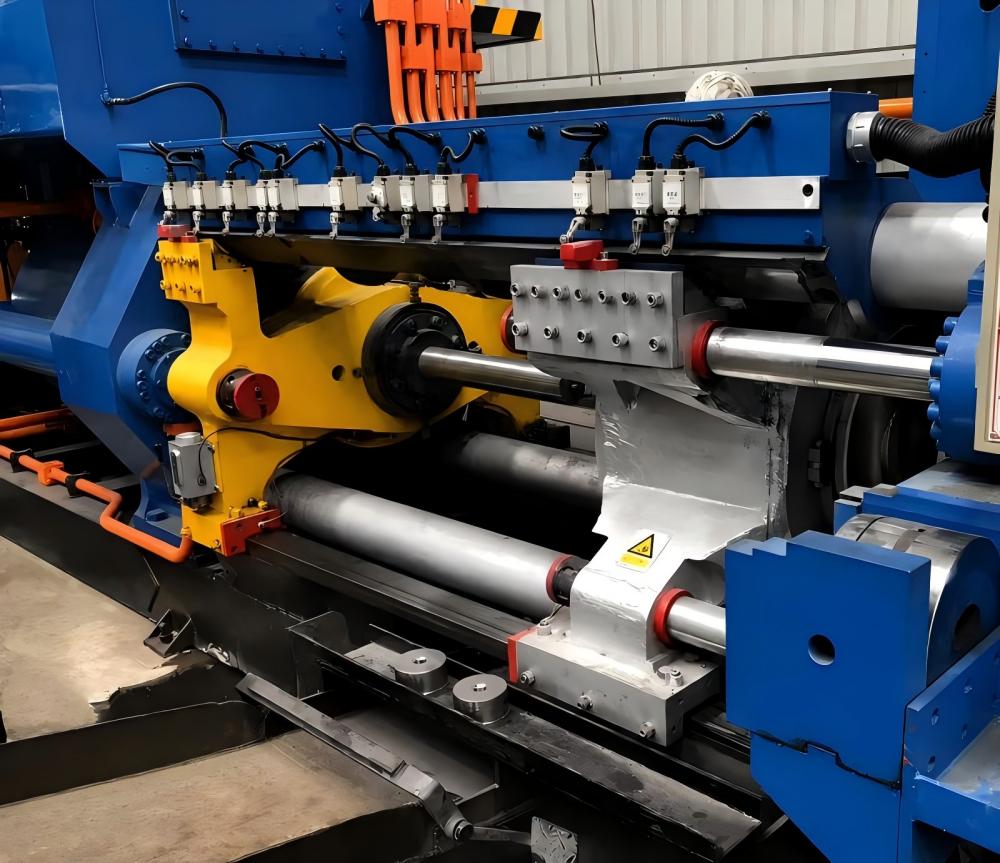
- Alignment Precision: The structural rigidity of the press frame is paramount. A press that flexes under load will cause die misalignment, leading to uneven wall thickness and cracking. HARSLE presses are engineered with heavy-duty frames to ensure absolute alignment even at maximum tonnage.
- Automation Compatibility: Modern extrusion lines benefit from automated handling and quenching systems. Rapid, uniform quenching immediately after the die exit is essential for “freezing” the microstructure of certain alloys, preventing the growth of cracks during the cooling phase.
Table: Common Extrusion Defects and Quick Fixes
| Defect Type | Primary Cause | Immediate Remedy | Long-term Solution |
|---|---|---|---|
| Transverse Surface Cracks | Exit temperature too high | Reduce ram speed | Implement isothermal extrusion control |
| Longitudinal Streaks | Die surface damage | Polish the die bearing | Improve die nitriding process |
| Chevron (Internal) Cracks | Non-uniform metal flow | Check die geometry | Optimize die entry angles and reduction ratios |
| Edge Tearing | Uneven flow in thin sections | Increase die pre-heat | Adjust die bearing lengths for balanced flow |
| Blistering | Air entrapment or moisture | Check billet skin quality | Ensure proper vacuum or venting in the container |
FAQ: Troubleshooting Your Aluminium Extrusion Press
Q1: Why do cracks only appear at the end of the extrusion cycle?
This is often due to the “tail-end effect.” As the billet is nearly exhausted, the flow pattern changes, and impurities or oxides from the billet’s surface can be drawn into the center of the profile. Additionally, the temperature often rises toward the end of the stroke. Reducing speed during the final portion of the cycle can help mitigate this.
Q2: Can the alloy type affect the likelihood of cracking?
Absolutely. Hard alloys (like 2000 or 7000 series) are much more prone to cracking than soft alloys (like 6000 series). Hard alloys have a higher flow stress and a narrower temperature range for successful extrusion, requiring much tighter control over press parameters.
Q3: How often should the extrusion die be maintained to prevent cracks?
Die maintenance depends on the volume and the alloy. However, regular nitriding of the die surface is essential to maintain hardness and reduce friction. A worn or “picked-up” die bearing will almost certainly cause surface tearing and cracks.
Q4: Does the container temperature matter as much as the billet temperature?
Yes. If the container is too cold, it will chill the outer layer of the billet, leading to non-uniform flow and potential cracking. Ideally, the container should be kept about 20-50°C lower than the billet temperature to maintain a stable “skull” of metal while ensuring the core flows smoothly.
Q5: Is it possible to salvage a profile that has minor surface cracks?
Generally, no. Cracks are structural defects. While minor surface imperfections can sometimes be buffed out, true cracks usually penetrate deep enough to compromise the integrity of the aluminium, especially in structural or pressure-vessel applications.
Conclusion: Mastering the Extrusion Process
In conclusion, while an aluminium extrusion press can produce cracks, these defects are almost always a symptom of process imbalances rather than a flaw in the machinery itself. By focusing on the “Causes and Remedies” outlined in this guide—specifically managing the exit temperature, optimizing die design, and ensuring material purity—manufacturers can achieve high-quality, crack-free results. The key lies in the synergy between a high-precision machine, like those manufactured by HARSLE, and a rigorous adherence to metallurgical best practices.
Investing in the right technology, such as isothermal extrusion controls and robust hydraulic systems, provides the foundation for success. However, the operator’s ability to diagnose the specific type of crack and apply the correct remedy remains the most valuable asset on the factory floor. As the demand for complex aluminium profiles continues to grow in industries like electric vehicles and sustainable architecture, mastering the art of crack-free extrusion will be a defining factor in a manufacturer’s competitiveness and reputation for quality. Remember, every crack is a lesson in thermodynamics; solving it not only improves your product but also deepens your technical expertise in the fascinating field of metal fabrication.












