Aluminium Extrusion Press Hydraulic System Failures: Troubleshooting Guide

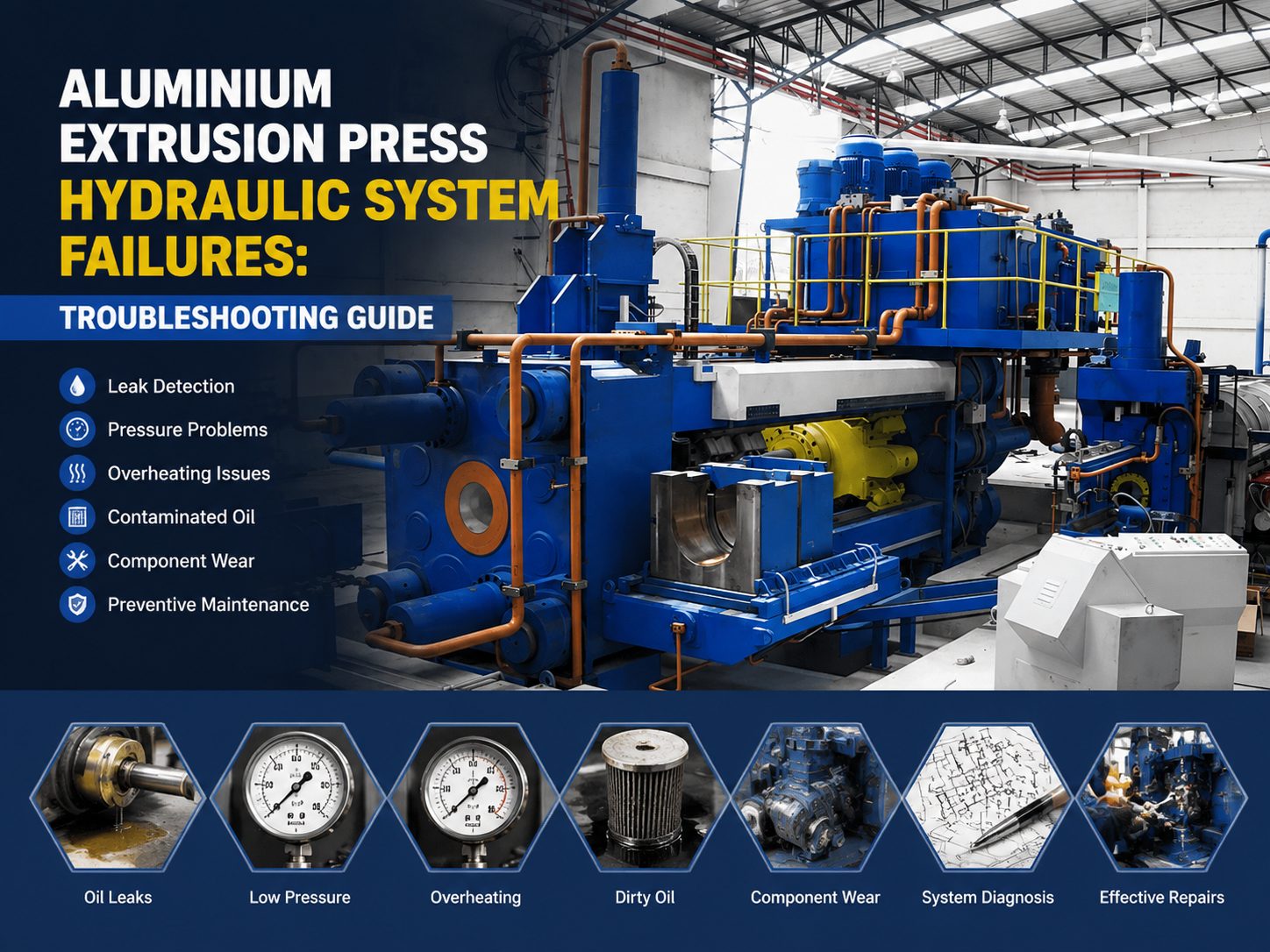
Introduction to Aluminium Extrusion Press Hydraulic Systems
In the world of metal fabrication, the aluminium extrusion press stands as a titan of industrial capability. At the core of this massive machinery lies the hydraulic system—a complex network of pumps, valves, cylinders, and fluid lines that provide the immense force required to push solid aluminium billets through precision dies. However, the high-pressure environment and continuous operation cycles inherent in extrusion processes make Aluminium Extrusion Press Hydraulic System Failures: Troubleshooting a critical skill for maintenance engineers and plant managers alike.
A failure in the hydraulic system is rarely a localized event; it often ripples through the entire production line, leading to costly downtime, compromised product quality, and potential safety hazards. Understanding the nuances of hydraulic dynamics is essential for maintaining the longevity of HARSLE extrusion presses. This guide is designed to provide a deep dive into the common failure modes, diagnostic procedures, and preventative measures necessary to keep your extrusion operations running at peak efficiency.
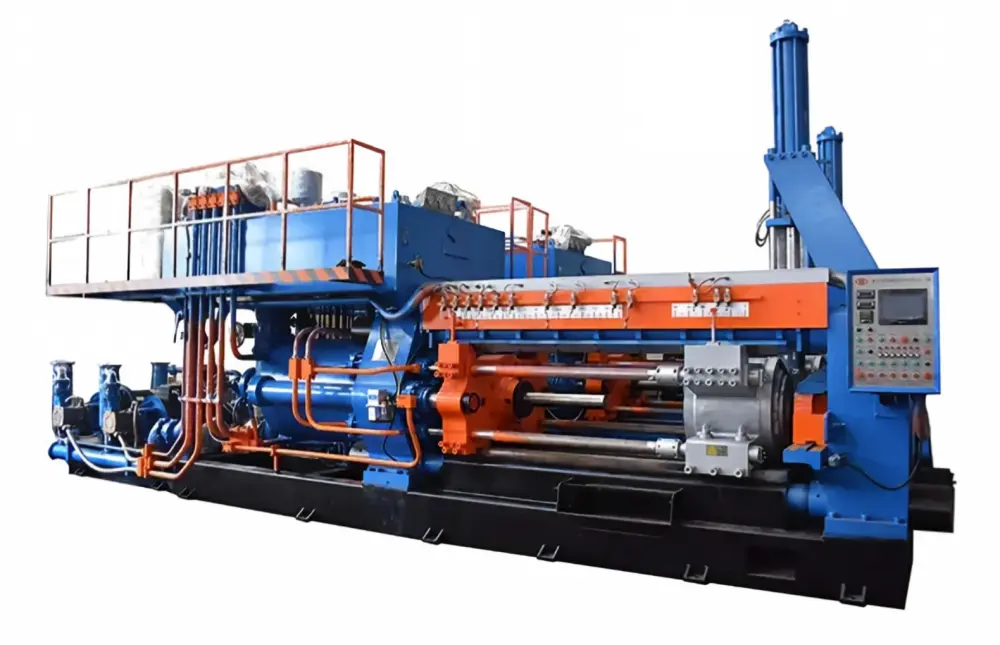
The hydraulic system of an extrusion press must manage extreme pressures, often exceeding 210 to 350 bar, while maintaining precise control over the ram speed and position. Any deviation in pressure or flow can result in ‘chatter’ marks on the extruded profile or, worse, a catastrophic component failure. By mastering the art of troubleshooting, operators can transition from reactive repairs to proactive reliability management, ensuring that the ‘heart’ of the press beats steadily for years to come.
Key Considerations for Hydraulic System Reliability
Before diving into specific troubleshooting steps, it is vital to understand the foundational factors that influence hydraulic health. The first and most significant consideration is Fluid Cleanliness. Hydraulic oil is not just a lubricant; it is the medium of power transmission. Contaminants such as metal shavings, dust, or moisture act as abrasive agents, wearing down precision-machined valve spools and pump pistons. Implementing a strict ISO 4406 cleanliness standard is the first line of defense against premature failure.
Another critical factor is Thermal Management. Aluminium extrusion is a high-heat process, and the hydraulic system is often subjected to both ambient heat and the heat generated by internal friction and pressure drops. If the oil temperature exceeds 60°C (140°F), the viscosity drops, leading to increased internal leakage and accelerated oxidation of the fluid. A robust cooling system, whether air-cooled or water-cooled, must be monitored constantly to prevent thermal degradation of seals and components.
System Pressure Dynamics also play a pivotal role. Sudden pressure spikes, known as hydraulic shocks, can occur during valve shifting or at the end of a ram stroke. These shocks can fatigue weld joints and burst hoses. Incorporating accumulators and soft-shift valves into the design—features standard in HARSLE machinery—helps dampen these shocks, but they must be regularly checked for proper nitrogen pre-charge levels to remain effective.
Finally, Human Factors and operational discipline cannot be overlooked. Many hydraulic failures are the result of improper settings or bypassed safety protocols. Training operators to recognize the early signs of trouble—such as unusual whining noises from the pump or erratic ram movement—is just as important as the mechanical components themselves. A culture of ‘cleanliness and observation’ is the hallmark of a well-maintained extrusion facility.
Technical Details: Common Failures and Diagnostic Methods
1. Pump Cavitation and Aeration
The hydraulic pump is the most vulnerable component in the system. Two of the most common issues are cavitation and aeration. Cavitation occurs when the pump cannot get enough oil, creating a vacuum that causes vapor bubbles to form and then implode violently against the pump’s internal surfaces. This sounds like ‘marbles’ rattling inside the pump and can destroy a piston pump in hours. Causes include clogged suction filters, restricted intake lines, or oil that is too viscous for cold startups.
Aeration, on the other from, is the introduction of outside air into the fluid. This often happens due to a leak in the suction line or a low oil level in the reservoir. Aeration causes the oil to become ‘spongy,’ leading to erratic ram movement and a high-pitched whining sound. Unlike cavitation, aeration often results in foamy oil in the sight glass. Troubleshooting involves checking all intake fittings and ensuring the reservoir baffles are correctly directing air away from the pump intake.
2. Valve Malfunctions and Logic Circuit Issues
Modern aluminium extrusion presses utilize complex logic valves and proportional valves to control the extrusion speed (dead cycle time). A common failure point is Spool Sticking, usually caused by fine particulate contamination or ‘varnishing’ from overheated oil. When a valve sticks, the press may fail to start, or the ram may move unexpectedly. Diagnostic steps include checking the solenoid coils for electrical continuity and manually overriding the valve to see if the mechanical spool moves freely.
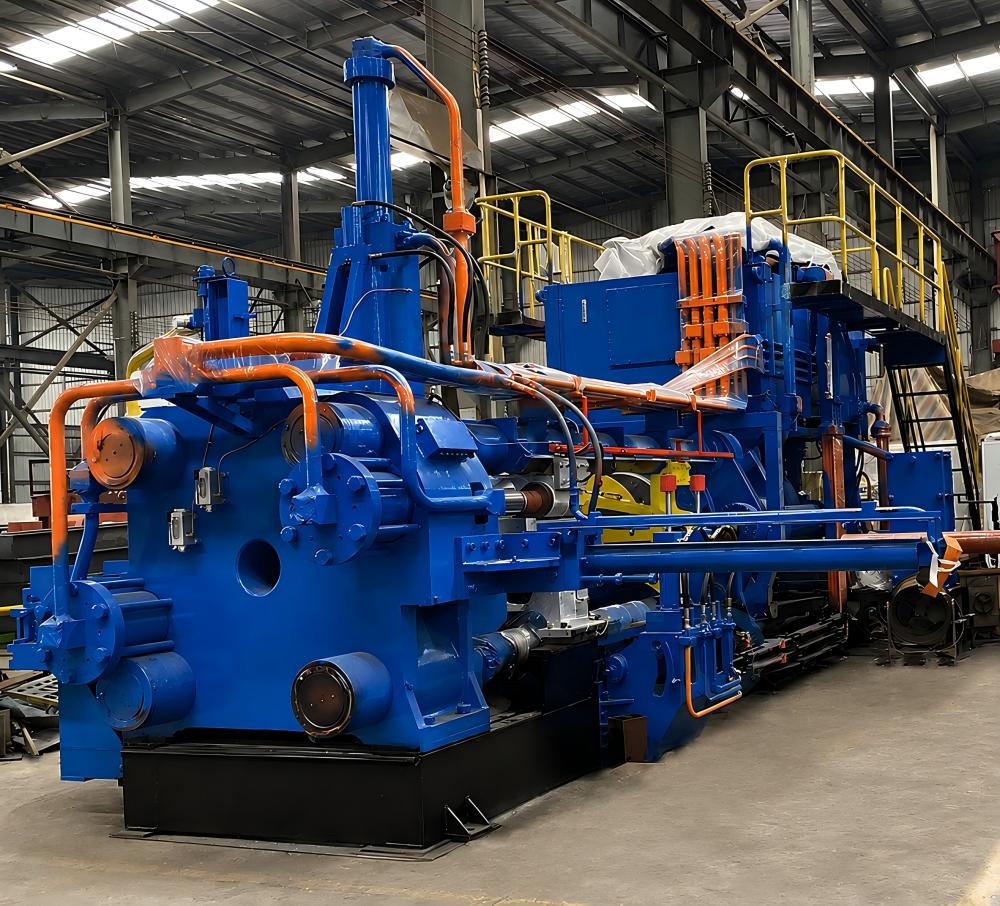
Proportional valves are particularly sensitive. They require clean, stable electrical signals from the PLC. If the ram speed is inconsistent, the issue may lie in the LVDT (Linear Variable Differential Transformer) feedback loop or the amplifier card. Technicians should use an oscilloscope or a dedicated diagnostic tool to verify that the command signal matches the actual spool position. Regular calibration of these valves is essential for maintaining the tight tolerances required for high-quality aluminium profiles.
3. Cylinder and Seal Degradation
The main cylinder of an extrusion press is a massive component that endures millions of cycles. Internal Leakage (bypass) across the piston seals is a frequent issue. This manifests as a loss of extrusion force or the ram ‘drifting’ when it should be stationary. To diagnose this, one can perform a ‘drift test’ by extending the cylinder, blocking the flow, and measuring the movement over time. If the ram moves, the seals are likely compromised.
External leaks at the rod gland are more obvious but no less problematic. They not only waste expensive hydraulic fluid but also create a fire hazard in the hot extrusion environment. Using high-quality Viton or PTFE seals is recommended for their heat resistance. Furthermore, the Cylinder Rod should be inspected for scoring or pitting; a damaged rod will quickly shred even the best new seals. HARSLE presses utilize chrome-plated, high-strength rods to minimize this risk.
Troubleshooting Symptom Matrix
| Symptom | Potential Cause | Recommended Action |
|---|---|---|
| Excessive Pump Noise | Cavitation, Aeration, or Bearing Wear | Check suction filters, intake leaks, and oil level. |
| Slow Ram Movement | Internal Leakage or Pump Wear | Test pump flow rate and check cylinder seals. |
| Erratic Pressure Fluctuations | Faulty Relief Valve or Accumulator Failure | Inspect relief valve seat and check accumulator pre-charge. |
| Overheating Oil | Cooler Failure or High Internal Leakage | Clean heat exchanger and check for ‘hot spots’ in valves. |
| Ram Fails to Retract | Directional Valve Failure or Logic Valve Stuck | Check solenoid power and manually test valve spool. |
Selection Advice: Choosing a Press with Robust Hydraulics
When investing in a new aluminium extrusion press, the design of the hydraulic system should be a primary selection criterion. A well-designed system, like those found in HARSLE machinery, prioritizes accessibility and component quality. Look for presses that utilize world-class hydraulic components from brands like Rexroth, Vickers, or Parker. These components offer better reliability and are easier to source globally when replacements are needed.
Consider the Manifold Design. Modern presses should use integrated manifold blocks rather than extensive piping. Manifolds reduce the number of potential leak points and make the system more compact and easier to troubleshoot. Additionally, ensure the press features a comprehensive filtration system, including high-pressure line filters and off-line ‘kidney loop’ filtration, to maintain oil purity during operation.
The Control System Integration is another vital aspect. A press with advanced PLC diagnostics can pinpoint hydraulic failures in real-time. For example, HARSLE’s latest models include pressure transducers at every critical point in the circuit, allowing the software to alert the operator if a specific pump or valve is underperforming. This ‘smart’ approach to hydraulics significantly reduces the time required for Aluminium Extrusion Press Hydraulic System Failures: Troubleshooting.
Finally, evaluate the Cooling Capacity. In warmer climates or high-production environments, standard cooling may not be sufficient. Opt for a press with an oversized heat exchanger or a closed-loop cooling system that can maintain oil temperatures within the ideal range of 40°C to 50°C, even during peak summer months. This investment in cooling will pay for itself through extended seal life and reduced oil oxidation.
Frequently Asked Questions (FAQ)
How often should I change the hydraulic oil in my extrusion press?
Oil change intervals depend on the environment and the quality of filtration. However, a general rule is every 2,000 to 4,000 operating hours. Rather than relying solely on hours, it is best practice to perform quarterly oil analysis. This analysis checks for viscosity changes, oxidation levels, and particle counts, allowing you to change the oil only when necessary, saving costs while ensuring protection.
What causes the ‘banging’ sound in my hydraulic lines?
This is typically ‘Hydraulic Shock’ or ‘Water Hammer.’ It occurs when the flow of fluid is stopped or redirected too suddenly. This can be caused by a malfunctioning accumulator that has lost its nitrogen charge or by a valve that is shifting too quickly. Check the accumulator pre-charge and inspect the dampening orifices in your directional valves.
Can I mix different brands of hydraulic oil?
It is strongly discouraged. While two oils may have the same ISO viscosity grade (e.g., VG 46), their additive packages (anti-wear, anti-foaming, etc.) may be incompatible. Mixing them can lead to chemical reactions that form sludge or cause the additives to drop out of suspension, potentially clogging fine filters and damaging valves.
Why is my hydraulic pump running hot?
A pump running hot is usually a sign of internal wear leading to ‘slippage.’ As the internal clearances increase, high-pressure oil leaks back to the low-pressure side within the pump. This friction generates significant heat. If the pump is significantly hotter than the reservoir, it likely needs a rebuild or replacement.
How do I know if my accumulator is working?
The simplest way is to monitor the pressure gauge during a cycle. If the pressure drops rapidly and the pump has to work harder to maintain pressure during a stroke, the accumulator may be flat. You can also check the pre-charge with a dedicated charging kit when the system is depressurized. The pre-charge should typically be about 60-90% of the minimum system operating pressure.
Conclusion: Mastering Hydraulic Maintenance
The complexity of Aluminium Extrusion Press Hydraulic System Failures: Troubleshooting can be daunting, but with a systematic approach and a deep understanding of the system’s mechanics, it becomes a manageable task. The key to success lies in the transition from reactive ‘firefighting’ to a proactive maintenance strategy. By prioritizing oil cleanliness, monitoring thermal trends, and utilizing the advanced diagnostic tools available in modern HARSLE extrusion presses, manufacturers can achieve unprecedented levels of uptime and productivity.
Remember that the hydraulic system is a closed loop where every component affects the others. A small leak in a suction hose can destroy a multi-thousand-dollar pump, and a tiny speck of dirt can jam a critical logic valve. Investing in high-quality equipment, such as HARSLE’s range of aluminium extrusion presses, provides the foundation for a reliable operation, but it is the diligent care and expert troubleshooting of the maintenance team that ensures long-term success. Stay vigilant, keep your oil clean, and your press will continue to deliver high-quality extrusions for decades.