Comprehensive Guide: How to Diagnose Die Wear Problems in an Aluminium Extrusion Press

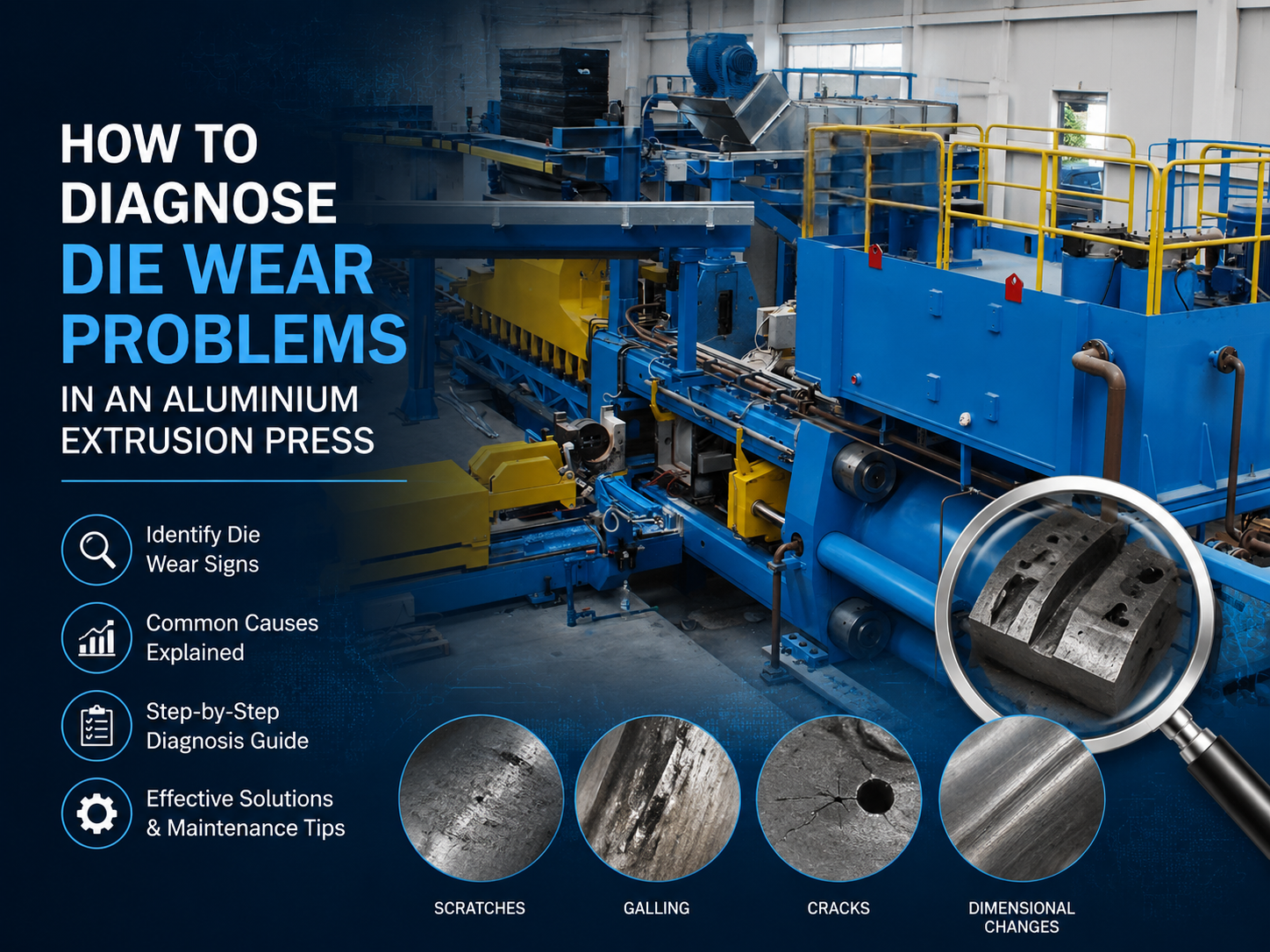
Introduction to Aluminium Extrusion Die Wear
In the high-pressure environment of metal fabrication, the aluminium extrusion press stands as a cornerstone of modern manufacturing. However, the efficiency of this process is heavily dependent on the condition of the extrusion die. Over time, the intense friction, high temperatures, and immense pressure inherent in the process lead to inevitable degradation. Learning how to diagnose die wear problems in an aluminium extrusion press is not merely a maintenance task; it is a critical skill for ensuring product quality, reducing scrap rates, and extending the operational lifespan of expensive tooling.
Die wear occurs when the geometry or surface integrity of the die orifice changes, leading to profiles that no longer meet strict industrial tolerances. Because the extrusion process involves forcing a heated aluminium billet through a steel die at high velocities, the interface between the metal and the tool steel is a zone of extreme mechanical and thermal stress. When wear begins, it often manifests as subtle changes in the finished product before escalating into catastrophic failure or significant production downtime. For operators using HARSLE equipment or similar high-performance machinery, early detection is the key to cost-effective production.
Diagnosing these problems requires a multi-faceted approach that combines visual inspection of the extruded profiles, physical measurement of the die itself, and an understanding of the metallurgical changes occurring within the tool steel. This guide will delve deep into the technical indicators of wear, providing a roadmap for maintenance teams to identify issues before they compromise the integrity of the entire production run. By mastering these diagnostic techniques, manufacturers can optimize their extrusion parameters and implement more effective die-correction strategies.
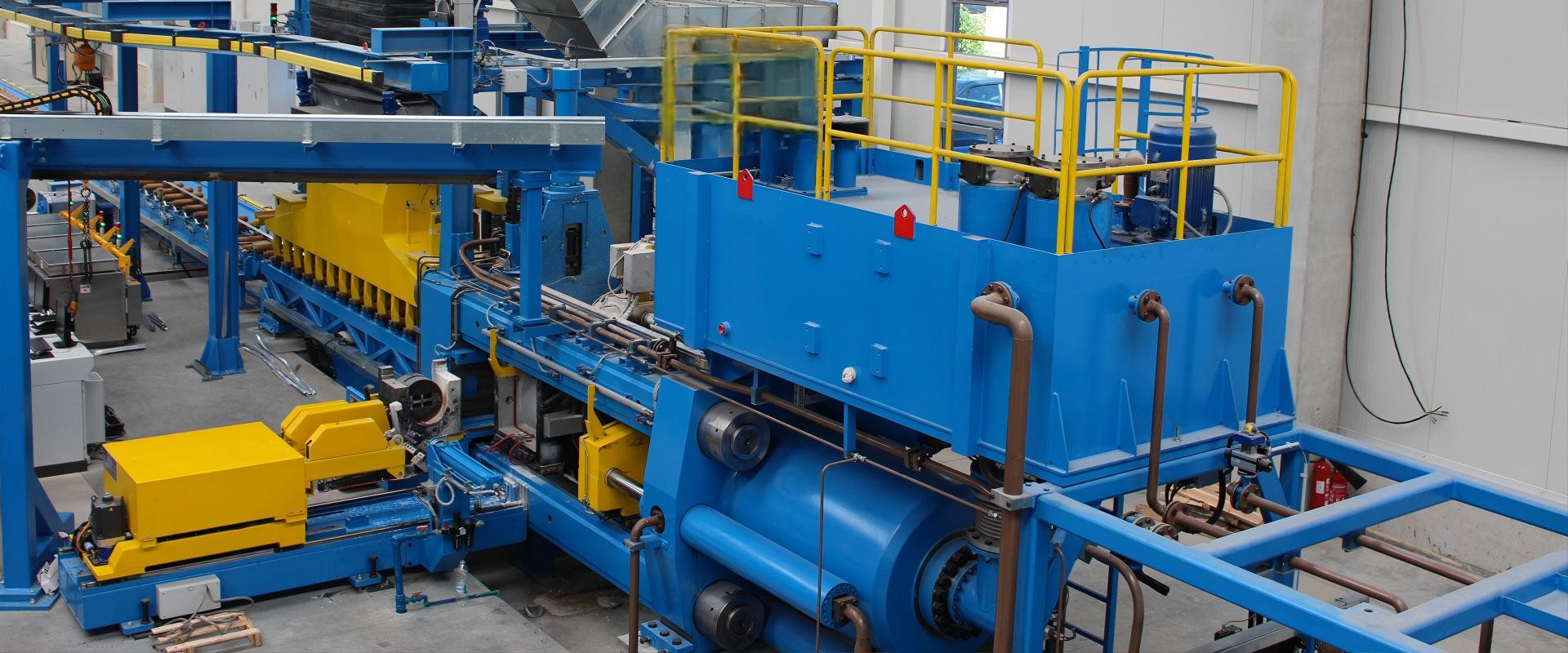
Key Considerations for Die Longevity and Performance
Before diving into specific diagnostic steps, it is essential to understand the factors that contribute to die wear. The longevity of an extrusion die is influenced by the alloy being processed, the extrusion temperature, the speed of the press, and the quality of the die steel itself. For instance, harder alloys like the 7000 series exert significantly more stress on the die than softer 6000 series alloys. This increased stress accelerates the rate of abrasive wear and plastic deformation, making frequent diagnostic checks even more vital.
Temperature management is perhaps the most critical consideration. If the billet or the die is too hot, the yield strength of the die steel (typically H13 or similar hot-work tool steel) decreases, making it susceptible to “caving” or deformation. Conversely, if the temperature is too low, the aluminium requires higher pressure to flow, which can lead to cracking or premature fatigue. A balanced thermal profile is necessary to maintain the hardness of the nitrided layer—the thin, hard skin on the die surface that provides wear resistance.
Lubrication and surface treatment also play a pivotal role. Most modern extrusion dies undergo a nitriding process to increase surface hardness. As this layer wears away, the softer core of the die steel is exposed, leading to a rapid increase in wear rates. Diagnosing the state of this nitrided layer is a core component of any maintenance program. Furthermore, the alignment of the extrusion press itself must be considered; a misaligned press can cause uneven pressure distribution across the die face, leading to localized wear patterns that are difficult to correct through standard die polishing.
Technical Details: Identifying Symptoms of Die Wear
1. Surface Defects and “Pick-up”
One of the most common indicators that a die is wearing out is the appearance of surface defects on the extruded aluminium profile. “Pick-up” refers to small particles of aluminium or aluminium oxide that adhere to the bearing surface of the die and then tear away, leaving streaks or pits on the finished product. When you diagnose die wear problems in an aluminium extrusion press, look for longitudinal lines or a “sandpaper” texture on the profile surface. This usually indicates that the nitrided layer has been compromised or that the bearing land has become too rough.
2. Dimensional Instability and Wall Thickness Variation
As the bearing land of the die wears down, it offers less resistance to the flow of metal. This often results in the wall thickness of the profile increasing beyond the specified tolerances. In multi-hole dies, wear is rarely uniform; one hole may wear faster than others, leading to variations across the same batch. Operators should use precision micrometers or calipers to measure critical dimensions at regular intervals. If a profile that was previously within tolerance begins to “grow” in certain areas, it is a definitive sign of bearing wear or die deflection.
3. Die “Caving” and Plastic Deformation
Under the extreme pressure of the extrusion cycle, the die steel can actually begin to flow or deform. This is known as “caving.” It typically happens in the center of the die where the pressure is highest. Diagnosing this involves checking the flatness of the die face. A caved die will produce a profile with distorted geometry, such as bowed walls or incorrect angles. This type of wear is often irreversible and indicates that the die was either improperly heat-treated or subjected to pressures beyond its design limits.
4. Heat Checking and Thermal Fatigue
The repetitive heating and cooling cycles of the extrusion process cause the die surface to expand and contract. Over time, this leads to a network of fine cracks known as heat checking. While these cracks may initially be microscopic, they eventually grow and can transfer their pattern onto the extruded profile. In severe cases, these cracks can lead to a total fracture of the die. Visual inspection under magnification is required to catch heat checking in its early stages.
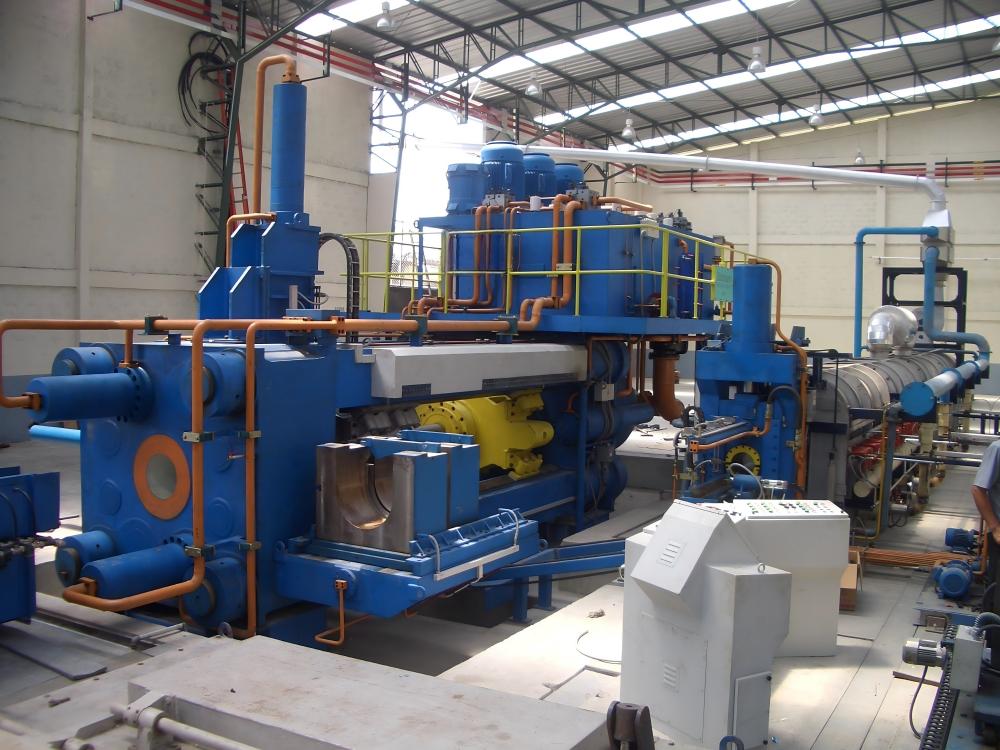
Advanced Diagnostic Techniques and Tools
To accurately diagnose die wear problems in an aluminium extrusion press, modern facilities employ several advanced tools. The most basic is the use of a profilometer to measure the surface roughness of the die bearing. A significant increase in Ra (roughness average) values indicates that the die requires repolishing or re-nitriding. However, surface measurement is only part of the story; the internal geometry must also be verified.
Coordinate Measuring Machines (CMM) and 3D optical scanners have become invaluable in the die shop. By scanning a used die and comparing the data to the original CAD model, technicians can see exactly where material has been lost. This “heat map” of wear allows for precise adjustments. For example, if wear is concentrated on the edges of a hollow profile, the die corrector might decide to change the flow of metal by adjusting the ports or the bridge of the die.
Metallurgical analysis is another deep-dive diagnostic tool. By performing a hardness test (such as Rockwell C or Vickers) on the die surface, maintenance teams can determine if the die has lost its temper due to overheating. If the hardness has dropped significantly below the required 46-52 HRC (for H13 steel), the die is no longer fit for service without being re-heat-treated. Additionally, checking the thickness of the white layer (nitride layer) under a microscope can reveal how much life is left in the tool before it requires another nitriding cycle.
Selection Advice: Minimizing Die Wear from the Start
Preventing die wear starts with the selection of the right materials and equipment. When purchasing an aluminium extrusion press, ensure that the machine offers precise control over extrusion speed and pressure. HARSLE presses, for instance, are designed with advanced hydraulic systems that minimize pressure spikes, which are a leading cause of premature die fatigue. Consistent pressure leads to consistent flow, which reduces the localized friction that causes rapid wear.
The choice of die steel is equally important. While H13 is the industry standard, high-performance applications may benefit from premium grades like H11 or even powder metallurgy steels that offer superior toughness and thermal resistance. Furthermore, the design of the die itself—specifically the length of the bearing land—should be optimized for the specific alloy and profile complexity. A longer bearing land provides more control but generates more heat and friction; finding the “sweet spot” is essential for longevity.
Finally, consider the implementation of a robust die management system. This includes tracking the total weight of aluminium extruded through each die, the number of nitriding cycles, and the specific defects encountered. By analyzing this data, you can predict when a die is likely to fail and pull it for maintenance before it produces scrap. Investing in high-quality die ovens that ensure uniform heating of the die before it enters the press also significantly reduces the risk of thermal shock and cracking.
Frequently Asked Questions (FAQ)
How often should an extrusion die be nitrided?
The frequency of nitriding depends on the alloy and the complexity of the profile. Generally, a die should be re-nitrided after every 5,000 to 10,000 kg of aluminium extruded. However, if you notice surface streaks or “pick-up” earlier, it may need more frequent treatment. Monitoring the surface finish is the best way to determine the specific needs of your tooling.
What is the main cause of die cracking in an aluminium extrusion press?
Die cracking is usually caused by either excessive extrusion pressure (often due to the billet being too cold) or improper pre-heating of the die. If a cold die is suddenly exposed to a hot billet and high pressure, the thermal shock and mechanical stress can exceed the fracture toughness of the steel. Ensuring the die is heated to the same temperature as the billet (around 450°C to 480°C) is crucial.
Can a worn die be repaired, or must it be replaced?
Many wear problems can be repaired. Surface roughness can be fixed through polishing and re-nitriding. Minor dimensional changes can sometimes be compensated for by “peening” or adjusting the die bearing. However, if the die has suffered significant plastic deformation (caving) or deep cracks, replacement is usually the only safe and effective option.
How does press alignment affect die wear?
If the press container, ram, and die slide are not perfectly aligned, the billet will enter the die at an angle. This creates uneven pressure, causing one side of the die to wear much faster than the other. Regular alignment checks of your aluminium extrusion press are essential to prevent this type of asymmetrical wear.
What role does billet quality play in die wear?
Billet quality is paramount. Hard inclusions or impurities in the aluminium billet act like sandpaper as they pass through the die, causing rapid abrasive wear. Using high-quality, homogenized billets with low impurity levels will significantly extend the life of your extrusion dies.
Conclusion: Proactive Maintenance for Maximum Efficiency
To diagnose die wear problems in an aluminium extrusion press effectively, one must look beyond the surface. It is a process that requires a keen eye for detail, the right measurement tools, and a deep understanding of the extrusion environment. By identifying the early signs of wear—such as surface pick-up, dimensional drift, and thermal fatigue—manufacturers can intervene before quality drops and costs soar.
The relationship between the press and the die is symbiotic. A high-quality press, like those manufactured by HARSLE, provides the stability and control needed to protect the die, while a well-maintained die ensures the press operates at peak efficiency. Implementing a rigorous diagnostic and maintenance schedule is not just about fixing problems; it is about creating a predictable, high-quality manufacturing process. As the industry moves toward tighter tolerances and more complex geometries, the ability to manage die wear will remain a defining factor in the success of any aluminium extrusion operation.
In summary, always prioritize regular inspections, invest in quality tool steels and surface treatments, and ensure your extrusion press is calibrated and aligned. By doing so, you minimize downtime, maximize tool life, and maintain the competitive edge necessary in today’s metal fabrication market.