
Why Is My Aluminium Extrusion Press Producing Surface Defects? Troubleshooting Guide

Introduction to Surface Quality in Aluminium Extrusion
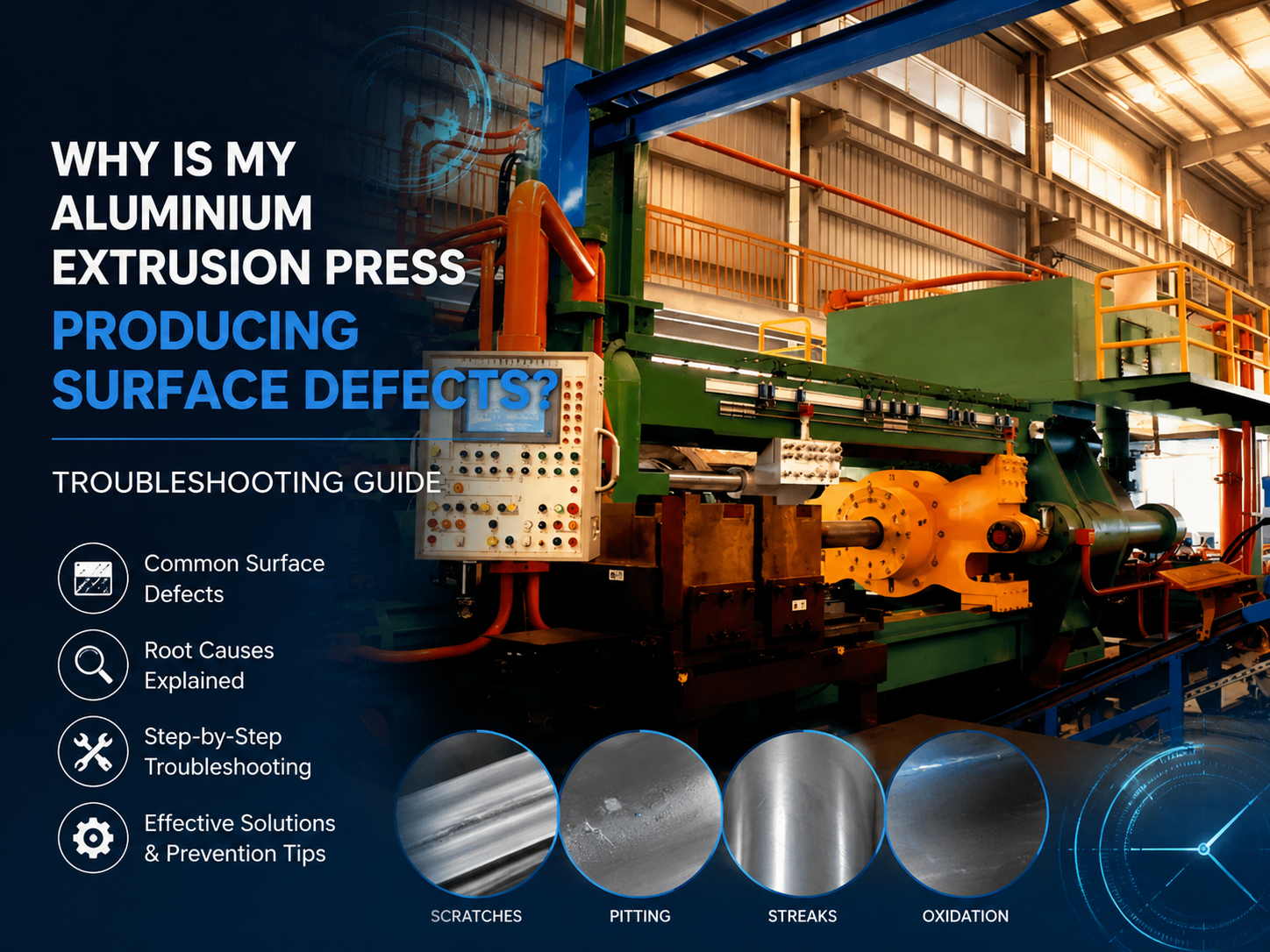
In the world of high-precision metal fabrication, the quality of the finished product is the ultimate benchmark of operational success. For manufacturers utilizing an aluminium extrusion press, achieving a flawless surface finish is not just a matter of aesthetics; it is a critical requirement for structural integrity, coating adhesion, and customer satisfaction. However, even with the most advanced machinery, operators often find themselves asking: Is My Aluminium Extrusion Press Producing Surface Defects? Troubleshooting these issues requires a deep understanding of the complex interplay between metallurgy, thermal dynamics, and mechanical precision.
Surface defects in aluminium extrusions can lead to significant financial losses due to high scrap rates, wasted energy, and delayed production schedules. Whether you are producing architectural profiles, automotive components, or industrial heat sinks, the presence of die lines, pick-up, blisters, or tearing can compromise the utility of the profile. At HARSLE, we understand that maintaining a consistent output requires more than just a powerful press; it requires a systematic approach to identifying the root causes of imperfections and implementing corrective measures.
This comprehensive guide is designed to help plant managers and machine operators diagnose the most common surface defects encountered during the extrusion process. By examining the technical variables—ranging from billet quality and die condition to press alignment and temperature control—we provide a roadmap to restoring the excellence of your production line. Understanding why these defects occur is the first step toward optimizing your aluminium extrusion press for peak performance.
Key Considerations: The Three Pillars of Extrusion Quality
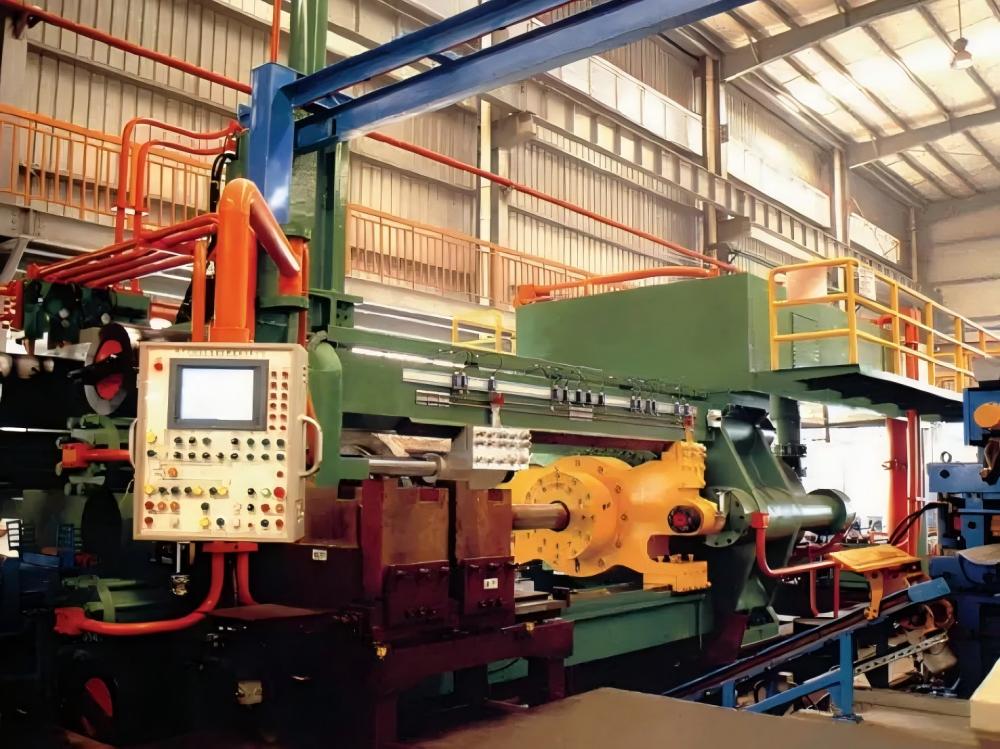
Before diving into specific defects, it is essential to recognize that surface quality is influenced by three primary pillars: the Billet, the Die, and the Press Process. If any of these pillars are compromised, the likelihood of surface defects increases exponentially. Troubleshooting must begin with a holistic view of the production environment rather than focusing solely on the machinery itself.
The billet is the raw material of the process, and its chemical composition and grain structure are foundational. Impurities in the aluminium alloy, such as excessive iron or silicon, can lead to the formation of hard intermetallic particles that scratch the die surface. Furthermore, if the billet is not properly homogenized during its casting process, the flow of metal through the die will be uneven, resulting in structural and surface inconsistencies. Always ensure your billet suppliers adhere to strict metallurgical standards.
The die is the architect of the profile. Its geometry, surface finish, and nitriding quality dictate how the metal behaves as it is forced through the orifice. A die that is worn, improperly polished, or incorrectly designed will inevitably produce surface flaws. Regular maintenance and inspection of the die bearings are non-negotiable for high-quality extrusion. Even a microscopic chip in the die bearing can result in a continuous line across kilometers of extruded profile.
Finally, the press process involves the variables of temperature, speed, and pressure—often referred to as the “Extrusion Triangle.” The interaction between these three factors determines the friction at the die interface and the exit temperature of the profile. If the press speed is too high for a given temperature, the metal may tear. If the temperature is too low, the pressure required may exceed the press’s capacity or cause uneven flow. Balancing these variables is the core challenge of extrusion troubleshooting.
Technical Details: Identifying and Solving Common Surface Defects
1. Die Lines and Longitudinal Streaks
Die lines are perhaps the most common defect encountered in aluminium extrusion. These appear as continuous longitudinal scratches or ridges along the length of the profile. They are typically caused by imperfections on the die bearing surface. Over time, the high pressure and temperature of the extrusion process cause the die bearing to wear or accumulate small particles of aluminium, a phenomenon known as “die coating.”
To troubleshoot die lines, operators should inspect the die for signs of wear or damage. If the lines are consistent and sharp, the die likely needs polishing or re-nitriding. Nitriding creates a hard, wear-resistant layer on the die surface; if this layer breaks down, the softer steel underneath is easily damaged. Additionally, ensuring that the billet is clean and free of surface oxides can prevent abrasive particles from entering the die and causing scratches.
2. Pick-up and Micro-Tearing
Pick-up manifests as small, sharp protrusions or “pimples” on the surface of the extrusion. This defect is usually caused by the accumulation of aluminium oxide or intermetallic particles on the die bearing, which then tear away and stick to the profile as it exits. Pick-up is highly sensitive to temperature and speed. If the exit temperature of the profile is too high, the aluminium becomes overly soft and prone to sticking to the die.
Solving pick-up issues often involves reducing the extrusion speed or lowering the billet pre-heat temperature. Improving the cooling of the die can also help maintain a stable temperature at the bearing surface. In some cases, the alloy chemistry may be the culprit; for instance, 6063 alloys with high iron content are more susceptible to pick-up. Using high-quality, well-homogenized billets is a key preventative measure.
3. Blisters and Air Entrapment
Blisters are raised bubbles on the surface of the profile, often appearing after the extrusion has been heat-treated. These are caused by air or gas trapped within the metal during the extrusion process. The most common source of air entrapment is the gap between the billet and the container. If the “burp cycle” (the process of exhausting air from the container before full pressure is applied) is not functioning correctly, air is compressed and forced into the profile.
To eliminate blisters, check the alignment of the stem and the container. If the container is worn or if the dummy block does not fit properly, air can easily be trapped. Furthermore, ensure that the billet ends are flat and clean. Concave or dirty billet ends can trap air pockets that eventually manifest as surface blisters. Regular maintenance of the hydraulic system’s decompression and venting cycles is also vital.
4. Tearing and Speed Cracking
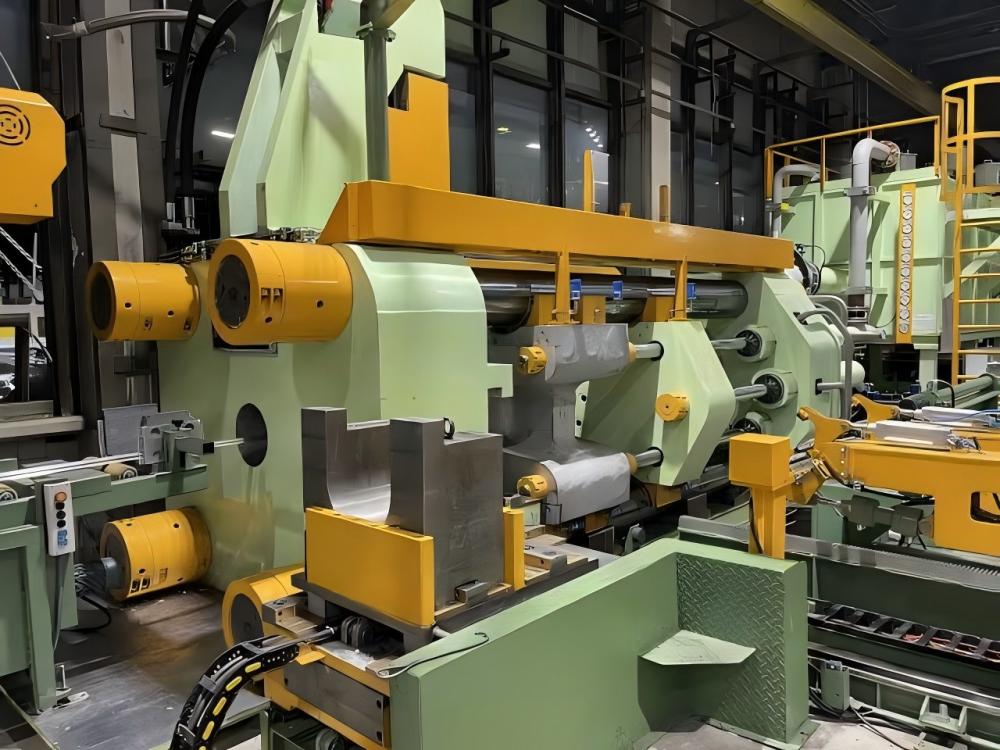
Tearing, also known as “speed cracking” or “fir-tree cracking,” appears as transverse cracks along the edges or surface of the profile. This occurs when the tensile stresses at the die exit exceed the strength of the material. This is almost always a result of extruding too fast or at too high a temperature. As the metal is forced through the die, internal friction generates heat; if the temperature reaches the alloy’s solidus point, the metal loses its structural integrity and tears.
The solution is to find the “critical speed” for the specific alloy and profile complexity. Reducing the billet temperature allows for higher extrusion speeds, while increasing the billet temperature requires a slower speed to avoid tearing. Modern presses with isothermal extrusion capabilities—where the speed is automatically adjusted based on real-time temperature readings—are highly effective at preventing this defect.
Summary Table of Common Defects
| Defect Name | Appearance | Primary Cause | Recommended Action |
|---|---|---|---|
| Die Lines | Longitudinal scratches | Worn or dirty die bearing | Polish or re-nitride the die |
| Pick-up | Small protrusions/pimples | High exit temperature/speed | Reduce speed or billet temp |
| Blisters | Surface bubbles | Air entrapment in container | Check burp cycle and dummy block |
| Tearing | Transverse cracks | Exceeding alloy solidus temp | Lower speed or billet temp |
| Orange Peel | Rough, grainy texture | Large grain size in billet | Improve billet homogenization |
Selection Advice: Choosing the Right Press to Minimize Defects
When investing in an aluminium extrusion press, the machine’s ability to control process variables is the most significant factor in preventing surface defects. Not all presses are created equal, and high-volume production demands a machine that offers precision, stability, and advanced automation. If you are frequently asking, “Is My Aluminium Extrusion Press Producing Surface Defects?”, it may be time to evaluate whether your current equipment provides the necessary control levels.
1. Precision Hydraulic Control: A high-quality press, such as those manufactured by HARSLE, utilizes advanced hydraulic systems that ensure smooth, jitter-free movement of the ram. Sudden fluctuations in pressure can cause variations in the extrusion speed, leading to surface marks or inconsistent dimensions. Look for presses with high-response servo valves and closed-loop control systems.
2. Thermal Management Systems: Temperature is the most critical variable in extrusion. Modern presses should be equipped with sophisticated billet heating systems (induction or gas) that provide a “tapered” heat profile—where the back of the billet is cooler than the front. This compensates for the heat generated by friction during the stroke, maintaining a constant exit temperature. Additionally, container heating and cooling systems must be precise to prevent thermal shock to the die.
3. Alignment and Rigidity: Mechanical misalignment is a hidden cause of many surface defects. If the press frame flexes under load or if the container is not perfectly centered with the die, the metal flow will be asymmetrical. This leads to uneven wall thickness and surface streaking. HARSLE presses are engineered with heavy-duty, pre-stressed frames to ensure maximum rigidity and long-term alignment accuracy.
4. Automation and Data Logging: In the era of Industry 4.0, the ability to monitor and record every extrusion cycle is invaluable. Advanced PLC systems allow operators to save “recipes” for different profiles and alloys, ensuring that the optimal speed and temperature settings are used every time. Data logging helps in identifying trends; for example, if defects always appear after the 50th billet, it may indicate a specific die-heating or wear issue that needs addressing.
Frequently Asked Questions (FAQ)
How often should I nitride my extrusion dies?
The frequency of nitriding depends on the complexity of the profile and the alloy being extruded. Generally, a die should be re-nitrided after a specific tonnage of throughput (e.g., every 500 to 1,000 billets). Regular nitriding maintains the hardness of the bearing surface, which is essential for preventing die lines and pick-up. However, over-nitriding can make the die brittle, so it is important to follow a professional maintenance schedule.
Can the lubricant used on the dummy block cause surface defects?
Yes, excessive or improper lubrication can lead to surface contamination. If lubricant finds its way into the die cavity, it can cause dark streaks or “carbon spots” on the profile. It is crucial to use the correct type of lubricant (usually boron nitride or graphite-based) and apply it sparingly only to the necessary areas, such as the dummy block face or the shear blade.
Why do surface defects appear more frequently in the summer?
Environmental factors can influence the extrusion process. In summer, the ambient temperature of the factory and the cooling water may be higher, making it more difficult to manage the “Extrusion Triangle.” If your cooling system is not robust enough to handle the increased heat load, the profile exit temperature may rise above the critical threshold, leading to pick-up or tearing. Ensuring consistent cooling water temperature year-round is vital.
Does the age of the aluminium extrusion press affect surface quality?
While older presses can still produce quality parts, they often lack the fine-tuned control systems found in modern machinery. Wear and tear on the hydraulic pumps, valves, and mechanical guides can lead to “surging” or misalignment, both of which contribute to surface defects. Upgrading to a modern HARSLE press or retrofitting an old press with new control electronics can significantly improve surface consistency.
Conclusion: Achieving Perfection in Every Profile
Troubleshooting surface defects in an aluminium extrusion press is both a science and an art. It requires a meticulous eye for detail and a deep understanding of how material science interacts with mechanical force. By systematically addressing the issues of die maintenance, billet quality, and process control, manufacturers can drastically reduce their scrap rates and produce profiles that meet the highest industrial standards.
Remember that the question “Is My Aluminium Extrusion Press Producing Surface Defects?” should not be a source of frustration, but rather a prompt for a comprehensive system audit. Whether the solution lies in a simple die polish, a change in extrusion speed, or an investment in more advanced machinery, the goal remains the same: consistent, high-quality output. At HARSLE, we are committed to providing the metal fabrication industry with the tools and knowledge necessary to overcome these challenges. With the right equipment and a proactive maintenance strategy, flawless aluminium extrusion is well within your reach.


