
Hammer Shredder for Sale: Buying Guide to Help You Choose the Most Cost-Effective Model

Introduction to Hammer Shredder Procurement
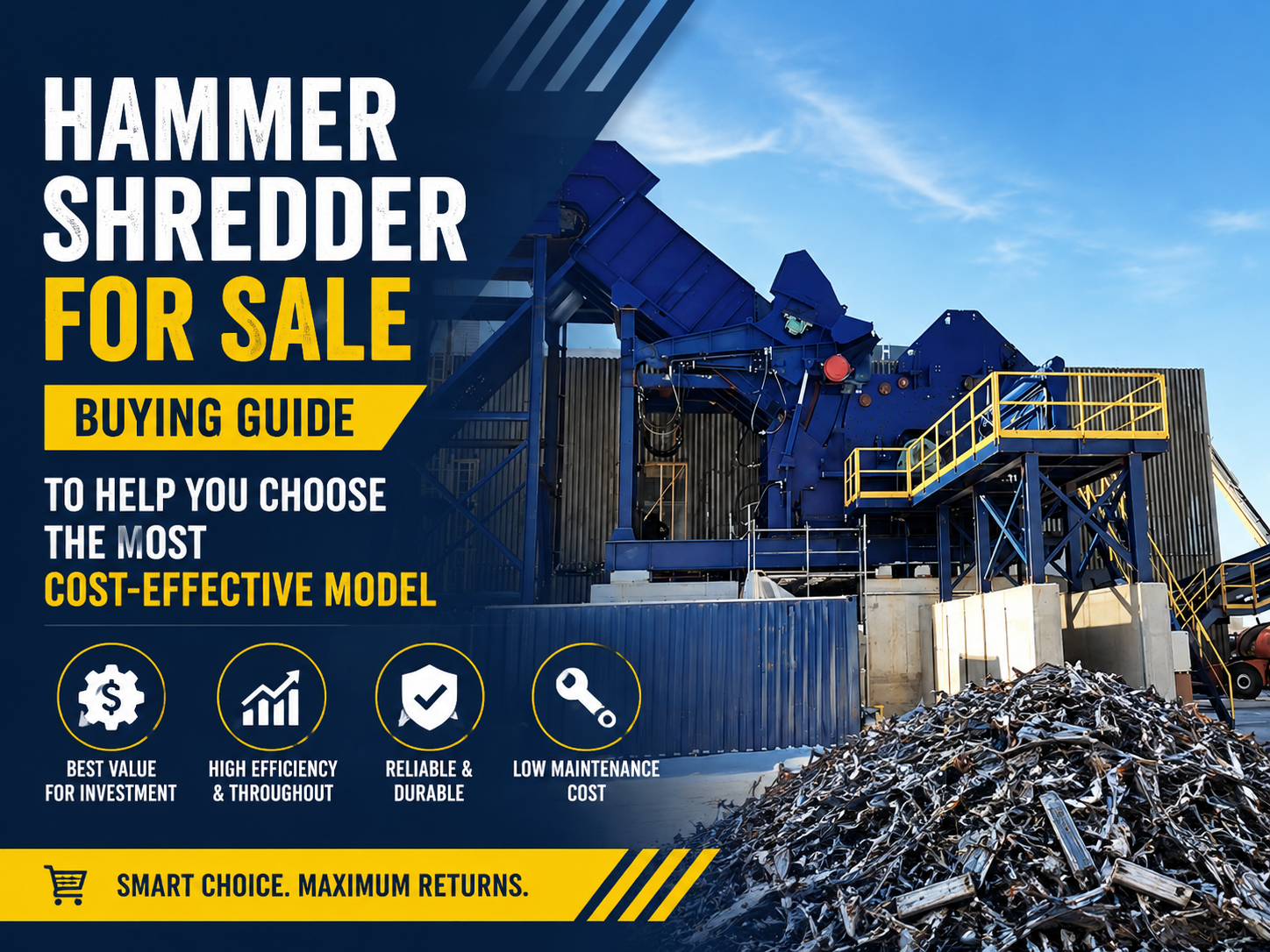
In the rapidly evolving landscape of metal recycling and industrial waste management, the search for a hammer shredder for sale often leads buyers into a complex web of technical specifications, varying price points, and performance promises. A hammer shredder is the workhorse of the recycling industry, designed to pulverize, shatter, and densify materials ranging from aluminum scrap and electronic waste to car bodies and industrial turnings. However, finding the Hammer Shredder Sale: Buying Help You Choose Most Cost-Effective Model requires more than just looking at the lowest price tag; it requires a deep understanding of total cost of ownership (TCO) and operational efficiency.
For businesses looking to invest in HARSLE-grade machinery, the goal is to balance initial capital expenditure with long-term durability. A cost-effective model is one that delivers the highest throughput with the lowest energy consumption and maintenance downtime. This guide is designed to navigate the intricacies of the market, ensuring that your investment yields a high return and serves your production needs for decades to come.
Price Range Overview: What to Expect in the Market
The market for hammer shredders is diverse, with prices fluctuating based on capacity, build quality, and technological integration. Generally, industrial hammer shredders can be categorized into three main price tiers. Understanding these tiers helps in setting a realistic budget and identifying which category aligns with your volume requirements.
| Category | Typical Capacity (Tons/Hour) | Estimated Price Range (USD) | Primary Applications |
|---|---|---|---|
| Entry-Level / Small Scale | 1 – 5 TPH | $20,000 – $55,000 | E-waste, aluminum cans, light thin-wall scrap. |
| Mid-Range / Industrial | 5 – 20 TPH | $60,000 – $180,000 | Mixed metal scrap, industrial turnings, small appliances. |
| Heavy-Duty / Large Scale | 20 – 100+ TPH | $200,000 – $1,000,000+ | Auto-shredding, heavy structural steel, municipal waste. |
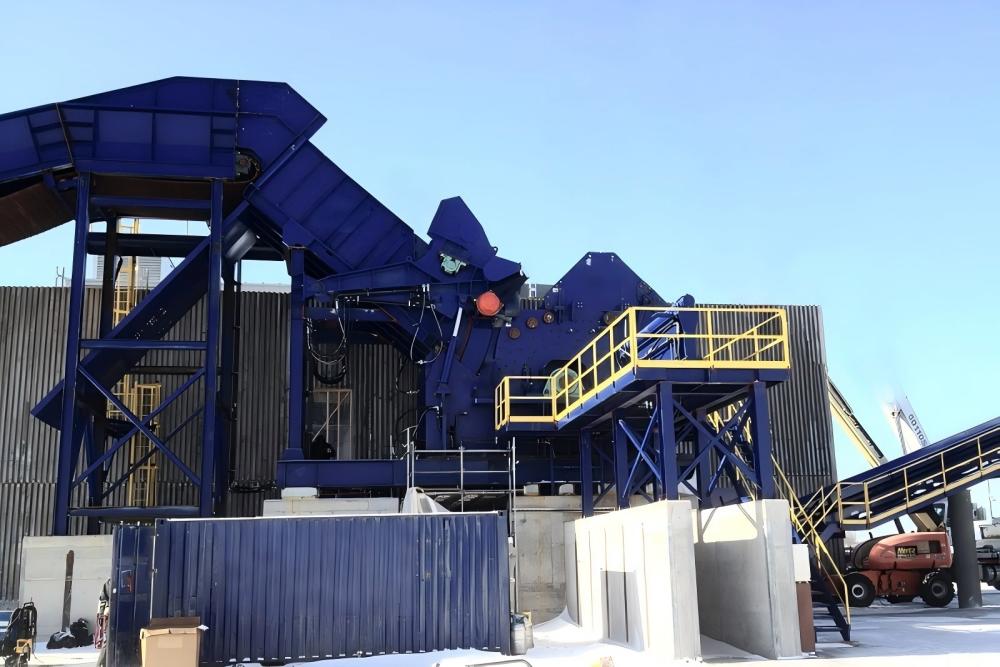
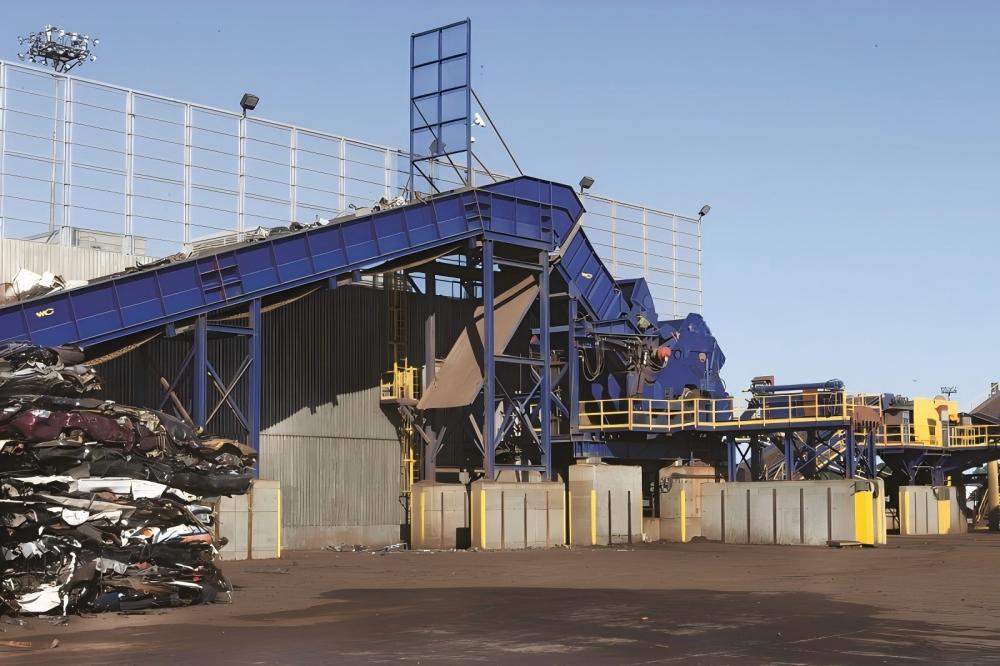
Entry-level machines are often favored by smaller recycling centers or specialized facilities processing high-value, low-volume materials like copper or circuit boards. Mid-range models represent the most competitive segment of the hammer shredder sale market, offering a balance of power and footprint. Heavy-duty plants are massive installations that require significant infrastructure, often including integrated conveyor systems, magnetic separators, and air classification units.
Main Cost Drivers: Why Prices Vary
When comparing different models, you will notice significant price discrepancies even between machines with similar throughput ratings. These differences are usually driven by the quality of internal components and the engineering philosophy behind the machine.
1. Rotor Design and Metallurgy
The rotor is the heart of the hammer shredder. A cost-effective model utilizes a high-inertia rotor that maintains momentum, reducing the strain on the motor. The material of the hammers themselves—typically high-manganese steel or specialized alloy steel—significantly impacts the price. While manganese hammers are more expensive, their ability to work-harden under impact makes them far more cost-effective over time compared to cheaper, softer alternatives that require frequent replacement.
2. Motor Power and Drive System
The horsepower (HP) or kilowatt (kW) rating of the motor is a direct cost driver. However, the efficiency of the drive system is equally important. High-efficiency motors (IE3 or IE4 standards) may have a higher upfront cost but drastically reduce monthly electricity bills. Additionally, the choice between a direct drive, belt drive, or hydraulic drive system affects both the initial price and the maintenance complexity.
3. Housing and Liner Durability
A hammer shredder’s internal chamber is subjected to extreme abrasive forces. Premium models feature replaceable wear liners made of Hardox or similar abrasion-resistant steels. A machine with a reinforced, heavy-duty housing will prevent warping and structural failure, ensuring the machine remains operational for 15-20 years rather than 5-7 years.
Configuration Impact: Customizing for Efficiency
The configuration of your shredder determines its versatility. When looking for a hammer shredder for sale, you must decide on specific features that will either increase your productivity or reduce your labor costs. Choosing the right configuration is the most critical step in finding the Hammer Shredder Sale: Buying Help You Choose Most Cost-Effective Model.
- Fixed vs. Swing Hammers: Swing hammers are generally preferred for metal recycling as they can retract when they hit an un-shreddable object, preventing catastrophic damage to the rotor. Fixed hammers are better suited for consistent, softer materials like wood or certain plastics.
- Grate Size and Geometry: The grates at the bottom of the shredder determine the final particle size. Smaller holes produce a finer product but reduce throughput and increase wear. A cost-effective setup often involves interchangeable grates to adapt to different market demands for scrap size.
- Feeding Mechanisms: Automatic vibration feeders or hydraulic pushing blocks ensure a steady flow of material into the chamber. This prevents “slugging” the motor and maintains peak efficiency, which is vital for maximizing ROI.
Hidden Costs of Ownership
The purchase price is only the tip of the iceberg. To truly choose a cost-effective model, you must account for the “hidden” expenses that occur after the machine is installed.
Wear Parts and Consumables
Hammers, liners, and grates are consumables. Before purchasing, ask the manufacturer for the expected lifespan of these parts based on your specific material. A machine that uses standardized, easy-to-source hammers will be much cheaper to maintain than one requiring proprietary, custom-cast components that must be shipped internationally.
Energy Consumption
In many regions, the cost of electricity over five years can exceed the initial cost of the shredder. Look for models with variable frequency drives (VFDs) that allow the motor to consume only the power necessary for the current load, rather than running at full capacity constantly.
Downtime and Ease of Maintenance
How long does it take to change a set of hammers? If a hammer change takes two days of labor, that is two days of lost revenue. Modern, cost-effective designs feature hydraulic opening housings that provide easy access to the rotor, allowing for hammer rotations or replacements in a matter of hours.
ROI Calculation: Proving the Value
To justify the investment in a high-quality hammer shredder, you should perform a Return on Investment (ROI) calculation. The primary value-add of a shredder is the “upgrading” of scrap. For example, unprocessed mixed light scrap might sell for $150 per ton, while shredded, densified, and cleaned steel scrap (HMS 1/2 equivalent) might fetch $250 per ton.
ROI Formula Example:
Daily Throughput: 40 tons
Value Increase: $100 per ton
Gross Daily Increased Revenue: $4,000
Daily Operating Costs (Power, Labor, Wear Parts): $1,200
Net Daily Profit Increase: $2,800
If the machine costs $280,000, the payback period is 100 operational days.
By focusing on the Hammer Shredder Sale: Buying Help You Choose Most Cost-Effective Model, you are looking for the machine that maximizes that “Net Daily Profit” by keeping operating costs low and throughput high.
Buying Advice: A Step-by-Step Checklist
When you are ready to evaluate a hammer shredder for sale, use the following checklist to ensure you are making a professional, data-driven decision:
- Define Your Feedstock: Be specific. Shredding aluminum extrusions is very different from shredding reinforced car tires or heavy engine blocks.
- Request a Material Test: Reputable manufacturers like HARSLE often allow you to send a sample of your material for a test shred. This provides empirical data on throughput and final grain size.
- Check the Steel Grade: Ensure the housing is made of Q235 or Q345 steel and that wear zones are protected by high-manganese liners.
- Evaluate the Support Network: Does the seller provide installation support, operator training, and a reliable spare parts supply chain?
- Analyze the Rotor Balance: A poorly balanced rotor causes vibrations that destroy bearings and fatigue the frame. Ask about the dynamic balancing standards used during manufacturing.
Frequently Asked Questions (FAQ)
What is the average lifespan of a hammer shredder?
With proper maintenance and regular replacement of wear parts, the main structure and rotor of a high-quality hammer shredder can last 15 to 25 years. The electric motors typically last 10 years before requiring a rewind or replacement.
Can a hammer shredder handle stainless steel?
While possible, stainless steel is much harder and more abrasive than carbon steel. It will significantly accelerate the wear on the hammers and liners. If you plan to process stainless steel regularly, you must opt for a model with specialized alloy hammers and a high-torque motor.
How often should I rotate the hammers?
This depends entirely on the material. For abrasive scrap, hammers might need rotation every 40-80 hours of operation to maintain a sharp leading edge and ensure efficient shattering. Modern designs allow for quick rotation to minimize this downtime.
Is a vertical or horizontal shredder more cost-effective?
Horizontal hammer shredders (the focus of this guide) are generally more cost-effective for high-volume metal recycling due to their simpler maintenance and higher impact energy. Vertical shredders are often reserved for specialized fine-grinding or specific waste-to-energy applications.
Does the machine come with dust collection?
Most industrial hammer shredders generate significant dust and fines. A cost-effective model should be integrated with a cyclone or baghouse dust collection system to comply with environmental regulations and protect the health of your operators.
Conclusion
Choosing the right hammer shredder for sale is a pivotal decision for any fabrication or recycling business. By focusing on the Hammer Shredder Sale: Buying Help You Choose Most Cost-Effective Model, you move beyond the initial price and focus on the factors that truly drive profitability: durability, energy efficiency, and ease of maintenance. Whether you are processing E-waste or heavy industrial scrap, investing in a well-engineered machine ensures that your facility remains competitive in an increasingly demanding global market. Always prioritize quality components and manufacturer reputation to ensure your shredder remains a profit center for years to come.


