
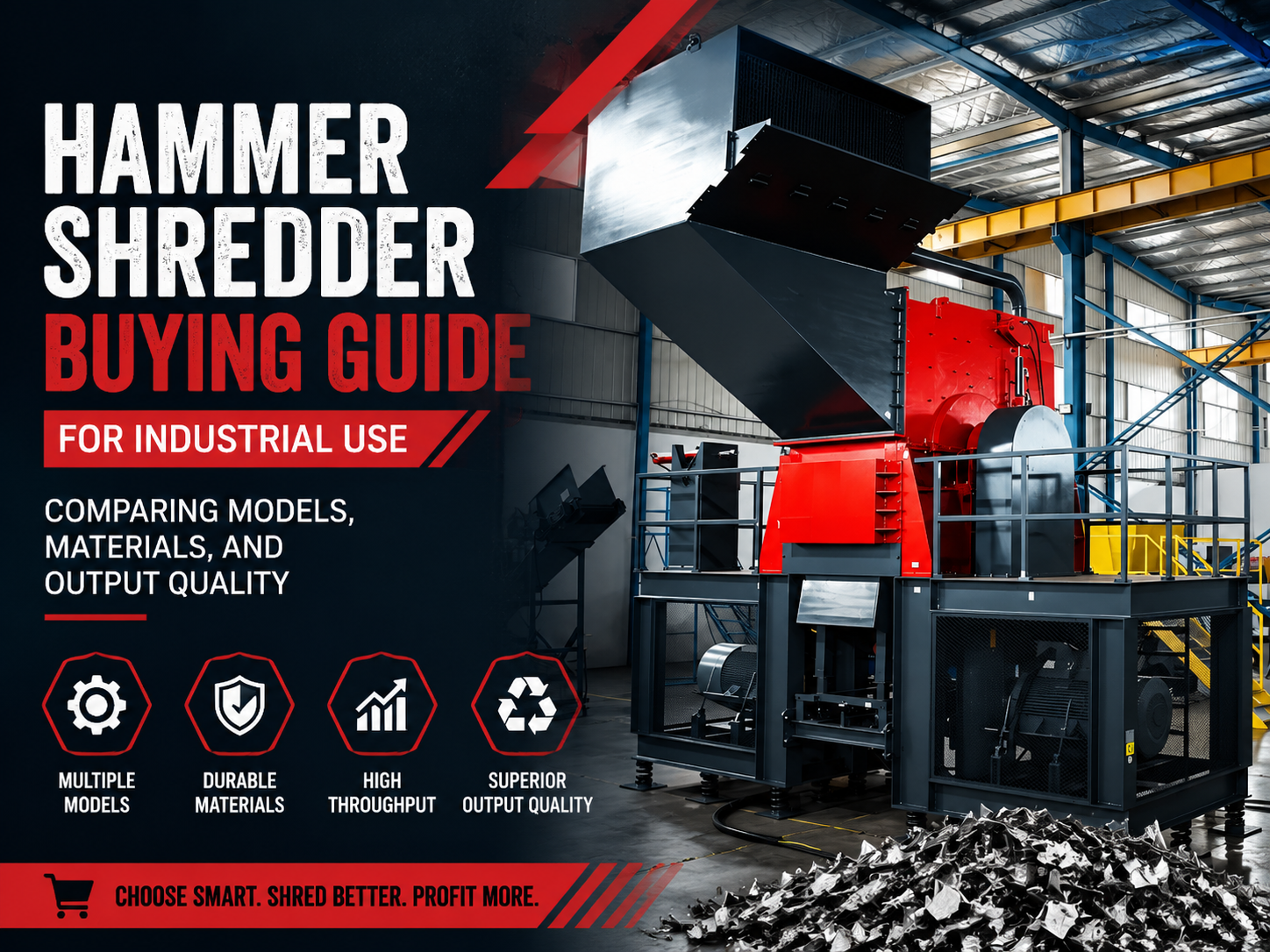
Hammer Shredder Buying Guide for Industrial Use: Comparing Models, Materials, and Output Quality

Introduction to Industrial Hammer Shredders
In the modern landscape of metal recycling and industrial waste management, the hammer shredder stands as a cornerstone of efficiency. Designed to reduce bulky scrap into dense, high-quality fragments, these machines are essential for facilities looking to maximize the value of their output. However, navigating the market for a Hammer Shredder Buying Industrial Use: Comparing Models, Materials, Output Quality requires a deep understanding of technical specifications and operational requirements. This guide aims to provide procurement officers and facility managers with the insights needed to make an informed investment.
Industrial hammer shredders, often referred to as hammer mills, utilize high-speed rotating hammers to impact and shatter materials. Unlike shear shredders that cut material, hammer shredders rely on kinetic energy and centrifugal force. This process not only reduces size but also cleans the metal by knocking off paint, rust, and non-metallic attachments, resulting in a premium product for foundries and steel mills. Choosing the right model involves balancing initial capital expenditure with long-term durability and throughput capacity.
Price Range Overview: From Entry-Level to Heavy-Duty Systems
The price of an industrial hammer shredder varies significantly based on its scale, power, and intended application. For small-scale recycling centers or specialized fabrication shops, entry-level models typically range from $25,000 to $60,000. These units are often designed for lighter materials like aluminum extrusions, electronic scrap (e-waste), or thin-gauge sheet metal. They feature smaller motors, usually between 50HP and 150HP, and are compact enough for facilities with limited floor space.
Mid-range industrial shredders, which are the workhorses of the scrap industry, fall into the $75,000 to $250,000 bracket. These machines are capable of processing heavier scrap, including light iron, white goods (appliances), and automotive components. They boast reinforced frames, advanced hydraulic feed systems, and motors ranging from 200HP to 500HP. At this level, buyers begin to see more sophisticated control systems and better wear-resistant materials in the crushing chamber.
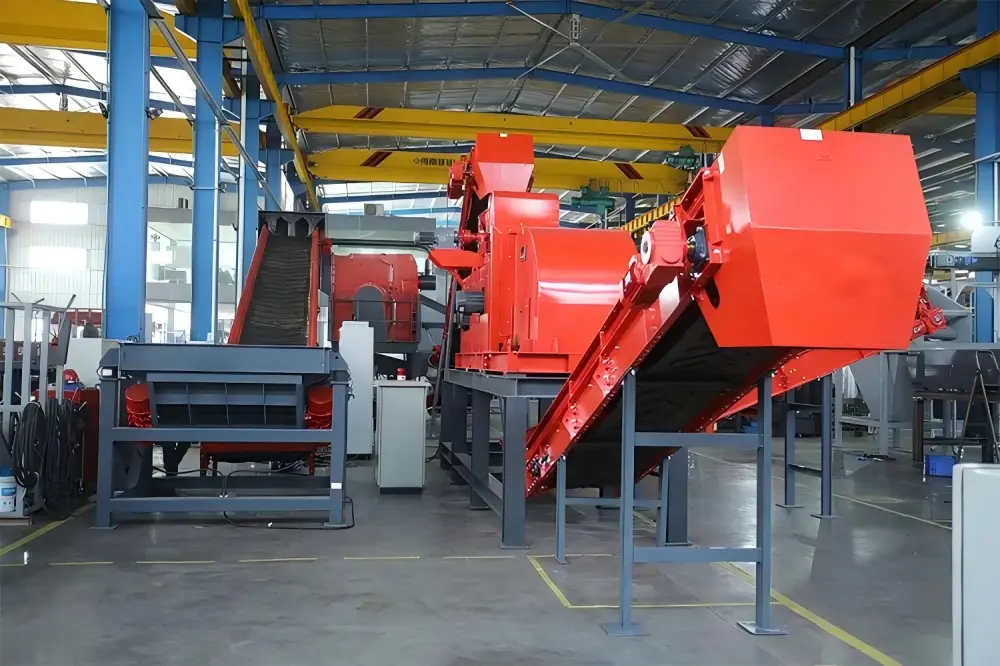
At the top end of the spectrum are heavy-duty, high-capacity shredding plants. These systems can exceed $500,000 and are often custom-engineered for massive throughput, such as processing whole car bodies or heavy structural steel. These installations include integrated conveyor systems, magnetic separators, and dust suppression units. While the initial investment is high, the cost per ton of processed material is significantly lower due to the sheer volume and efficiency of the operation.
Main Cost Drivers in Hammer Shredder Procurement
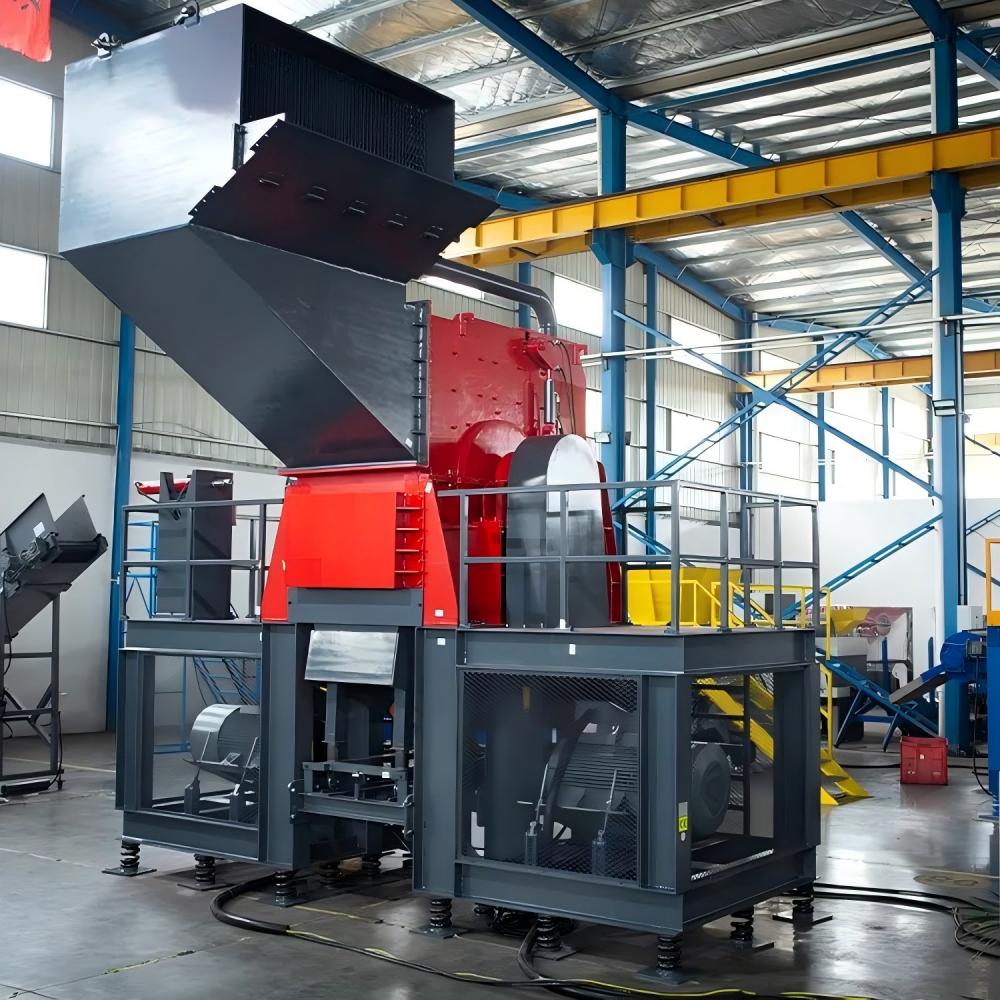
When evaluating the cost of a hammer shredder, several key factors dictate the final price tag. The most prominent driver is the motor and drive system. High-efficiency motors from reputable brands like Siemens or ABB command a premium but offer better reliability and lower energy consumption. The drive system, whether direct-drive or belt-driven, also impacts the cost, with direct-drive systems often being more expensive due to the precision engineering required for torque management.
The metallurgy of the wear parts is another critical cost factor. Hammers, liners, and grates are subject to extreme abrasion and impact. Standard manganese steel is common, but advanced alloys containing chromium or molybdenum increase the lifespan of these components significantly. While these high-performance materials increase the initial purchase price, they reduce the frequency of maintenance shutdowns, which is a vital consideration for high-volume operations.
Furthermore, the structural integrity of the machine frame cannot be overlooked. A shredder built with thicker, high-tensile steel plates and superior welding techniques will naturally cost more. However, this robustness is what prevents frame cracking and vibration-related failures over years of heavy use. HARSLE emphasizes the use of FEA (Finite Element Analysis) in the design phase to ensure that the frame can withstand the violent forces generated during the shredding process without compromising the machine’s alignment.
Configuration Impact on Performance and Output Quality
The configuration of a hammer shredder directly influences the quality of the output and the efficiency of the process. One of the most important configurations is the rotor design. There are two primary types: disc rotors and spider rotors. Disc rotors are generally preferred for heavy scrap as they provide more mass and momentum, while spider rotors are often used for lighter materials where airflow and cooling are more critical. The number and arrangement of hammers on the rotor also determine the “bite” the machine takes, affecting both throughput and the density of the final product.
The screen grate size is the primary determinant of the final particle size. Smaller holes in the grate result in a finer, denser product but reduce the overall throughput and increase energy consumption per ton. Conversely, larger holes allow for faster processing but may result in a less uniform product that requires further sorting. Many modern industrial shredders feature interchangeable grates, allowing operators to switch configurations based on the specific requirements of their customers or the type of scrap being processed.
Additionally, the feeding mechanism plays a vital role. A hydraulic pusher or a vibrating feeder ensures a consistent flow of material into the crushing chamber. Inconsistent feeding can lead to “slugging,” where the motor is momentarily overloaded, leading to increased wear and potential electrical failures. Advanced configurations include PLC-controlled feeding systems that automatically adjust the feed rate based on the motor’s current load, optimizing performance without human intervention.
Hidden Costs: Maintenance, Energy, and Downtime
Beyond the purchase price, buyers must account for the total cost of ownership (TCO). The most significant hidden cost in hammer shredder operation is wear part replacement. Hammers are sacrificial components; depending on the material being shredded, they may need to be rotated or replaced every few days or weeks. The labor cost associated with these changes, combined with the cost of the parts themselves, can be substantial. Buyers should inquire about the ease of access to the rotor and the availability of specialized tools for quick hammer changes.
Energy consumption is another major ongoing expense. A 400HP motor running 16 hours a day consumes a massive amount of electricity. Machines equipped with variable frequency drives (VFDs) can mitigate some of these costs by optimizing power usage during idle periods or when processing lighter loads. However, the efficiency of the shredding chamber design—how effectively it converts kinetic energy into material fracture—is the ultimate factor in energy ROI.
Finally, environmental and safety compliance can introduce unexpected costs. Dust collection systems, soundproofing enclosures, and fire suppression systems are often required by local regulations. Failure to include these in the initial budget can lead to expensive retrofitting later. Furthermore, the cost of disposing of the “fluff” (non-metallic residue like plastics and foam) must be factored into the operational budget, as this material often requires specialized landfilling or secondary processing.
ROI Calculation: Determining the Payback Period
Calculating the Return on Investment (ROI) for a hammer shredder involves comparing the increased value of the processed scrap against the total operational costs. For example, raw mixed scrap might sell for $150 per ton, while clean, shredded, and densified steel fragments could fetch $250 per ton. If a machine processes 10 tons per hour, the value added is $1,000 per hour. From this, you must subtract the costs of labor, electricity, wear parts, and financing.
A typical ROI calculation for a mid-range $150,000 shredder might look like this:
- Value Added: $100 per ton
- Throughput: 8 tons per hour
- Operating Cost: $40 per ton (including power, parts, and labor)
- Net Profit: $60 per ton / $480 per hour
- Payback Period: $150,000 / $480 = 312.5 operating hours
In a double-shift operation (16 hours/day), the machine could theoretically pay for itself in less than 20 working days. However, this assumes a constant supply of scrap and 100% uptime. Realistic ROI calculations should factor in a 70-80% utilization rate to account for maintenance and supply chain fluctuations. High-quality machines from HARSLE are designed to maximize this utilization rate by reducing unplanned downtime through superior component longevity.
Buying Advice: A Checklist for Industrial Buyers
When you are ready to proceed with a purchase, use the following checklist to ensure you are selecting the right hammer shredder for your specific industrial needs:
- Define Your Feedstock: Be specific about what you are shredding. Is it HMS 1/2, aluminum cans, or electronic waste? The density and hardness of the input dictate the required motor torque and hammer alloy.
- Verify Throughput Requirements: Don’t just look at the maximum capacity. Ask for the “sustained throughput” over an 8-hour shift.
- Inspect the Rotor Construction: Ensure the rotor shaft is made from high-strength forged steel and that the hammer pins are easily accessible but securely locked.
- Evaluate the Hydraulic System: For models with hydraulic hoods or feeders, check the brand of the valves and pumps. Reliability here is key to maintenance safety.
- Check for Local Support: Does the manufacturer offer remote diagnostics or have a local service partner? Downtime is the enemy of ROI.
- Request a Material Test: Reputable manufacturers like HARSLE often allow you to send a sample of your material for a test shred to verify output quality and density.
Frequently Asked Questions (FAQ)
What is the typical lifespan of hammers in an industrial shredder?
The lifespan of hammers varies wildly based on the material. When shredding soft aluminum, hammers might last for several hundred tons. When processing heavy steel scrap or abrasive materials like reinforced concrete, they may need to be flipped or replaced every 40 to 80 tons. Using high-manganese or hard-faced alloys can extend this life significantly.
Can a hammer shredder handle non-ferrous metals?
Yes, hammer shredders are excellent for non-ferrous metals like aluminum, copper, and brass. In fact, they are often used in “Zorba” (mixed non-ferrous) recovery lines because the impact action helps separate different metals from each other and from non-metallic contaminants.
How much space is required for a full shredding installation?
While the machine itself might only occupy a 5m x 3m area, a full industrial setup requires significantly more space. You must account for in-feed conveyors, out-feed belts, magnetic separators, and room for loaders to maneuver. A typical mid-sized installation usually requires at least 500 to 1,000 square meters of dedicated space.
What is the difference between a hammer shredder and a ring mill?
A hammer shredder uses fixed or swinging hammers that strike the material. A ring mill uses heavy, rolling rings that crush the material against a grate. Ring mills are generally better for brittle materials and producing a very consistent, small grain size, while hammer shredders are more versatile for general scrap metal processing.
How does HARSLE ensure the durability of its shredders?
HARSLE utilizes high-grade Q345B steel for the main body, reinforced with wear-resistant liners in all high-impact zones. Our rotors are dynamically balanced to minimize vibration, and we use premium electrical components to ensure that the machine can handle the rigorous demands of 24/7 industrial environments.


