
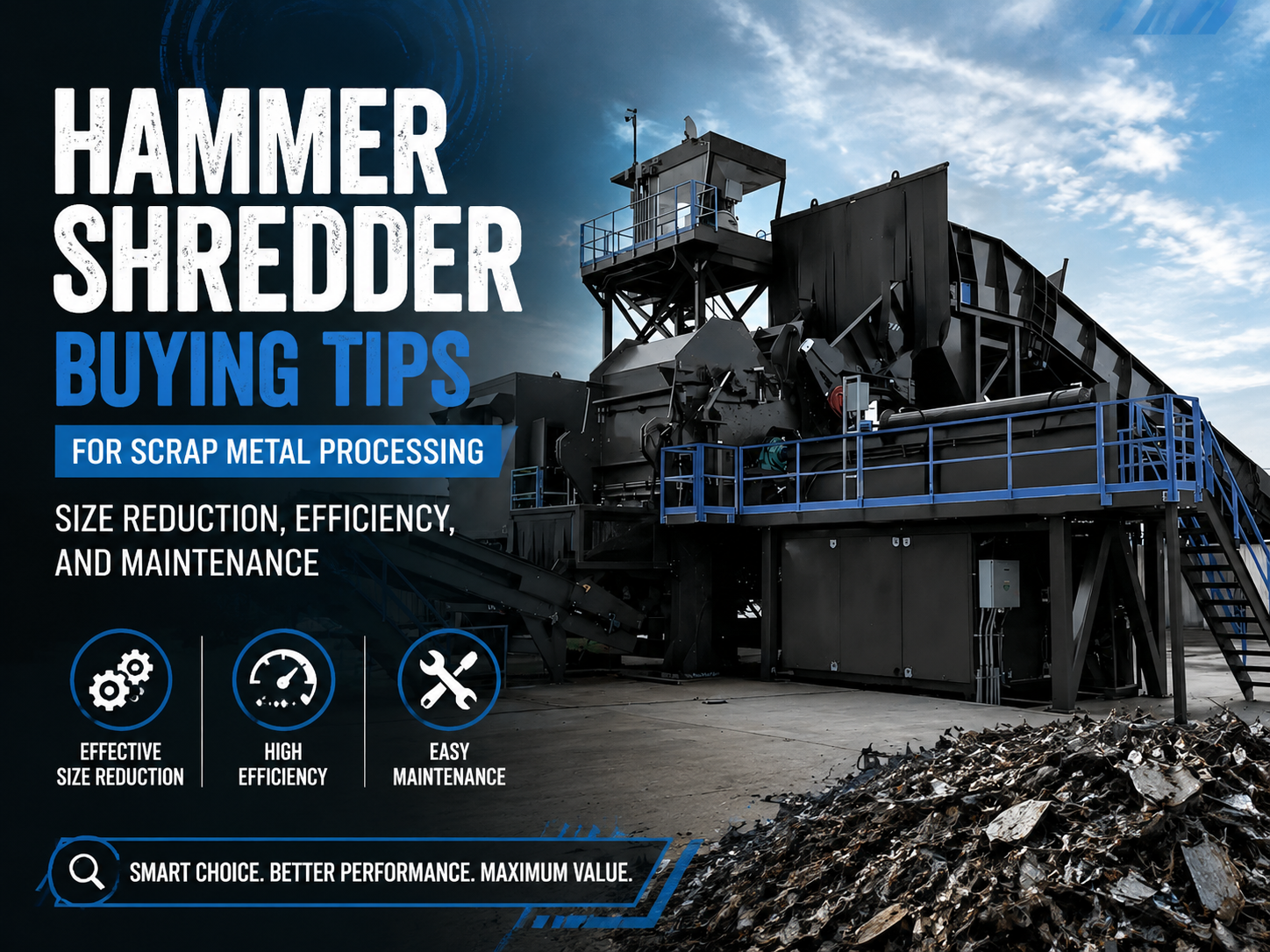
Hammer Shredder Buying Tips for Scrap Metal Processing: Size Reduction, Efficiency, and Maintenance

Introduction to Hammer Shredders in Scrap Metal Processing
In the modern recycling industry, the ability to efficiently process scrap metal into high-density, clean, and manageable sizes is the difference between a profitable operation and a struggling one. Hammer shredders, often referred to as hammer mills, are the workhorses of this sector. They utilize high-speed rotating hammers to impact, shear, and crush materials, transforming bulky scrap like car bodies, aluminum extrusions, and electronic waste into uniform fragments. However, investing in a hammer shredder is a significant capital expenditure that requires careful consideration of technical specifications, operational costs, and long-term maintenance requirements.
This comprehensive guide provides essential hammer shredder buying tips for scrap metal processing, focusing on size reduction, efficiency, and maintenance. Whether you are upgrading an existing facility or starting a new recycling venture, understanding the nuances of these machines will help you select the right equipment from HARSLE to maximize your return on investment (ROI). We will explore the price ranges, cost drivers, configuration impacts, and the hidden costs that often catch buyers off guard.
Price Range Overview: What to Expect
The price of a hammer shredder varies significantly based on its capacity, motor power, and the complexity of the integrated system. For industrial scrap metal processing, machines are generally categorized into three tiers based on their throughput and build quality.
Entry-Level and Small-Scale Shredders
Small-scale hammer shredders, typically processing between 1 to 5 tons per hour (TPH), are priced between $30,000 and $80,000. These machines are ideal for processing lighter scrap such as aluminum cans, thin-gauge sheet metal, and small electronic components. While they offer a lower barrier to entry, they lack the structural reinforcement required for heavy steel or full vehicle processing.
Mid-Range Industrial Shredders
Mid-range units, capable of handling 5 to 20 TPH, usually fall within the $100,000 to $350,000 range. These are the most common choices for regional scrap yards. They feature more robust rotors, higher-horsepower motors (often 200HP to 500HP), and basic automated control systems. They can handle a mix of ferrous and non-ferrous materials, including light iron and white goods (appliances).
High-Capacity Heavy-Duty Shredders
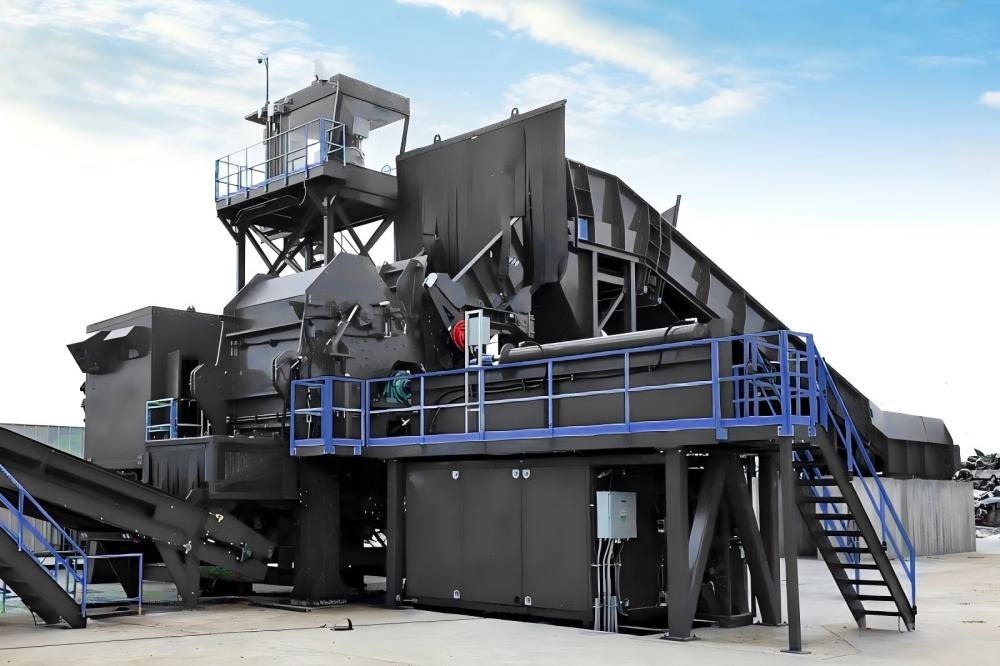
Large-scale industrial shredding plants designed for 20 to 100+ TPH can cost anywhere from $500,000 to several million dollars. These systems are not just machines but complete processing lines including conveyors, magnetic separators, dust suppression systems, and advanced PLC controls. They are built to crush entire car bodies and heavy structural scrap continuously.
| Category | Throughput (TPH) | Estimated Price Range (USD) | Typical Applications |
|---|---|---|---|
| Small-Scale | 1 – 5 | $30,000 – $80,000 | Aluminum, E-waste, Thin sheets |
| Mid-Range | 5 – 20 | $100,000 – $350,000 | Appliances, Light iron, Mixed scrap |
| High-Capacity | 20 – 100+ | $500,000 – $2M+ | Car bodies, Heavy structural steel |
Main Cost Drivers in Hammer Shredder Procurement
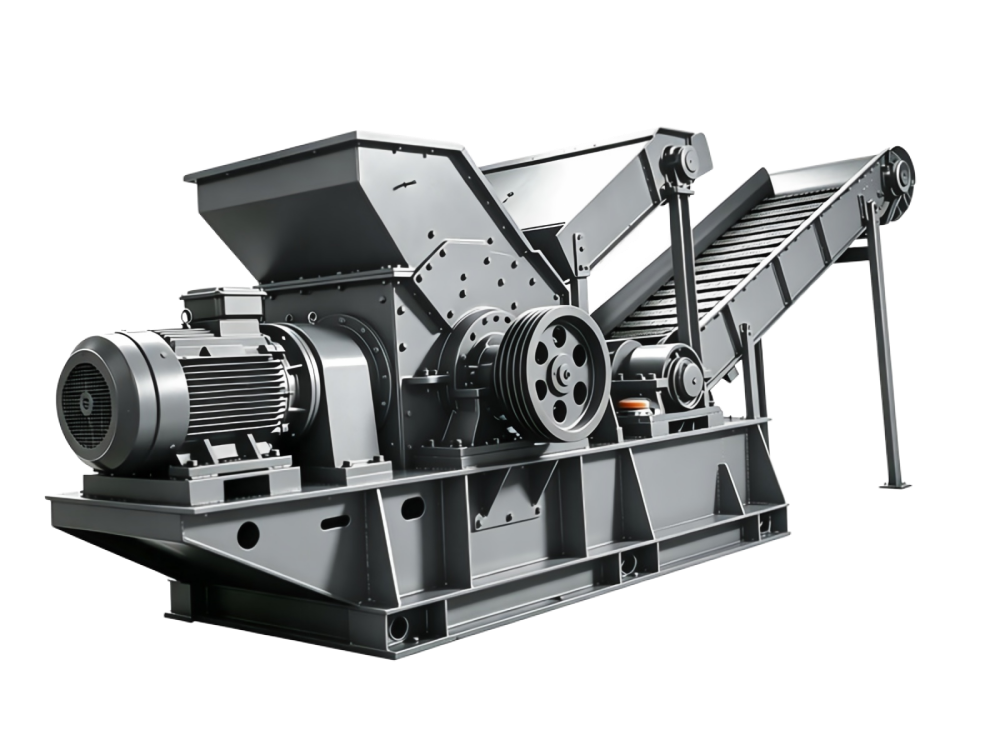
Understanding what drives the price of a hammer shredder is crucial for making an informed decision. The primary cost driver is the Rotor Assembly. The rotor is the heart of the machine, and its weight, diameter, and the quality of the steel used in its construction dictate the machine’s kinetic energy and durability. A heavier rotor provides more inertia, allowing the machine to process tougher materials without stalling the motor.
The Motor and Drive System also significantly impact the cost. High-efficiency motors from reputable brands like Siemens or WEG increase the initial price but reduce long-term energy costs. Furthermore, the choice between a direct drive, belt drive, or hydraulic drive system affects both the price and the maintenance profile of the machine. Hydraulic drives offer excellent torque control and jam protection but are generally more expensive than belt-driven systems.
Metallurgy of Wear Parts is another critical factor. The hammers themselves are subjected to extreme impact and abrasion. High-manganese steel or specialized alloy hammers that offer “work-hardening” properties are more expensive but last significantly longer. Choosing cheaper, lower-quality hammers will lead to frequent downtime and higher labor costs for replacements, ultimately increasing the total cost of ownership.
Configuration Impact on Efficiency and Size Reduction
The configuration of a hammer shredder determines how effectively it reduces the size of the scrap and how clean the final product is. One of the most important configuration choices is the Grate Size and Design. The grates (or screens) at the bottom of the shredding chamber determine the final particle size. Smaller holes result in a finer product but reduce the overall throughput and increase energy consumption per ton. Buyers must balance the market demand for specific scrap sizes with the operational efficiency of the machine.
Feeding Systems also play a vital role. A consistent feed is essential for maintaining high efficiency. Advanced configurations include vibrating feeders or heavy-duty slat conveyors that prevent “slugging” the shredder. Overloading the chamber leads to spikes in amperage and potential mechanical failure, while underloading reduces the impact efficiency of the hammers. An automated feeding system that adjusts based on motor load is a high-value configuration for any serious scrap processor.
Furthermore, the inclusion of Integrated Separation Technologies can drastically change the machine’s utility. Adding magnetic head pulleys for ferrous recovery or eddy current separators for non-ferrous sorting directly at the discharge point increases the value of the processed scrap. While these add to the initial configuration cost, they eliminate the need for secondary processing steps, streamlining the entire scrap yard workflow.
Hidden Costs of Owning a Hammer Shredder
When calculating the budget for a hammer shredder, the purchase price is only the beginning. Installation and Foundation Work are often underestimated. These machines generate massive vibrations and require reinforced concrete foundations, sometimes with vibration isolation pads. Depending on the soil quality and the size of the machine, foundation work can add 10-20% to the total project cost.
Electrical Infrastructure Upgrades are another common hidden cost. A 500HP motor requires significant power draw, which may necessitate new transformers, switchgear, and heavy-duty cabling from the utility grid. Buyers should consult with an electrician early in the process to ensure their facility can handle the load without frequent breakers tripping or incurring heavy peak-demand charges from the power company.
Finally, there is the cost of Consumable Inventory. To minimize downtime, a scrap yard must keep a stock of hammers, liners, pins, and grates. These parts wear out predictably, and having $10,000 to $50,000 worth of spare parts sitting in the warehouse is a necessary but often overlooked capital tie-up. Additionally, the labor cost for the frequent rotation and replacement of these parts must be factored into the hourly operating cost.
ROI Calculation: Turning Scrap into Profit
The Return on Investment (ROI) for a hammer shredder is calculated by comparing the increased value of the processed scrap against the total operating costs. Shredded scrap, often called “Proler” or “EHB” (Electric Heavy Broken), commands a higher price at steel mills because it is denser, cleaner, and easier to melt than loose scrap. The density increase alone can reduce shipping costs by 50% or more, as more weight can be packed into each truck or railcar.
To calculate ROI, use the following formula: (Increased Value per Ton x Annual Tonnage) – (Annual Operating Costs + Depreciation). Operating costs include electricity, labor, wear parts, and maintenance. For example, if shredding increases the value of scrap by $40 per ton and the machine processes 10,000 tons per year, the gross value add is $400,000. If operating costs are $150,000, the net annual gain is $250,000. Against a $500,000 investment, the machine pays for itself in just two years.
Efficiency also plays a role in ROI. A machine that produces a cleaner product with less “fluff” (non-metallic waste) allows the operator to claim higher purity premiums. HARSLE hammer shredders are designed to optimize this separation, ensuring that the maximum amount of metal is recovered and the minimum amount of energy is wasted on over-shredding materials.
Buying Advice: Selecting the Right HARSLE Shredder
When selecting a hammer shredder, the first step is to Define Your Primary Feedstock. A machine optimized for aluminum cans will fail miserably if fed heavy engine blocks. Be realistic about what you will process 80% of the time. HARSLE recommends choosing a machine with a slightly higher capacity than your current needs to allow for business growth and to avoid running the machine at 100% load constantly, which accelerates wear.
Evaluate the Rotor Design carefully. For heavy scrap, a disc-style rotor is often preferred over a spider-style rotor because it offers better protection for the hammer pins and prevents large pieces of scrap from getting wedged in the center of the rotor. Also, look for machines with easy-access maintenance doors. If it takes four hours just to open the machine to inspect the hammers, your maintenance will inevitably suffer.
Lastly, Check the Vendor’s Support Network. A hammer shredder is a high-wear machine that will eventually need expert service. Ensure that HARSLE or your local distributor provides comprehensive training for your operators and has a reliable supply chain for wear parts. Buying a cheaper machine from a vendor with no local presence is a recipe for long-term disaster when a critical component fails during peak production season.
Maintenance for Longevity and Efficiency
Maintenance is the single most important factor in extending the life of a hammer shredder. A disciplined maintenance schedule prevents catastrophic failures and keeps the machine running at peak efficiency. Below is a recommended maintenance framework:
- Daily Inspection: Check for loose bolts, inspect the hydraulic lines for leaks, and monitor the motor temperature. Listen for unusual vibrations or sounds that could indicate a loose hammer or a failing bearing.
- Weekly Lubrication: The main rotor bearings are under immense pressure. Use high-quality, high-temperature grease as specified by HARSLE. Check the oil levels in the gearbox and clean the dust from the motor cooling fins.
- Hammer Rotation: Hammers wear on the leading edge. Regularly rotating the hammers to use the other faces can double their lifespan. Once all faces are worn, replace the entire set to maintain rotor balance.
- Liner and Grate Inspection: The internal liners protect the housing of the shredder. If a liner wears through, the structural frame of the machine can be damaged. Replace liners and grates as soon as they reach the manufacturer’s wear limits.
Frequently Asked Questions (FAQ)
What is the difference between a hammer shredder and a shear shredder?
A hammer shredder uses high-speed impact to crush and shatter material, which is excellent for creating dense, nugget-like scrap. A shear shredder (usually twin-shaft) uses low-speed, high-torque blades to cut material, which is better for bulky items like tires or large plastic drums where size reduction is needed without the high-density requirement.
How long do the hammers typically last?
Hammer life depends entirely on the material being processed. When shredding clean aluminum, hammers may last weeks. When processing sandy or highly abrasive contaminated steel, they may need to be rotated or replaced every few shifts. Using high-manganese alloys significantly extends this interval.
Can a hammer shredder handle stainless steel?
Yes, but with caution. Stainless steel is much tougher and more prone to work-hardening than carbon steel. Processing large amounts of stainless steel will increase the wear rate on the hammers and liners and requires a motor with high torque reserves.
Is dust suppression necessary for scrap metal shredding?
Absolutely. The shredding process generates significant dust, especially if the scrap is contaminated with plastics, paint, or dirt. Most jurisdictions require a dust collection or water misting system to meet environmental and safety regulations regarding air quality and explosion prevention.
How do I know when to replace the rotor?
The rotor itself is designed to last many years, but the hammer pins and the rotor discs/arms will wear. If you notice cracks in the rotor structure or if the pin holes become significantly elongated (oval-shaped), it is time for a professional refurbishment or replacement to avoid a catastrophic rotor failure.


