
Choosing the Right Hammer Shredder for Your Facility: A Practical Buyer’s Guide for Manufacturers

Introduction to Industrial Hammer Shredders
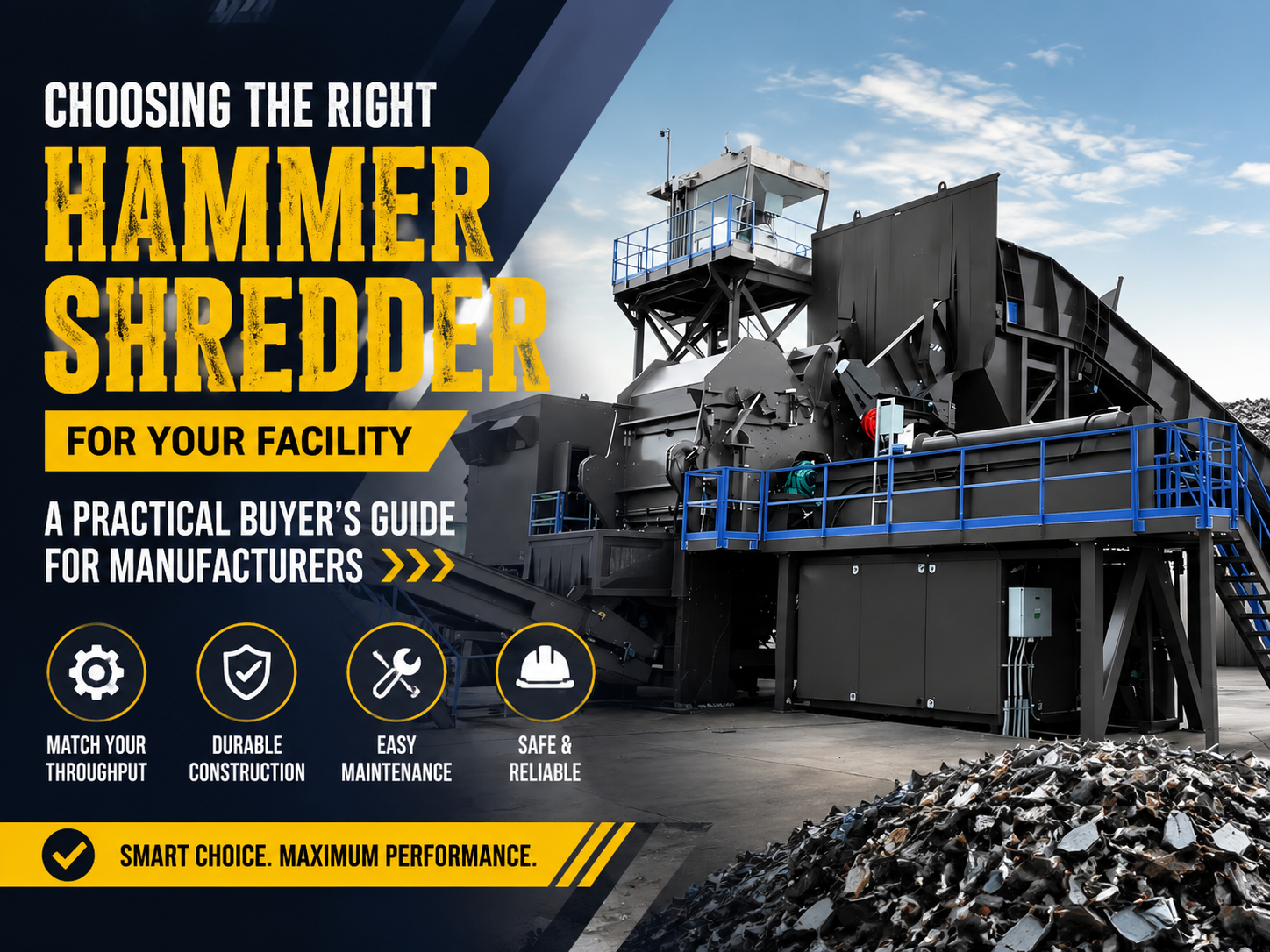
In the modern manufacturing landscape, waste management and material recycling have transitioned from secondary concerns to primary drivers of operational efficiency. For facilities dealing with significant volumes of metal scrap, electronic waste, or industrial byproducts, the hammer shredder stands as a cornerstone of processing technology. Choosing Hammer Shredder Facility: A Practical Buyer’s Manufacturers must consider various factors, from throughput capacity to the specific metallurgy of the wear parts. A hammer shredder, often referred to as a hammer mill, utilizes high-speed rotating hammers to impact and fracture materials against a series of internal liners and grates. This process reduces the size of the material, increases its density, and separates contaminants, making the output significantly more valuable for secondary smelting or recycling processes.
The decision to invest in a hammer shredder is not merely a purchase of hardware; it is a strategic move to optimize the supply chain. Manufacturers who process their own scrap can often command higher prices from foundries because the shredded material is cleaner and more uniform. However, the market is flooded with various designs, power ratings, and price points. Navigating this complexity requires a deep understanding of how these machines function and what specific features align with your facility’s unique requirements. This guide aims to provide a comprehensive roadmap for manufacturers looking to integrate this powerful technology into their production lines.
Price Range Overview: What to Expect
When evaluating the cost of a hammer shredder, manufacturers will find a wide spectrum of pricing that reflects the machine’s capacity, durability, and technological sophistication. At the entry-level, small-scale hammer shredders designed for light electronic waste or thin-gauge aluminum scrap typically range from $25,000 to $60,000. These units are often compact, sometimes mobile, and are suitable for facilities processing less than 2 tons of material per hour. While they offer a lower barrier to entry, they may lack the heavy-duty reinforcement required for continuous processing of thicker ferrous metals.
Mid-range industrial hammer shredders, which are the workhorses of most medium-sized recycling facilities and manufacturing plants, generally fall between $70,000 and $180,000. These machines are engineered for 8-16 hours of daily operation and can handle a broader variety of materials, including light structural steel, automotive components, and large-scale industrial scrap. In this price bracket, buyers can expect better motor efficiency, more robust hydraulic opening mechanisms for maintenance, and advanced control systems that prevent jams and overloads.
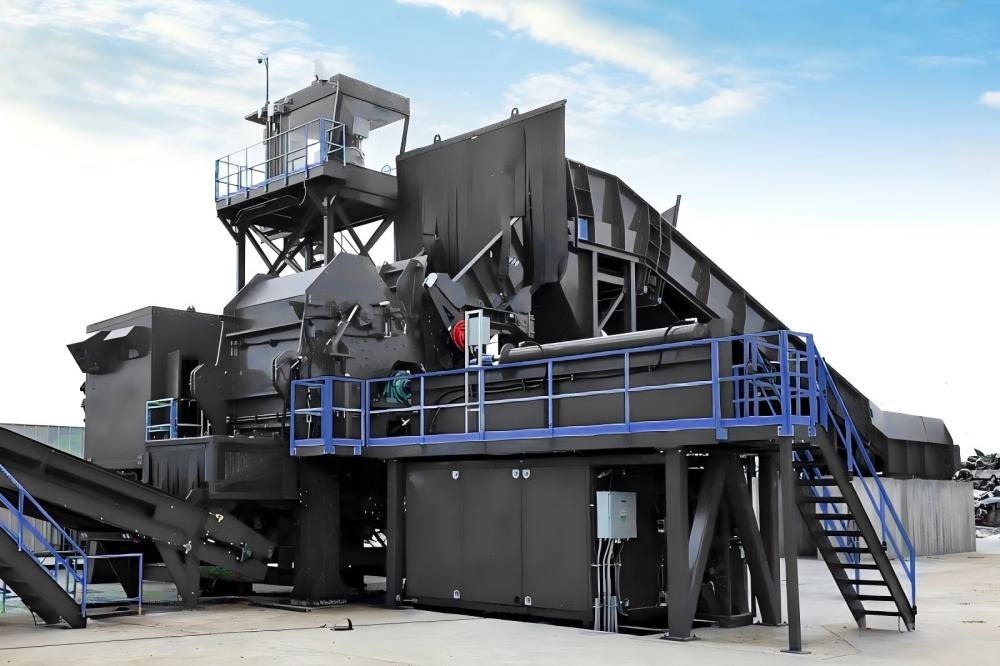
For large-scale industrial operations or specialized scrap yards, high-end hammer shredding systems can exceed $250,000, sometimes reaching into the millions for fully integrated plants. These systems include not just the shredder itself, but also sophisticated conveyor systems, magnetic separators, dust collection units, and sound-dampening enclosures. These high-capacity machines are designed for 24/7 operation and are built with the highest grade of wear-resistant alloys to minimize downtime in high-impact environments.
Main Cost Drivers in Hammer Shredder Procurement
The primary driver of cost in a hammer shredder is the motor and drive system. High-torque, high-horsepower motors (often ranging from 50HP to over 500HP) are expensive components. Furthermore, the inclusion of a Variable Frequency Drive (VFD) adds to the initial cost but is essential for controlling the startup current and adjusting the rotor speed to match the material being processed. A high-quality drive system ensures that the machine can handle sudden surges in material volume without stalling or damaging the electrical components.
Another significant cost factor is the metallurgy of the wear parts. The hammers, liners, and grates are subjected to extreme abrasive forces. Manufacturers who use high-manganese steel or specialized chromium alloys for these parts will charge a premium. While the initial investment is higher, these materials last significantly longer, reducing the frequency of replacements and the associated labor costs. Cheaply made hammers may save money upfront but can fracture under stress, leading to catastrophic internal damage to the rotor assembly.
The structural integrity and frame design also play a role in pricing. A hammer shredder generates immense vibration and kinetic energy. Machines built with thicker steel plates, reinforced stress points, and advanced vibration-dampening mounts are more expensive to manufacture. However, this robust construction is what prevents the machine from literally shaking itself apart over years of service. Buyers should look for heavy-duty welded frames and precision-machined rotor shafts as indicators of a high-quality build.
Configuration Impact on Performance and Cost
The configuration of the rotor and hammer assembly is perhaps the most critical technical decision a buyer will make. Fixed hammers are rigidly attached to the rotor and are excellent for consistent, smaller materials where high impact speed is required. Conversely, swing hammers are pinned to the rotor, allowing them to retract if they hit an un-shreddable object. This “swing” action protects the rotor and motor from sudden shocks, making them the preferred choice for mixed scrap where heavy, solid objects might accidentally enter the chamber.
Discharge configuration also impacts both the price and the utility of the machine. Shredders can be equipped with bottom grates that dictate the final size of the output material. The smaller the holes in the grate, the longer the material stays in the chamber, and the higher the energy consumption per ton. Some modern designs allow for quick-change grates, enabling a facility to switch between different product specifications in under an hour. This flexibility is a premium feature but is invaluable for manufacturers serving diverse downstream customers.
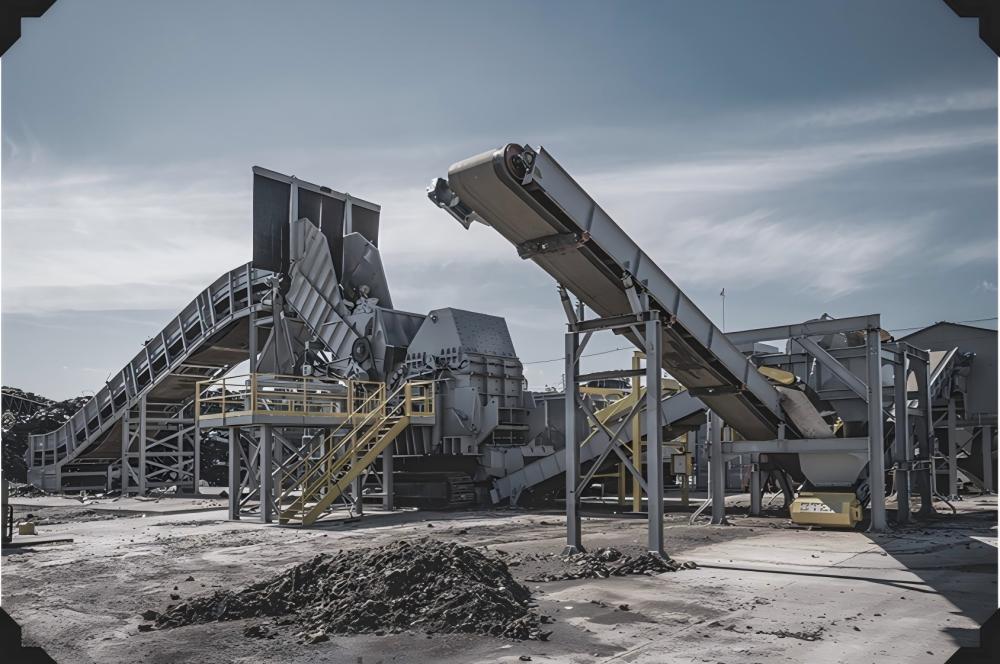
Feeding systems are another configuration variable. A simple gravity-fed hopper is the most cost-effective but can lead to bridging or uneven loading. Vibratory feeders or heavy-duty slat conveyors provide a controlled, consistent flow of material into the shredder, which optimizes the motor’s load and prevents “slugging” the machine. Integrating these automated feeding systems increases the total system cost but significantly improves throughput and reduces the need for constant operator supervision.
Hidden Costs of Ownership
When Choosing Hammer Shredder Facility: A Practical Buyer’s Manufacturers often overlook the installation and infrastructure requirements. A large hammer shredder cannot simply be placed on a standard factory floor. It often requires a reinforced concrete foundation to manage the dynamic loads and vibrations. Additionally, the electrical infrastructure may need upgrading to handle the high peak currents during startup. These site preparation costs can add 10-20% to the total project budget.
Maintenance and Consumables represent the most significant ongoing hidden cost. Hammers are designed to wear out. Depending on the abrasiveness of the material, hammers may need to be rotated or replaced every few hundred hours of operation. The cost of a full set of hammers can be substantial. Furthermore, the labor required to perform these changes, along with the downtime of the machine, must be factored into the operational budget. Automated lubrication systems can help extend the life of the main bearings, but they also require regular refilling and maintenance.
Energy consumption is another factor that varies wildly based on the machine’s efficiency. A shredder that is improperly sized for the task—either too large or too small—will waste significant amounts of electricity. Using a VFD can mitigate some of these costs, but the base power requirement for shredding metal remains high. Manufacturers should also consider the cost of dust and noise mitigation. Environmental regulations may require the installation of cyclone dust collectors or acoustic enclosures, which are often sold as optional add-ons but are practically mandatory in many jurisdictions.
ROI Calculation for Manufacturers
To justify the purchase of a hammer shredder, a clear Return on Investment (ROI) calculation is necessary. The primary financial benefit comes from the increase in scrap value. For example, loose aluminum turnings might sell for a certain price, but shredded, densified, and de-polluted aluminum “pucks” or fragments can command a premium of 15-30% more per ton. If a facility processes 100 tons of scrap per month, this price delta alone can pay for the machine within 18 to 24 months.
Labor savings also contribute to ROI. Manually sorting or pre-processing scrap is slow and dangerous. A hammer shredder automates the reduction process, allowing a single operator to do the work of a five-person crew. Furthermore, the reduction in material volume leads to lower transportation costs. Shredded scrap is much denser than loose scrap, meaning you can fit more weight into each truckload, reducing the number of trips required to move material to the recycler or foundry.
| Factor | Impact on ROI | Estimated Savings/Gain |
|---|---|---|
| Scrap Density | Reduces shipping frequency | 20-40% reduction in freight |
| Material Purity | Higher sale price per ton | $50 – $150 extra per ton |
| Labor Reduction | Automated processing | Eliminates 2-4 manual positions |
| Waste Volume | Lower disposal fees | 15-25% reduction in fees |
Buying Advice: A Checklist for Manufacturers
Before finalizing a purchase, manufacturers should conduct a material test. Reputable vendors like HARSLE often allow potential buyers to send samples of their specific scrap material to be processed in a test unit. This provides empirical data on the throughput, the quality of the output, and the energy consumption. Never rely solely on theoretical specifications; seeing how the machine handles your actual waste is the only way to guarantee performance.
Evaluate the after-sales support and parts availability. A hammer shredder is a high-wear machine. You will need replacement hammers, pins, and liners regularly. Choosing a manufacturer with a local parts warehouse or a guaranteed shipping window is critical. If your machine is down for three weeks waiting for a specialized bearing from overseas, the lost production time will quickly eclipse any initial savings you gained by choosing a cheaper, unsupported brand.
Finally, consider the future-proofing of the equipment. Is the shredder capable of handling a slightly tougher grade of material if your production line changes? Can the motor be upgraded, or can a larger grate be installed? Buying a machine that is at the absolute limit of its capacity on day one is a recipe for premature failure. It is generally advisable to specify a machine with 20% more capacity than your current maximum requirement to allow for growth and to reduce the strain on the mechanical components.
Frequently Asked Questions (FAQ)
How often do the hammers need to be replaced?
The lifespan of hammers depends entirely on the material being shredded. For soft aluminum, hammers might last 500+ hours. For abrasive materials like high-carbon steel or glass-contaminated e-waste, they may need rotation every 100 hours and replacement every 200 hours. Regular inspection is key to preventing rotor damage.
Can a hammer shredder handle “un-shreddables” like solid steel shafts?
Most industrial hammer shredders are equipped with a “reject door” or swing hammers. If a solid object that cannot be fractured enters the chamber, the hammers swing back, and the kinetic energy of the object eventually forces it through a safety release or into a collection pocket. However, frequent entry of un-shreddables will significantly accelerate wear and tear.
What is the difference between a hammer shredder and a dual-shaft shredder?
A dual-shaft shredder uses high-torque, low-speed shearing action to cut material. It is better for bulky items like tires or large plastic drums. A hammer shredder uses high-speed impact to shatter material. Hammer shredders are generally better for metal because they provide better liberation of mixed materials and produce a denser final product.
Does the machine require a specialized operator?
While the basic operation is straightforward, the person overseeing the machine should be trained in identifying abnormal sounds or vibrations. Modern machines with PLC controls handle most of the logic, but manual intervention is required for clearing jams and performing the critical daily lubrication and bolt-tightening routines.
What are the safety requirements for installing a hammer shredder?
Safety is paramount due to the high speeds involved. The shredder must be equipped with emergency stop buttons, interlocked access doors (preventing the machine from opening while the rotor is spinning), and ideally, a ballistic curtain or shielded hopper to prevent material from being ejected back out of the feed opening.


