
Best Hammer Shredder Buying Guide for Heavy-Duty Metal Fabrication and Recycling Applications

Introduction to Industrial Hammer Shredders
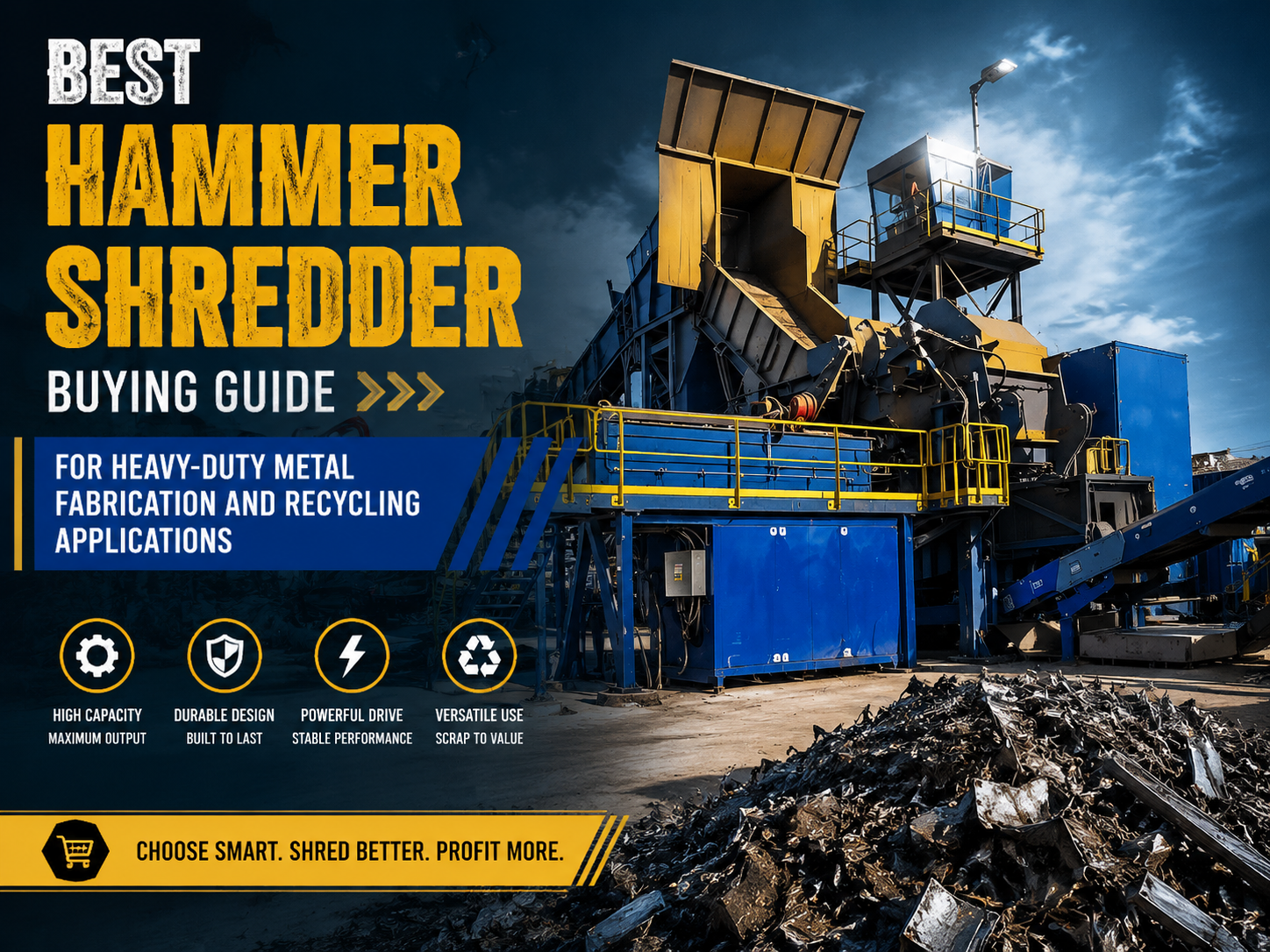
In the modern landscape of metal fabrication and waste management, the efficiency of material processing determines the profitability of an entire operation. The hammer shredder, often referred to as a hammer mill in specific contexts, stands as the cornerstone of heavy-duty recycling. These machines are engineered to pulverize, crush, and shred various types of metal scrap—ranging from aluminum extrusions and copper wire to automotive bodies and industrial offcuts—into a dense, high-quality furnace-ready product. Choosing the right equipment requires a deep understanding of the Best Hammer Shredder Buying Heavy-Duty Metal Fabrication Recycling Applications to ensure that the investment yields long-term operational success.
For metal fabrication shops, waste is not just a byproduct; it is a potential revenue stream. However, loose scrap is bulky, expensive to transport, and often fetches lower prices at the foundry. A hammer shredder solves these issues by densifying the material and removing impurities through high-velocity impact. This guide provides a comprehensive breakdown of everything a buyer needs to know, from initial capital expenditure to the nuances of configuration and long-term return on investment.
Price Range Overview: What to Expect
When searching for the Best Hammer Shredder Buying Heavy-Duty Metal Fabrication Recycling Applications, the first question most procurement officers ask is about the price. The market for industrial shredders is broad, with prices varying significantly based on capacity, build quality, and automation levels. Generally, industrial hammer shredders can be categorized into three main price tiers.
Entry-Level and Small-Scale Shredders ($20,000 – $60,000)
At the lower end of the spectrum, you will find compact hammer mills designed for light-duty recycling, such as electronic waste (e-waste), thin aluminum cans, or small metal turnings. These machines typically feature motors ranging from 30kW to 75kW. While they are affordable, they lack the structural reinforcement required for heavy steel plates or large automotive components. They are ideal for small fabrication shops looking to manage their own internal waste stream without a massive capital outlay.
Mid-Range Industrial Shredders ($60,000 – $200,000)
The mid-range category is where most professional recycling facilities and medium-to-large metal fabrication plants operate. These machines are built with thicker steel frames and more robust rotors. They usually feature motors between 110kW and 300kW. In this price bracket, buyers can expect features like hydraulic opening mechanisms for easy maintenance, basic magnetic separation integration, and advanced control systems. These units can handle heavier scrap, including light iron, household appliances, and thicker industrial offcuts.
High-Capacity Heavy-Duty Systems ($200,000 – $1,000,000+)
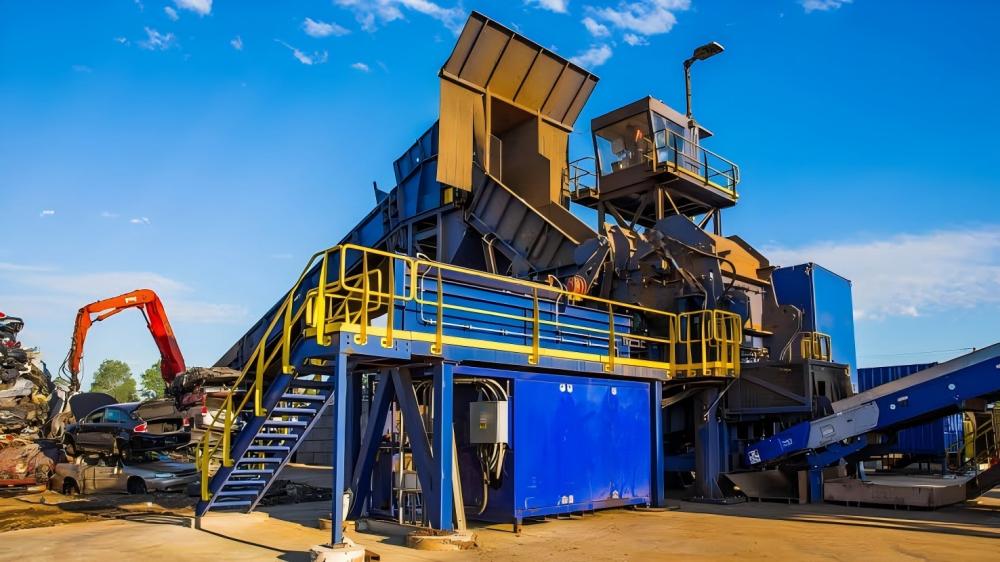
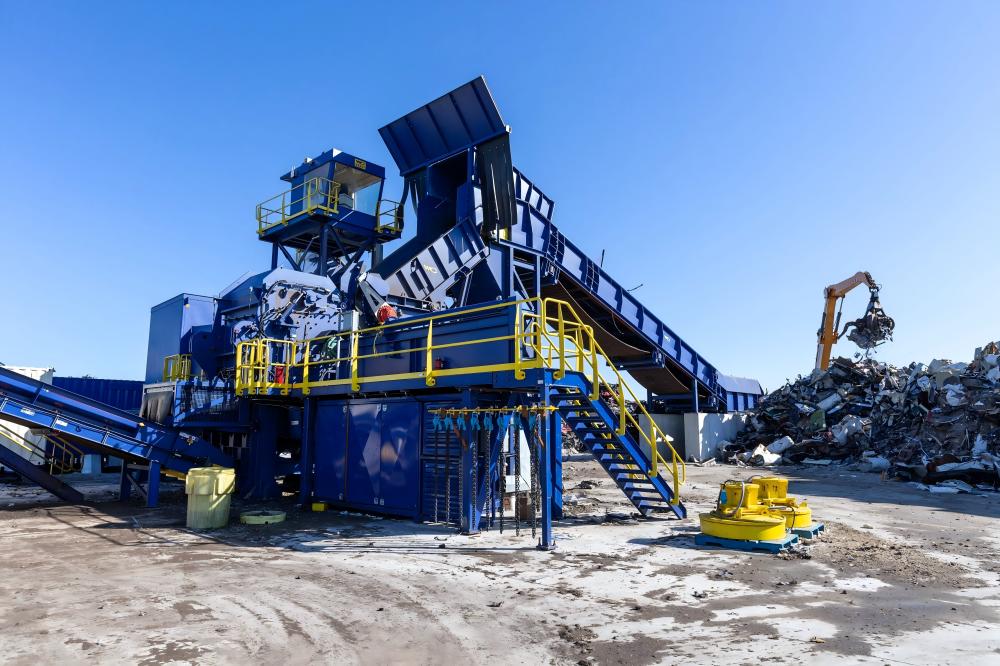
For large-scale scrap yards and primary metal recyclers, high-capacity systems are a necessity. These are massive installations capable of processing dozens of tons of scrap per hour. They feature high-torque motors (often exceeding 500kW), sophisticated vibration dampening, and fully automated sorting lines. The price reflects not just the machine itself, but the engineering required to integrate conveyors, dust suppression systems, and multi-stage separation technologies. These are the gold standard for heavy-duty metal fabrication and recycling applications.
Main Cost Drivers in Hammer Shredder Procurement
Understanding why one machine costs twice as much as another, despite having similar outward dimensions, is key to making an informed purchase. Several technical factors drive the manufacturing cost and, consequently, the market price of a hammer shredder.
Rotor Design and Metallurgy
The rotor is the heart of the hammer shredder. It must withstand incredible centrifugal forces and constant impact. High-quality shredders use rotors forged from high-strength alloy steel. The hammers themselves are usually made from manganese steel or specialized chrome alloys. The cost increases when the manufacturer uses superior heat-treatment processes that extend the life of these wear parts. A cheaper machine might use lower-grade steel that requires hammer replacement twice as often, leading to higher long-term costs.
Motor and Drive System
The power plant of the machine is a significant cost factor. Premium brands like Siemens or ABB motors add a price premium but offer better energy efficiency and reliability. Furthermore, the drive system—whether it is a direct drive, belt drive, or hydraulic drive—impacts the price. Hydraulic drives offer better protection against unshreddable objects (slugs) by providing instant torque control, but they are more expensive to manufacture and maintain than traditional belt-driven systems.
Structural Reinforcement and Liners
Heavy-duty shredding creates immense internal wear. The thickness of the housing and the quality of the internal wear liners (usually replaceable plates made of Hardox or similar abrasion-resistant steel) are critical. A machine designed for longevity will have a heavily reinforced chassis to prevent frame cracking over years of vibration. This extra steel and specialized welding add to the initial purchase price but prevent catastrophic structural failure later.
Configuration Impact on Performance and Cost
The configuration of a hammer shredder must be tailored to the specific type of scrap being processed. A “one size fits all” approach often leads to inefficiency or premature machine failure. When evaluating the Best Hammer Shredder Buying Heavy-Duty Metal Fabrication Recycling Applications, consider how the following configurations affect both performance and price.
Vertical vs. Horizontal Shredders
Most heavy-duty metal shredders are horizontal, meaning the material is fed from the top or side and processed across a horizontal rotor. This is ideal for large, bulky items. Vertical shredders (often called vertical grinders) are used for secondary processing to achieve a very fine, uniform grain size. Choosing a horizontal shredder with a pre-shredder or a twin-shaft primary shredder can significantly increase the throughput of a recycling line but adds complexity and cost to the configuration.
Grate and Screen Selection
The size of the holes in the discharge grate determines the final product size. Smaller holes result in a more uniform and denser product, which is highly valued by foundries. However, smaller grates also mean the material stays in the shredding chamber longer, increasing wear on the hammers and reducing the hourly throughput. Customizing the grate configuration to balance product quality with production speed is a critical step in the buying process.
Integrated Separation Technologies
A hammer shredder alone only breaks the material down. To maximize the value of the output, you need to separate ferrous metals from non-ferrous metals and waste (fluff). Integrating magnetic drums, eddy current separators, and air classification systems into the shredder’s discharge line increases the initial investment but transforms the machine from a simple crusher into a complete material recovery facility.
Hidden Costs of Owning a Hammer Shredder
The purchase price is only the beginning of the financial commitment. To accurately calculate the total cost of ownership (TCO), buyers must account for several often-overlooked expenses.
- Wear Parts Replacement: Hammers, liners, and grates are consumables. Depending on the abrasiveness of your scrap, hammers may need to be flipped or replaced every few days or weeks. The cost of these parts and the labor to change them must be factored into the operating budget.
- Energy Consumption: Hammer shredders are energy-intensive. A 200kW motor running 8 hours a day can result in significant monthly utility bills. High-efficiency motors and VFD (Variable Frequency Drive) systems can mitigate this but have higher upfront costs.
- Foundation and Installation: These machines generate massive vibrations. They cannot simply be bolted to a standard factory floor. A reinforced concrete foundation, often with vibration-dampening springs or pads, is required. This civil engineering work can add 10-20% to the total project cost.
- Dust and Environmental Compliance: Shredding metal creates dust and noise. Depending on local regulations, you may need to invest in industrial dust extraction systems, soundproof enclosures, or water misting systems to stay compliant with environmental and safety laws.
ROI Calculation: Is the Investment Worth It?
Calculating the Return on Investment (ROI) for the Best Hammer Shredder Buying Heavy-Duty Metal Fabrication Recycling Applications involves comparing the cost of the machine and its operation against the increased value of the processed scrap. Let’s look at a hypothetical scenario for a medium-sized fabrication plant.
Suppose a plant produces 200 tons of loose steel scrap per month. Selling this loose scrap might yield $200 per ton ($40,000/month). By shredding this material, the density increases, and impurities are removed, potentially raising the value to $300 per ton ($60,000/month). This creates a gross revenue increase of $20,000 per month.
From this $20,000, you must subtract the operating costs: electricity ($3,000), wear parts ($4,000), and labor ($3,000), leaving a net monthly gain of $10,000. If the shredder system cost $240,000 to install, the payback period would be 24 months. Beyond the 24-month mark, the machine contributes directly to the bottom line. Additionally, the reduction in transportation costs (fewer trucks needed for dense scrap) and the ability to process third-party scrap can further accelerate the ROI.
Buying Advice for Heavy-Duty Applications
To ensure you select the best machine for your specific needs, follow this strategic buying advice:
- Analyze Your Scrap Profile: What is the thickest piece of metal you will feed into the machine? What is the average size? A shredder designed for aluminum cans will fail if fed 10mm steel plate. Be honest about your material stream.
- Request a Material Test: Reputable manufacturers like HARSLE often allow potential buyers to send samples of their scrap for a test run. This provides concrete data on throughput, grain size, and power consumption before you sign a contract.
- Check the “Ease of Maintenance”: Look for machines with hydraulic tilted housings. If it takes a whole day to change hammers because the machine is difficult to open, your downtime costs will skyrocket. Maintenance should be fast and safe.
- Evaluate After-Sales Support: A shredder is a high-wear machine. You will need parts. Ensure the manufacturer has a robust supply chain for hammers and liners in your region. Ask about the availability of field technicians.
- Consider Future Scalability: If you expect your recycling volume to grow, consider a machine with a larger chamber than you currently need, which can be upgraded with a more powerful motor later.
Conclusion
Investing in the Best Hammer Shredder Buying Heavy-Duty Metal Fabrication Recycling Applications is a transformative decision for any industrial operation. While the initial costs are significant, the ability to turn waste into a high-value commodity provides a competitive edge that is hard to ignore. By focusing on build quality, rotor design, and a clear understanding of the total cost of ownership, businesses can ensure they select a machine that will serve them reliably for decades. Whether you are a small fabrication shop or a massive recycling center, the right hammer shredder is the key to unlocking the full potential of your scrap metal assets.
Frequently Asked Questions (FAQ)
What is the difference between a hammer shredder and a twin-shaft shredder?
A twin-shaft shredder uses high-torque, low-speed shearing action to cut material, which is ideal for primary reduction of bulky items. A hammer shredder uses high-speed impact to pulverize material. Hammer shredders are better for densifying metal and separating different material types (like removing plastic from metal), whereas twin-shaft shredders are better for initial volume reduction.
How often do the hammers need to be replaced?
Hammer life depends entirely on the material being processed. For clean aluminum, hammers might last several hundred hours. For abrasive steel scrap or material contaminated with sand and glass, they may need to be rotated or replaced every 40 to 80 hours of operation. Regular inspection is vital.
Can a hammer shredder handle stainless steel?
Yes, but with caution. Stainless steel is much harder and more work-hardening than mild steel. Processing large amounts of thick stainless steel will significantly increase the wear rate on the hammers and liners and requires a machine with higher motor power and structural reinforcement.
What safety features should I look for?
Essential safety features include emergency stop buttons, vibration sensors that automatically shut down the machine if an imbalance is detected, and “ejection gates” that allow the machine to safely expel unshreddable objects (like a solid steel shaft) before they cause catastrophic damage.
Is a dust collection system mandatory?
In most jurisdictions, yes. Shredding metal creates fine particulates and potentially hazardous dust (especially if the scrap is painted or coated). A cyclone or baghouse dust collection system is necessary to protect worker health and comply with environmental regulations.


