How to Buy a Hammer Shredder for Industrial Scrap: Capacity, Power, and Rotor Design Explained

Introduction to Industrial Scrap Shredding
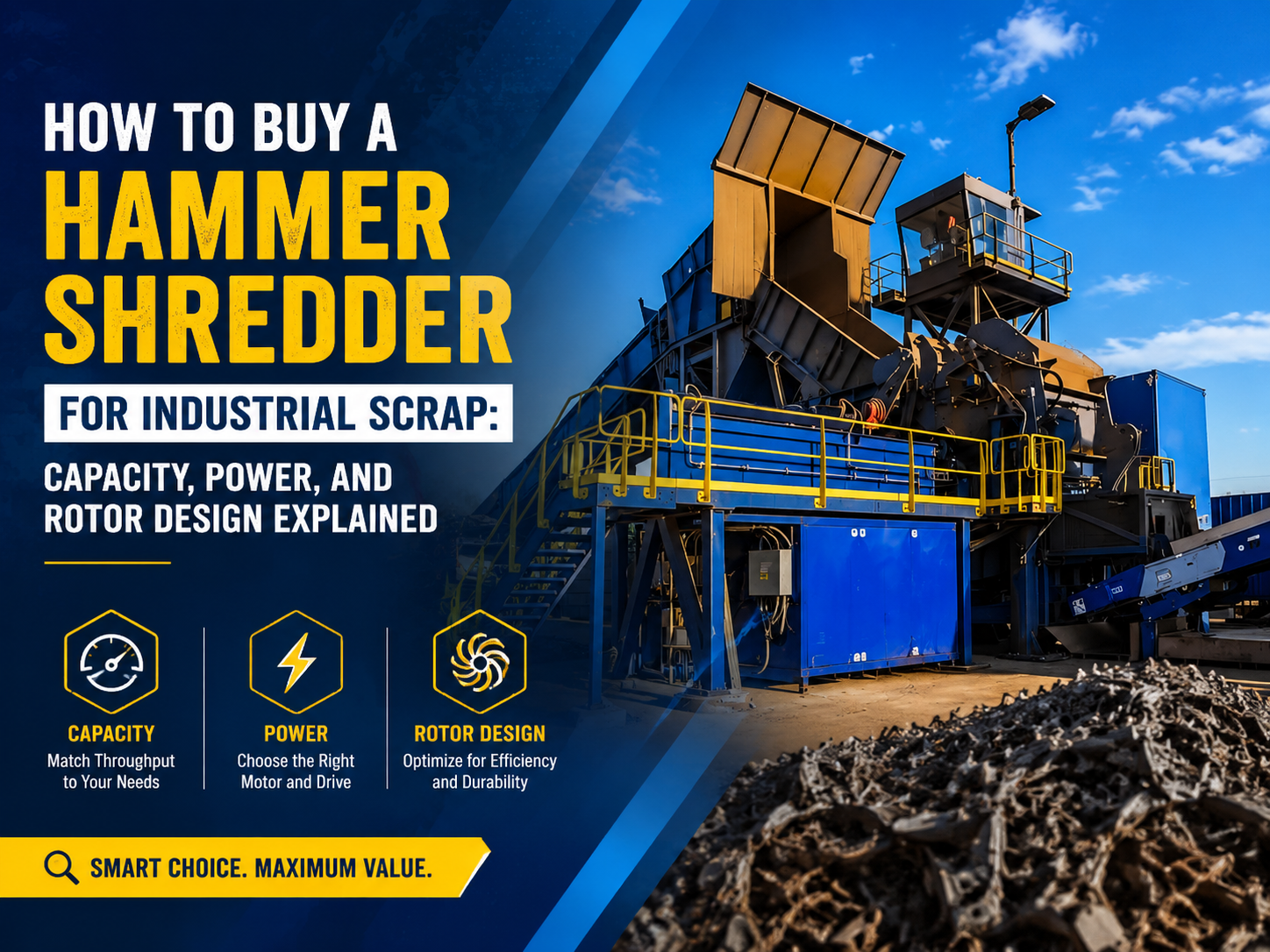
In the modern recycling landscape, the ability to efficiently process metal waste into high-quality, furnace-ready scrap is a significant competitive advantage. For industrial facilities, scrap yards, and metal fabrication plants, the decision to Buy A Hammer Shredder Industrial Scrap: Capacity, Power, Rotor Design Explained is one of the most critical capital investments they will make. A hammer shredder, also known as a hammer mill, is the workhorse of the recycling industry, utilizing high-speed kinetic energy to pulverize, tear, and densify various metal inputs.
HARSLE has long been at the forefront of providing robust metal fabrication and recycling solutions. Understanding the nuances of these machines is essential because a mismatch between the machine’s specifications and your operational needs can lead to excessive wear, frequent downtime, and poor return on investment. This guide provides a deep dive into the technical and financial aspects of purchasing a hammer shredder, ensuring you select a configuration that maximizes throughput while minimizing operational costs.
The primary goal of a hammer shredder is not just to break metal, but to liberate different materials (such as separating copper from aluminum or steel from plastic) and to increase the bulk density of the scrap. High-density scrap fetches a premium price at steel mills because it improves furnace efficiency and reduces melting time. Therefore, selecting the right capacity, power, and rotor design is not just a technical choice—it is a strategic business decision.
Price Range Overview: What to Expect
When you look to Buy A Hammer Shredder Industrial Scrap: Capacity, Power, Rotor Design Explained, the price spectrum is vast. Entry-level industrial units typically start around $30,000 to $50,000. These machines are generally designed for lighter materials like aluminum extrusions, electronic waste (e-waste), or thin-gauge sheet metal. They offer lower throughput, usually ranging from 500kg to 2 tons per hour, and are suitable for smaller recycling centers or specialized fabrication shops.
Mid-range shredders, which are the most common in the industry, fall between $80,000 and $250,000. These machines are built for more rigorous duty cycles and can handle heavier scrap like white goods (appliances), light structural steel, and automotive components. They feature more sophisticated control systems, better metallurgy in the wear parts, and higher motor power, typically delivering 5 to 15 tons of processed scrap per hour.
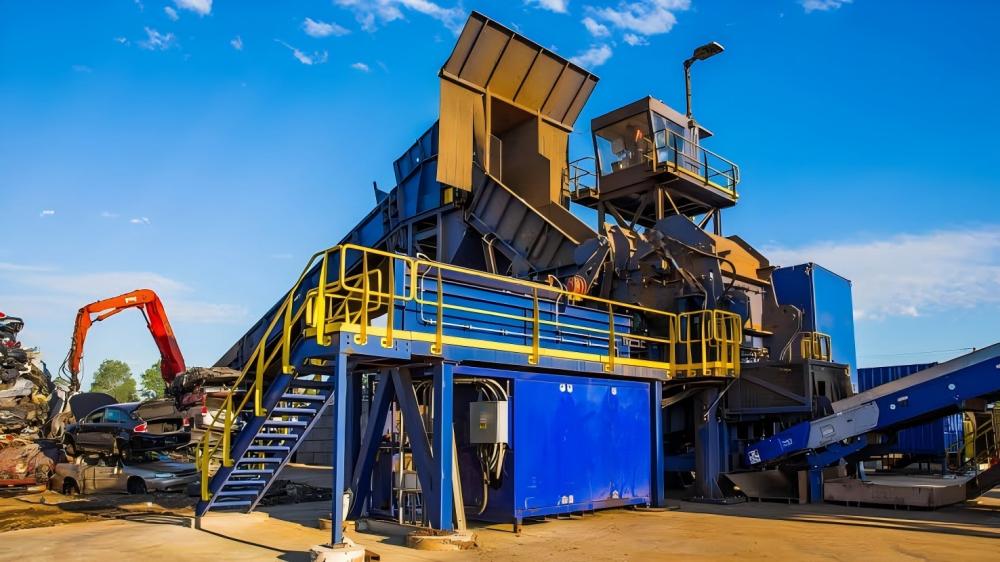
At the top end of the market, heavy-duty industrial shredders can exceed $500,000 to $1,000,000. These are massive installations designed for car crushing, heavy industrial demolition scrap, and continuous 24/7 operations. These systems often include integrated conveyor belts, magnetic separators, dust suppression systems, and advanced PLC monitoring. The price reflects the massive amount of high-grade steel used in the frame and the high-torque motors required to pulverize thick steel plates.
Main Cost Drivers in Hammer Shredder Selection
Several factors influence the final price tag of a hammer shredder. The most significant is the quality of the materials used in construction. A HARSLE shredder, for instance, utilizes high-manganese steel for the hammers and internal liners. Manganese steel has the unique property of work-hardening; the more it is struck by hard scrap, the harder its surface becomes. While this increases the initial cost, it significantly extends the interval between maintenance cycles.
Motor and drive systems are another major cost driver. High-efficiency motors (IE3 or IE4 ratings) and variable frequency drives (VFDs) add to the upfront cost but are essential for managing energy consumption. A VFD allows the operator to adjust the rotor speed based on the material being processed, which prevents motor stalls and reduces mechanical stress on the drivetrain. Additionally, the inclusion of hydraulic opening mechanisms for the top housing can add several thousand dollars to the price but saves hundreds of man-hours during hammer changes.
Automation and safety features also play a role. Modern shredders are equipped with sensors to detect un-shreddable objects (like heavy engine blocks or solid steel shafts). When such an object enters the chamber, the system can automatically trigger an emergency stop or open a reject gate. These “smart” features protect the machine from catastrophic failure, making them a wise investment despite the higher initial price.
Configuration Impact: Capacity, Power, and Rotor Design
Understanding Capacity Requirements
Capacity is often the first metric buyers look at, but it is frequently misunderstood. Capacity is not just about how many tons the machine can process per hour; it is about the *volume* and *type* of material. For example, a shredder might process 10 tons of heavy steel per hour but only 2 tons of loose, voluminous aluminum cans. When evaluating capacity, you must consider the feed opening size. If the opening is too small, you will spend extra time and money pre-cutting the scrap before it can even enter the shredder.
HARSLE recommends sizing your capacity for 20% more than your current peak requirement. This “headroom” ensures that the machine isn’t constantly running at 100% load, which drastically reduces the lifespan of the bearings and motor. Furthermore, consider the discharge grate size. Smaller holes in the grate result in a finer, denser product but significantly reduce the hourly throughput because the material stays in the chamber longer.
The Role of Power and Torque
Power, measured in kilowatts (kW) or horsepower (HP), determines the machine’s ability to overcome the resistance of the scrap. However, torque is the real hero in shredding. High torque at lower RPMs is often more effective for heavy scrap than high speed with low torque. When you Buy A Hammer Shredder Industrial Scrap: Capacity, Power, Rotor Design Explained, you must match the motor power to the thickness of your input material. A 75kW motor might be perfect for thin sheet metal, but you will need 200kW+ for processing heavy industrial castings or automotive scrap.
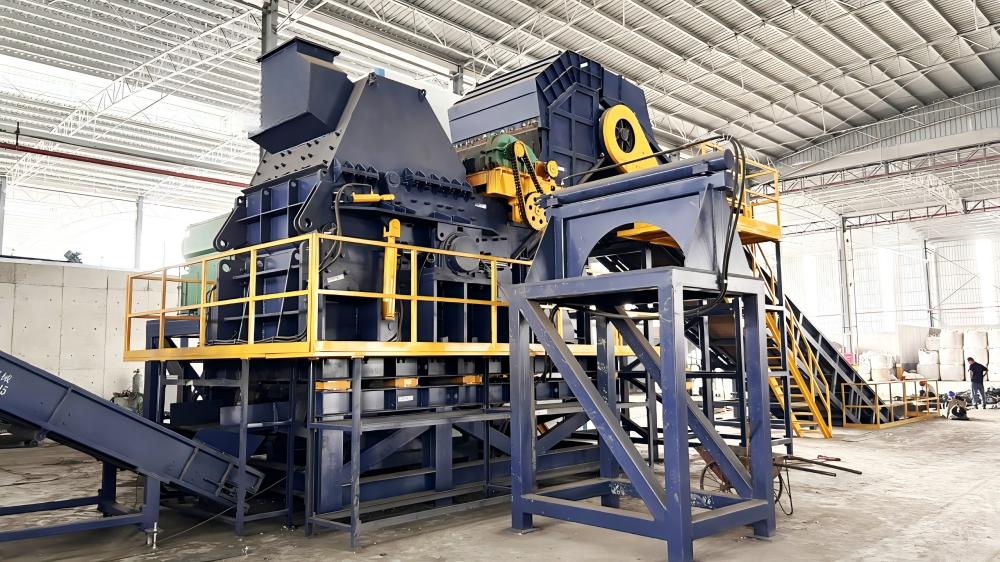
Rotor Design: The Heart of the Machine
The rotor design is perhaps the most technical aspect of the purchase. There are two primary types: the disc rotor and the spider rotor. Disc rotors are solid and provide massive rotational inertia, which is excellent for crushing and grinding. Spider rotors, which consist of a central shaft with arms (spiders) holding the hammer pins, are lighter and allow for better airflow and cooling, making them ideal for high-speed shredding of lighter metals.
The arrangement of the hammers on the rotor also matters. Staggered hammer patterns ensure that the entire width of the shredding chamber is covered, preventing “dead zones” where material can build up. The weight of the individual hammers is another variable; heavier hammers (30kg to 100kg each) are necessary for heavy steel to ensure the kinetic energy is sufficient to fracture the material upon impact.
Hidden Costs of Ownership
The purchase price is only the beginning. One of the most significant hidden costs is the consumption of wear parts. Hammers, liners, and grates are sacrificial components. Depending on the abrasiveness of your scrap, you may need to flip or replace hammers every few weeks. Buyers should always ask for the cost and availability of these parts before committing to a brand. HARSLE ensures that wear parts are standardized and easily accessible to minimize downtime.
Electricity is another ongoing expense. A large shredder running for 8 hours a day can consume thousands of dollars in power monthly. This is why investing in high-efficiency motors and VFDs is critical. Furthermore, don’t forget the cost of specialized foundations. Heavy shredders generate significant vibration; they require reinforced concrete pads and sometimes vibration-dampening mounts to prevent damage to the surrounding facility structure.
Finally, consider the cost of residual waste management. Shredding produces “fluff”—a mixture of plastics, rubber, foam, and glass that is separated from the metal. Disposing of this fluff in a landfill incurs tipping fees. Some advanced operations use secondary separation stages to recover even more value from this waste, but this requires additional equipment and investment.
ROI Calculation: Is the Investment Worth It?
To calculate the Return on Investment (ROI), you must look at the value added to the scrap. Unprocessed “light melt” scrap might sell for $200 per ton. Once shredded, densified, and cleaned of contaminants, that same material (now classified as Shredded Steel Scrap or HMS 1/2) could sell for $350 per ton. If your machine processes 5 tons per hour, you are adding $750 of value every hour.
Subtract your operating costs (labor, electricity, wear parts, and maintenance) from this value-added figure. If your total operating cost is $150 per hour, your net gain is $600 per hour. For a $200,000 machine, you would reach the break-even point in approximately 333 operating hours—less than three months of single-shift operation. This rapid ROI is why hammer shredders are considered essential equipment for growing recycling businesses.
Buying Advice for Industrial Professionals
When you are ready to Buy A Hammer Shredder Industrial Scrap: Capacity, Power, Rotor Design Explained, follow these steps to ensure success:
- Material Testing: Never buy a shredder without seeing it process your specific material. Send a sample of your scrap to the manufacturer for a test run. HARSLE provides detailed reports on throughput and output quality for client samples.
- Check the Bearings: The bearings are the most stressed component after the hammers. Ensure the machine uses premium brands (like SKF or NSK) and has an automatic lubrication system.
- Ease of Maintenance: Look for a design that allows easy access to the rotor. A hydraulic tilting housing is a must-have for any machine over 100kW.
- Vendor Support: Choose a manufacturer with a proven track record. Ask for references and talk to other yard owners about the machine’s long-term reliability and the manufacturer’s responsiveness to parts orders.
- Future-Proofing: If you expect your business to grow, choose a modular system that can be upgraded with larger motors or additional separation equipment (like eddy current separators for non-ferrous metals) later on.
Frequently Asked Questions (FAQ)
What is the difference between a twin-shaft shredder and a hammer shredder?
A twin-shaft shredder uses high torque and low speed to shear material, making it great for primary reduction and bulky items like tires or large plastics. A hammer shredder uses high speed and kinetic energy to pulverize and densify metal, producing a cleaner, more compact end product suitable for steel mills.
How often do the hammers need to be replaced?
This depends entirely on the material. For clean aluminum, hammers might last months. For sandy or rusty steel scrap, you might need to rotate the hammers every 40-80 hours of operation and replace them after 150-200 hours. Using high-manganese steel significantly extends these intervals.
Can a hammer shredder handle stainless steel?
Yes, but with caution. Stainless steel is much tougher and work-hardens rapidly. Processing large amounts of thick stainless steel will increase wear on the hammers and liners significantly compared to carbon steel. It requires a machine with higher motor power and heavier hammers.
What safety precautions are necessary?
Hammer shredders are high-energy machines. They must be enclosed in a safety zone to protect workers from flying debris (ejections). They also require robust dust extraction systems, as the shredding process can create metallic dust and potential fire hazards if volatile materials are present in the scrap.
Does HARSLE provide installation and training?
Yes, HARSLE offers comprehensive installation support and operator training. Proper training is vital for ensuring that operators know how to feed the machine correctly and recognize the early signs of wear or mechanical stress, which prevents costly breakdowns.