
Hammer Shredder Applications in HARSLE Metal Recycling Machinery Solutions: A Comprehensive Guide

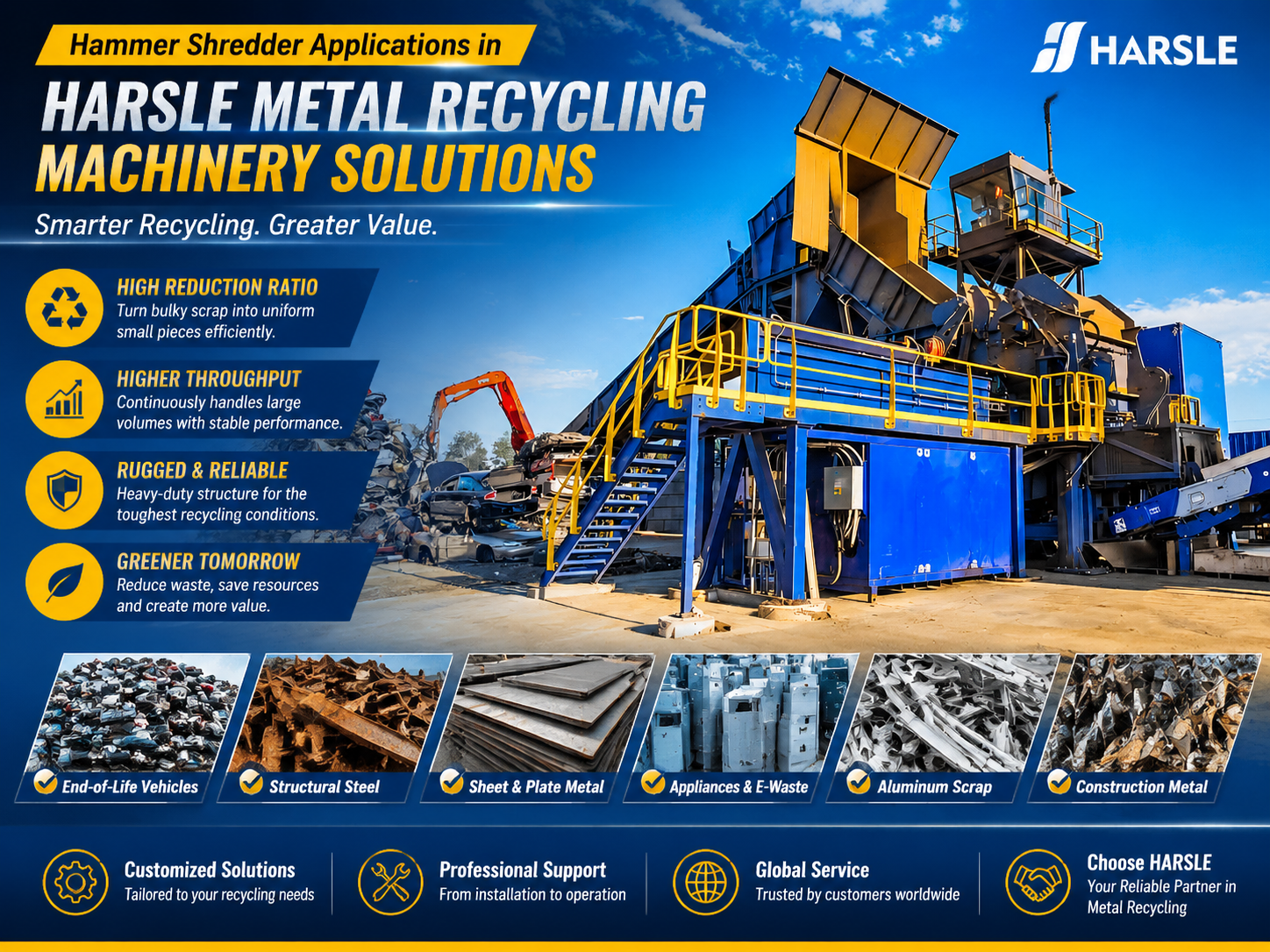
Introduction to Hammer Shredder Applications in HARSLE Metal Recycling Machinery Solutions
In the modern industrial landscape, the demand for efficient waste management and resource recovery has never been higher. As global industries pivot toward a circular economy, the role of advanced machinery in processing scrap metal becomes pivotal. HARSLE, a leader in the metal fabrication and recycling machinery sector, provides cutting-edge solutions designed to transform bulky, low-value scrap into high-density, high-purity raw materials. Central to these solutions is the hammer shredder, a robust machine engineered for high-impact reduction of various metal types.
The Hammer Shredder Applications In Harsle Metal Recycling Machinery Solutions encompass a wide range of industrial needs, from processing end-of-life vehicles (ELVs) to refining electronic waste. These machines operate on the principle of kinetic energy, where high-speed rotating hammers strike the material, breaking it down through impact, shearing, and attrition. This process not only reduces the size of the scrap but also cleans it by removing paint, rust, and other contaminants, making the final product highly desirable for steel mills and foundries.
Understanding the versatility of HARSLE’s hammer shredders is essential for any recycling facility looking to optimize its throughput and profitability. Whether you are dealing with light thin-wall scrap or heavy industrial offcuts, HARSLE’s engineering ensures that the machinery can handle the rigors of continuous operation. This guide explores the technical intricacies, application scenarios, and selection criteria for these powerful machines, providing a roadmap for businesses to enhance their recycling capabilities.
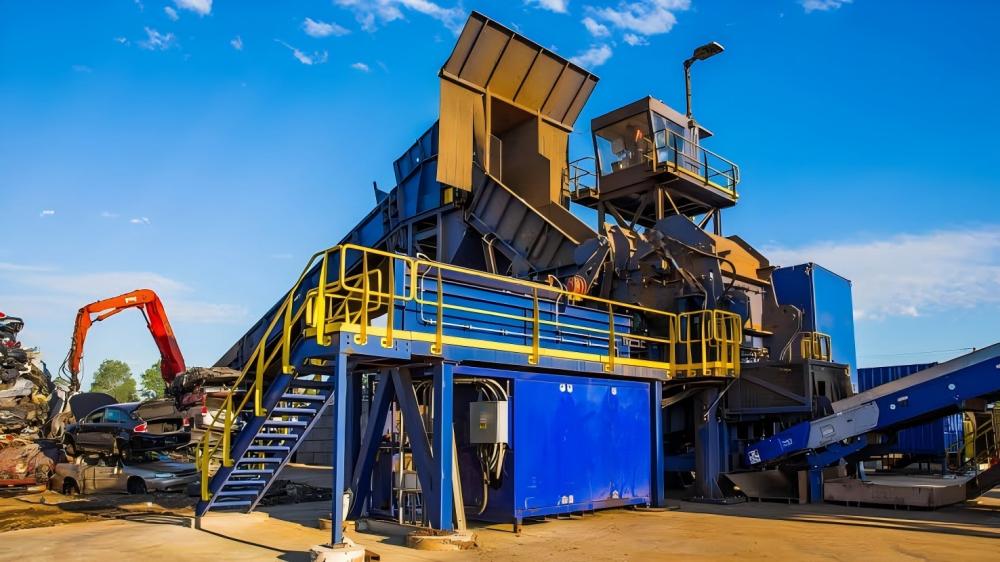
Key Considerations for Hammer Shredder Applications
When integrating a hammer shredder into a recycling line, several critical factors must be evaluated to ensure maximum efficiency and longevity. The first consideration is the nature of the input material. Not all scrap is created equal; the thickness, tensile strength, and composition of the metal significantly influence the wear rate of the hammers and the overall energy consumption of the machine. HARSLE designs its shredders with adjustable parameters to accommodate different material densities, ensuring that the machine is not over-stressed while maintaining high output.
Throughput requirements are another vital consideration. Industrial facilities must balance the initial capital investment with the expected volume of processed material. HARSLE offers a range of hammer shredders with varying motor powers and rotor sizes, allowing operators to select a model that matches their daily production targets. It is also important to consider the desired output size. By utilizing different screen configurations, HARSLE machinery can produce anything from coarse fragments to fine granules, depending on the downstream processing requirements.
Safety and environmental impact cannot be overlooked in modern recycling operations. Hammer shredders generate significant noise, dust, and vibration. HARSLE addresses these challenges by incorporating advanced damping systems, dust extraction ports, and sound-insulating enclosures. Furthermore, the integration of magnetic separators and air classification systems within the HARSLE recycling line ensures that the shredded metal is free from non-metallic impurities, thereby increasing the market value of the recycled product.
Finally, the total cost of ownership (TCO) is a major factor for decision-makers. This includes not just the purchase price, but also maintenance costs, energy efficiency, and the lifespan of wear parts. HARSLE’s hammer shredders are built with high-manganese steel components and feature easy-access maintenance hatches, which minimize downtime and reduce the frequency of part replacements. By focusing on durability and ease of service, HARSLE ensures that its recycling solutions remain cost-effective over the long term.
Technical Details of HARSLE Hammer Shredders
The technical superiority of HARSLE’s hammer shredders lies in their robust construction and precision engineering. At the heart of the machine is the rotor assembly, which consists of a heavy-duty shaft equipped with multiple free-swinging hammers. These hammers are typically cast from specialized alloys, such as manganese steel or chrome-molybdenum steel, to provide the necessary hardness and impact resistance. The rotor is balanced to high tolerances to prevent excessive vibration, which is crucial for protecting the bearings and the structural integrity of the machine frame.
Rotor and Hammer Design
HARSLE utilizes a staggered hammer arrangement on the rotor, which ensures that the material is struck from multiple angles, leading to more uniform fragmentation. The hammers are designed to be reversible; once one side is worn down, they can be flipped to extend their service life. This simple yet effective design choice significantly reduces the operational costs for the user. The rotor speed is controlled via a variable frequency drive (VFD), allowing operators to fine-tune the impact force based on the material being processed.
Screen and Grate Systems
Below the rotor, a series of heavy-duty grates or screens determine the final size of the shredded material. Material remains in the shredding chamber until it is small enough to pass through the openings in the grate. HARSLE offers customizable grate patterns, including circular, square, and slotted designs, to meet specific customer requirements. These grates are made from wear-resistant plates that can withstand the constant bombardment of metal fragments.
| Feature | Specification Detail | Benefit |
|---|---|---|
| Motor Power | 45kW to 450kW+ | Scalable for various scrap volumes |
| Hammer Material | High Manganese Steel (Mn13Cr2) | Extreme durability and impact resistance |
| Rotor Speed | Adjustable via VFD | Optimized energy use and output quality |
| Cooling System | Water-cooled bearings (Optional) | Prevents overheating during 24/7 operation |
The structural frame of a HARSLE hammer shredder is fabricated using thick-walled steel plates, reinforced with internal ribs to absorb the immense forces generated during the shredding process. The housing is often lined with replaceable wear plates, which protect the main structure from erosion. This modular approach to wear parts means that the core of the machine can last for decades, with only the liners and hammers requiring periodic replacement.
Diverse Applications in Metal Recycling
The versatility of Hammer Shredder Applications In Harsle Metal Recycling Machinery Solutions allows them to be used across various sectors of the recycling industry. One of the most common applications is the processing of light iron and steel scrap. This includes items like household appliances (white goods), bicycles, and metal furniture. The hammer shredder effectively breaks these items down into small, dense pieces while separating non-metallic components like plastics and rubber, which can then be sorted using downstream equipment.
In the automotive recycling sector, HARSLE hammer shredders are used to process pre-compacted car bodies and engine components. The high-impact force is capable of shattering cast iron engine blocks and shredding the steel shells of vehicles. This process is essential for recovering high-value metals like aluminum and copper from the automotive scrap stream. By densifying the scrap, the shredder also reduces transportation costs, as more material can be loaded into a single container or truck.
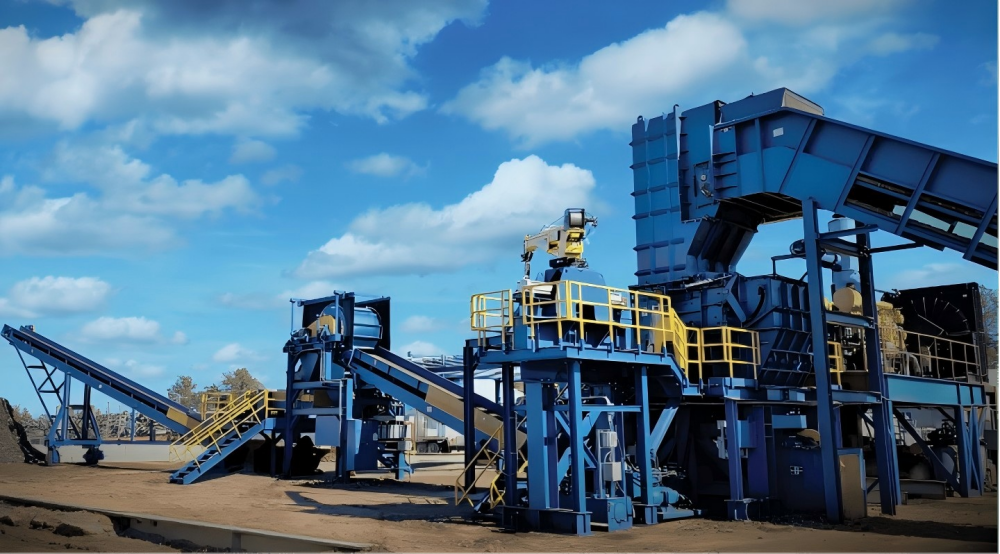
Aluminum recycling is another area where HARSLE machinery excels. Aluminum scrap, such as window frames, siding, and engine castings, often contains steel fasteners or plastic coatings. The hammer shredder breaks the bond between these materials, allowing for clean aluminum recovery. Because aluminum is softer than steel, the shredder can operate at higher speeds to achieve a “popcorn” like consistency, which is ideal for melting in secondary aluminum furnaces.
Electronic waste (E-waste) processing also benefits from hammer shredder technology. Circuit boards, computer housings, and hard drives contain a mix of precious metals, plastics, and glass. HARSLE’s shredders can be configured to provide a controlled liberation of these materials without over-grinding the precious metal components. This precision is vital for the subsequent chemical or mechanical recovery of gold, silver, and palladium from the E-waste stream.
Selection Advice for HARSLE Hammer Shredders
Choosing the right hammer shredder requires a deep understanding of your operational goals. The first step in the selection process is to define the primary material you will be processing. If your stream consists mostly of thin-gauge steel, a medium-duty shredder with high rotor speed may be sufficient. However, if you are processing heavy industrial scrap or engine blocks, a heavy-duty model with a high-inertia rotor and high-torque motor is necessary to prevent stalling and ensure consistent throughput.
Consider the integration of the shredder into your existing workflow. HARSLE provides complete recycling solutions, which means the hammer shredder can be paired with vibrating feeders, belt conveyors, magnetic drums, and eddy current separators. A well-designed system ensures a smooth flow of material, preventing bottlenecks and maximizing the efficiency of each component. When selecting a machine, always ask for a layout drawing to see how the equipment will fit within your facility’s footprint.
Maintenance accessibility should be a top priority. Look for models that feature hydraulic opening mechanisms for the top housing. This allows for quick inspection of the hammers and grates and simplifies the replacement process. HARSLE’s designs prioritize the safety of maintenance personnel, with mechanical locks and safety sensors that prevent the machine from starting while the housing is open. Additionally, ensure that the manufacturer provides a comprehensive spare parts package and technical support.
Finally, evaluate the control system. Modern HARSLE hammer shredders come equipped with PLC (Programmable Logic Controller) systems and touch-screen interfaces. These systems monitor motor load, bearing temperature, and vibration levels in real-time. An automated control system can adjust the feed rate to prevent overloads, protecting the motor and extending the life of the machine. Investing in advanced controls often pays for itself through reduced downtime and optimized energy consumption.
Maintenance and Longevity Tips
To get the most out of your HARSLE hammer shredder, a rigorous maintenance schedule is essential. The most critical task is the regular inspection of the hammers. As the leading edge of the hammer wears down, the shredding efficiency drops, and the energy consumption increases. Hammers should be rotated or replaced before they wear down to the point of affecting the rotor balance. Similarly, the wear plates inside the chamber should be checked for thinning or cracks.
Lubrication is the lifeblood of the rotor bearings. Given the high speeds and heavy loads, the bearings must be greased according to the manufacturer’s specifications. HARSLE often recommends automatic lubrication systems for high-capacity models to ensure a consistent supply of fresh grease. It is also important to monitor the temperature of the bearings during operation; a sudden rise in temperature can indicate a lack of lubrication or the onset of bearing failure.
Vibration monitoring is a proactive way to prevent catastrophic failures. While some vibration is normal in a hammer shredder, excessive shaking can indicate a lost hammer, a bent shaft, or an unbalanced rotor. HARSLE machines can be equipped with vibration sensors that trigger an alarm or an emergency stop if levels exceed safe limits. Regularly checking the tightness of all structural bolts and foundation anchors is also necessary to maintain the machine’s stability.
Frequently Asked Questions (FAQ)
What materials can a HARSLE hammer shredder process?
HARSLE hammer shredders are designed to process a wide variety of materials, including light iron scrap, aluminum profiles, copper scrap, electronic waste, end-of-life vehicle components, and municipal solid waste. They are particularly effective for materials that require both size reduction and the separation of bonded components.
How long do the hammers last?
The lifespan of the hammers depends heavily on the abrasiveness and hardness of the input material. For light steel scrap, hammers may last several hundred hours. For more abrasive materials, the lifespan may be shorter. HARSLE uses high-manganese steel to maximize this duration, and the reversible design effectively doubles the usable life of each hammer.
Can the output size be adjusted?
Yes, the output size is primarily determined by the size of the openings in the discharge grate or screen located at the bottom of the shredding chamber. HARSLE offers various grate sizes and patterns that can be easily swapped out to meet different production requirements.
Is the hammer shredder suitable for non-ferrous metals?
Absolutely. Hammer shredders are excellent for processing non-ferrous metals like aluminum and copper. The impact process helps to “clean” the metal by knocking off attachments and coatings, resulting in a high-purity product that is ready for smelting.
What kind of power supply is required?
HARSLE hammer shredders are industrial-grade machines and typically require a three-phase power supply. The specific voltage and amperage depend on the motor size, which can range from 45kW for smaller units to over 450kW for large-scale industrial recycling operations.
Does HARSLE provide installation and training?
Yes, HARSLE offers comprehensive support, including site preparation guidance, machine installation, and operator training. Ensuring that your staff understands how to operate and maintain the machinery safely and efficiently is a core part of HARSLE’s service commitment.
Conclusion
The Hammer Shredder Applications In Harsle Metal Recycling Machinery Solutions represent a cornerstone of modern industrial recycling. By combining high-impact force with precision engineering, HARSLE provides machines that are not only powerful but also efficient and durable. From the recovery of precious metals in E-waste to the densification of automotive scrap, these shredders play a vital role in turning waste into valuable resources.
Investing in a HARSLE hammer shredder means investing in the future of your recycling business. With a focus on low maintenance, high throughput, and superior output quality, HARSLE machinery helps operators stay competitive in a rapidly evolving market. By following the selection and maintenance advice outlined in this guide, businesses can ensure that their recycling lines operate at peak performance for years to come, contributing to a more sustainable and profitable industrial future.


