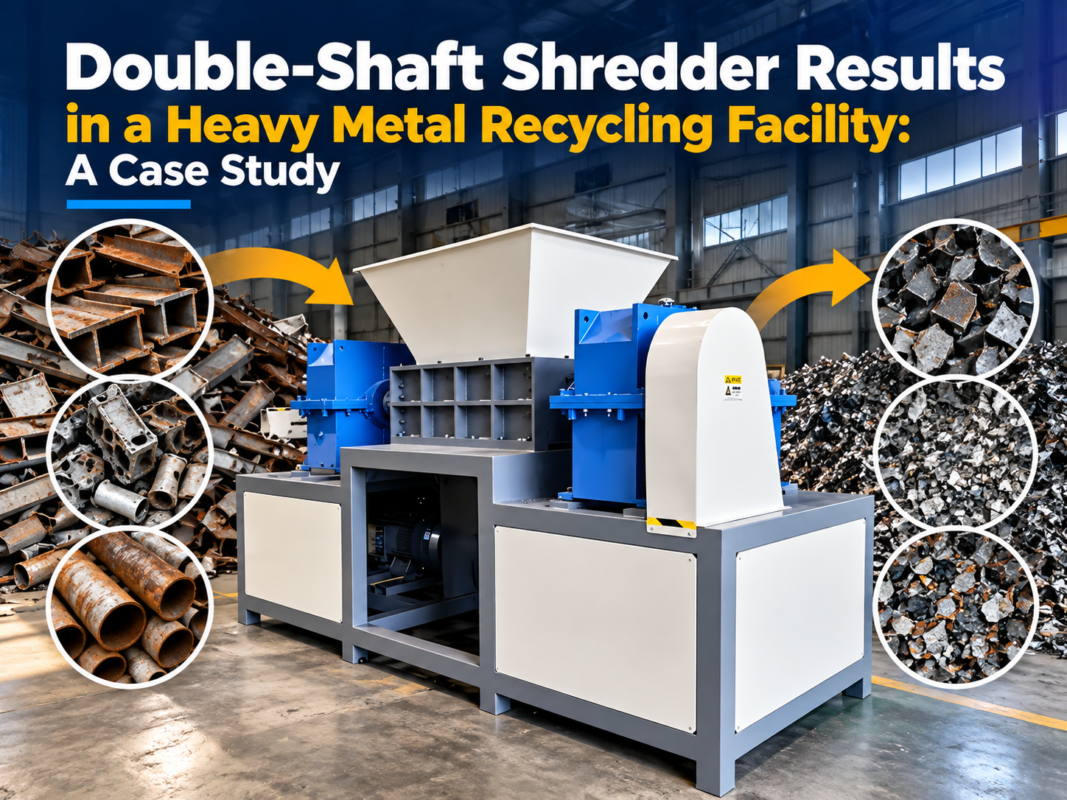
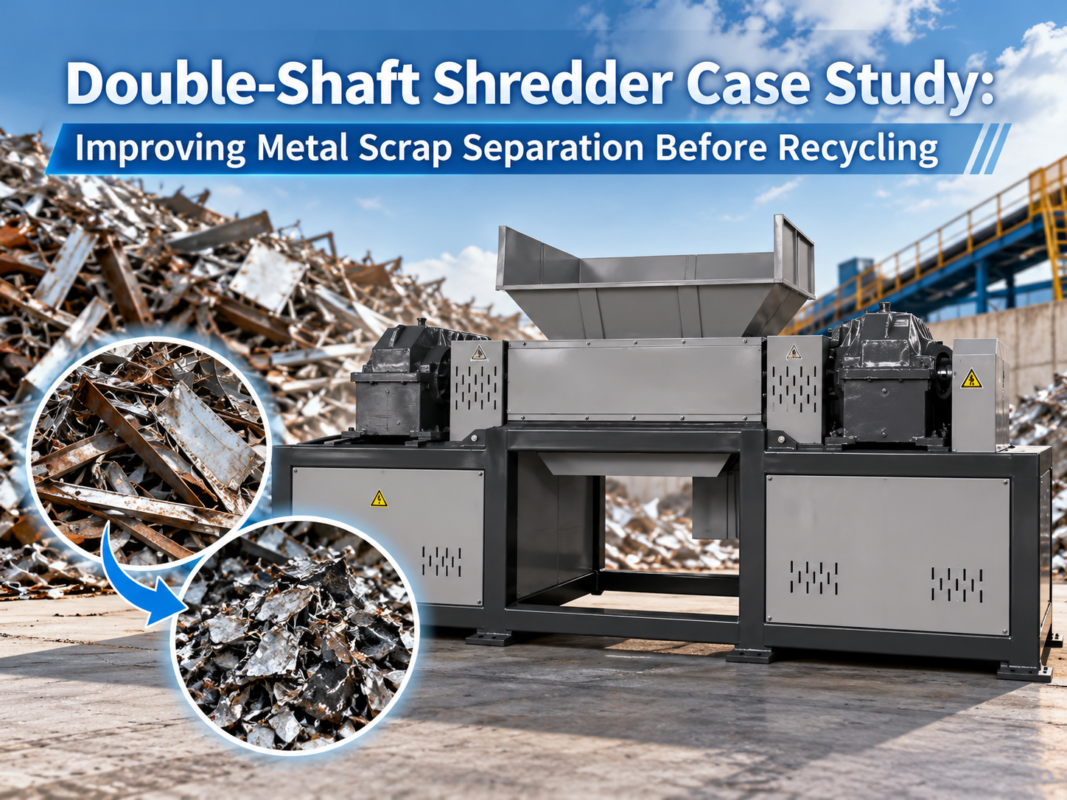
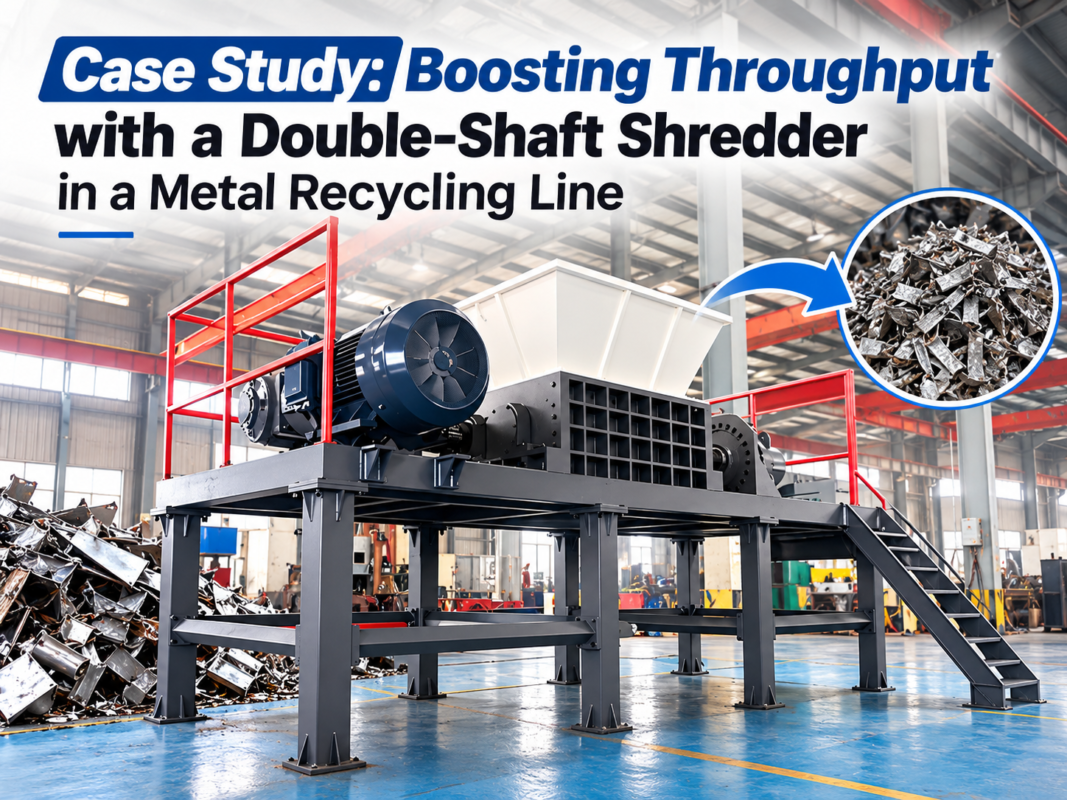
How Hammer Shredders Increase Throughput In Waste Metal Plants

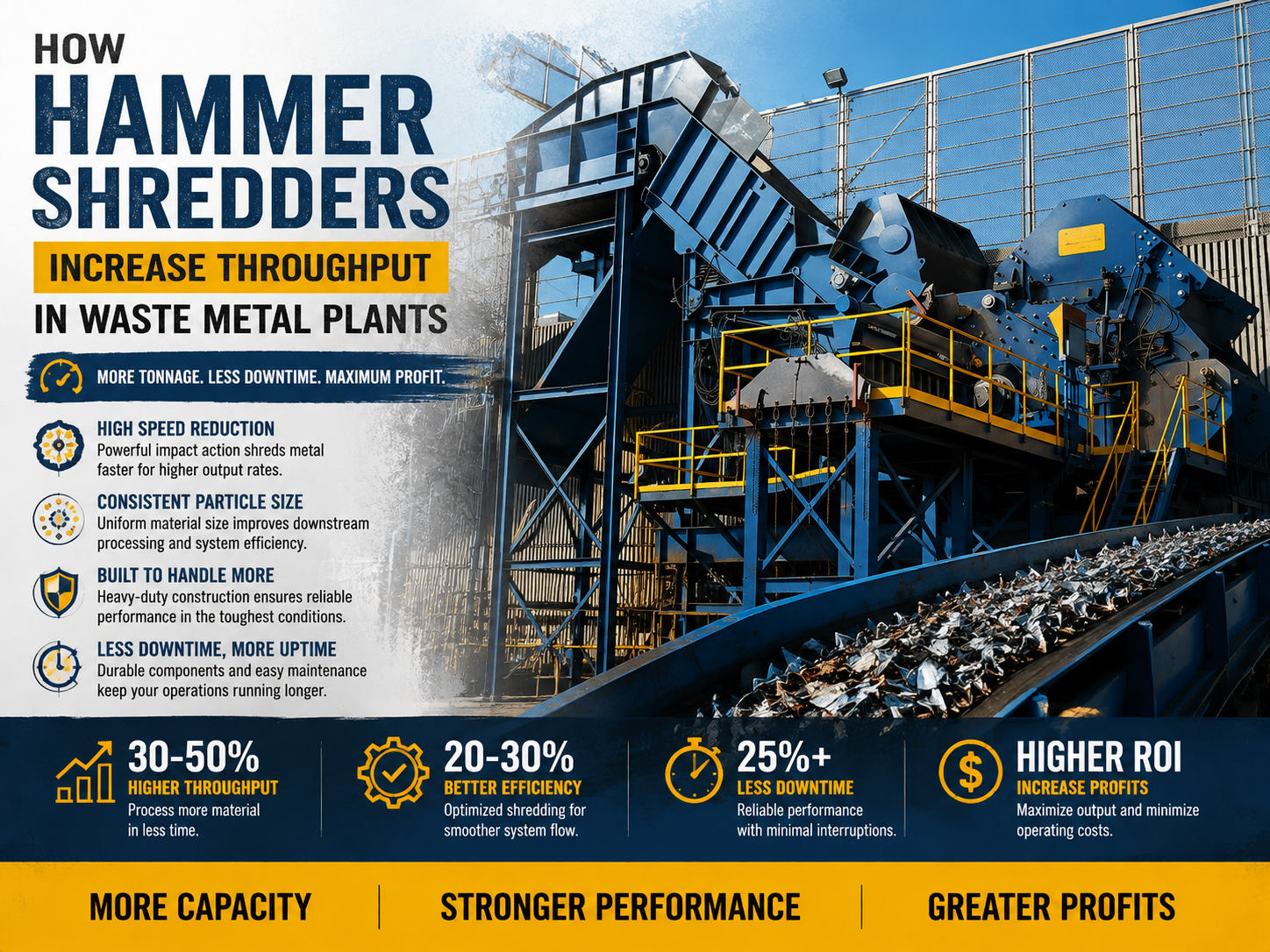
Introduction to High-Efficiency Metal Recycling
In the modern industrial landscape, the efficiency of a waste metal plant is measured by its ability to process vast quantities of scrap into high-quality, furnace-ready material in the shortest possible time. As global demand for recycled steel, aluminum, and copper continues to rise, plant operators are under increasing pressure to optimize their workflows. One of the most critical components in achieving this goal is the industrial hammer shredder. Understanding how hammer shredders increase throughput in waste metal plants is essential for any facility looking to scale its operations and improve its bottom line.
A hammer shredder operates on the principle of high-velocity impact. Unlike shear shredders that cut material, hammer shredders use massive, rotating hammers to pulverize scrap metal against internal liners and grate bars. This process does more than just break the metal apart; it densifies the material, removes impurities like paint and plastics, and creates a uniform particle size. This uniformity is the secret to increasing throughput, as it allows downstream sorting equipment to work at peak efficiency.
For companies like HARSLE, providing robust and technologically advanced hammer shredders is about more than just selling a machine; it is about providing a solution to the bottleneck of scrap processing. By integrating high-torque motors, precision-balanced rotors, and wear-resistant alloys, these machines transform bulky, irregular scrap into a streamlined product stream. In this guide, we will explore the technical nuances and operational strategies that allow these machines to redefine productivity in the recycling industry.
The transition from manual sorting or low-speed shearing to high-speed hammer shredding represents a significant leap in industrial capability. As we delve into the specifics, it becomes clear that throughput is not just about the speed of the rotor, but the synergy between mechanical force, material science, and intelligent system design. Whether you are processing end-of-life vehicles (ELVs), industrial offcuts, or household appliances, the hammer shredder stands as the powerhouse of the modern recycling yard.
Key Considerations for Maximizing Throughput
When evaluating how hammer shredders increase throughput in waste metal plants, several operational factors must be considered. The first is material density. Loose scrap metal is incredibly voluminous and difficult to transport or melt efficiently. A hammer shredder increases the bulk density of the scrap, often taking it from 200 kg/m³ to over 1,000 kg/m³. This density increase means that every hour of operation yields more tons of shippable product, directly impacting the plant’s total throughput.
Another consideration is the consistency of the feed rate. Throughput is often hindered by “slugging” or overloading the shredder chamber. Advanced hammer shredders utilize automated feeding systems—such as vibrating feeders or heavy-duty slat conveyors—that synchronize with the shredder’s motor load. If the motor experiences a spike in resistance, the feeder slows down, preventing jams and ensuring the machine maintains a continuous, high-speed output without downtime for clearing blockages.
The quality of the hammers themselves is a non-negotiable factor. Hammers made from high-manganese steel or specialized chrome alloys maintain their edge and mass longer. As hammers wear down, their ability to transfer kinetic energy decreases, which slows down the shredding process and reduces throughput. Implementing a rigorous maintenance schedule and using high-quality wear parts ensures that the machine operates at its rated capacity for longer intervals between service stops.
Finally, the design of the discharge grates plays a pivotal role. The size of the openings in the grate determines how long the metal stays in the shredding chamber. While smaller holes produce a finer, higher-value product, they can restrict throughput if they are too small for the incoming material stream. Finding the “sweet spot” between product size and flow rate is key to optimizing the performance of the entire recycling line. Many modern plants use interchangeable grates to adapt to different scrap types throughout the day.
Technical Details: The Engineering of Impact
The physics behind a hammer shredder is centered on kinetic energy. The formula $E = 1/2 mv^2$ dictates that the velocity of the hammer is just as important as its mass. In a HARSLE hammer shredder, the rotor spins at high RPMs, allowing the hammers to strike the scrap with enough force to shatter even heavy-duty structural steel. This high-energy impact causes the metal to fold and curl into “nuggets,” a process known as balling. These nuggets are highly sought after by steel mills because they melt more efficiently and have fewer surface contaminants.
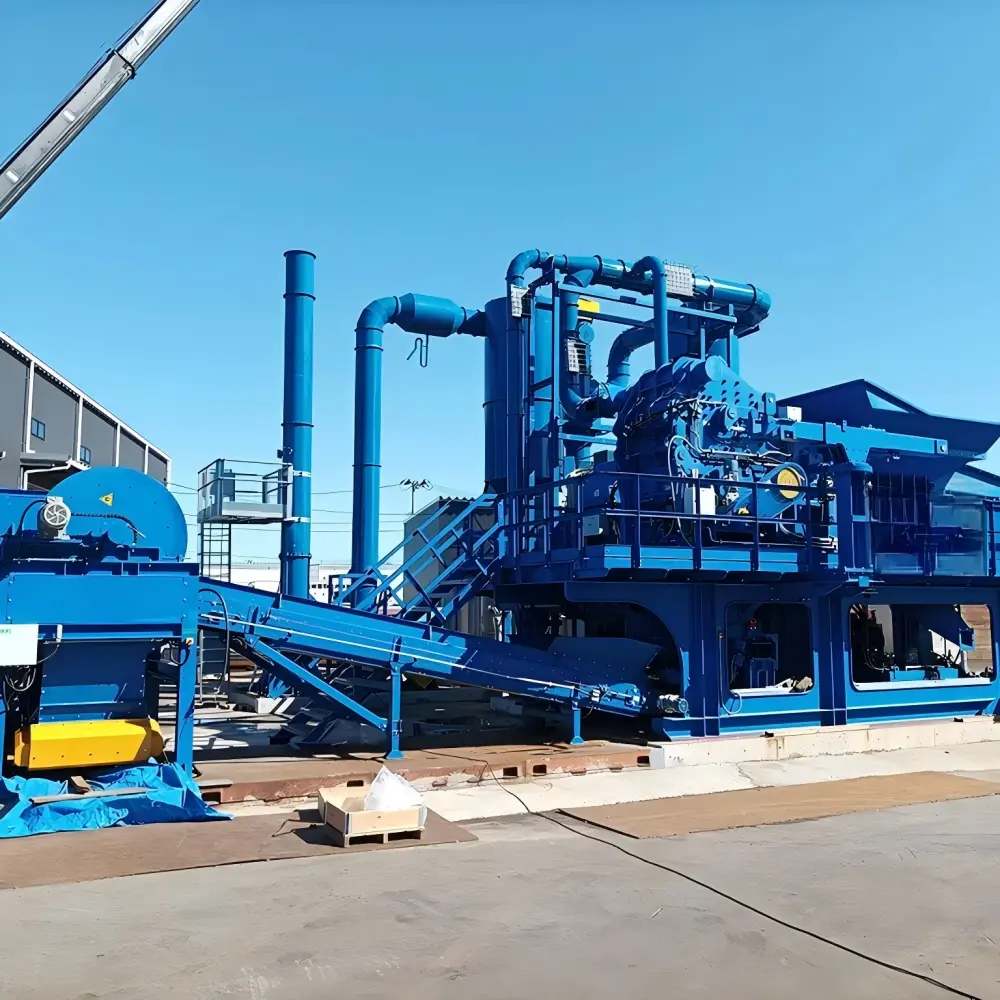
The internal geometry of the shredding chamber is engineered to facilitate a “multi-hit” environment. As scrap enters, it is struck by the primary hammers and thrown against the anvil and breaker plates. It then bounces back into the path of the hammers. This cycle repeats milliseconds apart until the material is small enough to pass through the grates. This rapid-fire processing is exactly how hammer shredders increase throughput in waste metal plants compared to slower, hydraulic-based shearing methods.
Cooling and lubrication systems are also vital technical components. High-speed shredding generates immense heat due to friction and metal deformation. Advanced shredders incorporate water injection systems that not only cool the hammers and liners but also help in dust suppression. By maintaining optimal operating temperatures, the metal remains brittle enough to shatter effectively, and the mechanical components are protected from thermal expansion that could lead to premature failure.
Furthermore, the integration of sophisticated control systems (PLCs) allows for real-time monitoring of the shredder’s health. Sensors track vibration, bearing temperature, and motor amperage. By analyzing this data, operators can push the machine to its safe limits, ensuring maximum throughput without risking catastrophic mechanical failure. This data-driven approach to metal fabrication and recycling is what separates modern high-output facilities from traditional scrap yards.
Selection Advice: Choosing the Right Shredder for Your Plant
Selecting the appropriate machinery is the first step in ensuring that hammer shredders increase throughput in waste metal plants. The first criteria should always be the volume and type of scrap you intend to process. For light scrap like aluminum siding or thin sheet metal, a medium-duty shredder with higher RPMs might be more efficient. However, for heavy scrap like engine blocks or HMS 1/2, a heavy-duty shredder with massive hammers and a high-torque motor is required to maintain throughput.
Consider the motor specifications carefully. Throughput is directly correlated with horsepower. A common mistake is under-powering a shredder to save on initial capital expenditure, only to find that the machine bogs down under heavy loads, leading to a lower overall tons-per-hour (TPH) rate. It is often more cost-effective in the long run to invest in a larger motor and a robust drive system that can handle surges in material volume without losing speed.
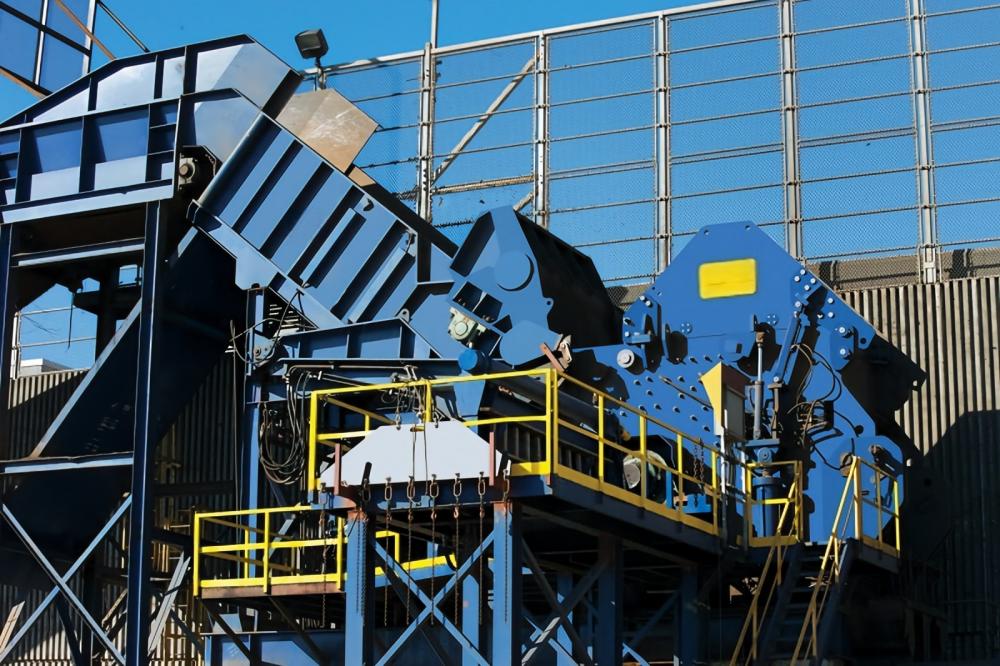
Maintenance accessibility is another critical selection factor. A machine that is difficult to service will have more downtime, which kills throughput. Look for shredders with hydraulic housing openings that allow easy access to the rotor and hammers. The ability to flip or change hammers in a single shift rather than over several days can significantly increase the annual throughput of a plant. HARSLE designs emphasize this “ease of service” to ensure that the machine spends more time shredding and less time in the workshop.
Finally, evaluate the downstream compatibility. A high-throughput hammer shredder is useless if your magnetic separators, eddy current separators, and conveyors cannot keep up with the output. When selecting a shredder, view it as part of a holistic system. Ensure that the discharge capacity of the shredder matches the processing capacity of your sorting line to avoid creating a new bottleneck further down the stream.
| Feature | Impact on Throughput | Recommended Specification |
|---|---|---|
| Rotor Speed | Higher speeds increase impact frequency. | 400 – 600 RPM (depending on diameter) |
| Hammer Weight | Heavier hammers handle thicker scrap. | 50kg – 150kg per hammer |
| Motor Power | Prevents stalling during peak loads. | 200kW – 2000kW+ |
| Grate Size | Controls residence time in the chamber. | Adjustable/Interchangeable |
Frequently Asked Questions (FAQ)
How often should hammers be replaced to maintain throughput?
Hammer lifespan varies greatly depending on the abrasiveness of the scrap. On average, hammers should be inspected daily. Many operators “flip” the hammers after a certain number of tons to utilize the other striking face. Total replacement usually occurs every 200 to 500 hours of operation. Using worn hammers significantly reduces throughput because they lose the “bite” required to process metal quickly.
Can hammer shredders handle non-ferrous metals?
Yes, hammer shredders are excellent for non-ferrous metals like aluminum and copper. In fact, they are often used specifically to liberate non-ferrous metals from complex scrap (like shredding an electric motor to separate the copper windings from the steel casing). This liberation is a key way hammer shredders increase throughput in waste metal plants by making the subsequent sorting process much faster and more accurate.
What is the typical ROI for a high-capacity hammer shredder?
While the initial investment is significant, the ROI is usually realized within 18 to 36 months. This is achieved through increased tons-per-hour processed, higher purity of the final product (which fetches a higher market price), and reduced labor costs compared to manual sorting or less efficient shearing methods.
How does water injection help in the shredding process?
Water injection serves three main purposes: it cools the wear parts to extend their life, it suppresses dust to meet environmental regulations, and it helps to “clean” the metal by loosening dirt and oxidation. By keeping the internal environment stable, the machine can run at higher speeds for longer periods, directly contributing to increased throughput.
What is the difference between a hammer mill and a hammer shredder?
In the context of metal recycling, the terms are often used interchangeably. However, a “shredder” usually refers to a larger machine designed for heavy scrap like cars, while a “mill” might refer to a smaller unit used for electronic waste or aluminum cans. Both utilize the same impact principle to increase throughput and material density.
Conclusion: The Future of Metal Processing
In conclusion, the question of how hammer shredders increase throughput in waste metal plants finds its answer in the combination of raw power and refined engineering. By transforming irregular, low-density scrap into uniform, high-density nuggets, these machines enable recycling plants to process more material with greater precision. The increase in throughput is not merely a result of faster rotation, but a consequence of better material preparation, reduced downtime through smart maintenance, and the ability to handle diverse scrap streams with a single piece of equipment.
As the circular economy continues to evolve, the role of the hammer shredder will only become more prominent. Facilities that invest in high-quality machinery, such as those offered by HARSLE, position themselves at the forefront of the industry. By focusing on the technical details—from rotor balance to alloy composition—and following strategic selection advice, plant operators can ensure their facility remains competitive, profitable, and capable of meeting the world’s growing hunger for recycled metal. The hammer shredder is, and will remain, the heartbeat of high-throughput metal recycling.