What Materials Can A Hammer Shredder Process In Metal Recycling? | HARSLE Industrial Guide

Introduction to Hammer Shredders in the Circular Economy
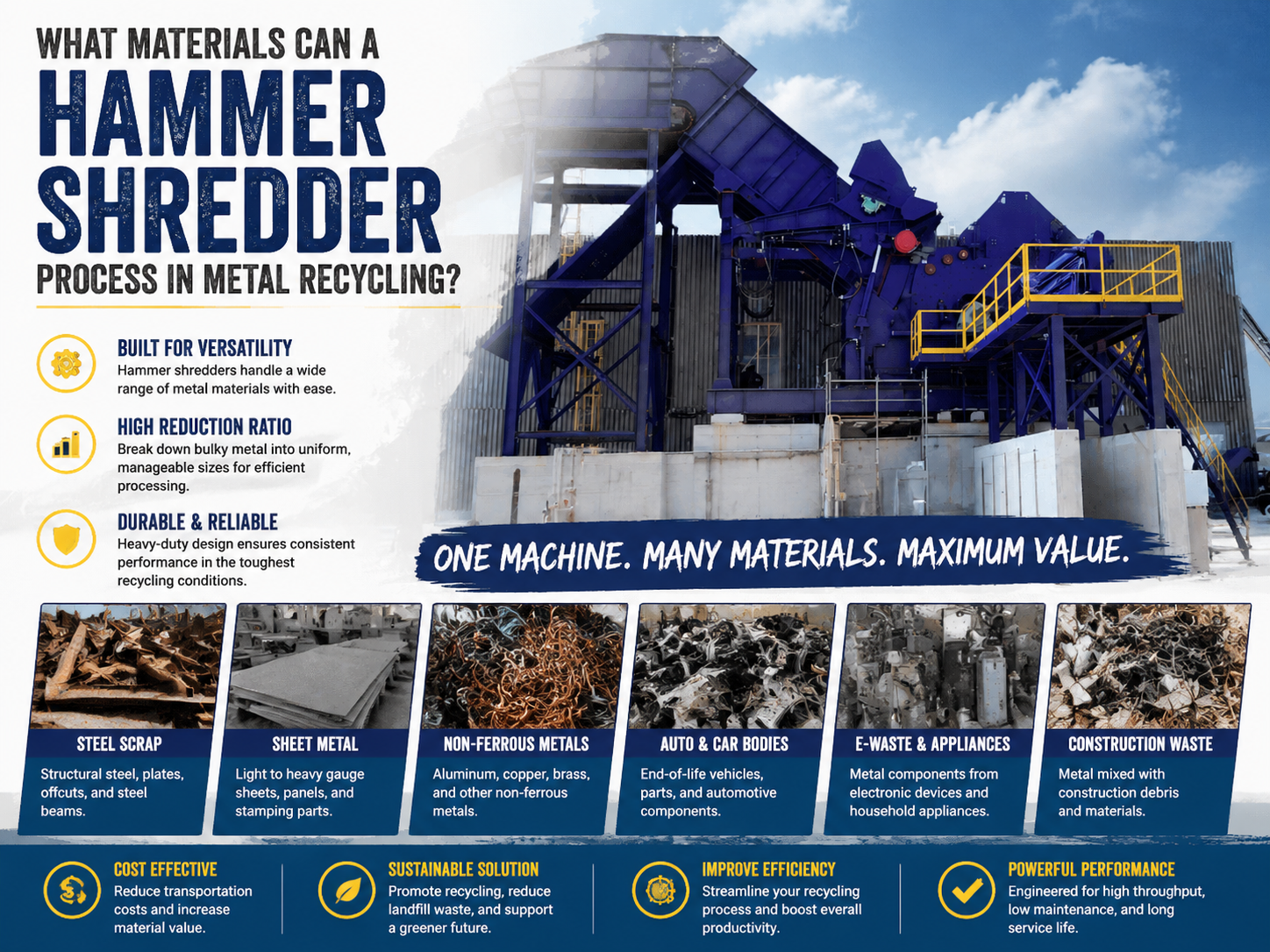
In the modern industrial landscape, the efficiency of metal recycling is not just a matter of profitability but a cornerstone of environmental sustainability. As global demand for raw materials surges, the ability to recover high-quality secondary metals from scrap becomes paramount. At the heart of this recovery process lies the hammer shredder, a robust piece of metal fabrication machinery designed to reduce bulky scrap into manageable, high-density fragments. Understanding exactly what materials can a hammer shredder process in metal recycling is essential for facility managers and recycling entrepreneurs looking to optimize their operations with HARSLE equipment.
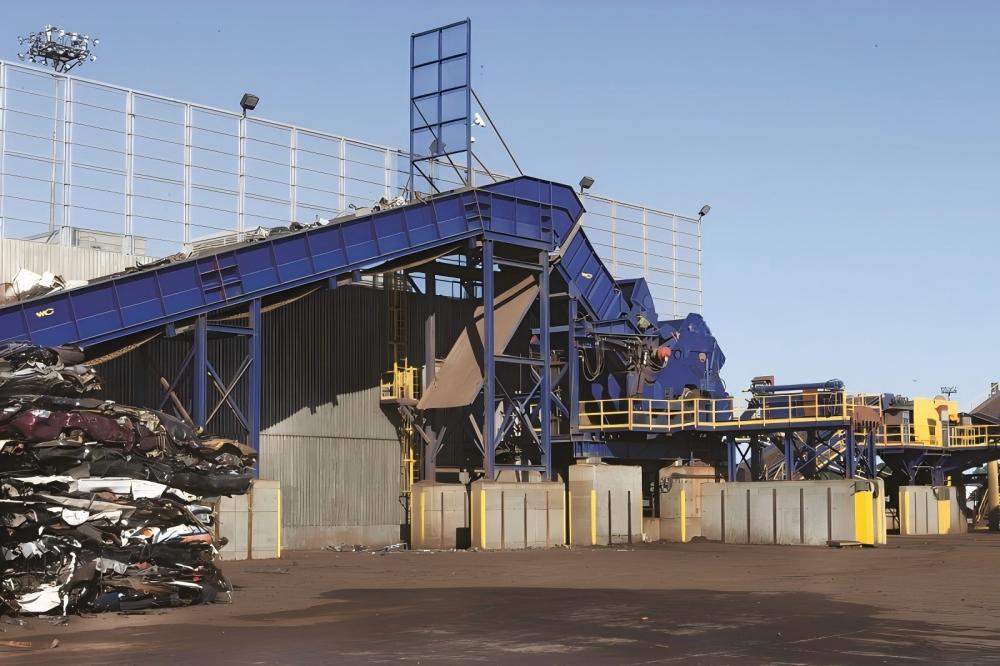
A hammer shredder operates on the principle of high-velocity impact. Unlike shear shredders that cut material, hammer shredders utilize heavy, rotating hammers to strike the material, shattering it against internal liners and grates. This process not only reduces the size of the scrap but also cleans it by knocking off paint, rust, and non-metallic attachments. HARSLE has engineered its shredder line to handle a diverse array of feedstocks, ensuring that users can transition between different scrap streams with minimal downtime. Whether you are dealing with end-of-life vehicles or industrial offcuts, the versatility of the hammer shredder makes it an indispensable asset.
The primary goal of using a hammer shredder in metal recycling is to create a “prolerized” or “fragged” product. This output is characterized by its high purity and high bulk density, which are the two most critical factors for steel mills and smelters. By processing materials through a HARSLE hammer shredder, recyclers can command higher prices for their output while reducing transportation costs. In the following sections, we will delve deep into the specific categories of materials that these machines can handle, the technical nuances of their operation, and how to select the right configuration for your specific recycling needs.
Key Considerations for Material Processing
Before feeding any material into a hammer shredder, several key considerations must be evaluated to ensure machine longevity and output quality. The first is material hardness and tensile strength. While hammer shredders are incredibly powerful, attempting to process ultra-hard alloys or thick structural steel beams without pre-shredding can lead to excessive wear on the hammers and potential rotor damage. HARSLE machines are designed with high-manganese steel components to withstand significant impact, but understanding the limits of your specific model is crucial.
Density and feed size also play a major role. A hammer shredder performs best when the feed material is consistent in size. Oversized items may bounce around the shredding chamber for too long, consuming excessive energy and reducing throughput. Conversely, very light, thin materials might pass through too quickly without being properly densified. Proper material preparation, such as using a hydraulic shear to pre-cut long pieces, can significantly enhance the efficiency of the hammer shredder. Furthermore, the moisture content and the presence of volatile substances (like residual fuel in tanks) must be strictly monitored to prevent explosions or fires within the chamber.
Another critical factor is the desired end-product specification. Different materials require different grate sizes. For instance, if you are processing aluminum cans for a smelter that requires a specific fragment size for optimal melting, the grate openings must be calibrated accordingly. HARSLE provides customizable grate options to ensure that the materials can a hammer shredder process in metal recycling are tailored to the buyer’s requirements. Finally, the presence of non-metallic contaminants, such as plastics, rubber, and glass, must be considered, as these will need to be separated downstream using magnetic or eddy current separators.
Detailed Breakdown of Processable Materials
Ferrous Metals: The Backbone of Shredding Operations
Ferrous metals, primarily iron and steel, constitute the largest volume of material processed by hammer shredders. Light to medium-duty steel scrap, often referred to as “No. 2 heavy melting steel” or “frag scrap,” is the ideal feedstock. This includes household appliances (white goods) like washing machines, refrigerators (with compressors removed), and dryers. The hammer shredder excels at breaking these items down, separating the steel shell from the internal insulation and plastic components.
Industrial scrap, such as steel drums, light structural shapes, and sheet metal offcuts from automotive stamping plants, are also prime candidates. When these materials are processed, the high-speed impact of the HARSLE hammers curls the steel into small, dense “nuggets.” This densification is vital because it allows for more efficient charging of electric arc furnaces (EAF). Additionally, the shredding process effectively removes surface coatings like zinc (galvanization) or paint, which improves the metallurgical quality of the recycled steel.
Non-Ferrous Metals: High-Value Recovery
While ferrous metals provide volume, non-ferrous metals like aluminum, copper, and brass provide the profit margins. Hammer shredders are exceptionally efficient at processing Used Beverage Cans (UBC). The shredder not only reduces the size but also helps in the de-lacquering process by exposing more surface area. Aluminum extrusions, window frames (with thermal breaks), and cast aluminum parts from engine blocks are also commonly processed. For cast aluminum, the hammer shredder’s ability to shatter brittle materials is particularly advantageous.
Copper and brass scrap, such as plumbing fixtures, tubing, and even large electrical busbars, can be processed. However, for fine copper wire, a hammer shredder is often used as a primary or secondary stage before a granulator. The shredder breaks down the bulk bundles, making it easier for downstream equipment to strip the insulation. HARSLE’s precision-balanced rotors ensure that even when processing these denser non-ferrous materials, the machine maintains stability and high throughput.
Electronic Waste (WEEE) and Complex Scrap
The rise of electronic waste (WEEE) has opened a new frontier for hammer shredder applications. Materials such as computer towers, server racks, and large printed circuit board (PCB) assemblies can be processed to liberate precious metals. The hammer shredder breaks the plastic housings and metal frames, allowing magnetic separators to pull out the ferrous content and eddy current separators to recover the copper and gold-bearing components. This mechanical liberation is a critical first step in the complex hydrometallurgical or pyrometallurgical refining processes.
Automotive scrap beyond the chassis is another area of focus. This includes “Zorba” (a mix of non-ferrous metals, primarily aluminum) and “Zurik” (stainless steel and other metals). Hammer shredders are used to refine these mixes, ensuring that the final output is clean and ready for specialized separation. The ability to handle mixed-material streams is what sets HARSLE hammer shredders apart in the competitive recycling market.
Technical Details of Hammer Shredder Operation
The physics behind a HARSLE hammer shredder is centered on kinetic energy. The formula $E = 1/2 mv^2$ dictates that the mass of the hammer and the velocity of the rotor are the primary drivers of shredding power. HARSLE rotors are constructed from high-strength alloy steel, dynamically balanced to prevent vibration. The hammers themselves are typically cast from manganese steel, which has the unique property of “work-hardening”—the more it is struck by hard scrap, the harder its surface becomes.
The internal chamber is lined with replaceable wear plates. These liners protect the main housing from the constant bombardment of metal fragments. Below the rotor, a series of grates or screens determine the final particle size. Material remains in the chamber until it is small enough to pass through these grates. This “closed-circuit” approach ensures 100% size compliance. Furthermore, HARSLE machines often feature a hydraulic “reject door” or “ejector gate.” If an unshreddable object, such as a solid steel shaft, enters the chamber, the sensors detect the impact surge and automatically open the gate to eject the object before it can cause catastrophic damage.
| Feature | Technical Specification | Benefit for Metal Recycling |
|---|---|---|
| Rotor Speed | 400 – 1000 RPM | High-impact energy for rapid material liberation. |
| Hammer Material | Manganese Steel (Mn13Cr2) | Self-hardening properties for extended wear life. |
| Grate Opening | Customizable (e.g., 50mm – 150mm) | Controls final product density and size. |
| Drive System | High-Torque Electric Motor | Consistent power delivery under heavy loads. |
Selection Advice for HARSLE Shredders
Choosing the right hammer shredder involves more than just looking at the motor horsepower. You must match the machine to your most common feedstock. If your primary business is processing aluminum cans and light copper, a medium-duty HARSLE shredder with higher RPM might be more efficient. However, if you are processing heavy industrial scrap or ELV (End-of-Life Vehicle) components, you need a heavy-duty model with high-mass hammers and a reinforced chassis.
Consider the total system integration. A hammer shredder is rarely a standalone machine. It requires a feeding conveyor, a discharge conveyor, and most importantly, a separation system. HARSLE offers integrated solutions that include magnetic drums for ferrous recovery and air classification systems to remove “fluff” (lightweight non-metals like foam and fabric). When evaluating materials can a hammer shredder process in metal recycling, always look at the downstream recovery rates. A shredder that produces a very clean fraction will pay for itself much faster than a cheaper model that leaves contaminants attached to the metal.
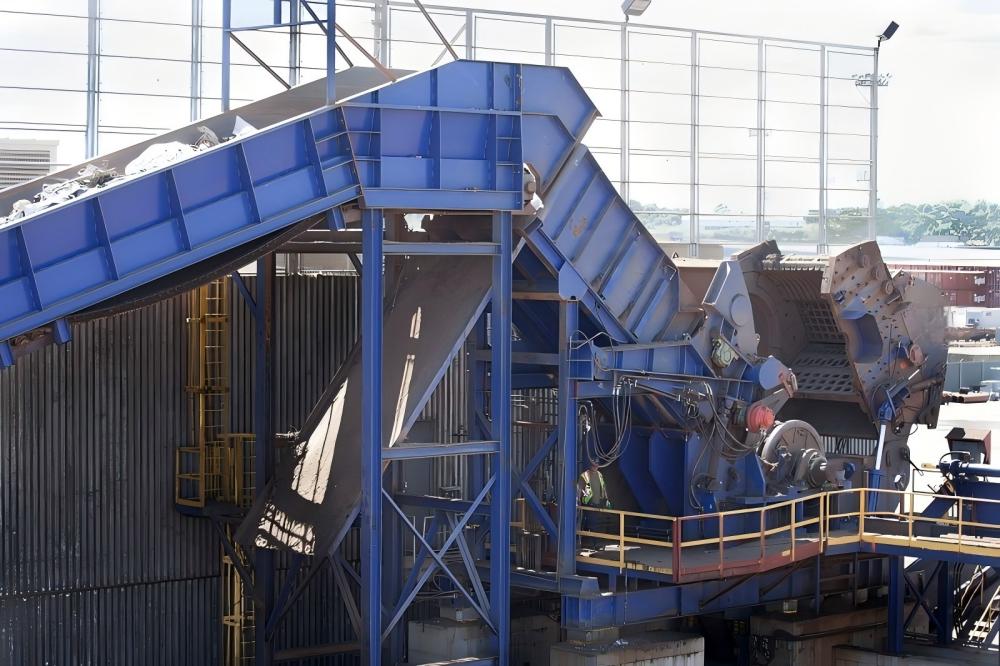
Maintenance accessibility is another critical selection criterion. Hammer shredders are high-wear machines by nature. HARSLE designs its equipment with hydraulic housing openings, allowing for quick access to the rotor and hammers. This reduces the time required for hammer rotation or replacement, which is a frequent task in high-volume yards. Ensure that your chosen model has a robust lubrication system for the main bearings, as these are under immense stress during operation. HARSLE’s automated lubrication options ensure that the machine stays healthy even during double-shift operations.
Frequently Asked Questions (FAQ)
Can a hammer shredder process stainless steel?
Yes, but with caveats. Stainless steel is significantly tougher and more abrasive than carbon steel. While a HARSLE hammer shredder can process stainless scrap, it will increase the wear rate on the hammers and liners. It is often recommended to mix stainless with softer ferrous scrap or to use specialized hammers designed for high-abrasion environments.
What is the maximum thickness of metal a hammer shredder can handle?
This depends on the model’s size and motor power. Generally, for a standard industrial hammer shredder, the maximum thickness for sheet metal is around 6-10mm. For solid bars or structural beams, pre-shredding or shearing is required. Feeding “unshreddables” that are too thick can stall the motor or break the hammer pins.
How often do the hammers need to be replaced?
Hammer life is measured in tons processed. Depending on the abrasiveness of the material (e.g., sandy engine blocks vs. clean aluminum sheet), hammers may need to be rotated every 40-80 hours of operation and replaced after both sides are worn. HARSLE’s use of premium manganese alloys helps maximize these intervals.
Does the shredder remove paint and oil?
The mechanical impact of the hammers is very effective at knocking off brittle coatings like paint and rust. However, it does not “remove” oil in a chemical sense; it merely liberates the metal from oily components. For highly contaminated scrap, a post-shredding wash or thermal treatment may be necessary for total purification.
Is a hammer shredder noisy?
Yes, the process of metal striking metal at high speeds is inherently noisy. HARSLE recommends installing shredders in sound-dampened enclosures or at a significant distance from residential areas. Modern HARSLE designs also include vibration-dampening mounts to reduce ground-borne noise.
Conclusion: Maximizing ROI with HARSLE Technology
Understanding what materials can a hammer shredder process in metal recycling is the first step toward building a successful recycling enterprise. From the ubiquitous steel of household appliances to the high-value copper found in e-waste, the hammer shredder is the ultimate tool for material liberation and densification. HARSLE’s commitment to engineering excellence ensures that our shredders provide the durability, safety, and efficiency required to thrive in the demanding scrap metal industry.
By selecting a HARSLE hammer shredder, you are investing in a machine that not only processes a wide variety of materials but also enhances the value of every ton you ship. As the circular economy continues to evolve, the ability to produce high-purity, furnace-ready scrap will remain a competitive advantage. Whether you are upgrading an existing facility or starting a new project, HARSLE’s technical team is ready to help you configure a shredding solution that meets your specific material challenges and production goals. Embrace the future of metal recycling with HARSLE—where power meets precision.