Industrial Hammer Shredder Applications for Copper, Iron, and Steel Waste: A Comprehensive Guide

Introduction to Industrial Hammer Shredders in Metal Recycling
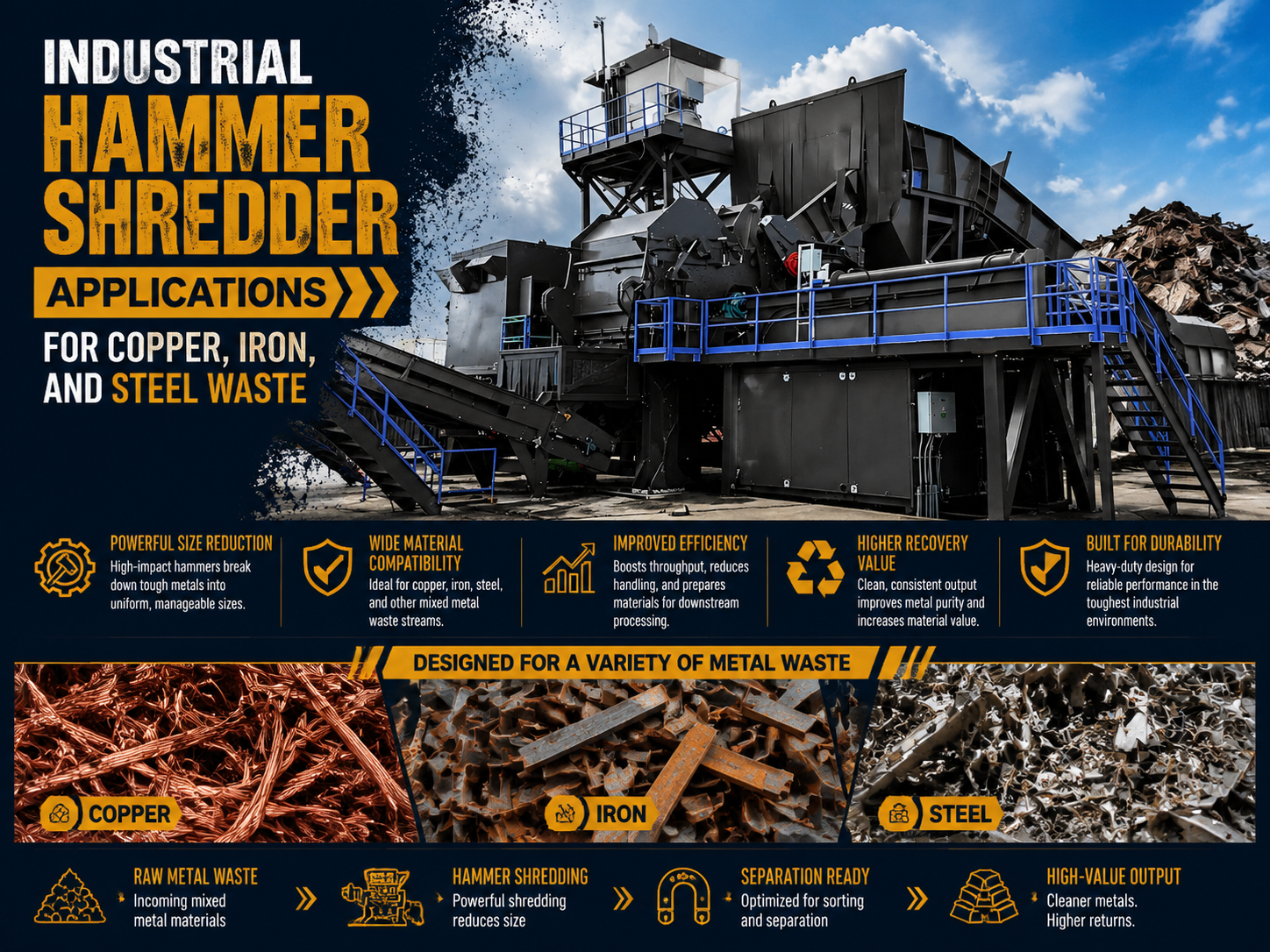
In the modern industrial landscape, the management of metal waste has transitioned from a logistical challenge to a highly profitable sector of the circular economy. Industrial hammer shredders stand at the forefront of this transformation, providing the mechanical force necessary to process diverse scrap streams into high-quality, furnace-ready materials. HARSLE, a leader in metal fabrication and recycling machinery, has engineered advanced hammer shredder solutions specifically designed to handle the rigorous demands of copper, iron, and steel waste processing. These machines are not merely grinders; they are sophisticated systems that utilize high-velocity impact to liberate, densify, and clean metal scrap.
The fundamental principle of an industrial hammer shredder involves a high-speed rotor equipped with heavy-duty hammers that strike the incoming material. This impact causes the material to fracture along its weakest points, effectively separating different metal types and removing non-metallic contaminants such as plastics, rubber, and coatings. For industries dealing with copper, iron, and steel, this process is critical for achieving the purity levels required by secondary smelters and foundries. As global demand for recycled metals continues to rise, the efficiency and reliability of these shredders have become paramount for scrap yard operators and industrial manufacturers alike.
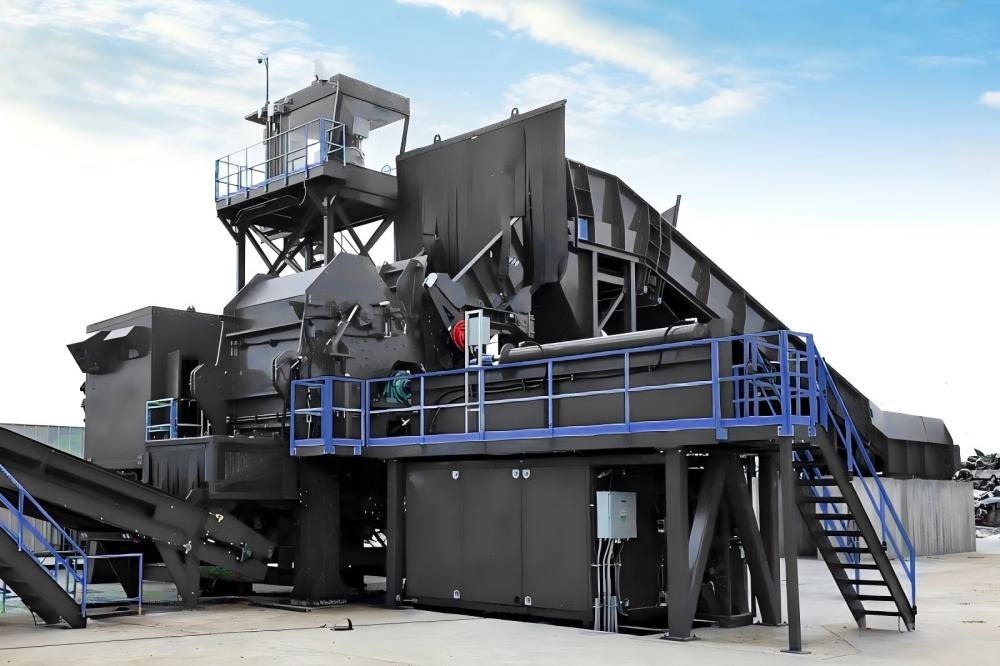
HARSLE’s commitment to innovation ensures that our hammer shredders are equipped with the latest metallurgical advancements and structural reinforcements. Whether processing thin-gauge steel, heavy iron castings, or intricate copper motor windings, our machinery is built to deliver consistent throughput and exceptional durability. In this guide, we will delve into the specific applications of hammer shredders across different metal types, the technical nuances that drive their performance, and the strategic considerations for selecting the right equipment for your facility.
Key Considerations for Processing Copper, Iron, and Steel Waste
When implementing an industrial hammer shredder for metal waste, several critical factors must be evaluated to ensure operational efficiency and longevity. The first consideration is material density and composition. Copper waste often comes in the form of insulated wiring or motor scrap, which requires a shredder capable of high-speed impact to separate the copper from its insulation or steel housing. In contrast, iron and steel waste may range from light-gauge appliances to heavy structural beams, requiring significant torque and structural rigidity to prevent machine fatigue.
Throughput requirements are another vital consideration. Industrial facilities must match the shredder’s capacity with their daily waste generation or processing targets. A shredder that is undersized will lead to bottlenecks and increased wear due to overloading, while an oversized machine may result in unnecessary energy consumption and higher capital expenditure. HARSLE offers a range of models with varying motor powers and rotor dimensions to accommodate different scales of operation, from small-scale recycling centers to large industrial scrap yards.
Contamination levels within the waste stream also play a significant role in shredder performance. Steel scrap often contains non-metallic elements like glass, plastic, or foam, which must be efficiently separated during or after the shredding process. Advanced hammer shredders often incorporate magnetic separators and air classification systems to ensure the final output is as clean as possible. Furthermore, the moisture content of the material can affect the flow through the shredding chamber; wet or oily scrap may require specialized liners or cleaning cycles to prevent clogging and maintain optimal performance.
Finally, energy efficiency and environmental impact cannot be overlooked. Modern industrial hammer shredders are designed with high-efficiency motors and variable frequency drives (VFDs) to optimize power consumption based on the load. Additionally, dust suppression systems and noise-dampening enclosures are essential for maintaining a safe and compliant working environment. By considering these factors, operators can maximize the return on investment (ROI) and ensure their recycling processes are both profitable and sustainable.
Technical Details and Engineering Excellence
The heart of an industrial hammer shredder is the rotor assembly. HARSLE utilizes high-strength alloy steels for the rotor shaft, ensuring it can withstand the immense centrifugal forces and shock loads generated during operation. The hammers themselves are typically cast from manganese steel or specialized chrome-molybdenum alloys, which provide a unique combination of hardness and toughness. As the hammers strike the metal waste, they undergo work-hardening, a process where the surface becomes harder with every impact, significantly extending the wear life of the components.
The shredding chamber is lined with replaceable wear plates, often made from Hardox or similar abrasion-resistant materials. These liners protect the main structural frame from the abrasive action of the metal scrap as it is swirled around the chamber. The geometry of the chamber and the arrangement of the hammers are meticulously engineered to promote “densification.” This is a process where the metal is not just broken down but also rolled into dense, spherical “nuggets.” These nuggets have a higher bulk density than raw scrap, making them more efficient to transport and melt in a furnace.
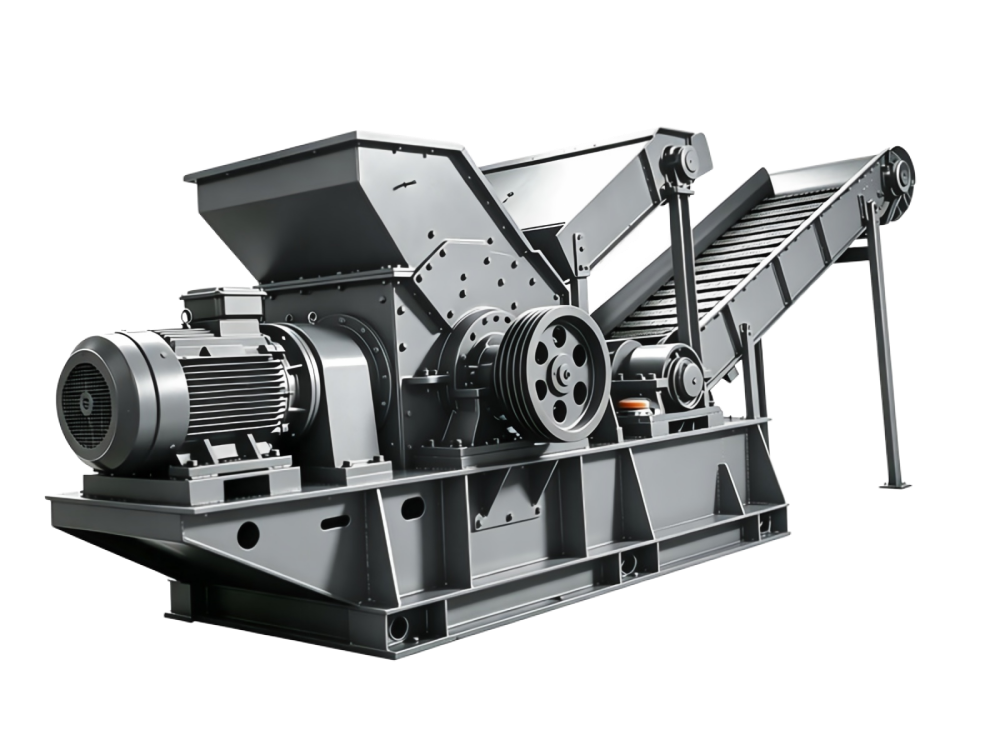
Another critical technical feature is the grate or screen located at the bottom of the shredding chamber. The size of the openings in the grate determines the final particle size of the shredded metal. Material remains in the chamber until it is small enough to pass through these openings. HARSLE provides customizable grate designs to meet specific downstream requirements, whether the goal is fine copper granules for chemical processing or larger steel fragments for electric arc furnaces (EAF). The ability to quickly swap grates allows for versatility in processing different waste streams with the same machine.
| Feature | Specification/Benefit | Application Focus |
|---|---|---|
| Rotor Speed | 400 – 1200 RPM | Optimized for impact energy |
| Hammer Material | Manganese / Chrome Alloy | High wear resistance |
| Drive System | Direct or Belt Drive with VFD | Energy efficiency and torque control |
| Hydraulic Opening | Standard on HARSLE models | Easy maintenance and hammer changes |
| Ejection Gate | Automatic / Manual | Removal of non-shreddable items |
Maintenance accessibility is a hallmark of HARSLE engineering. Our hammer shredders feature hydraulic opening mechanisms that allow the upper housing to be lifted, providing full access to the rotor and hammers. This reduces downtime during hammer rotations or replacements. Furthermore, integrated vibration sensors and temperature monitors on the bearings provide real-time data to the control system, allowing for predictive maintenance and preventing catastrophic failures. This level of technical sophistication ensures that HARSLE machinery remains operational in the most demanding environments.
Selection Advice for Industrial Hammer Shredders
Choosing the right industrial hammer shredder requires a strategic approach that balances technical capabilities with financial objectives. The first step in the selection process is a thorough analysis of the primary waste stream. If the facility primarily processes copper wire and small motors, a high-speed shredder with smaller hammers and fine grates is ideal for maximizing liberation. However, if the input is dominated by heavy iron scrap or automotive components, a larger, slower-speed shredder with massive hammers and a heavy-duty flywheel is necessary to provide the required inertia.
Prospective buyers should also evaluate the “total cost of ownership” rather than just the initial purchase price. This includes the cost of wear parts (hammers, liners, grates), energy consumption, and labor required for maintenance. HARSLE’s shredders are designed to minimize these ongoing costs through the use of high-quality materials and efficient designs. For instance, our hammers are designed to be reversible, effectively doubling their service life before a replacement is needed. When comparing different brands, always ask for the expected lifespan of wear components under specific material conditions.
The integration of the shredder into the existing production line is another crucial factor. A shredder does not operate in isolation; it requires infeed conveyors, discharge systems, and separation equipment. HARSLE provides comprehensive system design services to ensure that the shredder is perfectly matched with peripheral equipment. This holistic approach prevents bottlenecks and ensures a smooth flow of material from the scrap pile to the finished product. Consider the footprint of the entire system and ensure that your facility has the necessary electrical infrastructure to support the high-power motors required for heavy-duty shredding.
Finally, consider the reputation and support capabilities of the manufacturer. Industrial machinery is a long-term investment, and having access to reliable technical support and a ready supply of spare parts is essential. HARSLE maintains a global network of service centers and a robust inventory of wear parts to ensure our customers experience minimal downtime. We also offer training programs for operators to ensure they understand how to optimize the machine’s settings for different materials, further enhancing productivity and safety.
Frequently Asked Questions
What is the typical lifespan of hammers in a metal shredder?
The lifespan of hammers depends heavily on the material being processed and the metallurgy of the hammers themselves. For processing light steel scrap, hammers may last between 100 to 300 hours of operation. When processing more abrasive materials or heavy iron, this may decrease. HARSLE uses high-manganese steel that work-hardens during use, which helps extend this lifespan. Regular rotation of the hammers is recommended to ensure even wear and maintain shredding efficiency.
Can a hammer shredder process stainless steel?
Yes, hammer shredders can process stainless steel, but it is important to note that stainless steel is significantly tougher and more prone to work-hardening than carbon steel. This results in higher wear on the hammers and liners. If your primary waste stream is stainless steel, HARSLE recommends a shredder with a higher power-to-weight ratio and specialized alloy hammers designed for high-impact toughness.
How does the shredder handle non-shreddable items like heavy shafts?
HARSLE hammer shredders are equipped with an ejection gate or a “reject door.” When a non-shreddable item enters the chamber, the hammers cannot break it, and the resulting impact force or the physical size of the object triggers the ejection mechanism. This allows the object to be safely removed from the chamber without damaging the rotor or the main frame. This is a critical safety feature for preventing catastrophic machine failure.
What is the difference between a hammer mill and a hammer shredder?
While the terms are often used interchangeably, in the context of metal recycling, a “hammer shredder” usually refers to a heavy-duty machine designed for large-scale scrap processing (like car bodies or structural steel), while a “hammer mill” often refers to smaller machines used for finer grinding or processing softer materials like aluminum or electronic waste. HARSLE offers both types, tailored to the specific density and size of the input material.
How is dust and noise controlled in industrial shredding?
Dust is typically controlled through integrated water misting systems within the shredding chamber and at the discharge points. For noise control, HARSLE offers acoustic enclosures and vibration-dampening mounts. Proper maintenance of the hammers and rotor balance also significantly reduces noise levels by preventing excessive vibration during high-speed operation.
Conclusion: The Future of Metal Waste Processing with HARSLE
The role of industrial hammer shredders in the processing of copper, iron, and steel waste is more critical today than ever before. As industries strive for greater sustainability and resource efficiency, the ability to transform scrap into high-purity raw materials is a significant competitive advantage. HARSLE’s advanced shredding technology provides the power, precision, and durability required to meet these challenges head-on. By focusing on engineering excellence, maintenance accessibility, and material-specific optimization, we empower our clients to maximize their recycling yields and operational profitability.
Investing in a HARSLE hammer shredder is not just a purchase of a machine; it is a commitment to a more efficient and sustainable future. Our team of experts is dedicated to providing the guidance and support necessary to select, install, and maintain the ideal shredding solution for your specific needs. Whether you are looking to upgrade an existing facility or build a new recycling center from the ground up, HARSLE has the expertise and the technology to help you succeed in the dynamic world of metal waste management. As the industry evolves, we will continue to innovate, ensuring that our machinery remains the gold standard for industrial hammer shredder applications.