
How Hammer Shredders Support High-Volume Scrap Yard Operations

Introduction to High-Volume Metal Recycling
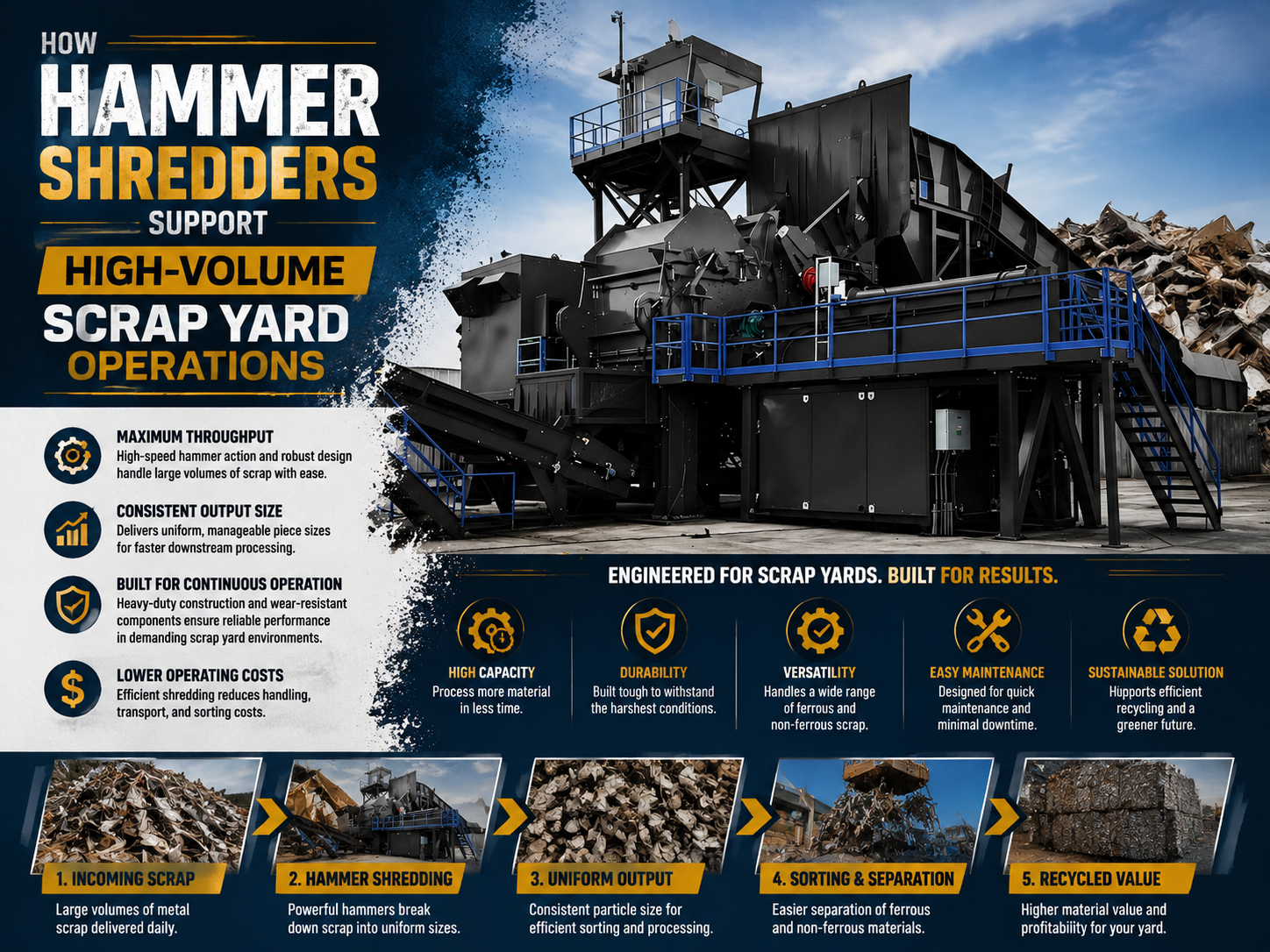
In the modern industrial landscape, the efficiency of metal recycling is not just a matter of environmental responsibility but a cornerstone of economic viability. As global demand for secondary raw materials surges, scrap yards are under increasing pressure to process larger volumes of material with greater precision. This is where the industrial hammer shredder becomes indispensable. These robust machines are the workhorses of the recycling industry, designed to transform bulky, heterogeneous scrap into high-quality, furnace-ready fragments.
High-volume scrap yard operations require equipment that can withstand the rigors of continuous duty while maintaining high throughput. A hammer shredder operates on the principle of kinetic energy, using massive, rotating hammers to strike and pulverize material against internal anvils and grates. This process does more than just reduce the size of the scrap; it effectively ‘liberates’ different materials, such as separating copper wiring from steel frames or plastic coatings from aluminum panels. For a high-volume facility, the ability to produce clean, dense, and sorted material is the difference between a marginal profit and a thriving enterprise.
HARSLE understands that the transition from traditional shearing or manual sorting to automated hammer shredding represents a significant capital investment. However, the return on investment (ROI) is driven by the sheer scale of operations. When processing hundreds of tons of scrap daily, even a 5% increase in material purity or a 10% reduction in energy consumption per ton can result in substantial annual savings. This guide explores how hammer shredders support these high-volume environments, detailing the technical nuances and selection criteria essential for operational success.
Key Considerations for High-Volume Operations
Throughput and Consistency
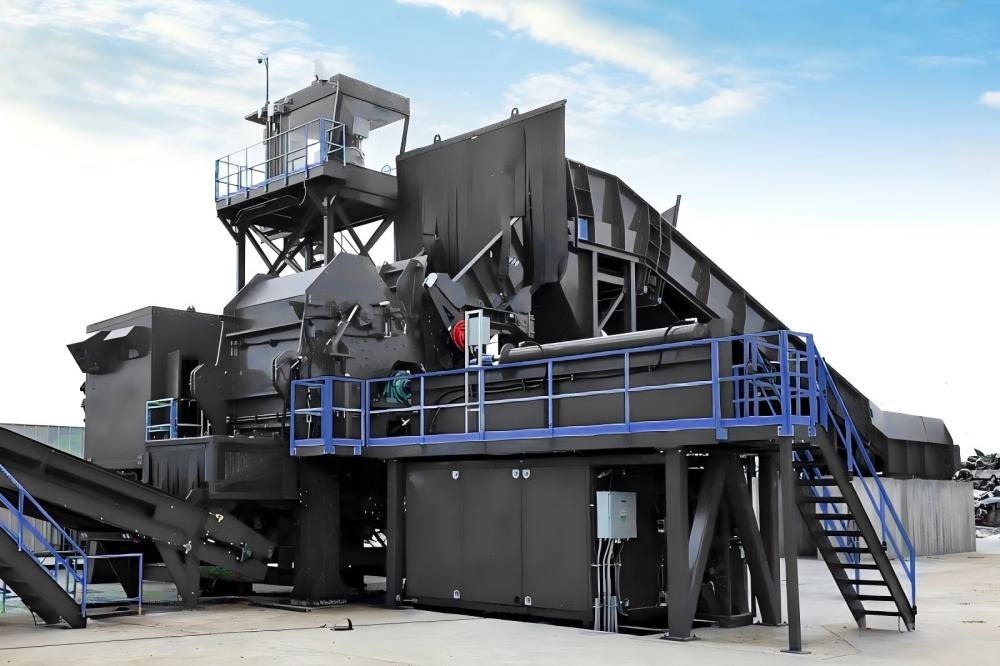
The primary metric for any high-volume scrap yard is throughput—the amount of material processed per hour. Hammer shredders are uniquely suited for this because they offer continuous feeding capabilities. Unlike batch processing methods, a well-configured shredder line can accept a steady stream of End-of-Life Vehicles (ELVs), white goods, and industrial scrap. Consistency is equally vital; the output must meet specific size and density requirements to satisfy the demands of steel mills and foundries. High-volume operations rely on the shredder’s ability to maintain this consistency over long shifts without frequent stoppages for adjustment.
Material Liberation and Purity
One of the most significant advantages of hammer shredders in large-scale operations is material liberation. In a high-volume yard, the scrap is often a complex mix of ferrous metals, non-ferrous metals, and non-metallic contaminants (fluff). The intense impact of the hammers breaks the mechanical bonds between these materials. When integrated with downstream separation technologies like magnetic drums, eddy current separators, and air classification systems, the hammer shredder enables the yard to produce high-purity streams that command premium prices in the market.
Operational Durability and Wear Resistance
In a high-volume environment, the ‘cost per ton’ is heavily influenced by maintenance and wear parts. Hammer shredders are subject to extreme abrasive forces. Therefore, the quality of the hammers, liners, and grates is paramount. High-volume operators must consider the metallurgy of these components—typically manganese steel or specialized alloy steels—to ensure they don’t have to stop production every few days for replacements. A machine designed for high-volume use will feature easy-access housings and hydraulic opening mechanisms to minimize the downtime associated with wear part changes.
Energy Efficiency and Power Management
Processing thousands of tons of metal requires immense power. Modern hammer shredders are designed with sophisticated motor control systems, such as Variable Frequency Drives (VFDs) or soft starters, to manage the massive electrical load. For high-volume yards, optimizing the power-to-throughput ratio is essential. This involves not just the motor’s efficiency but also the design of the rotor and the weight of the hammers, ensuring that the maximum amount of kinetic energy is transferred to the scrap material with minimal waste heat or vibration.
Technical Details of Hammer Shredder Engineering
Rotor Design and Kinetic Energy
The heart of the hammer shredder is the rotor. In high-volume machines, the rotor is a massive, precision-balanced assembly that holds the hammers. The design can be either a ‘disc rotor’ or a ‘spider rotor.’ Disc rotors are often preferred for heavy-duty applications as they provide more protection for the hammer pins and offer greater rotational inertia. This inertia is critical; it allows the machine to ‘plow through’ dense clusters of scrap without significant RPM drops, maintaining the flow of material and preventing jams that could halt a high-volume line.
Hammer Metallurgy and Geometry
Hammers are the primary wear component. For high-volume scrap yards, the choice of hammer is a technical decision based on the feed material. Manganese steel hammers are common because they ‘work-harden’—the more they strike hard metal, the harder their surface becomes. However, for specific applications involving highly abrasive materials, alloy steel hammers with hard-facing may be more appropriate. The geometry of the hammer—whether it is a bell shape, a T-shape, or a rectangular block—affects how it strikes the material and how it swings back upon impact to protect the rotor from damage.
Grate Configurations and Sizing
The bottom of the shredding chamber is lined with grates. These grates determine the final size of the shredded product. In high-volume operations, the grate area must be large enough to allow processed material to exit quickly, preventing ‘over-shredding’ which wastes energy and increases wear. Grates are often staggered or feature specific hole patterns to optimize the discharge rate. For yards processing a variety of materials, interchangeable grate segments allow the operator to switch between different output sizes depending on the current contract requirements.
Hydraulic and Cooling Systems
To support continuous operation, high-volume hammer shredders incorporate advanced hydraulic systems for opening the top housing and ejecting ‘unshreddables’ (large pieces of solid steel that cannot be broken). Furthermore, the bearings that support the massive rotor generate significant heat. High-end shredders utilize circulating oil lubrication systems with integrated cooling units to maintain optimal bearing temperatures, ensuring the machine can run 24/7 in demanding climates without the risk of catastrophic bearing failure.
Selection Advice for High-Volume Scrap Yards
Assessing Feedstock and Capacity
The first step in selecting a hammer shredder is a detailed analysis of the feedstock. Are you processing mostly ELVs, light industrial scrap, or heavy structural steel? High-volume yards must choose a machine with a throat opening and motor horsepower that exceeds their average daily requirement to account for surges in material delivery. A common mistake is under-sizing the shredder, which leads to frequent jams and accelerated wear as the machine is constantly pushed to its mechanical limits. We recommend a capacity buffer of at least 20% above the target hourly throughput.
Stationary vs. Mobile Configurations
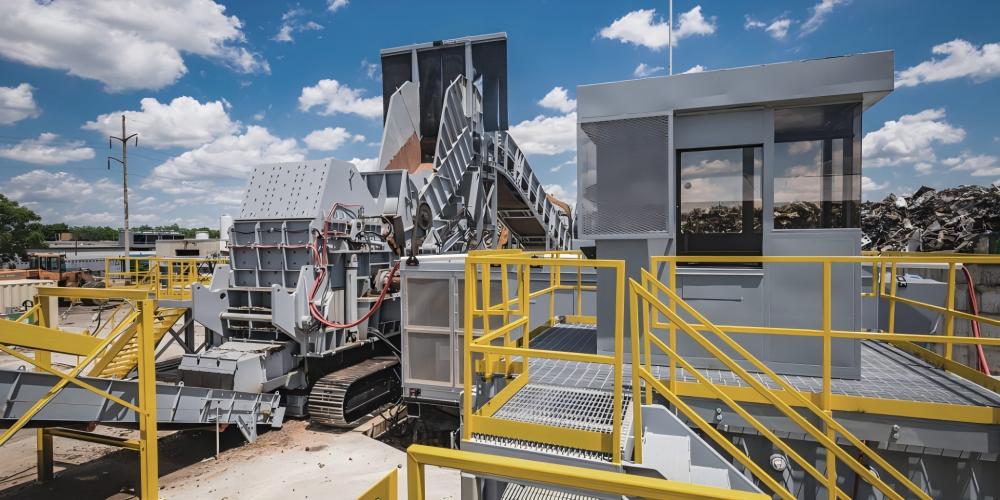
While stationary shredders are the standard for massive, centralized high-volume operations due to their stability and higher power ceilings, mobile hammer shredders are gaining traction. For yards that operate across multiple sites or need to process material at the source to reduce transport costs, a high-capacity mobile unit can be a strategic asset. However, for the highest volumes (e.g., 50+ tons per hour), a stationary installation with a dedicated foundation and integrated conveyor system remains the most efficient choice.
Integration with Downstream Equipment
A hammer shredder is only as effective as the system surrounding it. When selecting a machine for a high-volume yard, consider how it integrates with the rest of the plant. This includes the infeed conveyor (which must be robust enough to handle heavy drops), the discharge conveyor, and the separation line. A high-volume operation requires a ‘balanced’ line where the capacity of the magnetic separators and eddy currents matches the peak output of the shredder. HARSLE advises looking for shredders that offer integrated control systems capable of communicating with the entire processing line.
Maintenance Accessibility and Spare Parts Support
Downtime is the enemy of high-volume production. When evaluating shredders, look closely at the maintenance features. Can the hammers be changed quickly? Is there a hydraulic pin puller? How easy is it to replace the liner plates? Furthermore, ensure that the manufacturer has a robust spare parts supply chain. For a high-volume yard, waiting two weeks for a set of hammers is not an option. Choosing a partner like HARSLE ensures that wear parts and technical support are readily available to keep the rotors turning.
The Economic Impact of Shredder Efficiency
In the scrap industry, margins are often thin and dictated by global commodity prices. Therefore, the economic impact of shredder efficiency cannot be overstated. A high-efficiency hammer shredder reduces the ‘shrinkage’—the loss of valuable metal into the waste stream—by ensuring better liberation. Furthermore, the density of the shredded material (often referred to as ‘frag’) allows for more efficient transportation. A truck or railcar filled with dense, shredded scrap carries significantly more value than one filled with loose, bulky scrap, directly reducing logistics costs.
Moreover, the ability to process high volumes quickly allows a yard to capitalize on market fluctuations. If the price of steel scrap spikes, a yard with a high-capacity hammer shredder can quickly process its inventory and move it to market, whereas a yard with slower, less efficient equipment might miss the window of peak profitability. This agility is a key competitive advantage in the modern recycling sector.
Safety Protocols in High-Volume Shredding
Operating a high-volume hammer shredder involves managing significant risks. The kinetic energy involved is immense, and the potential for ‘ejectiles’ or dust explosions must be managed. High-volume machines should be equipped with heavy-duty ballistic curtains at the feed and discharge points. Additionally, for yards processing materials that might contain sealed containers or residual fluids, automated water injection systems are vital for dust suppression and to prevent fires within the shredding chamber. Safety interlocks on all access doors and emergency stop systems integrated across the entire line are non-negotiable for professional operations.
Frequently Asked Questions (FAQ)
1. What is the typical lifespan of hammers in a high-volume operation?
The lifespan of hammers varies greatly depending on the material being processed. In a high-volume yard processing mixed scrap, hammers might last between 40 to 100 hours of operation before needing to be rotated or replaced. Using high-quality manganese steel and maintaining proper feed rates can extend this lifespan.
2. Can a hammer shredder handle non-ferrous metals?
Yes, hammer shredders are excellent for non-ferrous metals like aluminum and copper. In fact, they are often used specifically to liberate these valuable metals from complex assemblies, allowing them to be recovered by downstream eddy current separators.
3. How much power does a high-volume hammer shredder require?
High-volume industrial shredders typically require between 500 HP and 5,000 HP, depending on the desired throughput. A typical mid-to-large scale operation might utilize a 1,000 HP to 2,000 HP motor to process 20-40 tons per hour.
4. What is ‘unshreddable’ material and how is it handled?
Unshreddables are heavy pieces of solid metal, like engine blocks or thick steel plates, that the hammers cannot break. Most high-volume shredders feature a hydraulic ‘reject door’ or ‘ejector gate’ that allows the rotor to kick these pieces out of the chamber safely without damaging the machine.
5. How does water injection help in the shredding process?
Water injection serves two main purposes: it suppresses the significant amount of dust generated during shredding and it helps cool the hammers and liners. In some cases, it also helps to ‘wash’ the scrap, leading to a cleaner final product.
6. What is the difference between a hammer mill and a hammer shredder?
While the terms are often used interchangeably in the scrap industry, a ‘shredder’ usually refers to a larger, more powerful machine designed for heavy scrap like cars, while a ‘mill’ might refer to a smaller unit used for electronic scrap or turnings. However, both operate on the same basic principle of high-speed impact.
7. How often should the rotor be balanced?
Rotor balance is critical for preventing vibration damage. While the rotor itself is balanced at the factory, the uneven wear of hammers can cause imbalances. High-volume operators should monitor vibration levels daily and ensure that hammers are replaced in matched sets to maintain balance.
8. What are the environmental benefits of using a hammer shredder?
By efficiently separating metals from contaminants, hammer shredders increase the recycling rate and reduce the amount of material sent to landfills. They also produce a product that requires less energy to melt in a furnace compared to primary ore, significantly reducing the carbon footprint of metal production.
Conclusion: The Future of High-Volume Scrap Processing
As the circular economy continues to evolve, the role of the hammer shredder in high-volume scrap yard operations will only become more central. The ability to process vast quantities of waste into high-value raw materials is the key to a sustainable and profitable recycling industry. For operators, the choice of a hammer shredder is a choice about the future of their business. By focusing on throughput, material purity, and operational durability, yards can ensure they remain competitive in a global market.
HARSLE remains committed to providing the recycling industry with the robust, high-performance machinery needed to meet these challenges. Our hammer shredders are engineered with the latest in metallurgy and control technology, ensuring that high-volume operations can run smoother, faster, and more profitably. Whether you are upgrading an existing line or building a new facility, understanding the technical and operational impact of your shredder is the first step toward long-term success in the world of metal fabrication and recycling.


