
How Hammer Shredders Help Prepare Scrap Metal for Smelting

Introduction to Hammer Shredders in the Metal Recycling Ecosystem
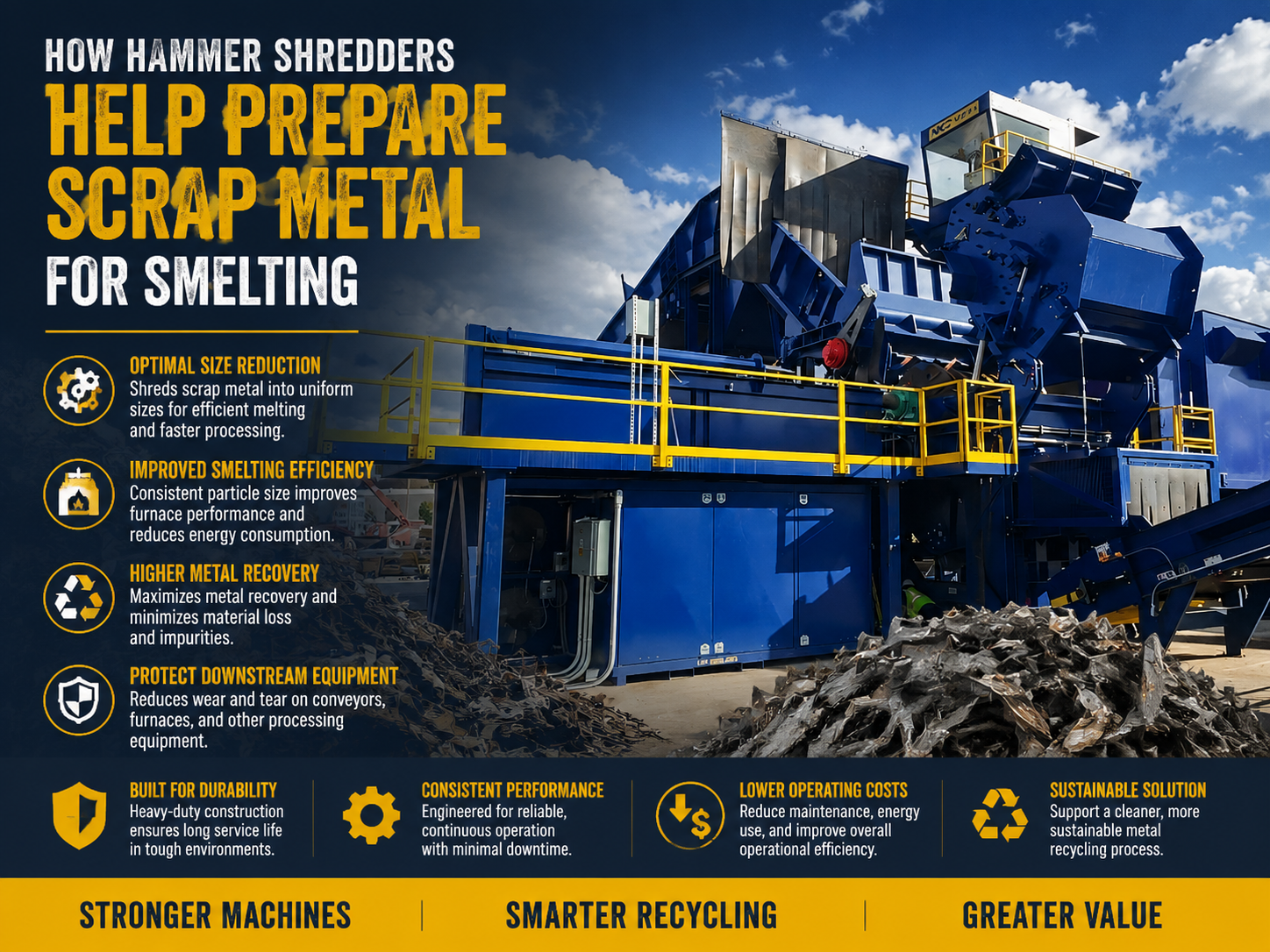
In the modern industrial landscape, the efficiency of metal recycling is not just a matter of environmental responsibility but a critical factor in economic viability. As the global demand for steel, aluminum, and copper continues to rise, the role of advanced machinery like the hammer shredder becomes indispensable. Hammer shredders are heavy-duty industrial machines designed to break down large, bulky scrap metal into smaller, more manageable pieces. This process is the foundational step in preparing scrap metal for the smelting furnace. Without effective shredding, the smelting process would be plagued by inefficiencies, high energy consumption, and poor-quality output.
The primary objective of using a hammer shredder is to transform heterogeneous scrap—ranging from end-of-life vehicles and household appliances to industrial waste—into a homogenous, high-density material. This transformation is essential because smelting furnaces are highly sensitive to the physical and chemical properties of their feedstock. By utilizing high-speed rotating hammers to impact and shatter the metal, these machines ensure that the resulting ‘shred’ is free from contaminants and sized perfectly for rapid melting. HARSLE, a leader in metal fabrication machinery, provides state-of-the-art hammer shredders that are engineered to meet the rigorous demands of the recycling industry.
Understanding how hammer shredders help prepare scrap metal for smelting requires a deep dive into the mechanics of the machine and the thermodynamics of the furnace. When scrap is shredded, its surface area increases significantly relative to its volume. This physical change allows for more uniform heat distribution during the smelting process, leading to faster melt times and reduced energy costs. Furthermore, the shredding process facilitates the separation of non-metallic components, such as plastics, rubber, and glass, which would otherwise contaminate the molten metal and degrade the quality of the final alloy.
Key Considerations for Preparing Scrap Metal for Smelting
When preparing scrap metal for the smelting stage, several critical factors must be addressed to ensure the process is both cost-effective and safe. The first consideration is bulk density. Furnaces have a limited volume, and charging them with loose, bulky scrap is inefficient. Hammer shredders compress and densify the metal, allowing for a higher mass of material to be loaded into the furnace per charge. This maximizes the throughput of the smelting facility and reduces the number of charging cycles required, which in turn minimizes heat loss from the furnace doors being opened.
Another vital consideration is purity and cleanliness. Scrap metal is rarely pure; it often contains oils, paints, coatings, and attachments made of different materials. During the shredding process, the intense kinetic energy of the hammers not only breaks the metal but also strips away many of these surface contaminants. Advanced hammer shredder systems are often integrated with magnetic separators, air classifiers, and eddy current separators. These auxiliary systems work in tandem with the shredder to remove ferrous from non-ferrous metals and eliminate non-metallic debris, ensuring that the feedstock entering the furnace is of the highest possible purity.
The size uniformity of the shredded scrap is also paramount. In a smelting furnace, inconsistent sizing can lead to ‘bridging,’ where larger pieces of scrap wedge together and create a void underneath, preventing the rest of the charge from melting efficiently. Hammer shredders use internal grates or screens to control the output size. Only material that has been reduced to the specified dimensions can pass through the grate, ensuring a consistent product that flows easily into the furnace and melts at a predictable rate. This consistency is crucial for maintaining the chemical balance of the melt and achieving the desired metallurgical properties in the final product.
Finally, safety and environmental impact cannot be overlooked. Raw scrap often contains sealed containers, such as gas tanks or hydraulic cylinders, which can cause explosions if they enter a furnace intact. The shredding process punctures and destroys these containers, neutralizing the risk. Additionally, by reducing the energy required for smelting, hammer shredders significantly lower the carbon footprint of the metal production process. Using recycled scrap instead of virgin ore can save up to 95% of the energy required for aluminum production and 75% for steel, making the hammer shredder a cornerstone of green manufacturing.
Technical Details: How Hammer Shredders Operate
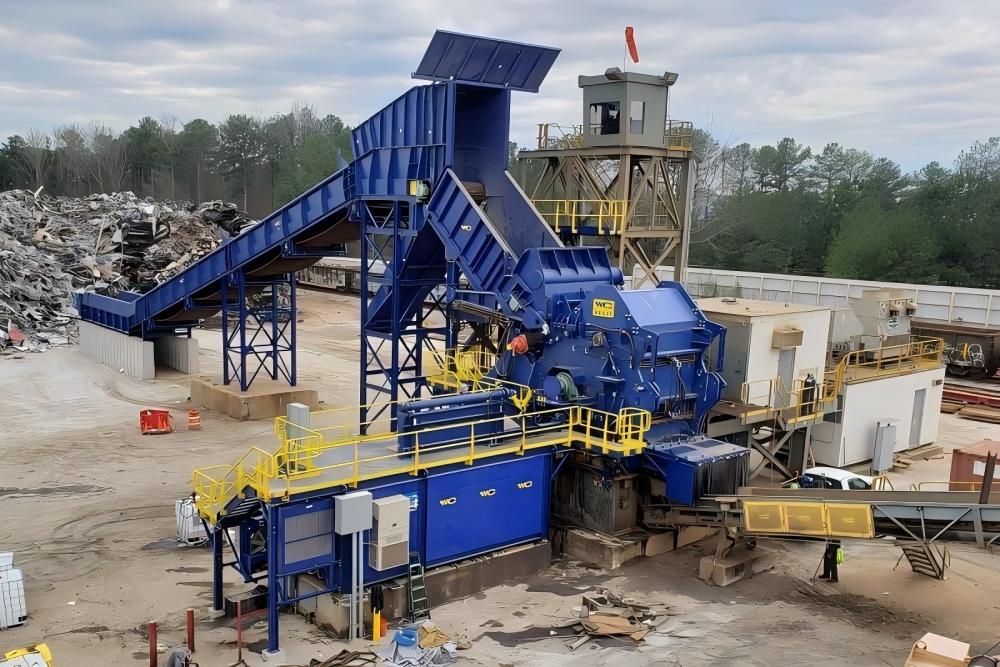
The technical prowess of a hammer shredder lies in its robust construction and the physics of high-velocity impact. At the heart of the machine is a heavy-duty rotor, which is equipped with a series of free-swinging hammers. These hammers are typically made from high-manganese steel or specialized alloys designed to withstand extreme abrasion and impact. As the rotor spins at high speeds—often between 400 and 1,000 RPM—the hammers extend due to centrifugal force, creating a massive amount of kinetic energy.
When scrap metal is fed into the shredding chamber, it is struck by these hammers. The impact is so severe that the metal is shattered along its natural grain or stress points. Unlike shears or crushers, which rely on slow, steady pressure, hammer shredders use dynamic force. This ‘impact-and-grind’ action is particularly effective for brittle materials and complex assemblies. The material is repeatedly struck by the hammers and thrown against ‘breaker plates’ or ‘anvil’ sections within the housing, further reducing its size until it is small enough to pass through the discharge grates located at the bottom of the chamber.
The Role of the Rotor and Hammers
The rotor is the most critical component, acting as the flywheel that stores and delivers energy. A well-balanced rotor is essential for minimizing vibration and extending the life of the bearings. The hammers themselves are designed to be reversible; once one side is worn down, they can be flipped to use the fresh edge, doubling their service life. In high-end HARSLE models, the hammer geometry is optimized to maximize the ‘bite’ on the scrap, ensuring that even thick-walled materials are processed efficiently without causing the motor to stall.
Separation and Post-Shredding Systems
Shredding is only half the battle. To prepare scrap for smelting, the shredded output must be sorted. Most industrial hammer shredder lines include a magnetic drum at the discharge point to pull out ferrous metals (iron and steel). Following this, an eddy current separator may be used to recover valuable non-ferrous metals like aluminum and copper. Air suction systems, or ‘Z-box’ classifiers, are employed to suck away ‘fluff’—the light fraction consisting of foam, plastic, and fabric. This multi-stage process ensures that the final product is a clean, high-value commodity ready for the furnace.
Selection Advice: Choosing the Right Hammer Shredder
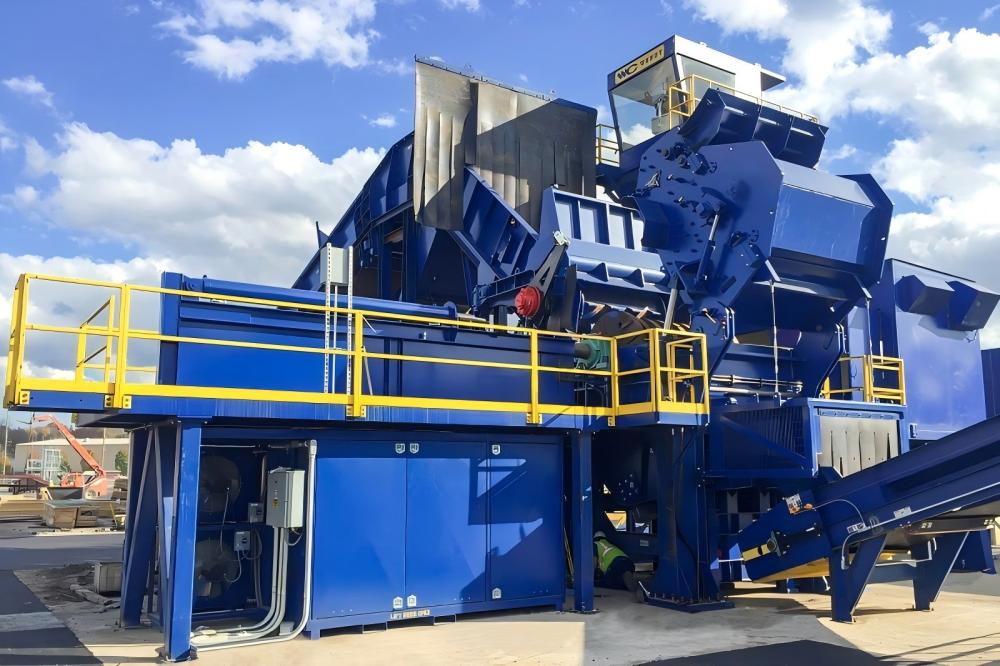
Selecting the appropriate hammer shredder for your facility depends on several variables, including the type of scrap you process, your required hourly throughput, and your budget. The first step is to define your input material. If you are primarily processing light aluminum scrap or electronic waste (e-waste), a medium-duty shredder with higher speed and lighter hammers may be sufficient. However, if your feedstock includes car bodies, heavy structural steel, or large engine blocks, you will require a heavy-duty machine with a high-torque motor and massive hammers.
Motor Power and Drive Systems: The horsepower of the motor directly correlates with the machine’s ability to handle tough materials. For large-scale smelting preparation, motors ranging from 200HP to over 1,000HP are common. It is also important to consider the drive system. Direct-drive systems offer high efficiency, while belt-drive systems provide a level of protection for the motor by allowing for slippage if the shredder encounters an un-shreddable object (like a solid steel shaft). Modern HARSLE shredders often feature frequency inverter drives (VFDs), which allow operators to adjust the rotor speed based on the material being processed, optimizing energy consumption.
Maintenance and Wear Parts
Because hammer shredders operate in a high-wear environment, maintenance accessibility is a key selection criterion. Look for machines with hydraulic opening housings, which allow for easy access to the rotor and grates. The cost of wear parts—hammers, liners, and grates—should be factored into the total cost of ownership. High-quality manganese steel components may have a higher upfront cost but will last significantly longer, reducing downtime. A good rule of thumb is to choose a manufacturer that provides readily available spare parts and technical support.
Capacity and Grate Size
Determine your required output in tons per hour (TPH). Over-specifying a machine leads to unnecessary energy costs, while under-specifying leads to bottlenecks and premature wear. Additionally, consider the grate size. The smaller the holes in the grate, the denser and more uniform the output, but the lower the overall throughput. Some shredders offer interchangeable grates, providing the flexibility to produce different grades of scrap for different smelting customers.
Frequently Asked Questions (FAQ)
1. How often do the hammers need to be replaced?
The lifespan of hammers depends entirely on the abrasiveness of the material being shredded. For clean aluminum, hammers may last several weeks. For heavy steel scrap, they may need to be rotated or replaced every few days. Regular inspection is key to maintaining efficiency and preventing damage to the rotor.
2. Can a hammer shredder handle ‘un-shreddables’?
Most hammer shredders are equipped with a ‘reject door’ or a ‘tramp metal’ release. If a solid, non-shreddable object enters the chamber, the hammers will push it toward a spring-loaded door, allowing it to exit the machine without causing catastrophic failure. However, it is always best to pre-sort scrap to remove large solid shafts or heavy castings.
3. What is the difference between a hammer shredder and a twin-shaft shredder?
A twin-shaft shredder uses high-torque, low-speed shearing to cut material, which is excellent for volume reduction of plastics and tires. A hammer shredder uses high-speed impact, which is far more effective for densifying metal and liberating different materials from one another for smelting preparation.
4. How does shredding improve the smelting yield?
Shredding increases the surface area and removes contaminants. This leads to a more ‘active’ melt with less dross and slag formation. A cleaner charge means more of the metal you put into the furnace actually ends up as usable product, significantly improving the ‘yield’ or recovery rate.
5. Is dust control necessary for hammer shredders?
Yes, the high-speed impact of hammers generates significant dust and fine particles. Most industrial installations require a dust collection system, such as a baghouse or a wet scrubber, to meet environmental regulations and ensure a safe working environment for operators.
Conclusion: The Future of Metal Smelting with HARSLE
The transition toward a circular economy has placed hammer shredders at the forefront of the metal industry. By effectively preparing scrap metal for smelting, these machines bridge the gap between waste and raw material. They ensure that furnaces operate at peak efficiency, energy is conserved, and the resulting metal products meet the highest quality standards. As we have explored, the benefits of hammer shredding—ranging from increased bulk density and purity to improved safety and environmental performance—are undeniable.
Investing in a high-quality hammer shredder from HARSLE is an investment in the future of your recycling or smelting operation. With robust engineering, advanced separation technology, and a focus on user-friendly maintenance, HARSLE machinery is designed to provide a high return on investment. As the industry evolves, the ability to produce ‘furnace-ready’ scrap will remain a competitive advantage, allowing recyclers to command higher prices for their material and smelters to reduce their operational costs. Whether you are processing ferrous or non-ferrous metals, the hammer shredder remains the ultimate tool for turning scrap into gold.


