
Comprehensive Guide to Using Hammer Shredders for Stainless Steel Scrap Size Reduction

Introduction to Stainless Steel Scrap Processing
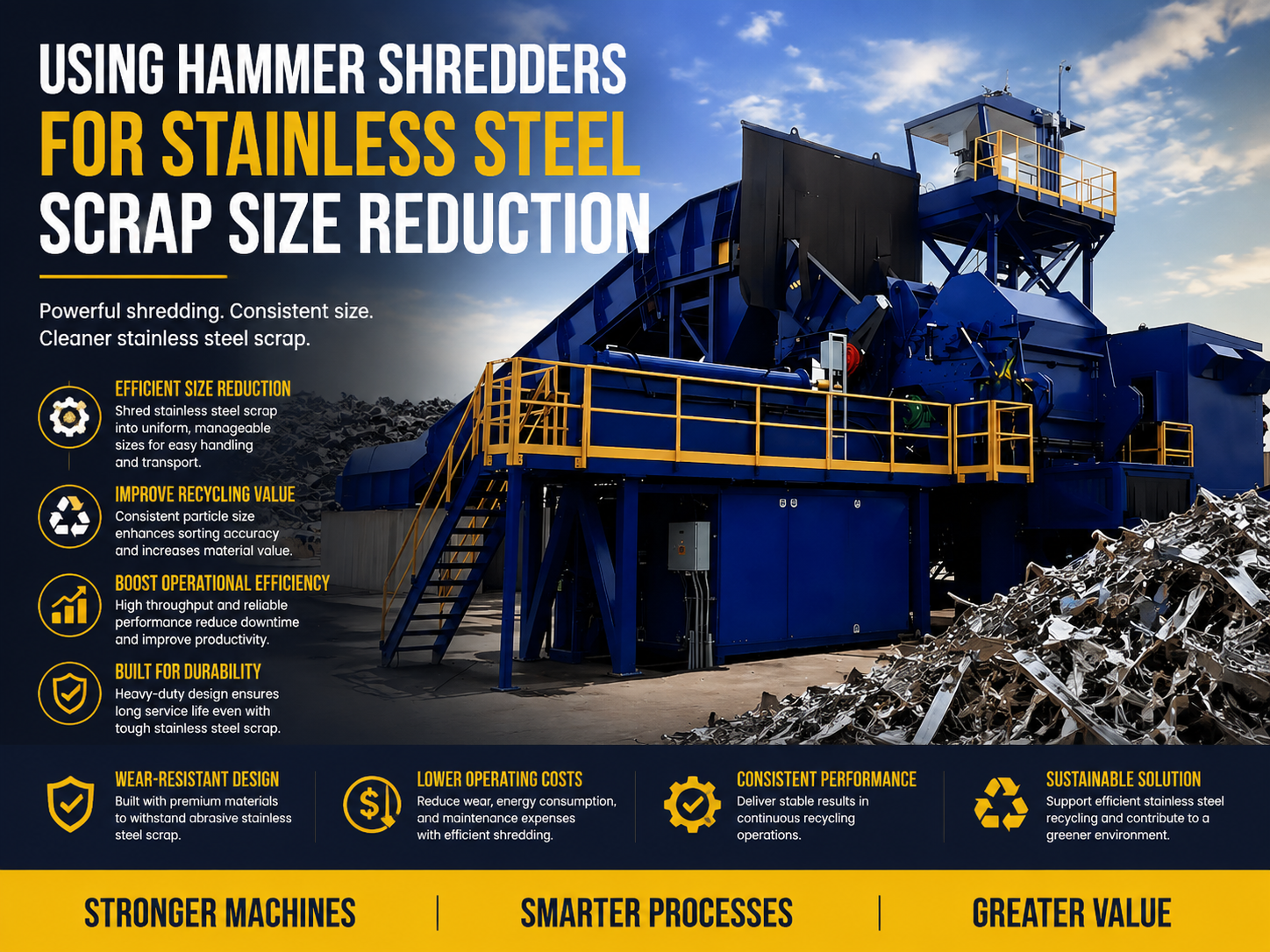
In the modern industrial landscape, the recycling of stainless steel has become a cornerstone of sustainable manufacturing and resource management. Stainless steel, known for its corrosion resistance and high strength, is a valuable commodity in the global scrap market. However, the physical properties that make stainless steel so desirable—its toughness, ductility, and work-hardening characteristics—also make it one of the most challenging materials to process. This is where the application of Using Hammer Shredders Stainless Steel Scrap Size Reduction becomes critical for scrap yards and metal fabrication facilities.
Hammer shredders, often referred to as hammer mills in the recycling industry, utilize high-velocity kinetic energy to impact and fracture material. Unlike shear shredders that rely on slow-speed, high-torque cutting, hammer shredders use heavy, rotating hammers to strike the scrap against an anvil or breaker plate. For stainless steel, this process is not just about breaking the material into smaller pieces; it is about increasing the bulk density of the scrap, removing contaminants, and preparing the material for efficient melting in electric arc furnaces (EAF).
HARSLE has been at the forefront of developing robust machinery that addresses the specific nuances of stainless steel processing. When using hammer shredders for stainless steel scrap size reduction, operators must balance the machine’s power with the wear resistance of the internal components. This guide explores the technical intricacies, operational strategies, and selection criteria necessary to optimize the size reduction of stainless steel scrap using advanced hammer shredder technology.
Key Considerations for Stainless Steel Size Reduction
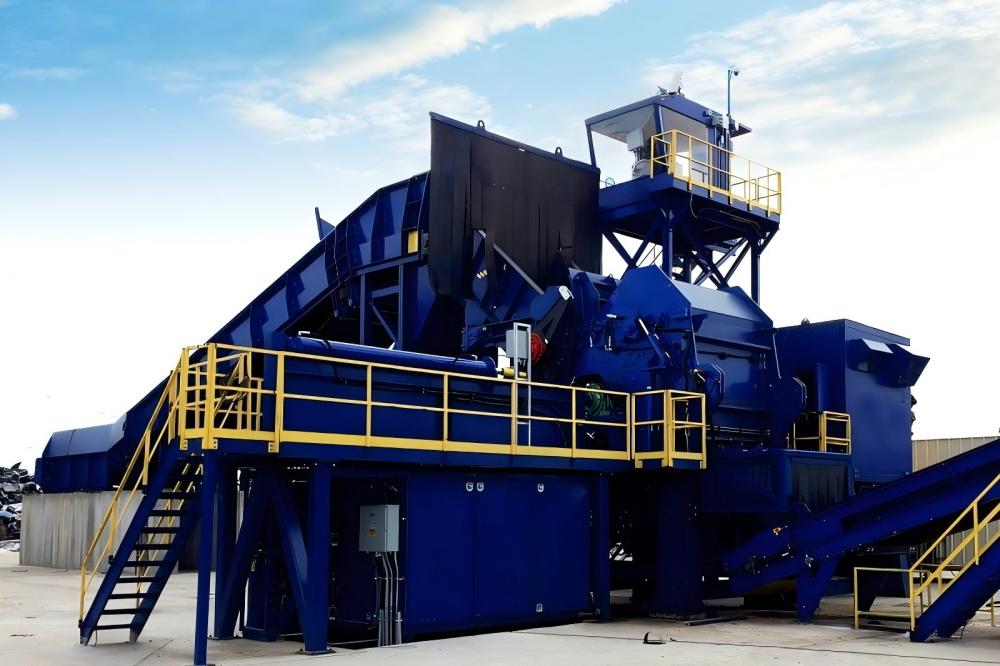
When approaching the task of Using Hammer Shredders Stainless Steel Scrap Size Reduction, several material-specific factors must be considered. Stainless steel is significantly more abrasive and tougher than standard carbon steel. This means that the energy required to achieve a specific particle size is higher, and the wear on the machine’s internal liners and hammers is more pronounced.
Material Grades and Work Hardening
Stainless steel comes in various grades, with the 300 series (austenitic) and 400 series (ferritic/martensitic) being the most common in scrap streams. Austenitic stainless steels, such as 304 and 316, are particularly notorious for work hardening. As the hammers strike the material, the molecular structure of the steel changes, becoming harder and more resistant to further impact. This requires a shredder with sufficient rotational inertia to overcome the increasing resistance of the material during the shredding cycle.
Bulk Density and Transport Efficiency
One of the primary goals of size reduction is to increase the bulk density of the scrap. Raw stainless steel scrap, such as turnings, clippings, or old kitchenware, is often voluminous and light. By using a hammer shredder, this loose scrap is transformed into dense, uniform nuggets. High-density scrap is more economical to transport and allows for more efficient charging of melting furnaces, reducing the number of ‘buckets’ required per heat and lowering energy consumption in the foundry.
Contamination and Liberation
Stainless steel scrap is frequently contaminated with non-metallic attachments, such as plastics, rubber, or insulation, as well as other metals like aluminum or copper. The high-impact nature of hammer shredding is excellent for ‘liberation.’ The intense mechanical shock breaks the bonds between different materials, allowing downstream separation equipment (like eddy current separators or optical sorters) to remove impurities more effectively. This results in a higher-purity stainless steel end product that commands a premium price.
Thermal Management
The process of shredding stainless steel generates significant heat due to the friction and the energy required for deformation. Excessive heat can lead to the softening of the hammers or even the welding of small particles to the internal surfaces of the machine. Effective hammer shredders must incorporate cooling mechanisms or be operated in a way that manages the thermal load, ensuring the longevity of the equipment and the safety of the operation.
Technical Details of Hammer Shredder Engineering
The engineering behind a HARSLE hammer shredder is focused on durability and impact efficiency. To successfully process stainless steel, the machine’s design must account for the extreme forces involved. Below are the critical technical components that define a high-quality hammer shredder for this application.
Rotor Design and Kinetic Energy
The rotor is the heart of the hammer shredder. It consists of a central shaft with several discs or ‘spiders’ that hold the hammer pins. The total mass of the rotor, combined with its rotational speed, determines the kinetic energy available for shredding. For stainless steel, a heavy-duty rotor with high moment of inertia is essential. This ensures that when a hammer strikes a thick piece of stainless scrap, the rotor does not lose significant RPM, maintaining a consistent throughput.
Hammer Metallurgy and Geometry
The hammers are the primary wear parts. In Using Hammer Shredders Stainless Steel Scrap Size Reduction, the choice of hammer material is paramount. Manganese steel is often used because it work-hardens under impact, becoming tougher as it works. However, for extremely abrasive stainless scrap, alloy steels with high chromium content or specialized heat treatments may be preferred. The geometry of the hammer—whether it is a bell shape, a ring, or a fixed arm—affects how it interacts with the scrap and how it wears over time.
| Component | Material/Specification | Function in Stainless Shredding |
|---|---|---|
| Hammers | Manganese or Alloy Steel | Primary impact and fracturing of scrap |
| Grates/Screens | Hardened Tool Steel | Determines final particle size |
| Anvil/Breaker Plate | Reinforced Cast Steel | Provides the counter-surface for initial impact |
| Rotor Shaft | Forged 4140/4340 Steel | Transmits torque and supports hammer assembly |
| Liners | Replaceable Wear Plates | Protects the main housing from abrasion |
The Grate and Screen System
The final size of the shredded stainless steel is determined by the discharge grates or screens located at the bottom of the shredding chamber. Material remains in the chamber, being struck repeatedly by the hammers, until it is small enough to pass through the grate openings. For stainless steel, these grates must be exceptionally thick and made from abrasion-resistant materials, as the constant ‘scrubbing’ of the metal against the grate can lead to rapid thinning.
Selection Advice: Choosing the Right Shredder
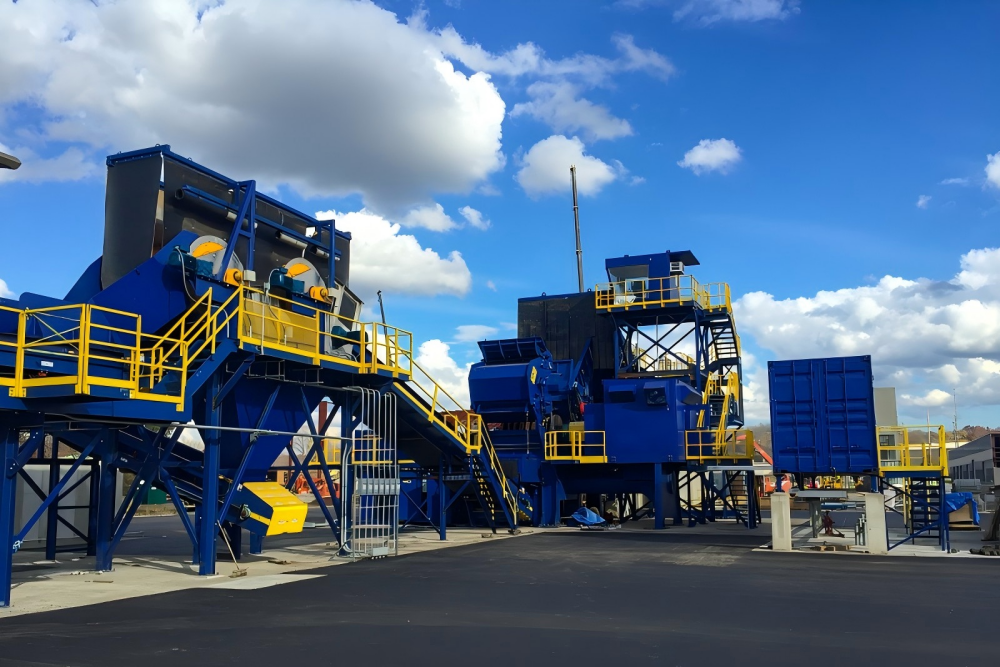
Selecting the appropriate machinery for Using Hammer Shredders Stainless Steel Scrap Size Reduction requires a deep understanding of your specific scrap stream and production goals. Not all hammer shredders are created equal, and a machine designed for light aluminum scrap will fail quickly if fed heavy-gauge stainless steel.
Assess Your Feed Material
The first step is to categorize your scrap. Are you processing thin-gauge industrial offcuts, or are you dealing with heavy structural stainless steel? For thin materials, a high-speed hammer mill with lighter hammers may be sufficient. For heavy scrap, you need a ‘mega-shredder’ class machine with massive hammers and a high-horsepower motor (often exceeding 500 HP) to ensure the material is fractured rather than just bounced around the chamber.
Throughput Requirements
Calculate your required tons per hour (TPH). Hammer shredders are generally high-capacity machines, but their efficiency drops as the material toughness increases. When sizing a machine for stainless steel, it is wise to choose a model with a rated capacity 20-30% higher than your actual needs to account for the increased processing time required for tough alloys.
Maintenance Accessibility
Because stainless steel is so abrasive, you will be changing hammers and liners more frequently than with other materials. Look for a HARSLE shredder that features a hydraulic housing opening system. This allows maintenance crews to access the rotor and grates quickly and safely. A machine that is difficult to service will lead to excessive downtime and higher operational costs.
Automation and Control Systems
Modern shredders should be equipped with intelligent control systems. These systems monitor the motor load and can automatically adjust the feed rate of the conveyor. If the rotor begins to bog down due to a particularly tough piece of stainless steel, the controller can pause the feeder, allowing the rotor to regain speed before continuing. This prevents ‘slugging’ the machine and protects the motor and drive train.
Maintenance Best Practices for Longevity
To maintain the efficiency of Using Hammer Shredders Stainless Steel Scrap Size Reduction, a rigorous maintenance schedule is non-negotiable. The aggressive nature of stainless steel means that neglect can lead to catastrophic mechanical failure.
- Hammer Rotation: Hammers should be rotated regularly to ensure even wear. Most hammers are designed to be flipped four times (using all four corners) before they need to be scrapped and replaced.
- Liner Inspection: The internal wear plates protect the structural integrity of the shredder. If a liner wears through, the scrap will begin to erode the main frame of the machine, leading to expensive and difficult repairs.
- Lubrication: The main rotor bearings are under immense pressure and high temperatures. Using high-quality, high-temperature grease and ensuring the automatic lubrication system is functioning is vital.
- Vibration Monitoring: Excessive vibration is a sign of an unbalanced rotor, often caused by uneven hammer wear or a lost hammer. Vibration sensors can alert operators to shut down the machine before damage occurs to the bearings or foundation.
Frequently Asked Questions (FAQ)
How does stainless steel shredding differ from carbon steel shredding?
Stainless steel is much tougher and more prone to work hardening. It requires more energy per ton to shred and causes significantly more wear on the hammers and internal liners compared to standard carbon steel.
Can a hammer shredder handle 316 grade stainless steel?
Yes, but 316 is even more resistant to corrosion and slightly tougher than 304. When processing 316, expect slightly lower throughput and faster wear on the cutting/impacting edges of the hammers.
What is the ideal particle size for shredded stainless steel?
For most foundries and steel mills, a particle size between 50mm and 100mm (2-4 inches) is ideal. This size provides a good balance between high bulk density and ease of handling in furnace charging systems.
Is noise a major concern when shredding stainless steel?
Yes, hammer shredders are inherently noisy, and the impact on stainless steel is particularly loud. HARSLE recommends installing the shredder in a sound-dampened enclosure or using acoustic barriers to protect workers and comply with local regulations.
How often should I replace the hammers?
The lifespan of hammers depends entirely on the volume and thickness of the scrap. In high-volume stainless steel operations, hammers might need to be rotated every few days and replaced every few weeks. Regular monitoring of the output quality will indicate when the hammers are too rounded to be effective.
Conclusion: Optimizing Your Recycling Operation
The process of Using Hammer Shredders Stainless Steel Scrap Size Reduction is a vital link in the metal recycling chain. By transforming awkward, low-density scrap into high-quality, dense, and clean furnace feed, recyclers can significantly increase their profit margins and contribute to a more sustainable industrial ecosystem. While the challenges of processing stainless steel—namely its toughness and abrasiveness—are significant, they can be managed through the use of robust, well-engineered machinery from HARSLE.
Success in this field requires more than just a powerful machine; it requires a strategic approach to maintenance, a deep understanding of material science, and the right technical specifications for the task at hand. By following the guidelines outlined in this guide, operators can ensure their hammer shredders perform reliably, efficiently, and profitably for years to come. Whether you are upgrading an existing scrap yard or designing a new metal fabrication waste management system, HARSLE’s hammer shredder technology provides the durability and performance needed to master the complexities of stainless steel size reduction.


