
Why Hammer Shredders Are Essential In E-Waste Recycling Operations

Introduction to the Role of Hammer Shredders in Modern Recycling
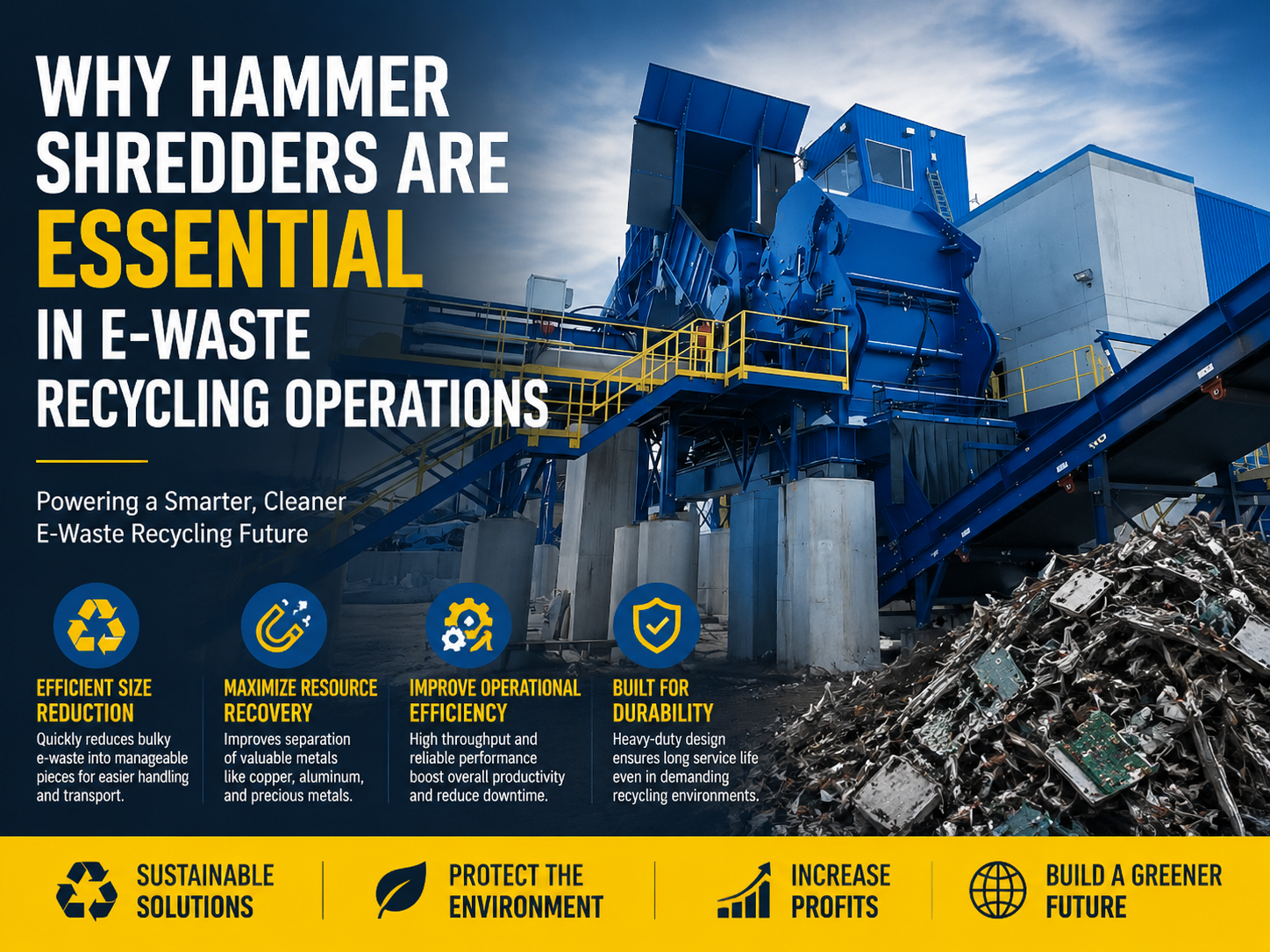
The global surge in electronic waste, or e-waste, has created a critical need for advanced processing technologies that can handle the complexity of modern consumer electronics. From discarded smartphones and laptops to large household appliances, e-waste is a dense mix of valuable metals, plastics, and hazardous materials. In this context, understanding why hammer shredders are essential in e-waste recycling operations becomes a priority for any industrial facility looking to optimize recovery rates and operational efficiency. Unlike traditional shear shredders that cut material, hammer shredders utilize high-velocity impact to pulverize and liberate bonded materials, making them indispensable for the first stage of material separation.
HARSLE, a leader in metal fabrication and industrial machinery, recognizes that the efficiency of a recycling line often hinges on the performance of the primary shredding unit. Hammer shredders, also known as hammer mills, are designed to withstand the abrasive nature of electronic components while providing the necessary force to break down rigid casings and internal structures. This article delves deep into the mechanics, benefits, and strategic importance of these machines, providing a comprehensive overview for industry professionals and facility managers.
Key Considerations for E-Waste Processing
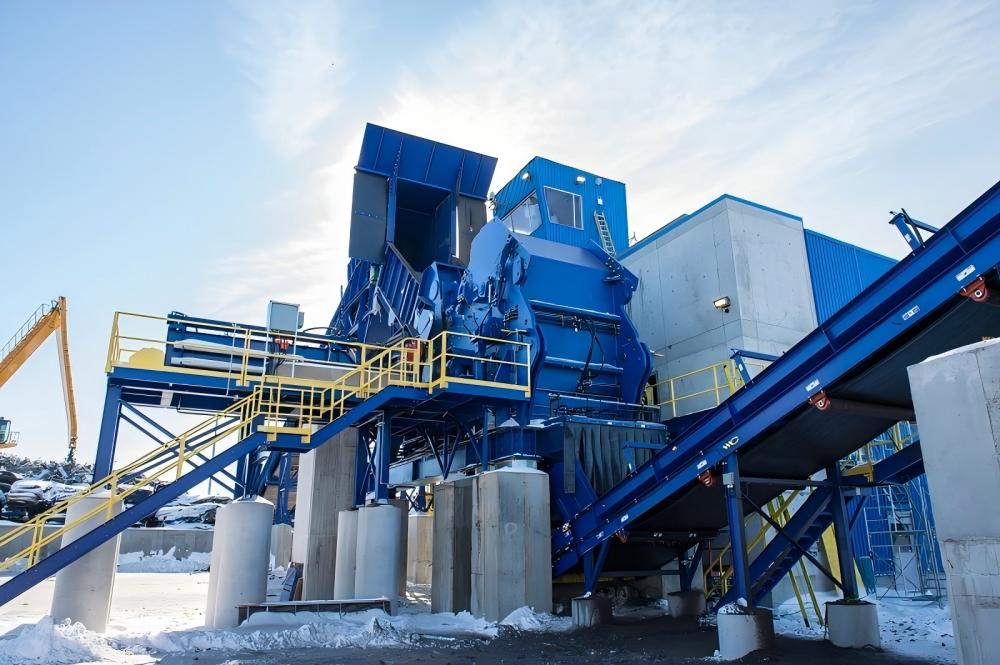
When evaluating why hammer shredders are essential in e-waste recycling operations, one must first consider the unique challenges posed by electronic scrap. E-waste is not a monolithic material; it is a composite of ferrous metals, non-ferrous metals (like copper and aluminum), precious metals (gold, silver, palladium), and various polymers. These materials are often glued, soldered, or screwed together in intricate ways. A hammer shredder’s primary function is ‘liberation’—the process of breaking these physical bonds so that downstream sorting equipment, such as eddy current separators and optical sorters, can function effectively.
Another key consideration is the throughput and durability required for industrial-scale operations. E-waste contains high-density components like power supply units and stainless steel frames that can dull the blades of a shear shredder quickly. Hammer shredders, however, use massive, free-swinging hammers that rely on kinetic energy. This design is inherently more robust against ‘unshreddables’—heavy pieces of metal that might enter the chamber. Instead of jamming, the hammers can deflect, reducing the risk of catastrophic mechanical failure and minimizing downtime.
Furthermore, the environmental impact of e-waste processing cannot be ignored. Efficient shredding reduces the volume of waste and prepares it for refined chemical or thermal recovery processes. By achieving a consistent output size, hammer shredders ensure that the subsequent separation stages are highly efficient, thereby reducing the amount of material that ends up in landfills. This alignment with circular economy principles is a major reason why these machines are a staple in modern recycling facilities.
Technical Details of Hammer Shredder Engineering
The engineering behind a hammer shredder is a study in physics and metallurgy. At its core is a high-speed rotor equipped with several rows of hammers. These hammers are typically made from manganese steel or specialized alloys designed to work-harden under impact. As the rotor spins, the hammers extend due to centrifugal force, striking the incoming e-waste with immense power. The material is crushed against internal breaker plates and then forced through a discharge grate or screen at the bottom of the machine.
Rotor Dynamics and Kinetic Energy
The effectiveness of a hammer shredder is directly proportional to the kinetic energy of the rotor assembly. The formula $E = 1/2 mv^2$ dictates that increasing the mass of the hammers or the velocity of the rotor significantly increases the impact force. In e-waste applications, HARSLE machines are engineered to balance these factors, ensuring that even the toughest circuit boards and aluminum housings are reduced to the desired grain size in a single pass. The rotor must be precision-balanced to prevent vibrations that could damage the bearings and the structural frame of the machine.
Screen and Grate Configuration
The discharge screen is a critical component that determines the final particle size. For e-waste, a smaller screen size is often preferred to ensure that components like integrated circuits (ICs) are fully liberated from the fiberglass substrate of printed circuit boards (PCBs). However, smaller screens require more power and can reduce throughput. Advanced hammer shredders offer interchangeable screens, allowing operators to adjust the output based on the specific type of e-waste being processed, whether it is bulky ‘brown goods’ or fine electronic components.
Cooling and Dust Suppression Systems
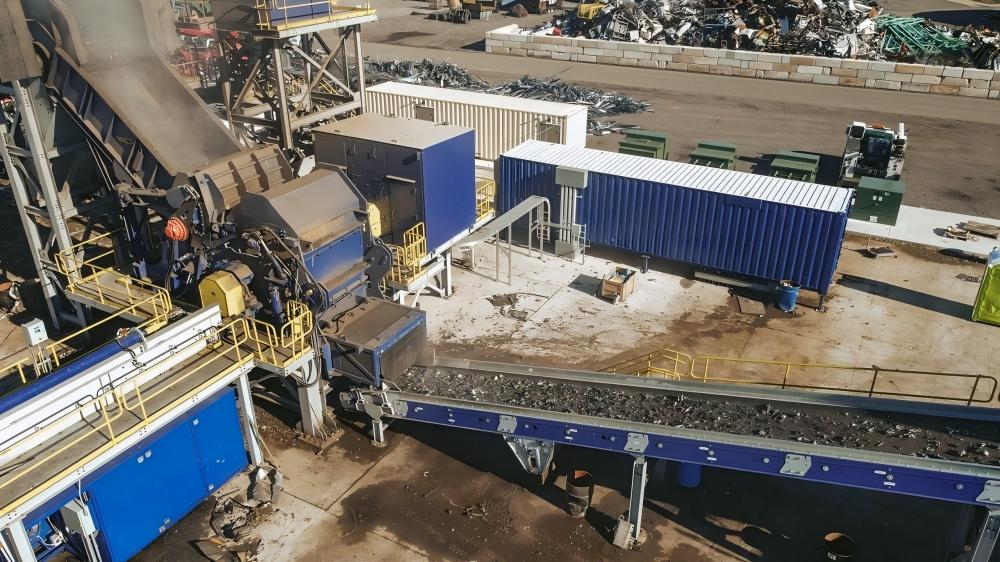
Shredding electronics generates significant heat and dust. The friction between the hammers and the material can lead to the melting of certain plastics if not managed correctly. High-end hammer shredders incorporate air-cooling systems or water-mist suppression to control temperatures and manage the fine particulate matter (dust) that is released during the pulverization of PCBs. This is essential not only for machine longevity but also for the health and safety of the operators and compliance with environmental regulations regarding airborne contaminants.
Selection Advice for Industrial Recycling Facilities
Choosing the right hammer shredder requires a deep understanding of your facility’s specific needs. It is not a one-size-fits-all solution. The first step in selection is determining the average hourly throughput. For small to medium enterprises, a compact unit with a 50-100 HP motor might suffice, whereas large-scale industrial recyclers may require units exceeding 500 HP to process several tons of e-waste per hour.
- Material Feed Type: Are you processing whole units (like desktop towers) or pre-shredded material? Whole units require a larger feed opening and heavier hammers to handle the initial impact.
- Maintenance Accessibility: Look for machines with hydraulic housing openings. Since hammers and liners are wear parts, the ability to access the rotor quickly for rotation or replacement is vital for maintaining high uptime.
- Integration Capabilities: A hammer shredder is rarely a standalone machine. It must integrate seamlessly with conveyors, magnetic separators, and dust extraction units. Ensure the machine’s footprint and discharge height align with your existing or planned production line.
- Safety Features: Given the high speeds involved, safety is paramount. Features such as emergency stop systems, vibration sensors, and ‘tramp metal’ release doors (which allow uncrushable items to exit the chamber without damage) are non-negotiable for professional operations.
Additionally, consider the total cost of ownership (TCO). While a cheaper machine might have a lower upfront cost, the frequency of hammer replacements and the energy consumption per ton of material processed can make it more expensive in the long run. HARSLE recommends looking for machines with high-efficiency motors and durable wear liners that can be easily replaced or hard-faced to extend their service life.
The Importance of Material Liberation in E-Waste
To truly understand why hammer shredders are essential in e-waste recycling operations, one must look at the ‘liberation’ aspect in detail. In the world of recycling, liberation refers to the physical separation of different materials that are bonded together. In a smartphone, for example, the glass screen is glued to the frame, the battery is tucked inside, and the PCB is populated with hundreds of tiny components. A shear shredder might cut this phone into strips, but the copper remains attached to the plastic, and the gold remains on the board.
A hammer shredder, through its high-speed impact, creates a ‘shattering’ effect. This mechanical stress causes the different materials to break apart at their weakest points—usually the joints, glues, and solder points. The result is a mixture of clean metal fragments and plastic bits. This high degree of liberation is what allows downstream magnetic separators to pull out 99% of the ferrous metals and eddy current separators to recover nearly all the aluminum and copper. Without the intensive impact of a hammer shredder, the purity of the recovered materials would be significantly lower, reducing their market value and the overall profitability of the recycling operation.
Maintenance and Longevity of Hammer Shredders
Maintenance is the heartbeat of any industrial operation. For hammer shredders, the primary focus is on the hammers themselves. Depending on the abrasiveness of the e-waste, hammers may need to be rotated or replaced every few hundred hours of operation. Most modern hammers are designed with multiple striking faces, allowing them to be flipped to expose a fresh edge before a full replacement is needed.
The internal liners of the shredding chamber also take a beating. These liners protect the main structural frame of the machine from wear. Regularly inspecting these liners and replacing them when they become thin is essential to prevent structural damage. Lubrication of the main rotor bearings is another critical task. Given the high RPMs and the heat generated, using the correct high-temperature grease and following a strict lubrication schedule will prevent bearing failure, which is one of the most costly repairs a shredder can undergo.
| Maintenance Task | Frequency | Importance |
|---|---|---|
| Hammer Inspection | Daily | Critical for output consistency |
| Bearing Lubrication | Every 8-12 Hours | Prevents catastrophic rotor failure |
| Liner Wear Check | Weekly | Protects machine housing |
| Screen/Grate Inspection | Weekly | Ensures correct particle size |
| Vibration Analysis | Monthly | Detects early signs of rotor imbalance |
Frequently Asked Questions (FAQ)
1. Why are hammer shredders preferred over shear shredders for e-waste?
Hammer shredders are preferred because they provide better material liberation. While shear shredders are excellent for volume reduction, they often leave different materials bonded together. Hammer shredders use impact to shatter these bonds, which is essential for high-purity metal recovery in e-waste processing.
2. Can hammer shredders handle lithium-ion batteries?
Processing lithium-ion batteries in a standard hammer shredder is extremely dangerous due to the risk of fire and explosion. Specialized ‘wet’ shredders or inert atmosphere shredders are required for batteries. Most e-waste recyclers remove batteries manually or via specialized sorting before the material enters the hammer shredder.
3. What is the typical lifespan of a hammer?
The lifespan of a hammer varies greatly depending on the material being processed. For typical electronic scrap, a set of manganese steel hammers might last between 100 to 300 hours before needing rotation or replacement. Using hard-facing welding techniques can extend this life significantly.
4. How does the machine handle ‘unshreddables’ like heavy steel shafts?
Quality hammer shredders feature a ‘tramp metal’ release or a ‘reject door.’ Because the hammers are free-swinging, they can retract when they hit an object that is too hard to break. The centrifugal force then pushes the object toward a discharge point designed to eject such items without stopping the machine.
5. What size should the output material be for optimal recovery?
For e-waste, an output size of 10mm to 30mm is generally considered optimal. This size is small enough to liberate most components from PCBs but large enough to be efficiently sorted by magnetic and eddy current separators. Smaller sizes may lead to excessive dust and loss of precious metals.
Conclusion: The Future of E-Waste Recycling with HARSLE
In conclusion, the question of why hammer shredders are essential in e-waste recycling operations is answered by their unique ability to combine high-throughput processing with superior material liberation. As electronic devices become more compact and complex, the need for powerful, impact-based shredding will only grow. These machines are the workhorses that turn a pile of hazardous electronic scrap into a valuable stream of raw materials, fueling the circular economy and protecting our environment.
HARSLE remains committed to providing the recycling industry with robust, high-performance hammer shredders that meet the rigorous demands of modern e-waste processing. By focusing on durable metallurgy, precision engineering, and ease of maintenance, HARSLE machinery ensures that recyclers can maximize their ROI while contributing to a more sustainable future. Whether you are starting a new recycling venture or upgrading an existing line, the hammer shredder stands as the most critical investment for efficient and profitable e-waste recovery.


