
Hammer Shredder Applications for Aluminum Scrap Recovery and Sorting: A Comprehensive Guide

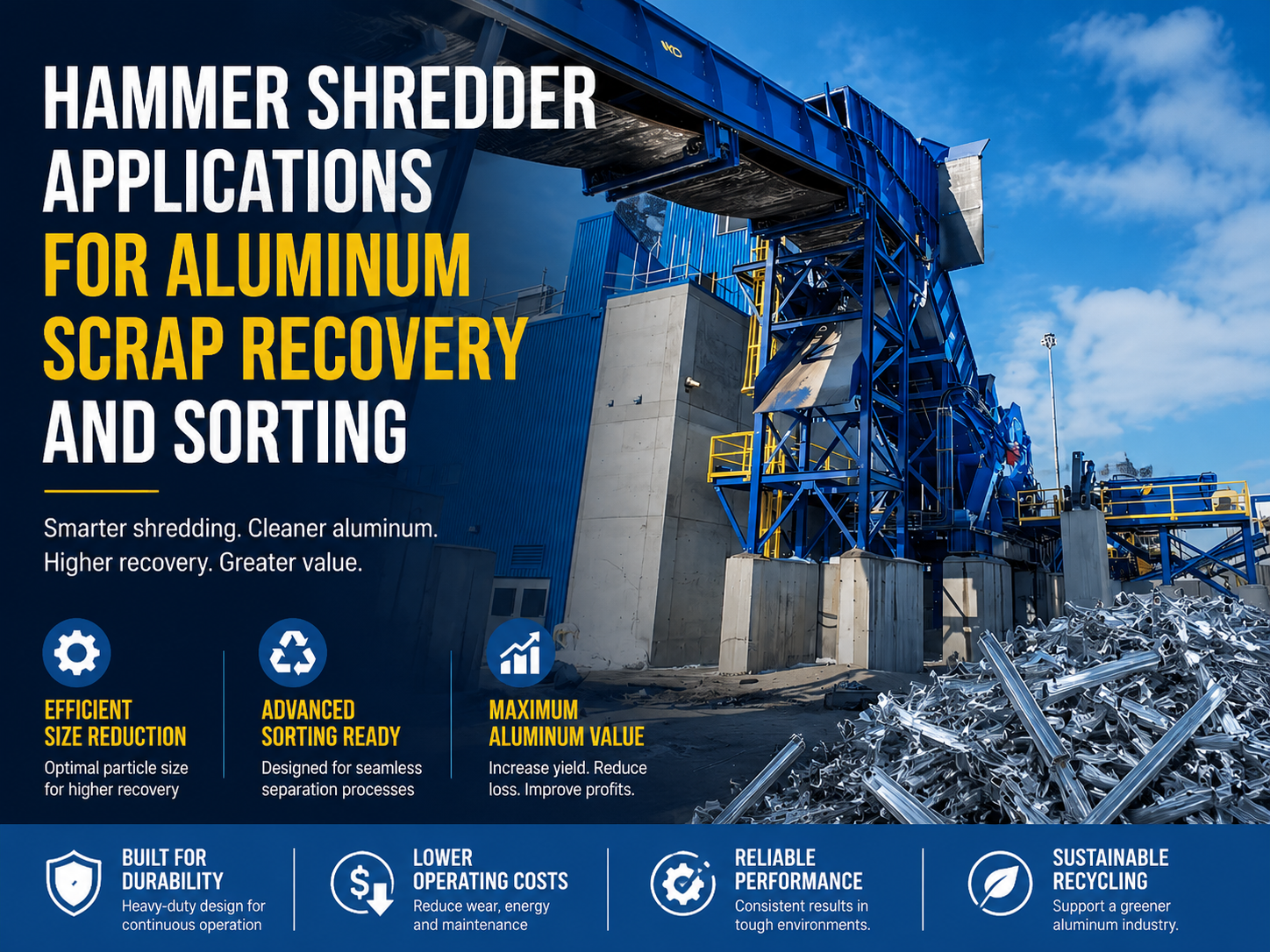
Introduction to Hammer Shredder Applications for Aluminum Scrap Recovery and Sorting
In the modern industrial landscape, the circular economy is no longer just a buzzword; it is a fundamental pillar of sustainable manufacturing. Aluminum, known for its infinite recyclability without loss of quality, stands at the forefront of this movement. However, the journey from raw scrap to high-purity secondary aluminum requires sophisticated processing. This is where Hammer Shredder Applications Aluminum Scrap Recovery Sorting becomes critical. Hammer shredders are the workhorses of the recycling industry, designed to reduce bulky aluminum waste into manageable, uniform fragments while liberating non-metallic contaminants.
HARSLE has consistently engineered machinery that addresses the rigorous demands of the scrap metal industry. Aluminum scrap comes in various forms—from used beverage cans (UBC) and automotive engine blocks to architectural profiles and industrial turnings. Each type of scrap presents unique challenges in terms of density, alloy composition, and contamination levels. A high-performance hammer shredder is essential for breaking down these materials, ensuring that downstream sorting equipment, such as magnetic separators and eddy current separators, can function at peak efficiency.
The primary goal of using a hammer shredder in aluminum recovery is twofold: size reduction and liberation. Size reduction ensures the material can be easily transported and fed into furnaces, while liberation involves physically separating aluminum from steel bolts, plastic coatings, rubber seals, and other foreign materials. By achieving a high degree of liberation, recyclers can produce a cleaner end-product that fetches a higher market price and reduces the energy required for smelting.
As global demand for secondary aluminum continues to rise—driven by the automotive industry’s shift toward lightweight electric vehicles and the packaging sector’s move away from plastics—the role of the hammer shredder has never been more vital. This guide explores the technical intricacies, application scenarios, and selection criteria for hammer shredders specifically tailored for aluminum scrap recovery and sorting.
Key Considerations for Aluminum Scrap Processing
When implementing Hammer Shredder Applications Aluminum Scrap Recovery Sorting, several factors must be considered to ensure operational efficiency and longevity of the equipment. Aluminum is a relatively soft metal compared to steel, but it is often found in complex assemblies. For instance, an aluminum engine block contains steel liners and studs, while aluminum window frames may have thermal breaks made of polyamide or PVC. The shredder must be robust enough to handle these harder inclusions without sustaining damage.
One of the most significant considerations is the moisture and volatile content of the scrap. Aluminum turnings from machining processes are often saturated with cutting oils and coolants. If processed incorrectly, these can lead to fire hazards within the shredder or clogging of the discharge grates. HARSLE shredders are designed with ventilation and dust suppression systems to mitigate these risks, ensuring a safe working environment and consistent throughput.
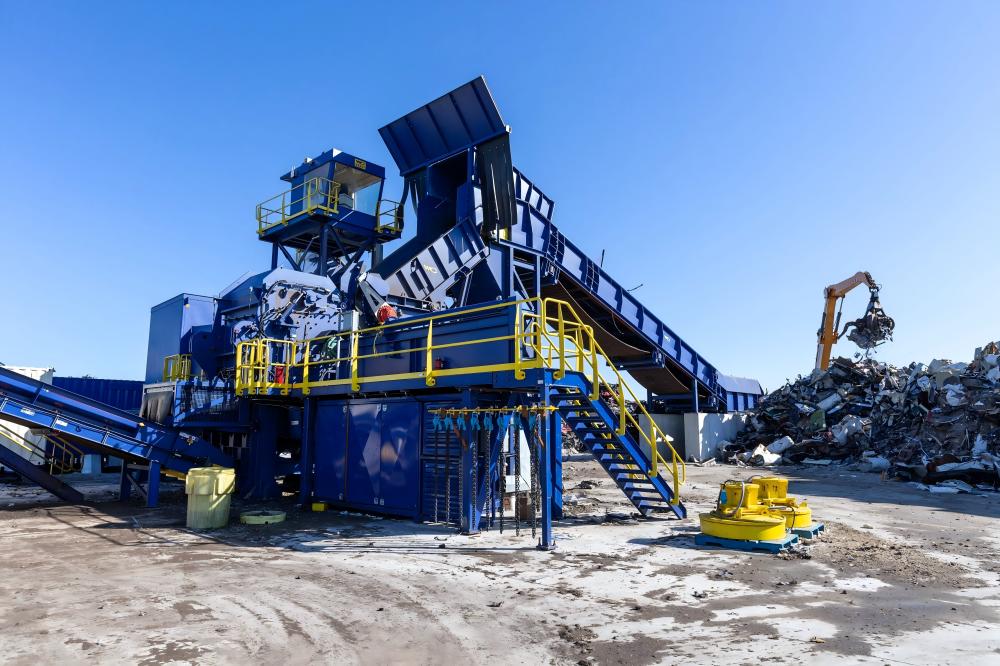
Another critical factor is the “Zorba” factor. Zorba is the industry term for shredded non-ferrous scrap, primarily consisting of aluminum. The quality of Zorba produced depends heavily on the shredder’s ability to create a uniform particle size. If the particles are too large, they may trap heavy metals like copper or brass; if they are too small (fines), they may be lost during the sorting process or oxidize too quickly in the furnace. Precision-engineered grates and adjustable hammer clearances are essential features for controlling this output.
Furthermore, the abrasive nature of certain aluminum alloys, particularly those with high silicon content used in castings, can lead to rapid wear of the internal components. Operators must consider the metallurgy of the hammers and liners. Manganese steel is often preferred for its work-hardening properties, where the surface becomes harder as it impacts the scrap, while the core remains tough and ductile to resist fracturing.
Technical Details of Hammer Shredder Design
The technical superiority of a hammer shredder lies in its rotor assembly and the kinetic energy it delivers. In Hammer Shredder Applications Aluminum Scrap Recovery Sorting, the rotor is the heart of the machine. It consists of a heavy-duty shaft equipped with a series of discs or spiders that hold the hammers in place. Unlike fixed-blade shredders, hammer shredders utilize “swinging” hammers that can retract if they encounter an un-shreddable object, such as a heavy steel shaft, thereby preventing catastrophic failure of the machine.
The hammers themselves are designed with specific geometries to maximize the impact force. For aluminum profiles and sheets, a “bell” or “T-shape” hammer might be used to provide a shearing action alongside the impact. For heavier castings, a massive rectangular hammer is more effective at shattering the brittle aluminum structure. The rotational speed of the rotor is carefully calibrated; higher speeds result in finer fragmentation but increase the generation of dust and fines, which can be detrimental to recovery rates.
The Role of the Anvil and Grate
The shredding process occurs between the rotating hammers and a fixed anvil or breaker plate. As the material enters the chamber, it is struck by the hammers and flung against the anvil, causing it to fracture. The material then circulates within the chamber until it is small enough to pass through the discharge grate at the bottom. The size of the openings in the grate determines the final product size. For aluminum recovery, grates are often designed with staggered holes to prevent long, thin pieces (known as “spears”) from passing through prematurely.
Modern HARSLE hammer shredders also incorporate hydraulic systems for easy access to the internal chamber. This allows for rapid replacement of hammers and grates, minimizing downtime. Additionally, vibration monitoring sensors are often installed to detect imbalances in the rotor, which could indicate a lost hammer or excessive wear, allowing for proactive maintenance before a major breakdown occurs.
Selection Advice for Industrial Aluminum Shredders
Choosing the right equipment for Hammer Shredder Applications Aluminum Scrap Recovery Sorting requires a deep understanding of your specific waste stream and production goals. The first step is to define the required throughput, measured in tons per hour (TPH). For small-scale recycling centers, a compact unit might suffice, but for industrial-scale smelters or large scrap yards, a high-capacity shredder with a motor exceeding 500kW may be necessary.
Consider the following checklist when selecting a hammer shredder:
- Material Feed Type: Are you processing loose UBC, baled profiles, or heavy engine blocks? Baled material requires a shredder with a larger feed opening and higher initial torque.
- Desired End-Product: Do you need a specific particle size for a particular furnace type? Ensure the shredder offers customizable grate options.
- Downstream Compatibility: Ensure the shredder’s output matches the capacity of your eddy current separators and optical sorters.
- Power Efficiency: Look for machines with high-efficiency motors and variable frequency drives (VFD) to manage energy consumption during varying load conditions.
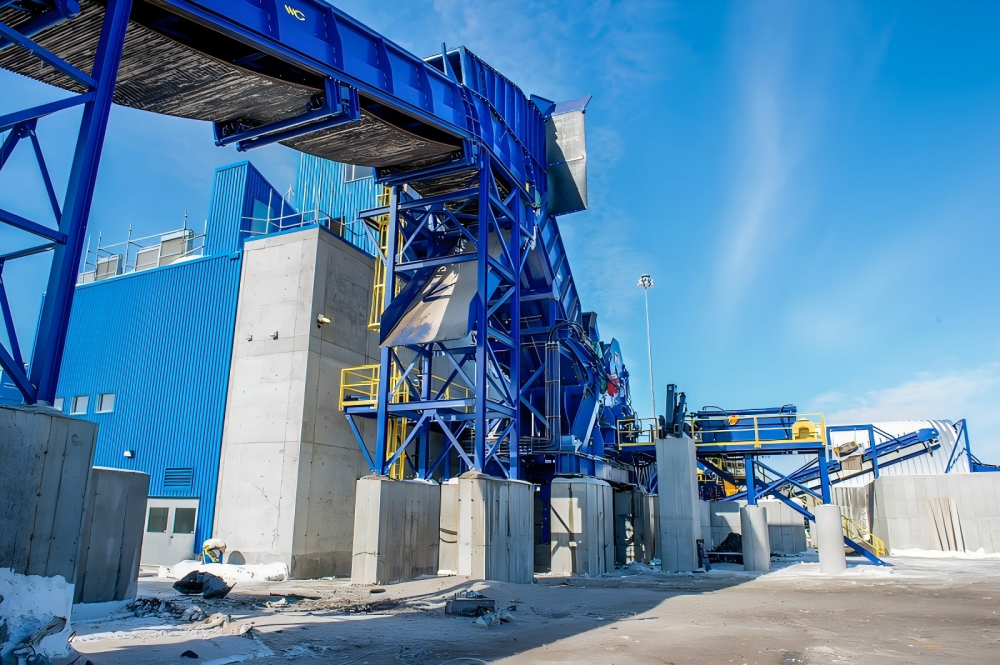
Maintenance accessibility is another crucial factor. A shredder that is difficult to service will inevitably lead to higher operational costs. HARSLE designs emphasize “open-top” configurations where the entire upper housing can be tilted back hydraulically. This provides technicians with full access to the rotor and liners, reducing the time required for hammer rotations or replacements from days to hours.
Finally, evaluate the total cost of ownership (TCO). While the initial purchase price is important, the cost of wear parts (hammers, liners, grates) and energy consumption over the machine’s lifespan will have a much larger impact on your profitability. Investing in a high-quality HARSLE shredder with superior metallurgy and energy-efficient design often yields a much faster ROI in the long run.
Integration with Sorting Technologies
A hammer shredder is rarely a standalone solution in aluminum recovery. Its primary role is to prepare the material for downstream sorting. Once the aluminum scrap has been shredded and liberated, it typically passes through a multi-stage separation line. The first stage is usually a magnetic drum or overbelt magnet, which removes ferrous metals (iron and steel) that were liberated during the shredding process.
The next and most critical stage for aluminum is the Eddy Current Separator (ECS). The ECS uses a high-speed magnetic rotor to create eddy currents in non-ferrous metals, effectively “jumping” the aluminum away from non-metallic waste like plastic and glass. The efficiency of the ECS is directly dependent on the quality of the shredding; if the particles are too large or if the aluminum is still attached to heavy contaminants, the separation will be poor.
In advanced facilities, X-ray Transmission (XRT) sorting is used after the ECS to further refine the aluminum. XRT can distinguish between different aluminum alloys based on their density, allowing for the separation of “wrought” aluminum (like cans and profiles) from “cast” aluminum (like engine parts). This level of sorting is only possible if the hammer shredder has successfully reduced the scrap to a uniform, liberated state. By integrating HARSLE shredding technology with these advanced sorting methods, recyclers can achieve purity levels exceeding 99%, making the secondary aluminum suitable for high-end manufacturing applications.
Frequently Asked Questions (FAQ)
1. What is the typical lifespan of hammers in an aluminum shredder?
The lifespan of hammers depends heavily on the type of scrap being processed. For clean aluminum profiles, hammers can last several hundred hours. However, if the scrap contains significant amounts of steel or abrasive castings, the hammers may need to be rotated or replaced every 40-80 hours. Using high-quality manganese or alloy steel hammers from HARSLE can significantly extend these intervals.
2. Can a hammer shredder handle whole aluminum engine blocks?
Yes, heavy-duty hammer shredders are specifically designed to shatter aluminum engine blocks. The impact of the hammers breaks the brittle cast aluminum, liberating the steel crankshafts, camshafts, and liners. However, it is important to use a shredder with sufficient motor power and a reinforced housing for this application.
3. How does shredding improve the smelting process?
Shredded aluminum has a higher surface-area-to-volume ratio, which can lead to faster melting. More importantly, the removal of contaminants (plastics, oils, and other metals) during the shredding and sorting process reduces dross formation in the furnace, improves metal yield, and ensures the final alloy meets strict chemical specifications.
4. What safety features are essential for aluminum shredders?
Key safety features include explosion venting (especially for fine dust), emergency stop systems, vibration sensors, and hydraulic locking mechanisms for the maintenance doors. Since aluminum dust can be explosive under certain conditions, proper dust extraction and filtration are mandatory.
5. Is it better to use a single-shaft or a hammer shredder for aluminum?
Single-shaft shredders are excellent for precise size reduction of softer materials like plastics or thin aluminum foils. However, for general aluminum scrap recovery involving mixed materials and heavy castings, the hammer shredder is superior due to its high impact energy and ability to liberate dissimilar materials.
Conclusion
The effective implementation of Hammer Shredder Applications Aluminum Scrap Recovery Sorting is a cornerstone of modern metal recycling. By transforming bulky, contaminated aluminum waste into high-purity, uniform fragments, hammer shredders enable the efficient recovery of one of the world’s most valuable materials. HARSLE’s commitment to engineering robust, efficient, and easy-to-maintain shredding solutions ensures that recyclers can meet the growing global demand for secondary aluminum while maximizing their operational profitability.
As technology advances, we can expect to see even greater integration between shredders and AI-driven sorting systems, further pushing the boundaries of material purity. For any industrial operation looking to enhance its aluminum recovery capabilities, selecting a high-performance hammer shredder is not just an equipment purchase—it is a strategic investment in the future of sustainable manufacturing. With the right machinery, the challenges of scrap contamination and alloy mixing become manageable, turning waste into a high-value resource for the global market.


