
A Practical Guide to Buying a Hammer Shredder for Metal Waste Reduction

Introduction to Metal Waste Reduction and Hammer Shredders
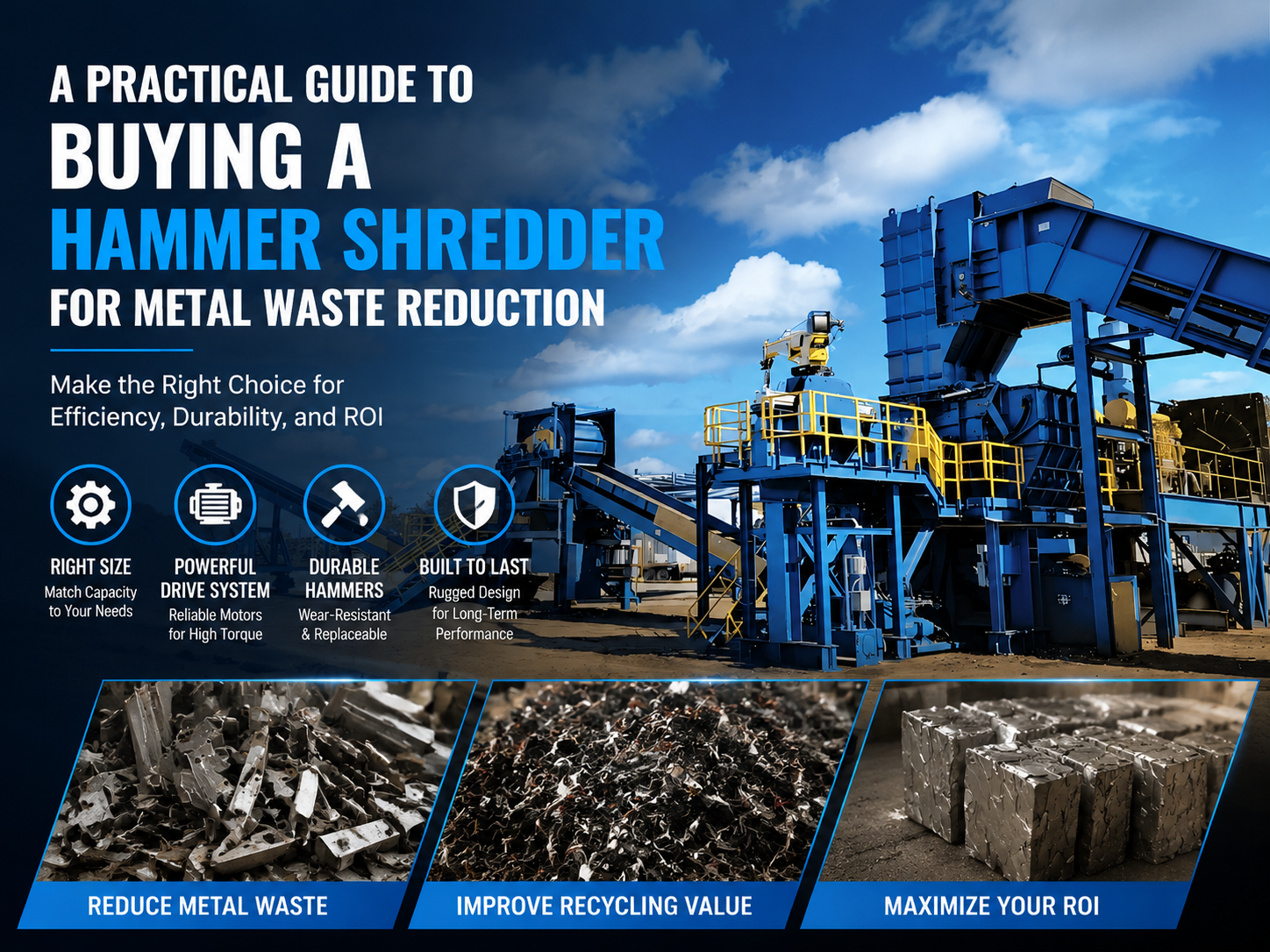
In the modern industrial landscape, the management of scrap metal has evolved from a logistical burden into a highly profitable revenue stream. As global demand for recycled steel, aluminum, and copper continues to rise, the efficiency of processing equipment becomes paramount. This is where the hammer shredder plays a critical role. A hammer shredder is a heavy-duty machine designed to reduce large volumes of metal waste into smaller, denser, and more manageable fragments through high-velocity impact. For businesses looking to optimize their recycling operations, understanding the nuances of A Practical Buying A Hammer Shredder Metal Waste Reduction strategy is essential for long-term success.
HARSLE has long been at the forefront of providing high-performance metal fabrication and recycling machinery. We understand that purchasing a hammer shredder is a significant capital investment. It requires a deep dive into technical specifications, material compatibility, and operational costs. This guide aims to provide a comprehensive roadmap for procurement officers, facility managers, and business owners to navigate the complex market of industrial shredding equipment.
Price Range Overview: What to Expect
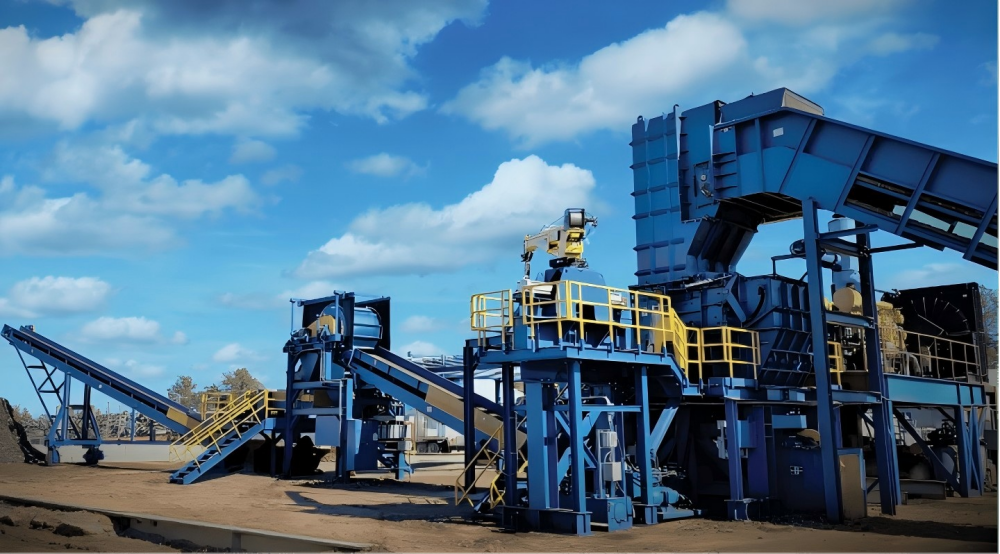
The market for hammer shredders is vast, with prices ranging from entry-level units to multi-million dollar industrial complexes. Understanding where your needs fit within this spectrum is the first step in the buying process. Generally, the price of a hammer shredder is dictated by its throughput capacity, the thickness of the material it can process, and the level of automation integrated into the system.
Entry-level hammer shredders, often used for light non-ferrous metals like aluminum cans or thin electronic scrap, typically fall in the $25,000 to $60,000 range. These machines are suitable for smaller recycling centers that process a few tons per day. Moving into the mid-range category ($70,000 to $200,000), you find machines capable of handling light ferrous scrap, household appliances (white goods), and automotive components. These units offer better durability and higher motor power, often ranging from 90kW to 200kW.
For large-scale industrial operations, heavy-duty hammer shredders can exceed $500,000. These systems are designed for 24/7 operation, processing car bodies, heavy structural steel, and mixed industrial waste. At this level, the price includes not just the shredder, but also sophisticated infeed conveyors, magnetic separation systems, and dust suppression units. When considering A Practical Buying A Hammer Shredder Metal Waste Reduction, it is vital to look beyond the initial purchase price and evaluate the total cost of ownership over a 10-year lifecycle.
Main Cost Drivers in Hammer Shredder Procurement
Several technical factors significantly influence the final quote of a hammer shredder. Identifying these drivers allows buyers to prioritize features that offer the most value for their specific application.
- Motor Power and Drive System: The motor is the heart of the shredder. Higher horsepower allows for the processing of thicker materials and increases hourly throughput. Furthermore, the choice between a direct drive, belt drive, or hydraulic drive system impacts both the initial cost and the maintenance profile.
- Rotor Design and Metallurgy: The rotor is the most stressed component. Rotors made from high-strength alloy steels with specialized heat treatments cost more but offer significantly longer service lives. The weight of the rotor also contributes to the kinetic energy available for shredding, which is crucial for heavy scrap.
- Hammer Composition: Hammers are the primary wear part. High-manganese steel hammers are standard, but premium options like forged alloy or tungsten carbide-tipped hammers can double the price of a replacement set while offering triple the lifespan.
- Structural Integrity: The thickness of the machine housing and the quality of the internal liners (often made of Hardox or similar wear-resistant plates) are major cost drivers. A heavier frame absorbs vibration better, leading to less mechanical fatigue over time.
Configuration Impact: Customizing for Your Material
No two recycling operations are identical, and the configuration of your hammer shredder should reflect the specific types of metal waste you intend to process. A machine configured for aluminum extrusions will perform poorly if fed heavy steel plate, and vice versa. The configuration affects both the efficiency of the reduction and the quality of the final output.
One of the most critical configuration choices is the sieve or grate size. The grate determines the maximum size of the output material. Smaller holes produce a finer, more uniform product which often fetches a higher price at smelters, but it also slows down the throughput and increases wear on the hammers. Conversely, larger holes allow for faster processing but may result in a product that requires secondary sorting.
Furthermore, the infeed system plays a massive role in operational efficiency. For bulky waste like car shells, a hydraulic pusher or a heavy-duty apron feeder is necessary to ensure a consistent flow into the shredding chamber. Without a proper feeding mechanism, the shredder may experience “slugging,” where too much material enters at once, causing motor stalls or mechanical failure. Integrating a variable frequency drive (VFD) can help manage these loads by adjusting the motor speed in real-time based on the resistance encountered by the rotor.
Hidden Costs: Beyond the Sticker Price
When executing A Practical Buying A Hammer Shredder Metal Waste Reduction plan, many buyers fail to account for the secondary costs associated with industrial machinery. These “hidden” expenses can quickly erode the projected ROI if not budgeted for correctly.
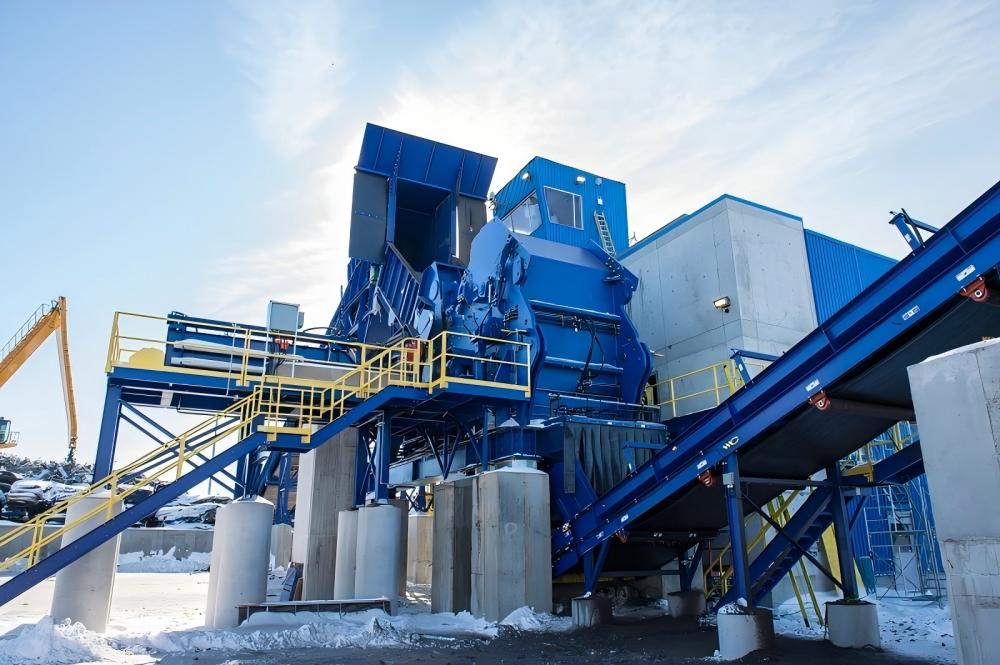
Installation and Infrastructure: A large hammer shredder requires a reinforced concrete foundation to handle the massive vibrations generated during operation. Additionally, the electrical infrastructure must be capable of handling high startup currents. You may need to invest in transformers or specialized switchgear, which can add 10-15% to the total project cost.
Wear Parts and Maintenance: Hammer shredders are, by definition, self-destructive machines. Hammers, liners, and grates are designed to wear out. A typical operation might need to rotate or replace hammers every 40 to 100 hours of operation depending on the abrasiveness of the scrap. Buyers should request a detailed “wear part consumption” estimate from the manufacturer to understand the ongoing operational expenditure (OPEX).
Environmental and Safety Compliance: Shredding metal generates significant noise, dust, and potentially hazardous emissions (especially if processing E-waste or painted scrap). Investing in a robust dust collection system, soundproofing enclosures, and fire suppression systems is often a legal requirement and adds to the initial capital expenditure (CAPEX).
ROI Calculation: Turning Waste into Wealth
The justification for buying a hammer shredder lies in the Return on Investment (ROI). To calculate this, you must compare the value of “unprocessed” scrap versus “shredded and sorted” scrap. Shredded scrap is highly valued by steel mills and foundries because it has a higher bulk density, is easier to melt, and contains fewer impurities.
Consider this example: If loose mixed scrap sells for $200 per ton, but shredded and magnetically separated steel scrap sells for $350 per ton, the “value-add” is $150 per ton. If your machine processes 5 tons per hour and operates for 2,000 hours a year, the gross value-add is $1.5 million. From this, you subtract labor, electricity, wear parts, and financing costs. Most high-efficiency HARSLE shredders are designed to achieve a full ROI within 18 to 24 months of consistent operation.
Another factor in ROI is volume reduction. Shredding can reduce the volume of metal waste by up to 80%. This drastically lowers transportation costs, as you can fit significantly more weight into a single truck or shipping container. For companies dealing with high-volume, low-density waste like metal turnings or empty drums, the logistics savings alone can justify the machine’s cost.
Buying Advice: A Step-by-Step Checklist
To ensure you make the right choice, follow this structured approach to procurement:
- Define Your Feedstock: Be specific. Are you shredding 2mm aluminum sheets or 10mm steel plate? Provide samples to the manufacturer for testing.
- Determine Required Throughput: Don’t just buy for today’s volume. Consider your growth projections for the next 3-5 years. It is often cheaper to buy a slightly larger machine now than to replace an undersized one in two years.
- Evaluate the Rotor Construction: Ask for the rotor’s weight and the material specifications of the shaft. A heavier rotor provides more inertia, which is essential for handling unexpected “unshreddables” that might enter the chamber.
- Check for Ease of Maintenance: Look for machines with hydraulic opening housings. If it takes a full day just to access the hammers, your downtime costs will skyrocket. HARSLE designs prioritize quick-access points for routine inspections.
- Verify After-Sales Support: Where are the spare parts stocked? Does the manufacturer offer remote diagnostic support? In the recycling industry, a week of downtime can mean thousands of dollars in lost revenue.
Technical Specifications Comparison Table
| Feature | Light-Duty (Scrap) | Medium-Duty (Appliances) | Heavy-Duty (Automotive) |
|---|---|---|---|
| Motor Power | 30kW – 75kW | 90kW – 200kW | 250kW – 600kW+ |
| Throughput (Tons/Hr) | 1 – 3 | 5 – 12 | 15 – 40+ |
| Hammer Material | Manganese Steel | High-Manganese Alloy | Forged Alloy / Composite |
| Typical Feedstock | UBC, E-waste, Tin | White goods, Light iron | Car bodies, HMS 1/2 |
| Primary Benefit | Low CAPEX | Versatility | Maximum ROI / Volume |
Frequently Asked Questions (FAQ)
1. What is the difference between a hammer shredder and a shear shredder?
A shear shredder (twin-shaft) uses low-speed, high-torque blades to cut material, which is ideal for primary reduction and handling bulky items without creating much dust. A hammer shredder uses high-speed impact to shatter material. Hammer shredders are better for “cleaning” scrap (separating different metals) and producing a dense, nugget-like final product.
2. How often do I need to replace the hammers?
This depends entirely on the material. If you are shredding clean aluminum, hammers might last 200 hours. If you are shredding sandy or contaminated steel scrap, they might need flipping or replacement every 40 hours. Regular hard-facing (welding) can extend their life, but eventually, the base metal fatigues.
3. Can a hammer shredder handle “unshreddables” like engine blocks?
Standard hammer shredders have a “reject door” or “dump door.” If a piece of metal is too hard to be broken by the hammers, the kinetic energy pushes it against a spring-loaded or hydraulic door, allowing it to exit the chamber without damaging the rotor. However, consistently feeding unshreddables will drastically increase maintenance costs.
4. Is a vertical or horizontal shredder better?
Horizontal shredders are more common for general scrap because they are easier to feed with a conveyor. Vertical shredders (often called grinders) are excellent for creating a very uniform, high-density product and are frequently used in the final stages of copper wire or aluminum recycling.
5. What kind of electrical protection do I need?
Because of the high inertia of the rotor, these machines have long startup times. You will need a soft-starter or a VFD to prevent massive voltage drops in your facility. Additionally, vibration sensors are a must-have to shut down the machine automatically if a hammer breaks or the rotor becomes unbalanced.
Conclusion
Investing in a hammer shredder is a transformative step for any metal processing business. By focusing on A Practical Buying A Hammer Shredder Metal Waste Reduction strategy, you ensure that your equipment is not just a cost center, but a powerful tool for value creation. From selecting the right motor power to understanding the nuances of metallurgy and maintenance, every decision impacts your bottom line. At HARSLE, we are committed to helping our clients find the perfect balance between performance, durability, and cost. Whether you are starting a new recycling venture or upgrading an existing facility, choosing the right hammer shredder is the foundation of your future success.


