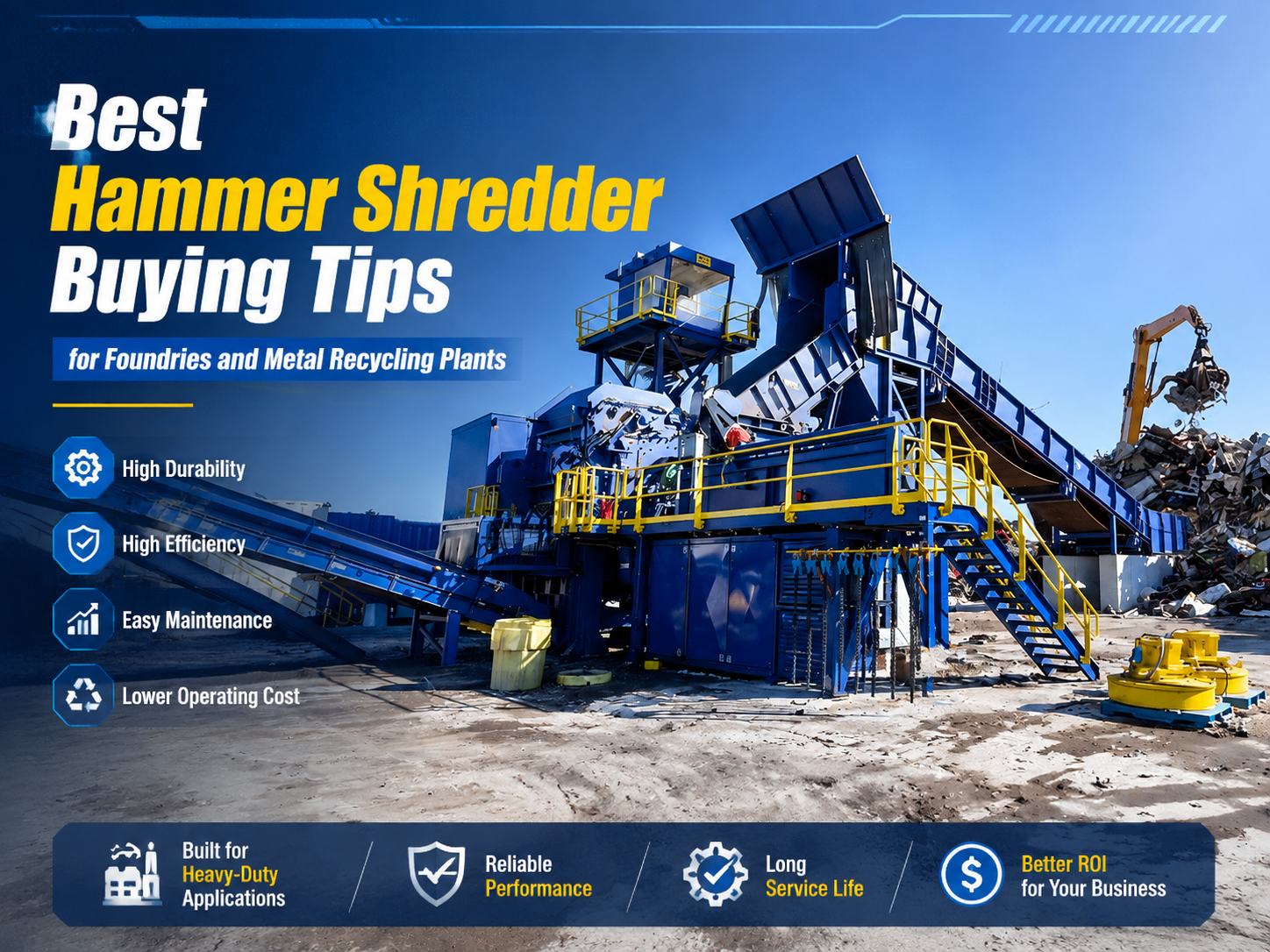
Best Hammer Shredder Buying Tips for Foundries and Metal Recycling Plants

Introduction to Hammer Shredders in Modern Metal Processing
In the high-stakes world of metal recycling and foundry operations, the efficiency of material preparation can make or break a facility’s profitability. A hammer shredder, often referred to as a hammer mill in certain contexts, is the workhorse of the scrap processing industry. These machines are designed to pulverize, shatter, and densify various types of metal scrap, ranging from aluminum castings and copper wire to end-of-life vehicles and structural steel. For foundries, a high-quality shredder ensures that the furnace charge is clean, dense, and uniform, which significantly reduces melting time and energy consumption.
However, purchasing a hammer shredder is a significant capital investment. The market is flooded with options, from small-scale units to massive multi-megawatt systems. Navigating this landscape requires a deep understanding of technical specifications, material science, and operational economics. This guide provides the Best Hammer Shredder Buying Tips Foundries Metal Recycling Plants need to make an informed decision, ensuring that the chosen equipment aligns with their specific production goals and long-term growth strategies.
Choosing the right machine involves more than just looking at the price tag. It requires an analysis of the ‘Total Cost of Ownership’ (TCO), which includes initial procurement, energy consumption, wear part replacement, and downtime costs. As foundries move toward more sustainable and efficient ‘Green Foundry’ practices, the role of the hammer shredder becomes even more critical in processing internal scrap and secondary raw materials.
Price Range Overview: What to Expect
The price of a hammer shredder varies wildly based on capacity, build quality, and automation features. For a professional metal recycling plant, the investment typically falls into three broad categories. Entry-level industrial shredders, suitable for light non-ferrous metals and small foundry returns, usually range from $40,000 to $100,000. These machines are compact but lack the massive inertia required for heavy steel processing.
Mid-range shredders, which are the most common choice for medium-sized recycling centers, typically cost between $150,000 and $450,000. These units offer a balance of throughput (5-15 tons per hour) and durability. They often feature reinforced housings and more sophisticated hydraulic systems for maintenance access. For large-scale foundries and regional scrap hubs, heavy-duty systems can exceed $1,000,000. These high-end machines are capable of processing 30+ tons per hour and are built to run 24/7 in the most demanding environments.
| Category | Typical Capacity (TPH) | Estimated Price Range (USD) | Primary Application |
|---|---|---|---|
| Light Duty | 1 – 5 | $40,000 – $100,000 | Aluminum cans, thin sheets, electronic scrap |
| Medium Duty | 5 – 15 | $150,000 – $450,000 | Foundry returns, mixed scrap, light iron |
| Heavy Duty | 20 – 50+ | $500,000 – $1.5M+ | Car bodies, heavy structural scrap, large castings |
When evaluating these price ranges, it is vital to remember that the ‘cheapest’ machine often ends up being the most expensive due to frequent breakdowns and high wear-part costs. The Best Hammer Shredder Buying Tips Foundries Metal Recycling Plants always emphasize looking at the value-to-performance ratio rather than the sticker price alone.
Main Cost Drivers in Hammer Shredder Procurement
Several factors dictate the final cost of a hammer shredder. Understanding these drivers allows buyers to prioritize features that matter most to their specific application. The first and most significant driver is the Rotor Design and Weight. The rotor is the heart of the machine; a heavier rotor provides more kinetic energy, allowing the machine to process tougher materials with less strain on the motor. High-quality rotors are often forged or made from specialized alloy steels to prevent fatigue cracking.
The second driver is the Motor and Drive System. High-efficiency motors (IE3 or IE4 ratings) carry a premium but significantly reduce monthly utility bills. Furthermore, the choice between a direct drive, belt drive, or hydraulic drive system impacts both the initial cost and the maintenance profile. Direct drives are efficient but require sophisticated coupling to protect the motor from shock loads, whereas belt drives offer a natural ‘fuse’ against jams but require more frequent adjustment.
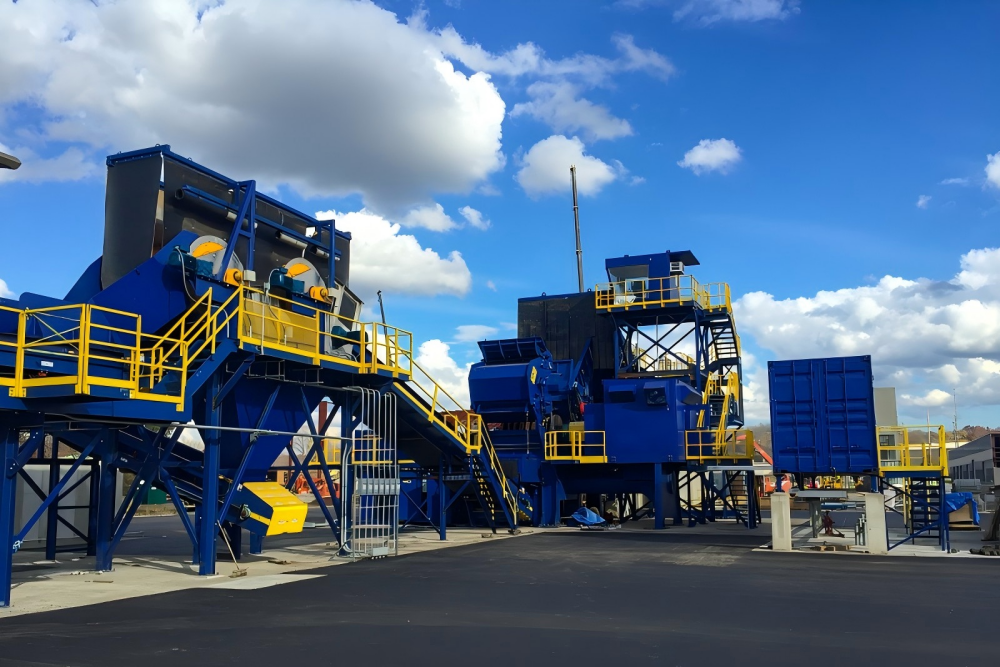
Thirdly, the Material of Wear Parts plays a massive role. Hammers, liners, and grates are consumable items. Machines equipped with high-manganese steel or specialized chrome-moly alloys will have a higher upfront cost but will last significantly longer between changeouts. In a foundry environment, where abrasive sand or hard castings are processed, the quality of these wear parts is non-negotiable.
Configuration Impact: Tailoring the Machine to Your Needs
Configuration is where the Best Hammer Shredder Buying Tips Foundries Metal Recycling Plants become highly specific. The configuration of the hammers—their shape, weight, and arrangement—must match the input material. For example, ‘bell-shaped’ hammers are excellent for shattering brittle cast iron, while ‘blunt-faced’ hammers are better for densifying ductile aluminum scrap into ‘nuggets’.
The Grate or Screen Size is another critical configuration point. The size of the holes in the discharge grate determines the final product size. Smaller holes result in a more uniform, denser product (ideal for furnace charging) but reduce the overall throughput of the machine. Many modern shredders, like those offered by HARSLE, feature interchangeable grates, allowing operators to switch between different product specifications in a matter of hours.
Furthermore, the Feeding Mechanism cannot be overlooked. A vibrating feeder or a heavy-duty slat conveyor ensures a consistent flow of material into the shredding chamber. Inconsistent feeding leads to ‘slugging’ the motor, which causes electrical spikes and mechanical stress. An automated feeding system that syncs with the motor’s load (PLC-controlled) is a high-value configuration that prevents overloads and maximizes efficiency.
Hidden Costs: Beyond the Initial Purchase
One of the most overlooked aspects of buying a hammer shredder is the hidden costs associated with installation and operation. Foundation and Civil Works are often a shock to new buyers. A heavy-duty shredder generates massive vibrations; therefore, it requires a reinforced concrete pad, often with vibration isolation dampeners. Depending on the soil conditions at your plant, these civil works can add 10-20% to the total project cost.
Electrical Infrastructure is another hidden cost. A 400HP or 600HP motor requires significant power draw. You may need to upgrade your plant’s transformers, install soft-starters or Variable Frequency Drives (VFDs) to manage inrush current, and run heavy-gauge cabling. These upgrades are essential for the stable operation of the machine but are rarely included in the machine’s base price.
Finally, consider the Dust Collection and Environmental Compliance. Shredding metal, especially scrap with paint, oil, or plastic attachments, generates dust and potentially hazardous fumes. Most jurisdictions require a robust baghouse or cyclone dust collection system. Integrating these systems into the shredder’s workflow is mandatory for worker safety and legal operation, adding both capital and operational costs (filter replacements, etc.).
ROI Calculation: Measuring Success
To justify the purchase, a foundry or recycling plant must perform a rigorous Return on Investment (ROI) calculation. The primary source of ROI in metal recycling is the Value-Add of the Processed Material. For instance, unprocessed ‘HMS 1/2’ scrap might sell for a certain price, but ‘Shredded Steel Scrap’ (ISRI 211) commands a significant premium because it is cleaner and easier for steel mills to melt. If your shredder increases the value of your output by $40 per ton and you process 2,000 tons per month, that is an additional $80,000 in monthly revenue.
For foundries, the ROI comes from Internal Efficiency. Using a hammer shredder to process internal ‘returns’ (gates, risers, and rejects) into a dense, uniform size allows for faster charging of the induction furnace. This reduces the ‘power-on’ time per melt. If a shredder can reduce melting energy consumption by 5-10%, the annual savings in electricity alone can often pay for the machine within 24 to 36 months.
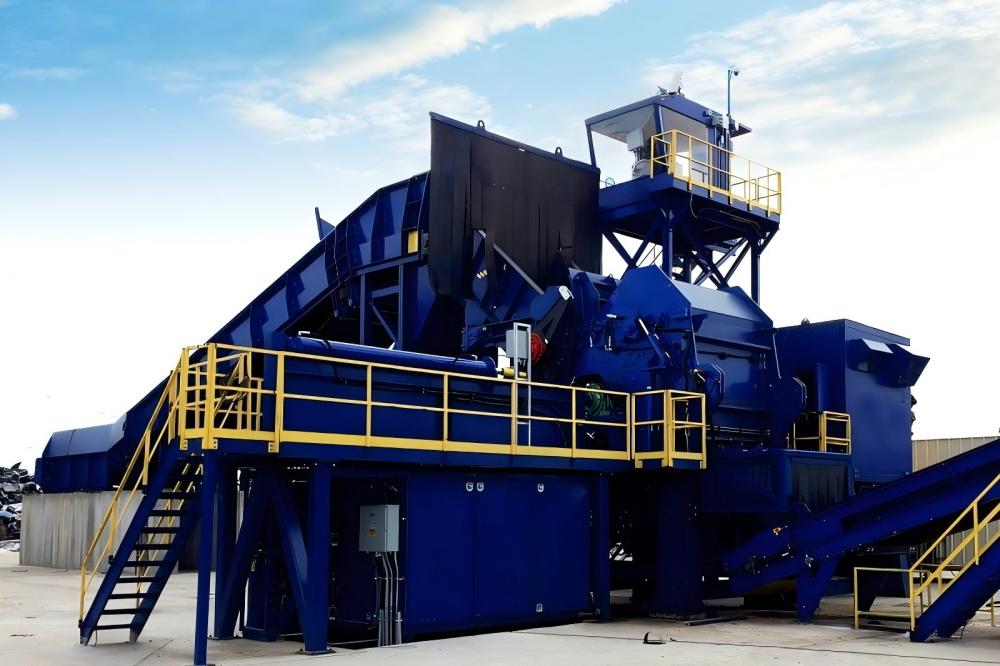
Maintenance costs must be subtracted from these gains. A good rule of thumb is to allocate $3-$7 per ton of processed material for wear parts and routine maintenance. If your ROI calculation still shows a payback period of under three years after accounting for these costs, the investment is technically sound.
Buying Advice: A Checklist for Foundries and Recycling Plants
When you are ready to move forward, use this checklist to ensure you are following the Best Hammer Shredder Buying Tips Foundries Metal Recycling Plants:
- Verify Material Compatibility: Send samples of your toughest scrap to the manufacturer for a test shred. Observe the throughput and the quality of the output.
- Check the Housing Thickness: For metal recycling, the housing should be lined with replaceable wear plates. Ensure the main frame is thick enough to withstand decades of vibration.
- Evaluate Maintenance Access: Does the machine have a hydraulic ‘clamshell’ opening? Can hammers be changed easily without dismantling the entire rotor? Downtime is the enemy of ROI.
- Assess the PLC and Control System: Look for systems that offer remote diagnostics. If the machine goes down, having a technician log in remotely can save days of waiting for a site visit.
- Vendor Reputation: Choose a manufacturer like HARSLE that has a proven track record in metal fabrication and recycling machinery. Ask for references from other foundries.
- Spare Parts Availability: Ensure the manufacturer stocks hammers, pins, and liners in your region. Waiting six weeks for a shipment from overseas can be catastrophic.
By focusing on these criteria, you move away from ‘buying a machine’ and toward ‘investing in a solution’. The goal is to find a partner who understands the nuances of metal behavior and can provide a machine that grows with your business.
Frequently Asked Questions (FAQ)
1. How often do the hammers need to be replaced?
The lifespan of hammers depends entirely on the material being processed. In a typical metal recycling plant processing mixed scrap, hammers might last between 100 and 500 hours. In foundries processing softer aluminum, they can last much longer. Regular ‘flipping’ of the hammers (using the other leading edge) can double their life before replacement is necessary.
2. Can a hammer shredder handle heavy structural steel?
Standard hammer shredders are best for ‘thin’ to ‘medium’ gauge scrap (up to 10-15mm thickness). For heavy structural beams or thick engine blocks, a pre-shredder or a shear is usually required to downsize the material before it enters the hammer mill. Attempting to shred oversized heavy steel can cause catastrophic failure of the rotor or shaft.
3. What is the difference between a hammer shredder and a ring mill?
A hammer shredder uses fixed or swinging hammers to impact and shatter material. A ring mill uses heavy rolling rings. Hammer shredders are generally better for ‘shattering’ brittle materials and densifying light scrap, while ring mills are often used in specialized applications where a ‘tearing’ action is more effective. For most foundries and general scrap yards, the hammer shredder is the more versatile choice.
4. How do I manage the noise levels of a large shredder?
Hammer shredders are inherently noisy. To manage this, many plants install the shredder inside a sound-dampened enclosure or build ‘acoustic walls’ around the perimeter of the processing area. Providing high-quality hearing protection for operators and automating the feed system so workers can stay in a sound-proofed control room are also standard practices.
5. Is water injection necessary during the shredding process?
Water injection is often used in large-scale metal shredders to control dust and to prevent the ignition of any residual flammable materials (like gasoline vapors in car bodies). It also helps in cooling the hammers, which can extend their wear life slightly. However, it creates a ‘sludge’ that must be managed, so it is usually only recommended for high-volume outdoor operations.
Conclusion
Investing in a hammer shredder is a transformative step for any foundry or metal recycling plant. By following these Best Hammer Shredder Buying Tips Foundries Metal Recycling Plants, you can ensure that your investment leads to higher product quality, lower operational costs, and a safer working environment. Remember that the machine is only one part of the equation; the support, parts availability, and technical expertise of the manufacturer are what will ultimately determine your long-term success in the competitive world of metal processing.