
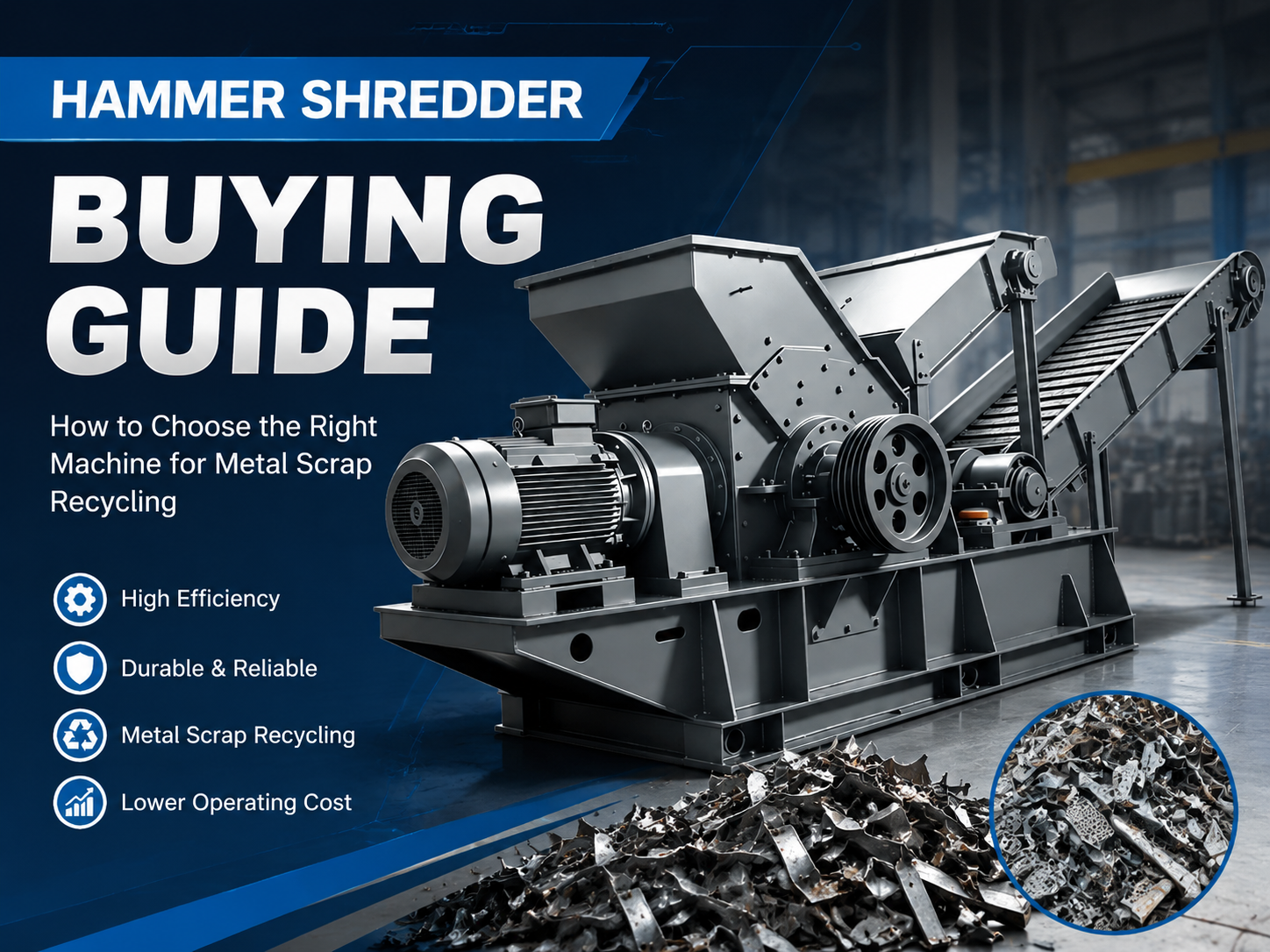
Hammer Shredder Buying Guide: How to Choose the Right Machine for Metal Scrap Recycling

Introduction to Hammer Shredder Selection for Modern Recycling
In the rapidly evolving landscape of global manufacturing and environmental stewardship, the role of efficient scrap management has never been more critical. For businesses involved in metal fabrication and waste management, the decision to invest in a hammer shredder is a pivotal moment. A hammer shredder, often referred to as a hammer mill in specific contexts, is the workhorse of the recycling industry. It utilizes high-speed rotating hammers to impact, shatter, and densify scrap metal into a high-quality, furnace-ready product. However, the process of Hammer Shredder Buying : Choose Machine Metal Scrap Recycling involves navigating a complex array of technical specifications, capacity requirements, and long-term operational costs.
Choosing the right machine is not merely about finding the lowest price; it is about matching the machine’s capabilities to your specific material stream. Whether you are processing aluminum extrusions, electronic waste (E-waste), end-of-life vehicles (ELVs), or industrial turnings, the configuration of the shredder will dictate your throughput and profitability. HARSLE, a leader in metal fabrication machinery, understands that a shredder is a long-term asset. This guide is designed to provide a comprehensive roadmap for procurement officers and facility managers to make an informed decision that balances initial capital expenditure with long-term reliability.
The efficiency of a hammer shredder lies in its ability to produce a clean, dense, and uniform output. This output is highly valued by smelters and refineries because it reduces melting time and energy consumption. As we delve into this guide, we will explore the nuances of machine sizing, the metallurgy of wear parts, and the economic factors that define a successful recycling operation. By the end of this article, you will have the technical foundation necessary to execute a Hammer Shredder Buying : Choose Machine Metal Scrap Recycling strategy that aligns with your business goals.
Price Range Overview: Understanding the Market Tiers
When embarking on the journey of Hammer Shredder Buying : Choose Machine Metal Scrap Recycling, the first question most buyers ask is about the cost. The price of a hammer shredder can vary significantly based on its scale, power, and intended application. Generally, the market is divided into three primary tiers: entry-level/small-scale, mid-range industrial, and heavy-duty infrastructure shredders.
Entry-level hammer shredders typically range from $20,000 to $60,000. These machines are designed for smaller recycling centers or specialized applications like E-waste processing or light aluminum scrap. They usually feature motors between 30kW and 75kW and have a throughput of 1 to 3 tons per hour. While affordable, these machines are not built for heavy ferrous metals or large-scale automotive scrap. They are ideal for businesses looking to enter the recycling market with a specific niche focus.
Mid-range industrial shredders fall into the $70,000 to $250,000 bracket. This is the most popular category for established metal fabrication shops and regional recycling yards. These machines offer motor power ranging from 110kW to 315kW and can handle a variety of materials, including light steel, household appliances (white goods), and mixed non-ferrous metals. The throughput for these machines typically ranges from 5 to 15 tons per hour, providing a solid balance between investment and production capacity.
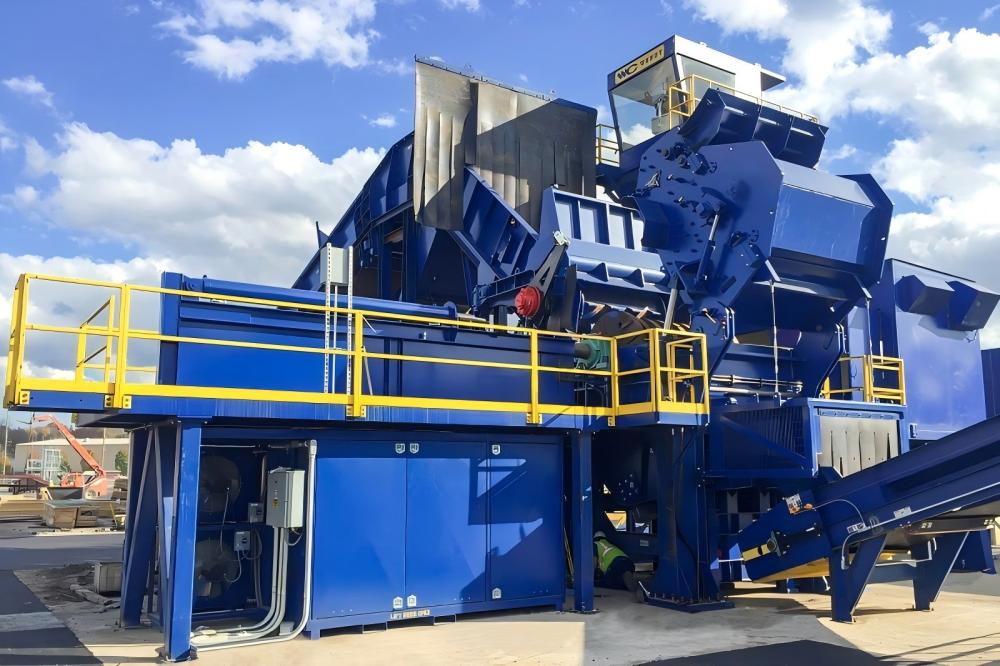
Heavy-duty infrastructure shredders are the giants of the industry, with prices exceeding $500,000 and sometimes reaching into the millions. These systems are often part of a complete recycling line, including magnetic separators, eddy current separators, and sophisticated dust extraction systems. With motors exceeding 500kW and the ability to process entire car bodies or heavy structural steel, these machines are designed for 24/7 operation in large-scale industrial hubs. When considering these, the Hammer Shredder Buying : Choose Machine Metal Scrap Recycling process becomes a major infrastructure project requiring significant site preparation.
Main Cost Drivers in Hammer Shredder Procurement
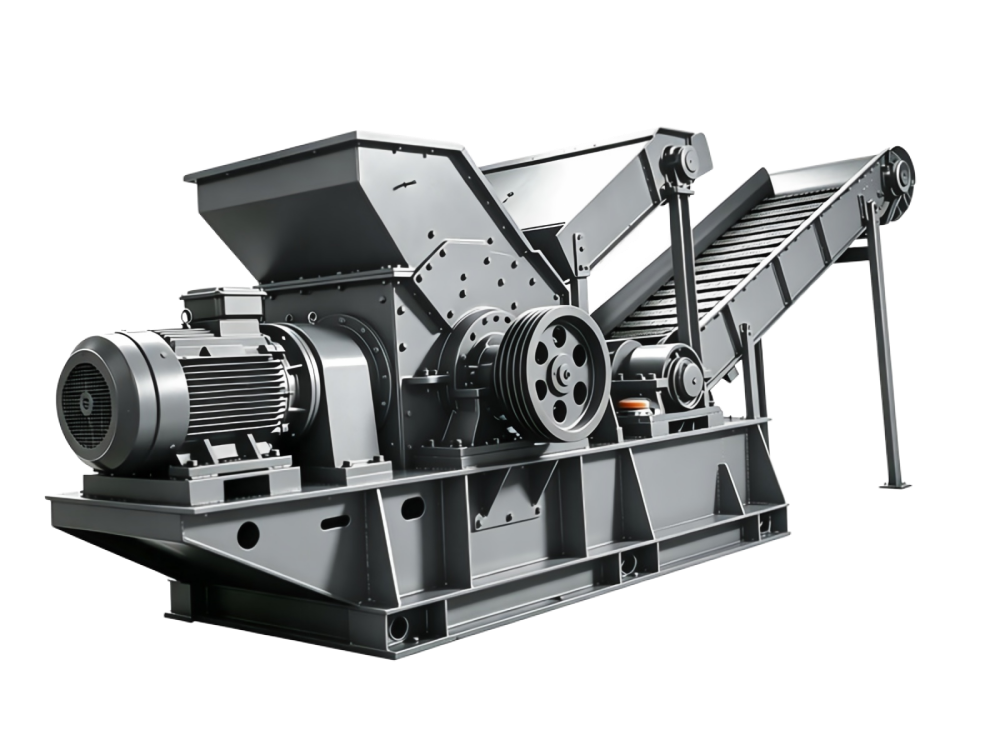
Several technical factors drive the final price of a hammer shredder. Understanding these drivers is essential for evaluating quotes from different manufacturers. The most significant driver is the motor and drive system. High-efficiency motors, often paired with soft-starters or variable frequency drives (VFDs), increase the initial cost but significantly reduce energy consumption and mechanical stress during startup. The choice between an electric motor and a hydraulic drive also impacts the price, with hydraulic systems offering higher torque at lower speeds but at a premium cost.
The quality of the rotor and the metallurgy of the hammers are the next major cost drivers. The rotor is the heart of the machine, and it must be balanced perfectly to withstand the immense centrifugal forces generated during operation. High-quality rotors are often forged rather than cast, which adds to the cost. Similarly, the hammers themselves are subject to extreme wear. Hammers made from high-manganese steel or specialized alloy steels with heat treatment are more expensive but offer a much longer service life, reducing the frequency of costly downtime for replacements.
Automation and control systems also play a role. Modern shredders equipped with PLC (Programmable Logic Controller) systems, remote monitoring, and automated load sensing can optimize the feeding process to prevent jams and maximize throughput. While these features add to the upfront cost, they protect the machine from operator error and ensure consistent performance. Finally, the inclusion of peripheral equipment like vibrating feeders, discharge conveyors, and air separation systems will naturally increase the total project cost.
Configuration Impact: Tailoring the Machine to Your Scrap
The configuration of a hammer shredder is not a one-size-fits-all solution. The specific type of scrap you intend to process will dictate the machine’s design. For instance, the rotor diameter and the number of hammers are critical. A larger diameter rotor provides more kinetic energy, which is necessary for breaking down thicker steel sections. Conversely, for light materials like aluminum cans or thin-gauge E-waste, a smaller, faster rotor might be more efficient.
The grate or screen size is another vital configuration element. The screen determines the final size of the shredded material. Smaller holes produce a finer, more uniform product but reduce the overall throughput and increase energy consumption per ton. If your end-buyer (the smelter) requires a specific density or size, your shredder must be configured with the appropriate grates. Many HARSLE machines offer interchangeable grates to provide flexibility for different contracts.
Feeding mechanisms also vary. Top-feed shredders are common for gravity-fed operations, while side-feed shredders with hydraulic pushers are better for bulky items like refrigerators or compressed bales. The choice of feeding system affects how the material enters the crushing chamber and how the hammers interact with it. A well-configured feeding system ensures that the machine operates at its “sweet spot,” avoiding both under-loading (which is inefficient) and over-loading (which causes wear and potential damage).
Hidden Costs: What to Look for Beyond the Sticker Price
When executing a Hammer Shredder Buying : Choose Machine Metal Scrap Recycling plan, it is easy to focus solely on the purchase price. However, the total cost of ownership (TCO) includes several “hidden” expenses that can impact your bottom line. One of the most significant is the cost of wear parts. Hammers, liners, and grates are consumables. Depending on the abrasiveness of your scrap, you may need to replace hammers every few weeks or months. It is crucial to calculate the cost per ton of these consumables before purchasing.
Energy consumption is another major ongoing expense. A shredder that is slightly more expensive but features a more efficient motor or a better-designed rotor can save tens of thousands of dollars in electricity bills over its lifespan. Furthermore, consider the cost of maintenance labor. A machine designed with easy access to the crushing chamber—such as a hydraulic opening housing—will significantly reduce the man-hours required for hammer changes and inspections.
Installation and site preparation are often underestimated. A large hammer shredder requires a reinforced concrete foundation to absorb vibrations. You may also need to upgrade your facility’s electrical infrastructure to handle the high peak loads. Additionally, environmental compliance costs, such as dust suppression systems and noise barriers, must be factored in. Failure to account for these can lead to significant delays and budget overruns during the commissioning phase.
ROI Calculation: Turning Scrap into Profit
The ultimate goal of Hammer Shredder Buying : Choose Machine Metal Scrap Recycling is to generate a return on investment. To calculate ROI, you must look at the value-add of the shredding process. Raw, un-shredded scrap often sells at a lower price because it is bulky, contaminated, and difficult to melt. Shredded scrap, however, is clean, dense, and has a known chemistry, allowing it to command a premium price—often 20% to 40% higher than unprocessed scrap.
To calculate your monthly ROI, use the following formula: (Throughput per hour × Operating hours per month × Price premium per ton) – (Monthly energy cost + Monthly wear parts cost + Monthly labor cost + Monthly financing cost). For example, if a HARSLE shredder processes 10 tons per hour and the shredded material sells for $50 more per ton than raw scrap, the gross value-add is $500 per hour. If operating costs are $200 per hour, the net profit is $300 per hour. Over a standard 160-hour work month, this results in $48,000 in additional profit.
Beyond direct profit, consider the logistical savings. Shredding increases the bulk density of scrap, meaning you can fit more weight into each truck or shipping container. This reduces transportation costs significantly, especially for light materials like aluminum or tin. When these factors are combined, many industrial-scale shredders can pay for themselves within 12 to 24 months of operation, depending on market conditions and material volume.
Buying Advice: A Step-by-Step Checklist
To ensure a successful Hammer Shredder Buying : Choose Machine Metal Scrap Recycling experience, follow this structured approach:
- Analyze Your Feedstock: Document exactly what you will be shredding. Take photos and measurements of your typical scrap piles. Share this with the manufacturer to ensure the machine is rated for your specific materials.
- Define Your Output Goals: What does your buyer want? Determine the required density and purity levels. This will dictate the screen size and the need for downstream separation equipment.
- Verify Manufacturer Reputation: Look for a supplier like HARSLE that has a proven track record in metal fabrication machinery. Ask for case studies or references from customers processing similar materials.
- Inspect the Build Quality: If possible, visit the factory or a site where the machine is operating. Look at the weld quality, the thickness of the housing, and the brand of the bearings and electrical components.
- Evaluate After-Sales Support: A shredder will eventually need parts and technical advice. Ensure the manufacturer has a robust spare parts inventory and can provide timely support to minimize downtime.
- Plan for the Future: Don’t just buy for today’s volume. If you expect to grow, consider a machine with a slightly higher capacity or one that can be easily upgraded with a larger motor in the future.
Technical Specifications Comparison Table
| Feature | Small-Scale (E-Waste) | Mid-Range (General Scrap) | Heavy-Duty (ELV/Industrial) |
|---|---|---|---|
| Motor Power | 30kW – 75kW | 110kW – 315kW | 400kW – 1000kW+ |
| Rotor Diameter | 600mm – 800mm | 1000mm – 1400mm | 1600mm – 2200mm |
| Throughput (Tons/Hr) | 1 – 4 | 5 – 15 | 20 – 50+ |
| Typical Materials | Aluminum, PCB, Plastic | White Goods, Light Steel | Car Bodies, Structural Steel |
| Hammer Weight | 5kg – 15kg | 20kg – 50kg | 70kg – 150kg |
Frequently Asked Questions (FAQ)
1. How long do the hammers typically last?
Hammer lifespan depends entirely on the material being processed. For clean aluminum, hammers may last several hundred hours. For abrasive materials like reinforced steel or scrap with high sand/dirt content, they may need flipping or replacement every 40 to 80 hours. Using high-manganese alloys can significantly extend this duration.
2. Can a hammer shredder handle stainless steel?
While a hammer shredder can process stainless steel, it is much harder and more abrasive than carbon steel. This will lead to faster wear on the hammers and liners. If you process large volumes of stainless steel, you should specify this during the Hammer Shredder Buying : Choose Machine Metal Scrap Recycling process so the manufacturer can provide reinforced components.
3. What is the difference between a hammer shredder and a shear shredder?
A shear shredder (twin-shaft) uses high torque and low speed to cut material, which is better for volume reduction of bulky items. A hammer shredder uses high speed and impact to shatter and densify material. Hammer shredders are generally preferred when the goal is to create a clean, separated, and high-density end product for smelting.
4. Does the machine require a special foundation?
Yes, for mid-range and heavy-duty shredders, a dedicated vibration-dampening foundation is essential. This usually involves a thick concrete pad with internal reinforcement and sometimes specialized dampening mounts to prevent the transfer of vibrations to the rest of the facility.
5. How do I control dust and emissions during shredding?
Shredding metal often releases dust, paint particles, and sometimes smoke if the scrap is contaminated with oils. Most modern installations include a cyclone dust collector or a baghouse system. Some also use water spray systems inside the chamber to suppress dust at the source, though this requires careful management of the resulting sludge.
Conclusion
Investing in a hammer shredder is a significant step toward industrial maturity for any recycling or metal fabrication business. By focusing on the core principles of Hammer Shredder Buying : Choose Machine Metal Scrap Recycling—matching capacity to feedstock, understanding the total cost of ownership, and prioritizing build quality—you can ensure that your investment yields high returns for years to come. HARSLE remains committed to providing high-performance machinery that meets the rigorous demands of the modern recycling industry. Whether you are looking to process light non-ferrous metals or heavy industrial scrap, the right configuration and a clear understanding of the technology will be your greatest assets in the competitive world of metal recycling.


