Industrial Shredder Troubleshooting Guide: Common Problems and Quick Fixes

Introduction to Industrial Shredder Troubleshooting
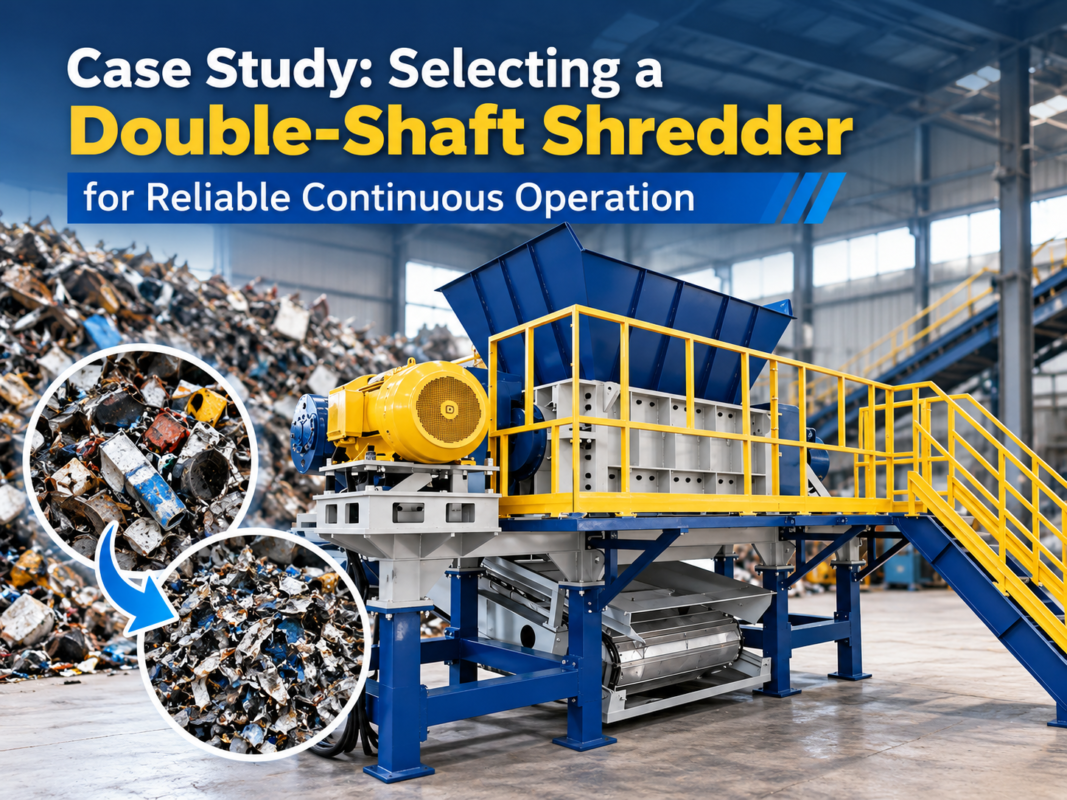
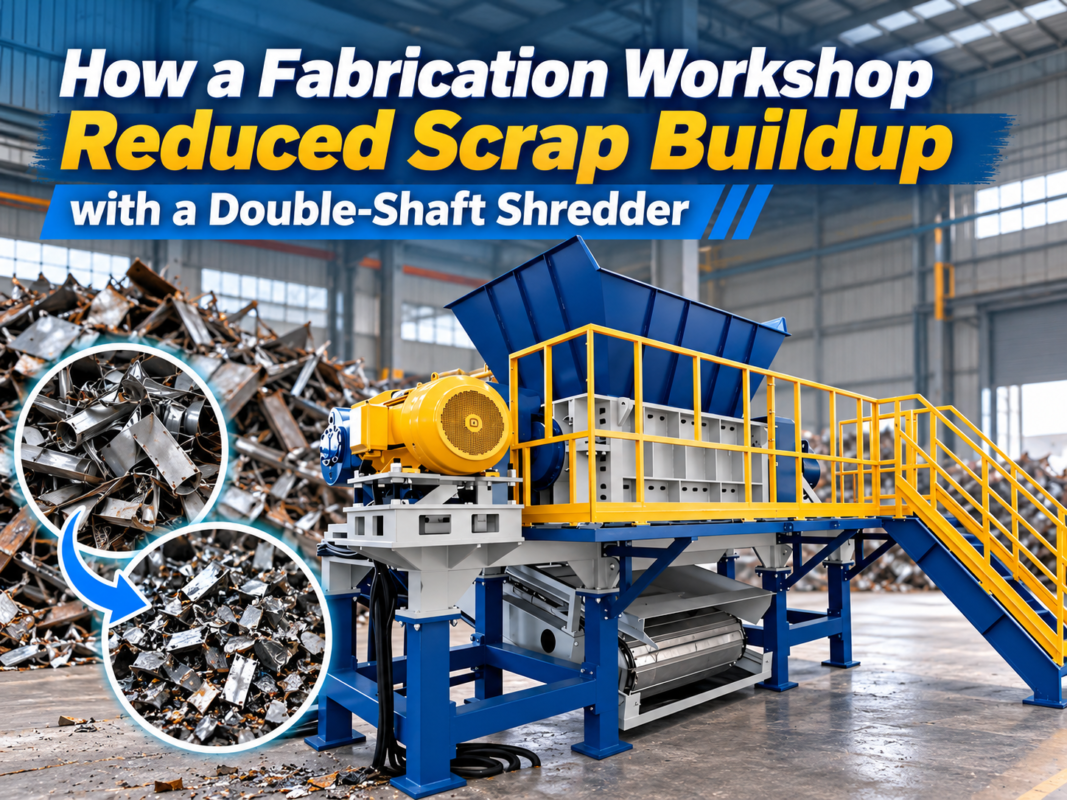
In the high-stakes world of industrial recycling and waste management, the industrial shredder stands as a cornerstone of productivity. Whether you are processing scrap metal, plastics, electronic waste, or industrial debris, these machines are designed to handle immense stress. However, the very nature of their work—tearing through high-density materials—means that wear and tear are inevitable. When a shredder goes down, the entire production line often grinds to a halt, leading to significant financial losses and operational bottlenecks. Understanding Industrial Shredder Troubleshooting : Common Problems Quick Fixes is not just a maintenance skill; it is a vital business strategy for ensuring maximum uptime and equipment longevity.
HARSLE understands that industrial shredders are complex systems involving mechanical, electrical, and hydraulic components. A failure in any one of these areas can manifest as a total machine shutdown or a significant drop in output quality. This guide is designed to empower operators and maintenance teams with the knowledge to diagnose issues rapidly and implement effective solutions. By identifying the root causes of common problems, you can move from reactive repairs to a proactive maintenance culture that prevents failures before they occur.
Effective troubleshooting begins with a deep understanding of how your specific shredder operates. From single-shaft shredders used for precise sizing to heavy-duty dual-shaft models designed for high-torque shearing, each machine has its own set of vulnerabilities. In the following sections, we will explore the critical considerations for maintaining these machines, dive into the technical details of common failures, and provide a roadmap for selecting the right equipment to minimize future troubleshooting needs.
Key Considerations for Shredder Maintenance and Safety
Before diving into specific technical fixes, it is imperative to establish a foundation of safety and systematic observation. Industrial shredders are among the most powerful and potentially dangerous machines in a fabrication facility. Safety protocols should never be bypassed for the sake of a “quick fix.” The first consideration is the implementation of a rigorous Lockout/Tagout (LOTO) procedure. No technician should ever attempt to inspect the cutting chamber or electrical cabinet without ensuring the machine is completely de-energized and cannot be accidentally restarted.
Another key consideration is the environment in which the shredder operates. Dust, moisture, and temperature fluctuations can all wreak havoc on sensitive components. For instance, excessive dust can clog cooling fans on motors, leading to overheating, while moisture can degrade hydraulic fluids or cause electrical shorts. Regular cleaning of the area surrounding the shredder is as important as maintaining the machine itself. Furthermore, the type of material being processed must be constantly monitored. Feeding the machine materials that exceed its rated capacity or hardness is the leading cause of premature blade failure and motor strain.
Documentation is the third pillar of effective troubleshooting. Maintaining a detailed log of machine performance, including unusual noises, vibration levels, and operating temperatures, allows maintenance teams to spot trends. If a motor is consistently running 10 degrees hotter than usual, it provides a warning sign that a bearing might be failing or the cooling system is inefficient. By tracking these metrics, you can address minor issues during scheduled downtime rather than reacting to a catastrophic failure during a peak production shift.
Technical Details: Common Problems and Quick Fixes
Troubleshooting an industrial shredder requires a systematic approach to the machine’s primary systems: the cutting assembly, the drive system, and the control logic. Below, we detail the most frequent issues encountered in the field and the technical steps required to resolve them.
1. Material Jamming and Blockages
Jamming is perhaps the most common issue in industrial shredding. It occurs when the material fed into the hopper exceeds the torque capacity of the motor or when non-shreddable items (like heavy steel plates in a plastic shredder) enter the chamber. Most modern shredders, including those from HARSLE, feature an auto-reverse function. When the PLC detects a spike in motor amperage, it automatically reverses the shafts to clear the jam.
Quick Fix: If the auto-reverse fails to clear the blockage, manually stop the machine and perform LOTO. Inspect the cutting chamber for “bridging”—where material wedges between the blades and the hopper walls. Use specialized tools to remove the obstruction. To prevent recurrence, ensure the feed rate is consistent and that operators are trained to identify and remove non-shreddable contaminants before they reach the hopper.
2. Excessive Vibration and Noise
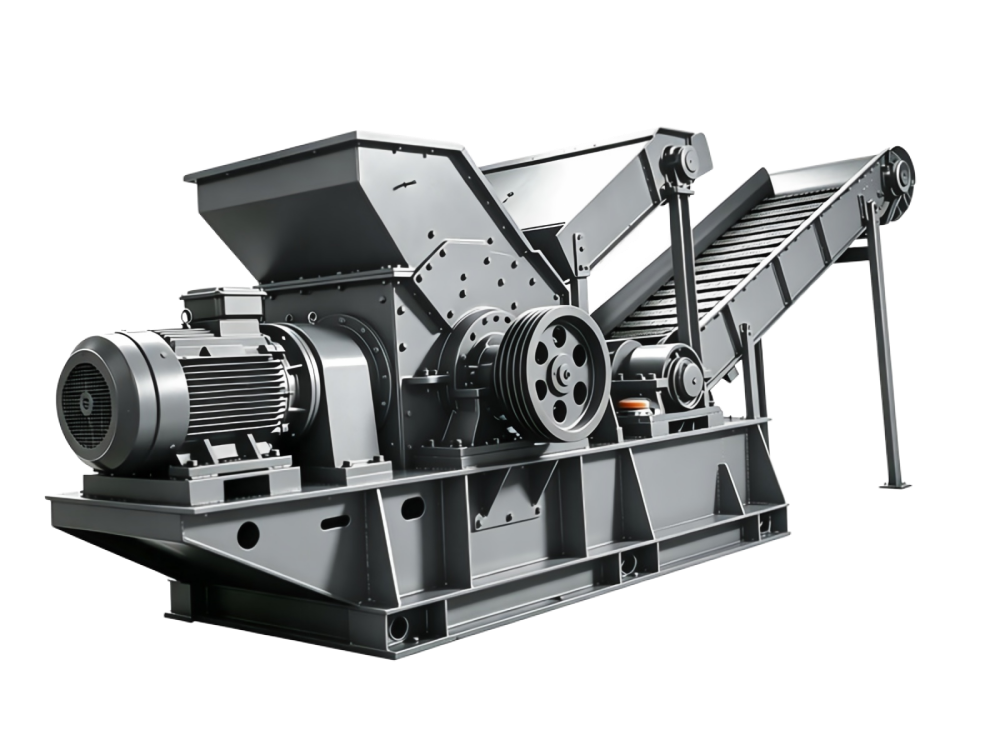
While shredders are naturally noisy, a change in the frequency or intensity of vibration is a red flag. Excessive vibration is usually caused by loose mounting bolts, unbalanced shafts, or worn-out bearings. If left unaddressed, vibration can lead to structural cracks in the machine frame or catastrophic failure of the drive train.
Quick Fix: Start by checking all external bolts and fasteners; industrial vibrations can loosen even the most secure fittings over time. If the vibration persists, inspect the bearings. Use a stethoscope or infrared thermometer to check for localized heat, which indicates a bearing is failing due to lack of lubrication or internal wear. Replacing a bearing is a standard maintenance task, but it must be done precisely to ensure shaft alignment.
3. Blade Wear and Poor Shred Quality
When the output material becomes inconsistent in size or the shredder seems to “struggle” with materials it previously handled easily, the blades are likely dull or the gap between the blades and the counter-knives has widened. Blade wear is a function of the material’s abrasiveness and the hours of operation.
Quick Fix: Many industrial shredders feature indexable or rotatable inserts. If one edge is dull, you can rotate the blade to a fresh cutting edge. If the blades are fully worn, they must be removed and professionally sharpened or replaced. Additionally, check the clearance between the rotor blades and the bed blades. Adjusting this gap to the manufacturer’s specifications can often restore cutting efficiency without needing new parts immediately.
4. Overheating of Motors or Hydraulics
Overheating is a symptom of overwork or poor maintenance. In electric-drive shredders, it often points to a clogged ventilation system or an overloaded circuit. In hydraulic-drive models, it usually indicates contaminated fluid, a failing pump, or a clogged heat exchanger.
Quick Fix: For electric motors, clean all dust and debris from the cooling fins and ensure the fan is operational. For hydraulic systems, check the fluid level and color. If the fluid looks milky or smells burnt, it must be replaced. Ensure the oil cooler is free of obstructions. If the machine continues to overheat under normal loads, the motor or pump may be reaching the end of its service life and require a rebuild.
5. Electrical and PLC Errors
Modern shredders rely on sophisticated PLC (Programmable Logic Controller) systems to manage torque, speed, and safety interlocks. If the machine refuses to start or stops unexpectedly without a mechanical jam, the issue is likely electrical. Common culprits include blown fuses, tripped circuit breakers, or faulty sensors (such as hopper-limit switches or emergency stop buttons).
Quick Fix: Check the PLC diagnostic screen for error codes. These codes are specifically designed to point you toward the problem area. Verify that all emergency stop buttons are pulled out and that safety gates are fully closed. Inspect wiring for signs of fraying or heat damage, especially in areas prone to vibration. Resetting the system can sometimes clear transient software glitches, but persistent errors require a deep dive into the electrical schematics.
Selection Advice: Choosing the Right Shredder to Minimize Issues
The best way to handle Industrial Shredder Troubleshooting : Common Problems Quick Fixes is to select a machine that is correctly spec’d for your application from the start. Many troubleshooting issues arise because a machine is being used for a purpose it wasn’t designed for. When selecting a shredder, consider the following factors to ensure long-term reliability.
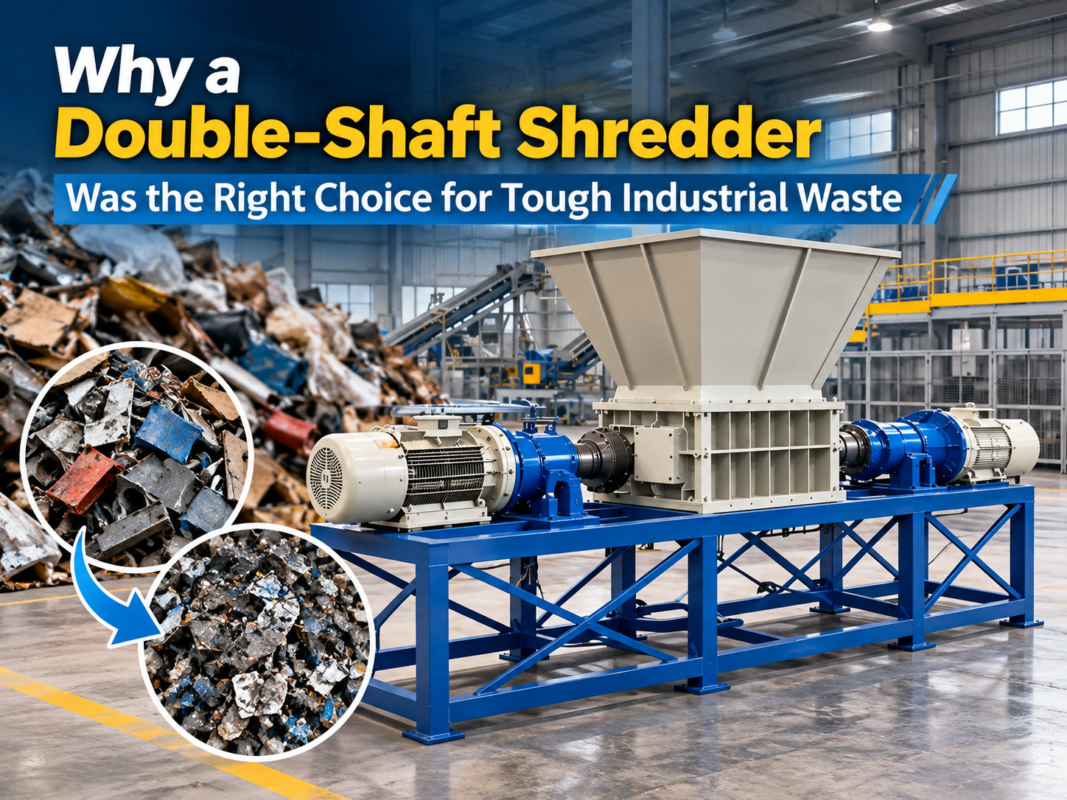
First, evaluate the drive type. Electric drives are generally more energy-efficient and easier to maintain for consistent, uniform materials. However, hydraulic drives offer superior torque control and shock absorption, making them ideal for heavy-duty scrap metal or mixed waste where “unshreddables” are a frequent risk. Choosing a hydraulic drive for high-impact applications can significantly reduce the frequency of mechanical failures related to shock loading.
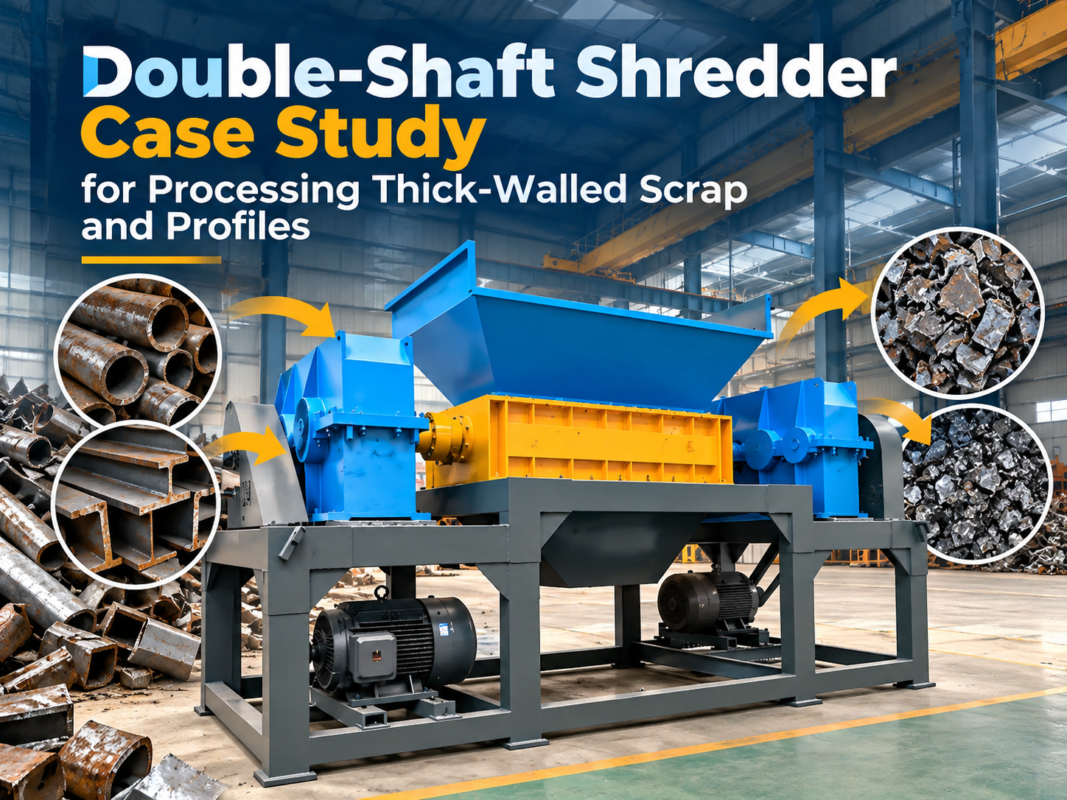
Second, consider the shaft configuration. Single-shaft shredders are excellent for achieving a specific, small particle size in plastics or wood, but they can be prone to wrapping issues with long, stringy materials. Dual-shaft shredders are the workhorses of the industry, offering high throughput and the ability to grab and tear large objects, though they may produce a coarser output. Matching the shaft design to your primary material stream is critical for preventing frequent jams and blade damage.
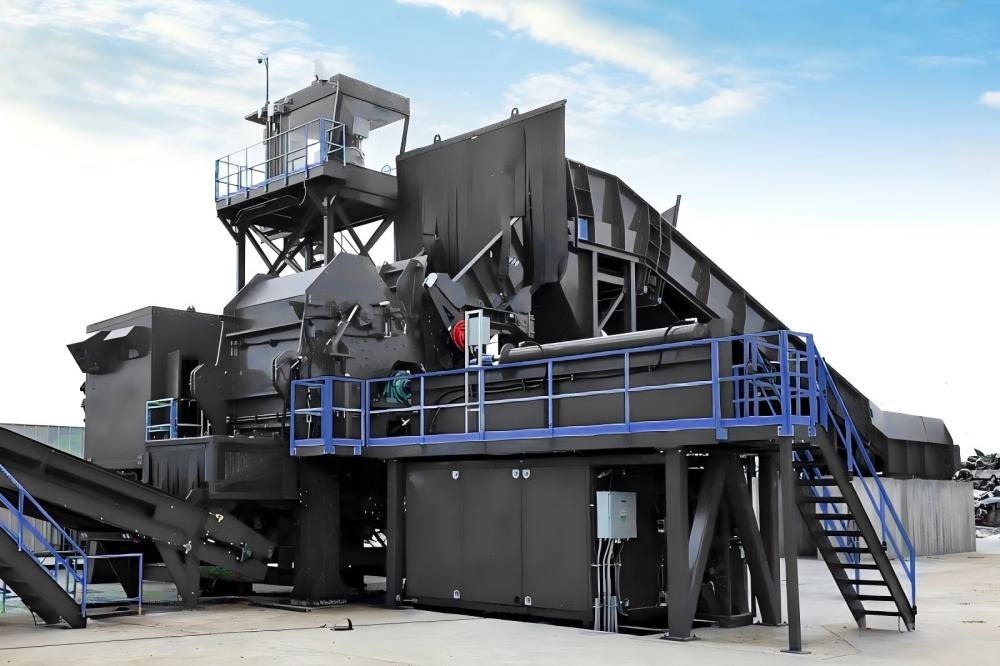
Finally, look at the ease of maintenance. A well-designed shredder, like those in the HARSLE lineup, features easy access to the cutting chamber, quick-change blade systems, and externally mounted bearings. If a machine is difficult to service, maintenance will inevitably be deferred, leading to more frequent and severe breakdowns. Always ask for a demonstration of how blades are changed and how the drive train is accessed before making a purchase.
Buyer’s Checklist for Shredder Reliability:
- Torque Rating: Does the machine have enough torque to handle the densest part of your waste stream?
- Blade Material: Are the blades made from high-quality alloy steel (like D2 or DC53) suited for your specific material?
- Control System: Does the PLC include advanced features like auto-reverse, load-sensing, and remote diagnostics?
- Service Support: Does the manufacturer provide readily available spare parts and technical support?
- Safety Features: Are there robust emergency stops, safety interlocks, and fire suppression options if needed?
Frequently Asked Questions (FAQ)
How often should I sharpen or replace my shredder blades?
The frequency of blade maintenance depends entirely on the material being processed. For soft plastics, blades may last several months. For abrasive materials like glass-filled polymers or contaminated scrap metal, blades may need attention every few weeks. The best indicator is the quality of the output and the motor load; if the motor is drawing more current to process the same amount of material, it’s time to check the blades.
What should I do if my shredder keeps tripping the circuit breaker?
A tripped breaker is a safety response to an overcurrent situation. First, check for a mechanical jam that is forcing the motor to work too hard. If the chamber is clear, check the electrical connections for looseness or corrosion, which can increase resistance. Finally, ensure that the power supply to your facility is stable and meets the machine’s voltage and amperage requirements.
Can I shred different materials in the same machine?
While many shredders are versatile, using a machine designed for paper on scrap metal will cause immediate failure. If you need to process multiple materials, look for a multi-purpose shredder with adjustable speed and interchangeable screens. Always consult the manufacturer before introducing a significantly different material into your production line.
Why is my hydraulic shredder losing power?
Loss of power in a hydraulic system is usually due to a drop in pressure or flow. Check for leaks in the hoses and fittings. Inspect the hydraulic filters; if they are clogged, the pump cannot move fluid efficiently. If the filters and fluid are clean, the hydraulic pump or motor may be experiencing internal wear and failing to maintain pressure under load.
How can I reduce the noise level of my industrial shredder?
Noise can be reduced by ensuring the machine is properly anchored to a solid foundation, which minimizes resonance. Keeping blades sharp reduces the force required to shear material, thereby lowering noise. Additionally, installing acoustic enclosures or vibration-dampening mounts can significantly improve the working environment.
Conclusion: Building a Culture of Maintenance
Mastering Industrial Shredder Troubleshooting : Common Problems Quick Fixes is about more than just fixing things when they break; it is about understanding the language of your machinery. Every vibration, every temperature spike, and every change in output quality is the machine communicating its condition. By listening to these signals and responding with the technical fixes outlined in this guide, you can ensure that your HARSLE equipment remains a productive asset for years to come.
The most successful operations are those that prioritize preventative maintenance over emergency repairs. This involves regular lubrication, frequent blade inspections, and keeping the electrical and hydraulic systems clean and cool. When you combine high-quality machinery with a disciplined approach to maintenance, the result is a significant reduction in downtime, lower operational costs, and a safer environment for your team. Remember, an industrial shredder is a powerful tool; treat it with the technical respect it deserves, and it will serve your fabrication needs reliably through even the toughest processing challenges.